
Stand Mixer or Hand Mixer? Which to Buy, by What and How Often You Bake
Four questions decide it: how often you bake, what you bake, how big your batches are and how much counter you have. Two picks of each type.
Where to buy these picks
Affiliate links: we may earn a commission on qualifying Amazon purchases. Policy. Prices show only when checked in the last 24 hours.
Should you buy a stand mixer or a hand mixer? Buy a hand mixer (usually under $100) if you bake a few times a month and are short on counter space. Buy a stand mixer ($300–$500 for a KitchenAid Artisan 5-Qt, or the budget Hamilton Beach 4-Qt for a fraction of that) if you bake weekly, make bread or stiff cookie dough, or double your batches. A stand mixer runs hands-free and kneads with a dough hook; a hand mixer lives in a drawer.
That is the whole decision in one paragraph. The rest of this page helps you place yourself on either side of it, with the specs that actually separate the two types and four specific picks. If you already know which type you want, our deeper guides go further: the best stand mixers for 2026 and the best hand mixers for 2026.
Picks at a glance
| Award | Model | Bowl or attachments | Wattage | Price tier |
|---|---|---|---|---|
| Stand, Best Overall | KitchenAid Artisan 5-Qt Tilt-Head | 5-qt stainless bowl, flat beater, dough hook, wire whip | 325 W | $300–$500 |
| Stand, Budget | Hamilton Beach 4-Qt 7-Speed | 4-qt stainless bowl, flat beater, dough hook, whisk, splash guard | 300 W | $100–$200 |
| Hand, Best Overall | KitchenAid 7-Speed KHM7210 | Turbo Beater II beaters, pro whisk (no dough hooks) | 150 W (retail listing) | $50–$100 |
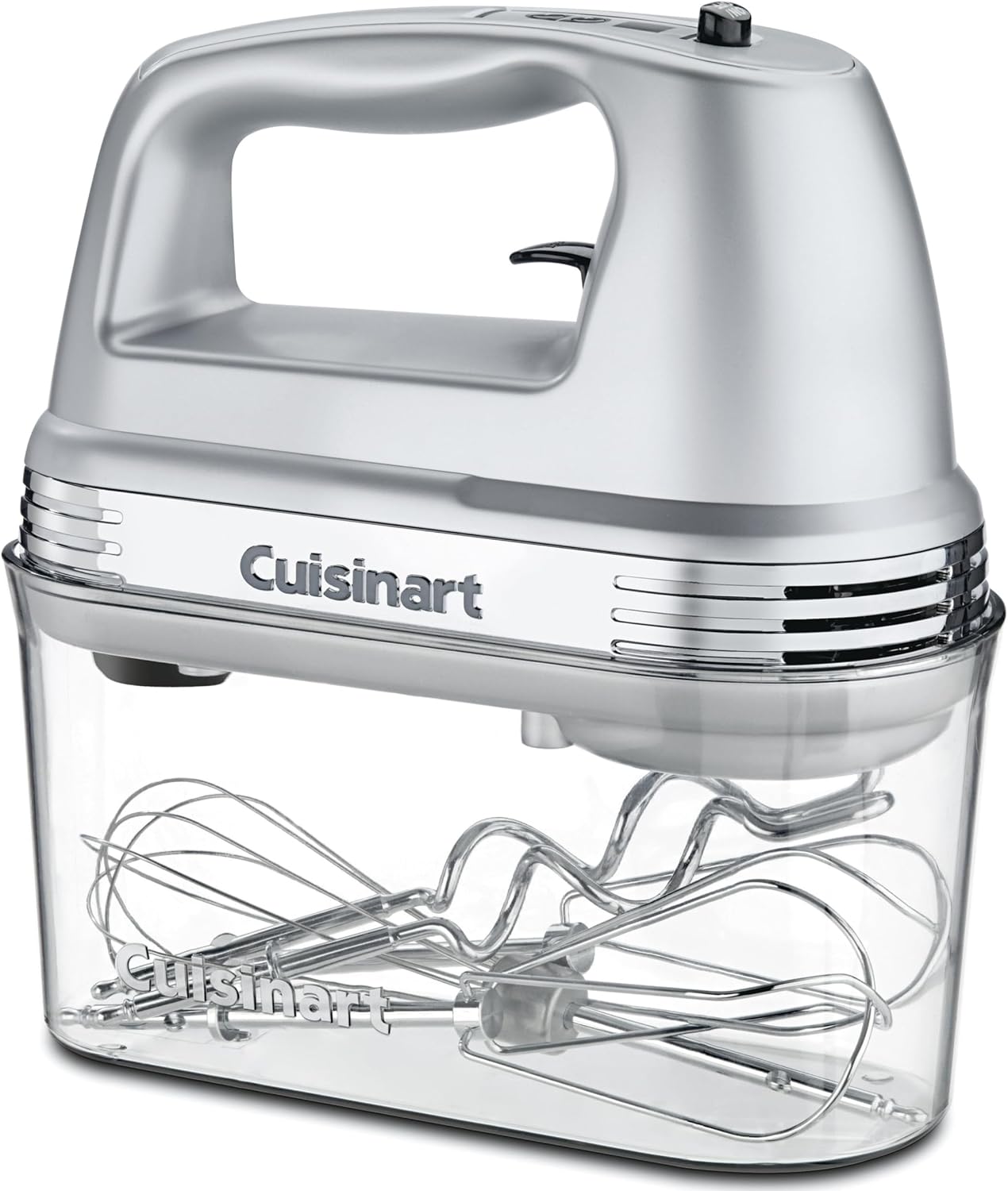
| Hand, Best for Beginners | Cuisinart Power Advantage Plus HM-90 | Beaters, chef's whisk, dough hooks, spatula, snap-on case | 220 W | $50–$100 |
Buy links: Check price on the KitchenAid Artisan · Check price on the Hamilton Beach 4-Qt · Check price on the KitchenAid KHM7210 · Check price on the Cuisinart HM-90. The live price on each product page is the one to trust; we don't print point prices here because they move daily in December.
Other gear this guide links
Prices are shown only when checked in the last 24 hours; otherwise check the current price on Amazon.
Which one fits you
Four questions settle it for almost everyone. Answer them honestly, not for the baker you plan to become in January.
1. How often do you bake? If the answer is "a few times a month" or "mostly in December," a hand mixer covers you. If you bake every week, a stand mixer starts paying back its counter space, because it frees your hands while it creams butter for four or five minutes.
2. What do you bake? Batter, whipped cream, frosting, meringue and soft cookie dough are hand-mixer jobs. Yeast bread, enriched dough like brioche, and stiff cookie dough loaded with mix-ins are stand-mixer jobs. A hand mixer can stir a soft dough, but kneading bread for eight to ten minutes means holding a vibrating motor over a bowl for eight to ten minutes.
3. How big are your batches? A single batch of The Best Classic Chocolate Chip Cookies fits comfortably in a large bowl under a hand mixer. A double batch for a cookie swap does not mix as evenly, and the motor works harder as the dough stiffens. Stand mixers are built around a bowl sized for those bigger jobs.
4. Where will it live? A stand mixer wants a permanent spot on the counter. The Artisan weighs about 22 pounds; lifting it out of a low cabinet every Saturday is how people stop using it. A hand mixer is about 2 to 3 pounds and fits in a drawer.
| If you... | Buy |
|---|---|
| Bake monthly or less, mostly batters and frosting | Hand mixer |
| Bake weekly, any kind of bread on the list | Stand mixer |
| Make double cookie batches every December but rarely otherwise | Hand mixer, or the budget stand mixer if counter space is free |
| Have no free counter and a small kitchen | Hand mixer |
| Want pasta, grinding or spiralizer attachments later | KitchenAid stand mixer |
Side-by-side: the checkable facts
Every number below comes from the maker's own listing or the parent buying guides linked above. Where a maker doesn't publish a figure, we say so rather than fill the gap.
| Spec | KitchenAid Artisan 5-Qt | Hamilton Beach 4-Qt | KitchenAid KHM7210 | Cuisinart HM-90 |
|---|---|---|---|---|
| Type | Stand, tilt-head | Stand, tilt-head | Hand | Hand |
| Stated wattage | 325 W | 300 W | 150 W (retail listing) | 220 W |
| Bowl or attachments | 5-qt bowl, flat beater, dough hook, wire whip | 4-qt bowl, flat beater, dough hook, whisk, splash guard | Turbo Beater II beaters, pro whisk | Beaters, chef's whisk, dough hooks, spatula |
| Speeds | 10 | 7 | 7 | 9 (3 low SmoothStart speeds) |
| Weight | About 22 lb | About 11.6 lb | About 2 lb | About 3 lb |
| Footprint and storage | Permanent counter spot | Light enough for a cabinet | Drawer | Snap-on storage case |
| Dough, in the maker's words | Dough hook for kneading | "Effortlessly mix thick batters and doughs for bread, cookies and more" | Mixes nuts and chocolate chips at speed 1; no dough hook | Beaters and dough hooks for "kneaded homemade bread dough" |
| Price tier | $300–$500 | $100–$200 | $50–$100 | $50–$100 |
Sources for the table: Hamilton Beach's 63391 product page, Cuisinart's HM-90BCS product page, KitchenAid's retail listings and our stand mixer guide.
Two things stand out. First, wattage barely separates the two stand mixers, and it is not comparable across types: a stand mixer's motor drives a planetary gearbox that moves the beater around the whole bowl (the mechanism is described in Wikipedia's planetary mixer entry), while a hand mixer's motor spins two beaters you steer yourself. Second, the Cuisinart is the one hand mixer here that ships with dough hooks. That makes it the better hand-mixer choice if you want to try a small, soft dough now and then.
When a hand mixer is enough
A hand mixer handles the bulk of what most home bakers make:
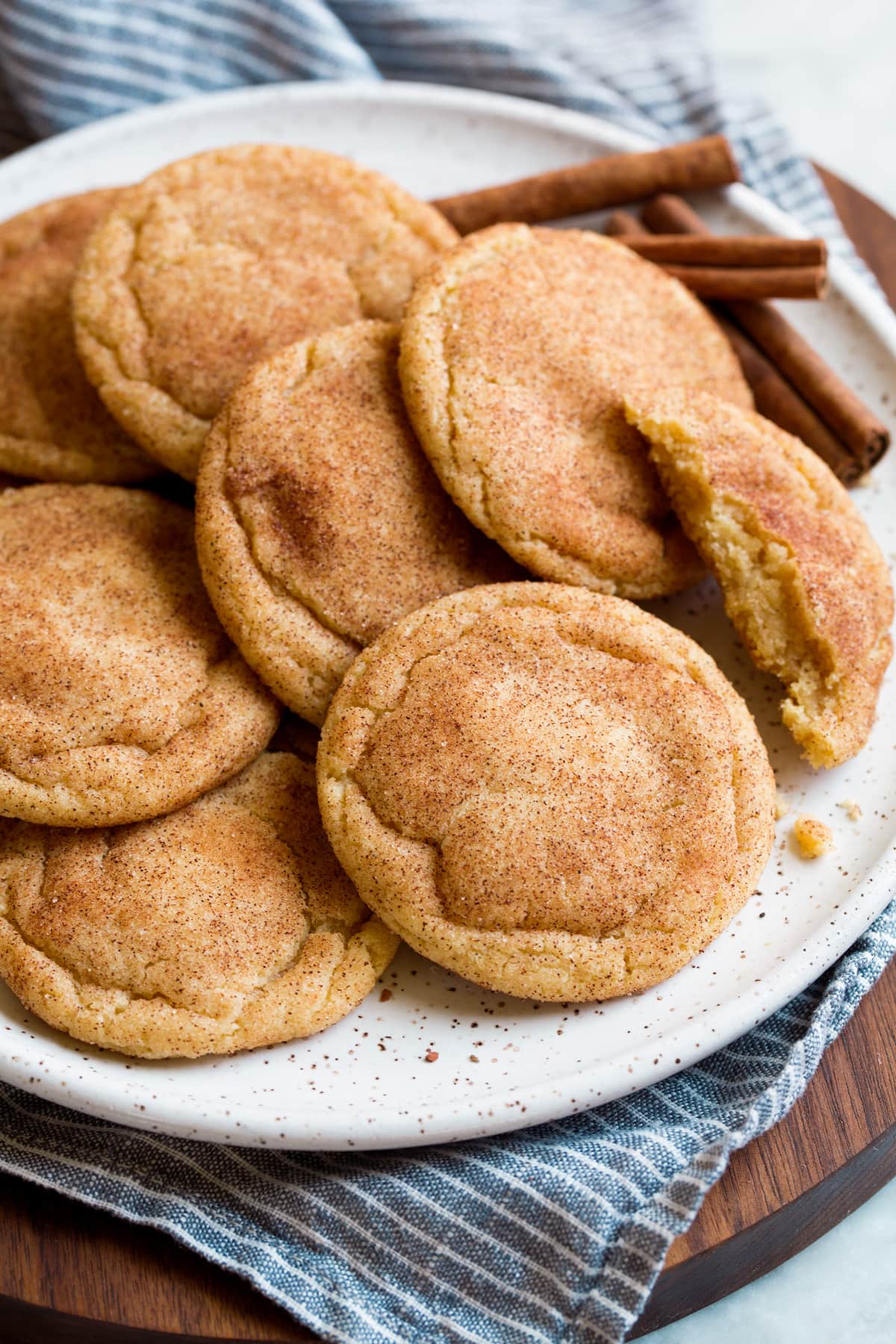
- Cookies. Creaming butter and sugar, then mixing in flour on the lowest speed, is the core hand-mixer job. Classic Snickerdoodle Cookies with Cinnamon Sugar and rolled sugar-cookie dough are easy wins.
- Cake batter. Layer cakes, cupcakes and quick breads mix in a couple of minutes.
- Whipped cream and meringue. A hand mixer's whisk is arguably better here, because you can move it around a small bowl and stop the second you hit stiff peaks. Try it on Classic Two-Egg Pavlova with Whipped Cream and Mixed Berries or Light Meringue with Fresh Berries.
- Mashed potatoes. You can mix straight in the cooking pot, which no stand mixer can do. The topping on Baked Shepherd's Pie with Garlic Mashed Potato Crust is a two-minute job.
- Frosting and small jobs. A cup of cream for a pie, a quick glaze, a single batch of buttercream.
Counter-case: skip the hand mixer as your only mixer if you knead bread weekly. The KitchenAid KHM7210 ships without dough hooks at all. The Cuisinart HM-90 includes them and Cuisinart says they knead bread dough, but holding a hand mixer through a full knead, week after week, is the reason people upgrade. If bread is a weekly habit, plan on a stand mixer.
When a stand mixer earns its counter space
A stand mixer is worth the room and the money when your baking looks like this:
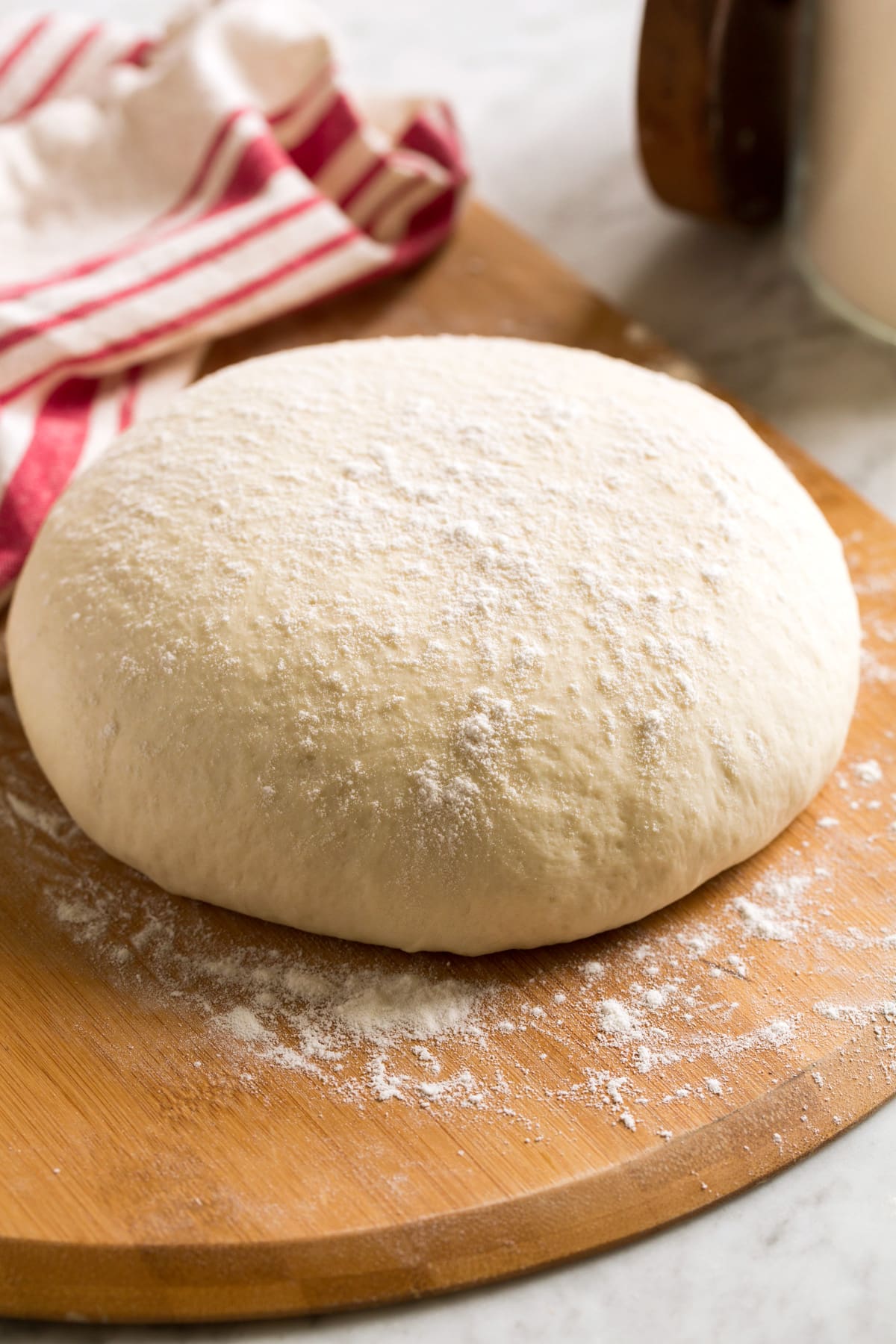
- Bread and enriched dough. The dough hook does the kneading while you measure the next ingredient. Rolls like Cinnamon Swirl Rolls with Brown Butter Glaze, sticky doughs like Brioche Swirls with Cinnamon Pastry Cream and Vanilla Glaze and a Friday Neapolitan-Style Pizza Dough with Garlic-Infused Olive Oil are what the dough hook is for.
- Christmas cookie double batches. When the plan is four doughs in one afternoon, hands-free creaming matters. A double batch of Buttery Holiday Sugar Cookies with Spiced Cinnamon Icing is a stand-mixer job.
- Buttercream. A full batch for a Classic Chocolate Layer Cake with Vanilla Buttercream needs several minutes of beating. A stand mixer does it while you level the layers.
- The attachment hub. KitchenAid's hub takes pasta rollers, a food grinder, a spiralizer and more. If you might want those later, the Artisan is the base that grows with you.
A batch-size check with real weights. King Arthur's ingredient weight chart lists a cup of all-purpose flour at 120 grams. A typical drop-cookie batch uses 2 to 2¼ cups, about 240 to 270 g. Double it and you're mixing about 540 g of flour plus butter, sugar, eggs and chips. That is where a hand mixer starts to bog down in a stiff dough, and where a 4- or 5-quart stand-mixer bowl is the comfortable size.
Counter-case: skip the stand mixer if you bake a handful of times a year or have no counter to leave it on. An idle stand mixer is an expensive dust cover. If heavy dough is your main reason for buying, look at a bowl-lift model instead of a tilt-head: our stand mixers for bread dough guide covers those.
Stand picks
KitchenAid Artisan 5-Qt Tilt-Head (Best Overall)
- 5-quart stainless bowl and a 325-watt direct-drive motor.
- 10 speeds, with the flat beater, dough hook and wire whip in the box.
- Attachment hub that takes KitchenAid's full range of add-ons.
Pros: the bowl is the right size for most home batch sizes; the attachment hub turns it into a pasta maker or grinder later; parts and service are easy to find because the design has run for decades.
Cons: about 22 pounds, so it needs a permanent spot; a tilt-head is less rigid than a bowl-lift on large batches of stiff bread dough; the premium price tier.
Shop the KitchenAid Artisan on AislePrompt → · Check price
Hamilton Beach 4-Qt 7-Speed (Budget)
- 4-quart stainless bowl with planetary mixing action, per Hamilton Beach.
- 300-watt motor and 7 speeds with a slow first speed and a folding speed.
- Flat beater, dough hook, whisk and splash guard included, plus a top carry handle.
Pros: the cheapest way into a true hands-free stand mixer; light enough (about 11.6 lb) to store in a cabinet; the splash guard is included where KitchenAid charges extra for its pouring shield.
Cons: plastic body and hinge, so expect years rather than decades; a 4-quart bowl is snug for double batches; no attachment ecosystem.
Shop the Hamilton Beach 4-Qt on AislePrompt → · Check price
Hand picks
KitchenAid 7-Speed KHM7210 (Best Overall)
- 7 speeds: speed 1 stirs in nuts and chocolate chips, speed 7 whips egg whites, per KitchenAid's description.
- Stainless Turbo Beater II beaters and a pro whisk included.
- Lockable swivel cord and about 2 pounds on its retail listing.
Pros: a genuinely slow first speed, so flour stays in the bowl; light in the hand for long whipping jobs; the whisk is excellent for cream and meringue.
Cons: no dough hooks; no storage case, so the beaters live loose in a drawer.
Shop the KitchenAid KHM7210 on AislePrompt → · Check price
Cuisinart Power Advantage Plus HM-90 (Best for Beginners)
- 220-watt motor with 9 speeds, including a SmoothStart feature with 3 low speeds to cut splatter.
- Beaters, chef's whisk, dough hooks and spatula, all stored in a snap-on case.
- Limited 3-year warranty, per Cuisinart's product page.
Pros: the most complete kit of the four, so a new baker never wonders which attachment to buy; three slow speeds leave room for adding dry ingredients gently; the LED display shows which speed you're on.
Cons: louder than the KitchenAid; it slows in very thick, chunky cookie dough.
Shop the Cuisinart HM-90 on AislePrompt → · Check price
More mixers and countertop tools live in our small appliances section, and cookie sheets, cake pans and loaf pans are in bakeware.
Holiday baking and gifting
Holiday baking season runs roughly December 1–20, 2026, and a mixer is the most gift-shaped baking purchase there is. Match the mixer to the baker, not to the size of the box:
- The occasional or new baker who makes cookies in December and a birthday cake or two: the Cuisinart HM-90. Everything is in the case, so there's nothing else to buy.
- The confident baker who already owns a stand mixer: the KitchenAid KHM7210. It covers quick jobs, like a cup of whipped cream, where hauling out the big machine isn't worth it.
- The weekly baker or bread maker with counter space: the KitchenAid Artisan. It will be used every week.
- The student or first-apartment baker who wants a stand mixer on a budget: the Hamilton Beach 4-Qt, light enough to move with them.
Check counter space before you buy a stand mixer as a gift; a 22-pound surprise with no home is a returns-desk trip. For when to buy, see our Black Friday kitchen deals guide. For what to make with it, our Christmas cookie recipes and holiday baking schedule lays out which doughs to make first and which ones freeze.
What to look for
Wattage vs motor type. Wattage tells you what the motor draws, not what reaches the beater. Within stand mixers, a direct-drive motor and a belt-drive motor of different wattages can perform similarly. Compare within a type, and treat wattage as a tiebreaker.
Bowl size against batch size. For stand mixers, 4 to 4.5 quarts suits a household that bakes less than weekly; 5 quarts handles double cookie batches and two loaves of bread. For hand mixers the bowl is your own, so use a wide, heavy bowl that won't spin.
Attachments. A stand mixer should include a flat beater, dough hook and whisk. A hand mixer should include at least beaters and a whisk; dough hooks are a bonus. A storage case keeps the parts together.
Weight and storage. If the stand mixer goes in a cabinet, the lighter Hamilton Beach is the realistic choice. If it stays on the counter, weight is a virtue because it keeps the mixer planted.
Speed range. The slow end matters most. A first speed that is really a medium speed throws flour and powdered sugar across the counter. Look for "slow start," "soft start" or "SmoothStart," or a maker who describes speed 1 as a stirring speed.
Cleanup. Dishwasher-safe beaters and whisks save time. Hand mixers with center-post-free beaters (like the Cuisinart's) clog less.
Common pitfalls
1. Buying a stand mixer for the baker you might become. If you bake twice a year now, a new mixer rarely changes that. Start with a hand mixer and upgrade when you outgrow it.
2. Starting on high with dry ingredients. On either type, start on the lowest speed until flour is moistened, then step up.
3. Kneading a stiff dough at high speed in a stand mixer. Makers rate home stand mixers for kneading at low speed; high speed with dense dough strains the gearbox.
4. Forgetting under-cabinet clearance. A tilt-head mixer needs room for the head to swing up. Measure before you buy.
5. Using a hand mixer in a light bowl. A thin plastic bowl spins and walks across the counter. Use a heavy bowl or set it on a damp towel.
How we picked
We did not run mixing tests for this page. We picked from the winners of our two parent guides, best stand mixers and best hand mixers, then checked each model's wattage, speeds, attachments and stated dough capability against the manufacturer pages cited below and our catalog listings at selection time. The batch-size point uses King Arthur's published flour weights. Where a maker doesn't publish a number (KitchenAid's hand-mixer wattage, for example), we show the retail listing's figure and label it.
Sources
- Hamilton Beach — 7 Speed Stand Mixer, 4 Quart Capacity (63391) (accessed 2026-11-28)
- Cuisinart — Power Advantage PLUS 9-Speed Hand Mixer HM-90BCS (accessed 2026-11-28)
- King Arthur Baking — Ingredient Weight Chart (accessed 2026-11-28)
- Wikipedia — Planetary mixer (accessed 2026-11-28)
- KitchenAid retail listings for the Artisan 5-Qt and KHM7210 (accessed 2026-11-28)
Last verified 2026-11-28.
Frequently asked questions
Can a hand mixer make bread dough?
Is a stand mixer worth it if I only bake at Christmas?
Does higher wattage mean a better mixer?
Which mixer makes a better gift for a baker?
Do I need both a stand mixer and a hand mixer?
Recipes to try with the hand mixer
Put your gear to work — save any recipe to My Recipes (no account needed) and send its ingredients to Instacart in one tap.




Shop small appliances on AislePrompt →Browse the full kitchen shop →