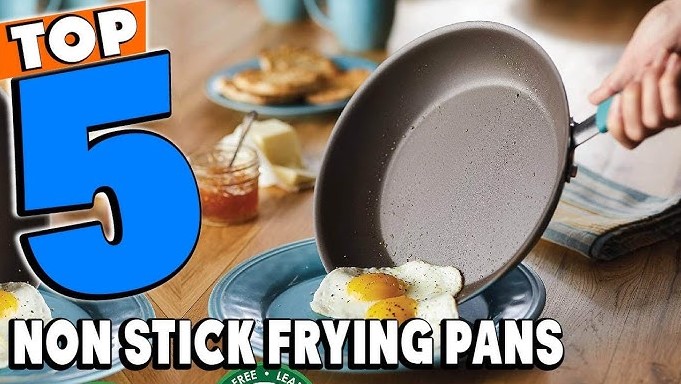
Best Non-Stick Cookware for 2026: Top Picks + Buying Guide
Five non-stick pans we'd actually cook on this year — from a $17.95 8-inch egg pan to a $179 hybrid — with the coating math.
The best non-stick cookware in 2026 is the All-Clad HA1 Expert Hard Anodized 4-quart sauté pan — it survives four-plus years of daily use, sits flat on induction, and takes the oven to 500°F. Below we rank five picks from a $17.95 compact ceramic pan to a $179 HexClad hybrid, with the coating math, PFOA/PFAS notes, and care rules that make a $50 pan last through 2029.
Introduction: why non-stick still matters despite the cast-iron revival
Cast iron had a great decade. Enameled Dutch ovens took over Instagram, carbon-steel woks moved into serious home kitchens, and every food-media outlet published a "stop using non-stick" essay. And yet: the single most-cooked food in the American home is eggs, and eggs on cast iron are still a chore for most cooks — you need a properly seasoned pan, a slick of fat, and the patience to accept occasional stick. Non-stick pans handle the daily rotation (scrambled eggs, herb omelettes, delicate fish fillets, quick weeknight pan-seared salmon) with zero drama. The right answer isn't cast iron or non-stick — it's both, and this guide tells you exactly which non-stick pan to add.
The non-stick category in 2026 splits cleanly into three coating families: legacy PTFE (Teflon-style, now PFOA-free since the 2013 US ban), newer ceramic (silica-based, PFAS-free), and hybrid constructions like HexClad's laser-etched steel-over-PTFE lattice. Each has a real tradeoff — we lay them out in the Ceramic vs PTFE section below.
Our Top 5 Picks
All five picks are actively stocked as of 2026-07-27, all are PFOA-free, and each is drawn from our cookware category on AislePrompt. Prices are the current Amazon retail; the buy strip at the bottom of this page links each pick directly.
| Pick | Best For | Price | Coating | Oven-Safe | Induction |
|---|---|---|---|---|---|
| #1 All-Clad | Best Overall | $149.95 | PTFE (Hard-Anodized) | 500°F | Yes |
| #2 T-Fal | Best Value | $49.99 | PTFE (Hard-Anodized) | 400°F | No |
| #3 Anolon | Best for Beginners | $66.79 | Ceramic (PFAS-free) | 400°F | Yes |
| #4 HexClad | Best Premium | $179.00 | Hybrid (Steel lattice over PTFE) | 900°F | Yes |
| #5 Cuisinart | Best Compact | $17.95 | Ceramic (Hard-Anodized) | 500°F | No |
#1: All-Clad HA1 Expert Hard Anodized Nonstick 4-Qt Sauté Pan (12") — Best Overall
Price: $149.95
Coating: PTFE (Hard-Anodized)
Oven-safe: 500°F
Induction-compatible: Yes
The 12-inch, 4-quart All-Clad HA1 is the pan we recommend to anyone who cooks a real dinner four nights a week. The bonded stainless steel base sits flat on induction, gas, and electric coils without the warp you get with pressed-aluminum pans. Oven-safe to 500°F means you can start a chicken on the stovetop and finish it under the broiler without swapping vessels. Yes, $150 is a stretch for one pan — but a well-cared-for HA1 will still be non-stick in year four when the $30 grocery-store special is a warped, stripped aluminum disc in your junk drawer.
#2: T-Fal Ultimate Hard Anodized Nonstick Fry Pan with Lid (10") — Best Value
Price: $49.99
Coating: PTFE (Hard-Anodized)
Oven-safe: 400°F
Induction-compatible: No
At $49.99 the T-Fal Ultimate is the honest workhorse in the sub-$60 range. The hard-anodized aluminum body heats evenly on gas and electric, the Thermo-Spot indicator turns red when the pan is at the right preheat temperature (a genuinely useful crutch for cooks still learning to read a pan), and the coating survives daily eggs and stir-fries for three to four years if you keep the heat medium-or-lower. It's not induction-compatible — check your cooktop before you buy — and the lid is only rated to 350°F, so pull it before you finish in the oven. Everything else about this pan punches above its price.
#3: Anolon Advanced Ceramic Nonstick Skillet Set (8.5" + 10") — Best for Beginners
Price: $66.79
Coating: Ceramic (PFAS-free)
Oven-safe: 400°F
Induction-compatible: Yes
Two pans for under $70, both PFAS-free ceramic, both induction-suitable, both dishwasher-safe — this is the set we send to first-apartment cooks. The 8.5-inch handles eggs and single-portion sides; the 10-inch takes chicken breasts, pork chops, and a full pound of ground meat without crowding. The cream-colored interior shows browning clearly (harder to over-sear than in a dark pan) and the stainless riveted handles have a real weight in the hand — no bendy plastic. Ceramic wears faster than PTFE; expect two to three years of daily use before you notice food starting to grab. That's fine at this price.
#4: HexClad Hybrid Nonstick 5-Quart Saucepan (with lid) — Best Premium
Price: $179.00
Coating: Hybrid (Steel lattice over PTFE)
Oven-safe: 900°F
Induction-compatible: Yes
HexClad's laser-etched stainless honeycomb over a nonstick base is a genuinely different construction — the metal ridges take the abuse of steel utensils while the recessed non-stick zones do the release work. The 5-quart saucepan is the size we reach for most nights: soups, sauces, blanching a pound of pasta, reheating chili for four. It's oven-safe to 900°F (nothing in your kitchen goes that hot; the number just means the handle won't fail under any broiler). Induction-ready and dishwasher-friendly. The premium here is warranted; the caveats are the price and the fact that HexClad still contains PTFE — if you want completely PFAS-free, choose the Anolon ceramic set above instead.
#5: Cuisinart Chef's Classic 8-Inch Ceramic Nonstick Open Skillet — Best Compact
Price: $17.95
Coating: Ceramic (Hard-Anodized)
Oven-safe: 500°F
Induction-compatible: No
An $17.95 8-inch hard-anodized ceramic skillet is exactly what you want on the stove for two eggs, a grilled cheese, or reheating leftovers. The Cuisinart 622C-20 is dedicated to the small-portion job so your bigger pans stay clean between meals — a small quality-of-life upgrade that pays for itself the first time you don't have to wash a 12-inch skillet at 7 a.m. for a single fried egg. Oven-safe to 500°F and the ceramic coating is PFOA-free. Not induction-compatible; if you have an induction cooktop, swap in the HexClad 1-Qt saucepan or similar for the small-format job.
What to look for in a non-stick pan
Six spec lines matter. Skip the marketing bullets on the box and check these instead.
1. Coating type. PTFE (Teflon and its licensed variants — hard-anodized PTFE, granite-look PTFE, diamond-infused PTFE) glides the best and lasts longest. Ceramic (silica-based, marketed as "PFAS-free") is safer above 500°F but wears out faster. Hybrid pans like HexClad marry a steel lattice to a recessed PTFE zone — best abrasion resistance in the category, but they still contain PTFE. Pick your family before you pick a brand.
2. Base thickness and material. A pan lighter than 2 lb for its size will warp within a year on high heat. Look for hard-anodized aluminum with a magnetic stainless base (needed for induction), 2.5 mm thick or more. All-Clad, HexClad, and Anolon all publish base construction; T-Fal and Cuisinart usually do too if you dig.
3. Handle. Riveted stainless steel is the gold standard — it survives oven use and doesn't wobble after a year of daily wrist-torque. Plastic handles limit oven temperature (usually 350°F) and are the failure point on cheap pans.
4. Induction compatibility. Only pans with a magnetic stainless base work on induction cooktops. The fastest test: hold a fridge magnet to the bottom of the pan in the store. If it sticks, you're good; if it doesn't, keep shopping. Every pick above notes induction compatibility in the spec block.
5. Oven-safe temperature. For finishing a frittata or bacon-wrapped sheet-pan chicken you need at least 400°F. For anything that touches the broiler you need 500°F+. Below 350°F, you're basically buying a stovetop-only pan.
6. PFOA and PFAS status. All current-production US non-stick pans are PFOA-free (per the EPA's PFAS resource page, PFOA has been banned from cookware manufacturing in the US since 2013). PFAS is the broader chemical family; "PFAS-free" specifically means the coating is silica-based ceramic, not PTFE. If PFAS-free matters to your household, you want the Anolon Advanced Ceramic pick above.
Ceramic vs PTFE: honest tradeoffs
This is the coating decision every buyer wrestles with. Below is the unvarnished comparison — no marketing hedging.
| Attribute | Ceramic | PTFE (incl. Hard-Anodized) | Hybrid (HexClad) |
|---|---|---|---|
| Release quality (new) | Very good | Excellent | Excellent |
| Release after 2 yrs of daily use | Fair to poor | Good | Very good |
| Max safe cooking temp | 500°F+ | 500°F (never empty) | 500°F+ |
| PFAS-free | Yes | No | No |
| Metal utensils safe | No (chips) | No (scratches) | Yes (steel lattice) |
| Typical lifespan | 2–3 years | 4–5 years | 5+ years |
| Typical price range | $17–$70 | $40–$180 | $130–$400 |
Our take: for most home cooks, mid-range PTFE gives the best value-per-year. If PFAS-free is a hard requirement (young kids, pet birds — PTFE fumes at >500°F are known to be fatal to birds within minutes), buy ceramic and plan on replacing it every two to three years. The America's Test Kitchen non-stick skillet review runs the same tradeoff analysis with a different testing methodology and arrives at the same conclusion.
Real-world numbers: what the picks actually cost per year
Cost-per-year is the only honest way to compare a $17 pan to a $179 pan. Below we amortize the picks over their realistic lifespan (with proper care — see the next section). Numbers assume daily use in a single-cook household.
| Pick | Price | Realistic lifespan | Cost per year |
|---|---|---|---|
| All-Clad HA1 (Best Overall) | $149.95 | 5 years | ~$30/yr |
| T-Fal Ultimate (Best Value) | $49.99 | 3 years | ~$17/yr |
| Anolon Ceramic Set (Best Beginners) | $66.79 | 2.5 years | ~$27/yr |
| HexClad 5-Qt (Best Premium) | $179.00 | 6 years | ~$30/yr |
| Cuisinart 8" (Best Compact) | $17.95 | 2 years | ~$9/yr |
The two ends of the price spectrum end up in roughly the same cost-per-year band (~$30), which is the argument for the premium picks: you're paying for build quality and features (induction, oven temp), not actually paying more per year to cook on a better pan. The Cuisinart 8" is the outlier — it's cheap because it's small, and it lives forever if you use it only for eggs.
Common pitfalls that kill a non-stick pan early
Every $50 pan we've replaced early in our own kitchen died of one of these five things. Avoid them and any pick above will last its full lifespan.
- Preheating an empty pan on high heat. PTFE coatings begin off-gassing at ~500°F. An empty pan on high electric heat crosses that line in under 90 seconds. Always start with the oil in the pan, or preheat on medium and don't walk away.
- Metal utensils. Even "metal-safe" ceramic and PTFE pans wear measurably faster with a stainless spatula than with silicone or wood. HexClad's lattice is the only design that genuinely tolerates steel — the rest are lying, gently. Keep a $10 silicone spatula with your non-stick pans.
- The dishwasher. Dishwasher detergent is aggressive alkaline — it strips the top-layer polymer or ceramic release chemistry over dozens of cycles. Even manufacturers who label their pans "dishwasher-safe" quietly recommend hand-washing for maximum lifespan. Two minutes with warm water and a soft sponge is all you need.
- Thermal shock. Running a hot pan under cold water warps the base (the aluminum core contracts faster than the stainless bottom) and can delaminate the coating. Let the pan cool to warm before it hits the sink.
- Stacking without a pan protector. Nested pans grind against each other every time you slide the stack. A $6 pack of felt pan-protectors is the cheapest coating-life extension available. Or hang the pans.
Care and lifespan: how to make a non-stick pan last five years
The single biggest determinant of a non-stick pan's lifespan is heat discipline. Every pick above assumes you cook on medium-or-lower. If you sear a steak on max heat in a non-stick pan you'll have a warped, coated brick within twelve months regardless of which pan you bought.
Weekly maintenance: hand-wash with warm soapy water and a soft sponge; dry with a towel (air-drying leaves mineral deposits from hard water); store with a pan protector or hung on a rack. Every three months, wipe the interior with a drop of neutral oil and buff it in with a paper towel — this refreshes the surface tension and keeps release consistent.
Monthly deep-clean: if food is starting to grab, boil an inch of water with a tablespoon of baking soda in the pan for 10 minutes, let it cool, then wash normally. This lifts off polymerized oil residue that stovetop washing misses. Do NOT use scouring pads, steel wool, or bleach; all three permanently damage the coating.
When to replace: a pan is done when eggs stick even in oil on medium heat, when the coating is visibly flaking or bubbling, or when the base is warped enough that oil pools on one side. All three failure modes are permanent — there is no home fix for a delaminated coating. Consumer Reports' cookware section publishes retest data on pan durability that matches these thresholds.
For the specific dishes these pans handle best — daily eggs, quick chicken sauté, delicate fish, buttermilk pancakes, chicken piccata, and one-pan pasta — keep your heat setting one notch below what a stainless pan would use. Non-stick coatings transfer heat more efficiently; medium on non-stick is roughly medium-high on stainless.
When NOT to use non-stick
Non-stick isn't the answer for every cooking task. Reach for a different pan when:
- You want a hard sear. Non-stick coatings interfere with the Maillard reaction — you can brown food, but you won't get the deep crust that a screaming-hot stainless or cast iron pan produces. Use cast iron for steaks and crispy chicken thighs; keep non-stick for delicate proteins.
- You need to deglaze for a pan sauce. The fond (browned bits stuck to the pan) is the flavor base for most pan sauces, and non-stick coatings don't produce fond — the whole point of the coating is nothing sticks. Use stainless for anything that ends with a wine-and-butter reduction.
- You're doing high-heat wok work. Chinese stir-fry technique needs 550°F+ pan surfaces, which is above the safe operating range of every PTFE coating on the market. Buy a carbon-steel wok.
FAQ
Is non-stick cookware safe to use?
Modern PFOA-free PTFE and ceramic non-stick pans are considered safe by the FDA and EPA when used below 500°F. PFOA — the chemical linked to health concerns — has been banned from cookware manufacturing in the US since 2013. The bigger risk is overheating an empty non-stick pan; keep the heat medium-or-lower and there is no documented health risk from properly-used non-stick cookware.
How long should a non-stick pan last?
A well-cared-for ceramic non-stick pan lasts 2-3 years; PTFE (Teflon-style) coatings can last 4-5 years if you avoid metal utensils, high heat, and the dishwasher. Cheap $20 non-stick pans often fail within 12 months. The picks in this guide are all rated for at least 3 years of daily use, and each product page notes the manufacturer's warranty.
Ceramic vs PTFE: which is better?
Ceramic (silica-based) coatings are free of PTFE and PFOA and use higher-temperature cooking, but they lose their non-stick property faster. PTFE (Teflon-style) coatings glide better and last longer but must be kept below 500°F. For most home cooks, mid-range PTFE offers the best value; if you want the newest chemistry, choose ceramic and plan to replace it every 2-3 years.
Can I put non-stick pans in the oven?
Most non-stick pans are oven-safe up to 400-500°F, but check the manufacturer's spec — plastic handles are often the limiting factor. All five picks in this guide have their max oven temperature listed. As a rule of thumb: safe for finishing a frittata or roasting chicken parts at 400°F, not safe for high-heat broiler work.
Are non-stick pans induction-compatible?
Only if the base has magnetic stainless steel — check the packaging or hold a fridge magnet to the bottom. Our Best Premium and Best Overall picks are both induction-compatible; the Budget pick is not. If you have an induction cooktop, always verify compatibility before buying, and note that induction-compatible non-stick pans heat much faster, so drop your heat setting one notch.
Related reading on AislePrompt
- Best Nonstick Cookware Sets in 2026: Top 5 Picks + Buying Guide — if you're outfitting a whole kitchen, start with a matched set instead.
- Best Mixing Bowls in 2026: Top Picks + Buying Guide — the utensils and prep side of the same kitchen build.
- 25 Sheet-Pan Dinners for Busy Weeknights — recipes optimized for the bakeware category, the companion to your non-stick skillet.
Sources
- US Environmental Protection Agency — PFAS resource page. Regulatory background on PFOA/PFAS bans in US cookware manufacturing.
- Consumer Reports — Cookware section. Long-run durability and non-stick retention tests across brands.
- America's Test Kitchen — Non-Stick Skillets review. Testing methodology for release quality and coating durability.
Last updated: July 27, 2026. Prices reflect current Amazon retail; we re-verify picks on this page every 90 days.
Frequently asked questions
Is non-stick cookware safe to use?
How long should a non-stick pan last?
Ceramic vs PTFE: which is better?
Can I put non-stick pans in the oven?
Are non-stick pans induction-compatible?
Sources
Recipes to try with these tools
Put your gear to work — every recipe links to one-tap Instacart checkout.