Best Stainless Steel Cookware Sets for 2026: Top Picks + Buying Guide
Five stainless steel sets from budget to premium: four fully clad tri-ply and 5-ply picks plus a 15-piece impact-bonded set, compared on cladding for searing, deglazing, and high-heat oven work.
The best stainless steel cookware set for most home cooks in 2026 is the Cuisinart Multiclad Pro 7-Piece: fully clad tri-ply across two saucepans, an 8" skillet and a sauté pan, with lids.
Where to buy these picks
Affiliate links: we may earn a commission on qualifying Amazon purchases. Policy. Prices show only when checked in the last 24 hours.
- Best Overall Set: Cuisinart MCP-7NP1 Multiclad Pro Triple-Ply 7-Piece Cookware Set $227.00 at Amazon, Check price on Amazon →
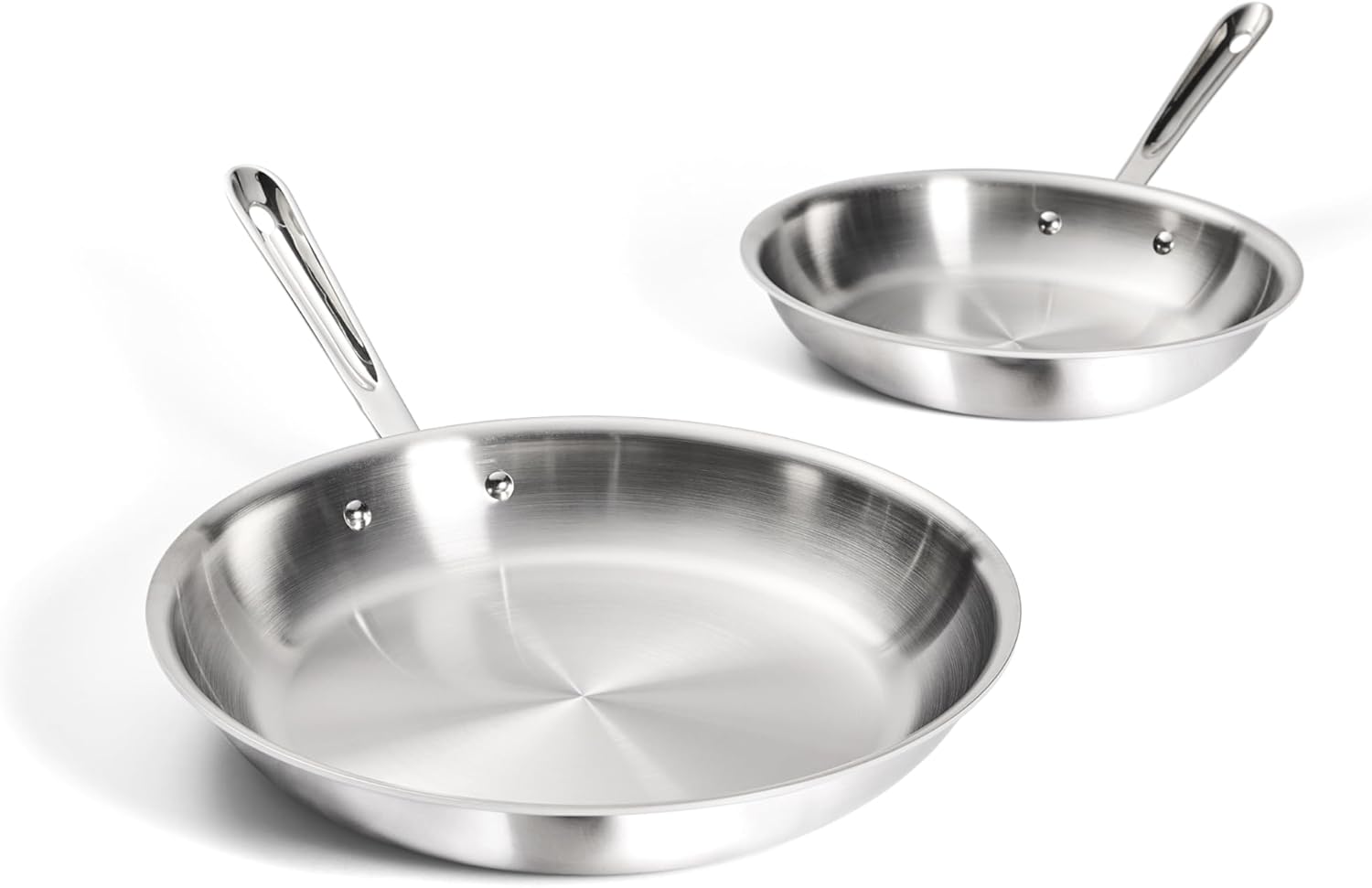
- Best Pans to Build Your Own Set: All-Clad D3 Stainless Steel 10" + 12" Frying Pan Set $249.99 at Amazon, Check price on Amazon →
- Best for Beginners: Cook N Home 7-Piece Tri-Ply Clad Stainless Steel Cookware Set $134.99 at Amazon, Check price on Amazon →
- Best Premium: Heritage Steel Eater Series 5-Piece 5-Ply Fry Pan Set $349.95 at Amazon, Check price on Amazon →
- Best Large Set: Farberware Classic Stainless Steel 15-Piece Set $179.99 at Amazon, Check price on Amazon →
Which stainless steel set fits you
| Your situation | Buy | Why | Buy link |
|---|---|---|---|
| One set for every weeknight meal | Cuisinart MCP-7NP1 Multiclad Pro Triple-Ply 7-Piece Cookware Set $227.00 | 7 pieces: 1.5 and 3 qt saucepans, 8" skillet, 3.5 qt sauté pan, with lids; fully clad 3-ply, oven-safe to 500°F | Amazon → |
| Building a set pan by pan | All-Clad D3 Stainless Steel 10" + 12" Frying Pan Set $249.99 | 10" and 12" fully clad 3-ply skillets, induction-ready; no lids or saucepan | Amazon → |
| First stainless set | Cook N Home 7-Piece Tri-Ply Clad Stainless Steel Cookware Set $134.99 | 7 pieces, fully clad tri-ply with glass lids, induction-ready; thinner walls, so preheat with care | Amazon → |
| Daily searing and acidic pan sauces (tomato, wine) | Heritage Steel Eater Series 5-Piece 5-Ply Fry Pan Set $349.95 | 5-ply fully clad, 316Ti cooking surface made to resist salt and acid pitting | Amazon → |
| Want the most pieces, mostly boiling and simmering | Farberware Classic Stainless Steel 15-Piece Set $179.99 | 15 pieces on an impact-bonded base; walls heat slowly, oven-safe to 350°F | Amazon → |
Quick answer
Which stainless steel cookware set fits a different budget or need?
If you would rather build a set pan by pan than buy the Cuisinart 7-piece, start with the All-Clad D3 10" + 12" Frying Pan Set, the two skillets serious cooks reach for most, sold without lids or a saucepan. For beginners, the Cook N Home 7-Piece Tri-Ply set is the pick. The Heritage Steel Eater Series 5-Piece (5-ply) is the premium upgrade, and the Farberware Classic 15-Piece (impact-bonded base) is the large-set pick, with the most pieces, for boiling and everyday cooking.
A stainless steel cookware set is the closest thing a home kitchen has to a piece of professional gear. Fully clad stainless is built to last for decades with basic care, and a tri-ply or 5-ply skillet can go from a hard sear on the stovetop straight into a hot oven. Compared on cladding, oven rating, induction compatibility, price, and owner reviews, these five picks cover every budget from entry-level to premium.
What you'll use with it
A stainless pan preheated for a sear reaches 500–550°F. The spatula guide explains why a 600°F rating is the one to buy. Read the silicone spatula guide →
Silicone spatula guide’s top pick: OXO Good Grips 3-Piece Silicone Spatula Set $23.95 at Amazon, Check price on Amazon →Thin chicken breasts, chops and fish fillets overcook in the pan within a few degrees. The thermometer guide has five picks under $100 and safe temps by protein. Read the instant-read thermometer guide →
Instant-read thermometer guide’s top pick: ThermoMaven Professional Digital Meat Thermometer $19.99 at Amazon, Check price on Amazon →
Buying one piece instead? Start with a 12-inch skillet. Our stainless skillet guide's Best Value, the Tramontina Signature Tri-Ply Clad 12-inch, has the same stainless–aluminum–stainless build as the All-Clad D3, with the cladding running up the walls. It is induction-ready, dishwasher-safe and NSF-certified.
Our Top 5 Picks
| Rank | Pick | Best for | Pieces | Construction |
|---|---|---|---|---|
| #1 | Cuisinart Multiclad Pro 7-Piece | Best overall set | 7 | 3-ply fully-clad |
| #2 | All-Clad D3 10" + 12" Frying Pan Set | Best pans to build your own set | 2 | 3-ply fully-clad |
| #3 | Cook N Home 7-Piece Tri-Ply | Best for beginners | 7 | 3-ply fully-clad |
| #4 | Heritage Steel Eater Series 5-Piece | Best premium | 5 | 5-ply fully-clad |
| #5 | Farberware Classic 15-Piece | Best large set | 15 | Impact-bonded base |
#1 Best Overall Set — Cuisinart MCP-7NP1 Multiclad Pro Triple-Ply 7-Piece Cookware Set
The Cuisinart Multiclad Pro 7-piece set is a complete tri-ply kitchen in one box, and the set this guide recommends first. The set includes 1.5 qt and 3 qt saucepans with lids, an 8" skillet, and a 3.5 qt sauté pan with helper handle and lid. Next to the All-Clad D3 pick, a pair of 10" and 12" skillets with no lids or saucepan, the Cuisinart puts far more of a kitchen in one box: two lidded saucepans, a smaller skillet and a lidded sauté pan. Beyond the piece count, the differences are in the finish and the price.
Our best cookware sets guide ranks a different Cuisinart first, the MT89G-11 Stainless 11-Piece. The two verdicts are a set-size choice, not a disagreement: the 11-piece adds a 10-inch skillet, an 8-qt stockpot with lid and a steamer insert, while this 7-piece covers the saucepans, skillet and sauté pan you reach for most and takes less cabinet space.
The handles and lids are not where it saves money: Cuisinart lists solid cast stainless handles, tight-fitting stainless lids, and every piece as oven-safe to 500°F, so a sear-then-roast finish works with the lid on. The compromise is cosmetic: the brushed exterior shows water spots more readily, which matters mostly if the pans hang on display.
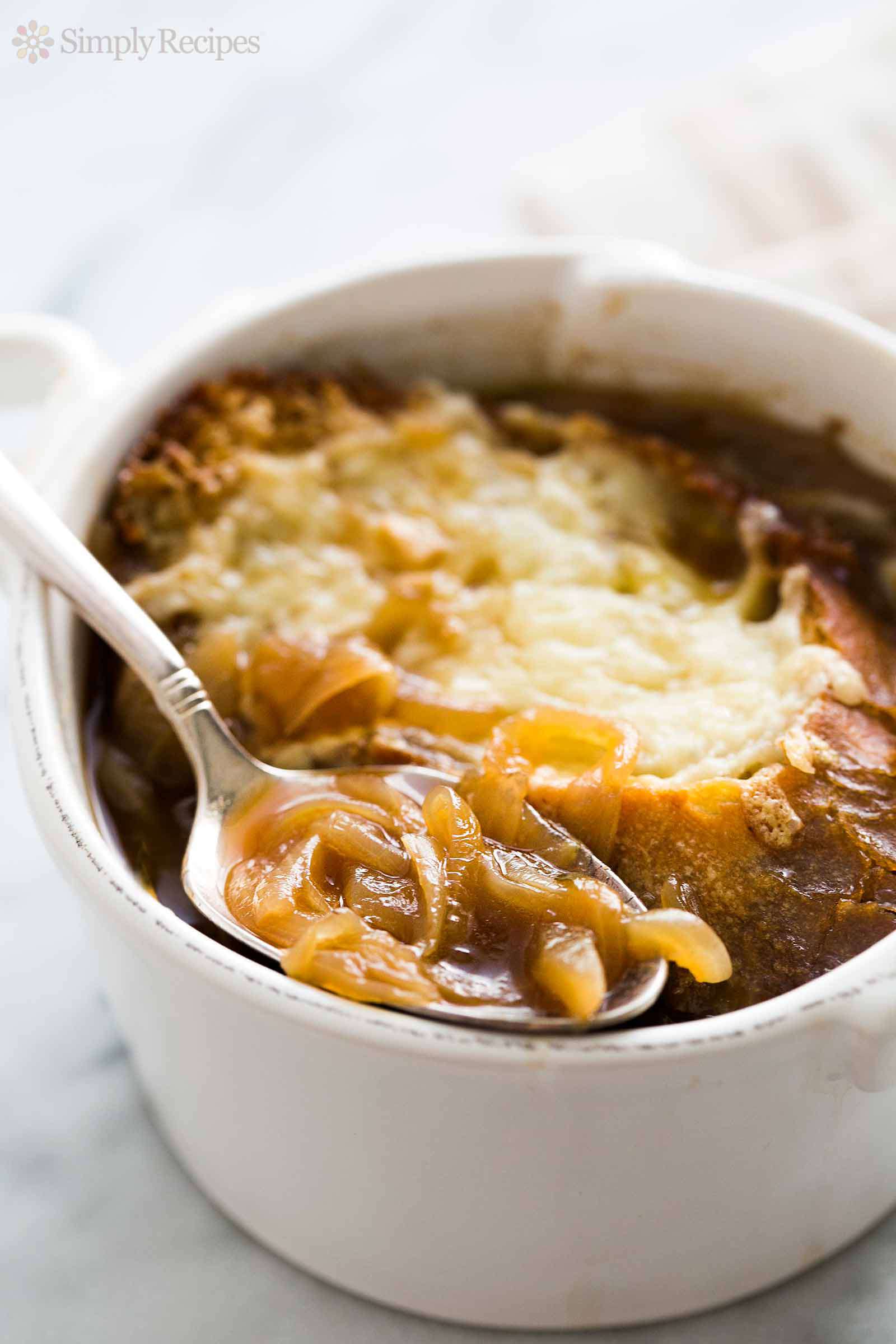
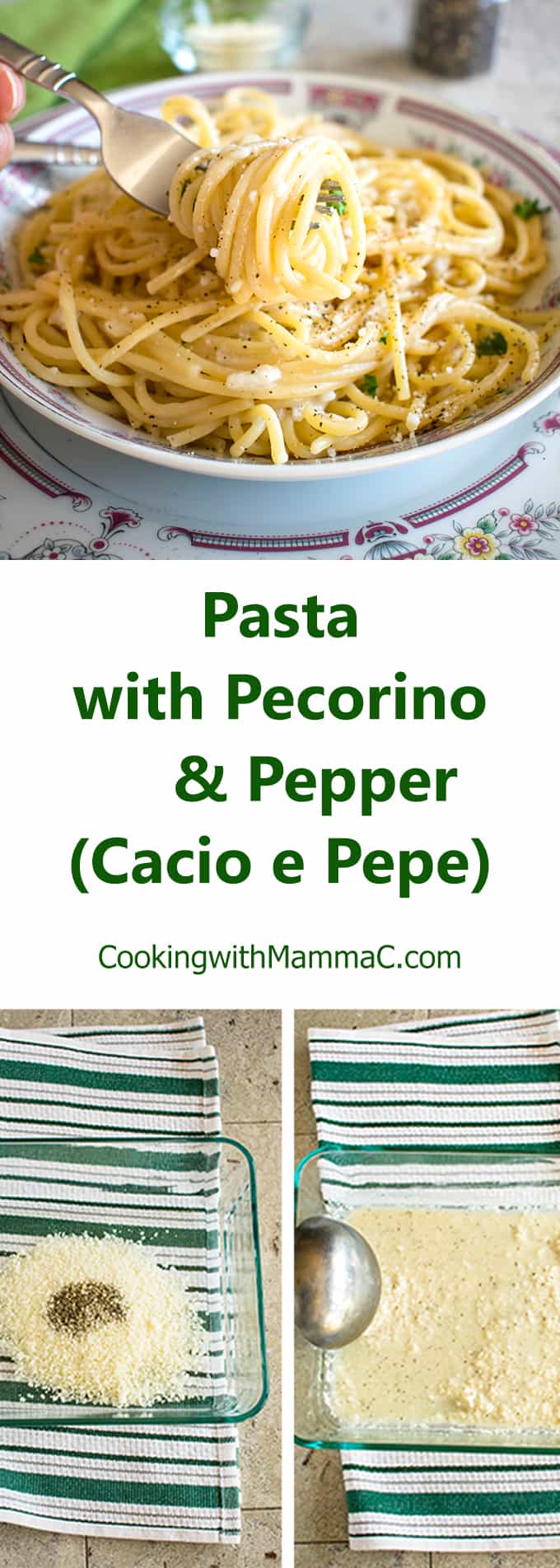
What you get for noticeably less than the All-Clad D3: a magnetic stainless exterior that works on every burner type including induction, dishwasher-safe (hand-washing preserves the polish longer), and a 7-piece set that handles every weeknight meal from Cacio e Pepe Tossed with Pecorino and Freshly Ground Pepper to Slow-Simmered French Onion Soup without having to buy a single extra piece.
How it compares on construction: the same fully clad 3-ply layup as the D3 (aluminum core from base to rim), so rim-to-center heating behaves the same way for everyday searing, sautéing and deglazing.
Verdict: This is the set to recommend first to most home cooks. It is the rare complete set that doesn't ask you to compromise on construction — just on cosmetic details that don't affect cooking. If you cook five nights a week and don't want to think about cookware for the next decade, this is your set.
#2 Best Pans to Build Your Own Set — All-Clad D3 Stainless Steel 10" + 12" Frying Pan Set
On specs, build, and owner reviews, nothing in the consumer market matches the All-Clad D3 line's combination of materials, build quality, and resale value. The 10" + 12" frying-pan set is the right entry point: those are the two pans you'll reach for 80% of the time, and adding sauce pots and a stockpot piecemeal is cheaper than buying an All-Clad set outright.
The 3-ply construction is fully clad — aluminum core bonded between two layers of 18/10 stainless from rim to rim, not just under the base. The magnetic stainless exterior runs all the way up the wall, which makes it induction-compatible by design (All-Clad's D3 page lists the aluminum core running from base to rim and induction compatibility), and the aluminum core running to the rim means the sidewalls heat almost as evenly as the bottom. That matters when you're searing four chicken thighs and want all four to brown at the same rate.
The flared rim pours wine and pan sauce without a drip down the side — a small thing until you've ruined a stovetop with three months of dried beef stock.
What you give up with two pans at this price: lids (sold separately) and a saucepan. If you want a one-and-done set with everything, see pick #1. If you can live with a Lodge L8SK3 10-inch cast-iron skillet and an inexpensive saucepan in the meantime, this is the pair to build a kitchen around.
Verdict: The D3 is the pan you'll still be cooking with in 2056. Pair it with a Cuisinart Multiclad Pro 4-quart saucepan and you've got the core of a professional kitchen. Make this a 30-year purchase, not a 3-year one. See Pan-Seared Steak with Garlic Butter for the searing technique this pan is built for.
#3 Best for Beginners — Cook N Home 7-Piece Tri-Ply Clad Stainless Steel Cookware Set
The Cook N Home 7-Piece Tri-Ply set is the lowest-cost genuinely 3-ply fully-clad cookware we can recommend without an asterisk. At this price point you'd usually be looking at impact-bonded base construction (cheap aluminum disc welded to a thin stainless wall — see pick #5 for what that compromise looks like in practice). Cook N Home actually delivers fully-clad sidewalls, induction-ready bottoms, and tempered glass lids on every piece for the price of a single All-Clad fry pan.
What you give up at this price: rivet quality (the handles are spot-welded rather than triple-riveted — watch for loosening after the first year of dishwasher cycles), and the stainless polish (Cook N Home's brushed finish is slightly rougher than Cuisinart's, which catches fond more aggressively — good for steak crust, slightly harder to clean). The 8" skillet is also a hair thinner-walled than the rest of the set, so it heats faster and burns garlic faster if you aren't watching.
For first-time stainless cooks, that thinner skillet is actually a feature: it teaches you the "preheat the pan, then add oil" rhythm faster than a thicker pan would, because thin pans punish carelessness immediately. By month three you'll have internalized the Leidenfrost test (water droplet beads and skips = pan is ready) and can graduate to whatever you want next.
How it compares on construction: it is fully clad, but the walls are thinner than the Cuisinart's or All-Clad's, so there is less metal to hold heat. Expect the rim to run cooler than the center and plan to move four chicken thighs around the pan for even browning, and expect a bigger temperature drop when you deglaze. The sauté pan is the weak link: its sidewalls are thinner than the rest of the set.
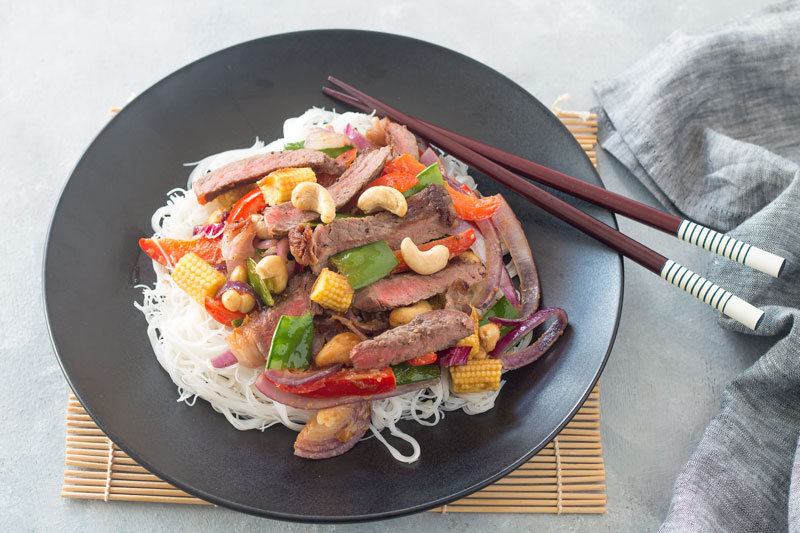
Verdict: If you're shopping at the budget end and you're tired of throwing away nonstick pans every 18 months, this is the set that breaks the cycle. Pair it with a Lodge 10-inch cast-iron skillet and you've got a starter kitchen that will outlast every roommate you ever have. Try Asian Beef Stir-Fry with Cashew Nuts to put the high-walled sauté pan to work.
#4 Best Premium — Heritage Steel Eater Series 5-Piece 5-Ply Fry Pan Set
When you've outgrown All-Clad and want to spend money on something objectively better, Heritage Steel's Eater Series is the step up to look at. Made in Clarksville, Tennessee, the 5-piece fry pan set uses fully-clad 5-ply construction (stainless-aluminum-carbon-steel-aluminum-stainless) with a titanium-grade 316Ti stainless cooking surface that is more corrosion-resistant to acid than the 18/10 stainless used by All-Clad and Cuisinart.
The 5-ply matters because the extra layers of aluminum widen the sidewall conduction band — heat moves up the walls of the pan, not just across the bottom, so you can shallow-braise an inch-deep liquid without cold zones at the rim. That is the kind of edge-case performance that matters for tomato confit, citrus-braised fennel, and any dish that demands precise, even heat for 90+ minutes.
The 316Ti cooking surface is the other differentiator. The titanium in 316Ti is added for resistance to salt and acid pitting, which is what long tomato and wine reductions do to a cooking surface over years.
What you give up at this price for five pieces: the brand cachet (Heritage Steel isn't on most people's radar yet, which is either a deal-breaker or a feature depending on your kitchen politics), and the resale market (All-Clad moves on eBay; Heritage Steel doesn't yet). The handle design is also more polarizing — it's a stay-cool hollow stainless tube that runs cool to the touch but takes a slightly looser grip than All-Clad's cast handle. After a week you won't notice.
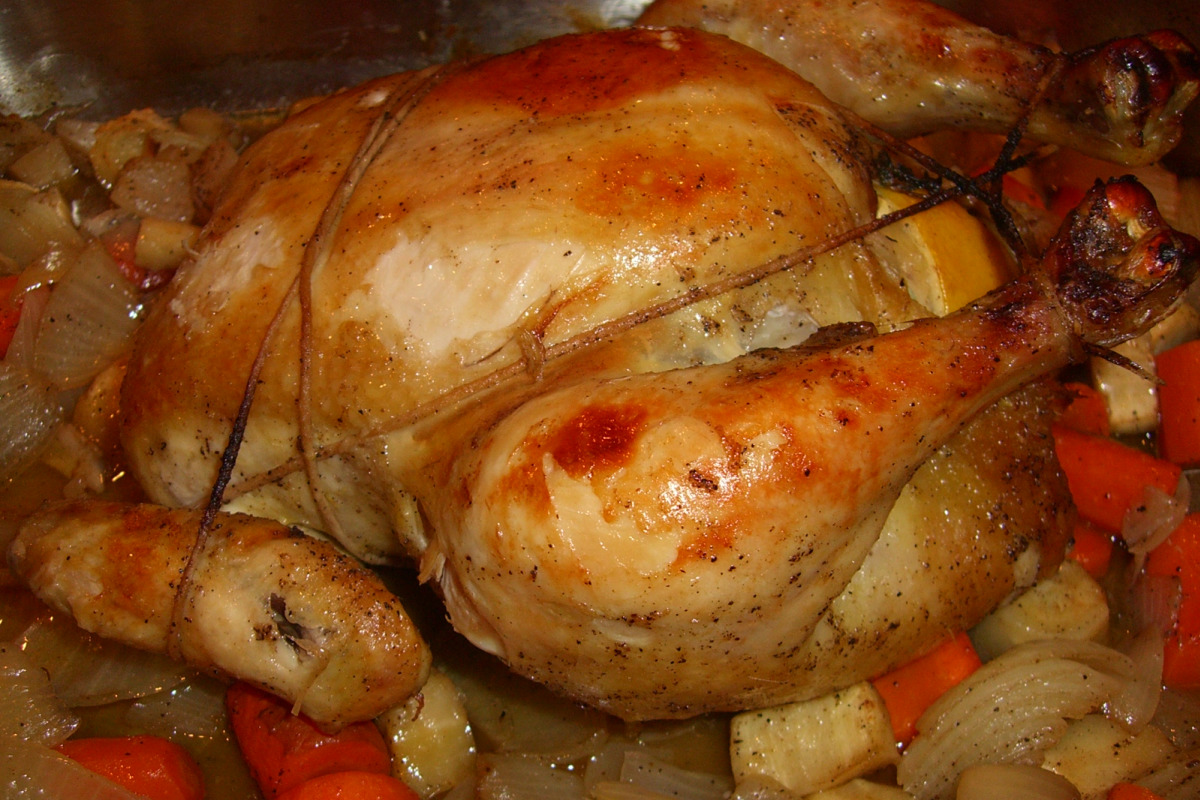
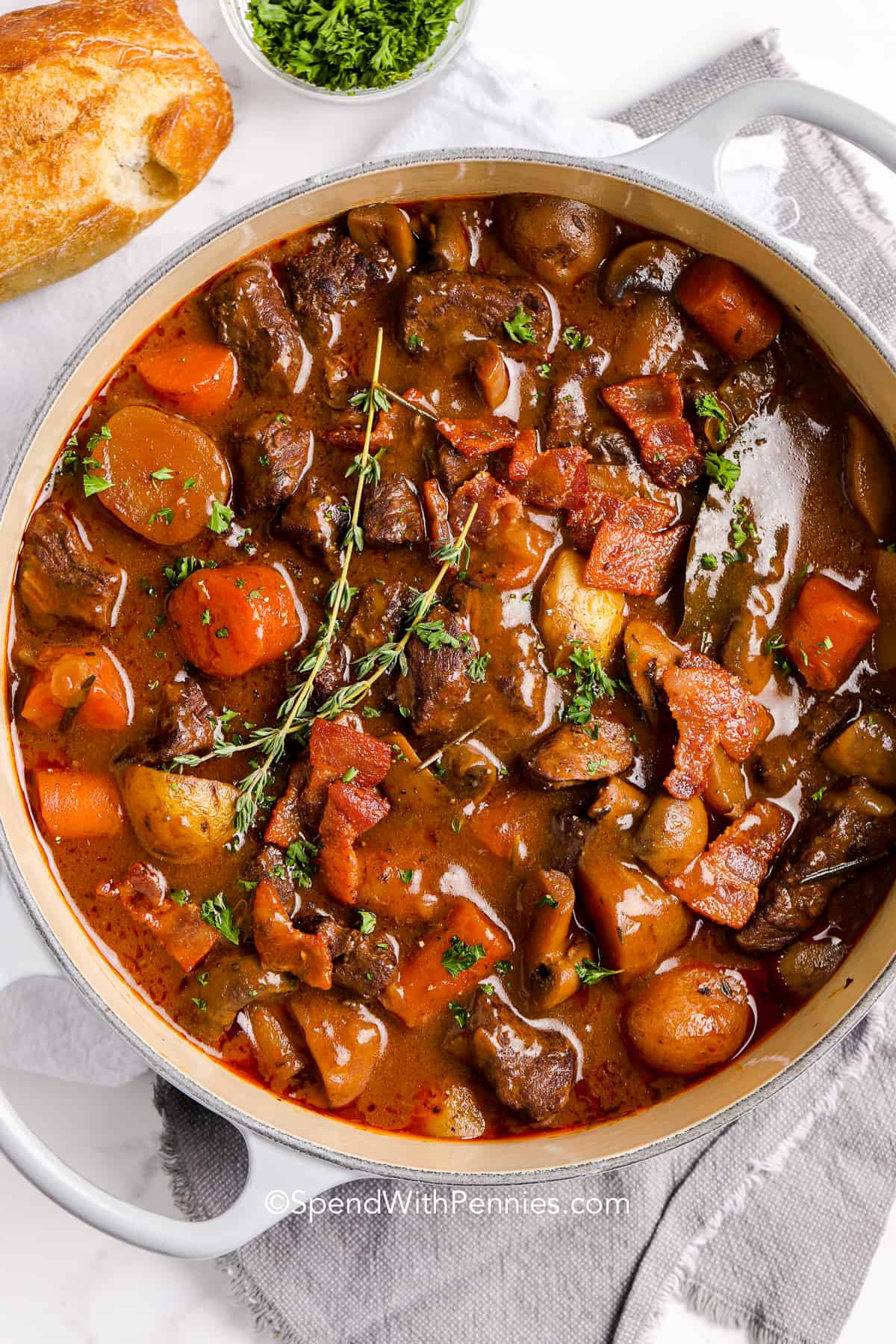
Verdict: Buy Heritage Steel if you cook every day, have already worn out one stainless set, and care about American manufacturing more than brand recognition. The 5-ply construction is genuinely better for low-and-slow work like True-to-Form Beef Bourguignon or a Roasted Chicken with Root Vegetables finished on the stovetop with pan-deglaze drippings.
#5 Best Large Set — Farberware Classic Stainless Steel 15-Piece Set
We almost left this section blank. Every impact-bonded set compromises on construction — but the Farberware Classic 15-Piece is the rare one that compromises in defensible places and still cooks acceptably for most weeknight tasks.
This is impact-bonded base construction, not fully-clad: a 3mm aluminum disc is mechanically pressed (not welded) to the stainless bottom of each pan, with thin single-ply stainless walls above. That means the bottom heats evenly but the walls heat slowly — you'll get a cold ring 1.5 inches up the side of every pan. For boiling water, simmering soup, and quick sautés this doesn't matter. For searing four steaks in a row or for the kind of slow oven-finished braise where the wall temperature matters, it does.
What you get: a 15-piece set that covers every conceivable pot and pan need (1 qt and 2 qt saucepans, 8 qt stockpot, 3 qt sauté, 8" and 10" skillets, plus lids and a steamer insert), dishwasher-safe construction, and Farberware's limited warranty. The handles are riveted (good — they don't loosen) and rated to 350°F in the oven (not great — All-Clad and Heritage are 500°F+, so no high-heat oven sears).
Verdict: Pick this if you want the most pieces in one box and mostly boil, simmer and steam. The Farberware will cook your dinner for the next ten years; it will not teach you to be a better cook the way fully-clad construction does. Pair with a 10-inch nonstick skillet from your existing kit for eggs.
What to Look For When Buying Stainless Steel Cookware
The market is flooded with cookware that calls itself "stainless steel" but uses construction shortcuts that compromise heat distribution, longevity, or both. These are the five things that actually distinguish $250 cookware from $80 cookware — and which ones matter for your kitchen.
Construction: fully-clad vs. impact-bonded base
This is the single most important spec, and the one manufacturers most aggressively obscure on the box.
| Construction | What it means | Heat behavior | Brands |
|---|---|---|---|
| Fully clad 3-ply | Aluminum core sandwiched between stainless layers, rim to rim | Even heat across the bottom AND up the sidewalls | All-Clad D3, Cuisinart MCP, Cook N Home Tri-Ply |
| Fully clad 5-ply | Two aluminum + one carbon steel layer between stainless | Even heat with tighter rim-to-center gradient; better at low/slow | All-Clad D5, Heritage Steel, Made In, Demeyere |
| Impact-bonded base | Aluminum disc pressed to a single-ply stainless wall | Even bottom, cold sidewalls — fine for boiling, poor for searing/braising | Farberware Classic, Tramontina Gourmet |
| Single-ply stainless | Stainless only, no aluminum | Hot spots, slow heating, poor browning | Avoid for cooking; OK for stockpots |
A magnet can't tell these two apart. It only detects magnetic stainless, and the aluminum core isn't magnetic, so an impact-bonded pan with magnetic steel walls holds a magnet all the way to the rim just like a fully clad one. Check the construction instead: an impact-bonded pan has a visibly thicker disc stamped onto the bottom, a fully clad pan's walls are the same thickness from base to rim, and the listing will say "tri-ply" or "fully clad" rather than "encapsulated base" or "impact-bonded base." Save the magnet for induction: if it sticks firmly to the base, the pan will work on an induction cooktop.
Ply count: when does more matter?
3-ply (one aluminum core layer) is genuinely sufficient for 90% of home cooking. The jump from 3-ply to 5-ply matters in two specific cases: (1) long shallow braises where you want even wall temperature for an hour or more, and (2) induction cooktops with hot-spot zones, where extra layers smooth out the magnetic-field variation. If you don't do either, save $100 and buy 3-ply.
7-ply and 10-ply cookware (Demeyere Atlantis, some Le Creuset stainless) is overkill for home use. The marginal improvement in heat distribution doesn't compensate for the 50% weight increase and the doubled price.
Core material: aluminum vs. copper
Almost every consumer set uses aluminum cores. A small number of premium sets (Mauviel M'Cook, Lagostina Axia) use copper, which conducts about 1.5x faster than aluminum. For home cooking the difference is academic — your stove can't change temperature fast enough to exploit it. Copper-core matters in a professional kitchen where the chef needs the pan to respond in under 10 seconds to a flame change. At home, stick to aluminum and spend the difference on a better knife.
Handle design: cast vs. stamped, riveted vs. welded
Cast stainless handles (All-Clad, Heritage Steel) are noticeably heavier and stay cooler than stamped sheet-metal handles (Cuisinart, Cook N Home). Riveted handles (visible bolts through the pan body) are more durable than welded handles, especially under dishwasher cycles — the rivets distribute pull stress across multiple points, while a weld concentrates stress at one line. After about 5 years of weekly use, welded handles start to loosen; riveted handles essentially never do.
The trade-off: rivets create a small interior bump where food can stick. Build the muscle memory to deglaze and wipe the rivet area first and it stops mattering.
Induction compatibility
Every fully-clad stainless set on the market is induction-compatible because the outer stainless layer is magnetic. Impact-bonded base pans depend on whether the disc has a magnetic stainless cap; most modern ones do, but verify with a refrigerator magnet before buying if you have an induction range. The Farberware Classic above is fully induction-compatible; older Calphalon stainless sets often aren't.
Oven-safe rating
Stainless pans with stainless handles and lids (All-Clad D3, Heritage Steel) handle 500–600°F oven temperatures, which means you can sear a steak on the stovetop and finish it in the oven without a pan change. Pans with silicone handle accents or plastic knobs (Cuisinart's lower-tier lines, Farberware) cap at 350–425°F, which rules out high-heat sear-then-roast technique.
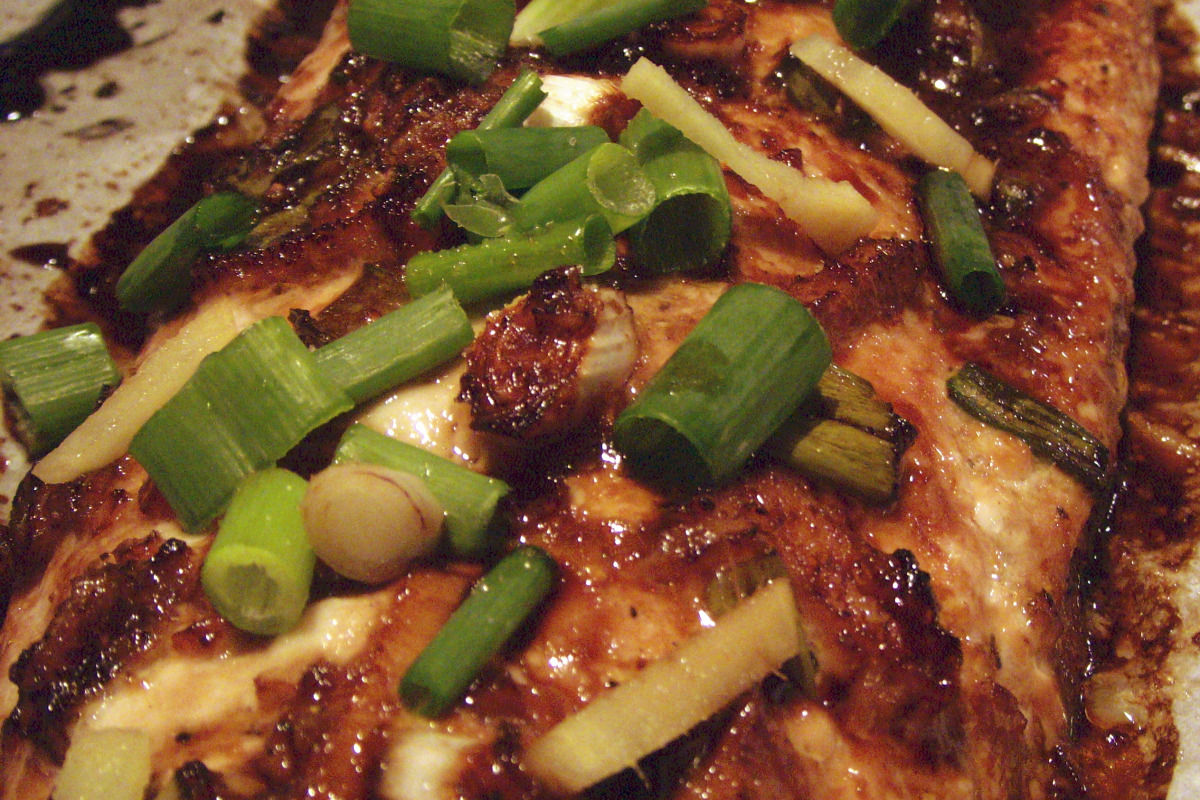
If you cook a lot of Pan-Seared Salmon with Lemon-Ginger or sear-then-roast chicken thighs, this matters. If you mostly use the stovetop, it doesn't.
Stainless vs. Nonstick vs. Cast Iron: When to Use Which
A good kitchen has all three. Each surface has a job that the others can't do as well, and trying to do every task in one pan is how you end up with a kitchen drawer full of pans that all do everything badly.
| Surface | Best for | Worst for | Life span |
|---|---|---|---|
| Stainless steel | Searing, browning, fond + pan sauce, acidic foods, oven-to-table, every long braise | Delicate eggs, pancakes, anything where sticking would tear the food | 30+ years |
| Nonstick (PTFE) | Eggs, pancakes, crepes, delicate fish skin, low-heat sautés | High-heat searing, acidic reductions, oven temps above 400°F | 18 months to 3 years |
| Cast iron | Steak crust, smash burgers, cornbread, deep-frying, anything that benefits from thermal mass | Long acid braises (tomato, wine), short cooks (slow to heat) | A lifetime, multiple generations |
The pattern that works: a 3-ply stainless skillet handles 70% of weeknight cooking, a single 10" nonstick pan covers eggs and pancakes, and a Lodge cast-iron skillet absorbs the high-heat sear duties and weekend pizza nights. That's the three-pan kitchen that real chefs run at home, and it's why a 7-piece stainless set + one nonstick + one cast iron is a complete setup for most households.
If you're starting from scratch, the order of purchase is: stainless skillet first, then cast iron, then nonstick. Stainless is the workhorse; cast iron does what stainless can't (extreme heat retention); nonstick is the convenience pan that fills in the eggs/pancakes gap. Build outward from there with our cookware and utensils recommendations.
Care + Maintenance: Making Stainless Last for Decades
Stainless is the most forgiving cookware you can own — there is essentially nothing you can do to it short of melting through the bottom with a kitchen torch that won't come off with the right cleaning step. Here's the routine that keeps a clad stainless pan looking like new for decades.
Daily cleanup. Let the pan cool to warm (not cold — thermal shock can warp the base over time), then hot water and dish soap with a non-abrasive sponge. Most messes lift in under a minute. Towel-dry immediately to prevent water spots.
Stuck-on fond. Deglaze the warm pan with water, wine, or stock — pour in ½ cup of liquid, bring to a simmer, scrape the fond with a wooden spoon. The fond comes off into the liquid, which you can either reduce into a pan sauce or discard. The pan wipes clean in 10 seconds.
Discoloration (rainbow heat marks, white mineral spots). Bar Keepers Friend is the only cleaner you need. Sprinkle the powder, add a little water to make a paste, scrub with a soft sponge in straight lines (not circles — circles leave visible scratch patterns), rinse thoroughly. This removes hard water spots, blue heat-tinting, and burnt-on residue in under two minutes. Do this once a month and the pans look new forever.
Things to never do. Steel wool destroys the polish (use Bar Keepers Friend instead). Oven cleaner pits the surface (don't even let it touch the pan). Dishwasher detergent is fine, but the high-heat dry cycle accelerates handle-rivet corrosion — hand-dry instead. And never plunge a hot pan into cold water; that's how warped bottoms happen on impact-bonded sets.
For knife storage and prep tools to match the cookware, our recommended knives round out the kitchen.
Hosting Thanksgiving on Thursday, November 26? A stainless set covers the sides, and it makes the gravy: the browned bits that stick to stainless deglaze into its base. The bird needs three more things. A roasting pan with a rack sized to your bird and your oven, a leave-in probe thermometer that alarms at the USDA's 165°F in the thickest part of the thigh while the oven door stays shut, and a carving knife long enough to slice the breast in one stroke. Each guide names its top pick.
Goes With It: Cheap Add-Ons for Stainless Cookware
Stainless rewards two habits: knowing the internal temperature and using a thin turner. These cover both:
- ThermoPro instant-read thermometer: searing hard means pulling chicken and steak at the right temperature, not cutting in to check.
- MIU stainless fish spatula: a thin, flexible metal turner slides under a properly seared fillet; metal is fine on stainless.
See our best instant-read thermometers and, for the nonstick pans in your kitchen, our best silicone spatula sets.
Sources
Comparative editorial sources for context and cross-reference:
- Bon Appétit — The Best Cookware Sets
- All-Clad — D3 Stainless Steel Cookware Collection
- Heritage Steel — Eater x Heritage Steel 5-Piece Fry Pan Set (316Ti)
- Wikipedia — Induction cooking
For complementary cookware and pan-sauce technique articles, browse our cookware collection and our archive of pan-sauce recipes — start with Pan-Seared Chicken with Mushroom and Herb Pan Sauce for the foundational technique every stainless owner should master.
Frequently asked questions
What is the difference between tri-ply and 5-ply stainless steel cookware?
Can stainless steel cookware go in the oven?
How do I keep food from sticking to stainless steel?
Is stainless steel cookware safe and non-toxic?
How do I clean stainless steel without scratching it?
How we picked
This guide is researched, not bench-tested. We shortlisted products from the AislePrompt kitchen catalog and compared them on published manufacturer specifications (such as materials, size and capacity), on what owners report in published reviews, and on any third-party sources linked in this guide. The guide was drafted with AI assistance. We did not run lab or hands-on tests of these products, so any measurement quoted here comes from the manufacturer or a cited source. Prices change often: use the “Check price on Amazon” buttons for today’s price.
Recipes to try with your cookware
Put your gear to work — save any recipe to My Recipes (no account needed) and send its ingredients to Instacart in one tap.
Shop cookware on AislePrompt →Browse the full kitchen shop →