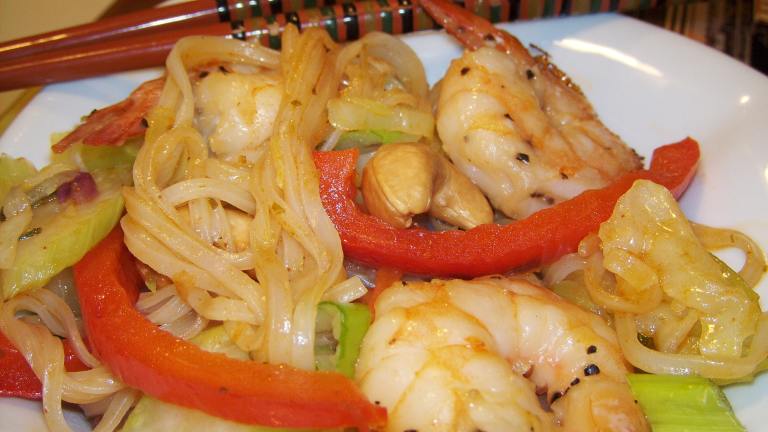
How to Cook Shrimp: 10 Recipes + Complete Buying and Prep Guide
A complete guide to buying, prepping, and cooking shrimp with five methods, tips for perfect doneness, and 10 top recipes from the AislePrompt catalog.
Shrimp cooks in under 5 minutes, takes any seasoning profile, costs less per serving than chicken in most US markets, and produces near-zero waste. If you want a weeknight protein that's reliably done before the pasta water boils, shrimp is it. This guide covers how to buy, prep, and cook shrimp using five core methods — then links you to the 10 best shrimp recipes in the AislePrompt catalog for weeknights, entertaining, or a fast solo dinner.
Introduction: why shrimp is the 5-minute weeknight protein
Few proteins match shrimp's speed-to-payoff ratio. A pound of 21/25-count shrimp sautéed in a hot pan is ready in 4 minutes flat. Compare that to a chicken breast (18-22 minutes) or a pork chop (10-14 minutes). The fast cook time isn't a trick — it's physics. Shrimp has very little connective tissue to break down, thin flesh, and a high surface-area-to-mass ratio that lets heat penetrate quickly.
The catch is that the same speed that makes shrimp convenient also makes it unforgiving. An extra 60 seconds of heat turns perfectly cooked, bouncy shrimp into rubbery, tight coils. The single most important skill in shrimp cookery isn't technique — it's timing. This guide gives you the visual cues to nail it every time.
For a complete breakdown of the shrimp market — seasonality, sourcing, and sustainability ratings — Seafood Watch maintains updated shrimp recommendations you can check before buying.
How to buy shrimp: wild vs farmed, size counts, fresh vs frozen
Wild-caught vs. farmed
The shrimp sold in US supermarkets splits two ways: wild-caught (primarily Gulf of Mexico white shrimp and Pacific spot prawns) and farmed (primarily Thai, Vietnamese, Indian, and Ecuadorian vannamei shrimp). Here's what actually matters at the counter:
| Factor | Wild-caught (Gulf) | Farmed (vannamei) |
|---|---|---|
| Flavor | Sweeter, brinier | Milder, cleaner |
| Texture | Firmer | Slightly softer |
| Price | $12–18/lb (21/25) | $7–12/lb (21/25) |
| Availability | Seasonal (peak: Apr–Oct) | Year-round |
| Sustainability | Varies — check Seafood Watch | Varies — look for ASC-certified |
For weeknight cooking, farmed vannamei is perfectly fine. For a composed dish where shrimp flavor is the star — shrimp cocktail, grilled skewers with simple seasoning, shrimp and grits — Gulf wild-caught is worth the premium when in season.
Size counts
Shrimp sizing is labeled as count per pound, not "large" or "jumbo," which vary by retailer. Here's the standard breakdown:
| Label | Count per pound | Best uses |
|---|---|---|
| U/10 (colossal) | Under 10 | Impressive presentations, stuffed shrimp |
| 16/20 (extra-large) | 16–20 | Grilling, scampi, pasta centerpieces |
| 21/25 (large) | 21–25 | Most recipes — versatile all-rounder |
| 31/40 (medium) | 31–40 | Fried rice, tacos, stir-fries, soups |
| 51/60 (small) | 51–60 | Bisques, spreads, stuffing mixes |
For most recipes in this guide, 21/25 or 31/40 is the right choice. Larger shrimp are expensive for casual weeknight cooking; smaller shrimp disappear in chunky dishes.
Fresh vs. frozen
Buy frozen unless you're at a coastal fish market with documented same-day delivery. The "fresh" shrimp at most inland supermarket counters was frozen at sea and thawed for display — often 48-72 hours ago. Buying IQF (individually quick frozen) bags means you control the thaw timeline and get shrimp at peak quality. Serious Eats breaks down the shrimp supply chain in detail — the short version: thaw-at-home always wins.
How to thaw and prep (deveining, peeling, tail on or off)
Thawing
Two methods, in order of preference:
1. Overnight fridge thaw: Move the bag from freezer to fridge the evening before. Shrimp thaws in 8-10 hours, arrives cold and firm. Best texture.
2. Cold-water rapid thaw: Place shrimp in a colander under cold (not warm) running water for 10-15 minutes, turning occasionally. Works well when you forgot to plan ahead. Don't use warm water — it starts cooking the exterior.
Never microwave-thaw. Never countertop-thaw at room temperature.
Peeling
Most recipes benefit from peeled shrimp. Leave the tail shell on when presentation matters (scampi, grilled skewers, cocktail shrimp) — it gives guests something to hold and looks better plated. For tacos, fried rice, stir-fries, and salads, remove the tail too.
To peel: grip the legs and peel starting from the underside, working toward the tail. The shell comes off in 2-3 motions on a practiced hand.
Deveining
The "vein" is the digestive tract. In 31/40 and smaller shrimp, it's thin, virtually tasteless, and fine to skip. In 21/25 and larger, it can be gritty and is worth removing. To devein: run a paring knife or the tip of a sharp peeler along the back of the shrimp and lift out the vein with the knife tip or a toothpick. Most IQF bags labeled "EZ-peel" or "deveined" have already done this for you.
5 core cooking methods: sauté, sear, grill, broil, poach
1. Sauté (fastest, most versatile)
Pan: 10-12" stainless or cast iron. Heat: medium-high. Fat: 1-2 tbsp olive oil or butter. Add shrimp in a single layer — don't crowd. Cook 90 seconds per side. Total: 3 minutes.
Best for: garlic butter shrimp, scampi, tacos, stir-fry bases.
Pitfall: Overcrowding the pan drops the temperature and steams instead of sautés. Cook in two batches if a pound of 21/25 won't lay flat.
2. Sear (for maximum browning)
Same setup as sauté, but pat the shrimp completely dry with paper towels before cooking — surface moisture is the enemy of browning. Heat the pan until you see the first wisps of smoke, add oil, then shrimp. Press gently to maximize contact. Do not move for 60-90 seconds until a golden crust forms on the flat side.
Best for: shrimp dishes where the maillard crust is the point — single-plate presentations, composed salads, grain bowls.
3. Grill (smoky, char-marked)
Use 21/25 or larger — smaller shrimp fall through grates. Skewer through two points (head and tail end) to prevent spinning. Pat dry, toss in oil, season. Grill over direct high heat 2 minutes per side on clean, well-oiled grates. Charcoal produces noticeably better flavor than gas.
Best for: summer outdoor cooking, skewers, shrimp served as an appetizer, surf-and-turf nights.
4. Broil (hands-off, oven method)
Arrange peeled, seasoned shrimp in a single layer on a rimmed baking sheet. Broil 4-5 inches from the element for 2-3 minutes until pink on top. No flip needed for most sizes; for 16/20 or larger, flip and broil 1 more minute. Broiling is the easiest method when you need to cook a full pound at once without babysitting the pan.
Best for: cooking large batches, spiced shrimp for grain bowls, shrimp for salads and meal prep.
5. Poach (gentle, no browning)
Bring a pot of well-salted water or court-bouillon (water + dry white wine + a bay leaf + peppercorns) to 170°F — below a simmer. Add shrimp and cook 2-3 minutes until opaque. Remove immediately and chill in an ice bath or under cold water.
Best for: shrimp cocktail, cold salads, delicate preparations where no browning is wanted and the texture needs to be precise.
Doneness — the 'C-shape' rule that prevents rubbery shrimp
This is the single rule that separates good shrimp cooks from great ones. Watch the shape:
- Raw: Straight, translucent gray. No curl.
- Perfectly cooked: Loose "C" shape. Pink-and-white, opaque. Springy to the touch.
- Overcooked: Tight "O" shape, nearly circular. Rubbery, chewy, smaller.
Pull shrimp from the heat the instant they hit the "C." Carryover heat will push them to perfect done in the 30 seconds they sit before serving. For every shrimp curling into an "O" in the pan, there are 5 more that will follow if you don't act. Work decisively — tongs or a wide spatula, shrimp from pan to plate.
One more indicator: the flesh at the thickest point should be fully opaque white, not translucent gray at the center. If you see gray, give it another 20-30 seconds. If you see tight curl plus opaque white, move immediately.
The FDA guidance on seafood food safety specifies an internal temperature of 145°F for cooked shrimp. In practice, the visual "C" test is more useful in a hot pan than a thermometer — but if you're cooking a thick 16/20 for cocktail service, a quick probe gives you certainty.
Common pitfalls and how to avoid them
| Pitfall | Cause | Fix |
|---|---|---|
| Rubbery texture | Overcooked (tight O) | Pull at loose C; use carryover heat |
| No browning | Wet surface or crowded pan | Pat dry; cook in batches |
| Watery, steamed flavor | Too much moisture released | Dry thoroughly; use very hot pan |
| Tough exterior | Marinated too long in acid | Marinate max 20 min in lemon/lime |
| Tasteless despite seasoning | Seasoned after cooking | Season raw, then cook |
Real-world timing benchmarks
| Shrimp size | Sauté (per side) | Grill (per side) | Broil (total) |
|---|---|---|---|
| 31/40 (medium) | 60–75 sec | 90 sec | 2–2.5 min |
| 21/25 (large) | 75–90 sec | 2 min | 2.5–3 min |
| 16/20 (extra-large) | 90 sec–2 min | 2.5 min | 3–4 min |
| U/10 (colossal) | 2.5–3 min | 3 min | 4–5 min |
These assume a properly preheated pan or grill. A cold or underpowered burner adds 30-60 seconds per side.
Top 10 Shrimp Recipes from the AislePrompt Catalog
These are the ten highest-rated and most-saved shrimp recipes in the catalog, covering every major cooking method and flavor direction.
1. Garlic Butter Shrimp — 10 minutes, five ingredients, works as an appetizer or main over pasta or rice. The base recipe for dozens of variations.
2. Lemon-Garlic Shrimp Scampi Pasta — Classic white-wine butter sauce, 20 minutes start to finish. Use 21/25 shrimp for the best plate presentation.
3. Thai-Inspired Shrimp Stir-Fry with Coconut Curry — Coconut milk, fish sauce, Thai basil. The 31/40 size works well here — small enough to not overwhelm the sauce.
4. Grilled Honey-Lime Shrimp Skewers with Avocado Salsa — Summer cookout staple. The marinade doubles as a glaze brushed on during the final minute of grilling.
5. Grilled Lime-Garlic Shrimp Tacos with Cabbage Slaw and Avocado Crema — The full taco build: marinated shrimp, crunchy slaw, creamy avocado sauce in a charred flour tortilla.
6. Crispy Shrimp Fried Rice with Egg and Peas — Make-ahead friendly when you have leftover rice. Day-old refrigerated rice fries better than fresh; 31/40 shrimp is the right size.
7. Lemon-Pepper Shrimp Pasta with Asparagus — Bright and spring-friendly. Asparagus and shrimp cook at nearly the same speed — they finish together in the same pan.
8. East Texas Shrimp and Grits — Stone-ground grits, andouille, shrimp in a tomato-forward sauce. Weekend comfort food that earns its longer prep time.
9. Mediterranean Shrimp & Avocado Salad with Lemon Vinaigrette — No-heat option: cold poached or broiled shrimp over mixed greens with cucumber, olive, and bright citrus vinaigrette. 15 minutes total.
10. Pan-Seared Shrimp with Honey Garlic Sauce — The sticky-sweet-savory glaze that works equally well as a side dish or rice bowl topper. 12 minutes.
Quick shrimp dinners under 20 minutes
When the goal is a complete dinner in under 20 minutes, here's a repeatable framework:
Formula: protein (shrimp, 5 min) + carb (pre-cooked rice, pasta, or grain, 0-10 min) + sauce (pantry, 2 min) = dinner.
| Dinner | Time | Method | Recipe |
|---|---|---|---|
| Garlic butter shrimp + rice | 12 min | Sauté | Garlic Butter Shrimp |
| Shrimp fried rice (leftover rice) | 15 min | Stir-fry | Crispy Shrimp Fried Rice |
| Lemon-pepper shrimp pasta | 18 min | Sauté + boil | Lemon-Pepper Shrimp Pasta |
| Honey garlic shrimp bowl | 12 min | Pan-sear | Pan-Seared Shrimp with Honey Garlic Sauce |
| Shrimp tacos | 15 min | Grill or sauté | Shrimp Tacos with Cabbage Slaw |
Three pantry sauces that work with any cooking method:
- Chili-lime butter: 2 tbsp butter, 1 tsp chili flakes, juice of 1 lime, 1 minced garlic clove, melted together off-heat.
- Soy-ginger glaze: 2 tbsp soy sauce, 1 tbsp honey, 1 tsp grated fresh ginger, 1 tsp sesame oil — reduce 1 minute in the pan after removing shrimp.
- Garlic-herb oil: 3 tbsp olive oil, 3 garlic cloves sliced thin, 2 tbsp flat-leaf parsley, pinch red pepper flakes — warm in pan 1 minute before adding shrimp.
AislePrompt shortcut: Open /meal-plan and tell the chat you want three shrimp dinners this week — it will pull from the 461-recipe shrimp catalog and auto-generate a consolidated shopping list so you buy one bag of frozen shrimp that covers everything. You can also use /chat with "quick shrimp dinner tonight" and it will suggest a recipe based on what you already have on hand.
Pairings: what to serve with shrimp (carbs, greens, sauces)
Shrimp is neutral enough to go with almost any flavor direction. The quick-reference pairing grid below covers the most common combinations:
| Shrimp preparation | Best carb | Best green | Best sauce |
|---|---|---|---|
| Garlic butter sauté | Crusty bread or linguine | Spinach, arugula | Lemon + white wine reduction |
| Thai coconut curry | Jasmine rice | Bok choy, snap peas | Fish sauce + lime finish |
| Grilled skewers | Orzo or flatbread | Romaine, cucumber salad | Tzatziki or chimichurri |
| Broiled with paprika | Stone-ground grits | Collard greens, kale | Tomato-andouille gravy |
| Cold poached | No starch needed | Mixed greens, endive | Green goddess or lemon vinaigrette |
| Fried rice | Self-contained | Edamame, peas (included) | Soy-sesame drizzle |
Acid is almost always the right finish. A squeeze of lemon or lime at the plate brightens every method listed above. Keep a halved citrus on the board whenever you cook shrimp.
What not to pair: Heavy cream sauces work but often mask the shrimp's delicate flavor. Dishes where shrimp is a small garnish in an otherwise dense dish (heavy beef stew, thick bean chili) similarly waste the ingredient. Shrimp is a lead actor, not supporting cast.
Storage and food safety
Raw shrimp: Store in the coldest part of the fridge (35°F or below) and use within 2 days of thawing. If you won't use it within 2 days, keep it frozen. IQF shrimp holds quality for 6-9 months at 0°F. Do not refreeze shrimp that has already been fully thawed.
Cooked shrimp: Refrigerate within 2 hours of cooking. Keeps in an airtight container for 3-4 days. Reheat gently — microwave on 50% power for 30-45 seconds, or warm in a pan with a splash of water over low heat to avoid the rubbery O-shape again.
Signs of spoilage:
- Strong ammonia smell (fresh raw shrimp smells lightly of the sea, not sharply fishy)
- Gray, discolored flesh in cooked shrimp that was white before storage
- Slimy or sticky texture on raw shrimp
For the full cold-storage timeline covering every protein, see the USDA FoodKeeper database, updated as of 2024, which gives both refrigerator and freezer safe-storage windows.
Cross-contamination: Keep raw shrimp containers on the bottom shelf of the fridge, away from ready-to-eat foods. Wash hands, cutting boards, and knives after handling raw shrimp before touching anything else.