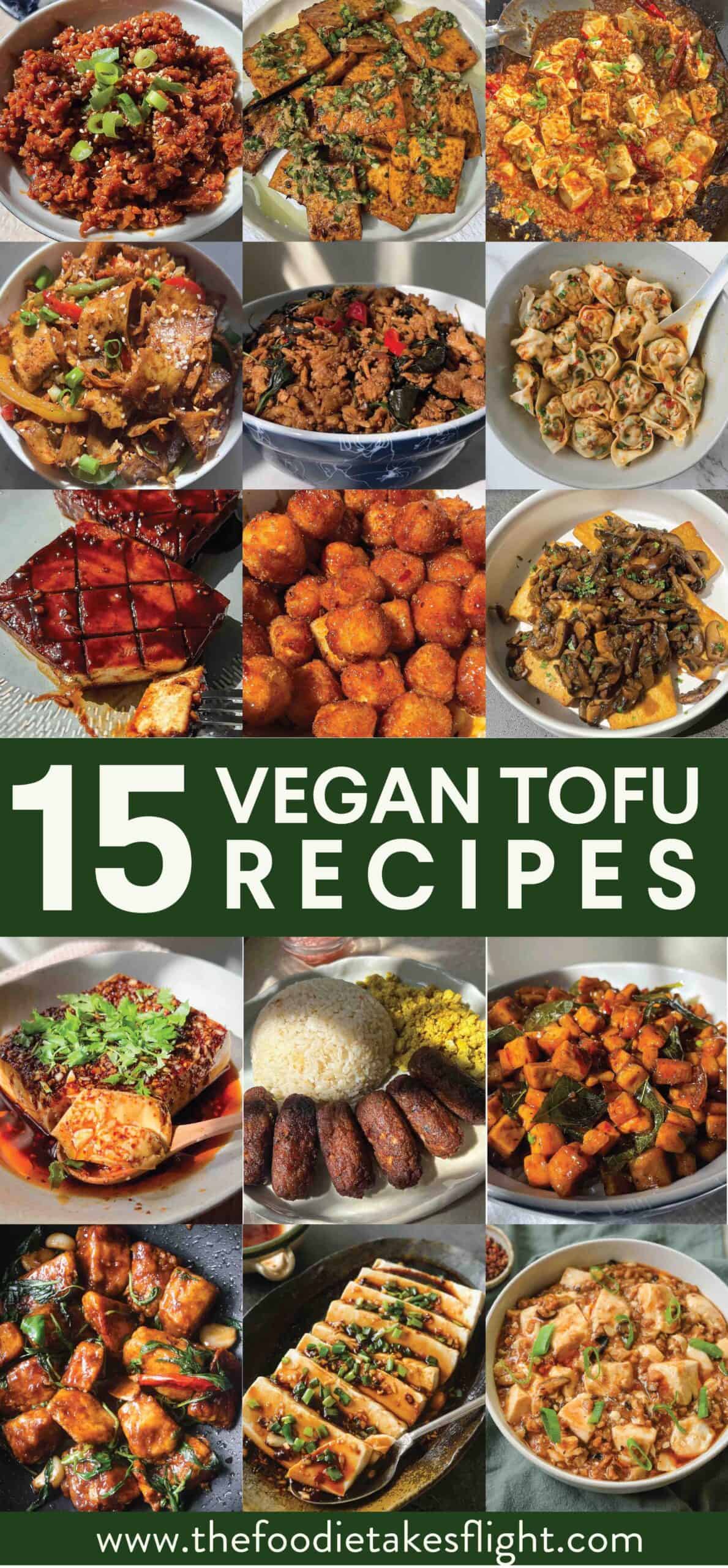
How to Cook Tofu: 15 Recipes + Complete Guide for Beginners
Pressing, cornstarch, and 15 kitchen-tested recipes across five cuisines that make tofu the easiest weeknight protein.
To cook tofu well, match the tofu type to the technique: press firm or extra-firm tofu for 20 minutes, coat with a light dusting of cornstarch, then bake at 425°F for 25-30 minutes or pan-fry in 2 tablespoons of hot oil until each side is deeply browned. Sauce it only after the crust sets. Silken tofu is a different food entirely — blend it into sauces, spoon it into soups, or serve it whole with soy and scallions.
That single paragraph handles maybe 70% of the tofu questions you have. The rest of this guide fills in the other 30% — types, pressing, crisping, seasoning. Then 15 recipes across Chinese, Korean, Thai, Japanese, and Indian cooking put every technique to work.
Introduction: why tofu deserves a spot in your weeknight rotation
Tofu is the fastest weeknight protein most home kitchens ignore. A block costs about $2, keeps for weeks unopened, cooks in under 15 minutes, and delivers roughly 20 grams of complete protein per 4-ounce serving — every essential amino acid, no saturated fat, no last-minute meat-thawing panic at 6 pm.
The reason most people bounce off tofu is that they cook it exactly one way (drop a wet block into a pan) and conclude it "doesn't taste like anything." Tofu doesn't taste like anything on purpose. It's a sponge. Your job is to give it something worth soaking up — a marinade, a glaze, a fiery Sichuan bean paste, a peanut-lime sauce — and then apply a cooking method that dries the surface enough to let that flavor stick.
Do those two things and tofu stops being a compromise. A crispy pan of honey-sriracha baked tofu with broccoli on the side hits the table in 35 minutes flat, feeds four for under $8, and generates zero grease splatter across your stovetop. That's a weeknight winner in any protein category.
There's also the health side, which stopped being controversial a while ago. As Harvard's public-health team laid out in their straight-talk piece on soy foods, peer-reviewed research shows soy is either neutral or protective for heart disease and the cancers people used to worry about — including breast cancer. Two servings a day of whole soy foods (tofu, tempeh, edamame) is the current mainstream recommendation.
Enough context. Let's cook.
Tofu types (silken, soft, firm, extra-firm, super-firm) and when to use each
There are five common tofu textures, and using the wrong one is the number-one reason a recipe fails. Here's the working chart:
| Type | Texture | Best for | Wrong for |
|---|---|---|---|
| Silken | Custard-like, jiggly | Blended sauces, smoothies, cold appetizers, soups | Anything you flip in a pan |
| Soft | Loose curds, breaks apart | Mapo tofu, sundubu jjigae, soft scrambles | Grilling, stir-frying, skewers |
| Firm | Sliceable, holds shape | Pan-frying, stir-frying, braising, curries | Blended sauces (grainy) |
| Extra-firm | Chewy, dense | Baking, grilling, air-frying, marinating | Silken applications |
| Super-firm | Meat-like, pre-pressed | Skewers, sandwiches, high-heat searing | Recipes wanting delicate texture |
A few notes that live under the chart:
Silken tofu is set in its retail package without any pressing, which is why it has that soft custard set — like a savory panna cotta. Blend it into a Caesar dressing and it disappears into creaminess. Drop it into a hot Korean stew like hot and sour Korean tofu stew with kimchi and it becomes silken pillows suspended in broth. Do not attempt to stir-fry silken tofu unless your goal is scrambled tofu confetti.
Soft tofu is one step firmer than silken. It's the correct choice for the classic Sichuan dish — see Sichuan-inspired mapo tofu with ground pork — because you want cubes that hold shape in the bowl but disintegrate luxuriously on your tongue. If your grocery only stocks "firm," reach for that instead; the dish still works.
Firm tofu is the everyday workhorse. Pressed enough to survive a hot pan, wet enough to still soak up sauce. Every stir-fry, most curries, most weeknight applications.
Extra-firm tofu is what you want when the goal is a browned crust or a crisp cube — crispy tofu with cornstarch and broccoli is a template you can apply to any sauce. It's also the right choice for freezing, which yields a chewier, spongier texture (great for stews).
Super-firm is a newer format (sometimes called "high-protein" or "sprouted") that comes vacuum-sealed with almost no water. You can skip pressing entirely, slice it straight from the package, and hit it with high heat. It's about 30% more protein per gram than regular firm, and it's what you want for tofu sandwiches or wraps where you need slabs that stay intact.
How to press tofu — three methods, timings, and when you can skip it
Pressing removes surface water so tofu browns instead of steams. It also keeps cubes from shedding water into your sauce and thinning it out. For firm and extra-firm tofu that you'll pan-fry, roast, grill, or air-fry: press it. For silken, soft, or super-firm: skip it.
The three methods, ranked by how much I actually use them:
1. Two-plate stack (free, 20-30 minutes, works fine). Wrap the drained block in a clean kitchen towel or two layers of paper towel. Set it on a plate. Put a second plate on top, then weight it down with a cast-iron skillet or 2-3 cans of tomatoes. Walk away for 20-30 minutes. Longer than 45 minutes and the tofu starts to get gummy, so don't press overnight.
2. Dedicated tofu press ($15-25, 15-20 minutes, best for weekly use). If you eat tofu more than once a week, a screw-tension press pays for itself in freed-up counter space and no soaked towels. The upgrade is real. Browse options in /k/gadgets — anything with two solid boards and a spring or screw does the job.
3. Salt-press for maximum crispness (60 minutes, best for baked tofu). Cube the tofu, toss with 1 teaspoon of kosher salt per block, spread on a rack over a sheet pan, refrigerate uncovered for an hour. The salt draws water out osmotically without needing weight, and the surface dehydration is more aggressive than pressing. You'll want to reduce added salt elsewhere in the recipe.
Skip pressing entirely when:
- The tofu is silken or soft (it'll turn to paste)
- The recipe braises the tofu in liquid (it'll soak the liquid up anyway)
- You bought super-firm tofu (already pre-pressed at the factory)
- You're crumbling it into a filling (surface area beats moisture management)
How to get crispy tofu without deep frying
The single technique that changes tofu forever is a cornstarch coat. Here's the ratio and the method:
1. Press extra-firm tofu 20-30 minutes, then cube into 3/4-inch pieces.
2. In a bowl, toss the cubes with 1 tablespoon cornstarch + 1/2 teaspoon salt per 14-ounce block. For extra insurance add 1/4 teaspoon baking powder — it raises the surface pH, which crisps proteins faster.
3. Choose one of three finishing methods:
Oven method (hands-off, feeds a crowd): Spread cubes in a single layer on a parchment-lined sheet pan. Drizzle with 1 tablespoon of neutral oil, toss. Bake at 425°F for 25-30 minutes, flipping once at the 15-minute mark. You're looking for deeply-browned edges and a shell that shatters when pressed.
Pan-fry method (fastest, best texture, more attention): Heat 2 tablespoons of neutral oil in a nonstick or well-seasoned cast-iron skillet over medium-high until the oil shimmers. Add tofu in a single layer, don't crowd. Cook 3-4 minutes per side without moving, then flip. Total time: about 10 minutes for four sides of a cube.
Air-fryer method (efficient, small batches): 400°F for 15 minutes, tossing at 8 minutes. Batch to a single layer with room around each cube. If you're cooking for four, you'll run two batches. Solid method though — probably the closest to deep-fried texture without the oil.
The rule that saves crispy tofu: add sauce only after the tofu is fully crispy. If you toss it in soy sauce or glaze it while the crust is still setting up, you'll steam the crust off within 20 seconds. Serve the tofu crisp, then spoon or drizzle sauce over it at the table — or plate a sauce underneath and set tofu on top.
Marinades, sauces, and seasoning that make tofu shine
Tofu absorbs surface flavors well and interior flavors poorly. This is because the interior is already saturated with water — no room for your marinade to move in. So the strategy is: hit the surface hard, layer a sauce on top after cooking, and lean on aromatics in the cooking oil.
Five templates that work across cuisines:
Soy-maple-ginger glaze (universal). 3 tablespoons soy sauce, 1 tablespoon maple syrup, 2 teaspoons rice vinegar, 1-inch knob of grated ginger, 2 cloves grated garlic. Reduce in a small pan for 90 seconds until it coats a spoon. Spoon over pan-fried tofu right before serving.
Peanut-lime-chile (Southeast Asian). 3 tablespoons peanut butter, juice of 1 lime, 1 tablespoon soy sauce, 1 tablespoon warm water, 1 teaspoon sambal or sriracha, 1 teaspoon honey. Whisk smooth. This one carries sesame-ginger tofu lettuce wraps with peanut sauce and also doubles as a dipping sauce for anything grilled.
Sichuan chile-bean (bold, savory). 1 tablespoon doubanjiang (fermented broad-bean paste), 1 teaspoon sugar, 2 tablespoons soy sauce, 1/2 cup broth, cornstarch slurry to finish. This is the base for most Sichuan tofu including mapo — the doubanjiang carries the funk and the deep red color.
Miso-mirin (Japanese, sweet-savory). 2 tablespoons white miso, 1 tablespoon mirin, 1 tablespoon sake, 1 teaspoon sugar. Brush onto tofu slabs and broil 3-4 minutes for a classic dengaku glaze. See miso-glazed tofu with stir-fried bok choy and rice noodles for the full application.
Curry-leaf-coconut (South Indian). Heat 2 tablespoons coconut oil, drop in 10 curry leaves, 1 teaspoon mustard seeds, 1 dried red chile — let sizzle 30 seconds. Add crumbled or cubed tofu, turmeric, salt, a splash of coconut milk. This is the technique behind stir-fried tofu with curry leaves and garlic, and it changes what people think tofu tastes like.
For dry seasoning without a sauce, the go-to trio is: nutritional yeast for umami, smoked paprika for depth, and garlic powder for savoriness — the base for smoky nutritional yeast tofu scramble and other breakfast applications.
15 curated tofu recipes across cuisines
These are the tofu recipes I keep coming back to, arranged roughly by technique. Each one links to full ingredients, timings, and step-by-step method.
Baked and pan-fried crispy tofu
1. Honey-Sriracha Baked Tofu with Crispy Broccoli — the template baked-tofu recipe. Sheet-pan, 35 minutes, one bowl of mixing.
2. Miso-Glazed Tofu with Stir-Fried Bok Choy and Rice Noodles — restaurant-quality miso lacquer, weeknight time budget.
3. Miso-Marinated Tofu and Bok Choy Stir Fry — a lighter marinade version, one pan.
Chinese stir-fries and braises
4. Sichuan-Inspired Mapo Tofu with Ground Pork — the numbing-hot classic. Skip the pork for vegetarian.
5. Hoisin-Tofu Stir-Fry with Bok Choy — glossy, sweet-savory, 20 minutes start to finish.
6. Tofu and Vegetable Stir-Fry — the everyday-clean-out-the-fridge template.
Korean tofu
7. Spicy Korean-Style Braised Tofu with Gochujang and Scallions — dubu jorim. Long-simmered, sticky, spicy.
8. Hot and Sour Korean Tofu Stew with Kimchi — sundubu jjigae, silken tofu in a bubbling clay pot.
Thai and Southeast Asian
9. Pad Thai-Inspired Stir-Fried Rice Noodles with Tofu and Peanuts — a legit weeknight pad thai.
10. Stir-Fried Tofu with Spicy Thai Basil and Chili Sauce — pad krapow, but with tofu.
11. Sesame-Ginger Tofu Lettuce Wraps with Peanut Sauce — party food, weeknight easy.
Japanese
12. Miso-Ginger Broth with Silken Tofu and Bok Choy — 15-minute soup, silken tofu, weeknight-restorative.
Indian
13. Stir-Fried Tofu with Curry Leaves and Garlic — South Indian, coconut-oil tempering, unlike anything else on this list.
Breakfast and snack
14. Smoky Nutritional Yeast Tofu Scramble — the tofu recipe that converts skeptics at Sunday brunch.
One-pot dinner
15. Hot Pot Stew with Tofu and Vegetables — Asian hot pot for a cold night, one pot, one hour.
The three mistakes that make tofu taste bland (and how to avoid them)
Most bland tofu comes from one of exactly three problems. Fix these three and your baseline gets dramatically better.
Mistake 1: not pressing (or pressing wet tofu straight from the fridge). Extra-firm tofu straight from the package holds roughly 1/3 cup of water per block. That water becomes steam in the pan and prevents browning. Press for 20-30 minutes with weight, or salt-press for an hour. The pan should sizzle when you add tofu, not hiss.
Mistake 2: crowding the pan. Tofu needs air around each piece to brown. If you pile cubes on top of each other in a 10-inch skillet, they steam. Cook in two batches if you have to, or scale up to a 12-inch pan. This is where a good nonstick or cast-iron skillet from /k/cookware earns its counter space.
Mistake 3: adding sauce during cooking. Sauce hitting a hot pan with tofu in it does two things: it steams the crust off, and it burns down against the pan into a black char. Sauce goes on after. Either brush glaze on at the last minute over gentle heat, spoon sauce over plated tofu, or serve the tofu on top of a sauce puddled underneath.
When NOT to reach for tofu
Tofu is a great weeknight protein — but it's not the right call for every dish. Skip it when:
- You want a distinct meaty texture with connective tissue: braised short ribs, pulled pork, birria. Tofu doesn't have the mouthfeel these dishes rely on.
- You want a soup with rich savory depth from bones: pho, tonkotsu, French onion. Tofu adds bulk but doesn't add stock complexity.
- You're feeding a group with a member who has a diagnosed soy allergy (roughly 0.4% of adults). Sub in chickpeas, tempeh (if the allergy is soy-specific, not legume-general), or paneer.
- You need a protein that grills over live fire without a foil pan under it. Tofu can grill, but the risk of losing a cube through the grate mid-flip is real. Skewers help.
Otherwise? Tofu is one of the least-appreciated proteins in an American home cook's rotation. It's cheap, it's fast, it's mainstream-supermarket-available, and it takes 15 minutes to cook.
FAQ
Do I really need to press tofu before cooking?
For firm and extra-firm tofu that you're pan-frying, roasting, or grilling — yes, pressing 20-30 minutes removes surface water so the tofu browns instead of steams and holds its shape. Skip pressing for silken and soft tofu (they fall apart), for tofu you're braising in liquid (it'll absorb the sauce anyway), and for super-firm sprouted tofu (already low-moisture). Wrap firm tofu in a clean towel with a heavy pan on top.
How do I get tofu crispy without deep frying?
Press well, cube, toss with a thin coating of cornstarch (1 tablespoon per block) and a pinch of salt, then bake at 425°F for 25-30 minutes flipping once, or pan-fry in 2 tablespoons of oil over medium-high heat for 8-10 minutes. The cornstarch is the secret — it dehydrates the surface and creates a shatter-crisp shell. Add sauce only after the tofu is fully crispy or you'll steam the crust off.
What's the difference between silken and firm tofu?
Silken tofu is set in its container without pressing and has a custard-like texture — use it blended into smoothies, dressings, sauces, and desserts, or served whole with soy and scallions. Firm and extra-firm tofu are pressed to remove water, giving a chewy, meat-like bite that stands up to stir-fries, grilling, and pan-frying. They aren't interchangeable — using silken in a stir-fry will end in mush.
How long does tofu keep after opening?
Unopened tofu keeps until the printed date, usually several weeks. Once opened, transfer leftover tofu to a container, cover completely with fresh cold water, refrigerate, and change the water daily — it'll keep 4-5 days this way. You can also freeze extra-firm tofu; freezing changes the texture to something chewier and more sponge-like, which some recipes specifically call for.
Is tofu actually healthy?
Tofu is a complete plant protein (all nine essential amino acids), low in saturated fat, and provides calcium, iron, and magnesium. Peer-reviewed research on soy foods shows either neutral or protective effects on heart disease and most cancers, including breast cancer — the old warnings about soy and estrogen have largely been walked back by major medical bodies. If you have a thyroid condition, ask your doctor about spacing soy from thyroid medication.
Gear that makes tofu easier
You don't need special equipment to cook tofu well. That said, a few pieces of gear meaningfully raise the ceiling:
- A sharp chef's knife for clean 3/4-inch cubes without crushing the block. Anything from /k/knives will beat a serrated bread knife.
- A heavy nonstick or cast-iron pan for pan-frying — tofu sticks to thin aluminum and rips the crust off when you flip. Browse /k/cookware.
- A thin flexible spatula for turning cubes without breaking them. See /k/utensils — a fish spatula is unreasonably good at this.
- Optional but nice: a dedicated tofu press (see /k/gadgets) if you eat tofu weekly. Cuts hands-on time from 25 minutes to 15.
Sources
Beginner tofu technique is well-documented across the food-media web. The three references I trust most and used to fact-check specifics above:
- Harvard Health: Straight talk about soy — the current evidence-based summary on soy foods and health.
- Serious Eats: How to cook tofu — Kenji López-Alt's technique deep-dive, especially strong on the cornstarch method.
- Bon Appétit: How to cook tofu — a chef-forward look at pressing and marinating that pairs well with the Serious Eats piece.
As of 2026, that trio covers 95% of the questions a curious home cook will have. Read them alongside this guide and you'll have opinions of your own by the third block you cook.