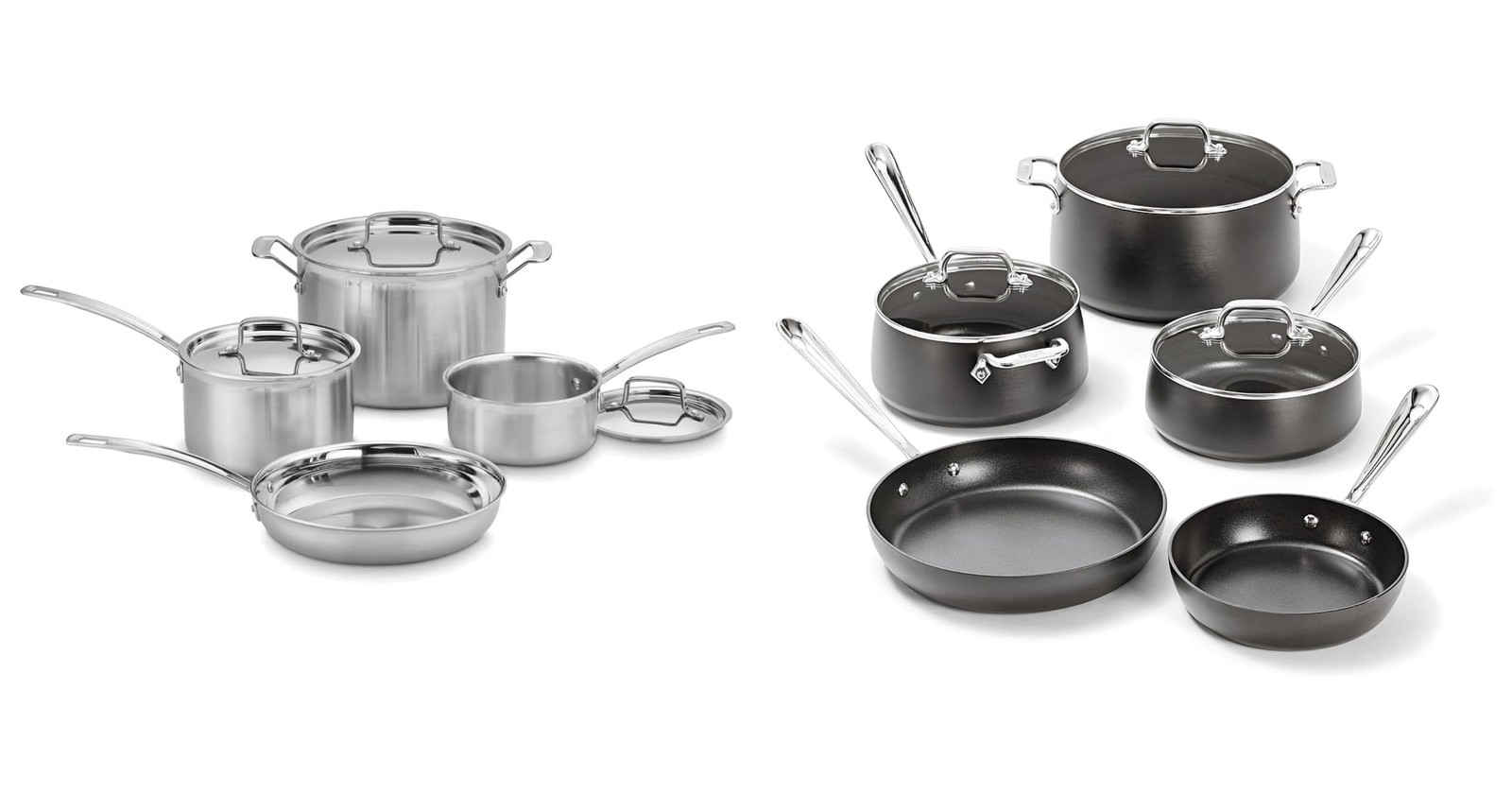
Stainless or Nonstick Cookware Set? Which to Buy, by What You Cook Most
Pick by what you cook most nights: stainless for searing and pan sauces, nonstick for eggs and fish, or a stainless set plus one nonstick skillet.
Where to buy these picks
Affiliate links: we may earn a commission on qualifying Amazon purchases. Policy. Prices show only when checked in the last 24 hours.
- Cuisinart Multiclad Pro MCP-7NP1 7-piece $227.00 at Amazon, Check price on Amazon →
- Cuisinart MT89G-11 11-piece $299.95 at Amazon, Check price on Amazon →
- T-fal Ultimate Hard Anodized 10-piece $149.99 at Amazon, Check price on Amazon →
- All-Clad HA1 Hard Anodized set $399.99 at Amazon, Check price on Amazon →
Buy a stainless steel cookware set if you sear, brown and make pan sauces most nights and want pans that last decades and go into a hot oven; the Cuisinart Multiclad Pro 7-piece is the stainless pick to start with. Buy a nonstick set like the T-fal Ultimate Hard Anodized 10-piece if you mostly cook eggs, fish and pancakes at low to medium heat and want easy cleanup, knowing the coating wears out in a few years. Many cooks do best with a stainless set plus one nonstick skillet.
That is the whole decision in one paragraph. The rest of this page shows you which side of it you fall on, using what you actually cook on a Tuesday night, and then points you to the four sets our parent guides already rank first.
Which model? Start with the parent guides
This page answers "stainless or nonstick?" If you already know the answer and want the specific model, these five guides rank the picks in depth, with construction notes and care advice for each:
- Best cookware sets: all materials, including the stainless Cuisinart MT89G-11 that ranks first
- Best stainless steel cookware: fully clad sets, led by the Cuisinart Multiclad Pro 7-piece
- Best stainless steel skillets: if you want one great pan rather than a box of them
- Best nonstick pans: single skillets, for the hybrid approach below
- Best nonstick cookware sets: boxed sets, led by the T-fal Ultimate 10-piece
You can also browse every pot, pan and set in the cookware category.
Stainless vs nonstick: the side-by-side
Everything in these two tables is checkable. The first compares the two materials as our parent guides describe them. The second lists each pick's numbers as the maker states them on its listing. Prices change hourly in the run-up to Black Friday, so the table gives a dollar band rather than a single number; the buttons on each product page carry the live price.
| Factor | Stainless steel set | Nonstick set |
|---|---|---|
| Cooks best | Searing, browning, fond and pan sauces, braises, boiling pasta, stovetop-to-oven finishes | Eggs, pancakes, crepes, delicate fish fillets, quesadillas, reheating starchy leftovers |
| Heat | High heat is fine; preheat the empty pan | Low to medium heat; never preheat empty on high |
| Metal utensils | Yes | No. Use silicone, wood or nylon |
| Dishwasher | Generally dishwasher-safe; hand-drying protects handle rivets | Often labeled dishwasher-safe, but hand-washing extends coating life |
| Induction | Most clad stainless works (magnetic exterior) | Varies by line; plain aluminum bases do not work |
| Lifespan (as the parent guides state it) | Decades with basic care | About 3-5 years for a quality PTFE coating; shorter for ceramic |
| Learning curve | Real: preheat, oil, patience | Almost none |
And here are the four picks from the parent guides, with each maker's stated numbers:
| Pick | Type | Pieces | Oven-safe (maker) | Induction | Price band |
|---|---|---|---|---|---|
| Cuisinart Multiclad Pro MCP-7NP1 | Tri-ply fully clad stainless | 7 | 500°F | Yes | $150-$250 |
| Cuisinart MT89G-11 | Stainless with an aluminum-encapsulated base (per listing) | 11 | Oven-safe; see listing for the ceiling | Yes (per listing) | $150-$250 |
| T-fal Ultimate Hard Anodized | Hard-anodized aluminum, PTFE | 10 | 400°F | No | $100-$200 |
| All-Clad HA1 Hard Anodized | Hard-anodized aluminum with stainless base, PTFE | 8 | 500°F, broiler included | Yes | $300-$450 |
Two rows in that second table decide most purchases on their own. If you cook on induction, the T-fal Ultimate set is out, because its base is not magnetic. And if you routinely finish dishes in an oven hotter than 400°F, only the stainless sets and the All-Clad HA1 clear that bar.
Other gear this guide links
Prices are shown only when checked in the last 24 hours; otherwise check the current price on Amazon.
When stainless is right, and when it isn't
Stainless steel is the right call when your cooking depends on browning. A hot stainless surface lets proteins form a hard crust, and the browned bits left behind, the fond, are the base of every pan sauce. Pour in wine, stock or even water, scrape, and those bits dissolve into flavor. That technique, deglazing, is what stainless does that nonstick fundamentally can't, because a nonstick coating is designed so nothing bonds to it in the first place.
It's also the right call if you want pans you'll never replace. A fully clad pan has an aluminum core running up the walls between layers of stainless. It has no coating to wear off. It tolerates metal spatulas and whisks, goes in the dishwasher, and moves from a hard sear on the burner into a 500°F oven. Serious Eats' stainless skillet review reaches the same conclusion most cooking references do: a good clad pan is a buy-once tool.
Preheating: the step everyone skips
The single most common stainless mistake is putting food into a pan that isn't hot yet. Here is the routine that fixes nearly all of it:
1. Set the empty pan over medium heat and give it a couple of minutes.
2. Add the oil and wait until it shimmers and moves freely across the surface.
3. Add the protein and leave it alone. It will stick at first, then release on its own once a crust forms.
4. If you have to pry it up, it isn't ready. Wait another minute.
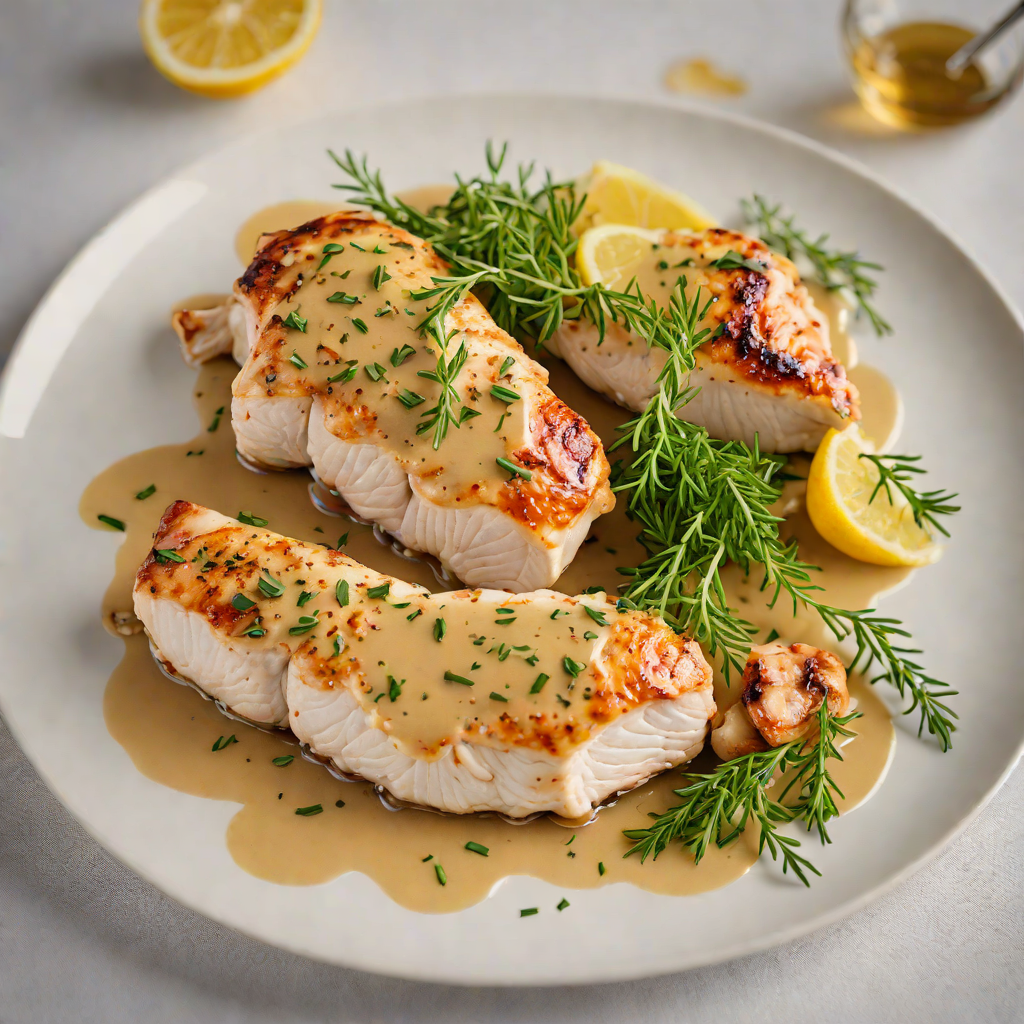
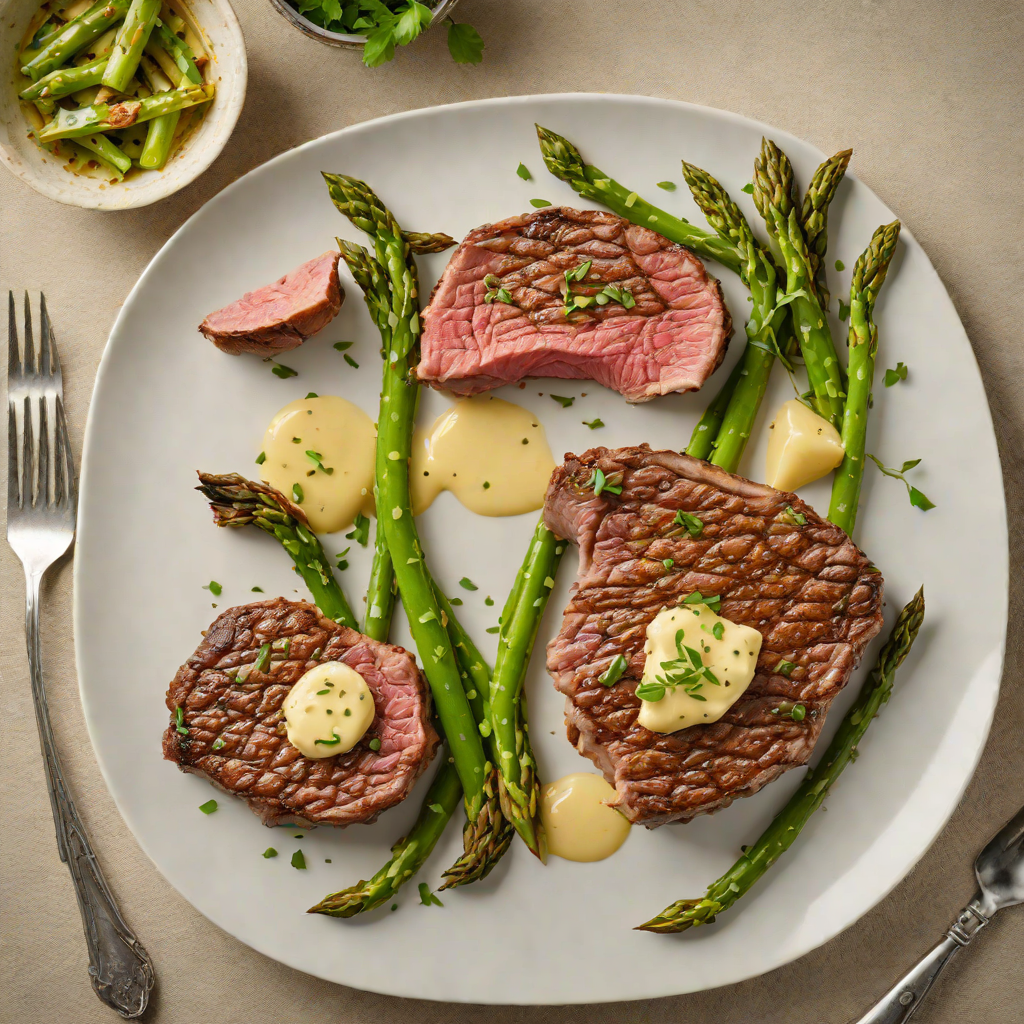
Most "my stainless pan sticks" complaints are step 3 done too early. A pan-seared ribeye with garlic butter or a pan-seared chicken breast with a thyme and lemon pan sauce is exactly what this routine is built for, and neither one comes out the same in nonstick.
Why eggs stick, even when you do everything right
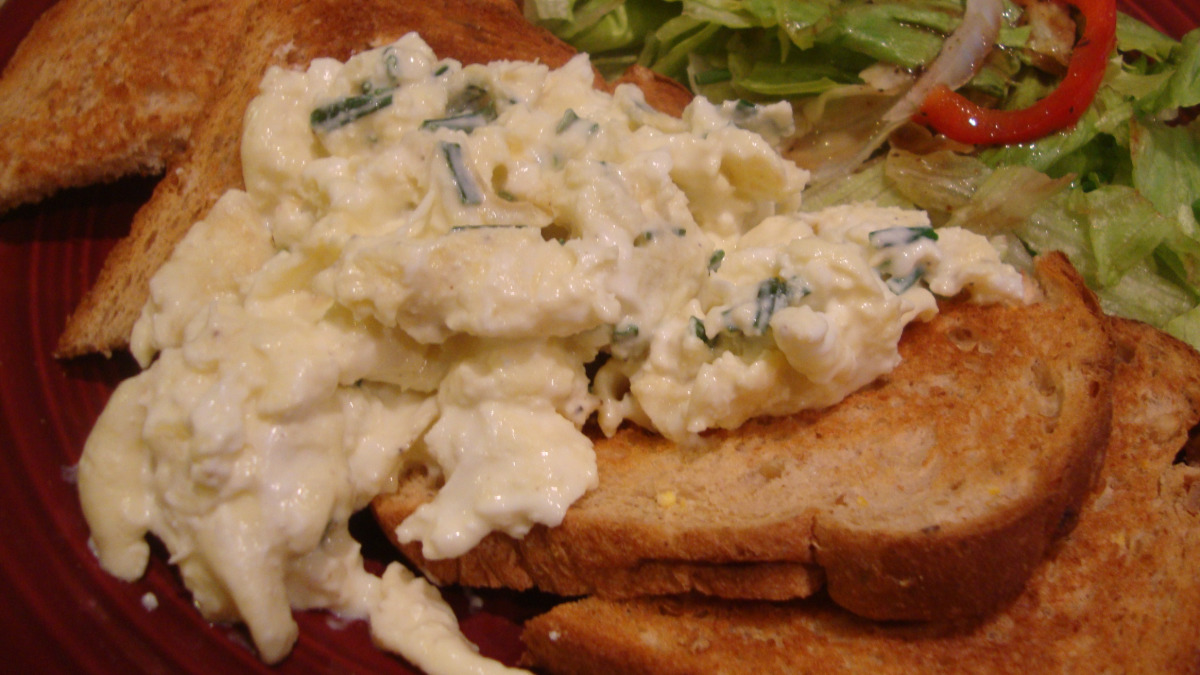
Eggs are almost pure protein and water, they cook at low temperatures, and they have no fat of their own to help them release. On stainless that combination means they bond to the surface before a crust can form. You can make eggs work with generous butter and careful heat, but you are fighting the material. If eggs are a daily habit in your house, that alone is a reason to own at least one nonstick skillet.
When stainless is the wrong choice
- You cook eggs, pancakes or delicate white fish most mornings and nights.
- You want to cook with very little fat.
- Nobody in the house wants to learn a preheating routine, and you'd rather not scrub fond off a pan every night.
- You need the whole set to be light enough to lift one-handed. Clad stainless is heavier than aluminum nonstick.
When nonstick is right, and when it isn't
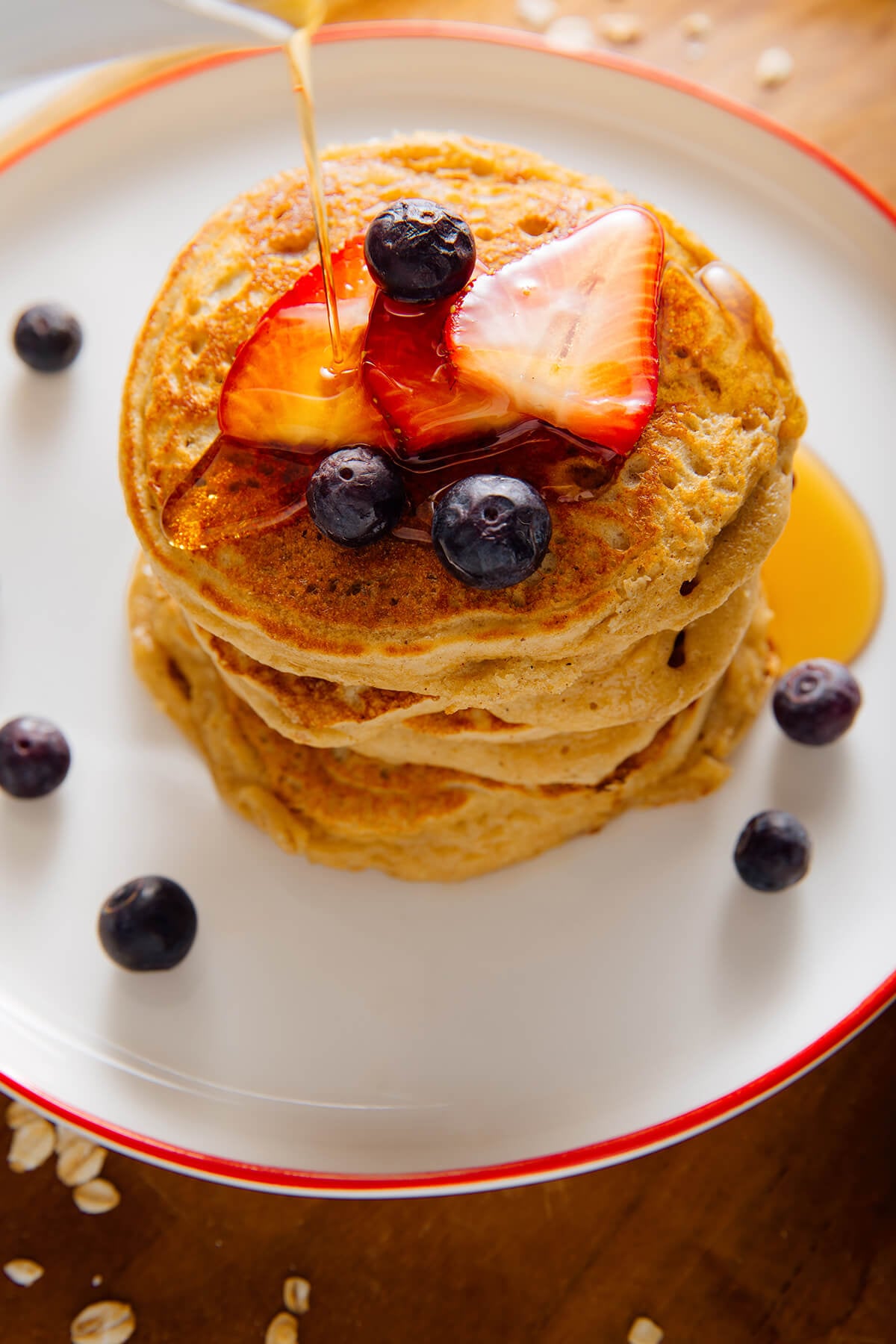
Nonstick is the right call when release matters more than browning. Scrambled eggs, omelets, pancakes, crepes and thin fish fillets all slide out with a teaspoon of fat or none. For a household that eats fluffy scrambled eggs on weekdays and buttermilk pancakes on weekends, a nonstick set handles most of the cooking with almost no cleanup.
The trade-offs are fixed by the coating, not the brand:
- Heat limits. Cook on medium or lower. Every set states an oven ceiling, typically 350-400°F on mainstream sets and 500°F on premium ones like the All-Clad HA1. Never preheat an empty nonstick pan on high.
- No metal utensils. One drag of a metal spatula starts micro-scratches that grow over time. Use silicone, wood or nylon.
- Coating lifespan. Our nonstick sets guide puts a quality PTFE coating at roughly three to five years of regular use, with care deciding where in that range you land. Ceramic coatings are PFAS-free but typically lose their slickness sooner.
- No fond. Food browns on nonstick, but it doesn't build the stuck-on bits a pan sauce needs.
What the FDA and the makers actually say about safety
Most mainstream nonstick coatings are PTFE, the fluoropolymer best known by the Teflon trade name. The FDA keeps a public page on authorized uses of PFAS in food-contact applications, which covers nonstick cookware coatings among other uses. Makers then state their own heat limits on every listing. The practical rules are simple: stay within the stated oven temperature, don't heat an empty pan on high, use soft utensils, and retire a pan once the coating is visibly flaking. If you would rather avoid PTFE entirely, the best nonstick pans guide covers ceramic options and their shorter working life.
When nonstick is the wrong choice
- You sear steaks, chops or chicken thighs several nights a week.
- You make pan sauces, or you deglaze for gravy.
- You often finish dishes in an oven above 400°F and don't want to pay for a premium set.
- You want to buy cookware once and not replace it in five years.
The hybrid answer: a stainless set plus one nonstick skillet
For most home cooks, the best answer is not either-or. Buy a stainless set for the saucepans, stockpot, sauté pan and skillets that handle searing, boiling and braising. Then add a single nonstick skillet for eggs and pancakes. When the coating eventually wears out, you replace one pan instead of a whole set.
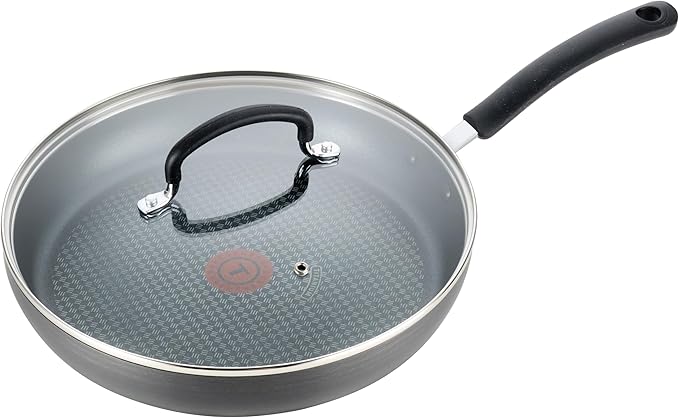
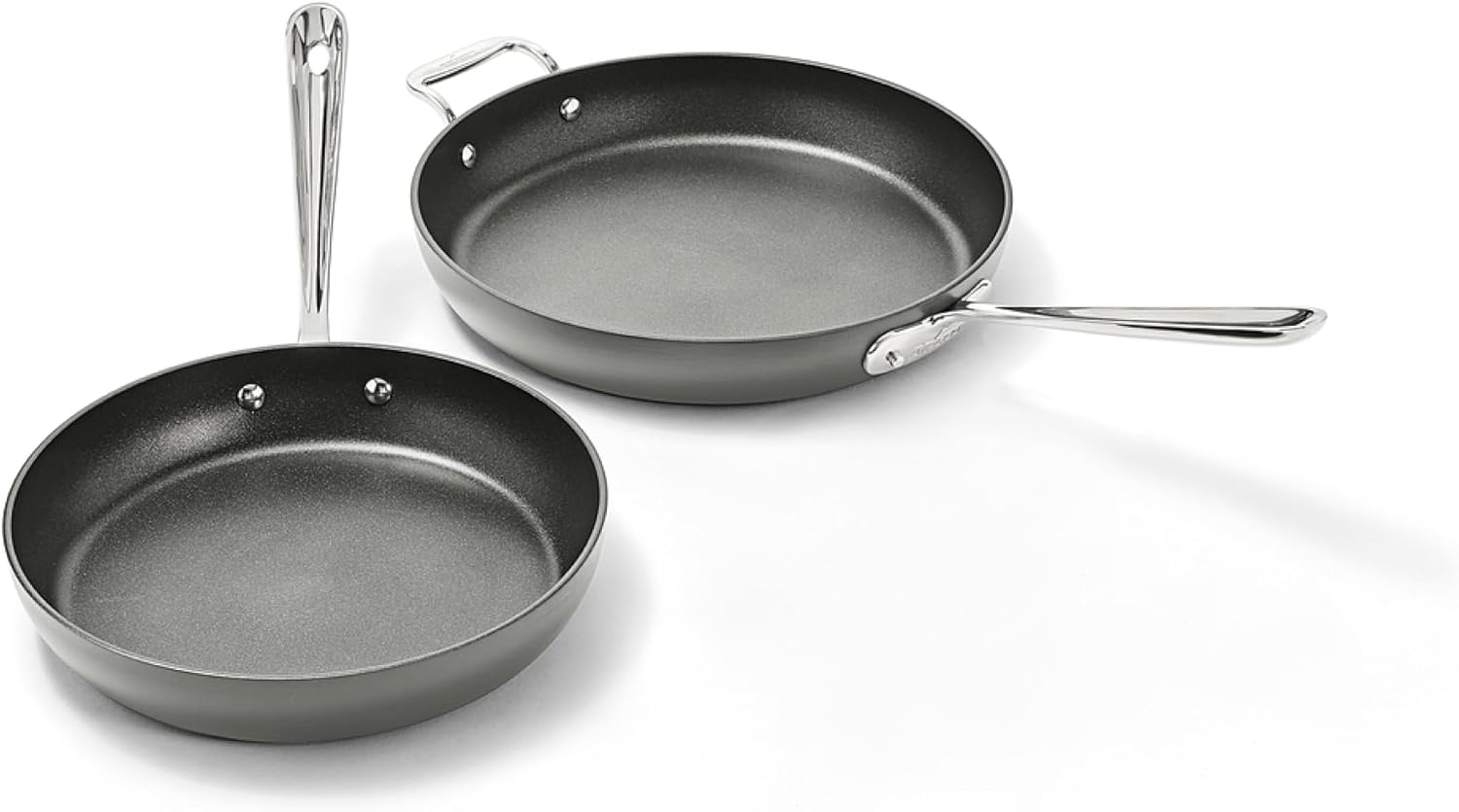
Our best nonstick pans guide ranks the single skillets for this job. Its Best Value pick is the T-fal Ultimate Hard Anodized 12-inch, from the same line as the nonstick set below. Its Best Overall pick is the All-Clad HA1 10- and 12-inch fry pan pair, which works on induction.
Here's how the hybrid plays out for three typical kitchens:
- The weeknight searer. Two adults who cook chicken thighs, salmon and the occasional steak most nights, with eggs on weekends. Get the Cuisinart Multiclad Pro 7-piece and the T-fal 12-inch. The stainless does nearly all the cooking; the nonstick sees eggs on Saturday.
- The breakfast family. Kids, daily eggs and pancakes, pasta and soups for dinner, little searing. Get the T-fal Ultimate set. If you start making pan sauces later, add one tri-ply stainless skillet from the stainless skillets guide.
- The induction kitchen. A new induction range and a mix of everything. Get the Multiclad Pro for the stainless side and the All-Clad HA1 pair for nonstick, since the T-fal Ultimate line won't work on induction.
Stainless picks from the parent guides
#1: Cuisinart Multiclad Pro MCP-7NP1 7-piece
Verdict: The Best Overall pick in our stainless cookware guide, and the set to buy if stainless is your answer.
The Multiclad Pro is tri-ply, with an aluminum core sandwiched between layers of stainless that runs up the side walls, not just across the base. Cuisinart's listing includes a 1.5-quart and a 3-quart saucepan with covers, an 8-quart stockpot with cover, and a 10-inch skillet. The handles are solid riveted stainless, and Cuisinart lists the pieces as oven-safe to 500°F. Seven pieces cover the jobs you do weekly without filling a cabinet with pans you never touch. The trade-off the parent guide notes is cosmetic: the brushed exterior shows water spots readily.
View the Multiclad Pro 7-piece · Check price
#2: Cuisinart MT89G-11 11-piece
Verdict: The Best Overall pick in our cookware sets guide, for a cook who wants the bigger box.
Per that guide, the 11 pieces are a 1.5-quart and a 3-quart saucepan with lids, an 8-inch and a 10-inch skillet, a 3-quart sauté pan with helper handle and lid, an 8-quart stockpot with lid, and a steamer insert. Its Amazon listing describes an aluminum-encapsulated base rather than the Multiclad Pro's fully clad walls, so the sidewalls heat less evenly than the 7-piece's. The listing photo also shows the smaller skillet with a light, coated interior, and Cuisinart sells its matte-finish 11-piece sets elsewhere with a ceramic-nonstick fry pan. If that pan is in your box, the set is already the stainless-plus-one-nonstick hybrid, so treat that skillet like any coated pan: moderate heat, no metal utensils. Choose it over the 7-piece if you want the sauté pan and steamer and have the cabinet space. Choose the 7-piece if you don't.
View the MT89G-11 · Check price
Nonstick picks from the parent guides
#1: T-fal Ultimate Hard Anodized 10-piece
Verdict: The Best Overall pick in our nonstick sets guide, and the set to buy if nonstick is your answer and you don't cook on induction.
Ten pieces include an 8-inch and an 11-inch frying pan, a 1-quart and a 3-quart saucepan with lids, and a lidded Dutch oven. The coating is T-fal's titanium-reinforced PTFE. T-fal lists the set as oven-safe to 400°F and dishwasher-safe. The red Thermo-Spot ring in each frying pan turns solid when the pan is preheated, a real help for anyone who tends to overheat nonstick. The one hard limit is induction: the base isn't magnetic, so it won't work on an induction cooktop.
View the T-fal Ultimate 10-piece · Check price
#2: All-Clad HA1 Hard Anodized set
Verdict: The premium pick in the nonstick sets guide, and the nonstick set to buy for an induction cooktop or a hot oven.
All-Clad's listing includes 8- and 10-inch fry pans, 2.5- and 3.5-quart saucepans with lids, and an 8-quart stockpot with lid. The body is heavy-gauge hard-anodized aluminum with a stainless-steel base, which is why it works on induction. All-Clad rates it oven- and broiler-safe to 500°F, a full 100 degrees above the T-fal. It costs well over twice as much, so it makes sense mainly if you need induction or the higher oven rating. On a gas or electric stove, below 400°F, the T-fal covers the same weeknight jobs.
View the All-Clad HA1 set · Check price
How we picked
We didn't run cooking, sticking or durability tests of our own for this page. The four sets are the top picks from our parent buying guides, which rank them on construction, oven rating, induction compatibility, handle and lid build, and what owners report over long-term use. Every spec in the tables comes from the maker's listing or from those guides, and the general guidance on stainless technique draws on cited references like Serious Eats. Where we couldn't confirm a maker's number, such as the MT89G-11's exact oven ceiling, the table says so instead of guessing.
Common pitfalls when choosing
- Buying by piece count. An 11-piece set that counts lids and utensils as pieces isn't more pan than a 7-piece. Count the vessels you'll actually cook in.
- Ignoring your cooktop. Induction is the most common deal-breaker. Check for a magnetic base before you buy; a fridge magnet on the bottom of the pan settles it.
- Expecting nonstick to last like stainless. A nonstick set is a consumable with a three-to-five-year life. Budget for it that way.
- Buying disc-bottom stainless and blaming the material. Cheap stainless with aluminum only in the base scorches at the walls. Fully clad construction is the floor for a daily set.
- Treating "dishwasher-safe" as "dishwasher-recommended." It's true for nonstick in particular: detergent and heat shorten coating life even when the label allows it.
Cook with it
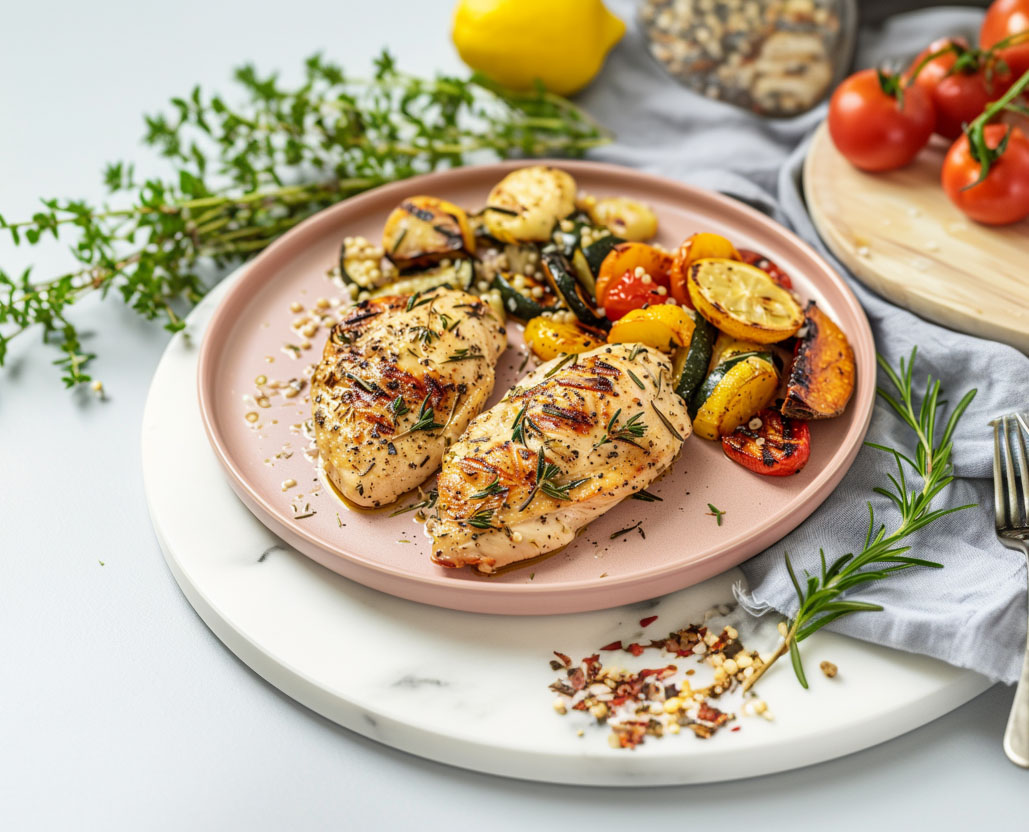
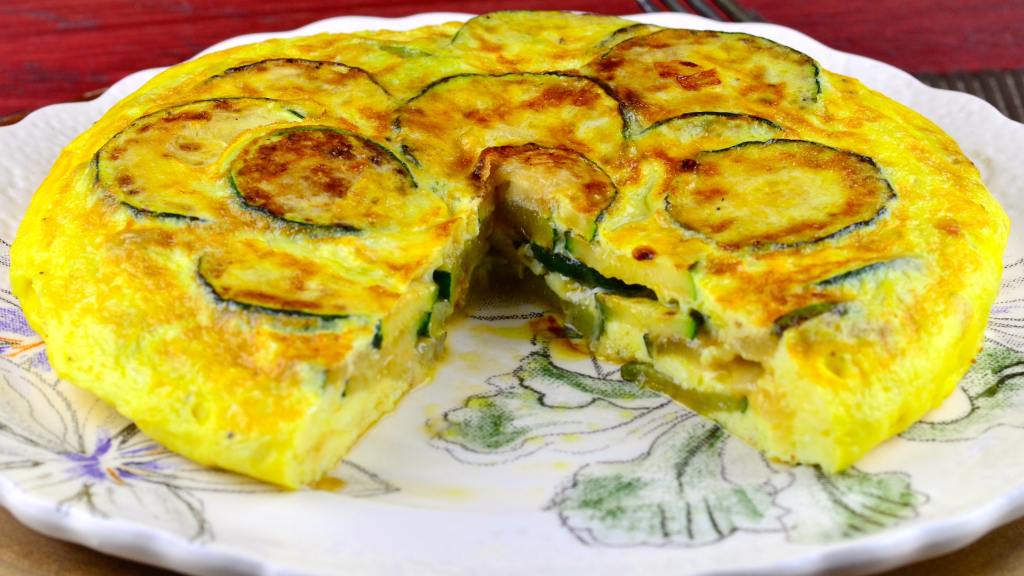
The quickest way to tell whether you chose right is to cook with your new set the first week. For stainless, work through the 22 pan-seared dinners collection for the crust-and-pan-sauce technique, or start with a lemon-herb one-pan chicken with roasted veggies that goes from stovetop sear to oven finish. For one-vessel weeknights in either material, the one-pot pasta dinners are built around a single saucepan or sauté pan. A zucchini and basil frittata is the classic nonstick stovetop-to-oven test, and fits inside the T-fal's 400°F limit.
Timing your purchase for Black Friday
Cookware sets regularly show up in Black Friday sales. If you aren't in a hurry, our Black Friday kitchen deals guide tracks which categories usually drop and when, so you can decide whether to buy now or wait.
Sources
- FDA: Authorized uses of PFAS in food contact applications
- Serious Eats: The best stainless steel skillets
- Wikipedia: Deglazing (cooking)
- Wikipedia: Polytetrafluoroethylene
Frequently asked questions
Is a stainless steel cookware set better than nonstick?
Can I get by with only one type of cookware?
Why does food stick to my stainless steel pan?
Is nonstick cookware safe to use?
Do these cookware sets work on induction cooktops?
Recipes to try with your cookware
Put your gear to work — save any recipe to My Recipes (no account needed) and send its ingredients to Instacart in one tap.
Shop cookware on AislePrompt →Browse the full kitchen shop →