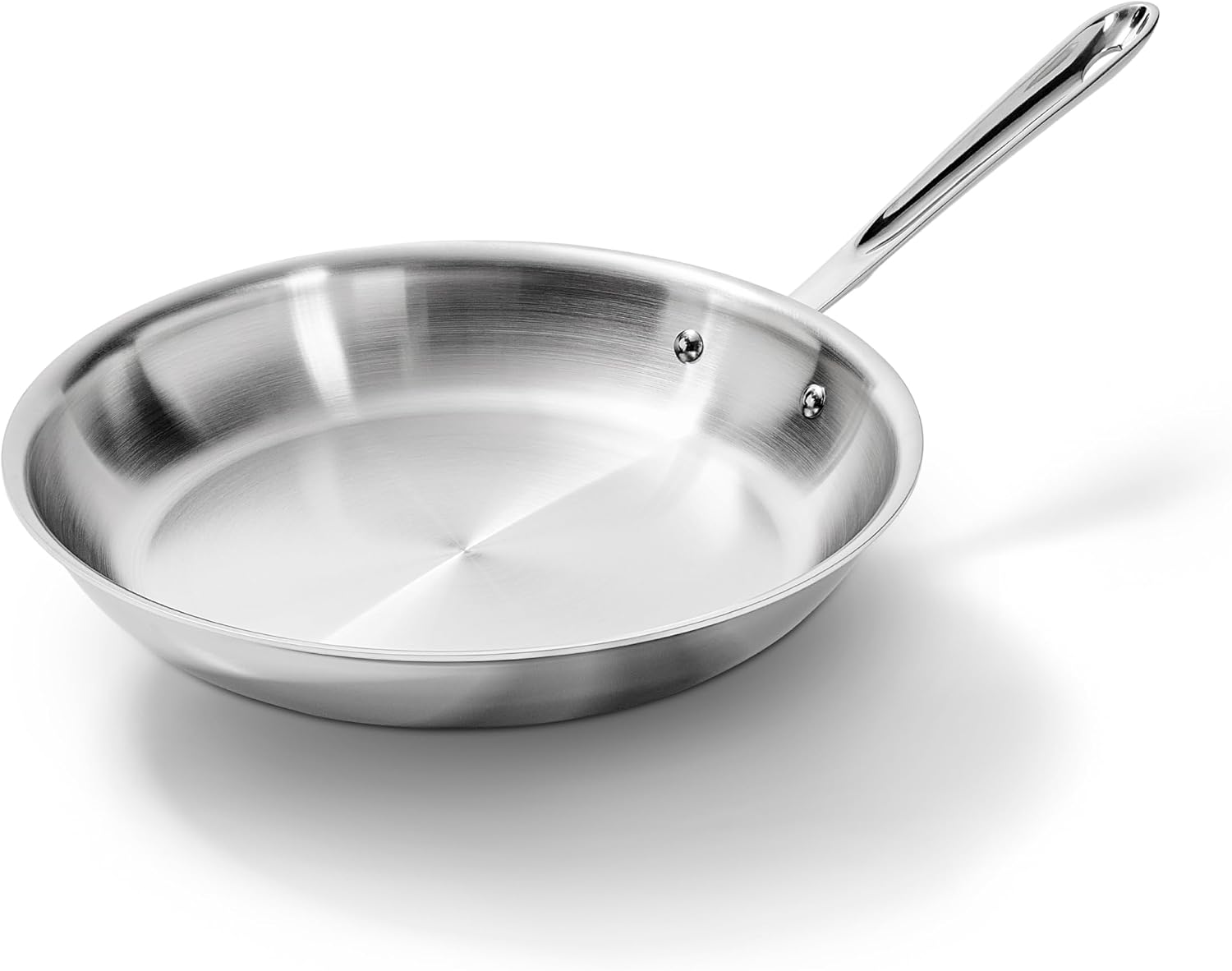
Best Stainless Steel Skillets for 2026: Top Picks + Buying Guide
All-Clad, Tramontina, Cuisinart and Made In skillets compared on cladding, size and price, plus the preheat method that keeps food from sticking.
Where to buy these picks
Affiliate links: we may earn a commission on qualifying Amazon purchases. Policy. Prices show only when checked in the last 24 hours.
- Best Overall: All-Clad D3 3-Ply Stainless Steel Fry Pan, 12-inchCheck price on Amazon →
- Best Value: Tramontina Signature Tri-Ply Clad 12-inch Frying PanCheck price on Amazon →
- Best for Beginners: Cuisinart Chef's Classic 10-inch Open SkilletCheck price on Amazon →
- Best Premium: All-Clad D5 5-Ply Brushed Stainless Fry Pan, 10-inchCheck price on Amazon →
- Best Compact: Made In Stainless Clad 8-inch Frying PanCheck price on Amazon →
The best stainless steel skillet for most home cooks in 2026 is the All-Clad D3 12-inch Fry Pan at about $160. The spec that wins it is full tri-ply cladding from the base up to the rim, which gives even heat right to the edge. If you want a cheaper disc-bottom pan, the Cuisinart Chef's Classic 10-inch costs about $45. If you want 5-ply, get the All-Clad D5 10-inch at about $180.
Introduction: Why Stainless Is the Pan Behind the Best Sears and Pan Sauces
Most home cooks buy a stainless steel skillet for one reason: it makes food taste like it came from a restaurant. That comes down to three things stainless does better than any other pan.
1. It builds fond. Fond is the brown crust that sticks to the pan when you sear meat. On nonstick the coating stops it from forming, and on seasoned cast iron or carbon steel the dark surface makes it hard to judge. On bare stainless you can see it develop, and when you deglaze with wine or stock it lifts into a glossy sauce in about 90 seconds. (Deglazing, explained on Wikipedia).)
2. It takes high heat without complaint. A clad stainless skillet can sit on a ripping-hot burner and then go into a 500°F oven. Most are rated to 600°F; some 5-ply pans go to 800°F. There is no coating to break down, so you can finish a thick chop or a whole chicken in the oven without swapping pans.
3. It doesn't react with acid. Unlike bare cast iron or carbon steel, stainless won't pick up a metallic taste from tomato, wine, vinegar or citrus. That's why a lemon-butter pan sauce, a red-wine reduction or a quick tomato-caper sauce all belong in this pan. (Wikipedia: Stainless steel.)
Stainless has one real weakness. Steel on its own conducts heat poorly, so a pan made only of steel develops hot spots. Good skillets fix this by bonding a layer of aluminum (or copper) between layers of stainless. That's what "clad," "tri-ply" and "5-ply" mean (Wikipedia: Cladding). How far that aluminum layer runs, and how thick it is, is the main thing that separates a $20 skillet from a $180 one.
This guide covers stainless steel only. If you're deciding between metals, we've also written up the best carbon steel skillets, which are lighter, naturally nonstick once seasoned, and worse with acidic sauces. There's also a cast iron skillet guide. If you want a whole matched set instead of one great pan, see best stainless steel cookware sets.
Our Top 5 Stainless Steel Skillet Picks
The prices below are current listings in our cookware catalog, checked in September 2026. Stainless skillet prices move $10–$40 with promotions, so read them as a range.
| Pick | Skillet | Size | Construction | Price | Best for |
|---|---|---|---|---|---|
| Best Overall | All-Clad D3 Fry Pan | 12" | Tri-ply, fully clad | Check current price | Everyday searing and pan sauces |
| Best Value | Tramontina Signature Tri-Ply | 12" | Tri-ply, fully clad | ~$35–$50 | Full cladding on a budget |
| Best for Beginners | Cuisinart Chef's Classic Open Skillet | 10" | Disc bottom (aluminum-encapsulated base) | Check current price | A first stainless pan |
| Best Premium | All-Clad D5 Brushed Fry Pan | 10" | 5-ply, fully clad | Check current price | Steadier heat, more forgiving |
| Best Compact | Made In Stainless Clad Frying Pan | 8" | 5-ply, fully clad | ~$110–$130 | Eggs, one or two portions |
#1 Best Overall — All-Clad D3 3-Ply Stainless Steel Fry Pan, 12-inch
Verdict: The benchmark stainless skillet, at about $160. It's hard to beat and hard to wear out.
The D3 is three layers: stainless inside, an aluminum core, and magnetic stainless outside. All three run from the base all the way up the flared walls. That full cladding is why a pan sauce reduces evenly all the way to the rim instead of scorching in a ring around the burner. All-Clad rates the D3 line oven- and broiler-safe to 600°F and compatible with every cooktop, including induction. In America's Test Kitchen's stainless-skillet testing, the D3 12-inch is the top 12-inch pick. ATK calls it its "longtime favorite skillet," says it still beats the newer pans, and notes it resisted warping and survived their abuse tests. (ATK tested the version that comes with a lid; the pan linked here is the same body without one.)
What that means when you cook: 12 inches is room for four bone-in chicken thighs or two ribeyes without crowding. The low, flared sides let steam escape, so food browns instead of stewing. The stick handle stays cool on the stovetop, though it does get hot in the oven. The flat surface also sits evenly on induction and glass tops.
Skip it if: you cook on induction and want a heavier pan that holds its temperature when you add cold food. The 5-ply premium pick below does that better.
#2 Best Value — Tramontina Signature Tri-Ply Clad 12-inch Frying Pan
Verdict: Full tri-ply cladding for roughly a third of the All-Clad's price.
This is the pan for anyone who reads "fully clad" and assumes it costs $150. The Tramontina Signature uses the same stainless–aluminum–stainless build as the D3, with the cladding running up the walls. It's induction-ready, dishwasher-safe and NSF-certified. At $35–$50 it costs about the same as a good nonstick pan, but you won't need to replace it in three years.
The trade-offs are small but real. The handle is a little shorter and the finish is a little less refined than on the All-Clad. Budget clad pans also vary more from one unit to the next. America's Test Kitchen tested a different Tramontina line, the Gourmet 12-inch, and it barely dented and didn't warp. The Signature hasn't been through that exact test, so check yours sits flat when it arrives. Put it on a glass top or a countertop and press on the rim. It shouldn't rock.
#3 Best for Beginners — Cuisinart Chef's Classic 10-inch Open Skillet
Verdict: A cheap, low-risk way to learn stainless, at about $45.
This is the disc-bottom pick. Instead of cladding that runs up the sides, the Chef's Classic has aluminum sealed inside a thick base under the cooking surface. Cuisinart calls it an "aluminum encapsulated base." The floor of the pan heats quickly and evenly, and the sides stay thinner, plain steel. For searing and pan sauces that's mostly fine, because the action happens on the pan's floor. You'll notice the difference when a sauce reduces faster in the center than at the edges, or when food near the wall browns less.
Why is it good for beginners? It's forgiving on price while you learn the preheat-and-release method below. If you only need a pan for eggs and small jobs, the 8-inch Chef's Classic costs under $20.
Skip it if: you cook for four and make pan sauces often. Buy the Tramontina instead: it costs about the same and has full cladding.
#4 Best Premium — All-Clad D5 5-Ply Brushed Stainless Fry Pan, 10-inch
Verdict: More layers, steadier heat, at about $180.
The D5 puts a layer of stainless in the middle of the pan with aluminum on either side of it, all wrapped in stainless. The extra mass slows the pan down in a useful way. When you drop cold scallops or a thick steak into a preheated D5, its temperature falls less than a tri-ply pan's does, so you keep the sear. The brushed exterior also hides scratches better than a mirror polish. America's Test Kitchen rates the 12-inch D5 "Recommended" in the same test where the D3 took top honors. The version in our catalog is the 10-inch.
Two more 5-ply options are in the catalog. The Misen 5-Ply 12-inch (oven-safe to 800°F) gives you the extra layers at full 12-inch size for less money. The Made In 12-inch Stainless Clad got strong marks from ATK for searing and fond. But ATK rated it "Recommended with Reservations" because the bottom of their sample didn't sit flat and warped more in testing. That's fine on gas and a problem on induction or glass tops.
Skip it if: you want the lightest, most responsive pan. A 5-ply pan is heavier and slower to cool when you pull back the heat.
#5 Best Compact — Made In Stainless Clad 8-inch Frying Pan
Verdict: A small pan with the same build as a full-size one, at about $110–$130.
Most compact skillets cut corners. This one doesn't: it uses the same 5-ply stainless clad construction as Made In's bigger pans, with an aluminum core and a hollow "Stay Cool" handle. Eight inches is the right size for two fried eggs, one chicken breast, toasting spices, or a quick brown-butter sauce to spoon over fish. It's too small to sear more than one portion at a time, and that's the point. Use it next to a 12-inch, not instead of one.
What to Look For in a Stainless Steel Skillet
Fully clad vs. disc bottom
This matters more than anything else on the box. A fully clad pan has its conductive core running through the whole body, base and walls. A disc-bottom (or "impact-bonded" or "encapsulated base") pan has a thick aluminum plate fused only to the bottom. Fully clad pans heat evenly to the edge and handle pan sauces and shallow-frying better. Disc-bottom pans cost less and sear well on the floor of the pan, but the walls run cooler. How to tell them apart: look at the side of the pan. A disc bottom shows a visible "step" where the base plate ends, and a fully clad pan has one smooth, even wall.
3-ply vs. 5-ply
| Build | Typical layers | Heat-up | Heat retention | Weight (12") | Price range |
|---|---|---|---|---|---|
| Disc bottom | Steel body + aluminum base plate | Fast in center | Moderate | ~2.5–3.5 lb | $20–$60 |
| Tri-ply (3-ply) | Steel / aluminum / steel | Fast, even | Good | ~2.5–3 lb | $35–$170 |
| 5-ply | Steel / aluminum / steel / aluminum / steel | Slower, very even | Best | ~3–4.5 lb | $110–$280 |
Tri-ply is the sweet spot for most kitchens. Five-ply gives you steadier heat and more weight. Cooks on induction or thin electric coils often like 5-ply because the extra mass smooths out how those burners cycle on and off. How much of the pan is clad matters more than how many layers it has.
10-inch vs. 12-inch
If you're buying one stainless skillet, buy a 12-inch. The most common reason a sear fails is crowding: when pieces touch, steam gets trapped and the meat grays instead of browning. Keep in mind the listed size is measured across the rim. The flat cooking floor is smaller: ATK measured about 9.5 inches of cooking surface on the 12-inch D3. A 10-inch pan has roughly 7.5–8 inches of floor, enough for two chicken breasts but not four.
Handle angle, length and rivets
A good stainless handle is long, angled up from the pan, and grooved or U-shaped so the pan doesn't twist when you tilt it to baste. Riveted handles are standard and will last for decades. The rivet heads catch a little food, and a quick scrub takes care of them. Hollow or vented handles, like the ones on Made In and Cuisinart pans, stay cooler on the stovetop. No stainless handle stays cool in the oven, so keep a towel or handle sleeve nearby.
Oven-safe temperature
Look for 500°F or higher. All-Clad rates the D3 and D5 to 600°F, and Misen lists 800°F. That lets you sear a pork chop or chicken thigh on the stove, then move the pan to a 425°F oven to finish without switching pans.
Induction compatibility
Induction heats only magnetic metal (Wikipedia: Induction cooking), so the pan needs a magnetic stainless exterior or base. Every pick above is induction-ready. To check a pan you already own, hold a fridge magnet to the bottom. If it sticks firmly, the pan will work. Induction also punishes warped pans, because a bottom that doesn't sit flat loses contact with the glass. Flatness counts for more here than on gas.
The No-Stick Method: How to Keep Food From Sticking to Stainless Steel
Food sticks to stainless for two reasons: the pan isn't hot enough, or you moved the food too soon. This five-step method fixes both.
1. Preheat the dry pan for 2–3 minutes on medium. Medium is plenty for clad pans. Cranking a thin disc-bottom pan to high makes hot spots worse.
2. Do the water-droplet test. Flick a few drops of water into the pan. If they sizzle and evaporate, keep waiting. When they bead into balls that skate around the pan like mercury, the pan has passed the Leidenfrost point, about 193°C (379°F) for water (Wikipedia: Leidenfrost effect). Wipe the drops out with a towel.
3. Add oil only after the pan is hot. Use a thin film of a high-smoke-point oil such as canola, peanut or refined avocado. It should shimmer within seconds. If it smokes hard, take the pan off the heat for 20 seconds.
4. Add dry protein and leave it alone. Pat the meat or fish dry first. It will stick for the first minute. That's normal. As the surface browns (the Maillard reaction, which moves fast from roughly 140–165°C), a crust forms and the food releases on its own. If it resists a gentle nudge with a thin metal spatula, give it 30–60 more seconds.
5. Deglaze the fond. Move the protein to a plate, pour off excess fat, and add ¼–½ cup of wine, stock or even water. Scrape with a wooden spoon or flat-edge spatula. Reduce by half, then swirl in a knob of cold butter. That's your pan sauce.
A thin, flexible fish spatula makes step 4 much easier. Browse our utensils & tools for one with a beveled edge.
Common pitfalls
- Crowding. Four chicken breasts in a 10-inch pan release enough liquid to boil themselves. Cook in two batches, or use a 12-inch.
- Wet protein. Water on the surface has to evaporate before browning can start. Blot it dry, and salt steaks 40 minutes ahead or right before cooking, not 10 minutes before.
- Cold, straight-from-the-fridge thick cuts. A 1½-inch chop cools the pan fast. Let it sit out for 20 minutes, or use a 5-ply pan that holds more heat.
- Rainbow discoloration or white spots. The rainbow sheen is heat tint and the white spots are mineral deposits. Neither is harmful. Clean them with a splash of vinegar or a paste of Bar Keepers Friend.
- Warping from thermal shock. Never plunge a ripping-hot pan into cold water. Let it cool for a few minutes first.
When NOT to reach for stainless
Use nonstick for eggs if you don't want to use much fat, for pancakes, and for delicate white fish at moderate heat. Use cast iron for cornbread and for deep, long-held heat such as blackened fish. Most kitchens do best with one 12-inch stainless skillet plus one 10-inch nonstick. See our best nonstick cookware guide for the second pan.
Put It to Work: Pan-Seared Recipes for Your New Skillet
A stainless skillet is at its best with the pan-seared recipes, and we have thousands of them. Here are the ones we'd cook first, grouped by what each one teaches you about the pan.
Learn the sear-and-release
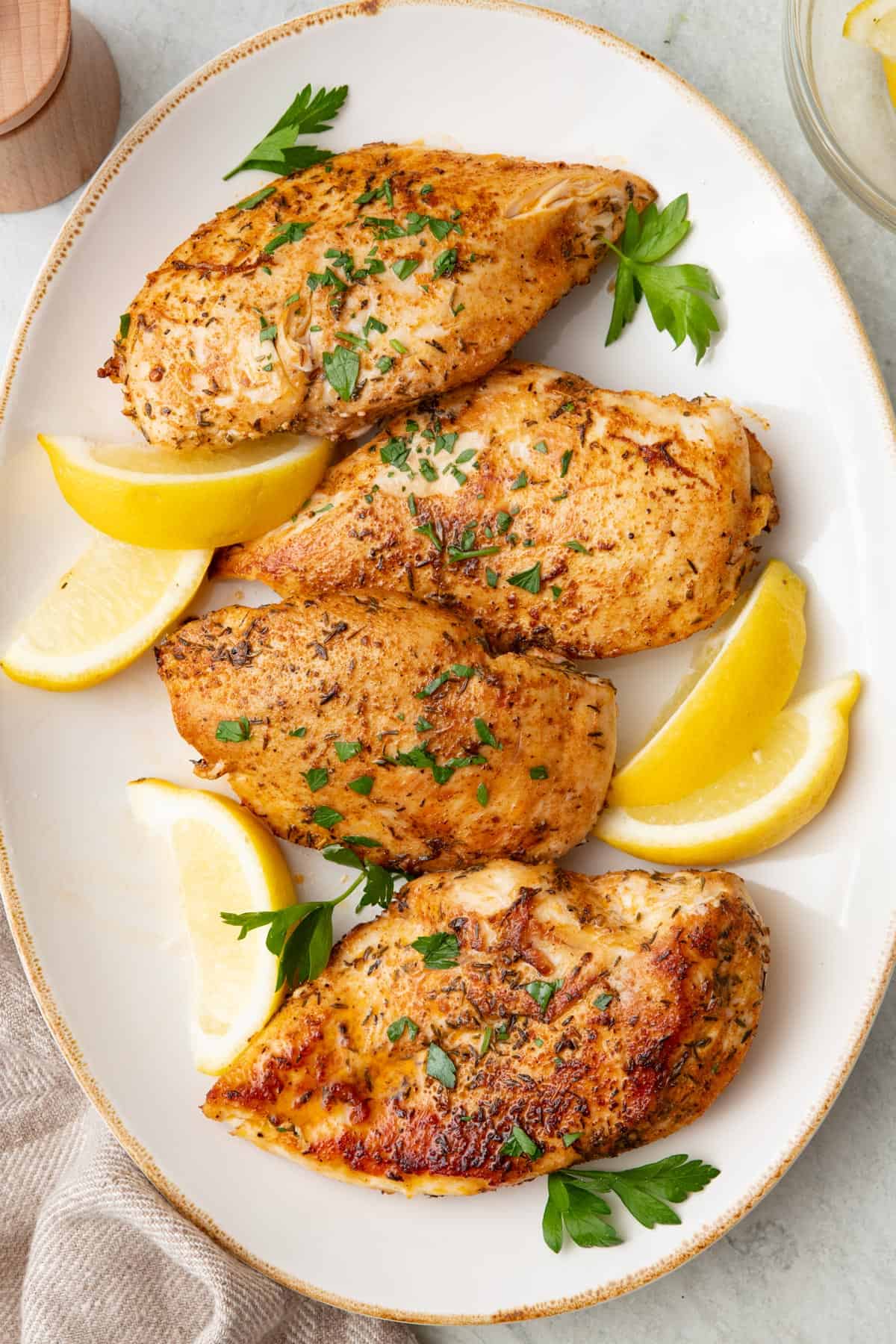
- Pan-Seared Chicken Breast with Lemon and Thyme: the classic first recipe. Pound the breast to an even thickness, sear until it releases, then build a quick lemon pan sauce.
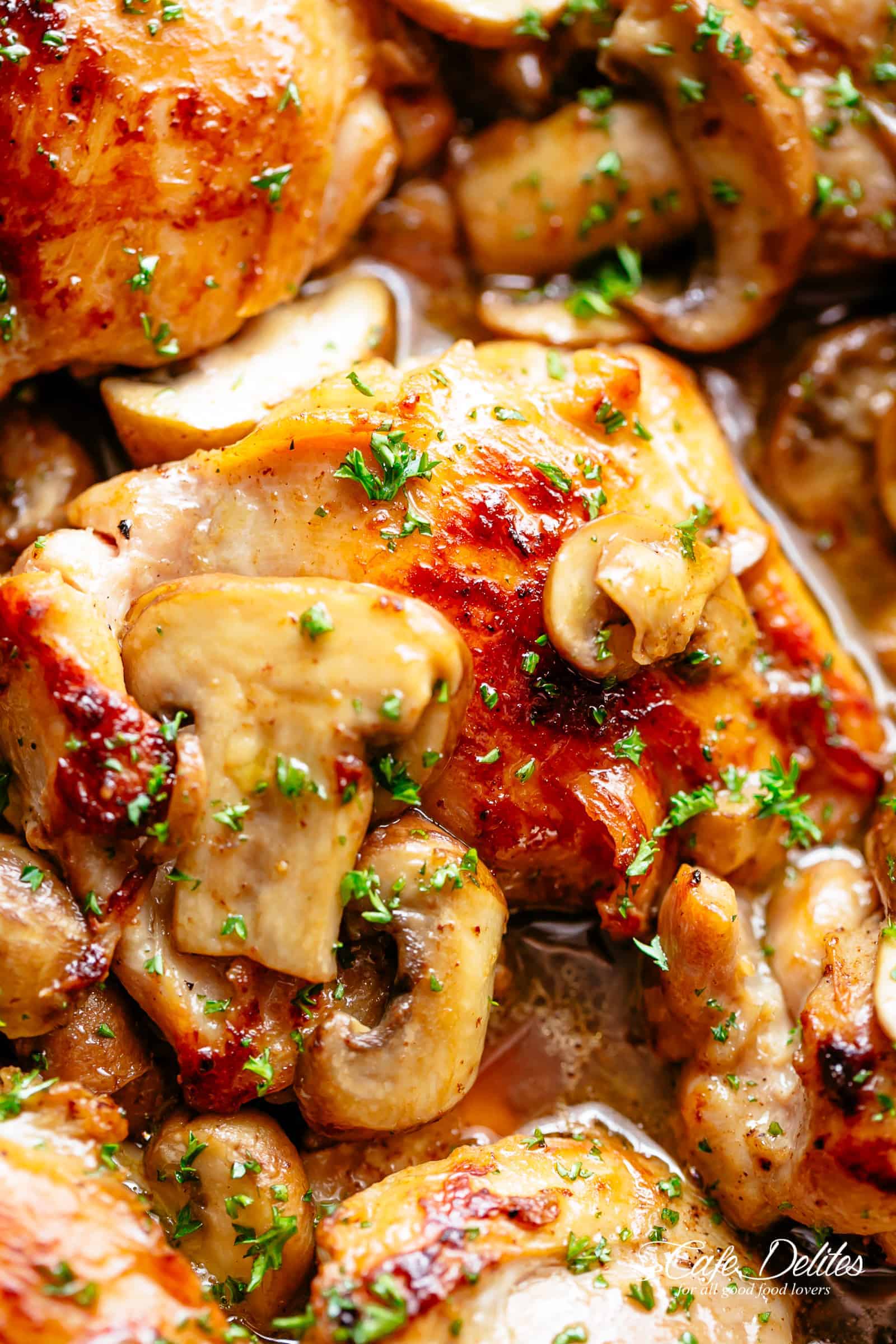
- Pan-Seared Chicken Thighs with Mushroom and Thyme Pan Sauce: skin-side down, 8–10 minutes, then the mushrooms brown in the rendered fat.
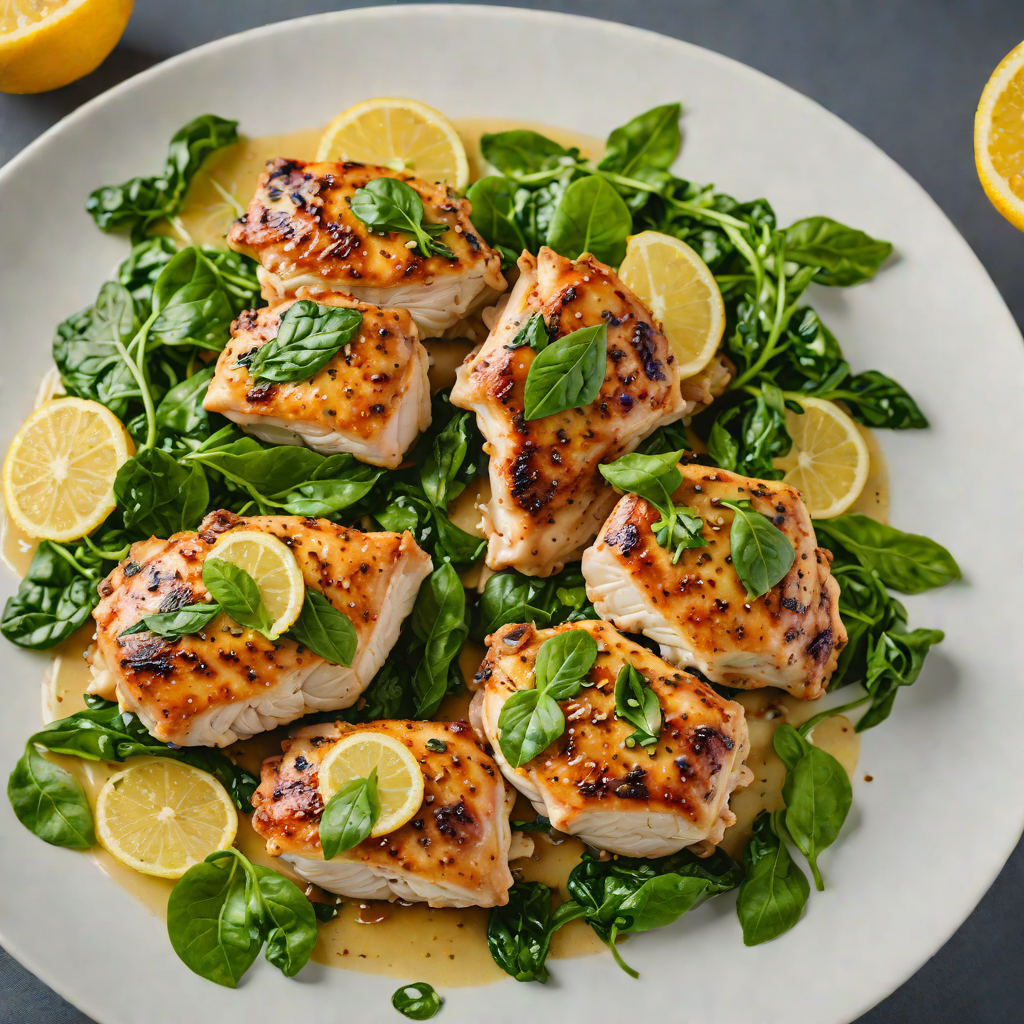
- Pan-Seared Chicken Thighs with Lemon Garlic Spinach: a one-pan dinner where the spinach wilts in the fond.
Master the hard sear on red meat
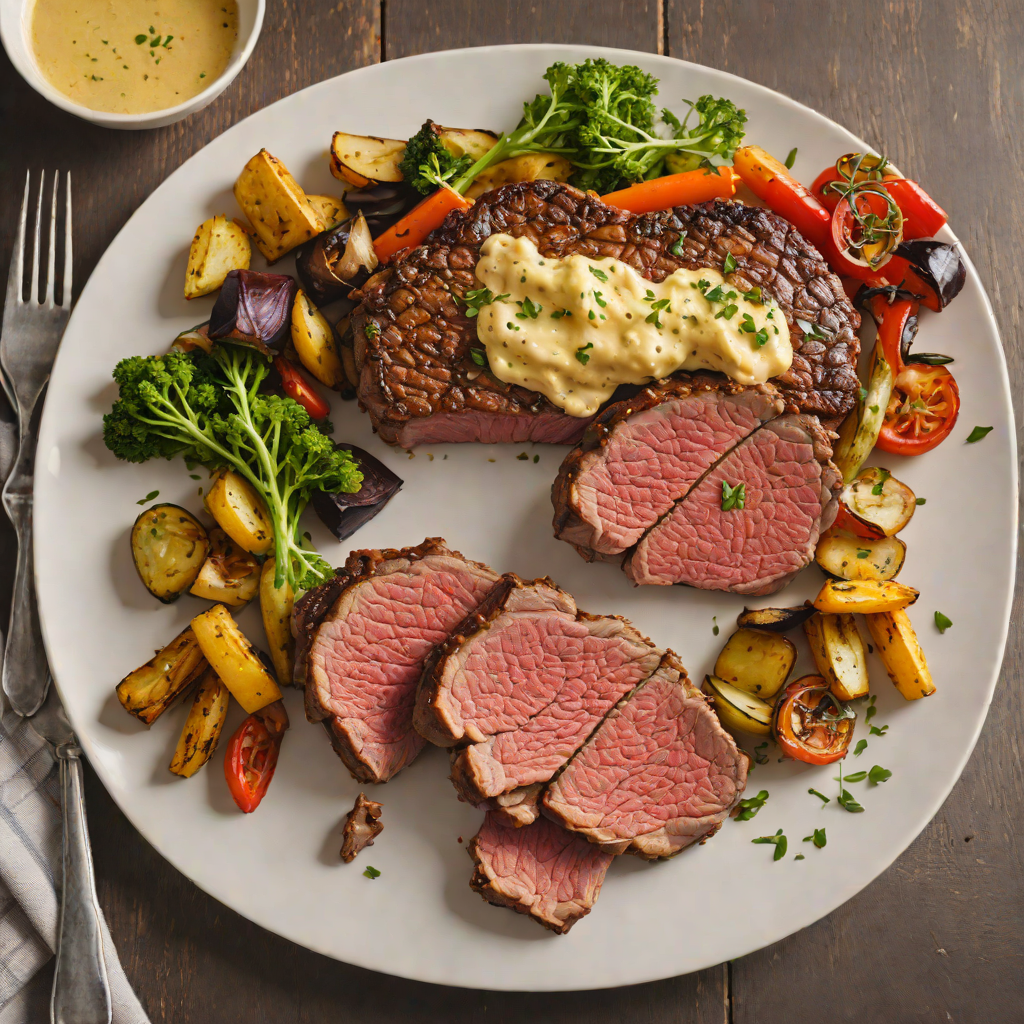
- Pan-Seared Ribeye with Garlic Butter and Roasted Vegetables: 12-inch pan, high preheat, butter-baste in the last minute.
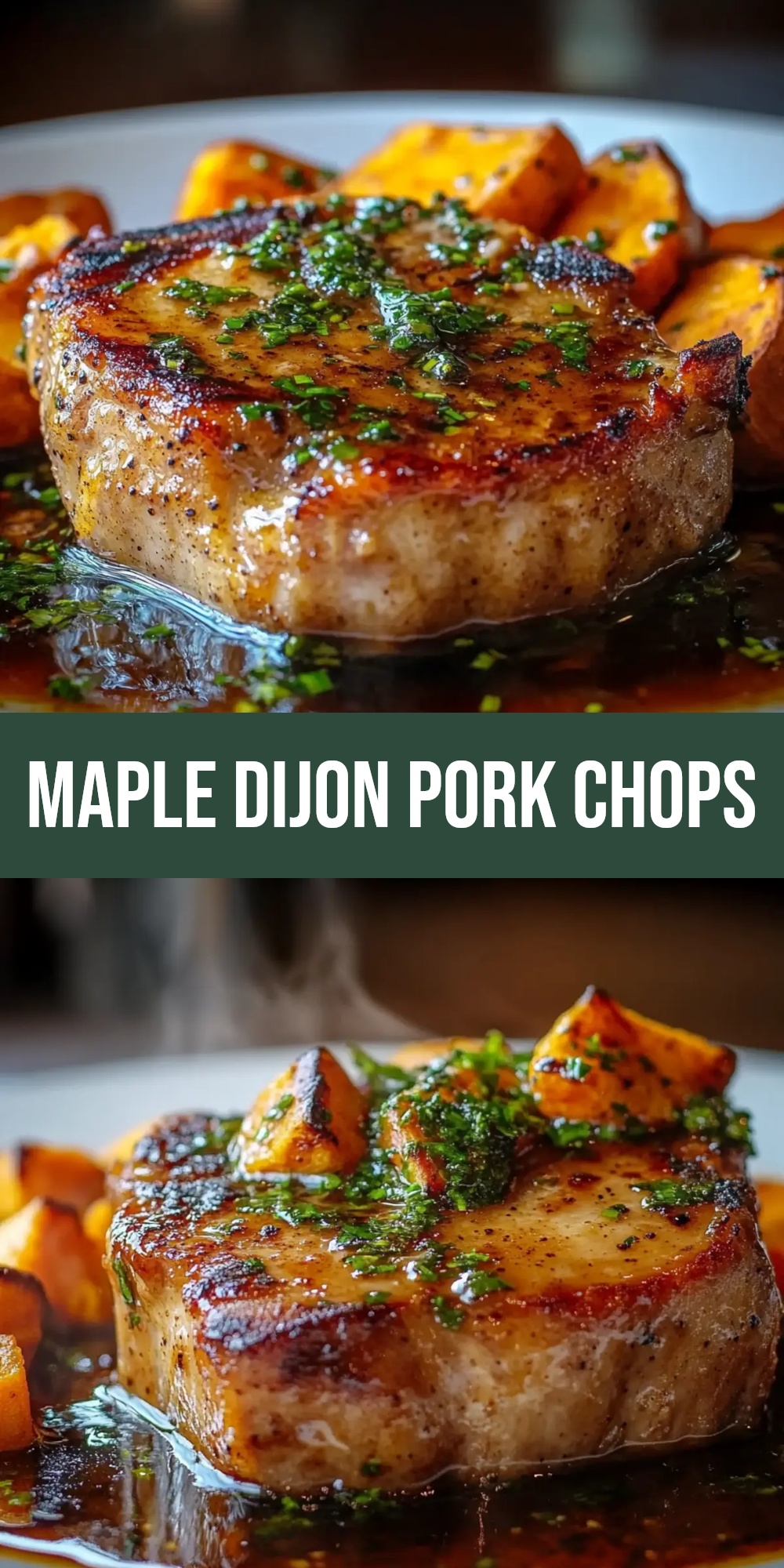
- Pan-Seared Pork Chops with Maple-Mustard Glaze and Roasted Apples: sear on the stove, then finish in the oven. This is where the 600°F rating earns its keep.
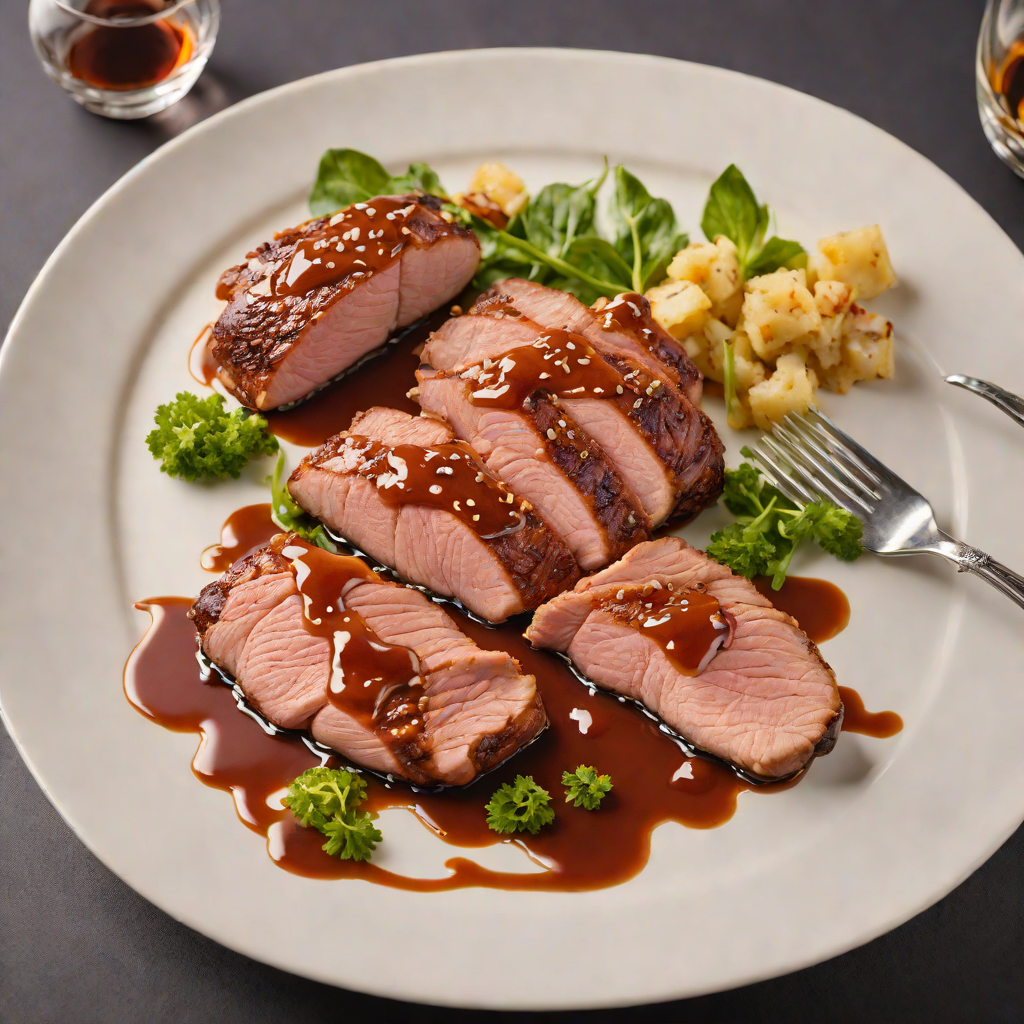
- Pan-Seared Duck Breast with Maple-Bourbon Glaze: start the duck skin-side down in a cold pan and let the fat render slowly. Stainless handles this well.
Seafood, where stainless shines
- Pan-Seared Scallops with Lemon-Garlic Pan Sauce: dry scallops, a very hot pan, 90 seconds per side. This is the best test of your preheat.
- Pan-Seared Salmon with Ginger-Scallion Rice: skin-side down, press gently for 10 seconds so it doesn't curl.
- Pan-Seared Halibut with Lemon-Dill Sauce and Pan-Seared Cod with Lemon Butter and Capers: delicate white fish. Use a fish spatula, and don't flip until it releases.
A curveball
- Pan-Seared Gnocchi with Sage Brown Butter and Parmesan: shelf-stable gnocchi seared golden, then tossed in brown butter. On stainless you can watch the butter's color, which you can't do on a dark pan.
Want more? Browse the full seafood recipe collection, or work through our 22 pan-seared dinners roundup.
Worked example: a weeknight for four in one 12-inch pan
Here's what a 12-inch tri-ply pan like the D3 or Tramontina handles in one evening. Four bone-in chicken thighs, skin-side down in a thin film of oil over medium heat, take 10 minutes to go deep golden and release. Flip them, then move the pan to a 425°F oven for 15 minutes until the thighs reach 175°F inside. Back on the stove, pour off all but a tablespoon of fat, brown 8 oz of sliced mushrooms for 4 minutes, and deglaze with ½ cup of dry white wine. Reduce, then swirl in a tablespoon of butter. That's one pan and about 35 minutes total. In a 10-inch pan the same meal takes two sear batches and about 12 more minutes.
Sources
Prices, ratings and rating counts come from AislePrompt's cookware catalog listings as of September 2026 and change often.
- America's Test Kitchen — The Best Stainless-Steel Skillets: hands-on testing covering the All-Clad D3 and D5, Made In and Tramontina, including warping and abuse tests.
- All-Clad — D3 Stainless Collection: tri-ply construction and the 600°F oven/broiler rating.
- Made In — Stainless Clad Cookware: 5-ply construction and the Stay Cool handle.
- Wikipedia — Leidenfrost effect: the water-droplet test and the ~193°C Leidenfrost point for water.
- Wikipedia — Maillard reaction and Wikipedia — Deglazing (cooking)): browning and pan sauces.
- Wikipedia — Cladding (metalworking), Wikipedia — Stainless steel and Wikipedia — Induction cooking: materials and cooktop compatibility.
Shopping for the rest of your stovetop? See our best cookware sets and best carbon steel skillets guides.
Frequently asked questions
Why does food stick to my stainless steel pan?
Is tri-ply or 5-ply stainless steel better?
Should I buy a 10-inch or 12-inch skillet?
Can stainless steel skillets go in the oven and dishwasher?
Stainless steel or nonstick: which should I use?
How we picked
This guide is researched, not bench-tested. We shortlisted products from the AislePrompt kitchen catalog and compared them on published manufacturer specifications (such as materials, size and capacity), on what owners report in published reviews, and on any third-party sources linked in this guide. The guide was drafted with AI assistance. We did not run lab or hands-on tests of these products, so any measurement quoted here comes from the manufacturer or a cited source. Prices change often: use the “Check price on Amazon” buttons for today’s price.
Recipes to try with the skillet
Put your gear to work — save any recipe to My Recipes (no account needed) and send its ingredients to Instacart in one tap.
Shop cookware on AislePrompt →Browse the full kitchen shop →