Summer Grilling Guide 2026: 30 Recipes + Complete Playbook (BBQ, Sides, Marinades)
A no-fluff summer grilling playbook: temps, marinades, 30 recipes, and a menu for feeding 6 to 10 people.
If you're grilling this summer, you want three things: meat that isn't dry, a temperature reading you trust, and a menu that scales past four people without turning your Saturday into a full-time job. This guide covers all of it — a real BBQ playbook with temps, techniques, marinade math, and 30 recipes from the AislePrompt catalog that we've tested and that actually work. No "in today's fast-paced world" fluff. Just the numbers, the recipes, and the shortcuts that make the difference between charred chicken and a plate people talk about the next morning.
Get a free cookout plan for a crowd
Mains, sides and quantities scaled to your headcount, with one Instacart cart instead of a spreadsheet.
No spam, unsubscribe in one click. Recipes, shopping lists and Instacart carts all work without an account either way.
Grill setup: direct vs indirect heat, gas vs charcoal, temp zones
Every grill session starts with heat management. Get this wrong and it doesn't matter how good your marinade is.
Direct vs indirect heat. Direct heat is the food sitting straight over the flame or coals — sear zone, 450-600°F. Use it for thin cuts (steaks under 1.5 inches, burgers, shrimp, boneless chicken thighs, vegetables). Indirect heat is the food sitting to the side of the flame with the lid closed — the grill acts like a convection oven. Use it for thick cuts (bone-in chicken, whole roasts, ribs, brisket, pork shoulder). Almost every "why is my chicken burnt on the outside and raw inside?" problem is a direct-heat problem where the fix is indirect.
Two-zone setup. On a gas grill, turn one side to high and the other to off (or lowest). On a charcoal grill, bank all the coals to one side. This gives you a sear zone and a rest zone. You sear the exterior on the hot side, then move to the cool side and close the lid to finish cooking through. Every thick cut you grill uses this — pork chops, bone-in chicken, tri-tip, ribeye — sear first, finish over indirect. If your grill has one temperature dial and no sear zone, you're going to overcook thick cuts every single time.
Gas vs charcoal. Gas: 2-minute preheat, dial-in temperature control, easy cleanup, and consistent results. Charcoal: better flavor (real live-fire smoke, not gas + wood chips), higher max heat for steak crust, and more work. If you grill more than twice a week, gas earns its cost of admission. If you grill on weekends and want the best possible sear, a $150 Weber kettle beats any $600 gas grill on flavor. The best home setup is one of each — a gas grill for weeknights, a kettle for weekends and low-and-slow.
Preheat matters more than brand. Whatever grill you have, close the lid and let it come up to 450-500°F for 10-15 minutes before food goes on. A cold grill sticks. A hot, oiled grill releases food cleanly. This one habit fixes more grilling frustration than any equipment upgrade.
Best proteins for the grill (chicken, steak, salmon, pork, shrimp)
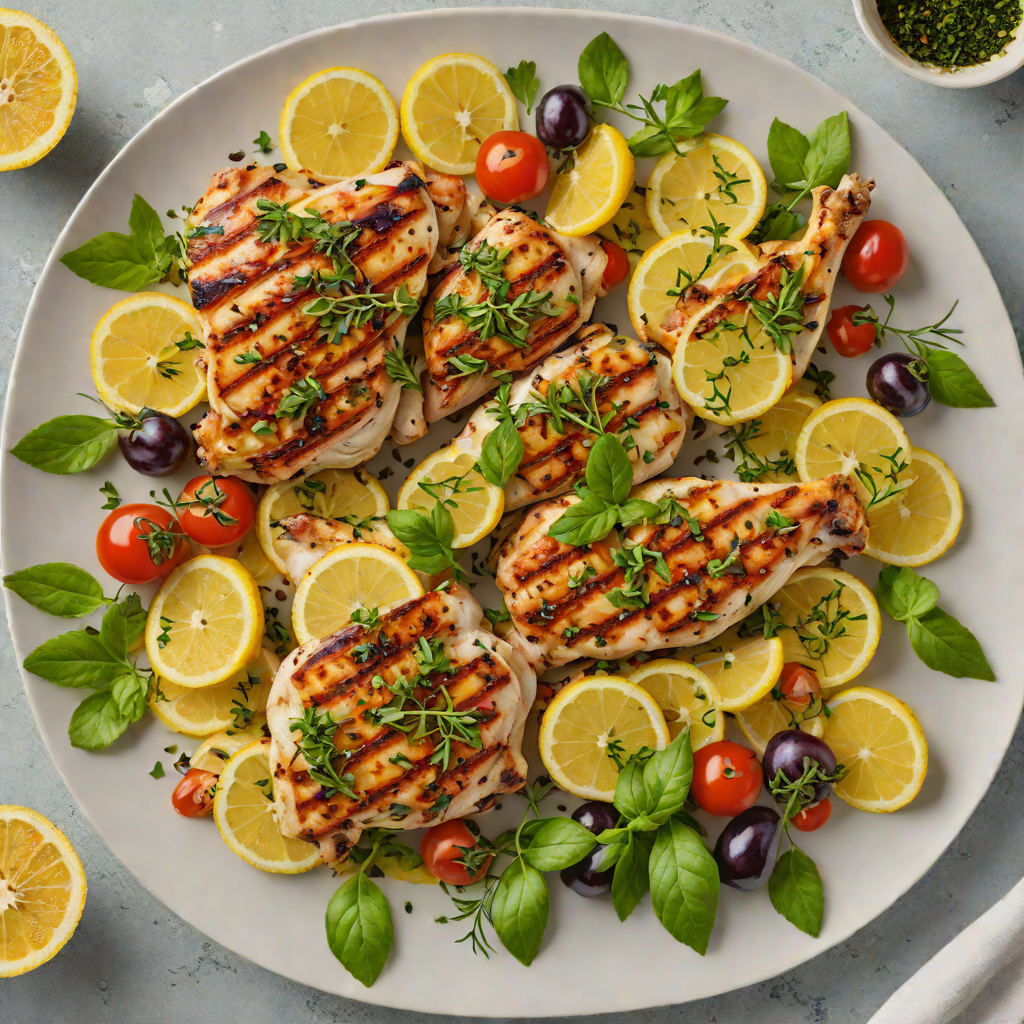
Chicken. Boneless thighs are the beginner's best friend — forgiving, flavorful, cheap, and impossible to dry out inside 8 minutes of grill time. Boneless breasts need brining (30 min in 1 tbsp salt per cup of water) or they'll be sawdust at 165°F. Bone-in pieces need indirect heat: sear skin-side down over direct for 3-4 minutes, then move to indirect and close the lid until internal temp hits 160°F. Our benchmark chicken recipe is Grilled Mediterranean Lemon-Herb Chicken with Alkaline Marinade — the alkaline marinade (baking soda) tenderizes at a chemical level and gives the exterior a browning boost even ovenized breasts will approve of.
Steak. For steaks over 1.5 inches, reverse sear: grill over indirect until 15°F below target internal temp, then sear over the hot zone for 60-90 seconds per side. For thin cuts (skirt, flank, hanger), sear fast over direct heat and slice against the grain. Churrasco-Grilled Flank Steak with Chimichurri Sauce is the reference — churrasco method, high heat, chimichurri right off the grill.
Salmon. Skin-on. Always. The skin is armor against sticking, protects the flesh from drying out, and crisps into the best snack of the meal if you eat it. Maple-Glazed Cedar Plank Salmon with Grilled Asparagus uses a cedar plank — you soak the plank 30 min, put the fish on it, and the plank both smokes and insulates the fillet from direct heat. It's foolproof.
Pork. Two categories: fast (chops, tenderloin) and slow (shoulder, ribs). Fast cuts need 140°F internal and a hard sear — anything past 145°F is wasted. Slow cuts need low-and-slow: 250°F for 6-10 hours until the collagen breaks down. Grilled Hickory-Smoked Pulled Pork Sandwiches with Tangy Slaw is the smoker recipe — hickory, salt, patience — and Chili-Lime Grilled Pork Tacos with Pineapple Salsa is the fast-lane version: marinated pork tenderloin sliced into tacos.
Shrimp. Skewer them or put them on a grill basket. High heat, 2 minutes per side, done. Overcooked shrimp are rubbery within seconds, so watch them like a hawk. Grilled Citrus-Marinated Shrimp Skewers with Garlic Butter Drizzle is the go-to — citrus marinade, garlic butter after the grill.
Marinade math: acid + oil + salt + aromatics
Every good marinade is four things: acid, oil, salt, and aromatics. Miss one and it doesn't work.
Acid. Lemon juice, lime juice, vinegar, wine, yogurt, buttermilk. Acid denatures surface proteins, which makes the meat feel more tender in the first millimeter of tissue. It does NOT tenderize past that layer — anything you read about "acid tenderizing all the way through" is wrong. Long acid marinades (>8 hours on chicken, >4 hours on fish) turn the exterior mushy without touching the interior. Yogurt is the exception: it tenderizes gently via enzymes and can go 24 hours.
Oil. Neutral oil for high-heat grilling (canola, avocado, grapeseed — smoke point above 400°F). Olive oil is fine for indirect heat but burns at direct-heat temperatures. Oil carries fat-soluble flavors (garlic, herbs, chili) into the surface of the meat and helps prevent sticking.
Salt. Kosher salt, 1 tsp per pound minimum. Salt is the only ingredient in a marinade that actually penetrates deeply — up to 1/4 inch given enough time. This is why a proper marinade doubles as a brine. Skip the "low-sodium" impulse; if the marinade doesn't taste aggressively seasoned raw, the cooked meat will be flat.
Aromatics. Garlic, onion, ginger, chili, herbs, spices. These live on the surface and give the exterior its flavor. Fresh > dried for anything you want punchy; dried > fresh for anything you want mellowed by cooking.
Ratio to memorize. 3 parts oil, 1 part acid, 1 tsp salt per pound of meat, plus aromatics to taste. That's it. Every restaurant marinade you've ever eaten fits this template.
Marinade times. Chicken: 30 min – 8 hr. Beef steaks: 30 min – 4 hr. Pork: 2 – 12 hr. Fish/shrimp: 15 – 30 min. Yogurt-based on chicken: up to 24 hr. Set a timer. Over-marinated meat is a real problem, not a myth.
Top 30 summer grilling recipes from the AislePrompt catalog
We picked these ten as the anchor set — proteins, sides, veg, and a dessert — and grouped them below with 20 more variations you can spin off in the same session. All ten are catalog-tested, have full ingredients + instructions, and land within a 90-minute total time for the fast cuts. Click any link to jump straight to the recipe with quantities scaled to your headcount.
Chicken (the safest weeknight grill)
1. Grilled Mediterranean Lemon-Herb Chicken with Alkaline Marinade — boneless thighs, alkaline marinade, 30-min prep, ready in 12 minutes on the grill. Serves 4-6.
2. Same technique with drumsticks — swap in bone-in drumsticks and cook indirect at 400°F for 25-30 min. Kid-friendly.
3. Grilled chicken thighs with dry rub — same base recipe, skip the wet marinade, use 2 tsp paprika + 1 tsp cumin + 1 tsp brown sugar + 1 tsp salt.
Beef and steak
4. Churrasco-Grilled Flank Steak with Chimichurri Sauce — thin flank steak, hot grill, chimichurri sauce. The best-value steak dinner in the catalog.
5. Skirt-steak fajitas — same marinade as #4, sliced thin across the grain, into warm tortillas with grilled peppers and onions.
6. Grilled ribeye with garlic butter — reverse sear method, brush with compound butter in the last 60 seconds.
Pork
7. Grilled Hickory-Smoked Pulled Pork Sandwiches with Tangy Slaw — 8-hour smoke, hickory chips, tangy vinegar slaw. This is a plan-ahead recipe; start at 8 AM for a 6 PM dinner.
8. Chili-Lime Grilled Pork Tacos with Pineapple Salsa — pork tenderloin, citrus marinade, sliced onto corn tortillas with the pineapple salsa from #29 below.
9. Grilled pork chops — 1.25-inch bone-in chops, brined 30 min, seared over direct then finished indirect to 140°F.
Seafood
10. Grilled Citrus-Marinated Shrimp Skewers with Garlic Butter Drizzle — 2 minutes per side, garlic butter drizzle at the end. Serve as an appetizer or on top of a grain bowl.
11. Maple-Glazed Cedar Plank Salmon with Grilled Asparagus — cedar plank, maple glaze, grilled asparagus alongside. This is our showpiece salmon recipe.
12. Grilled swordfish steaks — 1-inch thick, olive oil + lemon + oregano, 4 minutes per side over direct heat.
13. Grilled mahi mahi tacos — flake into corn tortillas with the pineapple salsa from #29.
Vegetables and sides (the ones that hold up outside)
14. Grilled Elote-Style Mexican Street Corn with Cotija and Chili — grilled corn, cotija, chili, lime, mayo. This is Mexican street food that ruins every other corn recipe you've ever eaten.
15. Mediterranean Grilled Veggie and Hummus Platter — grilled zucchini, eggplant, peppers, red onion, served with warm hummus and pita.
16. Charcoal-Grilled Portobello Mushrooms with Balsamic Glaze and Garlic — charcoal-grilled portobello caps, balsamic glaze, garlic. Serve as a burger swap or a standalone side.
17. Grilled asparagus — same as the salmon side dish in #11 but standalone: olive oil, salt, 4 minutes over direct heat.
18. Grilled Caesar salad — halve romaine hearts, brush with oil, grill cut-side down for 90 seconds, dress with Caesar and pecorino.
19. Grilled pineapple — half-inch rings, brushed with brown sugar + rum, direct heat for 2 minutes per side. Dessert or salsa base (see #29).
20. Grilled watermelon — inch-thick wedges, olive oil + salt, 90 seconds per side over direct. Trust us.
Salads and cool sides for the buffet
21. Outdoor Patio Grilled Peach and Burrata Salad with Balsamic Reduction — grilled peach halves, torn burrata, balsamic reduction, basil. The single best late-summer salad in the catalog.
22. Watermelon-feta-mint salad — cubed watermelon, crumbled feta, torn mint, olive oil, lime. Zero cook time.
23. Vinegar-based coleslaw — the slaw that comes with the pulled pork recipe (#7). Holds outdoors for 4+ hours.
24. Grilled corn salad — kernels cut off the cob after grilling (#14), mixed with black beans, red onion, lime, cilantro.
25. Grain bowl with grilled veg — farro or bulgur base, grilled veg from #15 on top, tahini-lemon dressing.
Sauces, salsas, and finishers
26. Chimichurri (from #4) — parsley, oregano, garlic, red wine vinegar, olive oil, red chili. Keeps 1 week refrigerated.
27. Garlic-herb compound butter — softened butter, minced garlic, parsley, chives, lemon zest, salt. For steaks, corn, fish.
28. Alabama white BBQ sauce — mayo, apple cider vinegar, black pepper, horseradish. Serve with the grilled chicken from #1.
29. Pineapple salsa (from #8) — grilled pineapple, red onion, jalapeño, lime, cilantro. The single most versatile finisher on the list.
30. Chipotle crema — sour cream, chipotle in adobo, lime, salt. Drizzle over anything from tacos to grilled veg.
Grilled sides and salads that actually hold up outside
Sides are where BBQ menus go wrong. Everyone brings potato salad; nobody thinks about food temp. Here's the working rule: anything with dairy or eggs at room temperature above 90°F has a 1-hour safe window, per USDA guidance. Below 90°F, you have 2 hours. If your BBQ runs past that, either keep sides refrigerated with a rotation from the kitchen or pick sides that don't care.
Sides that don't care about temp:
- Vinegar-based slaws (like the one in Grilled Hickory-Smoked Pulled Pork Sandwiches with Tangy Slaw)
- Grain salads (farro, bulgur, quinoa) with olive-oil-based dressings
- Grilled or roasted vegetables served room temperature
- Fresh fruit — watermelon, stone fruit, berries
- Marinated bean salads
- Anything acid-forward: bruschetta, tomato salads, pickled anything
Sides that need refrigerator rotation or a cooler:
- Potato salad with mayo
- Coleslaw with mayo
- Deviled eggs
- Cream-based pasta salads
- Ranch or dairy-based dips
If you can't rotate, don't serve them. A guest with food poisoning from your BBQ is a story that lives 20 years.
Tables and serving. Set up the sides on a table with a bowl of ice underneath each dairy-based dish. A serving bowl nested in a bigger bowl of ice buys you two extra hours. It's the single best trick in outdoor entertaining and no one uses it.
Building a full summer BBQ menu for 6-10 people
The classic mistake is planning too many mains. Here's the math for 8 people:
Proteins (pick 2, budget 6-8 oz cooked per person):
- Anchor: Grilled Hickory-Smoked Pulled Pork Sandwiches with Tangy Slaw — makes 4 lbs pulled pork from a 6-lb shoulder, serves 8-10 as a sandwich
- Supporting: Grilled Citrus-Marinated Shrimp Skewers with Garlic Butter Drizzle or Grilled Mediterranean Lemon-Herb Chicken with Alkaline Marinade — 1 lb chicken thighs or shrimp for the not-pork-people
Starches (pick 1, ~3 oz per person):
- Corn on the cob (2 ears per person, per Grilled Elote-Style Mexican Street Corn with Cotija and Chili for the elote treatment)
- Grilled potatoes (halved baby potatoes, olive oil, rosemary, direct heat 15 min)
- Buns for the sandwiches
Vegetables and salads (pick 2, ~4 oz per person):
- Mediterranean Grilled Veggie and Hummus Platter — one platter serves 6-8 as a side
- Outdoor Patio Grilled Peach and Burrata Salad with Balsamic Reduction — one full recipe serves 4-6 as a side salad
- Vinegar slaw (from the pulled pork recipe, doubles as the sandwich topper)
Dessert (pick 1, ~4 oz per person):
- Grilled pineapple with vanilla ice cream (see #19 above)
- Watermelon wedges (zero-work option, 1/8 melon per person)
- Ice cream sandwiches (buy, don't make — nobody knows)
Drinks: budget 3 drinks per person over a 4-hour BBQ. A mix of beer, wine, sparkling water, and one signature cocktail (a batch margarita or a spiked lemonade) covers everyone. Provide non-alcoholic options — iced tea, flavored sparkling water, lemonade — that don't feel like an afterthought.
Timing. Start the pulled pork 8 hours before dinner. Prep sides in the morning, refrigerate, serve at room temp when appropriate. Fire the grill 45 min before dinner. Fast-cook proteins (chicken, shrimp, veg) in the last 30 minutes. Sit down. Eat.
Grilling safety and cleanup
Food safety. Follow USDA grilling guidance — separate raw and cooked plates, wash hands + tools between raw-meat and finished-food contact, and keep marinated meat refrigerated until it's on the grill. If you want to use the marinade as a sauce, boil it hard for 1 minute first. Otherwise, throw it out.
Internal temperatures (USDA safe minimums after rest):
| Protein | Pull temp | Final temp | Notes |
|---|---|---|---|
| Chicken (all cuts) | 160°F | 165°F | Poultry has zero tolerance for undercook |
| Ground meat | 160°F | 160°F | Burgers included — no medium-rare |
| Steaks (whole muscle) | 125°F | 130°F (medium-rare) | Surface pathogens die on the sear |
| Pork chops/tenderloin | 140°F | 145°F | Modern pork is safe at 145°F |
| Pork shoulder (BBQ) | 195-205°F | 195-205°F | Not safety — connective tissue break-down |
| Salmon and firm fish | 125-130°F | 125-130°F | Sushi-grade salmon can go lower |
| Shrimp | Opaque + pink | — | 2 min per side over direct heat |
A $10 instant-read thermometer is the single most impactful equipment upgrade in home grilling. Cooking by time-per-side misses more than it hits because grills, meat thickness, and starting temp all vary. Buy one, use it every time, and your success rate will double.
Grill cleanup. Brush the grates with a wire brush while they're still hot (300°F+). Cool grates hold grease and burnt residue that a hot brush wipes off in 30 seconds. Empty the grease trap on gas grills every 4-5 uses. Empty the ash pan on charcoal grills every session — wet ash is the fastest way to rust a kettle. Cover the grill when it's cool.
Common grilling mistakes
1. Not preheating. Cold grates stick. Preheat 10-15 minutes with the lid closed until the surface hits 450°F+.
2. Peeking constantly. Every time you open the lid, you lose 25-50°F. Trust the timer. Trust the thermometer. Look once, close, wait.
3. Cooking by time, not temp. A 1-inch chicken thigh at "5 minutes per side" is different at 65°F ambient than at 95°F. Use a thermometer.
4. Flipping too soon. Meat releases from the grill when it's ready. If it sticks, wait 30 more seconds. If you force it, you leave half the crust behind.
5. Marinating too long. Acid marinades over 8 hours on chicken or 30 minutes on fish break down the surface into mush. Set a timer.
6. Overcooking. Every protein except pork shoulder and brisket is worse at 5°F above target than at 5°F below. Pull early. Rest. Let carryover finish the job.
7. Undersalting. Meat needs 1 tsp of kosher salt per pound, minimum. If your grilled chicken tastes bland, salt is almost always the answer.
8. Serving mayo-based sides in the sun. Move them into rotation from a cooler, or don't serve them. USDA gives you 1 hour above 90°F, per federal guidance on outdoor food safety.
9. Skipping the rest. Every steak, chop, and roast wants 5-10 minutes of rest before slicing. Cutting immediately dumps juices onto the board.
10. Cheap tongs. Get real 12-inch spring tongs. The dollar-store version bends, drops meat, and burns your knuckles. Full guide to grilling gear in our /k/utensils collection.
For deeper technique reads outside the AislePrompt catalog, Serious Eats' grilling technique library is the internet's best free reference — J. Kenji López-Alt has covered nearly every failure mode in detail. Bon Appétit's summer grilling collection is also worth a bookmark for menu inspiration when you want to expand past the catalog. Round out your kit with the /k/knives collection (a real chef's knife is worth every dollar), /k/cookware for the grill-adjacent pans, and one more visit to /k/utensils for the tongs, thermometer, and spatula you'll actually use.
FAQ
See the questions below — they cover the top-asked grill questions from our readers this summer, from equipment picks to marinating times to what to do with leftovers.
Frequently asked questions
Gas or charcoal — which grill should I buy?
How do I stop chicken from sticking to the grill?
What's the right internal temp for grilled meats?
How far in advance can I marinate meat?
What sides actually hold up in the summer heat?
Sources
Plan the whole cookout in one go.
Ask our AI for mains, sides and quantities for your headcount — one Instacart cart, no spreadsheet.
Plan my cookout →