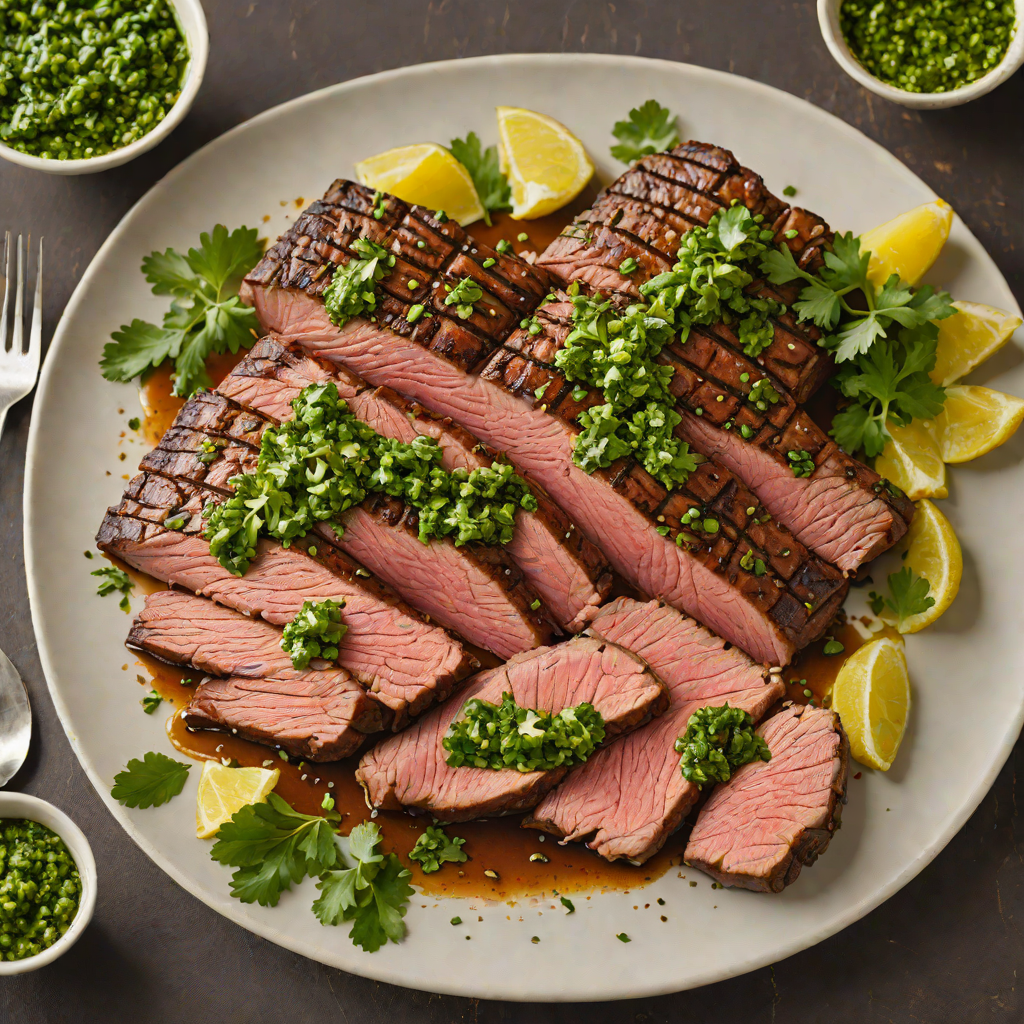
Summer Grilling Guide 2026: 25 Recipes + 4-Week Menu Plan
A full-season plan for summer grilling: kit shortlist, the 2-zone fire walkthrough, a 4-week dinner-plus-cookout menu, and 25 catalog recipes spanning beef, chicken, pork, seafood, and vegetables.
Summer grilling rewards specific technique more than any other style of cooking. Get the fire setup right, hit the right internal temperature, rest the meat, and almost any cut tastes great. Miss any of those three and even premium beef turns into shoe leather. This guide is a 4-week menu plan plus 25 recipes from our catalog, organized so you can plan a season — not just a single cookout.
Get a free cookout plan for a crowd
Mains, sides and quantities scaled to your headcount, with one Instacart cart instead of a spreadsheet.
No spam, unsubscribe in one click. Recipes, shopping lists and Instacart carts all work without an account either way.
Introduction: the summer grilling season starts now
Most home cooks treat grilling as improvisation: light the fire, throw on whatever's in the fridge, hope for the best. That approach works for backyard burgers in July, but it doesn't sustain a full season. Between Memorial Day and Labor Day there are roughly 14 weekends and 60 weeknight dinners where grilling is the right call — about 80 meals if you cook outdoors three nights a week, which is well within reach once the grill is set up next to the kitchen door.
The cooks who get the most out of the season have three things in common. They built a small, reliable kit (about $200 if you don't already own a grill thermometer and tongs). They learned exactly one technique — the 2-zone fire — that turns the grill into an oven plus a sear station, so they're not flipping between settings every five minutes. And they planned ahead: marinades go in the fridge in the morning, sides get prepped the night before, and the protein hits the grate when the temperature is right, not when the family is already hungry.
This guide covers all three. You'll find a kit shortlist with current 2026 pricing, the 2-zone fire walkthrough, a 4-week dinner-plus-cookout menu that uses real recipes from our catalog, and 25 specific dishes broken out by protein. Read the introduction, jump to the section you need, and bookmark the recipe links — most of them load in under a second on mobile and include full ingredient lists, so you can pull them up at the meat counter.
Build your grilling kit: 5 tools that actually matter
You can spend $2,000 on accessories and still cook a bad steak. You can also spend $200 and grill at a professional level if you pick the right five things.
1. Instant-read thermometer. Non-negotiable. The single piece of equipment that prevents more bad grilling outcomes than any other. A ThermoWorks Thermapen ONE reads accurately in under a second; cheaper meat thermometers take 4–8 seconds and tend to drift after a season. Either is fine if you actually use it. The goal is to pull proteins at the right internal temperature, not to guess from "looks done."
2. Long-handled tongs. Spring-loaded, at least 12 inches, stainless steel. Skip silicone tips — they degrade above 500°F. A good pair lives in the utensils drawer for years and gives you fine control near a hot fire. Two pairs is better: one for raw, one for cooked, so you're not cross-contaminating.
3. Cast-iron grill grate or grill basket. A heavy cast-iron grate retains heat better than the thin chrome bars on most gas grills, which means real sear marks instead of grey stripes. If your grill came with chrome grates, drop a cast-iron grate on top — it's the single biggest visible quality upgrade you can buy. Browse cookware for grill-ready cast iron options.
4. Chimney starter. For charcoal cooks, this replaces lighter fluid entirely. Newspaper underneath, charcoal on top, ten minutes to ash-covered coals. No petroleum taste in the food. Roughly $25.
5. A good chef's knife. Sounds obvious, but a sharp 8-inch chef's knife is what separates clean cuts of grilled steak from sawing through a flank that should have been cut against the grain. A dull knife shreds; a sharp one cuts. If you're not sure when you last sharpened yours, it's overdue.
That's the whole kit. Total: roughly $200–$280 if you don't already own a grill. Skip the rotisseries, the smoker tubes, the laser thermometers, the wifi probes — they don't fix any of the problems most home cooks have, and they break.
Gas vs charcoal vs pellet — picking the right grill for how you cook
Three real choices in 2026: gas (propane or natural gas), charcoal, and pellet. Each wins a different scenario.
Gas grills are right for weeknight cooks. You turn a dial, the grill is at 450°F in 8 minutes, you cook, you turn it off. Cleanup is wiping the grates. The tradeoff: gas doesn't produce real smoke flavor unless you add a smoker box, and the average gas grill maxes out around 600°F, which is fine for steaks but borderline for high-heat searing.
Charcoal grills (kettles or kamados) produce the best flavor and the highest temperatures. A Weber kettle hits 700°F with a hot fire, a kamado can crack 800°F. The tradeoff: 25 minutes of fire-management time before you can cook, and you have to learn vent control. Worth it if you grill on weekends and like the ritual.
Pellet grills (Traeger, Weber SmokeFire, Pit Boss) are a hybrid. They're as easy as gas — turn a dial, the auger feeds pellets, the fire stays at the target temperature — and they produce real wood smoke. The catch is max temperature: most cap at 500°F, which means you can't get a hard sear without finishing on a cast-iron pan. They're brilliant for low-and-slow brisket and pulled pork, weaker for steaks.
If you mostly cook weeknight chicken and burgers, buy gas. If you cook weekends and value flavor over speed, buy charcoal. If you mostly want to smoke ribs and brisket without babysitting a fire, buy a pellet. Don't overthink it.
Master technique: the 2-zone fire (the single skill that fixes most grilling)
This is the technique that separates "I grill" from "I grill well." It works on every grill type.
A 2-zone fire means setting up the grill so half is hot (direct heat, active coals or burners underneath) and half is cool (indirect heat, no coals or burner off). On a kettle, push all the coals to one side; on a gas grill, light only half the burners; on a pellet grill, work the cool side at the top rack while the bottom runs at target temp.
Why it matters. The single most common grilling failure on anything thicker than half an inch — chicken thighs, bone-in pork chops, thick steaks, whole spatchcock chickens — is "charred outside, raw inside." It happens because the cook tried to finish a thick protein over direct heat, the outside burned before the inside reached temperature, and now you're flipping a black mess and praying.
How to use it. Sear the protein hard over direct heat for 1–3 minutes per side to get color and flavor. Then move it to the cool side, close the lid, and let the convection-heat finish the inside without burning the outside. Pull when the thermometer reads target temperature. The grill effectively becomes an oven on the cool side.
This single technique fixes spatchcock chicken (which we cover with the Spatchcocked Garlic Herb Chicken Thighs recipe), thick-cut steaks, pork tenderloin, and bone-in chops. If you only learn one new thing this summer, learn this.
4-week summer grilling menu
A workable menu is four weeknight dinners plus a weekend cookout. Each week we've picked recipes that share prep ingredients so a Sunday grocery run carries through to Thursday — chimichurri does double duty on flank steak Tuesday and grilled vegetables Thursday, marinades for chicken Tuesday come out of the same brine as Wednesday's thighs.
Week 1 — Beef-forward
- Monday: Mesquite-Grilled Flank Steak with Garlic Chimichurri — 25 minutes, marinade goes in Sunday night
- Tuesday: Leftover-flank tacos with the same chimichurri thinned with lime juice
- Wednesday: Smash Burger Sliders with Melted Cheddar and Pickled Onions — 20 minutes, no marinating
- Thursday: Authentic Greek Grilled Vegetable Platter over orzo — vegetarian Thursday, dresses leftover veg for Friday lunch
- Saturday cookout: Grilled Tri-Tip Steak with Riverside Spice Rub for 6–8
Week 2 — Chicken + seafood
- Monday: Chargrilled Chicken Shawarma with Garlic Yogurt Sauce — brine Sunday, grill Monday
- Tuesday: Shawarma bowls (leftover chicken, rice, cucumber-tomato salad)
- Wednesday: Chili-Lime Grilled Shrimp Skewers with Garlic Butter — 15 minutes start-to-finish, shrimp thaws in 10 minutes
- Thursday: Wood-Grilled Salmon with Citrus and Herb Butter — sub salmon with any firm white fish
- Saturday cookout: Spatchcocked Garlic Herb Chicken Thighs plus grilled sides for 6
Week 3 — Korean + Asian-influenced
- Monday: Charred Korean BBQ Short Ribs with Gochujang Glaze — marinate Saturday night for full flavor penetration
- Tuesday: Rice bowls with leftover short rib, kimchi, and a fried egg
- Wednesday: Grilled Margherita Pizza with Fresh Basil and Tomato — dough rests Tuesday night
- Thursday: Grilled Romaine Salad with Anchovy-Lemon Dressing plus grilled chicken breasts
- Saturday cookout: Korean BBQ spread — short ribs, lettuce wraps, banchan
Week 4 — Summer harvest + cookout finale
- Monday: Smoky Bourbon-Grilled Pork Tenderloin with Peach Salsa — full summer flavor, 35 minutes
- Tuesday: Pork tenderloin sliders on brioche
- Wednesday: Chargrilled Mexican Street Corn Salad with Cotija and Cilantro plus grilled shrimp
- Thursday: Grilled Watermelon and Feta Summer Salad plus grilled chicken
- Saturday cookout: The full spread — short ribs, flank steak, corn, grilled romaine, watermelon salad, peach cobbler off the grill
25 summer grilling recipes from our catalog
Broken out by protein. Every recipe linked includes ingredients, timing, and step-by-step instructions.
Beef
1. Mesquite-Grilled Flank Steak with Garlic Chimichurri — the workhorse weeknight cut
2. Grilled Tri-Tip Steak with Riverside Spice Rub — California-style cookout cut
3. Charred Korean BBQ Short Ribs with Gochujang Glaze — best on a hot kettle
4. Smash Burger Sliders with Melted Cheddar and Pickled Onions — needs a cast-iron griddle on the grill grate
Chicken
5. Chargrilled Chicken Shawarma with Garlic Yogurt Sauce — brine + spice rub
6. Spatchcocked Garlic Herb Chicken Thighs — the 2-zone technique showcase
7. Bone-in chicken thighs (basic): brine 30 min in 1 cup salt per gallon water, 2-zone fire, sear skin-down 4 min, indirect 12 min to 165°F
8. Beer-can chicken (basic): whole chicken, dry rub, beer can in cavity, indirect heat 60–75 min to 165°F at the thigh
Pork
9. Smoky Bourbon-Grilled Pork Tenderloin with Peach Salsa — 35 minutes, pulls at 140°F
10. Pork ribs (basic): St. Louis cut, dry-rubbed, indirect 250°F for 3 hours, wrap in foil for 90 min, glaze in last 15 min
11. Grilled pork chops: bone-in, brined, 2-zone fire, pull at 145°F
12. Grilled bratwurst: parboil in beer + onions, finish on grill for color
Seafood
13. Wood-Grilled Salmon with Citrus and Herb Butter — cedar plank optional
14. Chili-Lime Grilled Shrimp Skewers with Garlic Butter — 8 minutes total grill time
15. Grilled swordfish steaks: oil + salt, hot direct heat, 4 min per side
16. Whole grilled trout: gut, butterfly, lemon and dill in cavity, direct heat 4 min per side
Vegetables + sides
17. Authentic Greek Grilled Vegetable Platter — zucchini, peppers, eggplant
18. Chargrilled Mexican Street Corn Salad with Cotija and Cilantro — esquites style
19. Grilled Watermelon and Feta Summer Salad — hot grill marks, 90 seconds per side
20. Grilled Romaine Salad with Anchovy-Lemon Dressing — cookout-worthy salad
Dough + dessert
21. Grilled Margherita Pizza with Fresh Basil and Tomato — direct heat, lid open, 90 seconds first side
22. Grilled flatbread: 60% hydration dough, hot grates, charred and pliable
23. Grilled peaches with vanilla ice cream: halve, oil, direct heat 2 min cut-side down
24. Grilled pineapple rings: 1/2-inch thick, direct heat 3 min per side, finish with a squeeze of lime
One catch-all crowd-pleaser
25. Loaded grilled-veg platter for a vegetarian guest: zucchini, eggplant, portobello, peppers, asparagus — oil, salt, direct heat, finish with chimichurri or romesco
Marinade and rub framework
You don't need a marinade for everything. Steak doesn't need it; high-quality flank, tri-tip, and ribeye are better with just salt and pepper. But marinades earn their keep on chicken, pork, and tough cuts. Two frameworks cover 90% of summer needs.
5-ingredient marinade — use for chicken, pork, shrimp:
| Component | Amount | Examples |
|---|---|---|
| Acid | 1/4 cup | lemon juice, lime juice, vinegar, yogurt |
| Fat | 1/4 cup | olive oil, avocado oil, sesame oil |
| Salt | 1 tbsp | kosher salt, soy sauce, fish sauce |
| Aromatics | 2–4 cloves | garlic, ginger, shallot, fresh herbs |
| Sweetener (optional) | 1–2 tbsp | honey, brown sugar, maple, mirin |
Marinate chicken 2–8 hours, pork 4–12 hours, shrimp 15–30 minutes (longer breaks the texture). Pat dry before grilling — wet marinade steams instead of searing.
5-ingredient dry rub — use for beef, pork:
| Component | Amount | Examples |
|---|---|---|
| Salt | 2 tbsp | kosher, sea salt |
| Sugar | 1 tbsp | brown sugar, turbinado |
| Sweet spice | 1 tbsp | paprika, cumin |
| Hot spice | 1–2 tsp | black pepper, cayenne, chipotle |
| Aromatic | 1–2 tsp | garlic powder, onion powder, dried oregano |
Coat the protein 30 minutes to 24 hours ahead of grilling. The salt draws moisture, the rub crusts, the surface dries — which is exactly what you want for a hard sear.
Sides and salads that round out the plate
A grilled main without a side is a snack. Two or three sides per cookout, half cold and half warm. Some quick recipes that hold for an hour on a buffet:
- Grilled corn off the cob with cotija and lime
- Black bean salad with mango and red onion
- Caprese skewers (cherry tomatoes, mozzarella balls, basil, balsamic)
- Cucumber-yogurt salad
- Grilled flatbread with hummus + olive oil
For a fuller side menu we cover 25 specific make-ahead options in the 4th of July side dishes guide, which works the same for any summer cookout.
Grilling safety + doneness temperatures
The instant-read thermometer matters because guessing doneness is the most common reason home cooks ruin good meat. Cook to the USDA-recommended internal temperatures, and rest before slicing.
| Protein | USDA minimum | Pull from grill | Final after rest |
|---|---|---|---|
| Beef/lamb/pork steaks + chops | 145°F | 138°F | 145°F |
| Ground beef + ground pork | 160°F | 160°F | 160°F |
| All poultry (whole + parts) | 165°F | 160°F | 165°F |
| Fish | 145°F | 130°F (medium) — 145°F (well) | varies |
| Pulled pork + brisket | 195–205°F | 200°F | 200°F |
| Medium-rare steak (non-USDA) | n/a | 130°F | 135°F |
Rest meat 5 minutes per inch of thickness before slicing. The juices redistribute; if you cut too soon, they puddle on the cutting board instead of staying in the meat.
Cross-contamination rules. Two cutting boards minimum — one for raw protein, one for everything else. Wash the knives and tongs you used on raw meat before using them on cooked meat or vegetables. The USDA's grilling food safety guidance covers this in detail.
Marinade reuse. If you want to baste with marinade that touched raw meat, boil it first for 60 seconds. Better practice: split the marinade before adding the protein — half for marinating, half reserved for basting and serving.
FAQ
Gas, charcoal, or pellet — which grill should I buy?
Gas (propane or natural gas) is the right pick if you grill on weeknights — fast preheat, easy temperature control, minimal cleanup. Charcoal produces the best smoke flavor and the highest searing temperatures but takes 25 minutes to be ready. Pellet grills (Traeger, Weber SmokeFire) are a hybrid: easy as gas with real wood smoke, but lower max temperatures limit hard sears.
What is a 2-zone fire and why does it matter?
A 2-zone fire is a grill setup with all the coals (or active burners) on one half and nothing on the other half, creating direct-heat and indirect-heat zones. You sear over direct heat, then move proteins to indirect heat to finish without burning. This single technique fixes the most common grilling failure — charred outside, raw inside — on anything thicker than a half inch.
What internal temperatures should I grill meat to?
USDA guidance: beef/lamb/pork steaks and chops 145°F with a 3-minute rest, ground beef 160°F, all poultry 165°F, fish 145°F. For medium-rare steak, pull at 130°F and rest to 135°F. For pulled pork or brisket, hold at 195–205°F. An instant-read thermometer is the single piece of grilling equipment that most home cooks underuse and that prevents the most ruined cookouts.
How do I keep grilled chicken from drying out?
Three rules: brine bone-in pieces for 30 minutes in 1 cup salt per gallon of water, use a 2-zone fire and finish over indirect heat to 160°F (carryover takes it to 165°F), and rest 5 minutes before slicing. Boneless breasts dry out fastest — pound to even thickness, brine, sear hard, and pull at 155°F. Thighs are far more forgiving and a better choice if you're new to grilling.
Do I need to oil the grill grates?
Yes — clean grates first with a brush, then dip a folded paper towel in neutral oil (canola, avocado), hold it with long tongs, and rub the hot grates 2–3 times. This prevents proteins from sticking on contact. Oiling cold grates does nothing useful. Don't oil the food itself if you're worried about flare-ups — oil the grates instead, then season the meat.
Sources
This guide draws on food safety guidance from the USDA's Food Safety and Inspection Service, technique articles from Serious Eats — Grilling Tips and Techniques, and the Weber Grill Skills library. For specific internal-temperature targets and food-safety reuse rules, the USDA's grilling food safety page is the authoritative source. Where our catalog recipes specify higher temperatures or longer rests than these baselines, the recipe writer made a flavor or texture call — both are safe.
Related on AislePrompt: the best grilling recipes for summer 2026, our summer grilling marinades guide, the 4th of July side dishes guide, and the best grilling tools + BBQ gadgets for 2026. For a Memorial Day–through–Labor Day full menu, the ultimate summer grilling guide covers complementary territory with a different week-by-week structure.
Frequently asked questions
Gas, charcoal, or pellet — which grill should I buy?
What is a 2-zone fire and why does it matter?
What internal temperatures should I grill meat to?
How do I keep grilled chicken from drying out?
Do I need to oil the grill grates?
Sources
Plan the whole cookout in one go.
Ask our AI for mains, sides and quantities for your headcount — one Instacart cart, no spreadsheet.
Plan my cookout →