Sunday Meal Prep: 20 Make-Ahead Recipes for the Week
A 90-minute kitchen session that produces four breakfasts, five lunches, and three dinner components — every Sunday.
Sunday meal prep is a 90-minute kitchen session that produces four breakfasts, five lunches, and three dinner components for two adults, leaving the rest of the week as 15-minute reheats. The recipe choices below come from the AislePrompt catalog, the timeline runs four heat sources in parallel, and the storage table tells you exactly what survives to Friday. This is the lean version: no fancy gear, no boutique containers, no two-day commitment.
Get a free Sunday meal-prep plan
One batch cook, five lunches that still hold on Thursday, and a single consolidated Instacart cart. Sent Saturday.
No spam, unsubscribe in one click. Recipes, shopping lists and Instacart carts all work without an account either way.
Introduction: Why Sunday is the wrong day for some cooks (and how to fix it)
The cultural anchor says Sunday afternoon. The honest answer is "whatever 90-minute block you can defend on a calendar." Shift workers run a Wednesday-evening reset. Parents of young kids prep Friday night after bedtime. Couples split the prep across Saturday morning produce-shop and Sunday evening cook. The day matters less than the cadence: one session, one shopping list, one set of containers, one stretch of dishwashing — repeated weekly for at least three weeks before you decide if the practice fits you.
The reason most people quit meal prep in week one is the same reason new gym memberships die in February: they overcommit on day one. A typical first-week prep tries to cook every meal for the entire week — that is six to eight components, four to five hours in the kitchen, and a refrigerator that looks like a catering line by Sunday night. By Wednesday the leftovers are getting old, by Thursday they're getting eaten by the dog, and by Friday you're at the drive-through resenting the practice. The fix is structural: prep four breakfasts and five lunches (the high-repetition meals), then prep one or two dinner components (cooked protein, cooked grain) that compose into three different dinners through the week. Twenty recipes appear in this guide, but a real Sunday prep uses six of them.
The other quiet failure mode is container chaos. If your prep dishes go into mismatched plastic deli quarts, glass leftover containers from last winter, and three sizes of zip-top bags, the fridge becomes unsearchable by Tuesday and the unfound containers grow penicillin in the back. Pick one container line and stick to it. The Storage & Containers category walks through the three sizes that cover 95 percent of preps.
What you'll need: containers, sheet pans, a 6-qt pot
The equipment list is short, and most home kitchens already own most of it. If you don't, the per-item cost is under $40 and the gear lasts a decade.
| Item | Quantity | Why this size | Where it goes |
|---|---|---|---|
| Glass containers with snap lids, 2-cup | 8 | Single lunches, snack portions | Storage & Containers |
| Glass containers with snap lids, 4-cup | 4 | Two-portion dinners, big salads | Storage & Containers |
| Mason jars, wide-mouth quart | 4 | Layered salads, overnight oats | Storage & Containers |
| Half-sheet pans, rimmed aluminum | 2 | Two proteins or one protein + veg | Bakeware |
| Heavy 6-quart pot or Dutch oven | 1 | Chili, soup, grain batch | Cookware |
| Instant-read thermometer | 1 | Safe protein temps every time | Kitchen Gadgets |
| Silicone freezer bags, quart | 6 | Dump-bag dinners, marinated proteins | Storage & Containers |
| Sheet-pan parchment, pre-cut | 1 pack | Cleanup at the end of prep | Bakeware |
The single biggest equipment mistake is buying too many small containers and not enough big ones. A 2-cup container holds a single lunch. A 4-cup container holds either dinner for one or lunch for two. A typical adult eating-pattern needs more of the 4-cup size than the 2-cup, but every starter pack sold online inverts that ratio. Buy the 4-cups first, then fill in.
If your kitchen runs hot — small, no dishwasher, lots of cabinet stack constraints — consider a small appliance upgrade instead of more containers. A 6-quart Instant Pot with a slow-cooker function replaces the Dutch oven, the rice cooker, and the steamer; it's the single highest-leverage tool in a tight kitchen. The dedicated Slow Cooker section in Cookware covers the choice between a stand-alone slow cooker and a multi-function pressure cooker.
A second meaningful upgrade for serious preppers: a digital kitchen scale. Eyeballing 4 ounces of cooked chicken thigh against 4 ounces of cooked chicken breast is unreliable; weighing is faster and produces consistent macros across the week. Scales appear in Kitchen Gadgets.
The 90-minute prep plan: timeline that hits 4 components in parallel
The 90-minute number is real, but it depends on overlapping four heat sources from the moment the kitchen opens. Sequential cooking — boil the grains, then roast the chicken, then prep the salads — takes three hours minimum and is the reason "Sunday prep" gets a reputation as an all-day project. The choreography below assumes a standard 30-inch range with four burners and one oven, plus optionally a slow cooker or Instant Pot on the counter. As of 2026, this is the modal home-kitchen setup in the United States.
| Time | Oven | Burner 1 | Burner 2 | Slow cooker / Instant Pot | Counter |
|---|---|---|---|---|---|
| 0:00 | Preheat 400°F | Boil 6c water for grains | (off) | Start chili (low, 6h) | Wash + cut produce |
| 0:10 | Tray 1: chicken in | Quinoa cooking | Hard-boil eggs | (cooking) | Roll out parchment, label lids |
| 0:25 | Tray 2: veg in | Quinoa done, hold | Eggs in ice bath | (cooking) | Layer mason-jar salads |
| 0:40 | Tray 1: chicken rest | Boil water for noodles | Brown turkey for meatballs | (cooking) | Assemble overnight-oat jars |
| 0:55 | Tray 2: veg done | Noodles in | Meatball mixture into oven | (cooking) | Portion grains into containers |
| 1:10 | Tray of meatballs in | Noodles done, dressed | (off) | (cooking) | Cool proteins + portion |
| 1:25 | Meatballs done | (off) | (off) | (still cooking, ignore) | Wipe down, label everything |
Two notes on the table. First, the chili in the slow cooker is a "set and forget" component — you start it before the rest of prep and pull it out four hours after prep ends. The timeline assumes Slow-Cooker Beef and Bean Chili, which is the most reliable starter chili in the catalog: dump everything in, set to low, walk away. Second, the oven sees three loads (chicken sheet pan, veg sheet pan, meatballs). This is where having two half-sheet pans matters: the chicken pan goes in cold, the veg pan goes in 15 minutes later on the second rack, both come out 25 minutes after they went in. With one pan, the dance breaks.
The hardest minute of the choreography is 0:25 to 0:40: you're rotating sheet pans, dressing salads, and starting noodles, all at once. Have everything pre-measured on the counter before you start. Mise en place is not a chef affectation here — it's the difference between 90 minutes and 150 minutes.
20 best make-ahead recipes from the AislePrompt catalog
These are the catalog standouts for Sunday prep, organized by meal. The links go to the full recipe with macros, ingredient quantities, and step-by-step instructions. Pick six for your first week (one breakfast, two lunches, three dinner components). Add or rotate from week two onward.
Breakfasts (cook once, eat 4 mornings):
1. No-Bake Peanut Butter Banana Overnight Oats — 8 minutes of active prep, 4 servings, 5 days in the fridge.
2. Hidden Forest Berry and Almond Overnight Oats — the rotation partner for week two; same prep, different macro profile.
3. Veggie egg cups — bake in a muffin tin with a dozen eggs, diced peppers, spinach, and crumbled feta; portion two per container.
4. Smoothie freezer packs — pre-portion bags of frozen banana, berries, spinach, and protein powder; blend with milk in the morning.
Lunches (cook once, eat 5 days):
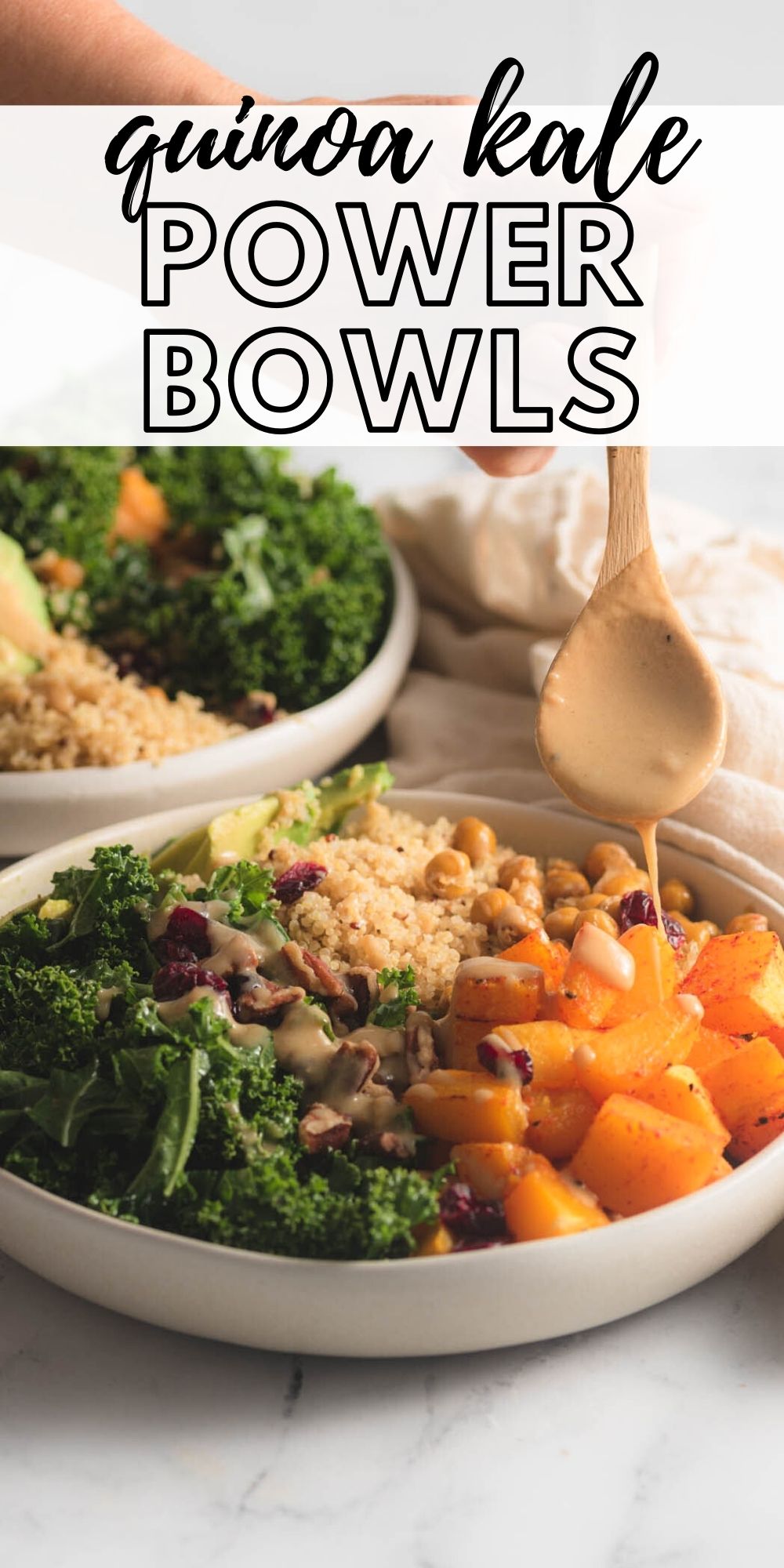
5. Mason Jar Mediterranean Quinoa Power Bowls — layered correctly (dressing at the bottom, sturdy veg next, greens on top), these last 5 days undressed.
6. Mason Jar Chicken & Quinoa Salad for Meal Prep — the protein-forward companion to the Mediterranean bowl.
7. Lemon-Dill Greek Salad with Feta and Kalamata Olives — keep dressing separate; assemble at the office.
8. Lemon-Dill Quinoa Bowl with Spring Vegetables — uses the same dressing as #7, so one batch covers two lunches.
9. Spicy Thai Peanut Noodles with Tofu — eats cold or warm; the peanut sauce holds 5 days.
Dinners (cook components, compose three different meals):
10. Sheet Pan Citrus-Garlic Salmon with Roasted Asparagus — eat fresh Monday + Tuesday, do not push to Wednesday (fish window).
11. Sheet Pan Hawaiian Chicken with Pineapple and Bell Peppers — the protein workhorse; covers Wednesday + Thursday dinners.
12. Slow-Cooker Beef and Bean Chili — Friday dinner; freeze a quart for next month.
13. Honey-Mustard Slow-Cooker Chicken Thighs with Root Vegetables — the second-week swap for the Hawaiian chicken.
14. Meal-Prep Chicken and Vegetable Bake — a one-pan dinner that portions cleanly into 4-cup containers.
15. Meal-Prep Salmon Avocado Salad with Lemon Vinaigrette — pair with #10 for back-to-back salmon nights.
16. Miso-Glazed Salmon and Quinoa Bowl with Steamed Broccoli — uses the same broccoli batch as the lunch bowls.
17. Oven-Baked Turkey Meatballs with Hidden Veggie Sauce — portion 6 per container with marinara; freeze half.
18. Stovetop Poor Man's Burrito Bowl with Black Beans and Rice — assembles from already-cooked rice and pantry beans in 12 minutes.
19. Tofu and broccoli stir-fry — prep cubed tofu and broccoli florets; cook a single serving in 8 minutes any weeknight.
20. Soup or stew of choice — a double batch of chicken-and-rice soup or lentil stew freezes for two future weeks.
The italicized rule across all 20: components stack, not whole meals. The roasted broccoli on the salmon sheet pan also tops the lunchtime mason jars. The cooked quinoa from the burner-1 pot serves the two power bowls and the spring-vegetable lunch. The shredded slow-cooker chicken from week two feeds Tuesday dinner, Wednesday lunch, and Thursday's makeshift burrito bowl.
Cook once / eat twice: the swap rules
This is the highest-leverage habit in meal prep, and most beginners miss it entirely. The rules are simple:
- Grains: cook 6 cups of quinoa or brown rice once. Use it for grain bowls Monday, the Stovetop Poor Man's Burrito Bowl Wednesday, and as a side under the chili Friday.
- Roasted veg: roast two trays of veg (broccoli, sweet potato, bell pepper, cauliflower). The same tray seeds three different lunches, a side for one dinner, and a stir-fry late in the week.
- Cooked protein: cook a single 2-pound batch of shredded chicken. It becomes salad topper Monday, Meal-Prep Chicken and Vegetable Bake repurpose Wednesday, and burrito-bowl filler Thursday.
- Dressing: mix one 8-oz jar of a workhorse dressing (the lemon-dill from the Greek salad doubles for the quinoa bowl). Stop making per-meal dressings.
- Sauce: a quart of marinara plus a quart of peanut sauce covers four dinners between them.
A useful question at the end of each prep session: how many of next week's meals share zero components with each other? If the answer is more than half, you over-prepped distinct meals and the freezer is going to fill up with single-use leftovers. Force overlap.
Breakfast prep (overnight oats, egg cups, smoothie packs)
Breakfast is the single highest-ROI prep target. The decision happens at 6:30 a.m. when willpower is at its weekly low; if the answer isn't already in the fridge, it's a drive-through breakfast. Three patterns cover almost every preference:
Overnight oats are the workhorse. The recipe is mechanical: 1/2 cup rolled oats, 1/2 cup milk (dairy or oat), 1/4 cup Greek yogurt, 1 tablespoon chia seeds, plus the flavor variant of the week. Layer four mason jars on Sunday and they're ready by Tuesday. The two anchor variants in the catalog — No-Bake Peanut Butter Banana Overnight Oats and Hidden Forest Berry and Almond Overnight Oats — share the same base, so a Sunday prep produces both flavors from one mixing session.
Egg cups scale brilliantly. Whisk 8 eggs, fold in any combination of diced vegetables, crumbled cheese, and cooked meat, divide across a 12-cup muffin tin, bake 18 minutes at 350°F. Two cups equals one breakfast; four breakfasts come out of one bake. They reheat in 45 seconds and travel well. The right bakeware for this is a heavy non-stick or silicone muffin tin — flimsy tins stick and the cleanup negates the prep time saved.
Smoothie freezer packs are the morning-rush option. Portion frozen banana, berries, spinach, and protein powder into freezer bags. Each morning, dump one bag into a blender with 1 cup of milk and run for 60 seconds. Total weekday time investment: 90 seconds.
A common failure: making the same breakfast 7 days in a row, getting sick of it by Thursday, abandoning the prep by Friday. Prep two different breakfasts and alternate days. Repetition fatigue is the silent killer of meal-prep habits.
Lunch prep (grain bowls, mason jar salads, soups)
Lunch is the second highest-ROI prep target and the one where mason jars earn their keep. A correctly layered mason jar holds 5 days in the fridge: heaviest, wettest ingredient at the bottom (dressing, beans, grains), sturdy veg next (cucumber, peppers, cherry tomatoes), proteins in the middle (chicken, chickpeas, eggs), tender greens at the top. The greens stay dry until the jar is shaken at the desk.
The catalog gives you four mason-jar lunches that hit this template:
- Mason Jar Mediterranean Quinoa Power Bowls — quinoa, chickpeas, cucumber, kalamata, feta, greens.
- Mason Jar Chicken & Quinoa Salad for Meal Prep — shredded chicken, quinoa, peppers, spinach.
- Lemon-Dill Greek Salad with Feta and Kalamata Olives — grain-free option for low-carb weeks.
- Lemon-Dill Quinoa Bowl with Spring Vegetables — vegetarian companion.
For warm lunches, soups and noodle bowls beat sandwiches every time on satiety per dollar. Spicy Thai Peanut Noodles with Tofu is the catalog's best office-lunch noodle: eats cold or warm, the sauce holds 5 days without separating, and it travels in any container. The peanut sauce doubles as a vegetable-dipping sauce for snacks, which is the cook-once/use-twice rule in action.
Dinner prep (sheet pans, slow cooker dump bags, freezer meals)
Sheet pans, slow cookers, and freezer-bag dinners are the three dinner-prep modes that survive a real week. Stovetop dinners are best for spontaneous nights, not pre-planned meal prep.
Sheet pan dinners are the speed champions: 8 minutes of prep on Sunday, 25 minutes hands-off in a 400°F oven, one pan to wash. The two best in the catalog are Sheet Pan Citrus-Garlic Salmon with Roasted Asparagus for early-week (fish has a 2 to 3 day fridge window) and Sheet Pan Hawaiian Chicken with Pineapple and Bell Peppers for mid-week (chicken holds 4 days).
Slow cooker dump bags are the prep-day prep: portion raw ingredients into freezer bags on Sunday, freeze flat, pull a bag out Wednesday morning, dump into the slow cooker before work, and dinner is ready at 6 p.m. with zero active cooking. Honey-Mustard Slow-Cooker Chicken Thighs with Root Vegetables is the most-shipped recipe from this category in the AislePrompt catalog. A standalone slow cooker or Instant Pot with a slow-cooker function lives in Small Appliances.
Freezer meals are the deep bench. A double batch of Slow-Cooker Beef and Bean Chili makes Friday's dinner plus three quart-bags for the freezer. Three weeks from now when a Sunday prep falls apart, those quart-bags are dinner. Oven-Baked Turkey Meatballs with Hidden Veggie Sauce freeze raw or cooked; cooked-and-frozen reheats in 8 minutes from the microwave, perfect for kid weeknights.
Storage: what lasts 3 days vs 5 days vs the freezer
These windows come from the USDA Food Safety and Inspection Service guidance (USDA storage times and the Food Safety and Inspection Service cold-storage chart) and from Academy of Nutrition and Dietetics retail-shelf-life recommendations (Eat Right's home food storage guidance). They assume a refrigerator at or below 40°F; if your refrigerator runs warm (above 40°F), cut every window by 1 day.
| Food | Refrigerator | Freezer | Sunday-prep slot |
|---|---|---|---|
| Cooked chicken | 4 days | 3 months | Wed dinner, Thu lunch |
| Cooked beef (chili, stew) | 3-4 days | 3 months | Fri dinner, freeze remainder |
| Cooked pork | 3-4 days | 3 months | Mid-week dinner |
| Cooked salmon, fish | 2-3 days | 2 months | Mon dinner, Tue lunch |
| Hard-boiled eggs (shell on) | 7 days | Not recommended | Snacks, salad topper |
| Cooked grains (quinoa, rice) | 5-6 days | 2 months | Anchors every grain bowl |
| Roasted vegetables | 4-5 days | 2 months | Lunch base, dinner side |
| Mason jar salad (undressed) | 5 days | Not recommended | Daily lunch |
| Mason jar salad (dressed) | 1 day | Not recommended | Eat same day |
| Overnight oats | 5 days | Not recommended | Daily breakfast |
| Soup, broth | 4 days | 4 months | Lunches, dinners |
| Marinara sauce | 5-7 days | 6 months | Pasta, meatball nights |
| Pesto | 7 days | 3 months | Sauce, sandwich spread |
| Egg cups, baked | 4 days | 2 months | Daily breakfast |
The single most-violated rule on this table is the salmon line. People prep a sheet-pan salmon dinner on Sunday and eat it for Wednesday lunch — that's day four — and convince themselves the smell is fine. It is not fine. Fish goes Monday and Tuesday or it goes to the freezer.
The second most-violated rule is dressed salads. A dressed romaine salad is wilted by hour 18. Dress at the moment of eating, every time.
Pair with the /meal-prep planner
The recipes in this guide can all be added to a personal weekly plan in the AislePrompt Meal Plan tool, which generates the shopping list, scales for the household size, and exports a printable plan to the fridge. Two patterns work especially well with the planner:
The first is the "anchor breakfast + rotating lunch + sheet-pan dinner" cadence — the planner sees the breakfast and the lunch as repeats and only asks you to pick the dinner sheet-pan for each weeknight. The shopping list collapses to one breakfast batch, one lunch batch, and three dinner sheet pans.
The second is the "Sunday + Wednesday split" — half the week from Sunday's prep, half the week from a Wednesday-night re-prep. The planner can split the shopping list across two trips, which keeps produce fresher and the fridge less crowded mid-week.
For the cookware that powers either pattern, the Cookware and Bakeware categories cover the sheet pans and the 6-quart pot referenced throughout this guide.
FAQ
How long does a real Sunday prep take?
The plan in this guide is a 90-minute prep that produces four breakfasts, five lunches, and three dinner components for two adults. New preppers usually take 2 to 2.5 hours their first two weeks and drop to 90 minutes by week three as the parallel-cooking choreography gets familiar. The timeline section in this guide breaks every minute down so you can see what should be in the oven, on the stove, and being assembled simultaneously.
What containers should I use?
Glass containers with snap-locking lids in the 2-cup and 4-cup sizes are the right answer for almost every prep: they don't stain, they're microwave- and oven-safe, and they last decades. Avoid soft plastics for tomato-based sauces and curries (they stain permanently). For freezer meals, use silicone bags or rigid containers labeled for freezer use. The full container shopping list is in the equipment section.
How long does prepped food actually last in the fridge?
Cooked chicken and grains last 4 days at refrigerator temperature; cooked beef and pork last 3 to 4 days; salmon and other fish last 2 to 3 days; salads dressed in advance last 1 day, undressed mason-jar salads last 5 days. The plan in this guide is built around those windows: Monday and Tuesday eat the fish, Wednesday through Friday eat the chicken or chili. The storage section has the complete table.
Can I freeze meal-prep food and reheat later?
Yes — chili, soups, cooked grains, shredded chicken, meatballs, and burrito bowls all freeze and reheat well for up to 3 months. Salads, dressed grain bowls, and anything with a creamy sauce don't freeze well (the texture breaks). The plan flags which six of the 20 recipes are designed for the freezer specifically; double the recipe on prep day and the second batch becomes next month's lunches.
What if Sunday doesn't work for my schedule?
Any day with a 90-minute block works — Saturday, Sunday, or even a Wednesday-night reset for the back half of the week. The plan is named for Sunday because that's the cultural anchor, not because it has to be Sunday. Some shift workers run a Wednesday-night prep that covers Thursday through Sunday and a Sunday-night prep that covers Monday through Wednesday; the AislePrompt Meal Plan tool supports either cadence.
Sources
- USDA — Food Safety storage times for refrigerated foods
- Academy of Nutrition and Dietetics — Refrigerator storage times
- FoodSafety.gov — Cold food storage charts
Frequently asked questions
How long does a real Sunday prep take?
What containers should I use?
How long does prepped food actually last in the fridge?
Can I freeze meal-prep food and reheat later?
What if Sunday doesn't work for my schedule?
Sources
One Sunday, one week of lunches.
Ask our AI to plan the batch-cook — components, quantities, and a single Instacart cart.
Plan my prep day →