Pan-Seared Salmon with Roasted Asparagus and Citrus Dressing
A Whole30-compliant dish featuring crisp-skinned salmon paired with tender roasted asparagus and a bright, tangy citrus dressing. This Mediterranean-inspired Whole30 recipe (gluten free), ready in about 30 minutes, pairs wild-caught salmon fillets, asparagus spears, extra virgin olive oil for a weeknight-friendly dinner that comes together with one pan and minimal cleanup. Each serving lands at about 350 calories and feeds 4, so it slots cleanly into a Whole30 week and pairs well with roasted sweet potato or a simple olive-oil salad. Tap "Plan a meal with the AI" below to drop this recipe into your week and send the ingredients straight to Instacart. Nutrition values are approximate, calculated from USDA FoodData Central (fdc.nal.usda.gov) — verify against ingredient labels for any health-driven dietary plan.
Ingredients
- 4 pieces, 6 oz each wild-caught salmon fillets
- 1 lb, trimmed asparagus spears
- 3 tbsp extra virgin olive oil
- 1 tsp sea salt
- 1/2 tsp freshly ground black pepper
- 2 cloves, minced garlic cloves
- 2 tbsp, freshly squeezed lemon juice
- 1 tbsp, freshly squeezed orange juice
- 2 tbsp finely chopped fresh parsley
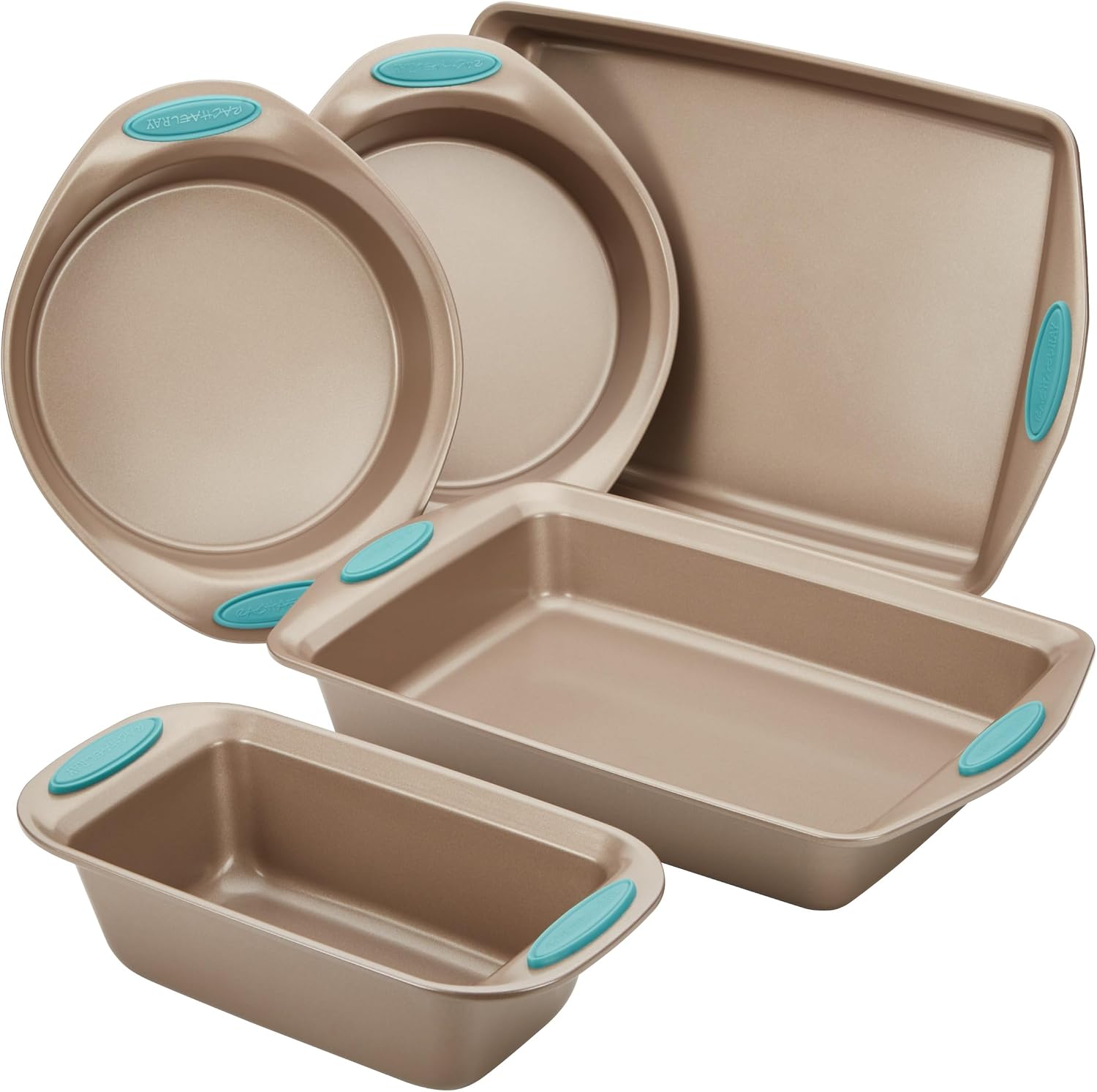
Sheet pans that don’t warp in a hot oven → Best Sheet Pans in 2026: Top Picks + Buying Guide
Affiliate disclosure: AislePrompt may earn a commission on qualifying purchases made through Amazon links, at no additional cost to you. See our policy →
Equipment for this recipe
Tools this recipe's steps call for, with a link to each on Amazon.
Instructions
- Step 1: Preheat oven to 425°F. Toss 1 lb trimmed asparagus with 1 tbsp extra virgin olive oil and 1/2 tsp sea salt on a baking sheet; roast for 12-15 minutes until tender and slightly browned on edges.
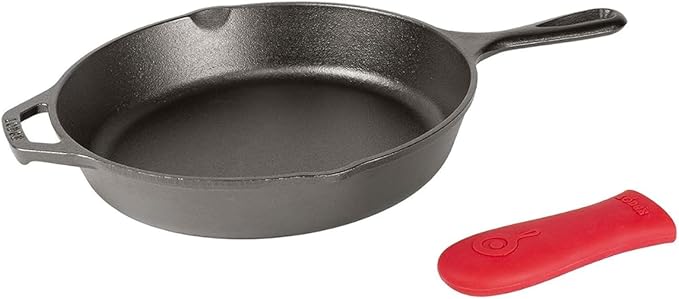
- Step 2: Meanwhile, pat dry 4 salmon fillets and season both sides with 1/2 tsp sea salt and 1/4 tsp black pepper. Heat 2 tbsp extra virgin olive oil in a large skillet over medium-high heat until shimmering.
- Step 3: Place salmon fillets skin-side down in the skillet and cook for 4-5 minutes without moving until edges are crispy and golden. Flip and cook an additional 3-4 minutes until salmon is opaque and flakes easily.
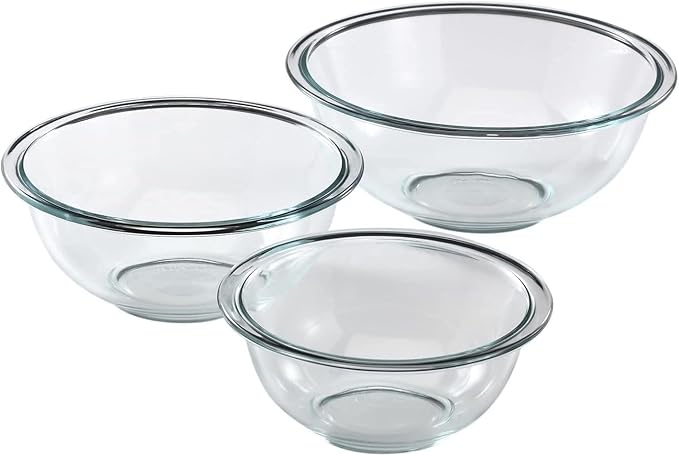
- Step 4: In a small bowl, whisk together 2 minced garlic cloves, 2 tbsp lemon juice, 1 tbsp orange juice, remaining 1/4 tsp black pepper, and 2 tbsp chopped parsley until well combined.
- Step 5: Plate salmon alongside roasted asparagus and drizzle the citrus dressing evenly over both just before serving.
Related recipes

Citrus-Grilled Salmon with Avocado-Cilantro Salsa
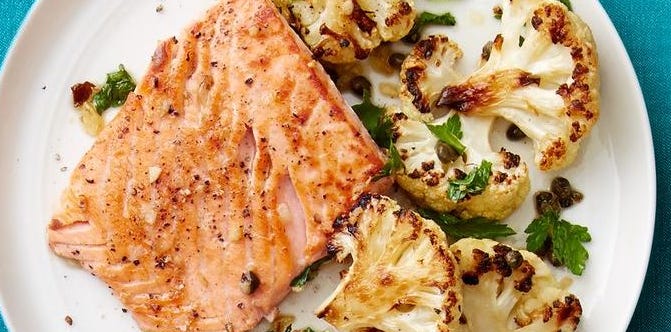
Pan-Seared Salmon with Roasted Cauliflower and Cumin

Sheet Pan Moroccan-Spiced Salmon with Cauliflower Rice
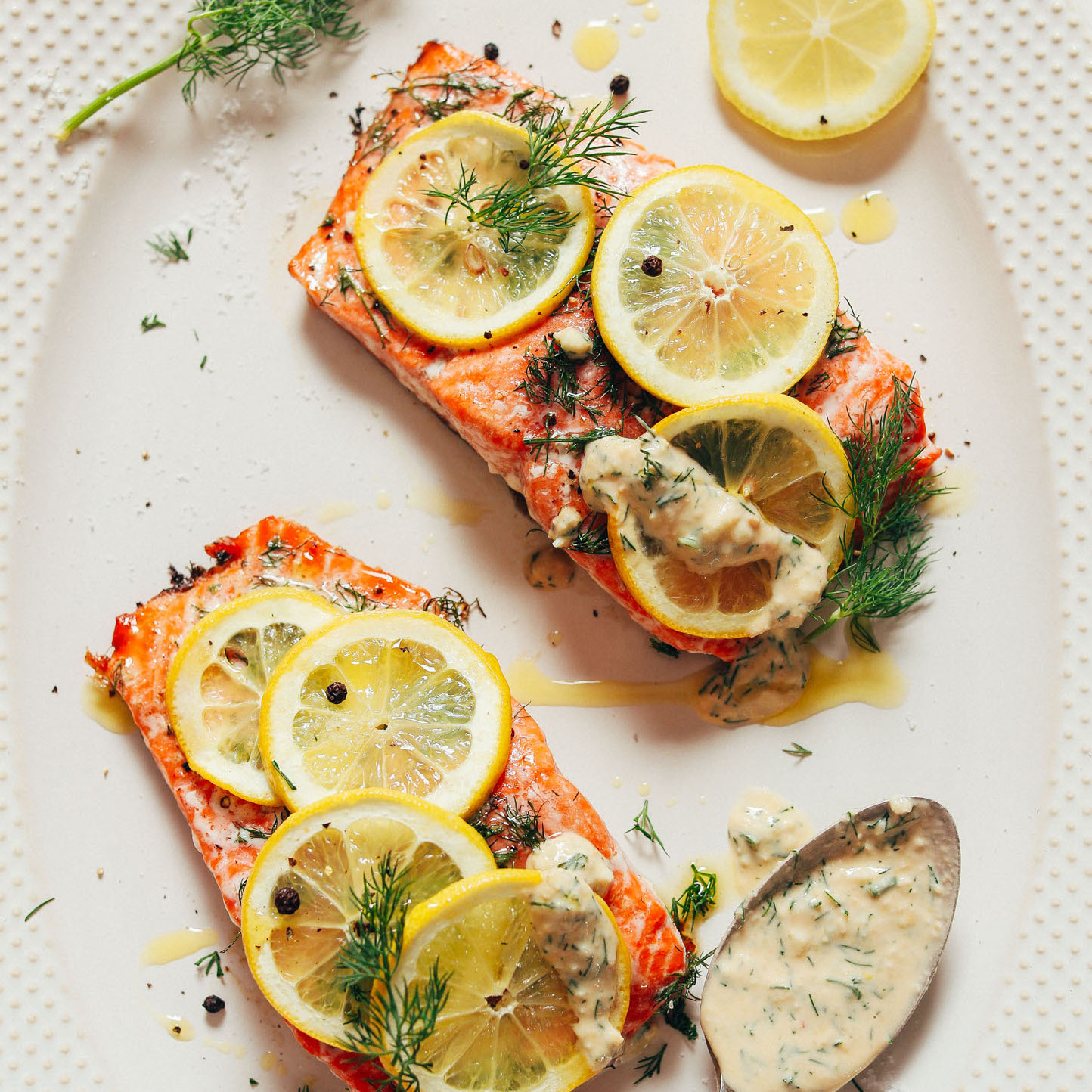
Roasted Lemon-Dill Salmon with Avocado-Cucumber Salad

Oven-Baked Salmon with Dill and Lemon-Asparagus

Oven-Baked Salmon with Lemon-Dill Zucchini Noodles