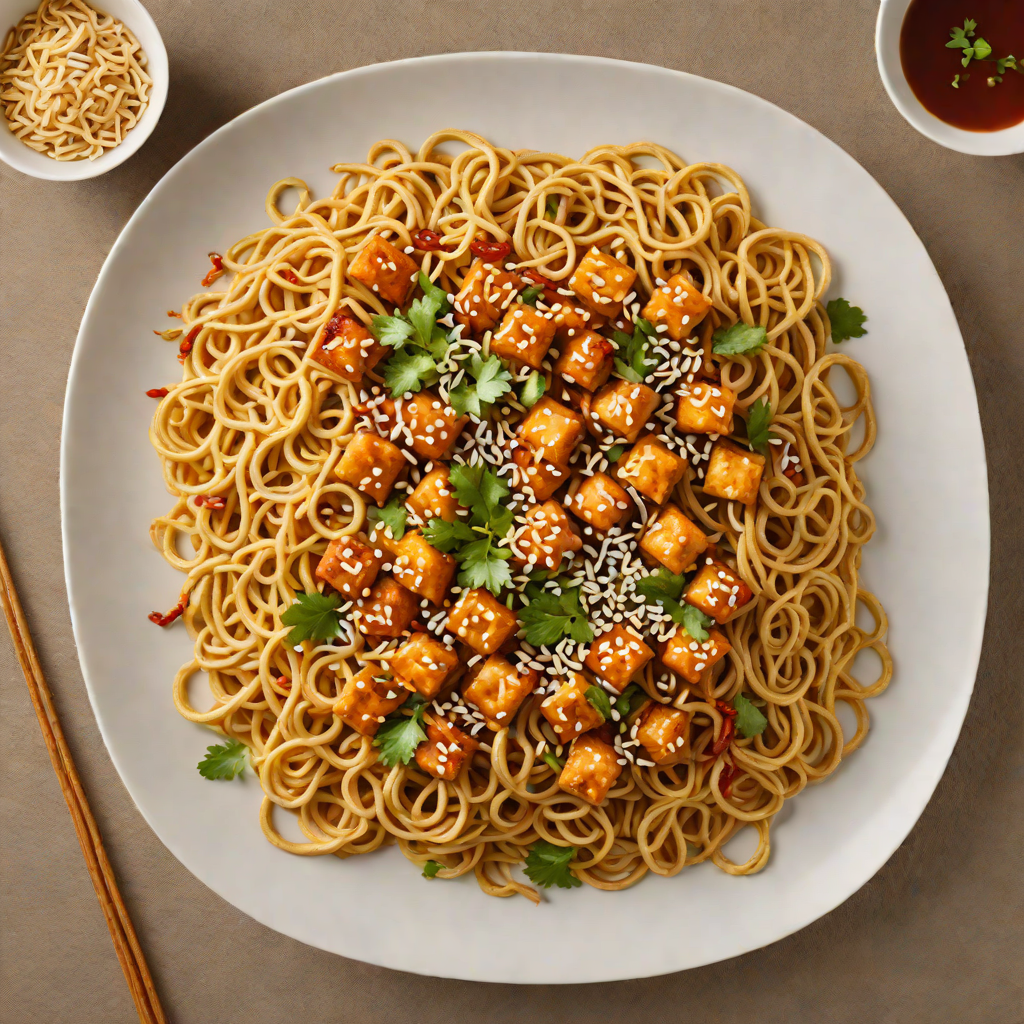
Sautéed Korean Bibimbap Vegetables with Gochujang Sauce
An assortment of colorful vegetables lightly sautéed and served over rice with a spicy, tangy gochujang sauce for a vegetarian Korean classic. This korean-inspired vegetarian ready in about 35 minutes blends spinach leaves, shiitake mushrooms, sliced, medium carrot, julienned into a versatile sauce that lifts everything from grain bowls and roasted vegetables to grilled proteins — a small-batch staple worth keeping in the fridge. Each serving lands at about 350 calories and feeds 4, so a small batch covers several meals across the week without taking over the fridge. Tap "Plan a meal with the AI" below to drop this recipe into your week and send the ingredients straight to Instacart. Nutrition values are approximate, calculated from USDA FoodData Central (fdc.nal.usda.gov) — verify against ingredient labels for any health-driven dietary plan.
Ingredients
- 4 cups spinach leaves
- 1 cup shiitake mushrooms, sliced
- 1 medium carrot, julienned
- 1 cup bean sprouts
- 1 medium zucchini, julienned
- 3 tbsp sesame oil
- 3 cloves garlic cloves, minced
- 2 tbsp soy sauce
- 2 tbsp gochujang (Korean chili paste)
- 1 tbsp rice vinegar
- 1 tsp sugar
- 1 tbsp sesame seeds
- 4 cups cooked short grain rice
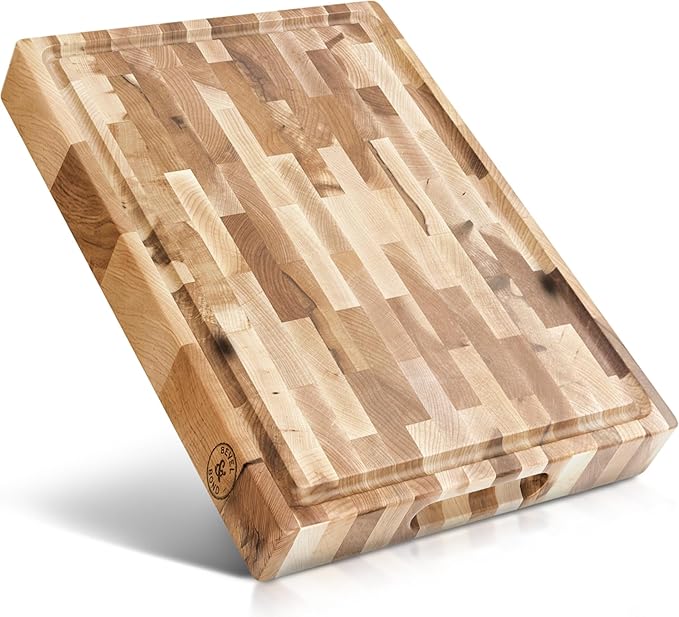
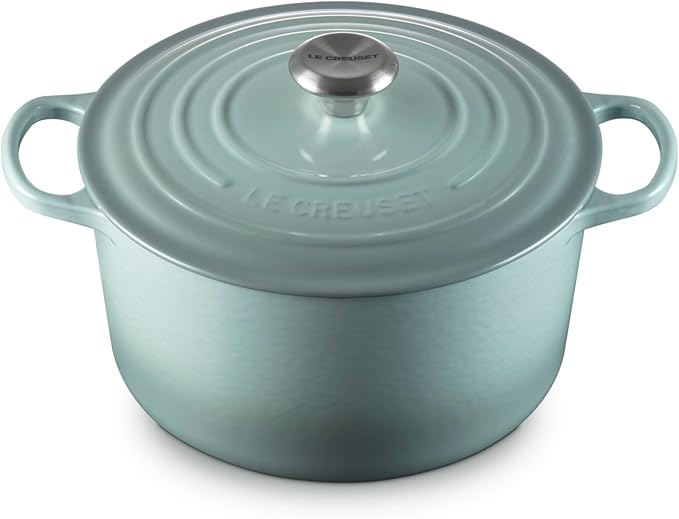
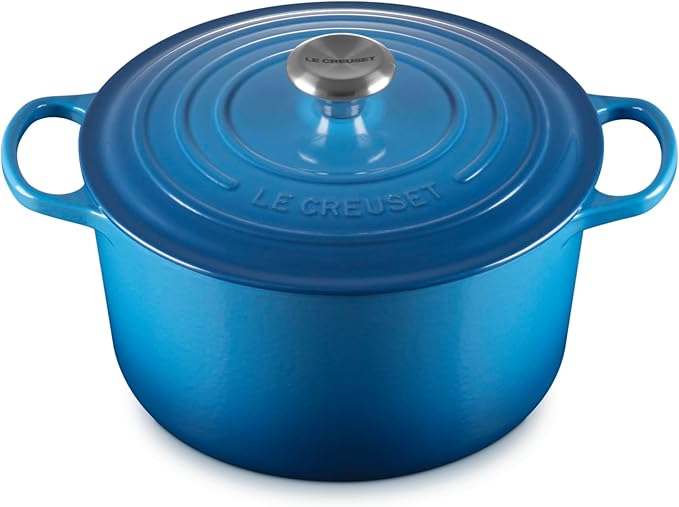
Equipment for this recipe
Top-rated tools to make this recipe successfully.

Instructions
- Step 1: Heat 1 tbsp sesame oil in a large skillet over medium-high heat. Add 3 minced garlic cloves and sauté for 30 seconds until fragrant.
- Step 2: Add 4 cups spinach leaves and cook, stirring, for 2 minutes until wilted. Transfer spinach to a bowl and season with 1 tbsp soy sauce.
- Step 3: In the same skillet, heat another 1 tbsp sesame oil and add 1 cup sliced shiitake mushrooms. Sauté for 4-5 minutes until tender and beginning to brown. Set aside.
- Step 4: Add 1 tbsp sesame oil to the skillet, then add 1 medium julienned carrot and 1 medium julienned zucchini. Cook for 3-4 minutes until just tender but still crisp. Remove and set aside.
- Step 5: Quickly blanch 1 cup bean sprouts in boiling water for 1 minute, drain thoroughly.
- Step 6: In a small bowl, whisk together 2 tbsp gochujang, 1 tbsp rice vinegar, 1 tsp sugar, and 1 tbsp soy sauce to create the sauce.
- Step 7: To serve, spoon 4 cups cooked short grain rice into bowls. Arrange the sautéed spinach, mushrooms, carrots, zucchini, and blanched bean sprouts on top in sections.
- Step 8: Drizzle the gochujang sauce over the vegetables and rice, then sprinkle 1 tbsp sesame seeds over everything. Mix well before eating.
Frequently asked questions
How long does Sautéed Korean Bibimbap Vegetables with Gochujang Sauce take to make?
Total time is about 35 minutes (20 min prep + 15 min cook). A small batch typically covers several meals in the week — store as the recipe directs.
How do I store leftover Sautéed Korean Bibimbap Vegetables with Gochujang Sauce?
Transfer to an airtight jar and refrigerate for up to 5–7 days. Most sauces freeze well for up to 2 months — portion into small containers or freezer bags so you can thaw only what you need. Stir before serving; cream- or yogurt-based sauces may separate on standing.
Can I substitute ingredients in Sautéed Korean Bibimbap Vegetables with Gochujang Sauce?
Yes — most ingredients in this recipe have flexible swaps. For oil, use any neutral high-smoke-point oil (avocado, grapeseed, refined coconut). For aromatics, dried herbs at ⅓ the volume of fresh work in a pinch. The full ingredient list is shoppable on Instacart so you can see substitutes in real time.
How do I scale Sautéed Korean Bibimbap Vegetables with Gochujang Sauce for a different number of people?
The recipe is written for 4 servings. Multiply each ingredient by (your serving target / 4). Cook time stays roughly the same up to 2x; for 3-4x batches, switch from a skillet to a sheet pan or stockpot so the food isn't crowded — overcrowding steams instead of browns.
Is Sautéed Korean Bibimbap Vegetables with Gochujang Sauce vegetarian?
Yes — this recipe is tagged vegetarian based on its ingredient list. Always cross-check labels for packaged ingredients (sauces, broths, condiments) since formulations vary by brand.
Related recipes
Spiced Korean-Style Stir-Fried Tofu with Vegetables
Crispy Korean-Style Tofu Stir Fry with Gochujang Glaze
Pan-Fried Korean Spicy Tofu with Scallions
Spicy Korean-Style Stir-Fried Tofu with Gochujang Glaze
Stir-Fried Korean-Spiced Tofu with Gochujang Glaze
Stir-Fried Udon Noodles with Spicy Sesame Tofu