20 Best Middle Eastern Dinner Recipes for Weeknight Cooking
The 20 catalog-tested dinners — chicken shawarma to harissa salmon — and the six-flavor pantry that ties them together.
Easy Middle Eastern dinner recipes lean on a small pantry — tahini, sumac, za'atar, olive oil, chickpeas, lamb or chicken — and most finish in 30 to 45 minutes on a weeknight. This list covers 20 catalog-tested dishes: the classics (chicken shawarma, lamb kofta, falafel, tabbouleh) plus lesser-known weeknight wins (mujadara, freekeh pilaf, harissa salmon), grouped so you can find a recipe by cuisine, protein, or time-on-hand.
Get a free week of easy dinners
Seven weeknight dinners with the shopping list already totalled, sent Sunday. No account needed, unsubscribe in one click.
No spam, unsubscribe in one click. Recipes, shopping lists and Instacart carts all work without an account either way.
Introduction: The Middle Eastern pantry that unlocks a week of dinners
Middle Eastern cooking has quietly become one of the best cuisines for weeknight dinner rotation in the US. A 2025 Bon Appétit — Best Middle Eastern Recipes roundup noted a five-year climb in home-cook interest, driven by three things: recipes that reheat well, protein flexibility (swap chicken for lamb or chickpeas without breaking the dish), and a spice cabinet that costs roughly $30 up-front and covers dozens of meals.
The core pantry is smaller than most people expect. Six ingredients — tahini, sumac, za'atar, pomegranate molasses, harissa, and preserved lemon — power the majority of what you'll cook from this list. Add olive oil, cumin, coriander, cinnamon, chickpeas, bulgur or freekeh, feta, yogurt, and fresh parsley + mint, and you can put a real dinner on the table in the time it takes to preheat the oven.
This roundup pulls 20 recipes from the AislePrompt catalog, filtered to what actually works at home on a Tuesday. Each links directly to the full recipe with ingredients scaled and a shopping-list export. If you're brand new to the cuisine, start with hummus, shakshuka, and chicken shawarma — those three alone cover breakfast, mezze, and a family dinner without repeating a technique.
Who this list is for (and the equipment you'll want)
This list is for home cooks who want variety without recipe fatigue. If you already own a sheet pan, a cast-iron skillet, and a food processor, you can cook 17 of the 20 recipes below without buying anything else. The remaining three (lamb tagine, mansaf, kibbeh) benefit from — but don't require — a heavy Dutch oven, a wide serving platter, and a hand-cranked meat grinder respectively.
Realistic weeknight cook times run 25–45 minutes for most sheet-pan and skillet dishes, 60–90 minutes for tagines and slow-simmered stews (which you can start Sunday and reheat all week), and 15–20 minutes for salads and dips. If you have a family with mixed preferences, 8 of the 20 are naturally vegetarian, 4 are seafood or egg-based, and the rest scale from 2 to 8 servings without recipe surgery.
One deliberate omission: syrup-heavy desserts like baklava and kunafa. This is a dinner list. Sweets deserve their own guide.
The 6 flavor building blocks: sumac, za'atar, tahini, pomegranate molasses, harissa, preserved lemon
Learn these six flavors and you can cook 90% of Middle Eastern home food. Skip the "authentic vs. modern" debate — every family in Beirut, Amman, or Marrakech makes each of these differently.
Sumac is a dried, ground berry with a lemon-lime tang and no acidity to speak of. Sprinkle it over fattoush, roasted vegetables, hummus, or grilled chicken as a finishing spice. A $6 jar lasts six months. Serious Eats — Middle Eastern Recipes hub covers sumac use in more depth if you want the primer.
Za'atar is a mix of dried thyme (or wild hyssop), toasted sesame seeds, sumac, and salt. Recipes vary by region — Palestinian za'atar leans grassy, Lebanese blends run sharper — but any jar labeled za'atar from a Middle Eastern grocer works. Rub it into chicken thighs, mix into olive oil for a bread dip, or shower over labneh.
Tahini is ground sesame paste. Buy a Lebanese, Palestinian, or Israeli brand (Soom, Seed + Mill, Al Wadi, Alwadi Al Akhdar) — cheap tahini from big-box stores tastes bitter. It thickens dressings, thins into sauces with lemon juice + garlic + water, and glues together every dip on the mezze table.
Pomegranate molasses is reduced pomegranate juice — thick, tangy-sweet, almost balsamic-adjacent. A spoonful glazes lamb, brightens muhammara, and finishes roasted eggplant. One bottle lasts a year in the fridge.
Harissa is a North African chile paste — smoky, garlicky, hot. Tunisian brands (Le Phare du Cap Bon, Mina) are the reference. Use as a marinade for salmon or shrimp, whisk into yogurt for a quick dip, or stir a spoonful into stew.
Preserved lemon is whole lemons packed in salt for weeks. The rind is what you use — chopped finely, added to tagine, stirred into chicken. Buy Meyer preserved lemons if you can find them; DIY with a jar of Meyer lemons and kosher salt takes 4 weeks and costs $5.
20 Curated Middle Eastern Dinner Recipes from the AislePrompt Catalog
Every recipe below is a working link — click through for exact quantities, shopping-list export, and step timing. Ratings and prep-time details live on the recipe page.
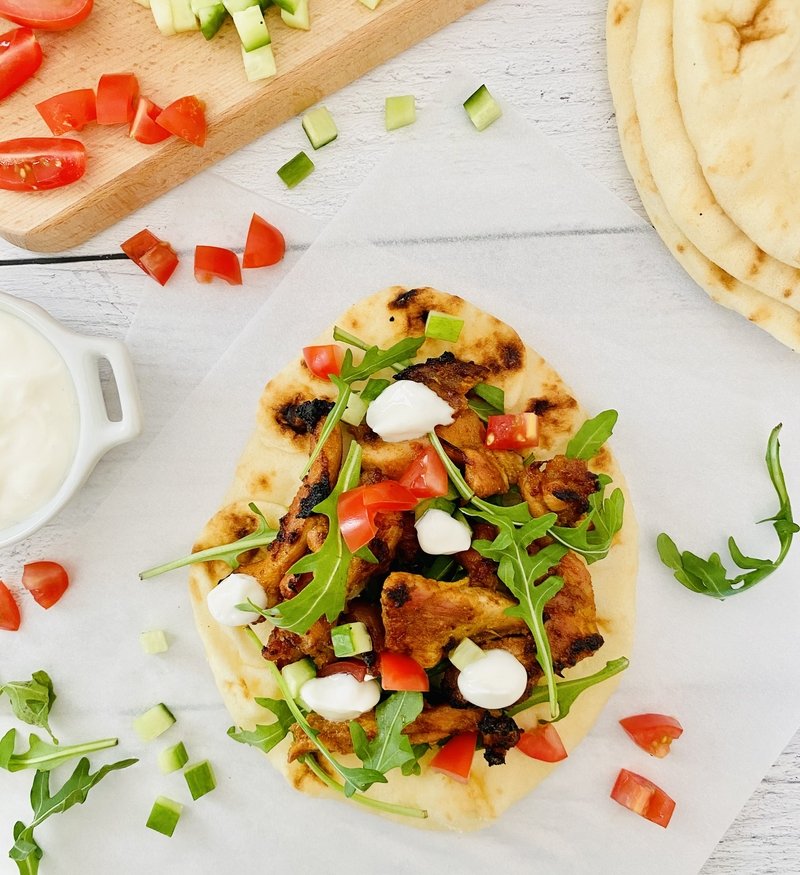
1. Sheet Pan Chicken Shawarma with Garlic Yogurt Sauce — the canonical weeknight shawarma. Boneless thighs, one sheet pan, garlic-yogurt on the side. 35 minutes end-to-end.
2. Dearborn-Inspired Lamb Kofta with Spiced Yogurt Dip — hand-shaped skewers, ground lamb + parsley + onion + baharat. Dearborn, Michigan, has the deepest Arab-American food tradition in the country, and this recipe leans on it.
3. Grilled Saffron Chicken Kebabs with Sumac and Yogurt Marinade — Persian-style joojeh kabab. Yogurt tenderizes overnight, saffron perfumes the meat.
4. Oven-Baked Falafel with Tahini Lemon Sauce — dried (not canned) chickpeas soaked 24 hours, oven-baked instead of deep-fried. 400–450 calories per serving.
5. Fattoush Salad with Lemon-Tahini Dressing — the Levantine "bread salad" — crispy pita, cucumbers, tomatoes, radishes, mint. Sumac in the dressing.
6. Tangy Tabbouleh Salad with Fresh Parsley and Bulgur — heavy on parsley (it's the main ingredient, not garnish), fine bulgur, tomato, mint, lemon, olive oil. That's it.
7. Authentic Lebanese Hummus with Pita and Grilled Vegetables — dried chickpeas, high-quality tahini, ice water. The ice water is not optional — it's what makes it silky.
8. Oven-Roasted Eggplant Baba Ganoush with Lemon and Tahini — char the eggplant until the skin blisters. Drain, then whisk with tahini, garlic, lemon.
9. Roasted Eggplant Muhammara with Pomegranate Molasses — Aleppo-style red pepper + walnut dip, spiked with pomegranate molasses. Serve room-temperature.
10. Palestinian Mujadara with Tahini Drizzle — the classic lentil-and-rice comfort dish, topped with caramelized onions. Vegan, cheap, and better the next day.
11. Mind-Bending Spiced Lamb Tagine with Apricots — Moroccan slow-braise, sweet-savory, ras el hanout. Cook Sunday, eat all week.
12. Authentic Moroccan Shakshuka — eggs poached in a spiced tomato-pepper sauce. Legally required to serve directly from the skillet.
13. Spiced Lamb Kibbeh with Bulgur and Pine Nuts — bulgur-and-lamb "meatballs" or torpedoes, pine nut filling. Arguably the national dish of Lebanon.
14. Oven-Baked Greek Stuffed Grape Leaves with Lemon Yogurt Sauce — dolmas, rice-and-herb stuffed, served warm with yogurt.
15. Mujadara Lentils and Caramelized Onion Rice Bowl — the modern bowl-food take on mujadara, plated with pickled turnips and a soft egg.
16. Spiced Chickpea and Freekeh Pilaf with Pomegranate Seeds — freekeh is fire-roasted green wheat, smoky, chewy, and 20% protein. A complete vegetarian dinner.
17. Spiced Lamb and Beetroot Flatbreads with Bush Tomato Chutney — lahmajun-style, ground lamb spread thin over dough, blistered under the broiler.
18. Authentic Lebanese Mansaf — the ceremonial Jordanian-Lebanese dish: lamb, yogurt (jameed), rice, pine nuts, torn flatbread on the bottom. Serves 8. Cook this for company.
19. Sheet Pan Za'atar Chicken with Preserved Lemon and Chickpeas — bone-in thighs, chickpeas, preserved lemon, za'atar. One pan, 45 minutes.
20. Sheet Pan Harissa-Spiced Salmon with Roasted Cauliflower — the crossover seafood option. Harissa glaze on salmon, cauliflower roasts alongside, 25 minutes total.
5 Under-30-Minute Weeknight Picks
Pressed for time? These five hit the table in under half an hour, start to finish. Prep and cook overlap; nothing needs long marination.
| # | Recipe | Total time | Cost per serving (est.) |
|---|---|---|---|
| 1 | Sheet Pan Harissa Salmon | 25 min | $6.50 |
| 2 | Fattoush Salad | 20 min | $3.20 |
| 3 | Moroccan Shakshuka | 25 min | $2.80 |
| 4 | Tabbouleh | 20 min (soak bulgur first) | $2.10 |
| 5 | Sheet Pan Chicken Shawarma | 30 min (marinade first) | $4.90 |
The trick with weeknight Middle Eastern cooking is front-loading marinades. Marinate the shawarma or kebabs the night before (or morning of), and you're 5 minutes of prep away from dinner. Batch-make the tahini sauce and store it — it lasts a week in the fridge and improves after 24 hours.
Chicken and lamb classics
The grilled-meat side of Middle Eastern cooking is what most Americans know first — shawarma spits, kebab houses, gyros counters. At home you can hit 85% of that flavor with one of these three techniques:
Sheet-pan roasting — the boneless-thigh + yogurt-marinade shortcut. Yogurt tenderizes and browns; sumac, cumin, coriander, paprika, garlic, and lemon do the rest. See chicken shawarma or za'atar chicken.
Skewer grilling — kebabs and kofta. Wooden or metal skewers, high direct heat, 8–10 minutes per side. Kofta is ground lamb + onion + parsley + baharat squeezed onto flat skewers. Kebab is cubed meat. Try the lamb kofta or the saffron chicken kebabs.
Slow braises — tagines, mansaf, and stews. Bone-in lamb shoulder + spices + dried fruit + long low heat. The lamb tagine freezes well in 2-cup portions.
A pro tip from most Levantine home cooks: brine chicken thighs in salted water + a splash of yogurt for 4 hours before any of these. It makes them nearly impossible to overcook.
Vegetarian and lentil mains
Some of the strongest weeknight recipes in this cuisine are vegetarian by default. Chickpeas, lentils, bulgur, freekeh, and eggplant do most of the heavy lifting.
- Legume-forward mains: Palestinian mujadara and the modern rice-bowl version. Both cost under $2/serving and pack 18–22g of protein.
- Grain plates: Freekeh chickpea pilaf is a full dinner — freekeh runs 20% protein by weight and holds up to bold flavors.
- Eggplant + tomato: Baba ganoush, muhammara, and shakshuka. All three are naturally vegan without substitutions (drop the feta on shakshuka), and shakshuka scales from 2 to 6 servings in one pan.
- Chickpea-based: Falafel is the classic, and the oven-baked version cuts the oil to ~1 tablespoon per serving.
The New York Times Middle Eastern Recipes collection has a good overview of how much of the traditional cuisine is plant-forward — most weeknight dinners in the region are vegetarian by budget, not by dietary choice.
Seafood plates
Middle Eastern seafood is under-represented in US grocery stores, but the ideas travel well. Two approaches for a weeknight:
Harissa-glazed sheet-pan fish — the fastest route. Sheet pan harissa salmon with roasted cauliflower uses one pan and takes 25 minutes. Sub cod, halibut, or trout at the counter — same technique, same timing.
Grilled whole fish with tahini — the mezze-night showstopper. Whole branzino or sea bass, scored, salted, oiled, grilled 6 min/side, then dressed with tahini-lemon sauce and pomegranate seeds. If you don't have a grill, broil at 500°F on the top rack, 4 inches from the element.
Shrimp play well with the same spice palette — harissa, sumac, cumin, garlic, lemon. Cook them 90 seconds per side in a hot skillet, finish with parsley + mint.
How to build a Middle Eastern mezze night at home
Mezze is a way of eating, not a specific menu. Small plates of contrasting textures, served at once, eaten slowly. Here's a template that feeds 6–8 as dinner or 10–12 as appetizers:
| Category | Pick 2–3 | Serve at |
|---|---|---|
| Creamy dips | Hummus, baba ganoush, labneh | Room temp |
| Fresh salads | Fattoush, tabbouleh | Cold |
| Warm bites | Falafel, kibbeh, grilled halloumi | Hot |
| Pickled + condiments | Muhammara, turnip pickles, olives, harissa | Room temp |
| Bread + starch | Warm pita or lavash, stuffed grape leaves | Warm |
Batch-prep the dips 1–2 days ahead — they hold and improve. Make the hot items last, right before serving. Warm the pita in the oven for 5 minutes wrapped in foil so it stays soft.
Drinks: sparkling water with lemon and mint, or Turkish coffee with cardamom for after. The kitchen-tools guide at AislePrompt's meal-plan feature will export the full mezze shopping list to Instacart if you'd rather skip the manual list-building.
Kitchen equipment worth owning
You don't need specialty gear to cook most of this list. Here's what actually earns counter space, ranked by dishes-per-week:
| Tool | Category | Used for | Priority |
|---|---|---|---|
| Sheet pan (half) | Cookware | Shawarma, salmon, roasted eggplant, za'atar chicken | Must-have |
| 8" chef's knife | Knives | Herbs by the pound (parsley, mint) | Must-have |
| Food processor | Small appliances | Hummus, falafel, muhammara, tahini sauces | Highly recommended |
| Wide skillet / cast iron | Cookware | Shakshuka, kofta, kibbeh | Highly recommended |
| Fine microplane grater | Utensils | Preserved lemon, garlic, ginger | Highly recommended |
| Enameled Dutch oven | Cookware | Tagine, mansaf, mujadara, freekeh pilaf | Nice-to-have |
| Grill or grill pan | Cookware | Kebabs, kofta, whole fish | Nice-to-have |
| Wooden or metal skewers | Utensils | Kebabs, kofta | $5, buy them |
If you're building from zero, the sheet-pan + chef's knife + food processor + wide skillet combo covers 15 of the 20 recipes on this list. Everything else can wait until you know which style of dinner you cook most often.
FAQ
What ingredients define Middle Eastern cooking?
The pantry starts with olive oil, tahini, sumac, za'atar, cumin, coriander, cinnamon, allspice, and pomegranate molasses; fresh parsley and mint are used in massive quantities. Chickpeas, lentils, bulgur, and freekeh are the grain backbone. Yogurt, feta, halloumi, and labneh appear in most meals. Add preserved lemon and harissa for North African crossovers. Most of these keep 6–12 months in a cool pantry — a $30 first-time investment covers dozens of dinners.
Is Middle Eastern food healthy?
Broadly yes — traditional Middle Eastern cuisine overlaps heavily with the Mediterranean diet (whole grains, legumes, olive oil, lots of vegetables, moderate protein). It's naturally high in fiber, plant-based protein, and heart-healthy fats. Watch portions on fried foods (falafel, sambusek) and syrup-drenched sweets (baklava, kunafa), which run high in calories. Most of the dinner recipes in this roundup are 400–600 calories per serving.
What's the difference between Middle Eastern and Mediterranean food?
Middle Eastern cuisine is a subset of Mediterranean cooking that spans Lebanon, Syria, Jordan, Palestine, Israel, Iraq, Iran, and the Arabian Peninsula. It leans on grilled meats, tahini-based sauces, sumac, and pomegranate molasses. "Mediterranean" more broadly includes Greek, Italian, Spanish, and North African cuisines — sharing olive oil and vegetables but diverging on spices and grains. Most Middle Eastern recipes qualify as Mediterranean; the reverse isn't always true.
Can I find Middle Eastern ingredients at a regular grocery store?
Most staples now exist in mainstream US supermarkets: tahini, hummus, feta, chickpeas, cumin, cinnamon, and pita bread. Sumac, za'atar, pomegranate molasses, and preserved lemons are hit-or-miss — try the international aisle first, then Whole Foods or a local Middle Eastern grocery. Online (Amazon, Kalustyan's, Sadaf) covers the rest. AislePrompt's shopping list flags which stores near you carry each specialty item before you head out.
How do I build a Middle Eastern mezze night at home?
Pick 5–7 small dishes across textures: creamy (hummus, baba ganoush, labneh), fresh (fattoush, tabbouleh), warm (falafel, kibbeh, grilled halloumi), and pickled (turnip pickles, olives). Serve with warm pita and a big salad. Batch-prep the dips 1–2 days ahead; make hot items just before serving. Feeds 6–8 as dinner or 10–12 as appetizers. AislePrompt's meal-plan feature will build the full mezze shopping list in one click.
Sources
- Bon Appétit — Best Middle Eastern Recipes — editorial context on the cuisine's evolution in US home cooking.
- Serious Eats — Middle Eastern Recipes hub — background on core techniques and pantry.
- New York Times Cooking — Middle Eastern Recipes — reference collection covering the regional breadth.
Frequently asked questions
What ingredients define Middle Eastern cooking?
Is Middle Eastern food healthy?
What's the difference between Middle Eastern and Mediterranean food?
Can I find Middle Eastern ingredients at a regular grocery store?
How do I build a Middle Eastern mezze night at home?
Sources
Plan a week of meals in two minutes.
Tell our AI what you have and what you like — it builds your plan, shopping list, and Instacart cart. No account needed.
Try free →