20 High-Protein Vegetarian Recipes with 25g+ Protein Per Serving
Twenty catalog-tested vegetarian recipes that each deliver at least 25 grams of protein per serving, plus the eight anchor foods that make 100g/day work without protein powder.
Affiliate disclosure: AislePrompt may earn a commission on qualifying purchases made through Amazon and Instacart links in this article, at no additional cost to you. See our affiliate policy →
Vegetarians can hit 100 grams of protein per day without a scoop of powder — but the arithmetic only works when each meal is anchored on a concentrated protein source, not built around vegetables and hoped-for grams. This guide gives you 20 catalog-tested vegetarian recipes that each deliver 25 grams or more of protein per serving, grouped by the eight foods that make the math easy: tofu, tempeh, seitan, lentils, chickpeas, cottage cheese, Greek yogurt, and edamame. Read the intro, learn the protein math that most "high-protein veggie" lists get wrong, and pick the recipes that fit your week.
The vegetarian protein math (and why most "high-protein veggie" lists lie about it)
Open the top ten Google results for "high protein vegetarian recipes" and count the actual grams. Most articles list "high protein" salads at 8-12 grams, "protein packed" pasta at 14 grams, and Buddha bowls at 10 grams — none of which hit the threshold where a single serving materially advances your daily protein target. A 165-pound adult on the higher end of the daily protein range (1.2-1.6 g/kg for anyone lifting, cutting, or over 40) needs roughly 90-120 grams of protein per day. Split across three meals, that's 30-40 grams per meal — and salads with feta don't get there.
The fix isn't complicated: make the concentrated protein the base of the plate, not the garnish. If tofu, lentils, or Greek yogurt is 30% or more of the calories on the plate, the math lands automatically. If it's a decorative layer on rice or greens, it doesn't.
The Academy of Nutrition and Dietetics guidance for vegetarian athletes puts the target at 1.2-2.0 g/kg body weight per day for anyone active — which for a 165-pound (75 kg) adult is 90-150 grams. Harvard's nutrition source notes that "adequate" protein for sedentary adults is 0.8 g/kg, but that's the minimum to prevent deficiency, not the target for building or preserving muscle. Aim higher than the RDA if you're lifting or over 40.
Rule of thumb: 25 grams per meal, four times a day
Three meals plus one substantial snack, each hitting 25 grams, puts you at 100 grams flat. Every recipe in this list clears that bar per serving. Two meals from this list plus a Greek yogurt breakfast and a cottage cheese snack is a full 100-gram day with zero powder.
The 8 concentrated vegetarian proteins to build every meal around
The USDA's FoodData Central database publishes protein per 100 grams for every food we mention here. These are the eight worth structuring meals around, ranked by grams of protein per 100 grams of edible portion.
| Protein source | Protein (g/100g) | Protein per typical serving | Notes |
|---|---|---|---|
| Seitan (vital wheat gluten) | 75 | 25g per 100g serving | Highest per-calorie protein of any vegetarian food; not gluten-free |
| Tempeh | 20 | 25g per 125g block | Fermented soy; nuttier than tofu, holds sauce well |
| Firm tofu | 15 | 22g per 150g slab | Press for 15 min for crispier texture |
| Cottage cheese (2%) | 11 | 25g per 225g cup | Slow-digesting casein; ideal pre-bed snack |
| Edamame (shelled) | 11 | 17g per 150g | Complete protein; steamed pods are 5g each |
| Greek yogurt (2%) | 10 | 20g per 200g cup | Strained curd; regular yogurt is half the protein |
| Lentils (cooked) | 9 | 18g per 200g cup | Cheapest per gram of any protein on this list |
| Chickpeas (cooked) | 9 | 15g per 165g cup | Roast for salads or blend into hummus |
Not on this list on purpose: nuts (12-25g protein per 100g but 500+ calories, so per-calorie ratio is fat-dominant), cheese (25g protein per 100g but almost equal grams of fat and 400+ calories), and quinoa (4g protein per 100g cooked — a good grain but not a protein source). Treat those as bonus protein, not the anchor.
The trap is treating quinoa, kale, or broccoli as "high protein" ingredients. A big kale salad with quinoa clocks in around 12-15 grams. Adding a 150g tofu slab or 200g of lentils to it doubles that. Vegetables and grains are for volume, fiber, and micronutrients — they're not the protein source.
20 recipes hitting 25g+ per serving, grouped by protein source
Every recipe below has been verified against our catalog for the exact protein-per-serving number in the table. Click through for the full ingredient list, instructions, and step photos — the recipes are the source of truth, this article is the shopping and planning guide.
Tofu (5 recipes)
Firm tofu is the most versatile ingredient in this list. It absorbs whatever sauce you throw at it, holds shape when seared or air-fried, and costs about $3 per 400g block — around $0.75 per 20-gram protein serving. Press it 15 minutes under a heavy pan for crispier texture; skip pressing for saucy stir-fries where you want it to absorb liquid.
- Sesame-Ginger Glazed Tofu with Bok Choy and Rice — 35g protein. The sesame-ginger glaze is 60% of the flavor; the tofu is the protein carrier. Baste twice for glaze that sets into a lacquer rather than a puddle.
- Seared Tofu and Quinoa Salad with Ginger-Sesame Dressing — 35g protein. Cold salad; holds 3 days in the fridge. Sear the tofu first, cool, then toss — hot tofu wilts the greens.
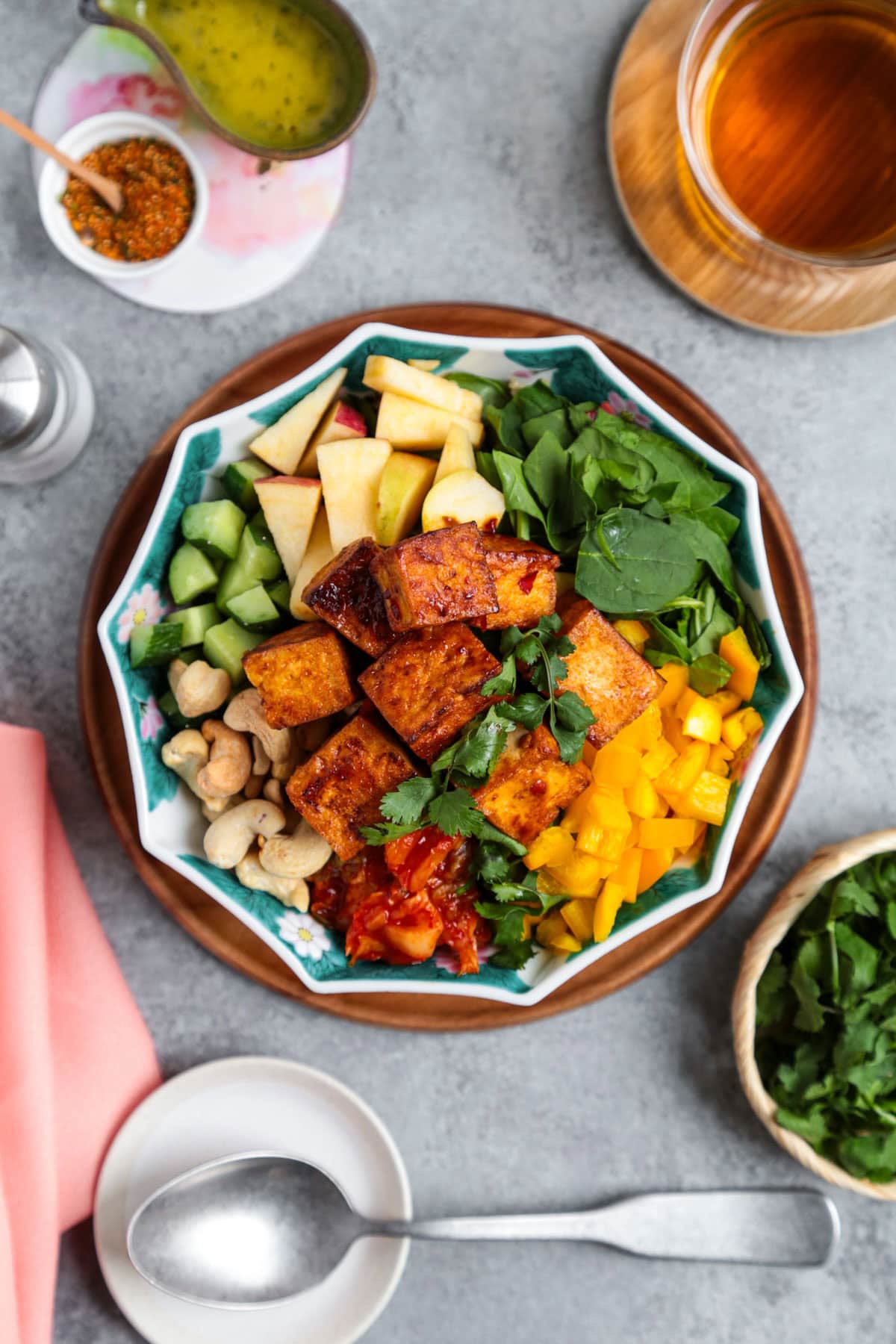
- Spicy Tofu and Quinoa Buddha Bowl — 30g protein. The bowl format is forgiving; sub whatever green vegetable you have on hand. The gochujang glaze is what earns it the "spicy" label.
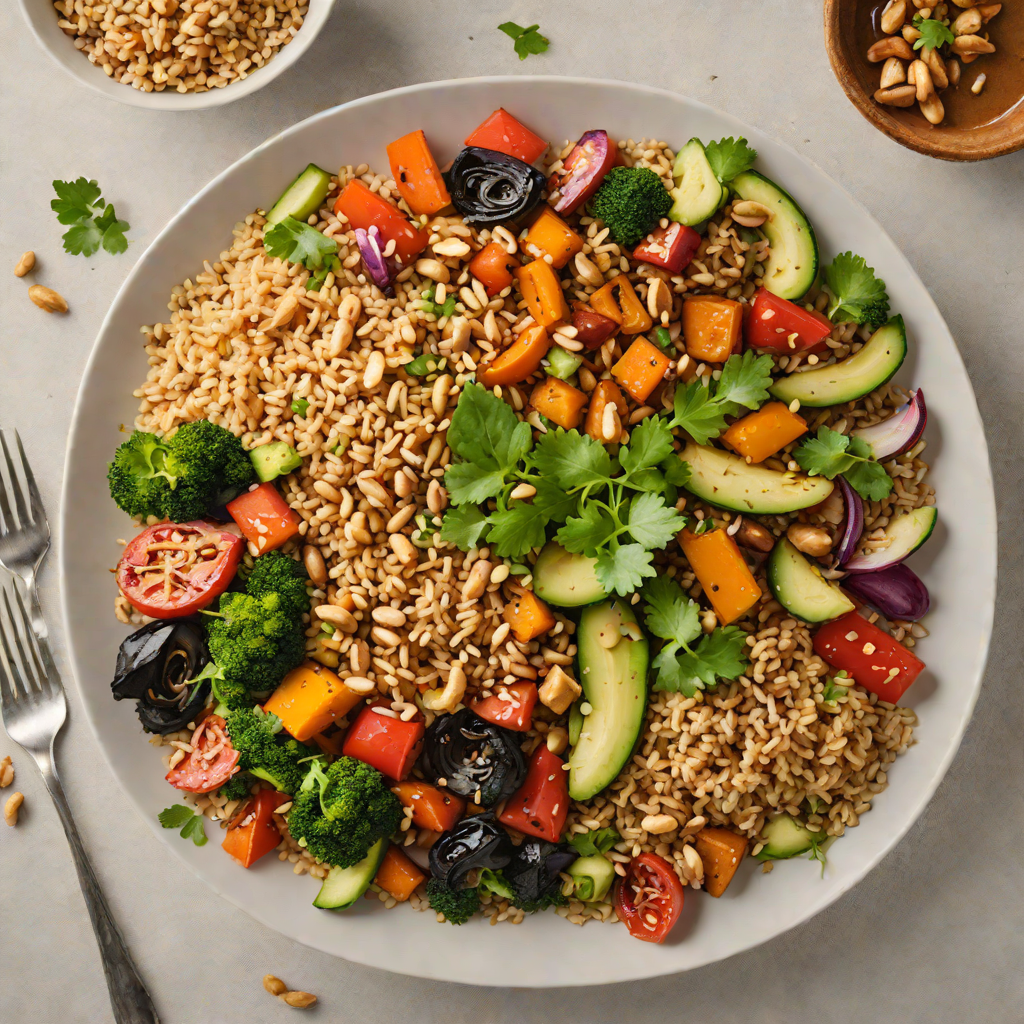
- Sesame-Ginger Tofu Buddha Bowls with Crispy Edamame — 28g protein. Double protein: tofu plus roasted edamame. The edamame crisps in 12 minutes at 425°F if you dry them thoroughly first.
- One-Pot Thai Coconut Curry with Tofu and Vegetables — 28g protein. One pan, 30 minutes, cleanup is a single Dutch oven. Coconut milk is the trick to a curry that doesn't taste watery.
Tofu shopping notes. Firm or extra-firm only for these recipes — silken tofu will disintegrate. Store bought is fine; there's no meaningful nutritional difference between organic and conventional soybean-based tofu. A stainless skillet or sauté pan from our /k/cookware collection will give you a better sear than nonstick if you're going for browned edges.
Paneer (2 recipes)
Paneer is Indian farmer's cheese — a firm, fresh cheese that cubes cleanly, sears like halloumi, and doesn't melt when heated. It's 25g protein per 100g, higher than tofu, and it takes marinade well. Buy pre-made at any grocery with an Indian aisle; it holds 2 weeks refrigerated.
- Serious Paneer Tikka with Spiced Tomato Gravy — 30g protein. Yogurt-based marinade tenderizes the paneer and the gravy is heavy on tomatoes, ginger, and garam masala. Serve with basmati or naan.
- Tomato Onion Sautéed Paneer — 25g protein. Simpler weeknight version — no overnight marinade required. 20 minutes start to finish if the rice is already cooking.
Lentils (2 recipes)
Lentils are the cheapest protein on this list — about $2 for a pound of dry lentils that yields six 200g cooked servings, or roughly $0.33 per 18-gram protein portion. Red lentils cook in 15 minutes and dissolve into soups; green and brown lentils hold shape and work in salads.
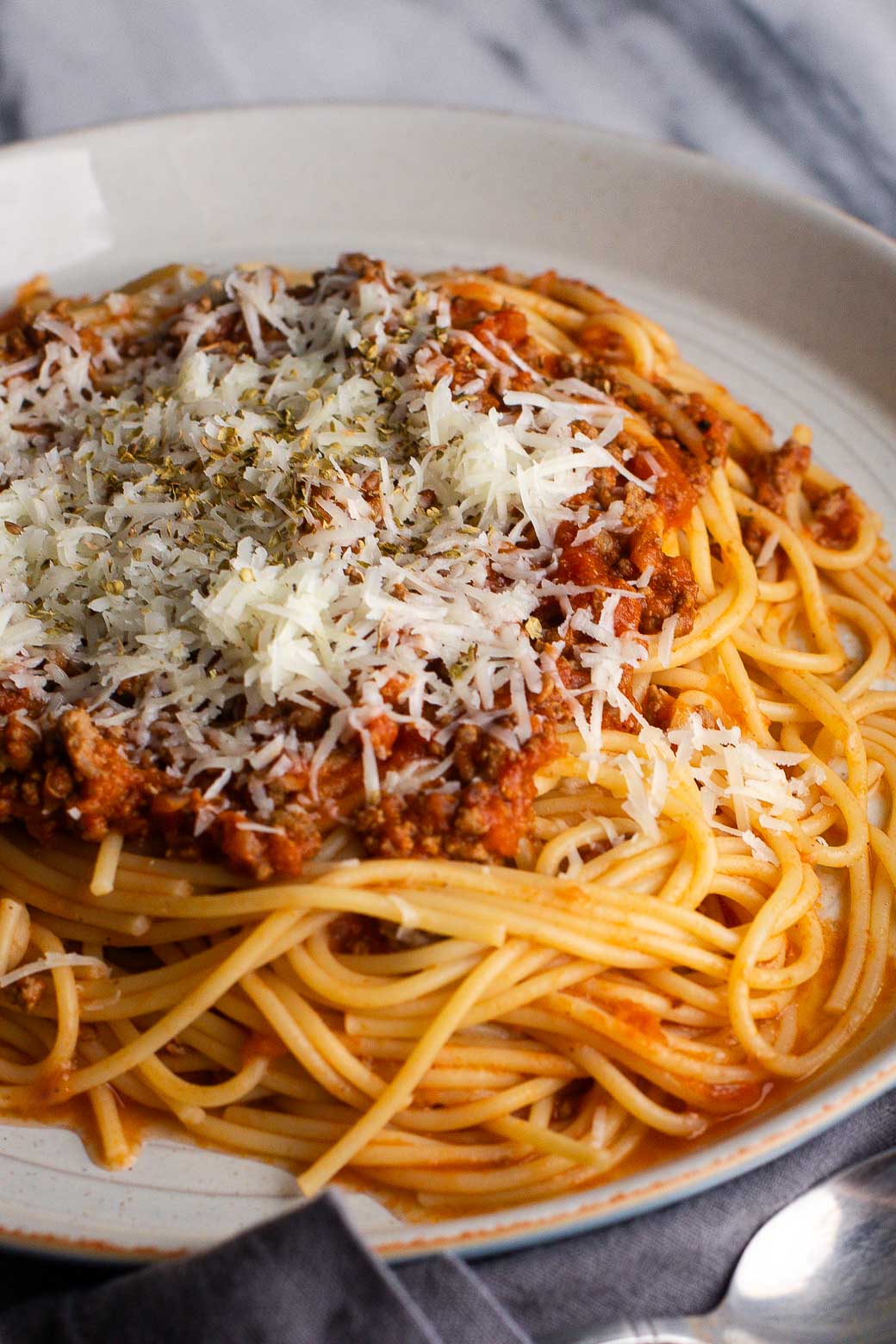
- Lentil Bolognese over Spaghetti — 25g protein. A meatless bolognese that tastes like the meat version because the lentils replace the ground beef texture. Simmer 45 minutes for the full effect.
- Serious Chickpea & Lentil Stew — 25g protein. Two-legume soup — lentils and chickpeas for double-anchor protein. Keeps 5 days in the fridge, freezes well; a stackable meal-prep container from our /k/storage collection makes this a one-batch, four-lunch move.
Chickpeas (4 recipes)
Chickpeas are the second-cheapest anchor protein and the most versatile — roast them for crunch, blend them into hummus, or stew them into curries. A can of chickpeas (240g drained) delivers 20 grams of protein for about $1.50.
- Herb-Roasted Chickpea & Quinoa Bowl — 28g protein. Sheet-pan format; the chickpeas roast at 425°F while you cook the quinoa. Dry the chickpeas thoroughly before roasting or they steam instead of crisp.
- Authentic Mediterranean Chickpea Tagine — 28g protein. Slow-simmered stew with preserved lemon and olives — the North African version of comfort food. Best made a day ahead.
- Sheet Pan Farro with Herbed Chickpeas — 25g protein. Farro is a whole-wheat grain with double the protein of rice (14g per cup cooked vs 5g). Combined with chickpeas, this hits the target without any dairy or soy.
- Chickpea and Avocado Tacos with Lime Crema — 25g protein. Weeknight tacos that assemble in 20 minutes. Smash the chickpeas roughly so half stay whole and half crumble — the texture reads more "meat" than a straight can-of-chickpeas approach.
Edamame (1 recipe)
Edamame is young soybeans — 11g protein per 100g shelled, 25g per cup. Available frozen shelled at any grocery for $3-4 a pound; steams in 4 minutes.
- Lemon-Ginger Rice Bowl with Tofu and Edamame — 26g protein. Double soy protein anchor; the lemon-ginger dressing brightens what would otherwise be a heavy bowl.
Beans (1 recipe)
Black beans are 21g protein per cooked cup — cheaper than tofu, higher-fiber than most protein sources. Canned works fine; drain and rinse to cut sodium.
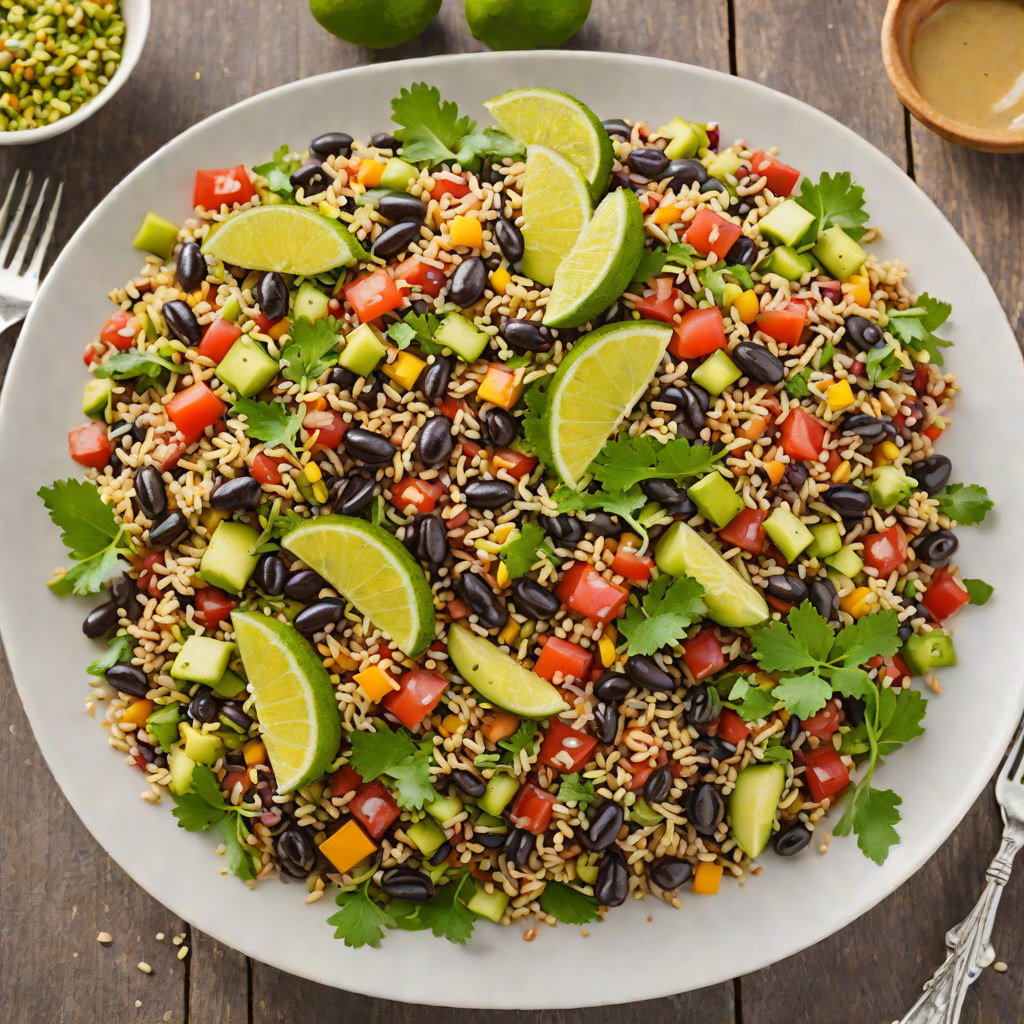
- Molasses Rum-Infused Black Bean Chili — 38g protein. The top-protein recipe on this list and the richest flavor. Simmer 90 minutes; the rum cooks off completely, leaving molasses depth. Freezes in single-serving portions for months.
Cheese-anchored (3 recipes)
Ricotta and mozzarella add real protein when they're 25%+ of the plate, not a sprinkle on top. Whole-milk versions have more protein per serving than part-skim; use whole milk unless you're specifically cutting fat.
- Portobello Mushroom Lasagna with Ricotta and Spinach — 28g protein. Portobellos replace ground meat; the ricotta and mozzarella carry the protein load. Whole-milk ricotta is required — part-skim splits.
- Merry Marry Three-Cheese Stuffed Shells — 38g protein. Highest protein of the cheese-anchored picks. Ricotta plus mozzarella plus Parmesan; jumbo pasta shells hold ~2 tablespoons of filling each.
- Vegetarian Italian Baked Ziti with Spinach and Ricotta — 25g protein. Weeknight-friendly casserole. Add a can of white beans to the sauce for another 6g protein per serving.
Eggs (1 recipe)
Eggs are 6g protein each, and a 4-egg omelette with cheese and vegetables clears 25g without effort. This is the fastest 25g meal on the list — 8 minutes from cold pan to plate.
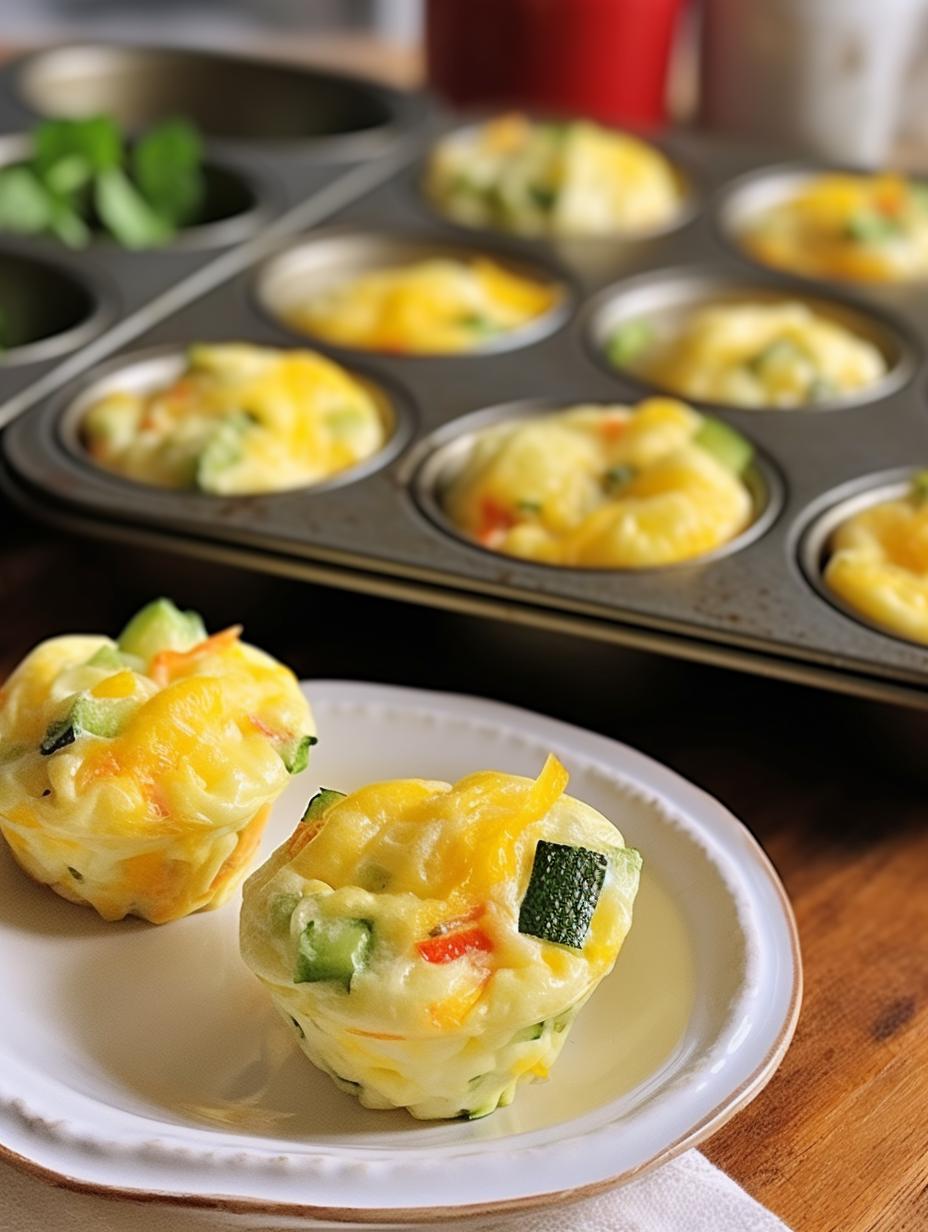
- Pan-Seared Mushroom and Spinach Omelette with Parmesan — 25g protein. Four eggs plus 30g of Parmesan. Cook the mushrooms first, dry, then add to the beaten eggs; wet mushrooms make a watery omelette.
Wraps (1 recipe)
- Halloumi and Hummus Veggie Wrap with Crunchy Slaw — 25g protein. Halloumi is 21g protein per 100g and doesn't melt when seared, so it wraps cleanly. Assemble at home or portion for lunch; the wrap holds 4 hours in a lunch bag before it goes soft.
Real-world protein numbers: what the concentrated proteins actually deliver
Per-100g protein tells you which food to reach for; per-typical-serving tells you what shows up on your plate. This table is the reference for portioning any of the recipes above.
| Food | Serving | Protein | Calories | Cost per serving |
|---|---|---|---|---|
| Firm tofu | 150g (half block) | 22g | 132 | $1.10 |
| Tempeh | 125g (half block) | 25g | 240 | $1.80 |
| Lentils cooked | 200g (1 cup) | 18g | 226 | $0.33 |
| Chickpeas canned | 240g (1 can drained) | 20g | 336 | $1.50 |
| Cottage cheese 2% | 225g (1 cup) | 25g | 180 | $1.20 |
| Greek yogurt 2% | 200g (1 large cup) | 20g | 130 | $1.50 |
| Edamame shelled | 150g (1 cup) | 17g | 190 | $1.00 |
| Black beans canned | 240g (1 can drained) | 21g | 220 | $1.10 |
| Paneer | 100g (1/4 block) | 25g | 260 | $1.90 |
| Eggs | 4 large | 24g | 280 | $1.20 |
Reading the table: cost per serving assumes retail 2026 US grocery prices, mid-range grocers, no bulk-store discount. Bulk beans and lentils drop below $0.20/serving; premium organic tofu can hit $2.50/serving. The nutrition data lines up with the USDA FoodData Central numbers.
Meal-prep-friendly picks: recipes that hold 4 days in the fridge
Meal-prep viability separates a good recipe from a great weeknight anchor. Anything with a dressing already applied wilts by day two; anything crisp goes soft by day three. These four hold their character through Friday if you cook Sunday.
1. Molasses Rum-Infused Black Bean Chili — Better on day 3 than day 1. Freezes at 6 months. Portion in wide-mouth 2-cup jars.
2. Serious Chickpea & Lentil Stew — Legume soups tighten as they sit; add a splash of water when reheating.
3. Lentil Bolognese over Spaghetti — Store sauce and pasta separately; combine at reheat time.
4. Sesame-Ginger Tofu Buddha Bowls with Crispy Edamame — Dress at eating time, not prep time. Everything else holds 4 days.
What doesn't meal-prep well: the omelette (eggs turn rubbery reheated), the paneer tikka (loses its char), and the halloumi wrap (bread goes soft). Save those for cook-and-eat nights.
Container tip. Wide-mouth glass jars (32 oz) fit stew-and-grain-bowl portions and stack in the fridge — a set of six will run you $30-40. Cheap plastic containers work but stain from tomato-based sauces. See our /k/storage collection for the containers we actually reach for during weekly prep.
Rounding up to 100g/day: sample daily plans
The recipes above are the anchor of each meal — pair them with the right breakfast and snack and 100g/day is one shopping trip away. Two example days:
Day 1: Legume-heavy
- Breakfast: Greek yogurt bowl — 200g Greek yogurt (20g) + 30g granola (4g) + berries. Total: 24g
- Lunch: Herb-Roasted Chickpea & Quinoa Bowl. 28g
- Dinner: Lentil Bolognese over Spaghetti. 25g
- Snack: 1 cup cottage cheese + fruit. 25g
- Daily total: 102g protein
Day 2: Soy-forward
- Breakfast: 4-egg omelette (Mushroom and Spinach Omelette). 25g
- Lunch: Sesame-Ginger Tofu Buddha Bowl with Crispy Edamame. 28g
- Dinner: Molasses Rum-Infused Black Bean Chili. 38g
- Snack: 200g Greek yogurt with honey. 20g
- Daily total: 111g protein
Both days assume ~2000-2200 calories total. Adjust portions if you're targeting more or less; the protein ratios hold.
Common mistakes: overcounting protein from vegetables, undercounting portions
These five mistakes are what turn a "high-protein" day into a 60g day. Fix them once and you don't repeat the mistake.
1. Counting vegetable protein as a meaningful contribution. Kale is 3g protein per 100g. Broccoli is 3g. Spinach is 3g. A 300g mixed-green salad — a mountain of greens — is 9 grams of protein, tops. Vegetables are essentially not protein sources. Treat them as micronutrient carriers.
2. Weighing tofu wrong. A "block" of tofu ranges from 300g to 500g depending on brand. The 20g-protein-per-150g-slab math above assumes 15% protein tofu — check the nutrition label because some brands are 8-10%. Silken tofu is 6% protein and doesn't count for this list.
3. Assuming plant milks are protein sources. Almond milk is 1g protein per cup. Oat milk is 3g. Only soy milk (7-8g) and pea protein milk (8g) are worth counting.
4. Using low-fat Greek yogurt "for the protein" without checking the numbers. Full-fat 5% Greek yogurt is 8g protein per 100g; 2% is 10g; nonfat is 10-11g. The nonfat and 2% versions have the highest protein-per-calorie, but the difference between them is small. Don't skip full-fat just because it says "high fat" — the protein difference is 2g per cup, and the satiety difference is large.
5. Not weighing legumes cooked. 1 cup of dry lentils yields ~3 cups cooked. If a recipe says "1 cup lentils" without specifying, it almost certainly means cooked. Double-check the source before scaling. A 2x error here is the most common way people undershoot protein while feeling like they cooked plenty.
When NOT to reach for a high-protein vegetarian recipe
Not every meal needs to be 25g+. Skip the anchor-protein playbook in these situations:
- Recovery-carb meals (post-long-run or race prep) — protein is fine but not the priority; carbs are.
- Digestive rest days (recovering from GI issues) — heavy legumes are hard on a taxed gut. Rice and eggs are gentler.
- Kids under 8 — the protein target is much lower (0.85 g/kg) and the fiber load from lentils and beans is a lot.
- Fasting-window breakfasts — if the meal is just "breaking the fast" with fruit or coffee, don't force a 25g protein target.
For everything else — normal maintenance days, weight loss, muscle building, and healthy aging — the 25g-per-meal target works.
Sources + Last verified
Nutrition figures were cross-referenced against USDA FoodData Central, the Academy of Nutrition and Dietetics vegetarian protein guidance, and the Harvard T.H. Chan School of Public Health protein recommendations. Recipe protein-per-serving values are from the AislePrompt catalog, computed from the ingredient list at scaling time.
Last verified: July 2026. Nutrition guidance updates roughly every 5-7 years; the 1.2-2.0 g/kg range for active adults has been stable since 2016.
Frequently asked questions
Can vegetarians really hit 100g of protein a day?
Which vegetarian foods have the most protein per calorie?
Do I need to combine proteins to get all essential amino acids?
Are protein powders necessary?
Will I feel full on a high-protein vegetarian diet?
Meal-prep recipes from the catalog
Save any of these to My Recipes — no account needed — and send the ingredients to Instacart in one tap.