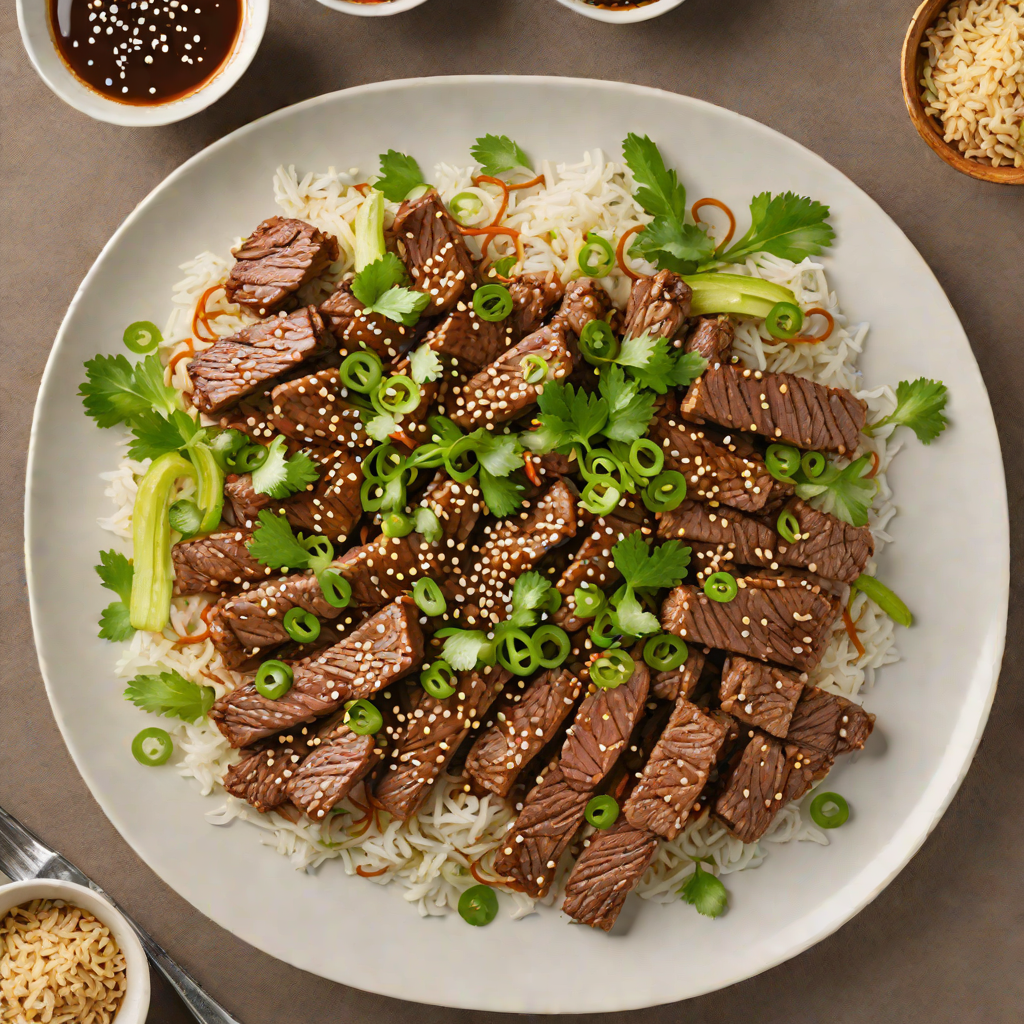
20 Korean Weeknight Dinners: Bulgogi, Bibimbap & Korean Fried Chicken for Home Cooks
Thin-cut meat means a 20-minute marinade does the work of an overnight one — here are 20 Korean dinners that land in 45 minutes or less.
Korean weeknight cooking runs on three sauces — soy-sesame, gochujang, and doenjang — and almost every dinner below is one of those three plus a protein and rice. Marinades work in 20 minutes rather than overnight because the cuts are thin. Twenty dinners follow, all 45 minutes or less.
Get a free week of easy dinners
Seven weeknight dinners with the shopping list already totalled, sent Sunday. No account needed, unsubscribe in one click.
No spam, unsubscribe in one click. Recipes, shopping lists and Instacart carts all work without an account either way.
Introduction: Why Korean Food Suits a Weeknight
Korean home cooking has an unusual property for a weeknight: the meat is sliced thin before it's marinated. Bulgogi is 1/8-inch ribeye. Spicy pork bulgogi is thin-cut shoulder. Because the surface-to-volume ratio is enormous, a 20-minute marinade penetrates as thoroughly as an overnight soak does on a whole chicken breast. That single structural fact removes the planning requirement that makes most marinated cuisines a weekend project.
The second thing that helps is that Korean meals are assembled, not plated. A bowl of rice, a protein, and two or three small vegetable dishes — banchan — that were made days ago and live in the fridge. You are not cooking three components on Tuesday night. You're cooking one and opening containers for the rest. That's a genuinely different weeknight math than a European-style main-and-two-sides dinner where everything is cooked à la minute.
Third: heat is a condiment, not a fixed property. Gochujang is the base of maybe a third of these dishes, and how much you use is entirely up to you. A tablespoon is a background sweetness; three tablespoons is aggressive. The same recipe feeds a spice-averse eight-year-old and an adult who orders extra chili, which is why this cuisine is unusually good for families with split preferences.
Every dish here is in the AislePrompt catalog with a full ingredient list. If you want the broader Korean repertoire — including the stews and weekend dishes — 22 Korean dinner recipes covers wider ground; this guide is specifically the sub-45-minute cut.
The Korean Pantry: Gochujang, Doenjang, Sesame and Soy
Five items. All shelf-stable or long-life refrigerated, all available at any H Mart and most large supermarkets in 2026.
| Ingredient | What it is | Heat | Fridge life after opening |
|---|---|---|---|
| Gochujang | Fermented chili-and-rice paste; sweet, savory, thick | Moderate | 1–2 years |
| Gochugaru | Coarse Korean chili flakes; bright, fruity | Mild–moderate | 6 months (freeze it) |
| Doenjang | Fermented soybean paste; deeply funky, salty | None | 1–2 years |
| Toasted sesame oil | Finishing oil, never a cooking oil | None | 6 months |
| Soy sauce | Korean or Japanese; the salt backbone | None | 1 year |
Gochujang is not sriracha. It's a fermented paste with real sweetness and body, and it thickens a sauce the way tomato paste does. Substituting sriracha gives you heat and vinegar with none of the structure, and the dish comes out thin. If your store doesn't stock it, the tubs travel well by mail and last two years.
Gochugaru is not crushed red pepper. Korean chili flakes are coarser, redder, and considerably fruitier than Italian-style crushed red pepper, which is mostly seed and pure heat. Substituting one for the other in kimchi jjigae is the most common reason a homemade version tastes harsh instead of round. Store gochugaru in the freezer — it fades fast at room temperature.
Toasted sesame oil goes in at the end, always. Its smoke point is low and its whole value is aroma, which cooks off. Sear in neutral oil, then finish with a half-teaspoon of sesame off the heat.
The 3-ingredient bulgogi marinade. Soy sauce, sugar (or grated pear), and toasted sesame oil in roughly 3:1:1, plus garlic. Grated Asian pear is traditional and it does real work — pear contains calpain-family proteases that tenderize as they sit, which is why 20 minutes is enough. Kiwi does the same thing much more aggressively and will turn beef to mush in an hour, so use it only if you're cooking within 30 minutes. Maangchi's recipe archive is the standard reference for the canonical ratios.
20 Korean Weeknight Dinners Under 45 Minutes
Grouped by how long they take, because that's how you'll actually choose on a Tuesday.
| Dish | Time | Protein | Heat |
|---|---|---|---|
| Cucumber and tofu salad | 15 min | Tofu | None |
| Cold buckwheat noodles | 20 min | Vegetarian | Mild |
| Korean BBQ short ribs | 20 min | Beef | None |
| Gochujang chicken stir fry | 25 min | Chicken | Medium |
| Dak galbi-style chicken | 25 min | Chicken | Medium |
| Pork belly with gochujang | 25 min | Pork | Medium |
| Tteokbokki | 25 min | Vegetarian | Medium-hot |
| Kimchi fried rice | 30 min | Flexible | Mild |
| Quick beef bibimbap bowl | 30 min | Beef | Mild |
| Soft tofu stew | 30 min | Tofu | Medium |
| Kimchi pancakes | 30 min | Vegetarian | Mild |
| Bibimbap vegetables with egg | 30 min | Egg | Mild |
| Doenjang jjigae | 35 min | Tofu/pork | Mild |
| Kimchi jjigae with tofu | 40 min | Tofu | Medium |
| Japchae glass noodles | 40 min | Vegetarian | None |
| Korean popcorn chicken | 40 min | Chicken | Medium |
| Beef bulgogi | 41 min | Beef | None |
| Bibimbap vegetable rice bowl | 40 min | Vegetarian | Mild |
| Korean fried chicken | 45 min | Chicken | Medium |
| Spicy pork bulgogi | 45 min | Pork | Hot |
Under 30 minutes. Korean-Inspired Cooling Cucumber and Tofu Salad, Chilled Korean Buckwheat Noodles with Spicy Sesame Sauce, Spice-Rubbed Korean BBQ Beef Short Ribs, Spicy Korean Trot-Inspired Stir-Fried Chicken with Gochujang Glaze, Spicy Korean-Inspired Bon Dak Chicken Stir Fry, Crisp Pan-Seared Korean Pork Belly with Spicy Gochujang Glaze and Spicy Stir-Fried Rice Cakes (Tteokbokki).
Thirty minutes. Most Flavorful Korean Kimchi Fried Rice, Quick Korean Bibimbap-Inspired Beef and Vegetable Bowl, Korean-Style Soft Tofu Stew with Mushrooms and Kimchi, Korean-Style Kimchi Pancakes with Gochujang Glaze and Stir-Fried Korean Bibimbap Vegetables with Gochujang Egg.
Thirty-five to 45 minutes. Korean-Inspired Spicy North Bean Paste Stew (Doenjang Jjigae), Kimchi and Tofu Stew (Kimchi Jjigae), Stir-Fried Korean Glass Noodles with Sesame and Vegetables, Spicy Korean-Style Popcorn Chicken Bites, Pan-Seared Korean-Style Beef Bulgogi with Sesame and Scallions, Bibimbap-Inspired Vegetable Rice Bowl with Gochujang Sauce, Double-Fried Korean Chicken with Spicy Soy Glaze and Stir-Fried Korean Spicy Pork Bulgogi with Scallions.
Bulgogi: The 20-Minute Marinade That Actually Works
Bulgogi is the entry point and the dish most worth getting right, because once the marinade is in your head you stop needing a recipe.
Buy the meat pre-sliced. Any Korean grocery sells ribeye or sirloin sliced to about 1/8 inch, labeled for bulgogi or shabu-shabu, and it costs roughly what an unsliced steak costs. If you're slicing at home, freeze the steak for 45 minutes first — partially frozen beef cuts cleanly at a thickness a knife cannot manage on room-temperature meat. Slice against the grain.
The ratio, for one pound. Six tablespoons soy sauce, two tablespoons sugar or half a grated Asian pear, two tablespoons toasted sesame oil, four cloves grated garlic, black pepper, and a splash of mirin or rice wine if you have it. Twenty minutes on the counter, or up to four hours in the fridge. Past about eight hours the pear enzymes turn the texture soft and slightly pasty.
Cook it hot, in batches, and do not stir. The single most common failure is crowding the pan: a pound of wet marinated beef dumped into a 12-inch skillet drops the temperature and the meat steams grey instead of caramelizing. Work in two or three batches, let each go 60–90 seconds untouched to build a crust, then toss. High heat, high smoke, short time.
Spicy pork bulgogi (jeyuk bokkeum) is the same idea with gochujang replacing half the soy and thin-cut pork shoulder replacing the beef. It's the better-value version — shoulder costs a third of ribeye and the fat content stands up to the chili paste. The stir-fried version is the hottest dish in this guide by a distance.
Short ribs are the same marinade on a different cut. Flanken-cut short ribs — sliced across the bone, about 1/2 inch thick — cook in under 10 minutes and are the most impressive-looking thing here for the least work. Spice-Rubbed Korean BBQ Beef Short Ribs runs 20 minutes total.
Bibimbap and Rice Bowls: Assembly, Not Cooking
Bibimbap is a format, not a recipe. Warm rice, a few seasoned vegetables, a protein, an egg, and gochujang sauce, mixed at the table. What makes it a weeknight dish is that no component needs to be made that night.
The vegetables are banchan, and banchan keeps. Blanched spinach with sesame, julienned carrot sautéed 90 seconds, bean sprouts, sautéed mushrooms, quick-pickled cucumber — each takes three to five minutes on a Sunday and holds four or five days in the fridge. Make three, not five. A bibimbap with three vegetables is a real bibimbap.
The sauce ratio. Two tablespoons gochujang, one tablespoon toasted sesame oil, one tablespoon sugar, one tablespoon rice vinegar, one grated garlic clove, plus water to loosen. It keeps two weeks and it's the difference between "rice bowl" and "bibimbap."
The crispy-rice version is worth the extra four minutes. Press the rice into a hot oiled skillet — cast iron if you have it — and leave it alone for four minutes before adding anything on top. You get the dolsot crust without the stone bowl. This is the one upgrade that makes a home bibimbap taste like a restaurant one.
Three catalog versions cover the range: Bibimbap-Inspired Vegetable Rice Bowl with Gochujang Sauce for the vegetarian baseline, Quick Korean Bibimbap-Inspired Beef and Vegetable Bowl at 30 minutes with beef, and Sautéed Vegetable and Marinated Beef Bibimbap with Gochujang Sauce as the full-build weekend version.
Kimchi fried rice is the leftovers endgame. Day-old rice, chopped aged kimchi, a spoon of the kimchi brine, whatever protein exists, a fried egg on top. Twenty minutes, near-zero shopping. Use kimchi that's gone sour — fresh kimchi doesn't have the acidity this dish is built around, and the sourest jar in the back of your fridge is the best one for it.
Korean Fried Chicken: The Double-Fry Explained
Korean fried chicken has a thinner, glassier, more durable crust than American fried chicken, and it survives being sauced without going soggy. Two things produce that.
The coating is starch, not flour. Potato or corn starch — sometimes cut with a little flour — fries into a brittle, transparent shell rather than the craggy bread-like crust a buttermilk-and-flour dredge gives you. Starch also holds far less oil.
The fry happens twice. First fry at roughly 325°F for 6–8 minutes cooks the chicken through and drives off surface moisture. Rest 5 minutes — this is when internal steam escapes rather than softening the crust from inside. Second fry at 375°F for 2–3 minutes sets and hardens the shell. Skipping the rest between fries is the most common home failure; the two fries back-to-back do almost nothing.
Sauce it in a bowl, not the pan. Toss the fried pieces with the sauce off the heat, right before serving. Sauce added to a hot pan reduces and turns the crust sticky. Two standard glazes: soy-garlic (soy, garlic, brown sugar, rice syrup) and yangnyeom (gochujang, ketchup, honey, garlic).
Wings are the right cut — the ratio of crust to meat is highest, and they cook through in the first fry without any guesswork. Double-Fried Korean Chicken Wings with Spicy Soy Garlic Glaze is the full method; Double-Fried Korean Chicken with Spicy Soy Glaze uses larger pieces. For a weeknight with no deep-fry setup, Spicy Korean-Style Popcorn Chicken Bites shallow-fries in about an inch of oil.
Air fryer honesty. An air fryer gets you a good crisp chicken. It does not get you the glassy Korean crust, because that texture is a product of oil contact at 375°F. Expect roughly 80% of the result for 10% of the cleanup, and decide accordingly.
Stews: Kimchi Jjigae, Doenjang Jjigae and Soft Tofu
Korean stews are the fastest hot dinner in the cuisine — 25 to 40 minutes from a cold pot, because there's no browning stage and no long braise.
Kimchi jjigae wants old kimchi. Fully fermented, sour, slightly fizzy kimchi is the ingredient. Fresh kimchi makes a flat, sweet stew. Fry the kimchi in a little fat for three or four minutes before adding liquid — this concentrates it and is the step that separates a good jjigae from a thin one. Kimchi and Tofu Stew is the standard build; Spicy Kimchi Vegetable Soup with Tofu is the lighter one.
Doenjang jjigae is the everyday one. Fermented soybean paste, a rough dice of zucchini, potato, onion and tofu, and water or anchovy stock. It is savory and funky rather than spicy, and it is what a Korean household eats on a night nobody wants to cook. Korean-Inspired Spicy North Bean Paste Stew runs 35 minutes.
Soft tofu stew (sundubu jjigae) is the fastest of the three. Silken tofu spooned in whole — do not cube it, do not stir hard — plus gochugaru bloomed in oil, and an egg cracked in at the end. Korean-Style Soft Tofu Stew with Mushrooms and Kimchi is 30 minutes and needs almost no knife work.
Stock shortcut. Traditional Korean stock is dried anchovy and kelp simmered 20 minutes. The 90-second version: drop a 4-inch piece of dried kelp into the pot with the water and pull it out when it starts to simmer. That alone gets most of the depth. Bon Appétit's Korean recipe collection has good coverage of the stock-building end if you want to go deeper.
Banchan, Japchae and the Sides That Make It a Meal
Japchae is the outlier — and it's a side that eats like a main. Sweet potato starch noodles, stir-fried vegetables, soy and sesame. It's served at room temperature, which makes it unusually good for a packed lunch, and it's the one Korean noodle dish that doesn't clump when cold. Cook the noodles a minute short — they keep softening in the pan. Stir-Fried Korean Glass Noodles with Sesame and Vegetables is 40 minutes.
Two banchan you should always have. A quick cucumber salad (sliced cucumber, salt, 10 minutes, squeeze, then gochugaru, garlic, sesame) and blanched seasoned spinach. Both take under 10 minutes and both keep four days. Korean-Inspired Cooling Cucumber and Tofu Salad is the version to start with.
Kimchi pancakes are the leftover-kimchi solution. Chopped kimchi, brine, flour, water, hot oiled pan. The batter should be thinner than you think — thin batter gives the crisp lacy edge that's the whole point. Korean-Style Kimchi Pancakes with Gochujang Glaze at 30 minutes, or Genuine Handcrafted Kimchi Pancakes for the fuller method.
Rice matters more here than in most cuisines. Short-grain white rice, rinsed three or four times, 1:1.1 rice to water. It should be slightly sticky — long-grain rice is genuinely wrong for a bibimbap, where the grains need to hold sauce and bind when mixed. Cook a big batch and refrigerate; day-old rice is required for fried rice anyway.
Equipment: What You Actually Need
A carbon-steel or cast-iron skillet that gets genuinely hot. Bulgogi and every stir-fry here want a surface at 450°F or above. Nonstick pans are usually rated to 500°F but lose their coating fast at that temperature, and they don't brown as well. Browse cookware for the right pan shape — a 12-inch with a flat base beats a wok on a home electric burner.
A small heavy pot for stews. Two to three quarts. Korean stews are served bubbling in the vessel they were cooked in, so a pot that goes to the table is a real convenience. Traditional earthenware ttukbaegi retain heat beautifully but a small enameled cast-iron pot does the same job.
A sharp knife and a cutting board you don't mind staining. Gochugaru and gochujang stain plastic permanently. A dedicated board is the cheap fix. Look at knives for the thin-slicing end — Korean prep is mostly julienne and thin slicing, and a thin-bladed knife matters more than a heavy one.
Airtight containers, several. The banchan strategy only works if you can make five small things on Sunday and have them still be good on Thursday. Glass with a real gasket seal; kimchi will perfume an entire refrigerator through a cheap lid. See storage.
What you don't need. A tabletop grill (a skillet is fine), a stone bowl (a hot cast-iron pan gets the crust), a rice cooker (helpful, not required), or a dedicated deep fryer (a heavy pot and a thermometer are better and easier to clean).
Common Pitfalls
Crowding the pan with marinated beef. Covered above and worth repeating — it's the single most common bulgogi failure and it turns a caramelized dish into a grey braise.
Using fresh kimchi in a stew. Jjigae is built on the acidity of fermented kimchi. Fresh kimchi has none of it and the stew comes out sweet and flat.
Cooking with toasted sesame oil. It's a finishing oil. Heating it past a gentle warmth destroys the aroma you paid for and can turn it faintly bitter.
Substituting sriracha for gochujang. Different texture, different sweetness, different function. The sauce won't thicken and the dish will taste vinegary.
Skipping the rest between fries. Korean fried chicken's crust depends on a 5-minute rest between the 325°F and 375°F fries. Two fries with no rest is just a longer single fry.
Over-boiling silken tofu. In sundubu, spoon it in and let it warm through. Hard stirring or a rolling boil turns it into cloudy shreds.
When NOT to Cook Korean on a Weeknight
Skip anything involving a deep fry if you're cooking alone and short on time. Korean fried chicken is a 45-minute recipe with a 20-minute cleanup, and the double-fry demands attention at both stages. It's a Friday dish, not a Wednesday one.
Skip making kimchi from scratch. Napa cabbage kimchi is a two-day process with a salting stage, and jarred kimchi from a Korean brand is genuinely excellent. Buy it. Spend the effort on the banchan instead, which don't have a store-bought equivalent worth eating.
And skip Korean on a night with no rice cooked. Almost everything here is served over rice, and starting rice from dry adds 30 minutes to a 25-minute dinner. Batch-cook it on the weekend, or cook something that doesn't need it — japchae and the cold buckwheat noodles are both complete without it.
Related Guides
- 22 Korean Dinner Recipes: Bulgogi, Bibimbap, Kimchi Stew & Weeknight Bowls — the wider Korean repertoire
- 25 Easy Japanese Dinners: Ramen, Teriyaki & Donburi Bowls for Home Cooks — the neighboring rice-bowl tradition
- 24 Chinese Takeout Recipes You Can Make Better at Home in 30 Minutes — more high-heat weeknight stir-frying
- 20 Grain Bowl Dinners: Meal-Prep-Friendly Buddha Bowls With 30g+ Protein — the bibimbap format applied elsewhere
- 22 Asian Fusion Recipes: Korean Tacos, Ramen Burgers & Modern Mash-Up Dinners — the same bulgogi and gochujang pushed into tacos, burritos and quesadillas
FAQ
The questions below cover the pantry, substitutions, kid-friendly heat, make-ahead banchan and equipment.
Sources
Frequently asked questions
What Korean pantry items do I need before I start cooking?
Can I substitute sriracha for gochujang?
How do I make Korean food mild enough for kids?
How far ahead can I make banchan side dishes?
Do I need a special pan or a stone bowl for bibimbap?
Why does my Korean fried chicken lose its crunch after saucing?
Sources
Recipes to start your week with
Save any of these to My Recipes — no account needed — and send the ingredients to Instacart in one tap.

Cook Korean at home this week.
Ask our AI for a week of Korean dinners — it writes the recipes, builds the shopping list, and sends the cart to Instacart. No account needed.
Plan my Korean week →