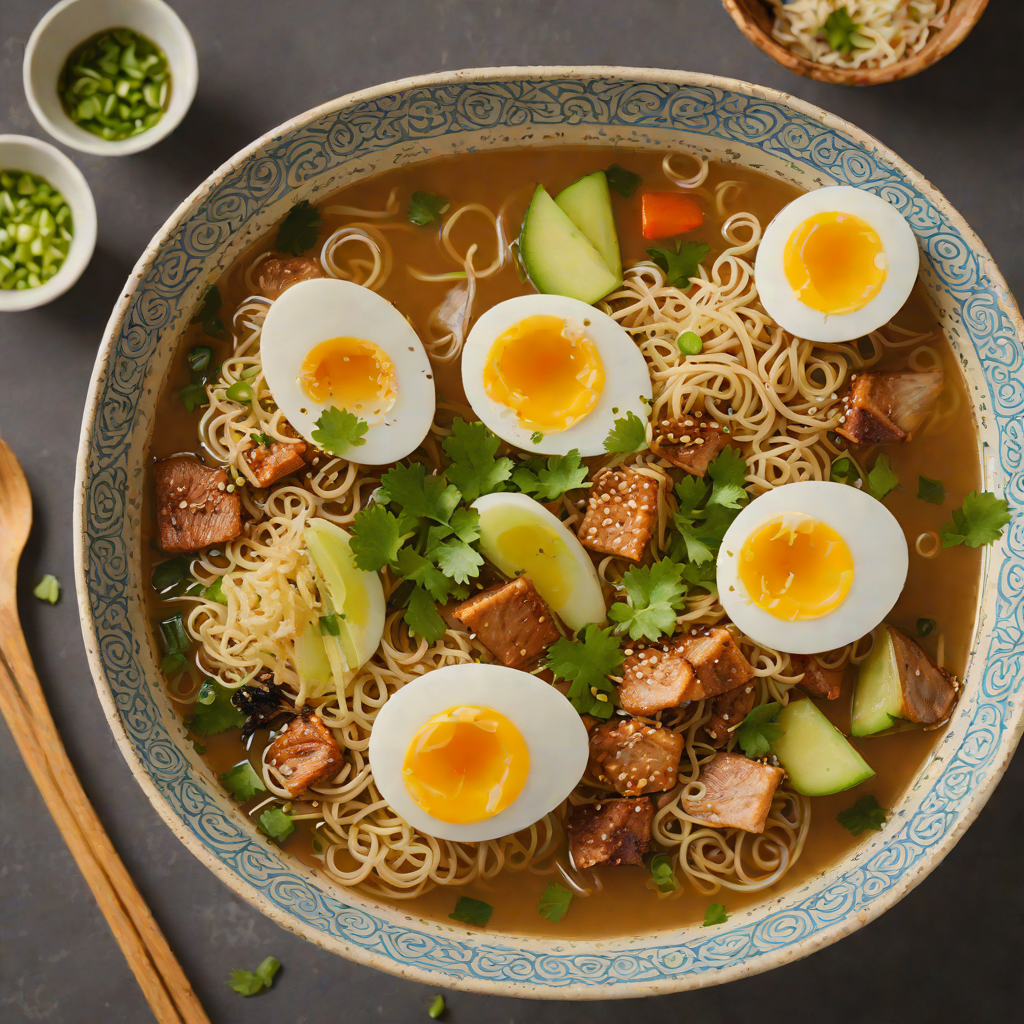
25 Easy Japanese Dinners: Ramen, Teriyaki & Donburi Bowls for Home Cooks
Five pantry staples, one rice pot, and 25 recipes — from a 20-minute donburi to a weekend shoyu ramen worth the broth work.
Japanese home cooking is built for weeknights: most dinners are one protein, one starch, and one sauce made from four bottles you already own. Below are 25 recipes from the AislePrompt catalog, sorted from 20-minute donburi bowls up to a weekend shoyu ramen — plus the five-item pantry that unlocks all of them for about $30.
Get a free week of easy dinners
Seven weeknight dinners with the shopping list already totalled, sent Sunday. No account needed, unsubscribe in one click.
No spam, unsubscribe in one click. Recipes, shopping lists and Instacart carts all work without an account either way.
The thing that trips up American home cooks is assuming Japanese food means sushi and a two-day broth project. It doesn't. What people actually eat on a Tuesday in Tokyo is a rice bowl with something braised or fried on top, a bowl of miso soup, and a pickle. That structure is faster than most of what you already cook, and it scales down to one person or up to six without changing anything but the pot.
If you already cook Chinese takeout-style food at home or Thai, you have the soy sauce, the sesame oil, and the wok reflexes. You need three more bottles.
Introduction: why Japanese home cooking works on weeknights
Three structural reasons, and they're worth naming because they change how you shop.
The sauce is a ratio, not a recipe. Teriyaki is soy sauce, mirin, sake, and sugar in roughly equal parts, reduced. Donburi simmering liquid is dashi, soy, and mirin. Noodle dipping sauce is dashi, soy, and mirin at a different dilution. Learn two ratios and you've learned fifteen dinners.
The protein portions are small. A Japanese dinner for four uses about a pound of meat, not two. Rice and vegetables carry the volume. At $6.99/lb for boneless thighs that's roughly $1.75 of protein per person — the same math that makes Chinese home cooking cheap.
Almost nothing needs an oven. One skillet, one rice pot, occasionally a saucepan. In a small kitchen in September, that matters.
The one real cost is the pantry shop. Budget $30 and one trip.
The Japanese weeknight pantry (soy, mirin, dashi, miso, panko)
Five items. Everything below runs on some combination of them.
Soy sauce (shoyu). Buy Japanese, not Chinese — Kikkoman or Yamasa. Japanese shoyu is brewed with wheat and is rounder and less aggressively salty than Chinese light soy. A 34 oz bottle is about $6 and lasts a year. If you need gluten-free, tamari substitutes 1:1 with no flavor penalty.
Mirin. Sweet rice wine, roughly 8-14% alcohol, used in every glaze in this article. Read the label: "aji-mirin" is a corn-syrup imitation with added salt. Real hon-mirin costs a few dollars more and tastes distinctly better. Under $10 for a bottle you'll use up in four months.
Dashi. The kelp-and-bonito stock that is the base flavor of Japanese food the way chicken stock is for French. You have three options, in ascending order of effort: instant granules (Hondashi, 15 seconds, genuinely fine), dashi packets that steep like tea bags (5 minutes, better), or kombu and katsuobushi from scratch (20 minutes, best). The dashi entry on Wikipedia covers the kombu/katsuobushi chemistry if you want to know why the glutamates and inosinates multiply rather than add. Start with granules; nobody will notice.
Miso paste. Buy white (shiro) miso first — it's mild, sweet, and the most flexible. Red (aka) miso is saltier and better in winter soups and glazes. Refrigerated, a tub lasts six months and is the single best flavor-per-dollar item in this list.
Panko. Japanese breadcrumbs, coarse and jagged, which is why katsu stays crisp for twenty minutes instead of two. Not substitutable with Italian breadcrumbs; they're ground too fine and absorb oil.
Add short-grain rice, rice vinegar, toasted sesame oil, nori, and a bottle of sake (drinking sake is fine — "cooking sake" is salted) and you can cook every recipe below. Just One Cookbook's pantry guide is the best free reference for brands if you're standing in the aisle deciding.
Equipment
Nothing exotic, and you probably own most of it. A 10-inch nonstick or carbon-steel skillet does the teriyaki, the gyoza, the tamagoyaki, and the yakisoba. A heavy 3-quart saucepan with a tight lid cooks rice perfectly if you don't have a rice cooker. Browse cookware for a lidded saucepan that actually seals — a loose lid is the number-one reason home-cooked short-grain rice comes out wet on top and scorched on the bottom.
A sharp knife matters more here than in most cuisines because so much of the prep is thin slicing: cabbage for okonomiyaki, scallions on the bias, pork belly at 2mm for ramen. Look at knives for something you can actually keep sharp. A rice cooker from small appliances is the one upgrade that changes weeknight behavior, because it removes the only timing-sensitive step from every dinner in this article. For the fried recipes, a spider strainer and a probe thermometer from utensils are worth $20 combined — karaage and tonkatsu both live or die on oil temperature. And if you're going to meal-prep bento boxes, decent lidded storage containers keep rice from drying into cement overnight.
How to build a donburi bowl in 20 minutes
Donburi just means "bowl" — rice in the bottom, something simmered or fried on top, sauce poured over. The donburi family covers dozens of named variations, but the technique is identical and it's the single most useful thing in this article.
The formula:
1. Rice on. 20 minutes, hands-off, start it first.
2. Simmering liquid in a small skillet. 1/2 cup dashi, 2 tbsp soy sauce, 2 tbsp mirin, 1 tsp sugar. Bring to a simmer.
3. Sliced onion in. Simmer 3 minutes until translucent. The onion is not optional — it's the sweetness that makes the sauce taste finished.
4. Protein in. Sliced chicken thigh, thin beef, or a leftover fried cutlet. Simmer 4-6 minutes.
5. Egg, if the recipe wants one. Beat two eggs loosely — streaks of white are correct — pour in a circle, cover, kill the heat, wait 60 seconds.
6. Slide onto rice. Scallions. Eat.
Total active time after the rice is on: about 9 minutes.
1. Authentic Oyakodon: Chicken and Onion Rice Bowl — the canonical donburi and the one to learn first. Oyako means "parent and child," which is a joke about the chicken and the egg. The whole thing is 20 minutes including rice.
2. Miso-Glazed Salmon Donburi with Pickled Ginger and Scallions — the fish version. Broil the salmon while the rice cooks; the miso glaze caramelizes in about 7 minutes at 4 inches from the element. Watch it — miso has sugar in it and goes from glazed to black fast.
3. Kurobuta Pork Katsudon with Soft-Boiled Egg — a fried pork cutlet, sliced, simmered briefly in donburi liquid with onion and egg. This is what you make with leftover tonkatsu, and it's arguably better the second day.
10 easy weeknight dinners under 30 minutes
Everything here is 30 minutes or less from a cold kitchen, assuming rice is going in parallel.
4. Japanese-Style Chicken Teriyaki with Steamed Rice — real teriyaki, meaning the glaze is reduced in the pan around the chicken, not poured from a bottle. Skin-on thighs, skin down in a cold pan, medium heat, 8 minutes without touching them. Then flip, add the sauce, and let it reduce to a syrup that coats a spoon. Bottled teriyaki is thickened with cornstarch and tastes like it.
5. Stovetop Sweet and Sticky Teriyaki Chicken with Rice — a sweeter, more kid-friendly version. If you're cooking for a table that includes a seven-year-old, start here.
6. Crispy Chicken Katsu with Tonkatsu Sauce — flour, egg, panko, shallow-fry in 1/2 inch of neutral oil at 340°F. Four minutes a side. The mistake is crowding the pan: two cutlets at a time, no more, or the oil temperature crashes and you get grease-logged breading.
7. Japanese Chicken Karaage — marinated fried chicken, potato-starch coating, double-fried. The 30-minute soy-ginger-sake marinade is what separates karaage from generic fried chicken. Fry at 320°F for 90 seconds, rest 5 minutes, fry again at 375°F for 45 seconds. The double fry is the entire technique.
8. Stir-Fried Yakisoba with Bonito Flakes and Vegetables — festival noodles. Uses fresh yakisoba noodles from the refrigerated case; rinse them under hot water to loosen before they hit the pan. 15 minutes and it clears the crisper drawer.
9. Yaki Udon Stir Fry with Shiitake Mushrooms and Scallions — the same idea with thick, chewy udon. Frozen udon is dramatically better than shelf-stable vacuum-packed; it's about $1 a portion and cooks from frozen in 90 seconds.
10. Stir-Fried Soba Noodles with Spicy Miso and Shiitake — buckwheat noodles, so more protein and fiber than wheat. Rinse soba in cold water after boiling or it turns gluey.
11. Miso-Glazed Salmon with Miso-Butter Rice — the miso-butter rice is the part people remember. A tablespoon of butter and a teaspoon of white miso stirred into hot rice is a 30-second trick that makes plain rice taste like a restaurant side.
12. Authentic Kombu-Dashi Miso Soup with Tofu — five minutes, and it turns any single dish into a meal. One rule that matters: never boil miso after it goes in. Boiling flattens the aroma and makes the texture grainy. Kill the heat, then whisk it in.
13. Authentic Japanese Tamagoyaki — the rolled omelet. It takes three tries to get the roll right and then you have it forever. Great in bento, great cold.
5 weekend projects
These want two to four hours, most of it unattended. Saturday food.
14. Authentic Shoyu Ramen with Homemade Broth — the accessible entry to real ramen. Chicken-based broth, soy tare, about three hours total with maybe 40 minutes of actual work. Ramen's history is Chinese-import-turned-national-obsession, and shoyu is the oldest of the four main styles. Season the tare, not the broth — that's the structural thing home cooks get backwards. Make the broth unsalted, then adjust each bowl with tare so you can dial saltiness per person.
15. Homemade Japanese Miso Ramen with Soft-Boiled Egg and Scallions — the Sapporo style: heavier, sweeter, built for cold weather. Bloom the miso in fat (a spoon of lard or sesame oil) before it hits the broth. Untoasted miso in ramen tastes raw and slightly sour.
16. Miso-Glazed Pork Belly Ramen with Soft-Boiled Egg — chashu pork belly, rolled and braised. Do the pork the day before; it slices cleanly only when fully chilled, and warm belly shreds into a mess under a knife.
17. Authentic Japanese Tonkatsu — thick-cut pork loin or shoulder, panko, deep-fried. Score the fat cap in three places before breading or the cutlet curls into a taco in the oil. Serve with shredded cabbage that you sliced yourself — pre-shredded coleslaw mix is too thick and too wet.
18. Pan-Fried Gyoza Dumplings with Sesame Soy Dipping Sauce — the yaki method: fry the bottoms in oil for 2 minutes, add 1/4 cup water, cover, steam 5 minutes, uncover and let the water cook off until the bottoms re-crisp. Make 60 and freeze 40 on a sheet tray before bagging; they cook from frozen with 60 extra seconds of steam.
19. Authentic Japanese Sukiyaki — tabletop hot pot: thin beef, tofu, mushrooms, and greens simmered in a sweet soy broth, dipped in raw egg. The best dinner-party dish in this article because the guests cook it themselves and you sit down.
Kitchen tools that make Japanese cooking easier
The nice-to-haves, in order of how much they change your week.
A rice cooker ($60-$180) is the biggest one, for scheduling reasons more than quality reasons: you can set it at 7am and walk into cooked rice at 6pm. A fine-mesh skimmer ($8) makes deep-frying karaage and tonkatsu cleanly possible. A tamagoyaki pan (rectangular, $25) is genuinely single-purpose but makes rolled omelets go from fiddly to easy. A mandoline turns cabbage for okonomiyaki and tonkatsu into a 90-second job instead of a knife-skills exam.
Skip: the sushi rolling mat (you will use it twice), the ceramic donabe (beautiful, fragile, unnecessary), and any "Japanese chef knife starter set" under $80 — the steel is soft and won't hold the edge that makes it worth owning.
Six more to round out the catalog
20. Katsu Curry Rice with Quick Pickled Cucumber — Japanese curry is thick, mild, and sweet, closer to a British stew than anything Indian. Katsu on top makes it the most-ordered dish in half the casual restaurants in Japan.
21. True-Hearted Japanese Chicken Curry — the base version. Makes six portions; freezes perfectly for three months.
22. Traditional Japanese Okonomiyaki — savory cabbage pancake, Osaka style. Grate a little nagaimo (mountain yam) into the batter if you can find it; it's what makes the interior fluffy instead of dense.
23. Authentic Japanese Onigiri with Shrimp — rice balls. The lunchbox workhorse: they keep at room temperature for hours, which is exactly why they exist.
24. Japanese Tempura Seafood — ice-cold batter, lumpy on purpose, 340°F oil. Overmixing develops gluten and gives you a heavy coating; leave the flour streaks.
25. Crispy Pan-Fried Japanese-Style Agedashi Tofu with Miso Dipping Sauce — the vegetarian standout. Press the tofu 30 minutes, dust with potato starch, fry, drop into hot dashi broth.
Real-world numbers: cost and time per dinner
Prices are US grocery averages as of August 2026, for four servings.
| Dinner | Active time | Total time | Protein cost | Notes |
|---|---|---|---|---|
| Oyakodon | 9 min | 25 min | $5.50 | 1 lb boneless thigh |
| Chicken teriyaki | 15 min | 30 min | $5.50 | Skin-on thighs |
| Yakisoba | 12 min | 20 min | $3.00 | Uses leftover pork or none |
| Chicken katsu | 20 min | 35 min | $6.00 | Plus ~$3 oil |
| Karaage | 20 min | 60 min | $5.50 | 30-min marinade, hands-off |
| Miso soup | 5 min | 5 min | $1.20 | Tofu only |
| Shoyu ramen | 40 min | 3 hr | $9.00 | Broth is unattended |
| Tonkatsu | 25 min | 40 min | $8.00 | Pork loin |
| Gyoza (60) | 50 min | 70 min | $6.00 | Freeze 40 |
| Sukiyaki | 20 min | 30 min | $14.00 | Thin-sliced beef |
The pattern: seven of ten weeknight dinners land under $6 of protein for four people, and the two expensive ones are weekend dishes.
Common pitfalls
Rinsing rice badly, or not at all. Short-grain rice needs 3-4 changes of water until it runs nearly clear. Unrinsed rice is gummy and the surface starch scorches. This takes 90 seconds and it's the difference between fine rice and good rice.
Boiling miso. Covered above but worth repeating because it's the most common mistake in this cuisine. Heat off, then miso.
Using "cooking sake" and "aji-mirin." Both are salted so they can be sold outside liquor regulations, and both throw your seasoning off. Buy drinking sake and hon-mirin.
Crowding the fry pan. Two cutlets max. Oil temperature is everything; a probe thermometer is $12 and solves it permanently.
Substituting Italian breadcrumbs for panko. You will get a dense, greasy crust. There is no workaround; the grind is the whole point.
Treating teriyaki as a marinade. Sugar-heavy sauces burn before the protein cooks through. Cook first, glaze in the last 2 minutes.
When NOT to cook Japanese food this week
If you're feeding a crowd of eight on a weeknight, this cuisine fights you — the portions are individually plated and most of the cooking is à la minute. A Dutch oven braise or a casserole scales far better. Sukiyaki is the exception and it's why it exists.
If you can't get to a store with an international aisle and don't want to order online, skip it for now. Half the flavor in this article comes from four bottles, and the substitutes genuinely don't work. Serious Eats' Japanese archive and Bon Appétit's Japanese recipes are both good for cross-referencing brands before you commit to an online order.
How AislePrompt builds a Japanese meal plan for your week
Pick four or five recipes from this list, add them to your shopping list, and AislePrompt consolidates the ingredients into one order — so the mirin, the dashi, and the panko show up once instead of on four separate lines. The meal plan tool spreads them across the week so the fried dishes don't land on back-to-back nights, and the AI chat will rebuild any of them around gluten-free, dairy-free, lower-sodium, or vegetarian constraints without changing the shape of the plan. Specialty items route to your store's international aisle; anything unavailable shows a substitution before checkout rather than after.
The efficient move for a first Japanese week: one donburi, one teriyaki, one noodle dish, and miso soup twice. That's four proteins, one pantry shop, and about 90 minutes of total cooking across five nights.
FAQ
See the questions below for pantry, equipment, timing, dietary substitutions, and shopping.
Sources
- Just One Cookbook — Japanese pantry guide
- Serious Eats — Japanese recipes
- Bon Appétit — Japanese recipes
- Wikipedia — Donburi
- Wikipedia — Dashi
- Wikipedia — Ramen
Frequently asked questions
What Japanese pantry staples do I need to start cooking Japanese food at home?
Do I need special equipment to make Japanese food at home?
How long does homemade ramen actually take?
Can I make these recipes gluten-free or lower-sodium?
How do I get an Instacart cart for a full Japanese meal plan?
Sources
Plan a week of meals in two minutes.
Tell our AI what you have and what you like — it builds your plan, shopping list, and Instacart cart. No account needed.
Try free →