20 Lebanese Recipes: Hummus, Tabbouleh, Kibbeh, Fatteh & Mezze Feasts at Home
Twenty mezze dishes, a pantry that costs about $70 once, and the table math for six, eight or twelve guests.
Affiliate disclosure: AislePrompt may earn a commission on qualifying purchases made through Amazon and Instacart links in this article, at no additional cost to you. See our affiliate policy →
Lebanese cooking is easiest to learn as a mezze table: six or eight small dishes served at once, most of them made ahead and eaten at room temperature. Start with hummus, tabbouleh, fattoush, and one grilled skewer, and you have a full dinner that took about 90 minutes of scattered prep and zero last-minute cooking.
Introduction: why mezze is the ultimate low-stress dinner party format
Every other dinner-party format asks you to land multiple hot dishes at the same moment. Mezze does the opposite. Almost everything on a Lebanese table is better an hour after it was made, served at room temperature, and improved by sitting while people talk. That single structural fact makes it the most forgiving way to feed six or ten people that exists.
The math is generous too. A mezze spread for six — Authentic Lebanese Hummus with Pita and Grilled Vegetables, Lemon Herb Tabbouleh Salad, Zesty Fattoush Salad, Charred Eggplant Baba Ghanoush with Tahini and Pomegranate, Batata Harra with Garlic Cilantro Sauce, and a platter of Authentic Lebanese Chicken Kebabs with Sumac Yogurt Sauce — costs roughly 42 dollars, which is about 7 dollars a head, and four of those six dishes are entirely plant-based. Hummus, tabbouleh, fattoush, and baba ghanoush are cheap by construction: chickpeas, bulgur, parsley, eggplant, lemon, and olive oil.
There is a nutrition angle worth naming as well. The Harvard T.H. Chan School of Public Health review of the Mediterranean diet describes almost exactly this eating pattern — legumes and vegetables as the center of the plate, olive oil as the primary fat, meat as a garnish rather than the anchor. A Lebanese table is that pattern in its original form, not an adaptation of it.
The rest of this guide is organized the way the food actually arrives: pantry first, then cold mezze, hot mezze, mains, sweets, and finally the table math for six, eight, and twelve people.
The Lebanese pantry: tahini, sumac, za'atar, pomegranate molasses, orange blossom
Nine items cover everything below. Seven of them keep for a year.
| Item | Buy this | Approx. cost | Keeps | What it does |
|---|---|---|---|---|
| Tahini | 16 oz, Lebanese or Palestinian | $9 | 6 mo (fridge, after opening) | Hummus, baba ghanoush, every sauce |
| Sumac | 4 oz | $6 | 12 mo | Tart red finish for fattoush, kafta, onions |
| Za'atar | 8 oz | $8 | 9 mo | Flatbread, labneh, roast vegetables |
| Pomegranate molasses | 10 oz | $7 | 18 mo | Sour-sweet depth in muhammara and dressings |
| Fine bulgur (#1) | 2 lb | $5 | 12 mo | Tabbouleh, kibbeh |
| Dried chickpeas | 2 lb | $4 | 24 mo | The only route to genuinely silky hummus |
| Aleppo pepper | 4 oz | $7 | 12 mo | Warm, mild heat with fruit behind it |
| Orange blossom water | 8 oz | $6 | 24 mo | Syrups, ashta, fruit salads |
| Good olive oil | 1 L | $18 | 12 mo | Used raw on almost every dish |
Two things are worth being fussy about. Tahini quality decides your hummus. Cheap tahini is bitter and chalky; good tahini pours like heavy cream and tastes sweet-nutty on a spoon. If your tahini is unpleasant alone, no amount of lemon will rescue the dip. Sumac is not lemon. It is tart the way an unripe berry is tart, with a faint resin behind it, and it is what makes a fattoush taste Lebanese rather than merely lemony.
Skip the pre-made hummus habit and buy dried chickpeas. Simmered with a half teaspoon of baking soda until the skins slip and the beans crush against the roof of your mouth — noticeably past what a recipe usually calls "tender" — they blend into something that canned chickpeas cannot reach. A blender or food processor from the small appliances aisle does the rest; three full minutes of blending, not thirty seconds.
Cold mezze: hummus, baba ghanoush, muhammara, labneh, tabbouleh, fattoush
This block is the heart of the table and all six dishes can be made a day ahead.
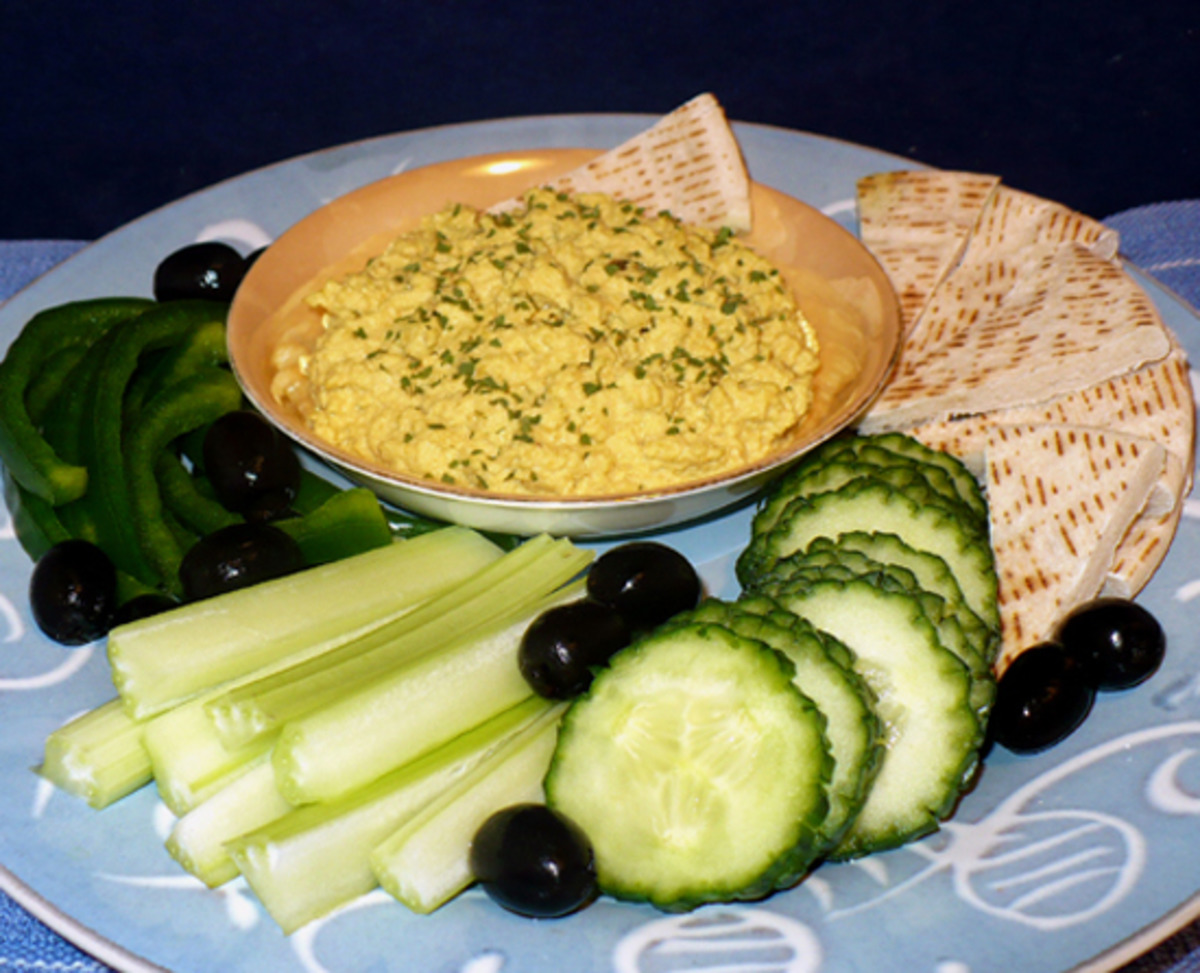
Hummus. Authentic Lebanese Hummus with Pita and Grilled Vegetables is the reference build. Ratios that work: 2 cups cooked chickpeas, 1/2 cup tahini, 1/4 cup lemon juice, 1 clove garlic, 3/4 teaspoon salt, and 3 to 5 tablespoons of ice water added while the machine runs. The ice water is not optional — it aerates the paste and turns it pale and fluffy.
Baba ghanoush. Charred Eggplant Baba Ghanoush with Tahini and Pomegranate chars the eggplant first, which is the entire point. Blacken the skin directly over a gas burner or under a broiler until it collapses, then drain the flesh in a colander for 20 minutes. Skipping the drain is why home versions come out watery.
Muhammara. Roasted Eggplant Muhammara with Pomegranate Molasses blends roasted red pepper, walnut, pomegranate molasses, and Aleppo pepper into the most distinctive dip on the table — sweet, sour, and slightly gritty by design. It is Syrian in origin and universal in Lebanese restaurants.
Labneh. Strained yogurt, thick enough to hold a spoon upright. Labneh with Za’atar and Olive Oil Drizzle finishes it with za'atar and olive oil. Make it yourself by hanging full-fat yogurt with a half teaspoon of salt per cup in cheesecloth over a bowl for 12 to 24 hours. One quart of yogurt yields about 2 cups of labneh.
Tabbouleh. Lemon Herb Tabbouleh Salad gets the proportions right, and they surprise most Americans: tabbouleh is a parsley salad with a little bulgur, not a grain salad with herbs. Four bunches of flat-leaf parsley to a half cup of soaked fine bulgur. Chop the parsley with a sharp knife rather than a food processor, which bruises it into a paste.
Fattoush. Zesty Fattoush Salad, Fattoush Salad with Lemon-Tahini Dressing, and Sumac-Spiced Fattoush Salad are three takes on the same idea: chopped salad with toasted or fried pita, sumac, and a lemon dressing. Dress it at the table so the bread keeps its crunch.
Real-world numbers
| Dish | Make-ahead | Active time | Cost (serves 6) | Plant-based |
|---|---|---|---|---|
| Hummus | 3 days | 15 min | $3.20 | Yes |
| Baba ghanoush | 2 days | 20 min | $4.50 | Yes |
| Muhammara | 4 days | 15 min | $6.80 | Yes |
| Labneh | 5 days | 5 min + strain | $4.00 | No |
| Tabbouleh | Same day | 25 min | $5.40 | Yes |
| Fattoush | Chop ahead, dress late | 20 min | $6.00 | Yes |
| Shish taouk | Marinate 1 day | 20 min | $12.00 | No |
Hot mezze: kibbeh, spinach fatayer, cheese sambousek, batata harra
Kibbeh is the national dish and the most technique-heavy thing here. In its classic form, fine bulgur and lean lamb are pounded into a paste, shaped into a torpedo, stuffed with spiced meat and pine nuts, and fried. Lamb and Bulgur Kibbeh with Pomegranate Glaze is the traditional shape; Baked Kibbeh with Bulgur and Ground Beef is kibbeh bil sanieh, the tray-baked version that removes the shaping entirely and is where every beginner should start. Pan-Seared Lamb Kibbeh with Spiced Walnut Muhammara pairs a pan-seared version with walnut muhammara.
Fatayer are triangular hand pies, typically filled with spinach, onion, sumac, and pine nuts, sealed into a three-cornered pinch. Sambousek are the half-moon cousins, usually filled with cheese or spiced meat. Both freeze raw and bake straight from frozen at 400°F for 22 minutes, which makes them the best make-ahead item on the table.
Batata harra (Batata Harra with Garlic Cilantro Sauce) is fried potato tossed with garlic, cilantro, and Aleppo pepper. Roast rather than fry if you want it easier: 425°F for 30 minutes, then toss with the garlic-cilantro mixture off the heat so the garlic does not scorch.
Two more worth putting in this block: Chickpea and Za'atar Flatbread with Labneh Drizzle for a za'atar flatbread with labneh, and Baked Herb Falafel with Cucumber-Yogurt Sauce for baked falafel that does not require a fryer.
Common pitfalls
- Under-cooking the chickpeas. They should crush with almost no pressure. Firm chickpeas make grainy hummus no matter how long you blend.
- Food-processing the parsley. Tabbouleh needs knife-chopped herbs. A processor releases water and turns the salad dark within an hour.
- Dressing fattoush early. The pita softens in about ten minutes. Toss at the table.
- Buying old sumac. It should be deep brick-red and slightly moist. Brown, dusty sumac has lost its acid and tastes like nothing.
- Serving everything cold from the fridge. Room temperature is the correct serving temperature for the entire cold-mezze block. Pull it out 40 minutes before guests arrive.
Mains: shish taouk, kafta, lamb kibbeh nayeh, freekeh with chicken
Mains on a Lebanese table are smaller than a Western main course — they are the two or three grilled items that anchor a spread of eight other things.
Shish taouk is marinated chicken on skewers, and the marinade is what distinguishes it: yogurt, lemon, garlic, and a little tomato paste, with the garlic doing structural work as much as flavor. Authentic Lebanese Chicken Kebabs with Sumac Yogurt Sauce is the sumac-yogurt version. Marinate at least four hours, ideally overnight, and grill hot and fast — 3 minutes a side over direct heat. Serve with toum, the emulsified garlic sauce built like a mayonnaise from garlic, lemon, salt, and about a cup and a half of neutral oil per head of garlic. Oven-Roasted Lebanese Chicken Shawarma with Garlic Toum and Authentic Lebanese Shawarma with Pickled Vegetables and Sumac Yogurt Sauce are the shawarma variations for when you want thin-sliced, spit-style meat instead.
Kafta (Seared Beef Kafta with Sumac and Pine Nuts) is ground lamb or beef mixed with grated onion, parsley, and seven-spice, packed onto flat skewers. The two rules: grate the onion and squeeze out the liquid, or the mixture will not hold; and use meat that is at least 20 percent fat.
Kibbeh nayeh is raw lean lamb pounded with bulgur and spice, served with olive oil and mint. It is a Sunday-lunch tradition in Lebanese families and it requires meat you trust absolutely — freshly ground that morning, from a butcher who knows what it is for. If you have any doubt, cook Baked Kibbeh with Bulgur and Ground Beef instead. This is not a dish to improvise with supermarket ground lamb.
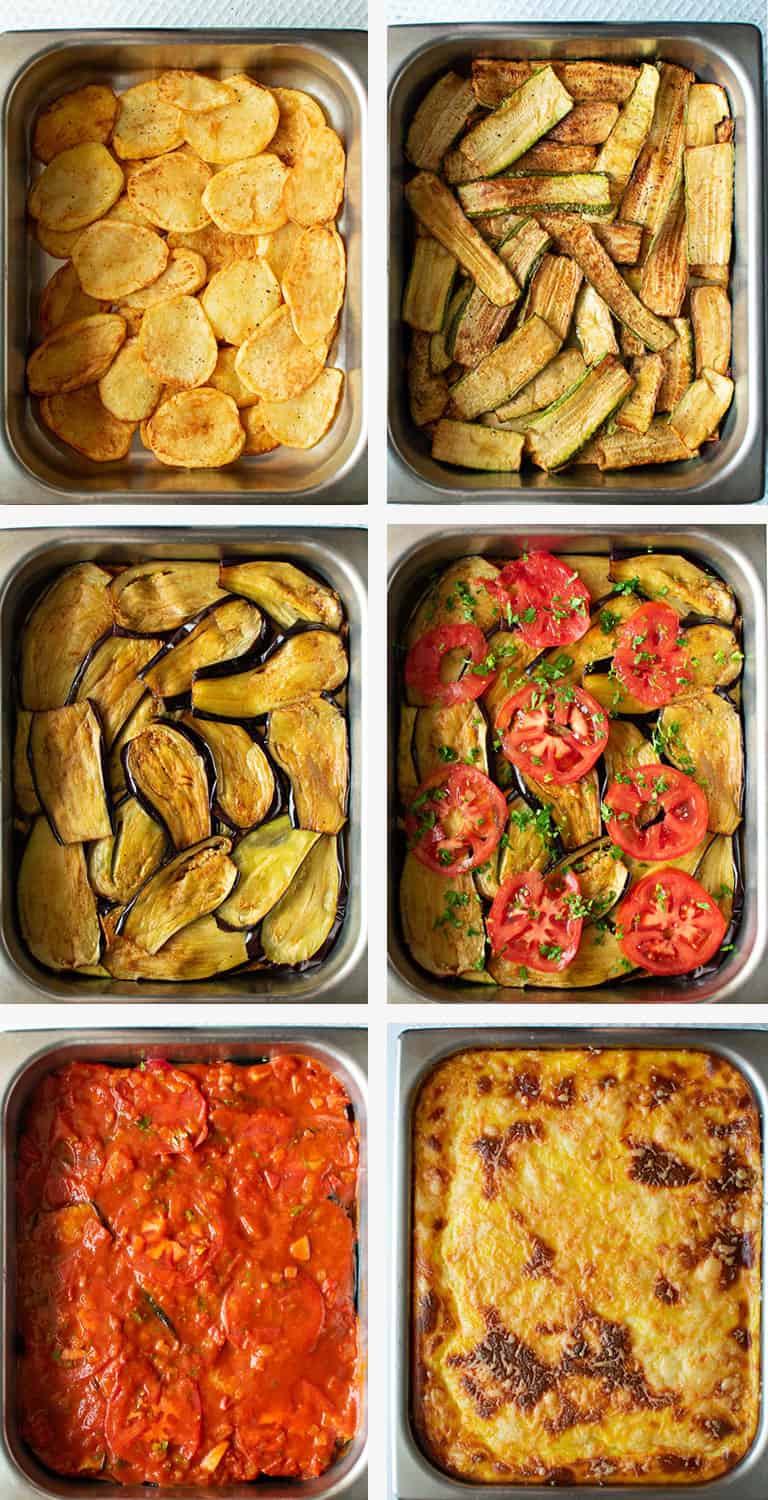
Freekeh with chicken is the wintertime one-pot. Freekeh is green wheat, harvested young and fire-roasted, with a smoky flavor no other grain has. Hearty Freekeh & Lentil Stew with Smoked Paprika pairs it with lentils; Baked Freekeh with Roasted Vegetables bakes it with roasted vegetables. Two more grain plates worth knowing: Palestinian Mujadara with Tahini Drizzle and Mujadara with Tomato and Onion, both versions of mujadara — lentils, rice, and deeply caramelized onion, and probably the cheapest satisfying dinner in this entire cuisine at about 1.40 dollars a serving. Authentic Lebanese Moussaka with Eggplant and Spiced Ground Lamb and Stuffed Grape Leaves with Pine Nuts round out the vegetable side.
Grilling all of this over charcoal is traditional and better, but a heavy grill pan or cast iron from the cookware category does fine indoors. A long, sharp knife from the knives and cutting section matters more than it sounds — the parsley, the fattoush vegetables, and the shawarma slicing are all knife work, and they add up to most of the prep time for the whole table.
Sweets: baklava, ma'amoul, ashta with figs
Baklava is layers of phyllo, chopped nuts, and butter, soaked in syrup after baking. The single most important rule: hot pastry, cool syrup, or cool pastry, hot syrup — never both hot, which produces a soggy tray. Layered Walnut and Almond Baklava with Honey-Cinnamon Syrup is the walnut-and-almond classic; Middle Eastern Date and Nut Baklava Rolls is the rolled, date-filled variation that is easier to portion.
Ma'amoul are semolina shortbread domes filled with dates, walnuts, or pistachios, pressed in carved wooden molds and dusted with powdered sugar. They are the Eid and Easter cookie across the Levant, they keep for two weeks in a tin, and the mold is the only specialist tool in this entire article — a fork-scored dome works fine without it.
Ashta is the clotted-cream filling that shows up inside every other Lebanese dessert: knafeh, atayef pancakes, and the simplest version of all, spooned over fresh figs with pistachio and a drizzle of orange-blossom syrup. Late summer through early autumn is fig season in the US, which makes it the right dessert for a table set in September.
When NOT to build a full mezze table
If you are cooking for fewer than four people, mezze is the wrong format — you will make eight dishes and eat a quarter of each, and the leftovers will not hold as well as they would in a single larger dish. For two people, cook one grilled main plus hummus and fattoush and stop there. Also skip mezze entirely if your guests are arriving hungry and immediately: the format assumes a slow start with bread and dips, and it feels thin if everyone is looking for a plated dinner at 6:30 sharp.
Building a mezze table for 6, 8, or 12 people
The rule of thumb Lebanese hosts use: one dish per person, minus two, plus bread. Six guests means four to five dishes. Twelve guests means ten. Beyond that, add quantity rather than more dishes.
| Guests | Cold mezze | Hot mezze | Mains | Pita | Total prep |
|---|---|---|---|---|---|
| 6 | 3 dishes | 1 dish | 1 skewer platter | 8 rounds | ~90 min |
| 8 | 4 dishes | 2 dishes | 2 skewer platters | 12 rounds | ~2 hr 15 min |
| 12 | 5 dishes | 3 dishes | 2 mains + 1 grain | 18 rounds | ~3 hr 30 min |
A working timeline for eight: make labneh two days ahead; hummus, muhammara, and baba ghanoush the day before; marinate the chicken overnight; chop tabbouleh and fattoush vegetables the morning of; bake the fatayer from frozen an hour before; grill the skewers last. Nothing needs to be hot when it hits the table except the skewers and the hand pies.
Serve on many small plates rather than a few large ones — the visual density of a mezze table is part of what makes it feel abundant, and eight modest bowls read as more generous than three big ones. Small shallow bowls and flat platters from the dining and serving section are the right shape; deep bowls hide the food and make dips hard to reach with bread.
For more of this style of cooking, our Middle Eastern dinner roundup covers the wider regional canon, and the Mediterranean weeknight collection scales the same ingredients down to 30-minute dinners.
Sources
- Harvard T.H. Chan Nutrition Source — Mediterranean diet for the nutrition framing used in the introduction.
- Wikipedia — hummus for chickpea handling and the peeling/baking-soda texture technique.
- Wikipedia — Lebanese cuisine for mezze table structure and kibbeh variations.
- UNESCO — the Mediterranean diet as intangible cultural heritage for the communal-table framing.
Frequently asked questions
What's the difference between hummus, baba ghanoush, and muhammara?
Why is my homemade hummus grainy instead of silky like a restaurant's?
What is za'atar and where do I use it?
How do I plan a Lebanese mezze dinner party for 8 people?
Are Lebanese recipes vegetarian- and vegan-friendly?
Mediterranean recipes from the catalog
Save any of these to My Recipes — no account needed — and send the ingredients to Instacart in one tap.