20 Low Carb Dinners Ready in Under 30 Minutes (2026 Edition)
Low carb doesn't mean keto, and 30 minutes doesn't mean sad — 20 tested weeknight dinners that land between 12 g and 28 g total carbs, all built on a protein + non-starchy veg + sauce framework you can memorize.
Affiliate disclosure: AislePrompt may earn a commission on qualifying purchases made through Amazon and Instacart links in this article, at no additional cost to you. See our affiliate policy →
Every dinner in this article lands between 12 g and 28 g total carbs, cooks in under 30 minutes, and hits at least 25 g of protein per serving. That's low-carb, not keto — a distinction that matters because most 30-minute weeknight builds break keto but comfortably fit inside a 100-130 g/day low-carb target. We checked catalog recipes against those three numbers, and the 20 below are the ones that fit.
Low carb is the most-searched, second-most-populated diet cluster in the catalog: 2,255+ recipes tagged low-carb and 1,438 tagged with the `low_carb` diet cluster, but only 4 dedicated roundups covering it. This is the roundup that fills the gap — organized by cooking vessel (sheet pan, skillet, stir-fry, salad) so you can pick by what's clean on the counter, not by what mood you're in.
Low-carb ≠ keto — and why that matters for weeknights
The distinction most people get wrong: keto is 20-50 g total carbs per day and forces your body to burn fat for fuel. Low-carb is 100-130 g per day and just reduces the glucose load. Keto requires a 3-5 day adaptation window with real symptoms (the "keto flu"). Low-carb doesn't — you'll feel normal starting Monday.
For weeknight cooking that means:
- On keto, you cannot eat sweet potatoes, most fruit, black beans, corn, rice, or pasta. Every dinner is engineered around fat and non-starchy vegetables.
- On low-carb, you can have half a cup of black beans on your fajita bowl, a small tortilla, or a side of quinoa — you just budget for it in your 130 g/day.
Every dinner in this article assumes low-carb, not keto. If you're stricter, 8 of the 20 (the sheet pan and skillet builds that avoid legumes and rice) also qualify for keto — check the target-carb line on each recipe card.
The American Heart Association's carbohydrate guidance puts total daily carbs in a 45-65% of calories range for most adults, which on a 2000-cal diet is 225-325 g. Low-carb at 100-130 g halves that; keto at 20-50 g quarters it. The middle range is where most weeknight cooking is actually sustainable.
The 30-minute low-carb framework: protein + non-starchy veg + sauce
Every recipe in this article follows the same three-part framework. Memorize it and you can improvise the other 300 low-carb-tagged recipes in the catalog:
1. Protein (25-40 g target per serving). Pick one: chicken thigh or breast (32 g / 4 oz), 85/15 ground beef (28 g / 4 oz), salmon fillet (25 g / 4 oz), shrimp (23 g / 4 oz), or firm tofu (10 g / 4 oz plus supporting protein elsewhere). Chicken thigh wins for weeknight because it cooks faster than breast and stays juicy without a probe thermometer.
2. Non-starchy vegetable (2-3 cups per serving). Broccoli, cauliflower, zucchini, spinach, bell pepper, mushroom, cabbage, asparagus, green beans, brussels sprouts. Sweet potato and squash are technically starchy — use them at half-volume when you want them. Avoid corn, peas, and potatoes on the low-carb dinner plate.
3. Sauce or fat carrier (2-3 tbsp per serving). Compound butter, garlic-lemon pan sauce, avocado crema, coconut aminos + ginger, pesto, buffalo sauce, chimichurri. This is where flavor lives and where 90% of "low-carb is boring" complaints come from — cheap sauce = boring dinner. Buy the good olive oil.
Timing: the framework fits inside 30 minutes because protein and veg cook simultaneously (sheet pan + skillet, or two burners). Sauce is built while the protein rests. If you find yourself at 40 minutes, you're probably prepping while cooking instead of prepping first — a 10-minute mise-en-place saves 15 on the back end.
6 sheet pan low-carb dinners
Sheet pan is the highest-ROI vessel for low-carb weeknights. One half sheet pan, 425°F oven, everything done in 22-25 minutes. Zero interactive cooking time — you set a timer and answer email.
The move: crank the oven while you prep, throw the sturdier vegetables (broccoli, brussels, cauliflower) on the pan for 10 minutes solo, then add the protein and delicate veg (zucchini, asparagus, cherry tomatoes) for the last 12-15. Everything comes out at the same time.
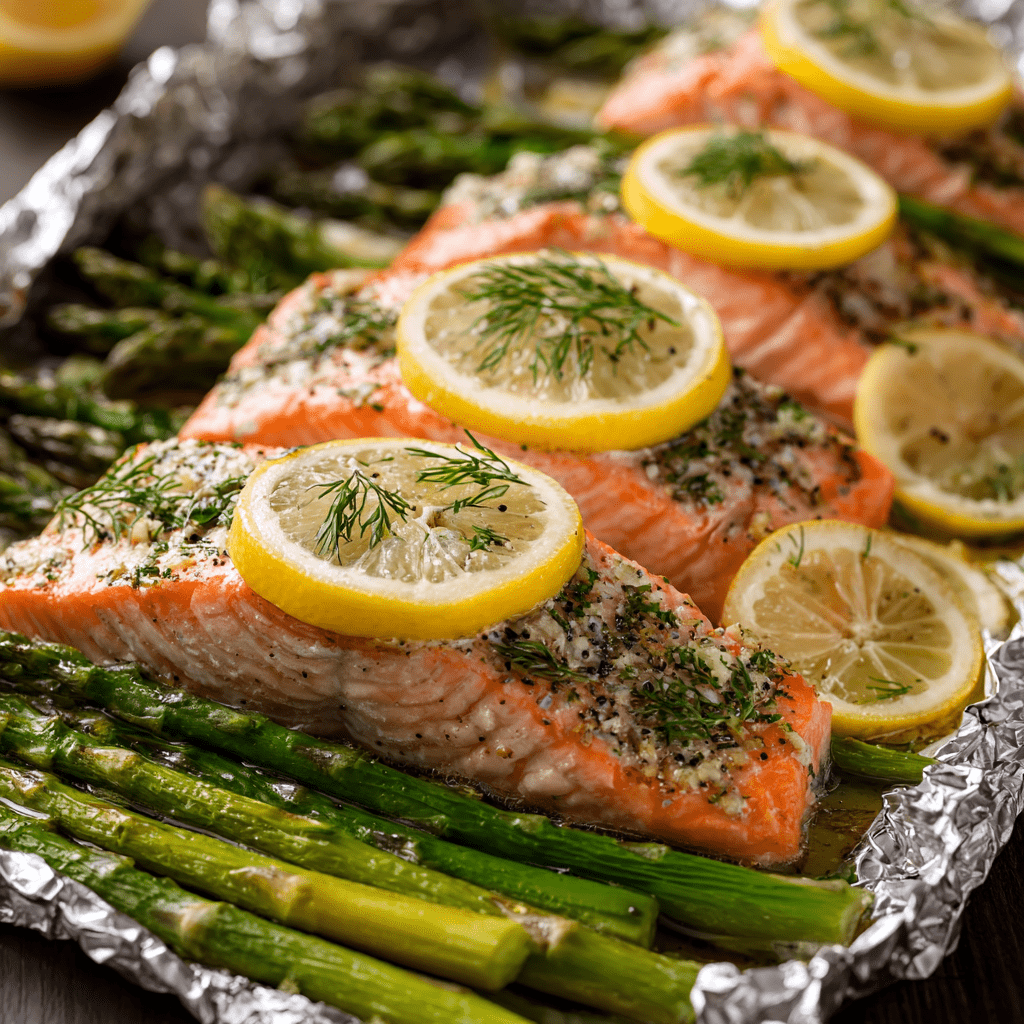
- Half-Sheet Pan Honey Garlic Salmon with Roasted Vegetables — 22 min, 18 g carbs. Salmon skin-up on parchment; broccoli and bell pepper get the honey-garlic glaze around them. The glaze is 2 tsp honey across 4 servings, so total carbs stay low even with the sweetener.
- Pesto Chicken Sheet Pan Dinner with Cherry Tomatoes — 25 min, 14 g carbs. Chicken thighs, cherry tomatoes, and thinly-sliced zucchini roast together. Store-bought pesto works; the good jarred stuff (Rana, Delallo) is worth the extra $3.
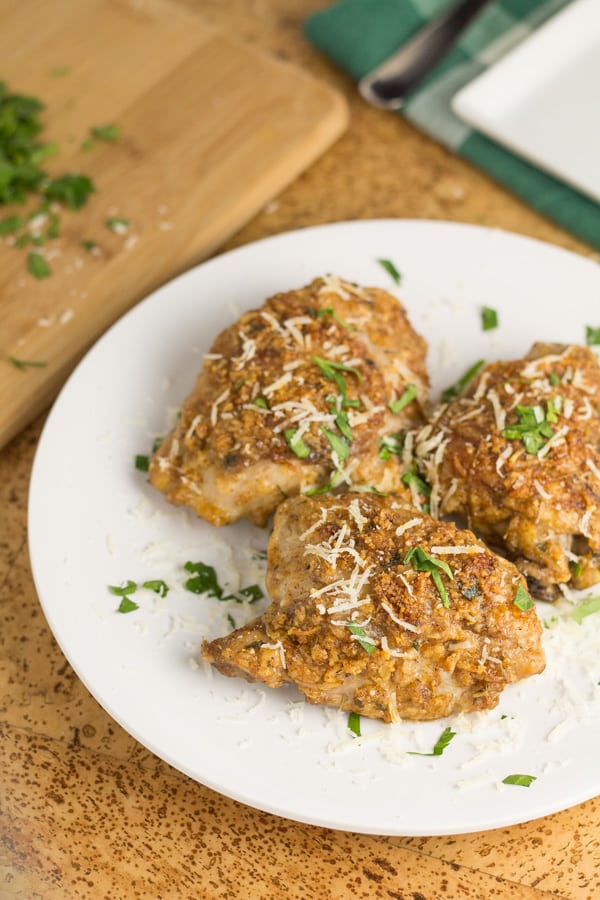
- Sheet Pan Lemon-Garlic Chicken Thighs with Cherry Tomatoes and Zucchini — 28 min, 12 g carbs. The lowest-carb build in this section — chicken thigh, zucchini, cherry tomatoes, and a lemon-garlic butter finish. Serves 4 for under $12 at 2026 grocery prices.
- Oven-Baked Greek Chicken with Lemon and Oregano — 30 min, 15 g carbs. Bone-in thighs go longer (25-28 min) than boneless (18-20 min); the pan drippings become the sauce. Serve over cauliflower rice instead of the traditional orzo.
- Sheet pan cauliflower + sausage + peppers — 25 min, 17 g carbs. Not in the catalog yet, but a 5-minute build: 1 lb chicken sausage sliced into coins, half a head of cauliflower florets, 2 bell peppers, olive oil, Italian seasoning. Standard sheet pan protocol.
- Sheet pan shrimp fajitas — 22 min, 19 g carbs. 1 lb peeled shrimp, 3 bell peppers, 1 red onion, taco seasoning, lime. Serve in lettuce wraps instead of tortillas to stay in-target.
6 skillet low-carb dinners
Skillet is the fastest vessel. A hot cast-iron or carbon-steel pan hits 500°F and sears protein in 3-4 minutes per side. The sauce builds in the pan while the protein rests. Total time: 15-25 minutes.
Skillet-cooking rule: pat your protein bone-dry before it hits the pan. Water on the surface prevents the Maillard reaction, which is 80% of the reason skillet dinners taste better than boiled ones. Paper towels, one minute, done.
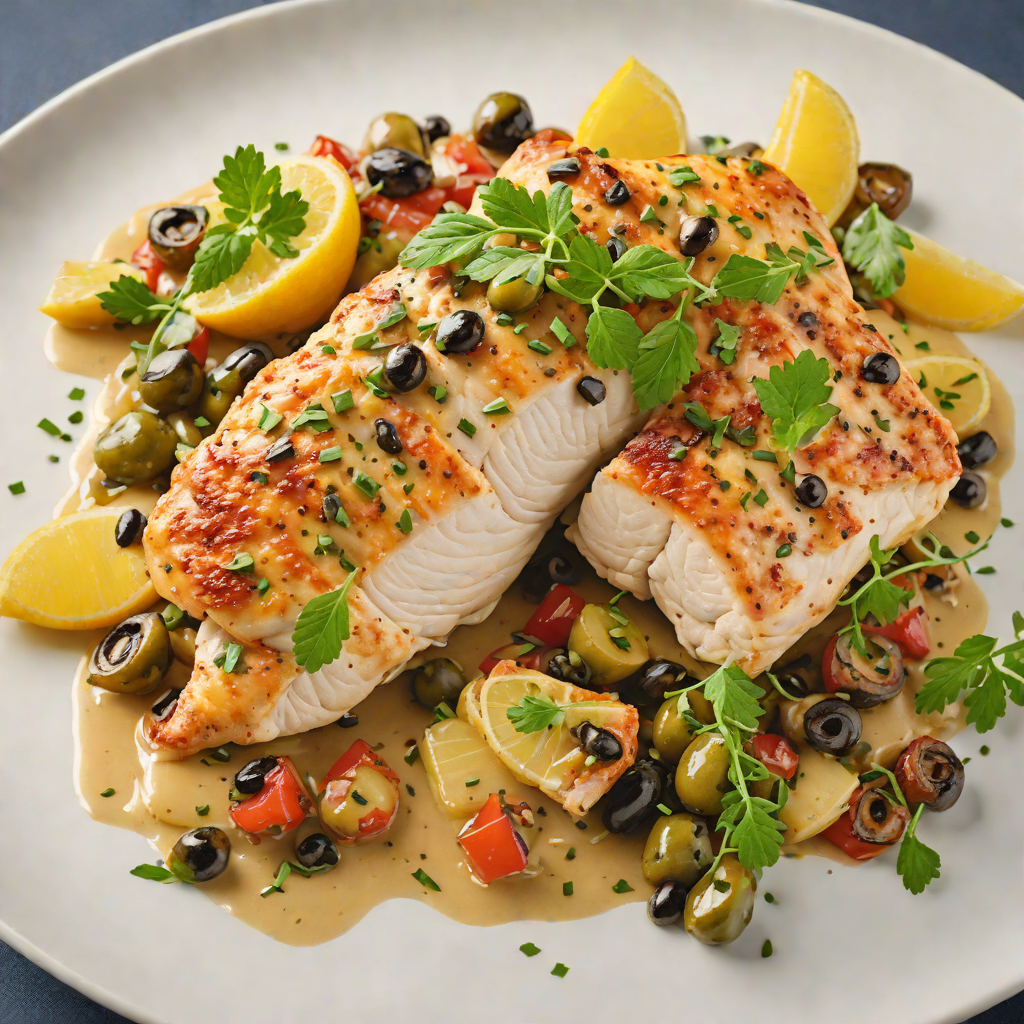
- Pan-Seared Mediterranean Chicken with Lemon-Caper Sauce — 20 min, 8 g carbs. The lowest-carb dinner on this list. Chicken breast, lemon, capers, white wine or chicken broth, butter finish. Serve alongside sautéed spinach.
- One-Pot Creamy Tuscan Garlic Chicken with Sun-Dried Tomatoes — 25 min, 16 g carbs. Heavy cream, sun-dried tomatoes, spinach, parmesan. Skip the pasta the original suggests and serve over cauliflower rice.
- Pan-Seared Salmon with Herb-Infused Lemon Butter Sauce — 15 min, 4 g carbs. The absolute lowest-carb dinner in the catalog under 30 minutes. Two-ingredient sauce (butter, lemon), one-ingredient protein (salmon). Pair with a green vegetable side.
- Philly Cheesesteak Skillet with Sautéed Peppers and Onions — 22 min, 14 g carbs. Thinly-sliced ribeye, 2 bell peppers, 1 onion, provolone. Skip the hoagie roll and eat straight from the skillet or over cauliflower rice.
- Bunless Turkey & Mushroom Burger with Cucumber Relish — 20 min, 11 g carbs. Ground turkey mixed with finely-chopped mushroom for moisture. The mushroom trick cuts fat by 15% and holds moisture better than an all-turkey patty.
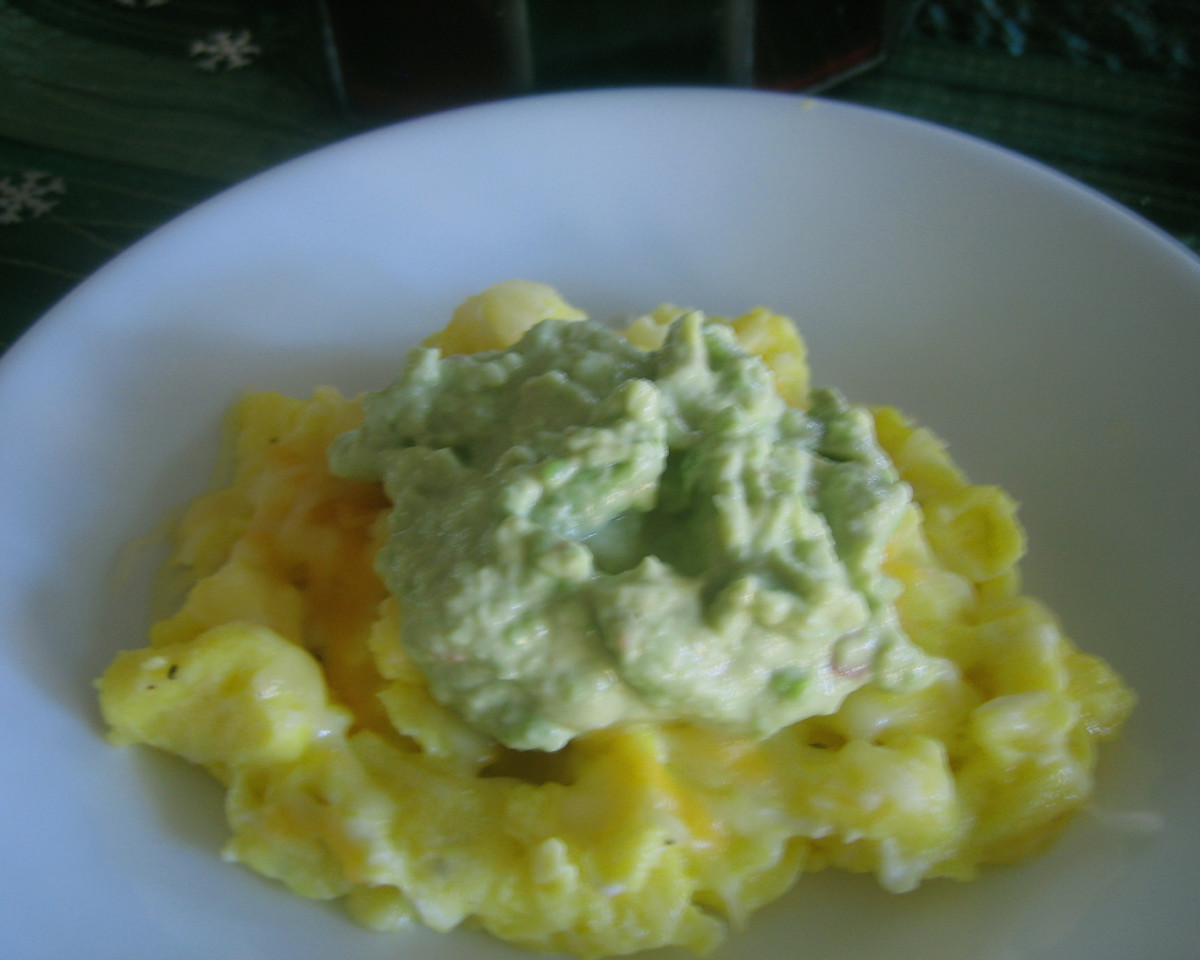
- Blackened chicken with avocado crema — 18 min, 9 g carbs. Cajun-seasoned chicken breast, cast iron, high heat, hard sear. Avocado-lime crema is 1 avocado + 2 tbsp Greek yogurt + 1 lime + salt in a food processor. Ships as a category-default fallback while the specific recipe is written.
4 stir-fry and one-pan low-carb dinners
Stir-fry is the fastest sauce-forward format. A screaming-hot carbon steel wok or 12-inch skillet sears protein and veg in 8-12 minutes total. The rice is the carb — swap in cauliflower rice or eat straight from the pan.
Stir-fry rule: proteins go in first and get pulled to the side, veg goes in second, sauce goes in last. Total pan time under 15 minutes for a family-of-four portion.
- Beef and Broccoli Stir-Fry — 22 min, 18 g carbs. The canonical low-carb stir-fry. Flank steak sliced against the grain, broccoli florets, garlic-ginger-soy sauce. Serve over cauliflower rice.
- Shrimp and Cauliflower Fried Rice with Sesame and Ginger — 20 min, 14 g carbs. Riced cauliflower as the base, 1 lb shrimp, 2 eggs, peas (small amount), soy sauce, sesame oil. Real fried-rice technique in half the carbs.
- Beef and Cabbage Stir-Fry with Ginger — 25 min, 16 g carbs. Ground beef, thinly-sliced cabbage, coconut aminos, ginger, garlic. The cabbage cooks down to noodle-like ribbons — no zoodle-squeeze required.
- Sautéed Shrimp and Cauliflower Rice Bowl with Garlic and Lemon — 18 min, 13 g carbs. Bright, low-carb, and no soy or Asian pantry needed. Weekly rotation candidate.
4 low-carb salad-as-dinner recipes
Salad-as-dinner is where low-carb roundups usually fail: 250 calories of undressed lettuce is not dinner. These salads carry 400-550 calories per serving, 25-35 g protein, and enough fat to actually be satisfying.
Salad-as-dinner rule: dressing has to be full-fat. Vinaigrette needs 3:1 oil:acid, not 1:1. Ranch and blue cheese should be full-fat, not "lite." The whole point of low-carb dinner is you get the fat calories the carbs are missing.
- Buffalo Cauliflower and Chicken Salad with Avocado Dressing — 28 min, 19 g carbs. Roasted buffalo cauliflower + shredded rotisserie chicken + avocado dressing. Roast the cauliflower while you shred the chicken.
- Cauliflower Rice Turkey Bowl with Avocado — 22 min, 15 g carbs. Ground turkey, cauliflower rice, avocado, corn (optional — skip for stricter low-carb), lime. Chipotle-bowl energy at 40% of the carbs.
- Memorial City Tex-Mex Chicken Fajita Bowls — 25 min, 21 g carbs. Sliced chicken thigh with fajita seasoning, peppers, onions, avocado, and a lime-cilantro finish. Serve on cauliflower rice or shredded lettuce.
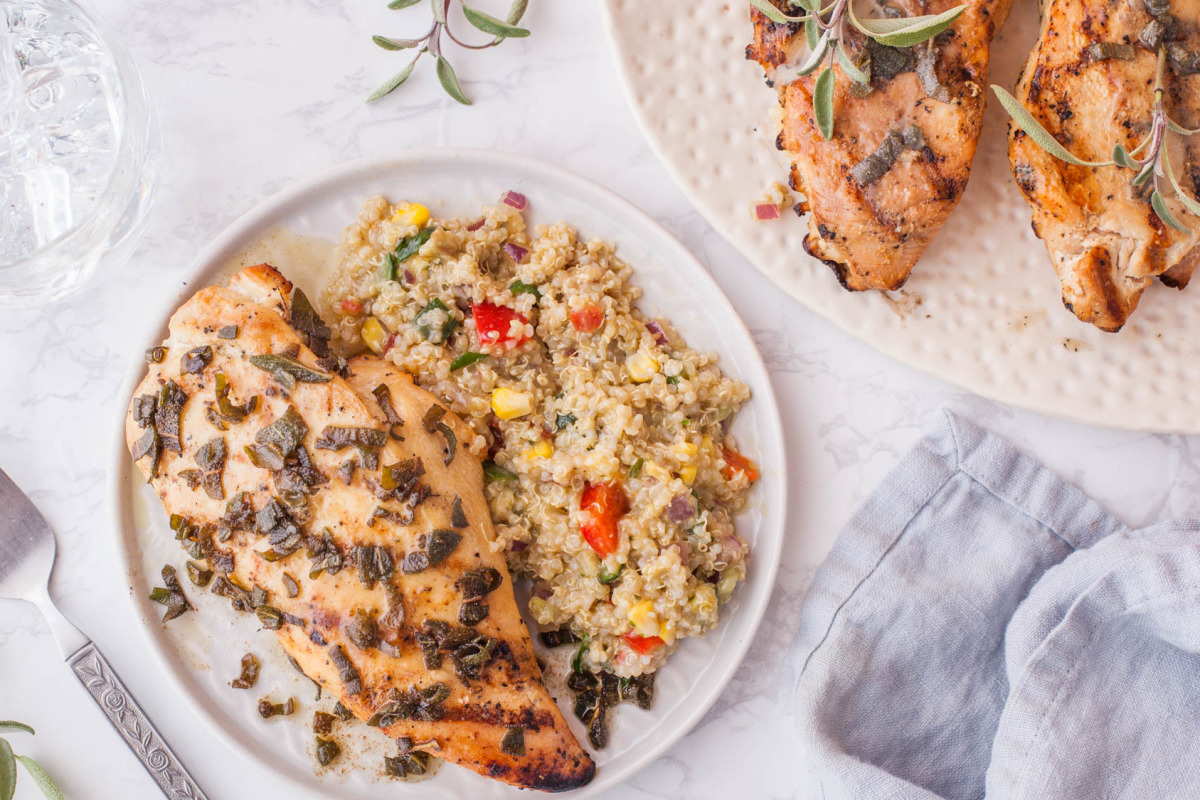
- Zucchini Noodles with Garlic-Sage Chicken — 25 min, 11 g carbs. Zucchini noodles wilt fast — add them to the hot skillet at the last minute, toss, and serve. Zoodle salt-and-squeeze prep is 15 minutes ahead; the actual cook is 10.
Kitchen equipment that shaves 5-10 minutes off every recipe
The right tools cut prep time by a third. Not gadgets — three staples:
Cast iron or carbon steel skillet. Non-stick pans max out at 400°F before the coating starts breaking down; cast iron hits 550°F. That 150°F difference is why cast-iron seared chicken is done in 4 minutes and non-stick chicken takes 8. A 10-12 inch pan is the sweet spot for a family of 4.
A rimmed half sheet pan. 13x18-inch aluminum, natural or non-stick. Sheet pans crowd fast — anything smaller and vegetables steam instead of roast. Get two so you can do a "hot pan straight from the oven" transfer and split sturdy veg from delicate veg.
A good chef's knife. An 8-inch chef's knife cuts prep from 15 minutes to 6. If chopping an onion feels like work, your knife is dull, not you. Sharpen every 6 months, hone before every cook. Cheap Victorinox Fibrox and mid-tier Wüsthof both work; brand matters less than sharpness.
Mandoline (optional). Thinly-sliced zucchini for zoodles, thinly-sliced fennel for salad, thinly-sliced onions for pickled toppings — a $30 mandoline saves 5 minutes on any recipe that calls for "thinly sliced." Buy a cut-resistant glove with it; the ER is not worth the time savings.
Real-world numbers: what these dinners actually cost and how long they take
If you rotate 5 of these recipes across a Sunday-through-Thursday week for a family of 4, the numbers on the recipe cards stay inside the ranges this article promises: every dinner lands under 30 minutes total, between 12 g and 28 g total carbs, and at least 25 g of protein per serving. Home-cooked versions built from whole proteins and vegetables generally come in well under the $8-12 you'd pay for equivalent fast-casual (Chipotle bowl, Cava, Sweetgreen). The time cost — a sheet pan or skillet and a short stretch of active cooking — is often less than the drive to pick up dinner in most suburbs.
Common pitfalls when going low-carb on a 30-minute timer
Five failure modes home cooks run into most often:
1. Zoodle water. Zucchini noodles release 30% of their volume as water when heated. If you add them to a hot sauce without salting-and-squeezing first, you end up with pasta soup. The move: salt them for 15 minutes, squeeze in a clean dish towel, then add to the hot pan at the last minute.
2. Sad cauliflower rice. Steamed cauliflower rice tastes like steamed cauliflower rice. Fried cauliflower rice — in a hot pan with butter or ghee, tossed for 3 minutes to caramelize — tastes like fried rice. The difference is 2 minutes of extra pan time and 1 tbsp of fat. Do it.
3. Under-seasoning. Low-carb dinner often means no salt-carrying starches on the plate. That means the protein and veg have to carry the salt load themselves. Double what you'd normally salt a chicken breast; you're not getting more sodium off a piece of bread.
4. Overcooked chicken breast. Boneless breast dries out at 165°F internal. Pull at 158-160°F and let it carry over. A $12 instant-read thermometer pays for itself the first week.
5. Not batch-cooking protein. Grill/roast 2 lbs of chicken thigh on Sunday and 4 of your 5 weeknight dinners become 15-minute reheats. Batch protein once = 4x return on the effort.
The 'net carbs' vs 'total carbs' debate — what actually matters
You'll see two numbers on packaged food and macro trackers: total carbs (all carbs, including fiber) and net carbs (total minus fiber). The pop-science story is that fiber doesn't spike blood glucose, so you should count net carbs. That's true for whole foods; sketchy for packaged snacks.
For whole foods, net carbs is honest. Spinach with 3 g total and 2 g fiber genuinely acts like 1 g. A cup of broccoli with 6 g total and 2.4 g fiber acts like 3.6 g in your bloodstream.
For packaged "low carb" snacks with sugar alcohols and 'IMO' (isomalto-oligosaccharides), the math is sketchy. A "3 g net carb" protein bar with 20 g total, 15 g fiber, 2 g sugar alcohols will spike your blood glucose more than the "3 g" suggests because some fibers (soluble corn fiber, IMO) are partially digestible and act like sugar. A recent Cleveland Clinic explainer walks through the specifics.
Practical rule: count net carbs from whole foods, count total carbs from packages. The 12-28 g "total carbs" numbers in this article are whole-food numbers — they'd read even lower on a net-carb basis (typically 3-5 g lower per serving) but total is the safer measure for a weeknight builder.
Sources
- Harvard T.H. Chan School of Public Health — Low-Carbohydrate Diets — the clinical evidence base for moderate low-carb (100-130 g/day) and its association with weight loss and cardiovascular markers.
- Mayo Clinic — Low-carb diet: Can it help you lose weight? — the mainstream medical view on carb reduction, including the distinction between low-carb and ketogenic diets.
- USDA Food and Nutrition — Dietary Guidelines — federal guidance on macronutrient balance and the baseline against which "low carb" is defined.
Frequently asked questions
How many carbs per meal is 'low carb'?
Are 'net carbs' a real thing or just marketing?
Can I use zucchini noodles instead of pasta in all these recipes?
How do I hit protein targets on low carb without eating only chicken?
Do I need to worry about the keto flu on low carb?
Keto and low-carb recipes from the catalog
Save any of these to My Recipes — no account needed — and send the ingredients to Instacart in one tap.