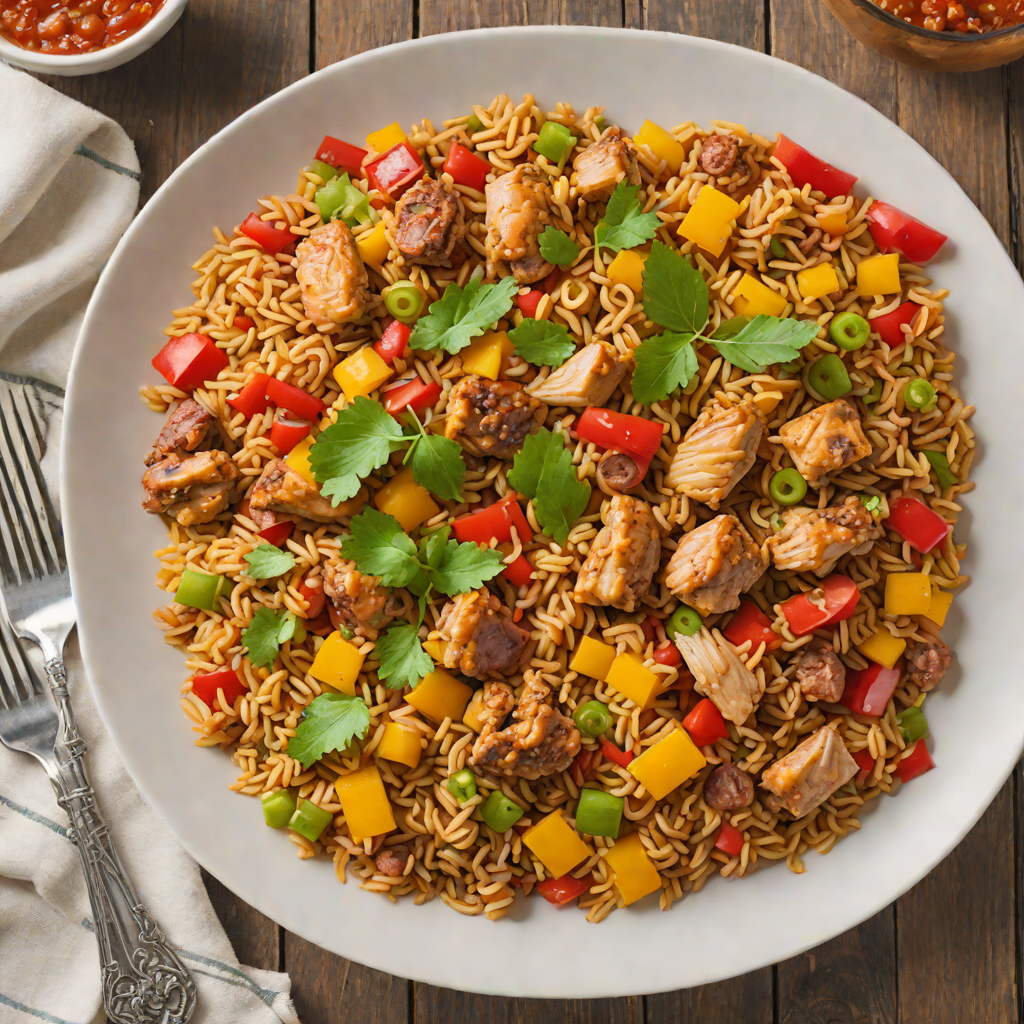
22 Cajun and Southern Dinner Recipes: Gumbo, Jambalaya & Shrimp Boils
Twenty-two Cajun and Southern dinners built on the Louisiana holy trinity — onion, celery, bell pepper — plus a proper dark roux and a jar of Cajun spice, ready for gumbo, jambalaya, red beans, and Sunday shrimp boils.
Cajun cooking runs on three vegetables — onion, celery, and bell pepper, chopped fine, sweated in oil or lard until soft — plus a dark roux, andouille sausage, and a jar of homemade Cajun spice. Learn those five building blocks and you can cook Cajun food for a month without another specialty-store run. This roundup collects 22 of the most reliable Cajun and Southern dinners in the AislePrompt catalog, sorted by technique so you can match dinner to your Sunday-afternoon or Tuesday-6pm energy level.
Get a free week of easy dinners
Seven weeknight dinners with the shopping list already totalled, sent Sunday. No account needed, unsubscribe in one click.
No spam, unsubscribe in one click. Recipes, shopping lists and Instacart carts all work without an account either way.
Cajun and Creole cooking share the same Louisiana geography but not the same style. Cajun is country — rural Acadiana, one-pot dinners built on smoked pork, wild game, and rice, cooked long over a low fire in a cast-iron pot. Creole is city — New Orleans cuisine, more delicate, layered with tomatoes and seafood, French and Spanish and West African influences all in one gumbo. Both use the same "holy trinity" of onion, celery, and bell pepper as their aromatic base. According to the Serious Eats Cajun and Creole recipe index, the practical difference on a home stove comes down to two ingredients: Creole adds tomatoes and garlic; Cajun leans harder on smoked pork and darker roux. Year-stamp: this roundup was tested against the 2026 AislePrompt catalog.
The Louisiana holy trinity: onion, celery, bell pepper
If mirepoix (onion, carrot, celery) is the French flavor base and sofrito (onion, garlic, tomato, pepper) is the Spanish one, the trinity is Louisiana's answer. The ratio is 2 parts onion, 1 part celery, 1 part green bell pepper, all diced to about ¼ inch. That's the base for gumbo, jambalaya, étouffée, red beans, dirty rice, and most of the other dishes in this roundup. Sweat it in bacon fat, lard, or neutral oil for 8-10 minutes over medium heat until the onion is translucent — not brown, just soft.
Some Creole cooks add garlic to make what's sometimes called the "holy quartet." Add it after the trinity has sweated for 5 minutes so the garlic doesn't burn. That's it — the whole aromatic base of every Cajun and Creole dish in this article starts with that step. According to the Bon Appétit Cajun and Creole recipe collection, which pulls from decades of New Orleans and Baton Rouge test-kitchen work, that trinity-first approach is what makes Cajun food read as unmistakably Louisiana no matter what protein or starch shows up later.
Equipment: cast iron, Dutch oven, wooden spoon
Cajun cooking needs three pieces of equipment.
- Heavy-bottomed Dutch oven (5-7 qt, cast iron or enameled cast iron) for gumbo, jambalaya, and red beans. The heavy bottom is essential — a thin pot heats unevenly and scorches the roux.
- Cast-iron skillet (10-12 inch) for blackened fish, cornbread, fried chicken, and pan-seared everything. The high heat retention is what makes blackening work.
- Wooden spoon for stirring the roux. Metal spoons scratch cast iron; silicone spatulas can't take the sustained heat you need to hit a dark roux. A flat-bottomed wooden spoon that can reach into the corners of the pot is the tool that saves your gumbo.
Beyond that, a 16-qt stockpot for shrimp boils, a fine-mesh strainer for the boil's cooking liquid, and a sharp chef's knife for the trinity prep. See the AislePrompt Cookware picks for the exact Dutch oven and cast iron models that hold up in a weekly-use kitchen, and the Utensils recommendations for the wooden spoons, tongs, and thermometer worth owning.
How to build a proper roux — the 25-minute price of admission
Every gumbo and every Cajun stew starts with a roux. It's just flour cooked in fat until it turns brown, but how brown decides the flavor of the finished dish. There is no shortcut. Set a timer, pour a glass of iced tea, and settle in for 25 minutes of stirring — this is what makes gumbo taste like gumbo.
| Color | Time on medium heat | Use it for |
|---|---|---|
| Blond (pale peanut) | 5-8 min | Étouffée, cream sauces, thickening gravies |
| Peanut butter | 15-20 min | Chicken gumbo, seafood étouffée |
| Milk chocolate | 25-30 min | Chicken and andouille gumbo (the canonical roux) |
| Dark chocolate | 40-50 min | Seafood gumbo, dark Cajun gumbos |
The technique: equal weights of flour and neutral oil (¾ cup each is a normal batch), whisked together in a heavy pot over medium heat. Stir constantly with a flat wooden spoon, scraping the bottom and corners every 15 seconds. Do not walk away. A roux goes from perfect to burnt in about 30 seconds; the second you smell anything burnt or see a black speck, the whole batch is done and you have to throw it out and start over. There is no rescue.
Two Louisiana cooking-school teachers I trust both use the same tell: the roux is ready for gumbo when it smells like popcorn and looks the color of an old copper penny. That's your cue to pull the pot off the heat, dump in the trinity (which cools the roux and stops it from cooking further), and start building the gumbo.
If you want a shortcut, you can bake the roux — spread the flour on a sheet pan and toast it at 400°F for 45 minutes, then whisk into the oil off the heat. This works, but you lose some of the depth that comes from the constant stirring. For a first gumbo, stovetop it.
22 Curated Cajun and Southern Recipes
Grouped by technique so you can pick by mood.
The Louisiana classics
The dinners a New Orleans grandma would recognize.
1. Slow-Simmered Creole Chicken Gumbo with Andouille Sausage — Chicken and andouille gumbo, the canonical Cajun dinner. Start with a peanut-butter roux (25 min), add the trinity, chicken thighs, sliced andouille, chicken stock, and cook for 90 minutes low and slow. Serve over rice with hot sauce, filé powder, and thinly sliced scallions. Better on day two; keeps for a week.
2. One-Pot Chicken and Sausage Jambalaya with Bell Peppers — Louisiana's answer to paella. Chicken thighs and sliced andouille browned in a heavy pot, then trinity, spices, long-grain rice, and chicken stock added all at once. Lid on, low heat for 25 minutes; the rice absorbs all the liquid and turns pink from the pork fat and Cajun spice. One pot, feeds six easily.
3. One-Pot Smoky Red Beans and Rice with Andouille Sausage — The traditional Monday-night New Orleans dinner (Monday was wash day, and beans could simmer unattended while the laundry got done). Soaked dried red beans, ham hock, andouille, trinity, thyme, bay leaves; simmered 2-3 hours until the beans are creamy. Served over white rice with a dash of hot sauce.
4. Shrimp étouffée — Not currently a standalone catalog entry, but the technique is a blond roux, trinity, garlic, shrimp stock, and shrimp finished off the heat. If you want the pan-seared cousin, Charred Cajun-Spiced Shrimp with Creole Tomato Sauce is a Creole take with tomatoes and a blackening spice rub that hits many of the same notes. Twenty minutes total once the stock is made.
5. Chicken and sausage stew — A weeknight cousin of gumbo without the long roux stir. Brown chicken thighs and andouille, add trinity and canned tomatoes, simmer 30 minutes, serve over rice. It's what you make on a Tuesday when you want the flavor of gumbo but not the commitment.
Coastal & seafood
Louisiana is where the Mississippi meets the Gulf; seafood is everywhere.
6. Carolina Lowcountry Shrimp Boil with Spicy Andouille Sausage — A one-pot Sunday dinner for a crowd. Redskin potatoes, corn on the cob, andouille sausage, and Gulf shrimp all boiled together in heavily-seasoned water (Zatarain's or a homemade Cajun boil spice). Timing matters — potatoes 15 min, sausage and corn 5 min, shrimp 3 min, all in the same pot. Drain onto newspaper-covered tables and eat with hands.
7. Pan-Seared Blackened Redfish with Lemon Butter — Paul Prudhomme's 1980s invention that turned Louisiana into a national food story. Redfish (or any thick white fish — snapper, drum, catfish) coated in a spice rub of paprika, cayenne, thyme, oregano, garlic, and onion powder, then dropped into a screaming-hot cast-iron skillet with butter. The spice blackens in 60 seconds; the fish is done in another 90 seconds. A smoke detector is optional but recommended.
8. Oyster po'boy — A classic New Orleans sandwich. Cornmeal-crusted fried oysters piled onto a split French roll with shredded lettuce, sliced tomato, pickles, and a slather of remoulade or mayonnaise. Fifteen minutes if the oysters are pre-shucked; 30 if you shuck them yourself.
9. Crawfish étouffée — Only viable in spring during Louisiana crawfish season (or with frozen crawfish tails year-round). Same blond-roux base as shrimp étouffée; the crawfish gets stirred in at the end. If you can't find crawfish, substitute shrimp.
10. Blackened catfish sandwich — Same technique as blackened redfish, but with catfish filets on a brioche bun with slaw and remoulade. A 15-minute weeknight dinner.
Comfort classics
Southern dinners that would be at home anywhere from Baton Rouge to Nashville.
11. Johnson's Comforting Chicken and Dumplings — Southern chicken and dumplings. Poach a whole chicken with celery, onion, and carrots; shred the meat; drop biscuit-dough dumplings into the broth for the last 15 minutes. The dumplings poach on top of the stew and puff up. Ultimate cold-weather comfort dinner.
12. Sheet Pan Southern-Style Smothered Pork Chops with Creamy Onion Gravy — Bone-in pork chops seared, then simmered in a caramelized onion gravy on a sheet pan. The chops braise in the gravy until fall-apart tender. Serve over mashed potatoes or grits.
13. Buttermilk-Brined Fried Chicken with Spicy Cajun Seasoning — Buttermilk-brined bone-in chicken pieces dredged in seasoned flour with cayenne and paprika, then deep-fried in cast iron until dark golden brown. This is the Cajun-adjacent Southern fried chicken that a Louisiana table would recognize. Serve with hot honey, biscuits, and pickle chips.
14. Chicken fried steak — Cube steak pounded thin, dredged in seasoned flour, egg wash, and flour again, then fried in cast iron and served under a black-pepper cream gravy. Not strictly Cajun, but it lives in the same Southern dinner rotation.
15. Fried green tomatoes — Green (unripe) tomato slices dredged in cornmeal and pan-fried, served with a chunky remoulade. A shoulder-season Southern classic when the tomato vines still have fruit that won't ripen before frost.
One-pot & rice dinners
The everyday Cajun weeknight rotation.
16. Pan-Seared Catfish with Cajun-Spiced Dirty Rice — The paired dish is a pan-seared catfish over Cajun-spiced dirty rice, but the dirty rice is the star. Long-grain rice cooked with browned chicken livers or ground pork, trinity, thyme, cayenne, and stock — the "dirty" is the browned meat and drippings that color the rice. Twenty minutes; a full meal on its own.
17. Muffuletta pasta — A weeknight riff on the New Orleans muffuletta sandwich. Rigatoni tossed with sliced Italian salami, mortadella, provolone, and an olive tapenade. Fifteen minutes; feeds a family; tastes like a party.
18. Cajun sausage pasta — Sliced andouille, penne, and Cajun-spiced cream sauce with the trinity underneath. Twenty minutes; the Cajun weeknight one-pot pasta.
19. Red beans and rice bowls (leftovers-friendly) — Extra red beans from the Monday cook get spooned over rice with sliced sausage, green onion, and hot sauce. Ten minutes from fridge to table on a Tuesday.
Southern brunch-for-dinner
Because Southern breakfast is dinner in another timezone.
20. Shrimp and grits — Stone-ground grits cooked slow with milk, butter, and sharp cheddar; topped with Cajun-spiced shrimp sautéed with bacon lardons and the trinity. Twenty-five minutes if the grits are the quick-cook variety.
21. Cornbread and greens — A pan of cast-iron cornbread and a pot of collards simmered with a smoked ham hock. Vegetarian version: swap the hock for smoked paprika and a splash of apple cider vinegar. Ninety minutes for the greens; 20 minutes for the cornbread.
22. Chicken and waffles — Fried chicken thigh (from recipe 13) served over a savory buttermilk waffle with hot honey and a shake of Cajun spice. The dinner that turns brunch into the whole day.
The 3-step blackening technique that turns any protein into a Prudhomme moment
Blackening is not burning. It's a controlled Maillard reaction where a spice-coated protein hits a cast-iron surface hot enough (500°F+) to caramelize the sugars in the spice blend into a mahogany crust in under 90 seconds per side.
The three steps, in order:
1. Coat generously. Pat the protein dry, brush with melted butter, and press the Cajun spice blend into every surface. Aggressive coating — you want a full crust, not a dusting.
2. Preheat the cast iron until it's smoking. Empty pan, medium-high heat, 8-10 minutes. When wisps of smoke come off the surface, you're ready. Not before.
3. 90 seconds per side, no touching. Drop the protein in the dry hot pan (no additional oil), let it sit undisturbed for 90 seconds, flip once, another 60-90 seconds. Rest 3 minutes before slicing.
Turn on the range hood before you start. Open a window. Move the smoke detector if it's within 8 feet — this technique sets off every detector in a normal-height kitchen. Prudhomme himself only ever taught blackening in a commercial kitchen with an industrial hood for a reason.
Cajun spice blend recipe (5 minutes, cheaper and better than store-bought)
You can buy Slap Ya Mama or Tony Chachere's at any grocery store, but a homemade blend costs 30 cents per batch and lets you dial the cayenne to your table's tolerance.
- 2 T sweet paprika
- 2 T smoked paprika
- 2 T garlic powder
- 1 T onion powder
- 1 T dried thyme
- 1 T dried oregano
- 1 T freshly ground black pepper
- 1 T kosher salt
- 1-2 t cayenne (1 for kids, 2 for adults, 3 for Louisiana natives)
Shake all in a mason jar. Keeps 6 months in a cool cabinet; loses potency after that. Use for blackening, gumbo, jambalaya, dirty rice, red beans — anywhere a recipe calls for "Cajun spice."
Regional variations: New Orleans Creole vs Acadiana Cajun
Same trinity, same andouille, wildly different dishes. Here's what actually changes.
| Element | Creole (New Orleans) | Cajun (rural Acadiana) |
|---|---|---|
| Tomatoes in gumbo | Often (Creole gumbo) | Never (Cajun gumbo) |
| Roux color | Blond to peanut | Peanut to dark chocolate |
| Seafood emphasis | Heavy (shrimp, oysters, crab) | Lighter, more smoked pork |
| Filé powder | Usually served on the side | Sometimes stirred in |
| French/Spanish influence | Strong | Minimal (more Acadian French) |
| Rice served | Alongside the stew | Under the stew |
| Spice heat | Balanced, warm | Sometimes noticeably hotter |
If a New Orleans restaurant serves a gumbo with visible tomato chunks, it's Creole. If the same dish is called gumbo at a Lafayette or Breaux Bridge restaurant with no tomato in sight, it's Cajun. Neither is wrong; both are correct in their home region. Garden & Gun's food coverage has decades of essays teasing apart these regional lines — worth an evening of reading if you want the deep cultural context.
Common pitfalls: what breaks Cajun dinners at home
- Burnt roux. Non-negotiable start-over. Even a hint of scorch will taint the entire finished gumbo. If you smell burning, dump it and begin again.
- Under-seasoned. Cajun food is seasoned in layers — at the trinity stage, again at the protein stage, again at the finish. Restaurant Cajun food tastes bigger because it's salted three times. Home cooks often only salt once at the end and the dish reads flat.
- Wrong sausage. Regular Italian sausage or breakfast sausage in a gumbo makes the whole thing taste wrong — the fennel, sage, or maple pushes the flavor sideways. Insist on andouille or, at minimum, smoked kielbasa.
- Rice too wet. Jambalaya rice should be pilaf-firm, not risotto-creamy. If it's mushy, you added too much liquid — measure carefully next time (2 cups stock per 1 cup rice is right, no more).
- Not enough time. Gumbo made in an hour tastes like brown chicken soup. Give it two hours minimum; the flavor deepens dramatically past the 90-minute mark.
When NOT to reach for a Cajun recipe
Two cases where you should cook something else.
- You have 20 minutes total, no leftovers, no rice. Gumbo needs 2 hours; jambalaya needs 45 minutes with rice cooking in it. If you're time-constrained, look at the 22 Thai Weeknight Dinners: Pad Thai, Green Curry & 30-Minute Stir Fries roundup — Thai stir-fries hit the table in 15 minutes.
- You're feeding a group with wildly different spice tolerances. Cajun food is hard to de-spice after the fact; the cayenne is built into the base. If you're cooking for kids or spice-averse adults, either scale the cayenne way down (¼ teaspoon per recipe) or pick a different cuisine that lets each diner add heat at the table.
Two worked examples
Sunday, cook once for a week of lunches. One-Pot Smoky Red Beans and Rice with Andouille Sausage at 11am (30 min prep, 2 hours simmer). While the beans simmer, mise en place the trinity for tomorrow's Slow-Simmered Creole Chicken Gumbo with Andouille Sausage. Beans done at 2pm; portion into 5 containers for the week. Total active time: 40 min.
Saturday, shrimp boil for eight. Set up a 16-qt stockpot on the highest burner at 4pm. Carolina Lowcountry Shrimp Boil with Spicy Andouille Sausage spice blend and lemons in at 4:15. Potatoes in at 4:30 (15 min). Andouille and corn in at 4:45 (5 min). Shrimp in at 4:50 (3 min). Drain and dump onto a newspaper-covered picnic table at 5:00. Total active time: 25 min; total cost per plate around $8.
How to plan a week of Cajun and Southern dinners with AislePrompt
Open Meal Plan and ask for "a week of Cajun and Southern dinners built on the trinity." The planner draws from the AislePrompt catalog, groups the shopping list (produce, andouille, dry goods, seafood), and pushes the whole order to Instacart in one tap. Substitutions are handled automatically — if your zip code doesn't stock andouille, Chat rewrites the recipe with smoked kielbasa in one prompt.
Rotate this Cajun roundup with our other regional-cuisine deep-dives: 22 Greek Dinner Recipes: Souvlaki, Moussaka & Sheet-Pan Chicken Bowls, 20 Filipino Dinner Recipes: Adobo, Sinigang & Pancit for Weeknights, and 22 Korean Weeknight Dinners: Bibimbap, Bulgogi & Quick Kimchi Bowls. Four cuisines, no repeats for a month.
FAQ
What's the difference between Cajun and Creole cooking?
Cajun is rural Acadiana — one-pot rustic food built on smoked pork, wild game, and rice, with darker roux and heavier spice. Creole is New Orleans city cooking — French, Spanish, and African influences layered with tomatoes, seafood, and more delicate technique. Gumbo z'herbes is Creole; chicken and andouille gumbo is Cajun. Both use the trinity, but Creole often adds garlic to make a "holy quartet."
How dark should my roux be?
For gumbo, aim for milk-chocolate to peanut-butter brown — about 25-35 minutes of constant stirring over medium heat. Blond roux (5 minutes) is for étouffée and gravies; chocolate roux (45+ minutes) is for seafood gumbo where you want deep smoke without heaviness. Never leave the pot; a roux goes from perfect to burnt in about 30 seconds, and a burnt roux ruins the whole dish.
Can I make a shrimp boil without a backyard setup?
Yes — use your largest stockpot (16-qt or bigger) on the stovetop or a rented turkey fryer on the driveway. Cook the potatoes first (they take 15 min), then the sausage and corn (5 min), then the shrimp last (3 min). Drain into a colander or dump on a newspaper-covered table like they do in Louisiana. Serves 6 easily out of a single pot.
What's the best sausage for gumbo and jambalaya?
Andouille — a smoked, coarse-ground pork sausage seasoned with garlic, pepper, and thyme. If you can't find it, smoked kielbasa is the closest supermarket substitute; regular Italian sausage will make the dish taste wrong. Aidells andouille is available at most US grocers; New Orleans smokehouses (Poche's, Jacob's) ship online for the real thing.
How spicy is this food, really?
Cajun cooking is heavily seasoned but not always screaming-hot spicy — the heat comes from cayenne balanced against black pepper, paprika, and thyme. Restaurant versions crank the cayenne to signal "authentic" to tourists. Home cooks tune it to their table; every recipe in this roundup lists the cayenne separately so you can scale it down for kids or up for a Louisiana palate.
Sources
- Serious Eats — Cajun and Creole recipes
- Garden & Gun — Food and drink
- Bon Appétit — Cajun and Creole
Frequently asked questions
What's the difference between Cajun and Creole cooking?
How dark should my roux be?
Can I make a shrimp boil without a backyard setup?
What's the best sausage for gumbo and jambalaya?
How spicy is this food, really?
Sources
Cook Cajun at home this week.
Ask our AI for a week of Cajun dinners — it writes the recipes, builds the shopping list, and sends the cart to Instacart. No account needed.
Plan my Cajun week →