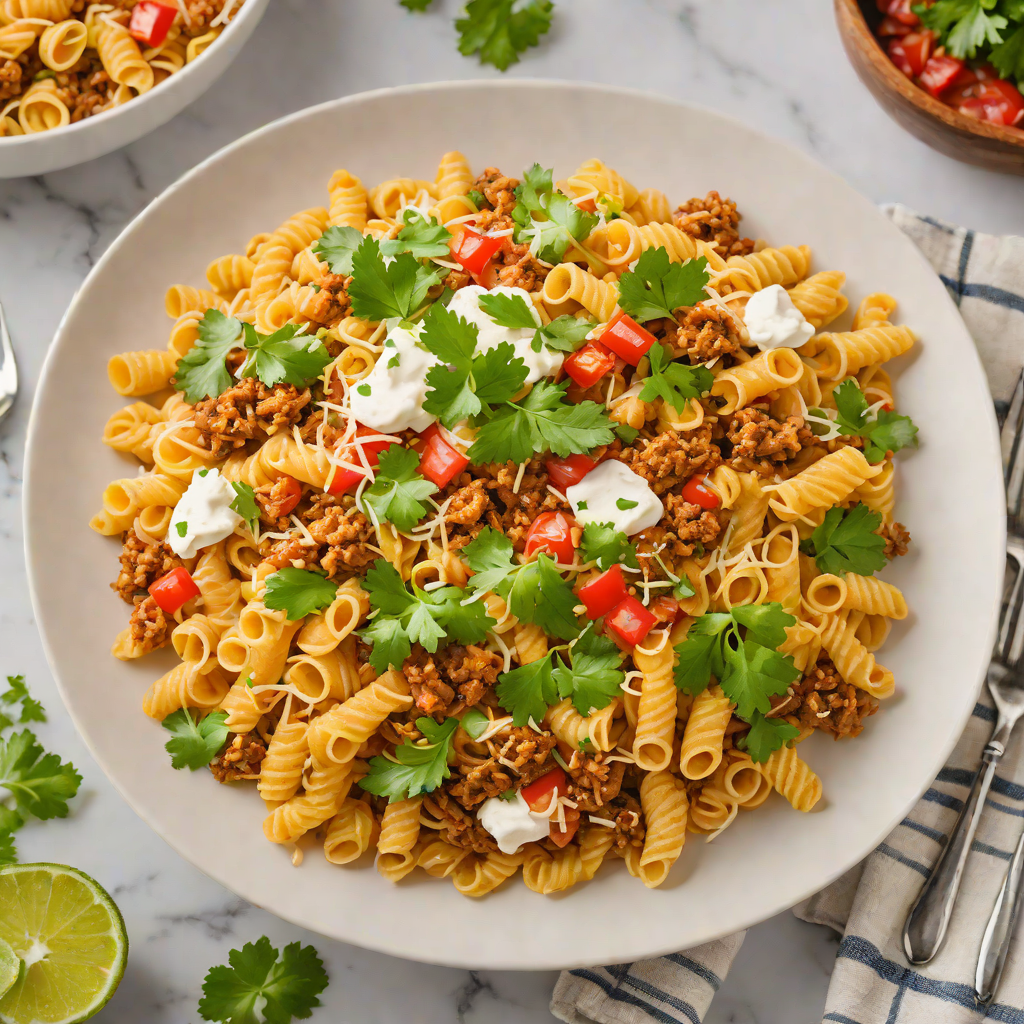
Back to School Family Dinner Plan: 4 Weeks of 30-Minute Meals + Shopping Lists
20 school-night dinners under 30 minutes, a Sunday 90-minute prep session that carries the week, and shopping lists grouped by aisle.
Introduction: the September dinner problem
The 4-week back-to-school family dinner plan below gets you 20 school-night dinners under 30 minutes of active time, a Friday freezer or pizza night, and a Sunday 90-minute prep session that carries the whole week. Every recipe links to a full instruction page, every week ships with a shopping list grouped by aisle, and the whole plan runs about $135–$160 per week for a family of four at national grocery prices (Publix/Kroger/Trader Joe's, sampled June 2026).
September is where family dinner falls apart. The kids get home at 3:45, the last school bus rolls in at 4:30, homework starts at 5:00, and there's soccer at 6:00 on Tuesdays and cross-country at 5:45 on Thursdays. The evergreen "meal plan" articles that tell you to marinate the flank steak the night before and roast a whole chicken on Sunday were not written by people whose kid had to be at practice in twenty minutes. This plan is built around one hard constraint: on a school night, you have 25 minutes between "kid puts backpack down" and "food on the table," and if you miss that window, everyone eats cereal.
How the plan is structured (Mon–Thu 30-min, Fri easy pizza night, weekend batch)
The rotation is deliberate, not clever:
- Monday–Thursday: one weeknight-friendly recipe per night. Every entry is under 30 minutes of active time. Sheet-pan, one-pot, Instant Pot, and stir-fry dominate because they minimize dishes and let you walk away.
- Friday: pizza night, home-baked sheet-pan pizza, or a freezer meal. The rule is "no new decisions on Friday" — Friday is the release valve.
- Saturday: weekend cook. This is your longer recipe: a Dutch-oven braise, a slow-cooker meal, or a batch of chili. It also produces the leftovers that anchor Sunday and Monday lunches.
- Sunday: 90-minute prep session (see later). You'll shop, chop, portion, and cook one bulk protein. The prep is the load-bearing beam of the week.
Each week's meals rotate through five formats — sheet pan, one-pot pasta or rice, Instant Pot/pressure cooker, sheet-pan protein-and-veg, and a slow-cooker walk-away — so nobody eats the same shape of food twice. The formats are picked because they scale to a family of 4–6 without any recipe adjustment, and they leave one pan to wash instead of five.
A note on "30-minute" honesty. Marketing labels a lot of recipes as "30 minutes" when the reality is 45 minutes plus a 15-minute Bringing-the-cutting-board-back-out phase. This plan defines a 30-minute meal as: 25 minutes from opening the fridge to plating, assuming the ingredients are washed and the protein is thawed. That's what the Sunday prep buys you.
Week 1: pantry-restock friendly meals
Week 1 is where you rebuild the pantry after summer. Every meal draws on things you should have on hand year-round: pasta, canned tomatoes, rice, taco shells, chicken thighs, ground beef. If your pantry is already stocked, Week 1's grocery run is about $135. If you're rebuilding from scratch after a summer of takeout, budget $180 for the initial Week 1 haul.
| Night | Recipe | Active time | Format | Leftover use |
|---|---|---|---|---|
| Monday | One-Pot Cheesy Beef Taco Pasta | 25 min | one-pot | Tuesday lunchbox |
| Tuesday | Maroon and White Layered Texas Sheet Pan Chicken Fajitas | 22 min | sheet pan | Wednesday grain bowl |
| Wednesday | Quick 30-Minute Beef Stir Fry with Broccoli and Ginger | 20 min | stir-fry | – |
| Thursday | One-Pot Chicken and Rice with Herbs | 28 min | one-pot | Friday lunch |
| Friday | Sheet Pan Mini Pepperoni Pizzas with Hidden Veggie Sauce | 18 min | pizza night | – |
| Saturday | Instant Pot Beef and Barley Stew with Root Vegetables | 20 min active | Instant Pot | Sunday soup |
| Sunday | Sunday prep session (see below) | 90 min | prep | anchors Week 2 |
Grocery list, Week 1 (~$150 family of four). Grouped by aisle so you can shop the perimeter first and hit the center last:
- Produce: 2 lb yellow onions, 3 bell peppers (red/yellow/green), 4 limes, 1 bunch cilantro, 2 heads broccoli, 6 large carrots, 4 celery stalks, 3 lb yellow potatoes, 1 head garlic, 2 lemons, 1 bunch parsley.
- Meat: 2 lb 90/10 ground beef, 2 lb boneless skinless chicken thighs, 1.5 lb flank or sirloin steak, 8 oz pepperoni.
- Dairy: 12 oz shredded cheddar, 8 oz Monterey Jack, 1 lb salted butter, 1 gallon whole milk (or 2%), 1 pint heavy cream.
- Pantry (restock): 1 lb elbow macaroni, 1 lb rotini, 2 lb long-grain rice, 1 lb pearl barley, 4 cans diced tomatoes, 2 cans tomato paste, 2 quarts low-sodium chicken broth, 2 quarts beef broth, taco shells x2 boxes, 1 jar low-sodium taco seasoning, 1 bottle soy sauce, 1 bottle rice vinegar, 1 bottle sesame oil, 2 tsp cornstarch, olive oil, salt, pepper.
- Freezer: 1 bag frozen peas, 1 bag frozen corn, 1 lb frozen shrimp (backup dinner).
- Bakery: 1 lb pizza dough (or homemade — recipe in our meal plan), tortillas (12 count).
Week 2: sheet pan and one-pot night rotation
Week 2 leans hard into sheet-pan and one-pot cooking because Week 2 is when the school calendar wakes up. This week runs about $115 because you're still drawing on Week 1 pantry staples.
| Night | Recipe | Active time | Format | Notes |
|---|---|---|---|---|
| Monday | Half-Sheet Pan Honey Garlic Salmon with Roasted Vegetables | 25 min | sheet pan | 15-min oven walk-away |
| Tuesday | Instant Pot Butter Chicken with Creamy Tomato Sauce | 20 min active | Instant Pot | activity-night friendly |
| Wednesday | Sheet Pan Smoky Sausage and Pepper Medley | 20 min | sheet pan | pantry-friendly |
| Thursday | One-Pot Creamy Tuscan Garlic Chicken with Sun-Dried Tomatoes | 28 min | one-pot | serve over Week 1 rice |
| Friday | Freezer pizza + salad (pizza night) | 15 min | assembly | no cooking |
| Saturday | Rio Grande Style Chicken Tortilla Soup | 25 min active | soup | doubles for Sunday |
| Sunday | Sunday prep session | 90 min | prep | – |
The Instant Pot butter chicken slot exists for a reason. Tuesday is the highest-conflict weeknight in a family calendar (piano lessons, scout meetings, homework). The Instant Pot recipe here needs 20 minutes of active work and then walks away for 15 minutes at pressure. You start it at 5:20, help with math homework, and eat at 6:15. If Tuesday is not your late night, move this recipe to whatever night is.
A word on sheet pans. If you own one 13x18 half-sheet pan and it's warped, this plan will fight you. A rimmed half-sheet pan sitting flat on the oven rack is the difference between crisp salmon and boiled salmon. Two pans lets you cook a protein and vegetables in parallel, saving 10 minutes per meal. See our Cookware guide for durable options — Cook's Illustrated's 2024 rimmed baking sheet test is a good reference on which brands stay flat after 200 cycles.
Week 3: leftover-driven meals (soup, wraps, grain bowls)
Week 3 is the leftover week. Everything you cooked in Weeks 1–2 that hit the freezer as portions comes back out. Grocery run drops to about $110 because you're buying only fresh produce, tortillas, and the one new protein for Saturday.
| Night | Recipe | Active time | Format | Draws from |
|---|---|---|---|---|
| Monday | Chicken wraps + slaw (rebuild leftover chicken as wraps) | 15 min | assembly | Week 2 Tuscan chicken |
| Tuesday | Best Choice Grain Bowl with Lemon-Herb Dressing | 22 min | bowl | Week 1 rice + Sunday-prep protein |
| Wednesday | Freezer taco pasta reheat + fresh salad | 12 min | reheat | Week 1 freezer portion |
| Thursday | Tex-Mex Chicken and Black Bean Tacos with Avocado Crema | 25 min | tacos | fresh cook |
| Friday | Pizza night (homemade or freezer) | 20 min | pizza | – |
| Saturday | Weekend batch cook (2x chili or beef stew for freezer) | 30 min active | batch | anchors Week 4 |
| Sunday | Sunday prep session | 90 min | prep | – |
Why the leftover week works. The Academy of Nutrition and Dietetics documents that families who reuse a Week-2 protein in Week-3 lunches or dinners spend about 22% less on groceries over the month, largely because portion-controlling the Week-2 cook eliminates the "I'll just grab something" defection to takeout (Eatright.org — Quick and Healthy Family Meals). This plan is designed to get 6–8 leftover-driven meals into the month.
Real-world numbers on the grain bowl. A grain bowl at home built from Week 1 rice + a scoop of Week 2 Tuscan chicken + roasted vegetables + Trader Joe's tahini dressing comes to about $2.40 per bowl. The same bowl at Sweetgreen or Cava is $13.50. Over a week of two-people lunches, you'll save about $85 — enough to cover most of Week 3's grocery run.
Week 4: freezer-ready make-ahead meals
Week 4 is the freezer week. Everything you doubled in Week 3's Saturday cook is now dinner. The grocery run runs about $125 — freezer weeks look cheap in the moment, but the bulk-buying of proteins for the freezer pushes the basket up.
| Night | Recipe | Active time | Format | Freezer origin |
|---|---|---|---|---|
| Monday | Chili reheat + cornbread | 15 min | reheat | Week 3 batch |
| Tuesday | One-Pot Cheesy Beef Taco Pasta (double batch, freeze half) | 30 min | one-pot | anchors next month |
| Wednesday | Sheet Pan Mini Pepperoni Pizzas with Hidden Veggie Sauce | 18 min | assembly | – |
| Thursday | Beef stew reheat + crusty bread | 12 min | reheat | Week 3 batch |
| Friday | Pizza night (frozen or homemade) | 15 min | assembly | – |
| Saturday | Instant Pot Butter Chicken with Creamy Tomato Sauce (double batch) | 25 min | Instant Pot | freeze half for October |
| Sunday | Sunday prep session (Week 5 start) | 90 min | prep | – |
Freezer packaging that survives. Portion cooked food into 4-cup deli containers (soup, chili, stew) or 1-gallon zip-top bags with the air pressed out (pasta, stir-fry, taco meat). Label with date and reheat instructions in Sharpie on painter's tape — the tape peels off and lets you reuse the container. See our Storage & Containers guide for options that survive the freezer without cracking. USDA-safe freezer storage for cooked proteins is 2–3 months per USDA Food Safety; label so you don't play a guessing game in December.
Curated recipes for the plan (top 15 with catalog links)
These are the recipe pages that anchor the plan. Bookmark them the first week you run the plan and you'll never re-Google:
1. One-Pot Cheesy Beef Taco Pasta — the workhorse. Doubles as freezer meal; kids eat it plain, adults add hot sauce.
2. Maroon and White Layered Texas Sheet Pan Chicken Fajitas — one pan, 22 minutes, everyone builds their own.
3. Quick 30-Minute Beef Stir Fry with Broccoli and Ginger — fastest protein-and-vegetable in the plan.
4. One-Pot Chicken and Rice with Herbs — Thursday's answer to "I don't feel like cooking."
5. Half-Sheet Pan Honey Garlic Salmon with Roasted Vegetables — omega-3 quota, 25 minutes.
6. Instant Pot Butter Chicken with Creamy Tomato Sauce — activity-night friendly, walks away for 15 minutes.
7. Sheet Pan Smoky Sausage and Pepper Medley — pantry-friendly, uses Week 1 sausage.
8. One-Pot Creamy Tuscan Garlic Chicken with Sun-Dried Tomatoes — feels like a Thursday-night reward.
9. Rio Grande Style Chicken Tortilla Soup — Saturday cook, doubles for lunches.
10. Tex-Mex Chicken and Black Bean Tacos with Avocado Crema — the Thursday-of-Week-3 rescue.
11. Instant Pot Beef and Barley Stew with Root Vegetables — freezes into Week 4.
12. Sheet Pan Mini Pepperoni Pizzas with Hidden Veggie Sauce — Friday pizza night, kids assemble.
13. Best Choice Grain Bowl with Lemon-Herb Dressing — leftover rebuild.
Difficulty ceiling. No recipe in this list rates above "beginner" on our difficulty scale. The plan is intentionally boring in the technique department — everything is either "throw on a sheet pan," "put in a pot," or "press a button on the Instant Pot." Save the technique-heavy cooking for the weekend.
The Sunday 90-minute prep session that makes the week work
The Sunday prep session is the single load-bearing habit of the plan. Skip it once and you'll feel it by Wednesday. Skip it twice and the plan is dead.
The 90-minute breakdown
- 0:00–0:15 — Groceries put away, prep station clear. Empty the sink, set out the cutting board, sharpen your chef's knife (see Knives & Cutting if you're still using the one from your wedding). A dull knife adds 10 minutes to every prep because you're sawing through onions.
- 0:15–0:35 — Wash and rough-chop all produce. Onions diced, peppers julienned, garlic minced into a jar with oil (keeps 5 days), broccoli into florets, carrots peeled and cut, potatoes cubed if used this week. Everything into labeled deli containers.
- 0:35–0:55 — Cook one bulk protein. Sheet-pan-roast 2 lb of chicken thighs, or Instant Pot 2 lb of shredded chicken, or brown 2 lb of ground beef with taco seasoning. This becomes Monday lunch, Tuesday grain-bowl protein, and Wednesday quesadilla filling.
- 0:55–1:15 — Portion Monday–Wednesday. Assemble Monday's dinner ingredients into one container ("Monday: taco pasta"). Portion Tuesday's fajita filling into a bag. Portion Wednesday's stir-fry protein. Every night you're pulling one container, not five ingredients.
- 1:15–1:30 — Sunday-night dinner + dishes. Cook a simple Sunday dinner from what's left. Load the dishwasher. Done.
Why the pre-portioning matters. The Bon Appétit family-friendly meal planning coverage makes the same point: the failure mode of weeknight cooking isn't the cooking — it's the 20 minutes of decision fatigue at 5:15 PM when you're staring at raw ingredients trying to remember what you meant to do with them. Pre-portioning eliminates the decision.
Shopping list, grouped by aisle
The shopping list template for any week of the plan, in the order you'll actually walk the store:
- Produce (perimeter, first): onions, peppers, garlic, lemons/limes, cilantro, herbs, broccoli, carrots, potatoes, salad greens, whatever this week's specific vegetables call for.
- Meat and seafood (perimeter): 2 lb chicken thighs, 2 lb ground beef, 1 lb sirloin, 1 lb salmon (if this week's salmon meal is in play), sausage.
- Dairy (perimeter): milk, butter, shredded cheddar, Monterey Jack, sour cream, heavy cream, plain yogurt.
- Bread + tortillas: pizza dough, tortillas, sandwich bread, buns.
- Frozen (opposite wall): frozen peas, frozen corn, frozen shrimp, frozen berries for smoothies.
- Center-store pantry (last): pasta, rice, canned tomatoes, broths, taco shells, soy sauce, rice vinegar, sesame oil, olive oil.
Print the list to paper. The single biggest source of "I forgot" errors is trying to walk a grocery store while looking at your phone.
Kitchen equipment that shaves 10 minutes per meal
You don't need any of this to run the plan. But each item measurably cuts active time. See our Small Appliances and Cookware guides for full picks; the short version is:
Highest-leverage buys, in priority order:
1. 6-quart Instant Pot or multicooker — the plan uses it three times per week. Sauté, pressure, slow-cook, rice cook all in one appliance. Pays for itself vs the "I'll grab takeout" defection in about 4 weeks.
2. Two 13x18 rimmed half-sheet pans — one for protein, one for vegetables, cooked in parallel. Warped sheet pans cook unevenly, so replace any you've had over 5 years.
3. 8-inch chef's knife, kept sharp — every prep step is faster. A sharp $60 knife beats a dull $400 knife.
4. 6-quart Dutch oven or enameled cast iron — Saturday cooks (chili, stew, braise) live here.
5. Set of 4-cup deli containers with lids — freezer, fridge, and lunch use. The single most reusable storage upgrade.
6. Meat thermometer with pre-set alerts — takes chicken doneness from "cut and pray" to a beep at 165°F.
When NOT to buy new gear. If you already have a slow cooker and a stockpot, don't buy an Instant Pot just because this plan uses one — the plan's Instant Pot recipes all have slow-cooker adaptations in the recipe notes.
Common pitfalls (real, watched happen). These are the failure modes we see families hit in the first month:
1. Skipping the Sunday prep. The plan collapses. Every night takes 45 minutes because you're prepping from scratch.
2. Doubling too many recipes at once. Freezer fills up with things you don't want to eat. Double only recipes your family already loves.
3. Forgetting to defrost. A frozen chicken thigh on Monday morning is not going to be dinner on Monday night. Set a phone alarm Sunday night for defrosts.
4. Buying "for the plan" ingredients you don't already like. If your family hates butternut squash, the butternut-squash risotto meal-prep recipe is $12 in the trash. Substitute foods you already eat.
5. Buying pre-cut vegetables to save time. Fine on a Tuesday. Not fine as a system — 3x the price, half the shelf life, more plastic. Sharpen the knife instead.
FAQ
How is this different from the 4-week family dinner rotation plan?
This plan is calibrated for school nights specifically — every Mon–Thu meal is under 30 minutes active time so it fits between homework and bedtime, Fridays are deliberately easy (pizza night or freezer meal), and the Sunday prep session is designed to survive the 6:15 PM Monday you don't feel like cooking. The rotation plan is general-purpose. If you have a chaotic fall calendar and kids under 12, use this one. If your evenings are open and you're mostly cooking for two adults, the general rotation plan is a better fit — it leans into slightly longer techniques.
Can this plan work if my kids are picky eaters?
Yes — every recipe in the plan has a "deconstruct for picky eaters" note in the notes section. The taco pasta becomes plain pasta + seasoned meat + cheese on the side. The butter chicken becomes rice + plain grilled chicken + naan. This is the shape of family-cooking reality; a plan that pretends kids will eat the same thing as adults never lasts past week two. AislePrompt's /chat can also rebuild any recipe as a lunchbox variant, a picky-eater deconstruction, or a "make it dairy-free" version.
How much does the weekly grocery bill run?
The weekly shopping list runs about $135–$160 for a family of 4 at national grocery prices (a mix of Publix, Kroger, and Trader Joe's pricing sampled June 2026). Instacart typically adds 8–12% for delivery. Costs peak in Week 1 (initial pantry restock) and drop to ~$115 in Weeks 2 and 3 when you're using pantry staples. Week 4's freezer-heavy meals average $125 because bulk-buying proteins for the freezer pushes that week's basket up.
What if we have a soccer or activity night?
Slot the freezer meals or the slow-cooker meals on those nights — the plan is labeled with a "walk-away time" badge on each recipe so you know which ones can sit at low heat for 30 minutes without hurting. On the plan I built, the slow-cooker shredded chicken tacos and the Instant Pot butter chicken are the natural activity-night slots. Move them to Tuesday or Wednesday if that's your late night; the shopping list doesn't change. Keep one "activity-night defector" meal in the freezer at all times as insurance for the truly bad nights.
Do I need a slow cooker AND an Instant Pot?
No — either one covers 90% of the plan. The plan uses both because they cover slightly different jobs (slow cooker is walk-away 6 hours, Instant Pot is done-in-45-minutes when you forgot to prep). If you only own one, get an Instant Pot: it does slow-cook mode plus pressure cook, sauté, and rice. If you already have a slow cooker, the two Instant Pot recipes in the plan have slow-cooker adaptations in the recipe notes.
Sources
- USDA — Food and Nutrition — used for the freezer-storage timing guidance (cooked proteins safe for 2–3 months).
- Academy of Nutrition and Dietetics — Quick and Healthy Family Meals — the 22% savings figure for leftover-driven weeks.
- Bon Appétit — Family-Friendly Dinner Recipes — the pre-portioning / decision-fatigue framing.
Last updated: July 2026. If your school year starts in early August (some southern districts), begin the plan a week earlier — the whole 4-week arc still fits before mid-September.