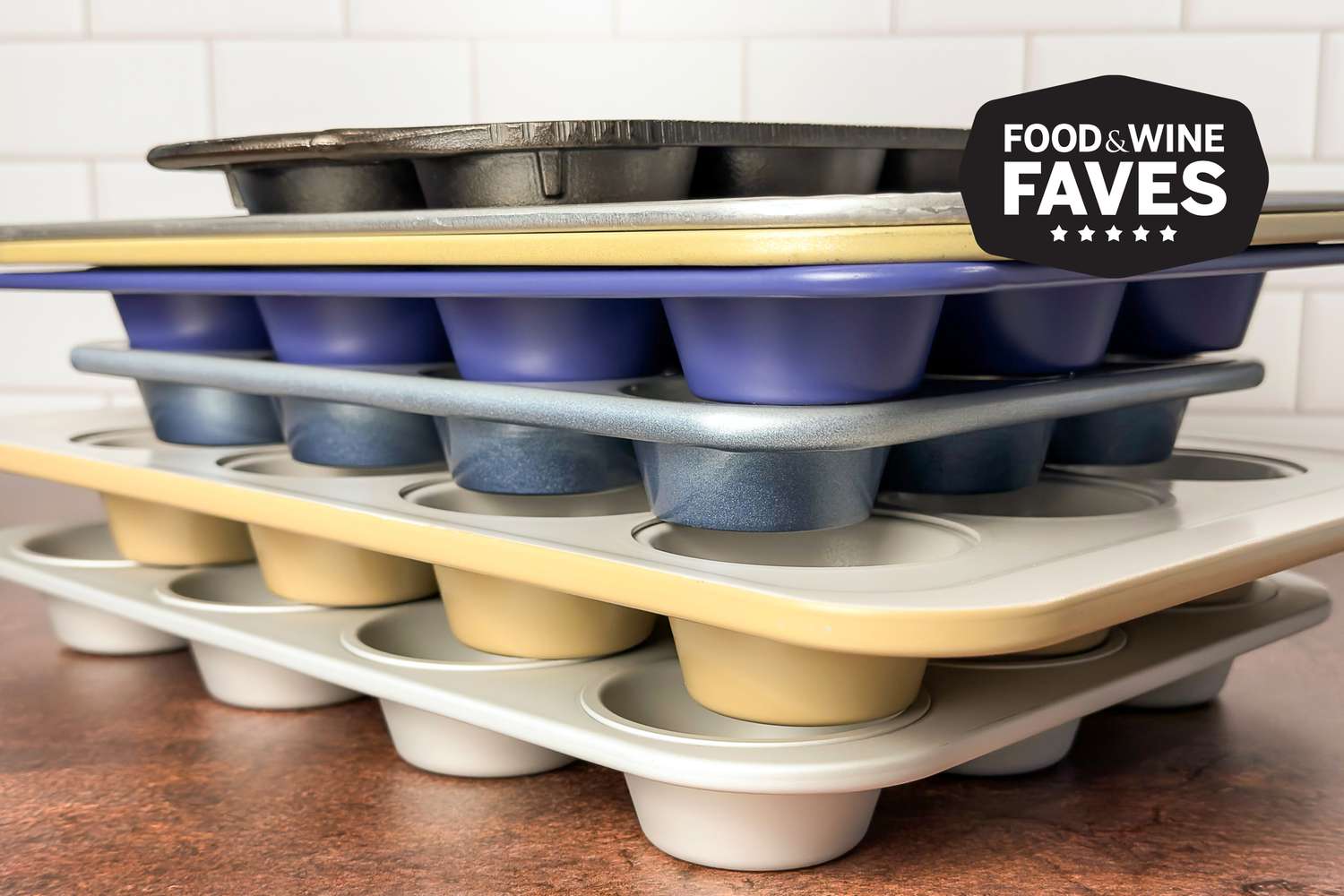
Best Bakeware for 2026: Top Picks + Buying Guide
A flat, heavy aluminum half sheet fixes more baking problems than any technique adjustment will.
The best bakeware for most home kitchens in 2026 is the Nordic Ware Naturals Extra Large and Half Sheet Set, a pair of uncoated commercial-gauge aluminum sheets whose steel-wire rim stops warping and whose light finish browns cookie bottoms at the same rate as the tops.
Where to buy these picks
Affiliate links: we may earn a commission on qualifying Amazon purchases. Policy. Prices show only when checked in the last 24 hours.
- Best Overall: Nordic Ware Naturals Extra Large and Half Sheet Set $39.01 at Amazon, Check price on Amazon →
- Best Value: Pyrex Deep 9x13-Inch Glass Baking Dish with Lid $24.70 at Amazon, Check price on Amazon →
- Best for Beginners: Wilton Gold Non-Stick 12-Cup Muffin Pan $14.12 at Amazon, Check price on Amazon →
- Best for Layer Cakes: Fat Daddio's Anodized Aluminum Round Cake Pans, 9 x 2-Inch, Set of 2 $26.99 at Amazon, Check price on Amazon →
- Best Compact: GoodCook MegaGrip 8x8 Square Pan $10.09 at Amazon, Check price on Amazon →
Which bakeware fits you
| Your situation | Buy | Why | Buy link |
|---|---|---|---|
| Cookies, sheet-pan dinners and roasting | Nordic Ware Naturals Extra Large and Half Sheet Set $39.01 | Uncoated commercial-gauge aluminum; a steel-wire rim stops warping, and the light finish browns cookie bottoms at the rate of the tops | Amazon → |
| Casseroles, lasagna and brownies | Pyrex Deep 9x13-Inch Glass Baking Dish with Lid $24.70 | Roughly 5-quart glass dish, deeper than a standard 9x13; the lid makes it a storage container | Amazon → |
| Muffins, cupcakes and egg bites | Wilton Gold Non-Stick 12-Cup Muffin Pan $14.12 | Releases twelve muffins from a nonstick coating made without PTFE or related PFAS | Amazon → |
| Layer cakes and cheesecakes | Fat Daddio's Anodized Aluminum Round Cake Pans, 9 x 2-Inch, Set of 2 $26.99 | Two 9-inch rounds in 16-gauge anodized aluminum with straight 2-inch sides | Amazon → |
| Small households and half batches | GoodCook MegaGrip 8x8 Square Pan $10.09 | Heavy-gauge nonstick steel 8x8, a little over half a 9x13; silicone grip handles | Amazon → |
Quick answer
Which bakeware fits a different budget or need?
The best value is the Pyrex Deep 9x13-Inch Glass Baking Dish with Lid, a roughly 5-quart casserole dish that doubles as a storage container. For beginners, the Wilton Gold Non-Stick 12-Cup Muffin Pan releases twelve muffins without a fight and is coated without PTFE or related PFAS. For layer cakes, Fat Daddio's Anodized Aluminum Round Cake Pans, 9 x 2-Inch, Set of 2 are 16-gauge anodized aluminum with straight 2-inch sides. For small households, the GoodCook MegaGrip 8x8 Square Pan is heavy-gauge nonstick steel with silicone grip handles, sized for half batches.
The best bakeware for most home kitchens is a pair of heavyweight uncoated aluminum sheet pans, a half sheet plus an extra-large sheet for double batches, and everything else is a supporting cast. A warped, thin pan bakes cookies unevenly no matter how good the dough is; a flat, heavy-gauge aluminum sheet turns an average recipe into a good one. Below are five picks covering the whole range, plus what actually separates a thin budget pan from a heavy commercial-gauge one.
What you'll use with it
A scooped cup of flour weighs anywhere from about 113 to 156 grams, which is why bakers weigh it. The scale guide's top pick weighs up to 11 pounds in 1-gram steps and has a pull-out display you can still read under a wide mixing bowl. Read the kitchen scale guide →
Kitchen scale guide’s top pick: OXO Good Grips 11-Pound Stainless Steel Kitchen Scale with Pull-Out Display $62.95 at Amazon, Check price on Amazon →Scraping batter out of a bowl and off a pan is a silicone spatula’s job. The spatula guide compares sets by heat rating and core stiffness. Read the silicone spatula guide →
Silicone spatula guide’s top pick: OXO Good Grips 3-Piece Silicone Spatula Set $23.95 at Amazon, Check price on Amazon →
Introduction: why bakeware quality matters more than technique
Baking is the one kind of cooking where the vessel is an active ingredient. On a stovetop you can compensate for a bad pan by adjusting the burner. In an oven at a fixed 375°F you cannot compensate for a pan that warps, conducts heat unevenly, or has a nonstick coating that has started to degrade.
Three failure modes account for nearly every bad result:
| Failure | What you see | Root cause |
|---|---|---|
| Warping | Cookies slide to one side; oil pools | Thin gauge, or a pan that expands unevenly |
| Uneven browning | One tray edge dark, the other pale | Poor conductivity — steel or coated pans |
| Over-browned bottoms | Burnt bottoms, raw centers | Dark surfaces absorb radiant heat |
Bakeware material is the variable underneath all three. Aluminum conducts heat more than ten times better than stainless steel (about 205 vs 16 W/m·K, per the Engineering ToolBox metals table), which is why professional kitchens use uncoated aluminum sheet pans and almost nothing else. Glass and ceramic conduct poorly but hold heat, which makes them right for casseroles and wrong for cookies. Dark nonstick absorbs more radiant energy than light aluminum, which is why the same cookie recipe burns on a black pan and browns properly on a silver one.
The practical consequence: buy light-colored, heavy aluminum for anything that browns, and glass or ceramic for anything that bakes wet.
Want a whole set at once? These picks are the individual pans a home baker reaches for most. For matched 6- to 11-piece sets from USA Pan, Nordic Ware, Calphalon and Caraway, see our best bakeware sets.
Our Top 5 Bakeware Picks
| Pick | Product | Best for |
|---|---|---|
| Best Overall | Nordic Ware Naturals half sheet + XL set | Cookies, sheet-pan dinners, roasting |
| Best Value | Pyrex Deep 9x13 glass dish with lid | Casseroles, lasagna, brownies |
| Best for Beginners | Wilton Gold nonstick 12-cup muffin pan | Muffins, cupcakes, egg bites |
| Best for Layer Cakes | Fat Daddio's anodized aluminum 9x2 round cake pans, 2-pack | Layer cakes, cheesecakes |
| Best Compact | GoodCook MegaGrip 8x8 square pan | Small households, half batches |
#1 Best Overall: Nordic Ware Naturals Extra Large and Half Sheet Set
Verdict: Uncoated commercial-gauge aluminum with an encapsulated steel rim.
The Nordic Ware Naturals Extra Large and Half Sheet Set is the pan professional kitchens use, sold in a home two-pack. Uncoated aluminum in a light natural finish means it reflects radiant heat rather than absorbing it, so cookie bottoms brown at the same rate as tops. The rolled rim wraps a galvanized steel wire, which is the specific feature that stops warping — the steel resists the expansion that makes a plain aluminum sheet buckle and pop at 425°F.
The half sheet (18x13) fits a standard home oven with room for air to circulate; the extra-large is for double batches and big sheet-pan dinners. Both are dishwasher-unsafe by the manufacturer's own guidance — aluminum reacts with dishwasher detergent and discolors — which is the one real drawback. Hand-washing takes thirty seconds. Nordic Ware's own FAQ covers the specifics.
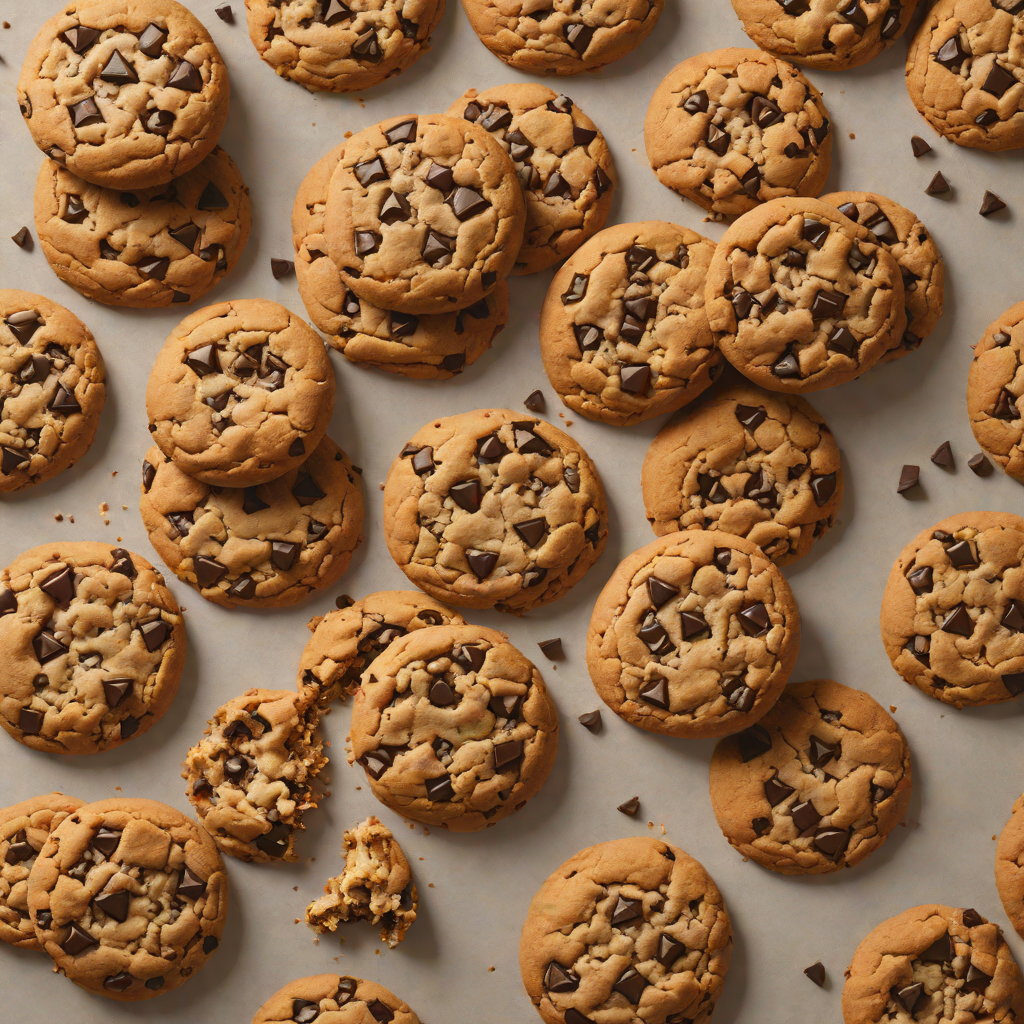
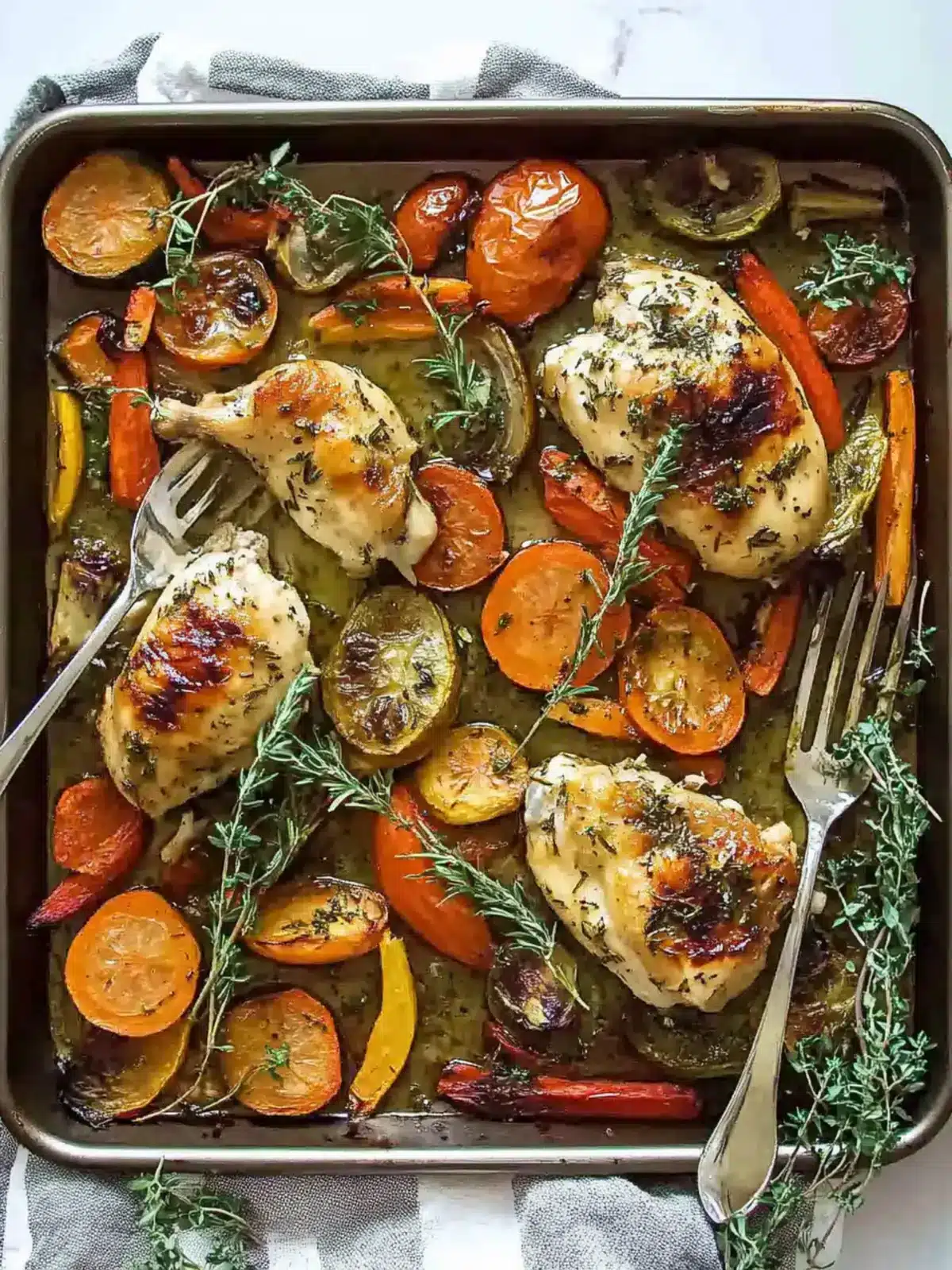
Use it for: chocolate chip cookies, sheet-pan dinners, roasted vegetables, granola, cinnamon rolls. Try Chocolate Chip Levain-Style Cookies with Dark Cocoa or Sheet Pan Herb-Rubbed Chicken with Vegetables.
#2 Best Value: Pyrex Deep 9x13-Inch Glass Baking Dish with Lid
Verdict: The casserole workhorse, with a lid that makes it a storage container.
Glass is the wrong material for cookies and the right material for anything wet. It heats slowly and holds heat, so a lasagna or a bread pudding bakes gently and stays hot at the table. It is chemically inert, so tomato and citrus do not react with it. And it is transparent, which is the underrated advantage — you can see whether the bottom of a gratin has browned without dismantling it.
Modern Pyrex in the US is tempered soda-lime glass rather than the original borosilicate formulation. Both are oven-safe; soda-lime is more sensitive to thermal shock, which in practice means: do not move it from freezer to hot oven, do not set a hot dish on a wet counter, and do not add cold liquid to a hot pan. Follow those three and it lasts decades.
The roughly 5-quart Pyrex Deep 9x13-Inch Glass Baking Dish holds more than a standard 9x13 — useful for a deep lasagna or a large Chicken Potpie with Flaky Pastry. Bake it with Best Homemade Lasagna and you have covered a third of the week's dinners.
#3 Best for Beginners: Wilton Gold Non-Stick 12-Cup Muffin Pan
Verdict: Forgiving nonstick, PFAS-free coating, dent-resistant steel.
Muffin pans are the one place where nonstick genuinely earns its keep, because releasing twelve individual cakes from bare metal is a skill and releasing them from a coated pan is not. The Wilton Gold Non-Stick Muffin Pan is heavy enough not to dent when you knock it on the counter and coated without PTFE or related PFAS chemistry, which matters if that is a concern in your household.
The tradeoff every nonstick pan makes: the coating is a consumable. Expect five to eight years of regular use before release starts to degrade, and treat the pan accordingly — no metal utensils, no abrasive scrubbers, no dishwasher if you can avoid it, no empty preheating.
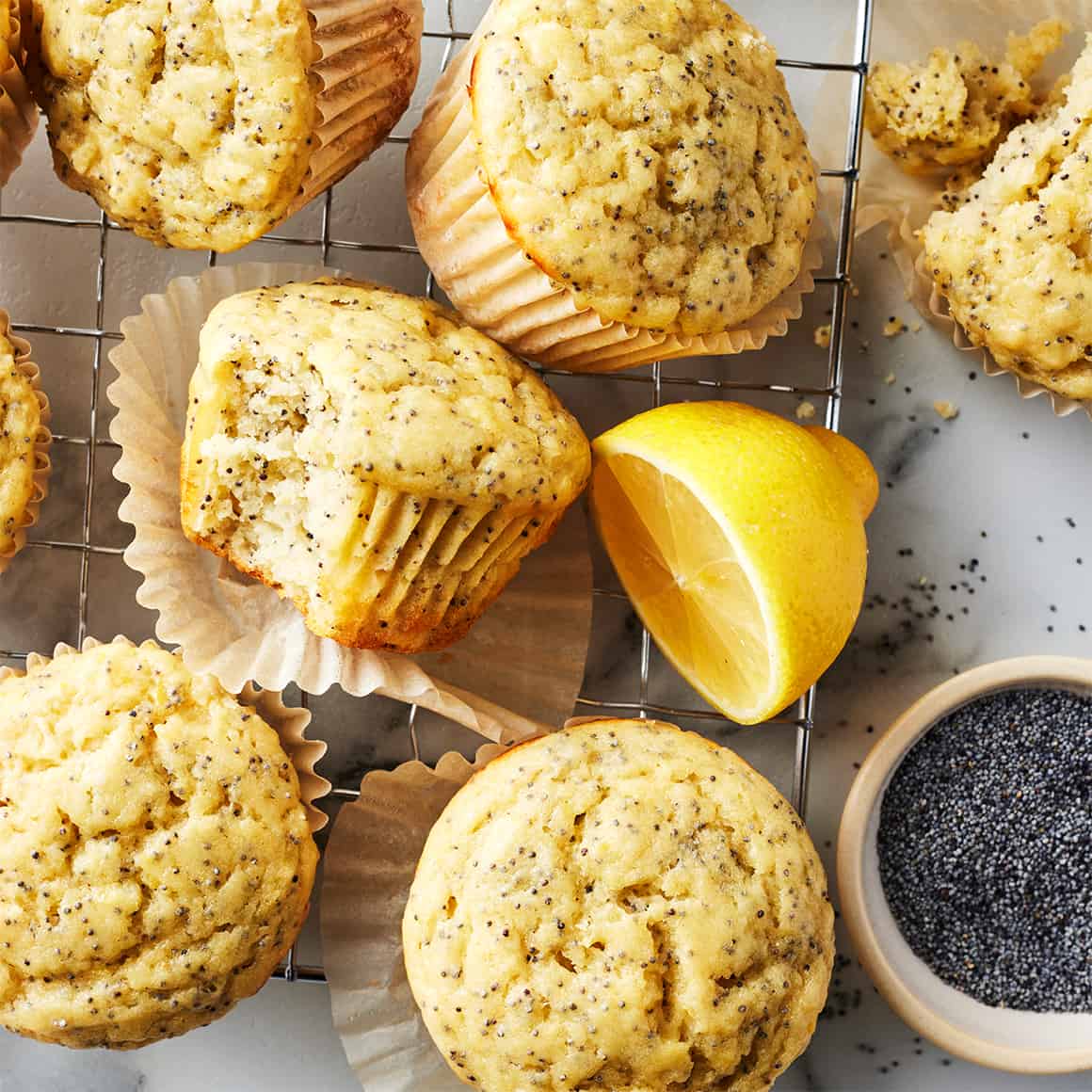
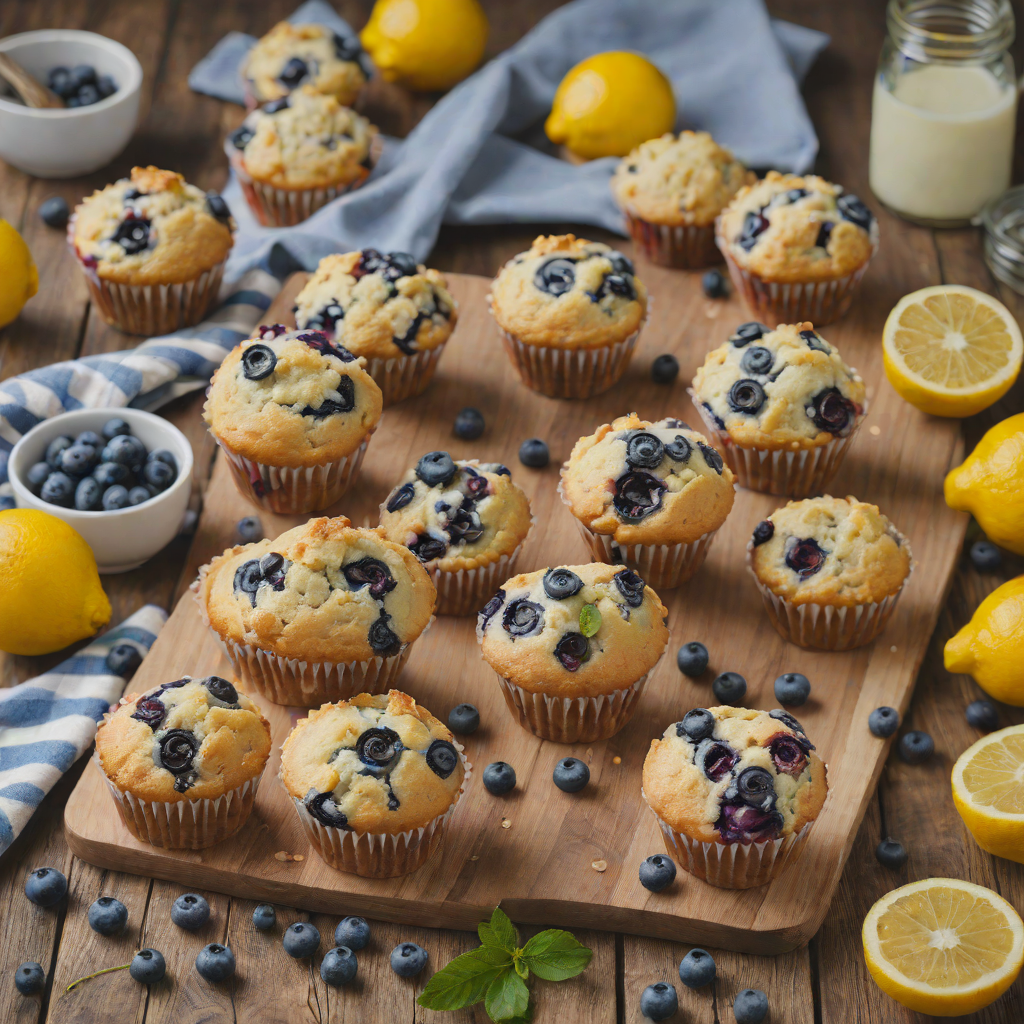
Use it for Blueberry Lemon Poppy Seed Muffins, Five-Ingredient Lemon Blueberry Muffins, egg bites for meal prep, and mini meatloaves.
#4 Best for Layer Cakes: Fat Daddio's Anodized Aluminum Round Cake Pans, 9 x 2-Inch, Set of 2
Verdict: 16-gauge anodized aluminum with straight 2-inch sides, the one pan a half sheet cannot stand in for.
The Fat Daddio's Anodized Aluminum Round Cake Pans fill the gap the rest of this list leaves: a pair of 9-inch rounds, the size most layer-cake recipes are written for, and the round cake pan on the five-pan list in the FAQ below. Anodizing grows a hard oxide layer on the aluminum, so you keep aluminum's fast, even conduction but get a non-reactive face. Fat Daddio's rates the pans oven-safe to 550°F and freezer-safe, and lists them for citrus and tomato-based recipes that would react with bare aluminum.
The sides are straight and a full 2 inches tall, so layers bake with square edges that stack cleanly, and there is room for a batter that rises well above the fill line. Two pans matters for the same reason it does with any layer cake: both layers go in the oven together, so the batter does not sit on the counter losing its lift while the first layer bakes.
The trade-offs: the finish is uncoated, so grease the pans and line the bottoms with parchment, and hand-wash them. They are worth the step up if you bake layer cakes or cheesecakes more than a few times a year; for muffins, pick #3 does the job.
#5 Best Compact: GoodCook MegaGrip 8x8 Square Pan
Verdict: Heavy-gauge nonstick steel with silicone grip handles.
Two-person households do not need a 9x13, and a half-sized batch baked in a full-sized pan spreads thin and overcooks. An 8x8 is 64 square inches against 117 for a 9x13 — a little over half — which makes it the correct pan for halving nearly any casserole or brownie recipe.
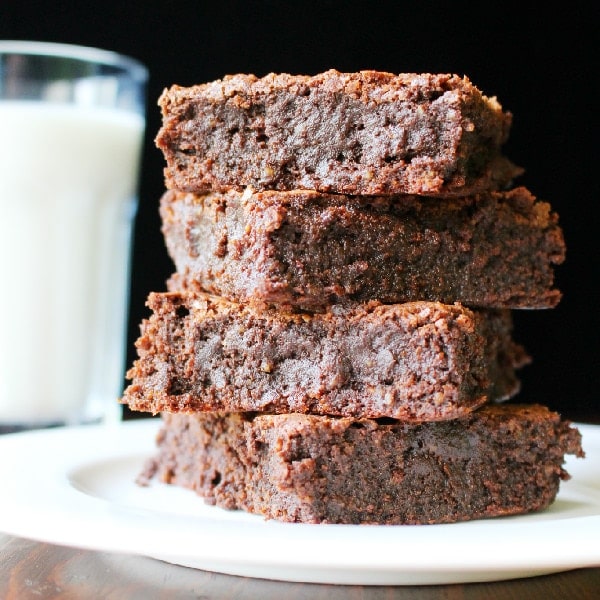
The silicone handles on the GoodCook MegaGrip 8x8 Square Pan are the differentiator here and the reason this beats the several cheaper 8x8s: pulling a hot, heavy pan out of an oven with a mitt covering a bare 1/2-inch lip is how pans get dropped. Use it for Cocoa-Almond Flour Brownies, cornbread, or a half batch of anything.
Honorable mentions
- Amazon Basics silicone baking mats, 4-pack — replaces parchment on sheet pans, pays for itself in about two months.
- FineDine stainless mixing bowls, 6-piece — nesting, dishwasher safe, will outlive the oven.
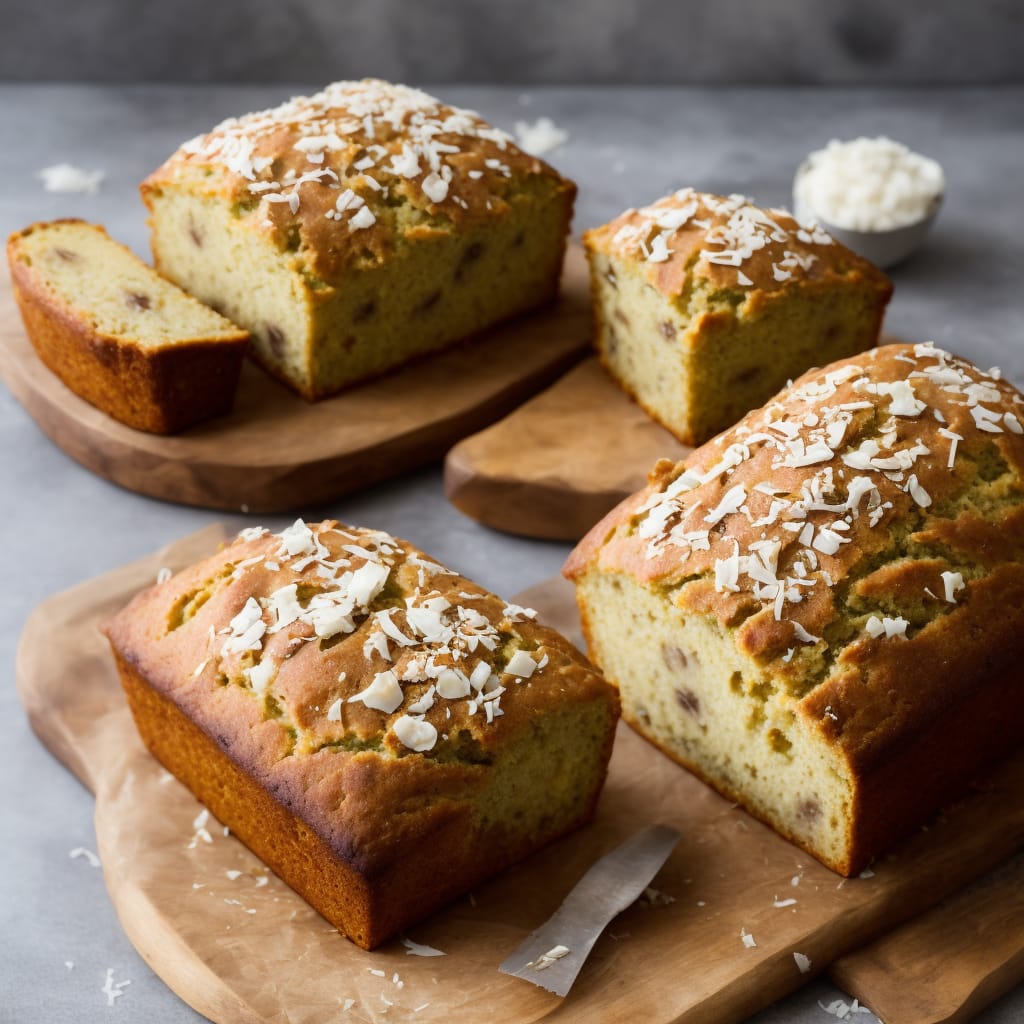
- Amazon Basics nonstick loaf pan, 2-pack — banana bread and meatloaf, twice.
- USA Pan aluminized steel muffin pan, 12-well, 2-pack — the step up from pick #3 if you bake muffins or egg bites every week; two pans get 24 into the oven at once.
- USA Pan aluminized steel muffin pan, 12-well, 2-pack — the step up from pick #3 if you bake muffins or egg bites every week; two pans get 24 into the oven at once.
- Checkered Chef cooling rack, set of 2 — oven-safe grid; doubles as a roasting rack.
- Amazon Basics digital kitchen scale — the single cheapest improvement to any baker's results.
What to Look For: material, gauge, warp resistance, warranty, cleanability
Material. This is the decision that matters most:
| Material | Conductivity | Browning | Reactive? | Best for |
|---|---|---|---|---|
| Uncoated aluminum | Excellent | Even, light | Yes (acid) | Cookies, sheet pans, cakes |
| Anodized aluminum | Excellent | Even | No | Cake pans, professional use |
| Aluminized steel | Very good | Even | No | Muffin pans, loaf pans |
| Carbon steel | Good | Darker | Yes (rusts) | Bread, pizza |
| Glass / ceramic | Poor | Slow, gentle | No | Casseroles, gratins, custards |
| Silicone | Very poor | Almost none | No | Molds, mats, freezer forms |
| Dark nonstick steel | Moderate | Too dark | No | Muffins; avoid for cookies |
Gauge. Thickness, measured in gauge numbers that run backwards — lower is thicker. Commercial sheet pans are 13-gauge (about 0.072 in). Consumer pans are frequently 18-24 gauge and warp on the first hot bake. If a spec sheet does not name a gauge, weight is a proxy: a good 18x13 half sheet weighs about 1.4 lb. Anything under a pound will warp.
Warp resistance. Comes from two design features: the rolled rim with an encapsulated steel wire, and sufficient gauge. A pan without a rolled rim is a pan that will taco in the oven. Warping is also accelerated by thermal shock — running a hot pan under cold water is the fastest way to ruin an otherwise good sheet.
Warranty. Read what it actually covers. Most bakeware warranties exclude coating degradation, which is the failure mode you will actually experience. A lifetime warranty on an uncoated aluminum pan is meaningful because the only failure is physical damage; a lifetime warranty on a nonstick pan usually is not.
Cleanability. Uncoated aluminum should be hand-washed, will discolor over time, and works fine discolored. Glass and ceramic are dishwasher safe. Nonstick is nominally dishwasher safe and lasts substantially longer if you ignore that and wash it by hand — detergent and high heat cycles are what degrade coatings.
Care and maintenance: hand-wash rules, avoiding warping, storing to save space
Hand-washing rules by material. Aluminum: hand-wash always, and accept the dark patina that develops — it is oxidation, it is harmless, and it slightly improves browning. Nonstick: warm water, soft sponge, no abrasives, no metal. Glass: dishwasher safe; use a plastic scraper on baked-on residue, never steel wool, which scratches and creates thermal-shock initiation points. Aluminized steel: hand-wash, dry immediately, since the aluminum-silicon layer is thin.
Avoiding warping. Four rules cover it. Never run a hot pan under cold water. Never take a glass dish from freezer to preheated oven. Do not preheat an empty nonstick pan above 400°F. And do not stack heavy items inside a thin sheet pan in storage, which bends it slowly over months.
Restoring a stained sheet pan. Baked-on polymerized oil comes off with a paste of baking soda and a little hydrogen peroxide, left for two hours and scrubbed with a nylon brush. It will not restore the original color, and it does not need to — a dark aluminum pan bakes the same.
Storage. Store sheet pans vertically in a cabinet divider or an inexpensive file organizer; stacked flat, they trap moisture and get bent. Muffin and loaf pans nest. Glass dishes with lids are the exception worth stacking, because the lid makes each one a container.
Browse the full bakeware category for current pricing, kitchen utensils for spatulas, mixing bowls and measuring cups, and kitchen gadgets for scales and thermometers.
Common pitfalls when buying bakeware
- Buying a set. Bakeware sets pad the count with pans you will never use. Buy the three you need — half sheet, 9x13, muffin — and add from there.
- Choosing dark nonstick for cookies. Dark surfaces absorb radiant heat and over-brown bottoms. Recipes are written for light aluminum.
- Ignoring gauge. A thin, light-gauge sheet pan warps on the first bake and pools oil to one side. Weight is the tell.
- Assuming glass and metal are interchangeable. Glass runs about 10 minutes longer to the same doneness and keeps cooking after it leaves the oven.
- Buying silicone bakeware for cakes. Silicone barely conducts heat, so cakes baked in it are pale and set unevenly. Silicone is excellent for mats and freezer molds and poor for anything that should brown.
- Trusting the dishwasher-safe label on nonstick. Technically true, practically the fastest way to shorten a coating's life.
When not to upgrade
If you bake three times a year, none of this is worth spending on — a basic pan and a supermarket glass dish will get you through the holidays. If your existing pans are flat and unstained, they are fine; discoloration alone is not a reason to replace anything. And skip the premium tier entirely unless the specific pan is one you use weekly, because the performance gap between a mid-range muffin pan and a premium one is real but small, while the gap between a thin pan that warps and a heavy-gauge one that stays flat is enormous. Spend where the failure mode is severe.
Where to go next
For the cookware side of the same question, see our best non-stick cookware guide and the best cast iron skillet guide. Once the pans are sorted, 20 cozy casseroles puts the 9x13 to work, and 25 sheet pan dinners does the same for the half sheet.
Sources
- Bakeware — pan formats, standard sizes, and the history of the materials home bakers use.
- Anodizing — how the electrochemical hard-anodized layer on aluminum pans is formed, and why it stops the metal reacting with acidic batters.
- Polytetrafluoroethylene — the chemistry behind PTFE nonstick coatings, including their thermal limits.
- Borosilicate glass — thermal-shock resistance, and why borosilicate and soda-lime bakeware behave differently under a temperature swing.
- Nordic Ware FAQ — the manufacturer's own care and washing guidance for uncoated aluminum bakeware.
Frequently asked questions
What size baking sheet should I buy first?
Is glass or metal better for baking?
How long does nonstick bakeware actually last?
Why do my cookies burn on the bottom but stay pale on top?
Do I need parchment paper or silicone mats?
Is expensive bakeware actually better than cheap bakeware?
What's the difference between aluminized steel and pure aluminum bakeware?
How many bakeware pieces does a starter kitchen actually need?
Can I put my bakeware in the dishwasher?
How we picked
This guide is researched, not bench-tested. We shortlisted products from the AislePrompt kitchen catalog and compared them on published manufacturer specifications (such as materials, size and capacity), on what owners report in published reviews, and on any third-party sources linked in this guide. The guide was drafted with AI assistance. We did not run lab or hands-on tests of these products, so any measurement quoted here comes from the manufacturer or a cited source. Prices change often: use the “Check price on Amazon” buttons for today’s price.
Recipes to try with your bakeware
Put your gear to work — save any recipe to My Recipes (no account needed) and send its ingredients to Instacart in one tap.
Shop bakeware on AislePrompt →Browse the full kitchen shop →