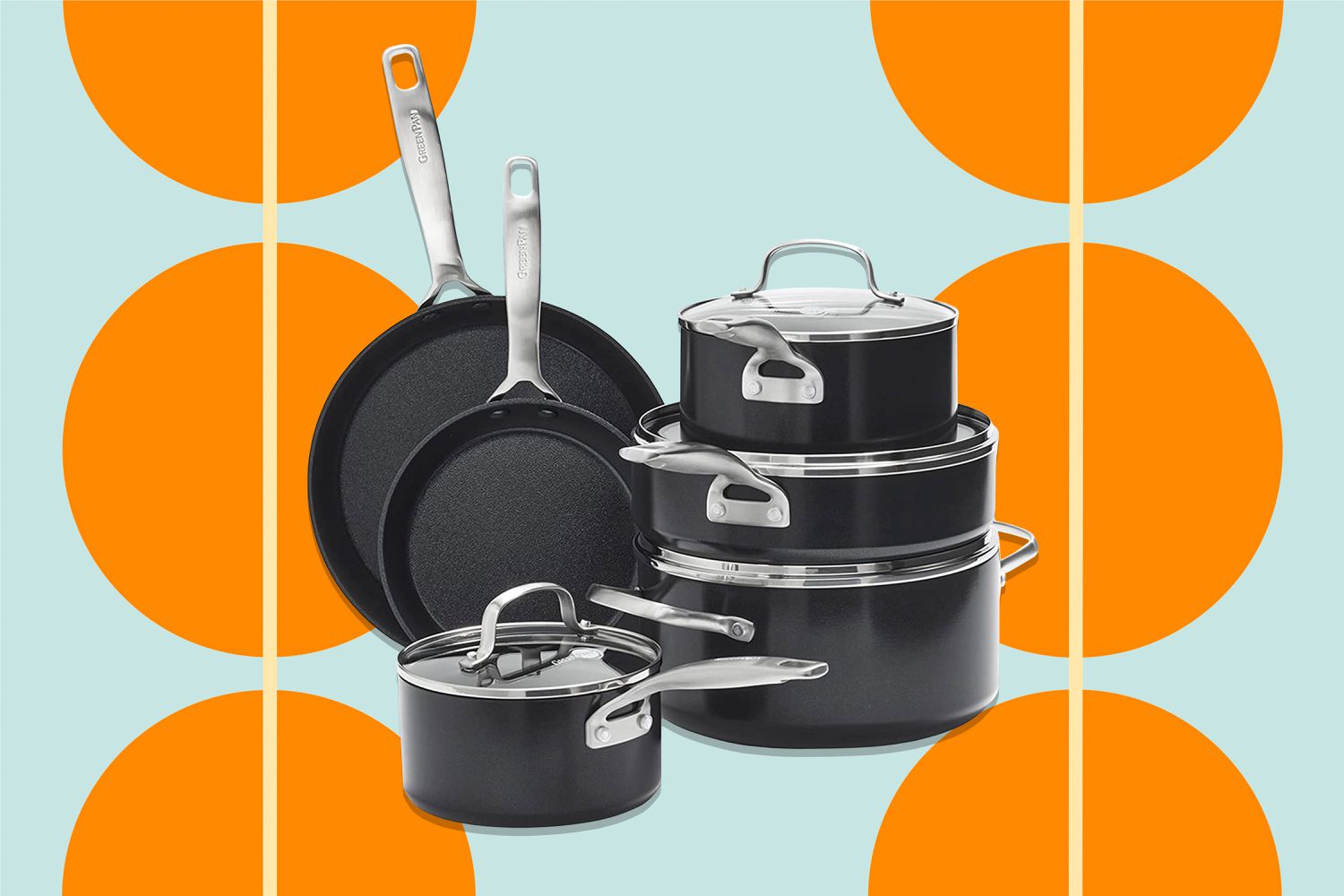
Best Bakeware Sets in 2026: Top Picks + Buying Guide
The USA Pan Aluminized Steel 6-Piece is the best bakeware set for 2026, plus four picks for value, beginners, layer cakes and small storage.
The best bakeware set for most home bakers in 2026 is the USA Pan Bakeware Aluminized Steel 6-Piece Set: a half-sheet, quarter-sheet, 9×13, 9×5 loaf, 12-cup muffin tin and 9-inch round in aluminized steel, with a corrugated surface that lifts cookies and bread off the pan.
Where to buy these picks
Affiliate links: we may earn a commission on qualifying Amazon purchases. Policy. Prices show only when checked in the last 24 hours.
- Best Overall: USA Pan Bakeware Aluminized Steel 6-Piece Set $148.25 at Amazon, Check price on Amazon →
- Best Value: Amazon Basics 6-Piece Nonstick Bakeware Set $31.99 at Amazon, Check price on Amazon →
- Best for Beginners: Rachael Ray Nonstick 5-Piece Bakeware Set $62.87 at Amazon, Check price on Amazon →
- Best for Layer Cakes: Chicago Metallic Professional Non-Stick 8-Piece Bakeware Set $64.71 at Amazon, Check price on Amazon →
- Best for Storage: Caraway Bakeware 11-Piece Set $411.50 at Amazon, Check price on Amazon →
Which bakeware set fits you
| Your situation | Buy | Why | Buy link |
|---|---|---|---|
| One set that covers the essentials | USA Pan Bakeware Aluminized Steel 6-Piece Set $148.25 | Half and quarter sheet, 9×13, 9×5 loaf, 12-cup muffin, 9" round; corrugated aluminized steel | Amazon → |
| Lowest price, most of the core pans | Amazon Basics 6-Piece Nonstick Bakeware Set $31.99 | 9×5 loaf, two 9" rounds, 12-cup muffin, 13×9 roast pan and sheet; nonstick steel, oven-safe to 428°F | Amazon → |
| First set, no greasing | Rachael Ray Nonstick 5-Piece Bakeware Set $62.87 | Nonstick inside and out, extra-wide grippy handles, oven-safe to 500°F; no muffin tin | Amazon → |
| Layer cakes, every pan in one box | Chicago Metallic Professional Non-Stick 8-Piece Bakeware Set $64.71 | 8 pieces including two matching 8" rounds and a cooling rack; nonstick carbon steel, oven-safe to 450°F | Amazon → |
| Small kitchen, one drawer for every pan | Caraway Bakeware 11-Piece Set $411.50 | PTFE-free ceramic coating, oven-safe to 550°F; magnetic rack and pan protectors | Amazon → |
Quick answer
Which bakeware set fits a different budget or need?
The best value is the Amazon Basics 6-Piece Nonstick Bakeware Set: a loaf pan, two 9-inch rounds, a 12-cup muffin pan, a 13×9 roast pan and a 13×9 baking sheet in nonstick steel, oven-safe to 428°F, with no 18×13 half sheet. For beginners, the Rachael Ray Nonstick 5-Piece Bakeware Set has nonstick inside and out, extra-wide grippy handles and an oven-safe rating of 500°F, but no muffin tin. For layer cakes, the Chicago Metallic Professional Non-Stick 8-Piece Bakeware Set comes with two matching 8-inch rounds and a cooling rack, in nonstick carbon steel rated to 450°F. If storage is the bottleneck, the Caraway Bakeware 11-Piece Set's magnetic rack and pan protectors stack every pan in a single drawer.
The right set depends on what you bake most. Choose aluminized steel (USA Pan) for browning and even heat, and nonstick steel (Amazon Basics, Rachael Ray, Chicago Metallic) for easy release; if you want to skip PTFE or storage is the bottleneck, Caraway's ceramic-coated set stacks in one drawer.
What you'll use with it
A scooped cup of flour weighs anywhere from about 113 to 156 grams, which is why bakers weigh it. The scale guide's top pick weighs up to 11 pounds in 1-gram steps and has a pull-out display you can still read under a wide mixing bowl. Read the kitchen scale guide →
Kitchen scale guide’s top pick: OXO Good Grips 11-Pound Stainless Steel Kitchen Scale with Pull-Out Display $62.95 at Amazon, Check price on Amazon →Scraping batter out of a bowl and off a pan is a silicone spatula’s job. The spatula guide compares sets by heat rating and core stiffness. Read the silicone spatula guide →
Silicone spatula guide’s top pick: OXO Good Grips 3-Piece Silicone Spatula Set $23.95 at Amazon, Check price on Amazon →
Introduction: What a good bakeware set actually changes about home baking
A bakeware set is the one piece of kitchen gear that quietly decides whether your cookies brown evenly, your banana bread releases without a fight, and your sheet-pan dinners come out crisp instead of soggy. The pans you bake on conduct heat into the dough, control how fast moisture evaporates, and survive a decade of 425°F cycles — or warp into a taco shape under repeated high heat.
The difference between a thin supermarket pan and a heavier commercial half-sheet is not branding. It is gauge (the thickness of the metal), alloy (aluminum vs aluminized steel vs stainless), and the rolled or wire-reinforced rim that resists warping. A thin sheet pan transfers heat unevenly, so one batch of chocolate chip cookies browns on the left edge while the right side is still pale. A heavy-gauge pan distributes the same 350°F oven heat across the whole surface, and every cookie comes out the same color.
For most home bakers, three problems repeat until they upgrade their pans:
- Warping — thin pans can buckle under high oven heat (a 400°F roast, say), and once warped they never sit flat again
- Hot spots — dark or thin pans over-brown cookies near the edges and leave centers raw
- Sticking and pitting — uncoated aluminum reacts with acidic batters (lemon, tomato), and cheap nonstick wears quickly in the dishwasher
A purpose-built set with a half-sheet, 9×13, loaf pan, and muffin tin covers all three, provided you match the pan to the batter: line uncoated aluminum with parchment for acidic batters. Heavy-gauge aluminized steel and wire-reinforced rims are the specs most associated with pans that resist warping over years of use, and hand-washing after each bake keeps any coating intact longer.
Only need one or two pans? This guide compares matched bakeware sets. If you want a single half sheet, a 9×13 glass dish, a muffin pan or a pair of cake pans instead, see our best individual bakeware picks.
Buying one piece instead? The half sheet does most of the work in any set. Our sheet pan guide picks the Nordic Ware Naturals Half Sheet: uncoated heavy-gauge aluminum, 18 × 13 inches, with an encapsulated steel rim and no coating to fail. More single-piece picks are at the end of this guide.
Our Top 5 Picks (Best Overall, Best Value, Best for Beginners, Best for Layer Cakes, Best for Storage)
#1 Best Overall: USA Pan Bakeware Aluminized Steel 6-Piece Set
The 6-piece set includes a half-sheet pan, quarter-sheet, 9×13 rectangular pan, 9×5 loaf pan, 12-cup muffin tin, and a 9-inch round cake pan — every essential except an 8-inch square. Aluminized steel heats a little more slowly than plain aluminum, but the steel core holds its shape under thermal shock, so the half-sheet is built to resist the warping thin aluminum pans are known for.
What sells this set is the corrugated surface on every pan. USA Pan stamps a diamond pattern into the base of each piece, which lifts the bottom of cookies and bread off the pan by about 1mm. That gap promotes airflow under the dough, prevents soggy bottoms, and reduces sticking alongside the silicone-based nonstick coating.
#2 Best Value: Amazon Basics 6-Piece Nonstick Bakeware Set
If you want most of a starter kit for the least money, this is the set. The six pieces are a 9 × 5-inch loaf pan, two 9-inch round cake pans, a 12-cup muffin pan, a 13 × 9-inch roast pan and a 13 × 9-inch baking sheet, all heavy-weight steel with a nonstick coating. That covers a layer cake, banana bread, a dozen muffins and a pan of sheet-pan brownies without buying anything else.
Know what you give up for the price. There is no 18 × 13 half sheet, so a full batch of cookies or a sheet-pan dinner for four needs a bigger pan. Amazon rates the set oven-safe to 428°F, lower than the 450°F of the Chicago Metallic set below, so keep it out from under the broiler and away from very hot bread bakes. Amazon recommends hand-washing to make the coating last. It cost the least of our five picks at the last price check.
Prefer uncoated aluminum? Nordic Ware's Naturals pans are bare aluminum with no coating to wear out. They need parchment or a light grease for sticky doughs, and acidic foods leave dull spots on the surface. The Nordic Ware Naturals 3 Piece Set is a half sheet, a jelly roll pan and a quarter sheet with an encapsulated galvanized steel rim. It has sheet pans only, so add cake, loaf and muffin pans as you need them. King Arthur Baking explains how pan material changes the way things bake.
#3 Best for Beginners: Rachael Ray Nonstick 5-Piece Bakeware Set
If you are buying your first set and the idea of greasing every pan sounds like one more thing to learn, get nonstick pans you can hold onto. These are heavy-gauge steel with nonstick inside and out, and every pan has extra-wide handles with silicone grips, so there is something to grab through a thick oven mitt when a full 9×13 comes out of the oven. Rachael Ray rates the pans oven-safe to 500°F.
The five pieces are two 9-inch round cake pans, a 9 × 13-inch cake pan, a 10 × 15-inch sheet pan and a 9 × 5-inch loaf pan. That is enough for a two-layer cake, brownies, a meatloaf or a white pizza with sage and ricotta. The set has no muffin tin, so add one if you bake cupcakes, and the 10 × 15 sheet is smaller than an 18 × 13 half sheet. The listing calls the set dishwasher safe, but hand-washing keeps any nonstick coating working longer (see the care section below).
#4 Best for Layer Cakes: Chicago Metallic Professional Non-Stick 8-Piece Bakeware Set
If you bake layer cakes and want every pan in one box, this is the set that comes with a matching pair of rounds. It has eight pieces: two 8-inch round cake pans, a 9×13 cake pan, a 1-pound loaf pan, a 12-cup muffin pan, two 14.75 × 9.75-inch baking sheets and a 16.7 × 11.5-inch cooling rack. Chicago Metallic makes each pan from heavy-weight carbon steel with a silicone-based nonstick coating and rates the set oven-safe to 450°F.
The matching rounds are the reason to choose it. Both layers of a cake go into the oven together in pans of the same size and finish, so they bake at the same rate. The cooling rack is a piece most sets leave out, and you need one the moment the layers come out of the pans.
Know the trade-offs before you buy. The baking sheets are 14.75 × 9.75 inches, smaller than an 18 × 13 half sheet, so a full batch of cookies takes two pans. The rounds are 8-inch, and many layer-cake recipes are written for 9-inch pans: an 8-inch layer bakes taller and usually needs a few extra minutes. Chicago Metallic calls the set dishwasher safe but recommends hand-washing to make the nonstick last longer. This is a mid-priced set, not a premium one, so check the live Amazon price.
#5 Best for Storage: Caraway Bakeware 11-Piece Set
The 4 core pans (half-sheet, square, rectangle, loaf) come with a magnetic storage rack and a fabric pan protector set that lets you stack everything in a single drawer.
The pans use a ceramic-coated aluminized steel — toxin-free (no PTFE, no PFOA, no PFAS), oven-safe to 550°F, and easy to clean. Browning is slightly less aggressive than the USA Pan corrugated finish, so cookies come out a shade lighter at the same time and temperature.
The trade-off is durability. Ceramic coatings degrade faster than baked-on silicone nonstick. If you bake monthly, this set will outlast your interest in baking. If you bake weekly, expect to replace it sooner.
What to Look For: Material (aluminum vs steel vs ceramic vs glass), gauge, coating, edges, oven safety
When you walk past the bakeware aisle at the kitchen store, you will see a dozen materials marketed in roughly the same price range. Most of the marketing is noise. Here is what actually matters.
Material — the four real categories
| Material | Best for | Avoid for | Heat behavior |
|---|---|---|---|
| Aluminized steel | Cookies, breads, sheet-pan dinners | Acidic batters left overnight | Heats fast, browns evenly, holds shape |
| Anodized aluminum | Everyday baking | Dishwasher cycles | Heats fastest, very even, lightweight |
| Glass / Pyrex | Casseroles, 9×13 bakes, bread loaves | Cookies, delicate pastry | Slow to heat, holds heat after removal |
| Ceramic | Casseroles, oven-to-table | Quick cookies, broiling | Slow to heat, retains heat longest |
Aluminized steel is what professional bakeries use. It is a steel core with a thin aluminum coating: it heats a little more slowly than pure aluminum, but the steel resists warping. Aluminum is lighter and more conductive but warps faster under thermal shock. Glass and ceramic are great for casseroles and bread — they hold heat so well that bread continues to bake after you pull it out — but they are slow to come up to temperature, which leaves cookies under-browned on the bottom.
Stainless steel pans are also sold as bakeware. Skip them. Stainless is a poor heat conductor unless it is clad with an aluminum core, and clad bakeware is expensive enough that you should just buy aluminum or aluminized steel instead.
Gauge — the number that matters most
Pan thickness is rated in gauge or in millimeters. Lower gauge means thicker metal.
- 22-gauge or thicker (0.8mm+) — commercial-grade, will not warp under normal use
- 24-26 gauge (0.5-0.7mm) — mid-range, fine for occasional baking, may warp under direct broiler heat
- 28+ gauge (0.4mm or thinner) — supermarket pans, warp on first use
Most sets, including our picks, say "heavy gauge" without giving a number. If a pan does not list gauge or thickness on the spec sheet, assume it is the thinnest option the brand sells.
Coating — three categories, two are fine, one is not
- Uncoated (Nordic Ware Naturals) — lasts forever, requires parchment or grease
- Silicone-based nonstick (USA Pan) — 10+ year lifespan, mostly dishwasher tolerant
- PTFE / Teflon nonstick (most cheap pans) — 3-5 year lifespan, scratches easily
- Ceramic nonstick (Caraway) — 3-7 year lifespan, more delicate than PTFE
Avoid pans with PTFE coatings if you bake above 450°F regularly — at 500°F+ the coating can degrade and release fumes. PFOA, the legacy chemical of concern, was removed from US-sold cookware in 2013, but the high-temperature degradation issue with PTFE remains.
Edges — wire-reinforced wins
The rim is where pans live or die. A wire-reinforced rolled rim (a thin steel wire wrapped inside the rolled edge) keeps the pan flat under thermal stress. A plain rolled rim warps faster. A raw cut edge is a guarantee of failure within a year.
Oven safety — read the rating
Glass and ceramic are usually safe to 500°F+. Aluminum and aluminized steel are oven-safe to 600°F+ (well above any normal baking temperature). Nonstick coatings vary — PTFE is rated 450-500°F, ceramic 500-550°F, silicone 450°F. If you bake bread above 500°F, get an uncoated set.
Essential vs Nice-to-Have: Sheet pan, half-sheet, 9×13, loaf, muffin, round cake, square
You do not need every pan in a starter set. Five pieces cover 95% of home baking.
| Piece | Essential? | What it does |
|---|---|---|
| Half-sheet pan (18×13) | Yes | Cookies, sheet-pan dinners, bar cookies, jelly roll |
| 9×13 rectangle | Yes | Brownies, cakes, casseroles, lasagna |
| Loaf pan (9×5) | Yes | Quick breads, banana bread, meatloaf, pâté |
| 12-cup muffin tin | Yes | Muffins, cupcakes, mini quiches, egg bites |
| 9-inch round cake pan | Yes | Layer cakes, cheesecakes, deep-dish pizza |
| Quarter-sheet pan (9×13) | Nice-to-have | Two-person sheet-pan dinners, toasting nuts |
| 8×8 square pan | Nice-to-have | Brownies, bar cookies, cornbread |
| Jelly roll pan (15×10) | Skip | Almost any half-sheet pan does this job |
| Springform pan | Specialty | Only for cheesecakes and savory layered tortes |
| Bundt pan | Specialty | Only for bundt cakes |
If you are building a kit from scratch, get the first five pieces in heavy-gauge aluminized steel. Add a quarter-sheet later if you cook for two and find yourself using only half the half-sheet. Add an 8×8 if you make brownies regularly — they bake more evenly in a smaller square than in a 9×13 with the recipe halved.
For tools that pair with bakeware, do not forget a Pyrex 3-Piece Glass Measuring Cup Set for liquid measurements (dry-measure cups always under-fill flour), a USA Pan Bakeware Nonstick Loaf Pan if your set does not include one, and an OXO Good Grips 3-Piece Silicone Spatula Set — silicone scrapes the last 8% of batter out of the bowl without scratching nonstick.
Care and Longevity: Hand-washing, seasoning, when to retire warped pans
The single biggest factor in how long a bakeware set lasts is how you wash it. Dishwasher cycles are the enemy of every coating and every aluminum finish.
Hand-washing — 10 minutes a week buys 10 years of pan life
The right way to wash bakeware:
1. Soak first. Fill the pan with hot water and a drop of dish soap. Let it sit 10-15 minutes. Most stuck-on residue lifts off the surface in that time.
2. Scrub with a soft sponge or a nylon brush. Never use steel wool on nonstick or anodized surfaces — it scratches the coating and creates pits that food can stick to next time.
3. Stubborn residue? A paste of baking soda and water, applied with a soft sponge, dissolves caramelized sugars and proteins without scratching.
4. Dry completely before storing. Stacking wet pans pits aluminum and rusts wire reinforcements over months. A 30-second towel dry is enough.
Seasoning — only for cast iron and uncoated steel
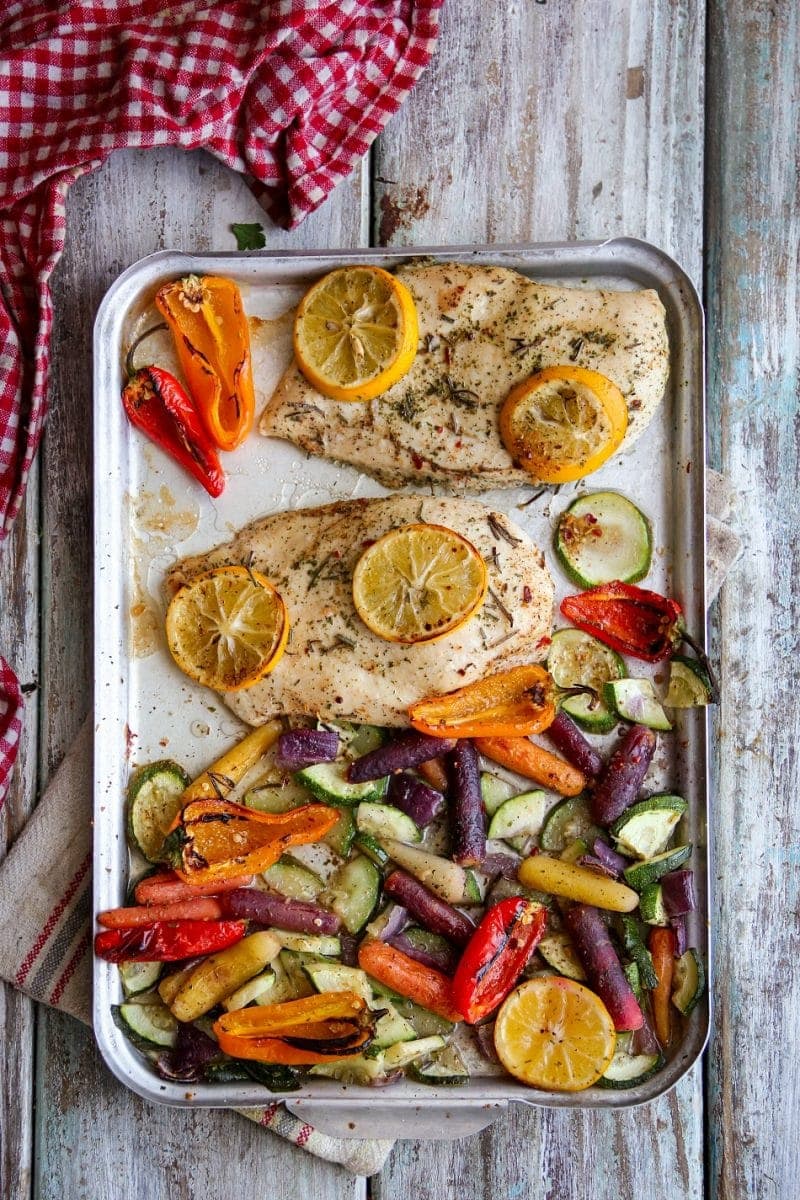
You do not need to season aluminum, aluminized steel, ceramic, or any nonstick coating. Seasoning only applies to bare cast iron pieces like a Lodge cast iron skillet (which doubles as a great pan for crisping skin on a lemon-herb sheet-pan chicken with rainbow vegetables under the broiler).
For uncoated aluminum pans (like Nordic Ware Naturals), the pans will develop a darkening patina over time. That darkening is harmless and actually improves browning slightly. You can preserve the original silver look by avoiding acidic batters or by lining the pan with parchment for those bakes, but most bakers learn to ignore the cosmetic darkening.
When to retire a warped pan
A pan should sit completely flat on a countertop. Warping happens in three stages:
1. Slight bow — the pan rocks when you press one corner. Still usable but cookies will brown unevenly.
2. Visible curl — you can see daylight under the pan when it sits on a flat surface. Stop using it for cookies; bar cookies and casseroles still work.
3. Taco shape — the pan has buckled into a curve. Throw it out (or recycle the aluminum). It will heat unevenly enough to burn one side of every bake.
Nonstick coating failure shows up as flaking or discoloration that does not wash off. Once you see bare metal exposed through the coating, replace the pan — particles of degraded nonstick should not end up in your food, even if they are food-grade.
Storage that protects the surface
Stacking pans is fine if you put a layer of paper towel, parchment, or fabric pan protectors between them. Nesting bare nonstick on nonstick scratches both surfaces over time. The Caraway set comes with fabric protectors; for any other set, a 50-cent paper towel between each piece extends coating life by years.
Single-Tool Picks: Buy the One Piece You Need
A set is not always the answer. If you are replacing one worn-out piece or filling one gap, these single-tool guides pick the best of that one thing:
- Best sheet pans: the half-sheet that does most of the work in any set.
- Best pizza stones and steels: stone vs steel for a crisper crust.
- Best mixing bowls: nesting bowls that fit the batch.
- Best kitchen scales: weigh flour instead of scooping it.
- Best silicone spatulas: scrape the bowl clean.
- Best instant-read thermometers: check bread and custards for doneness.
Sources
The picks above were cross-checked against two sources whose long-running bakeware reviews we respect:
- King Arthur Baking — The Best Pans for Baking — pro-baker perspective on why aluminized steel wins
- Serious Eats — Best Baking Sheets and Pans — the deepest dive on sheet-pan gauge, edges, and warp resistance
Background on the materials claims:
- Wikipedia — Cookware and bakeware — uncoated aluminum reacting with acidic foods
- Wikipedia — Sheet metal — how gauge numbers map to thickness
- Wikipedia — Polytetrafluoroethylene — the temperature at which PTFE coatings begin to break down
Frequently asked questions
What pieces should a starter bakeware set actually include?
Aluminum, stainless steel, ceramic, or glass — which bakeware material is best?
Is non-stick bakeware safe at high oven temperatures?
How long should a quality bakeware set last?
Can I put bakeware in the dishwasher?
How we picked
This guide is researched, not bench-tested. We shortlisted products from the AislePrompt kitchen catalog and compared them on published manufacturer specifications (such as materials, size and capacity), on what owners report in published reviews, and on any third-party sources linked in this guide. The guide was drafted with AI assistance. We did not run lab or hands-on tests of these products, so any measurement quoted here comes from the manufacturer or a cited source. Prices change often: use the “Check price on Amazon” buttons for today’s price.
Recipes to try with your bakeware
Put your gear to work — save any recipe to My Recipes (no account needed) and send its ingredients to Instacart in one tap.
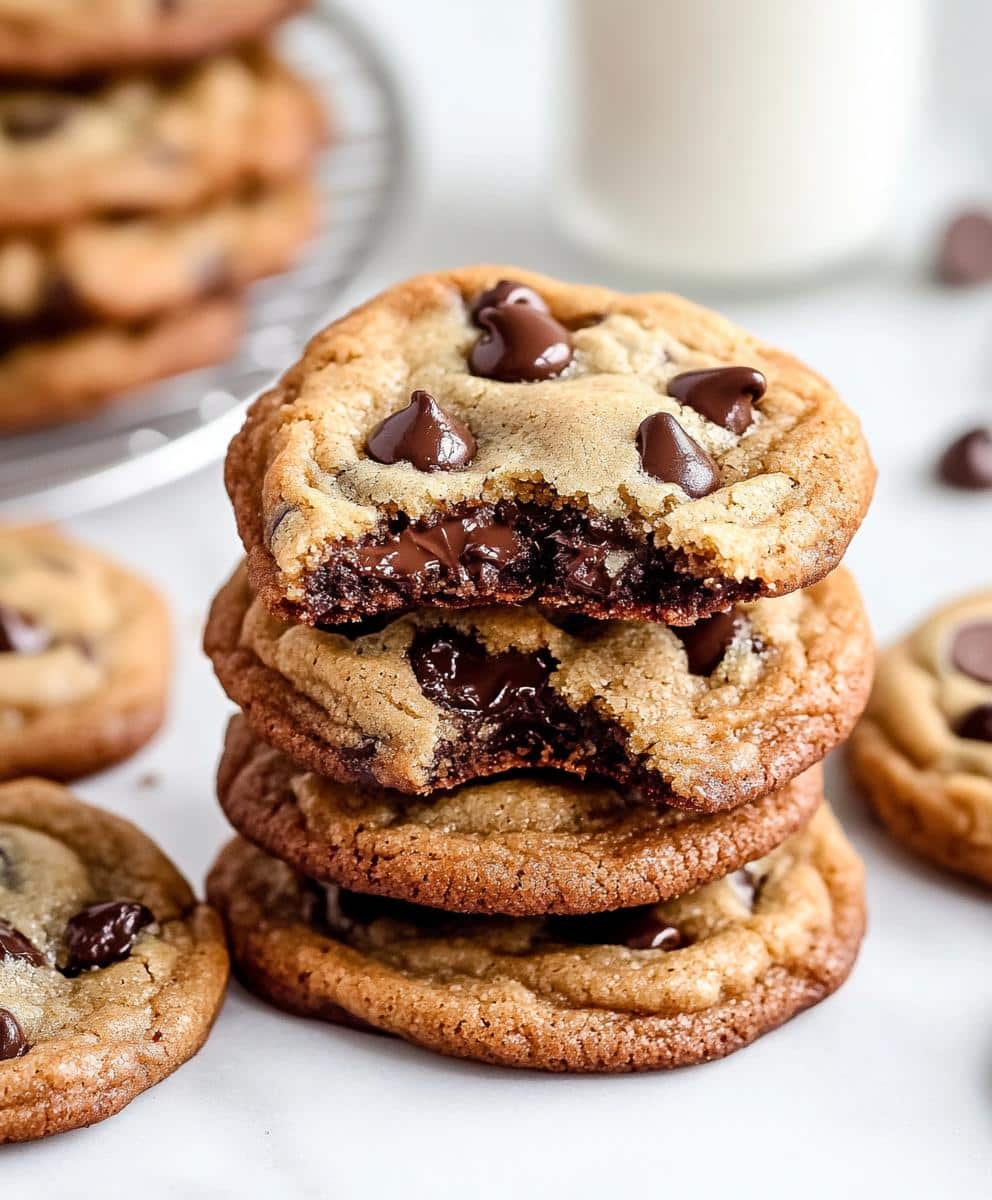
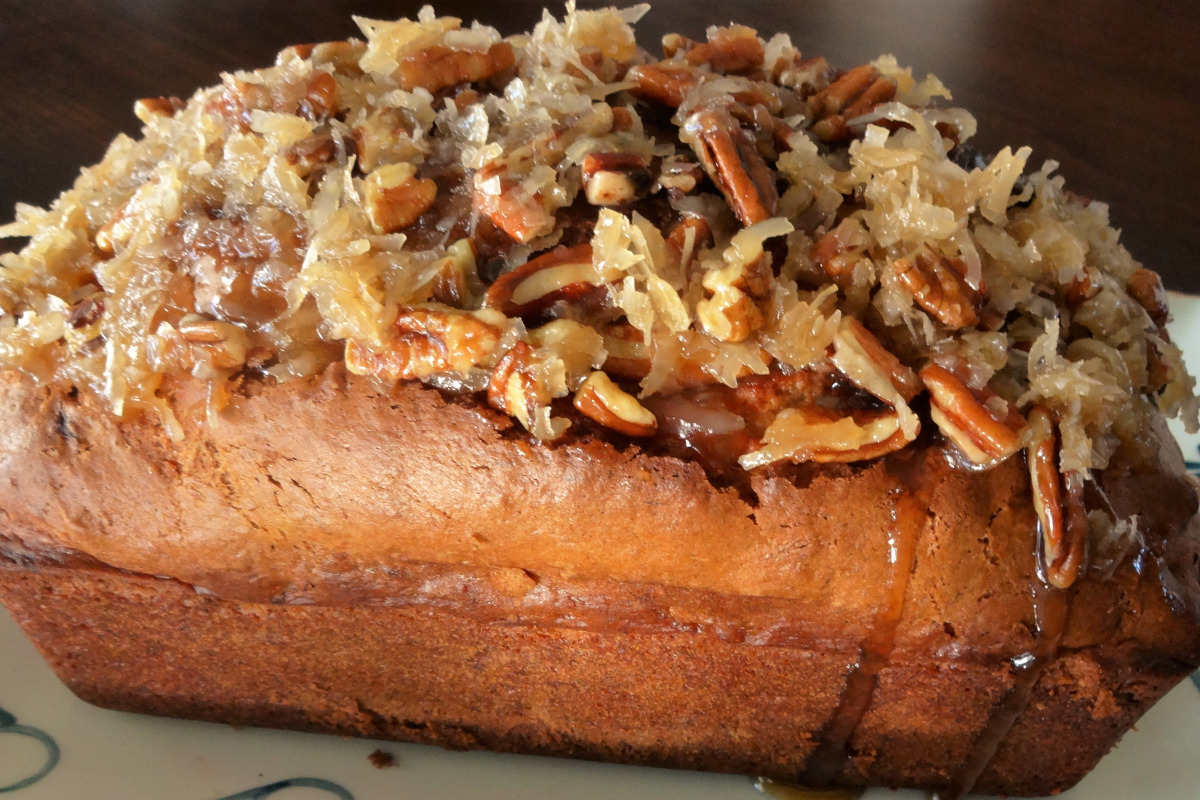
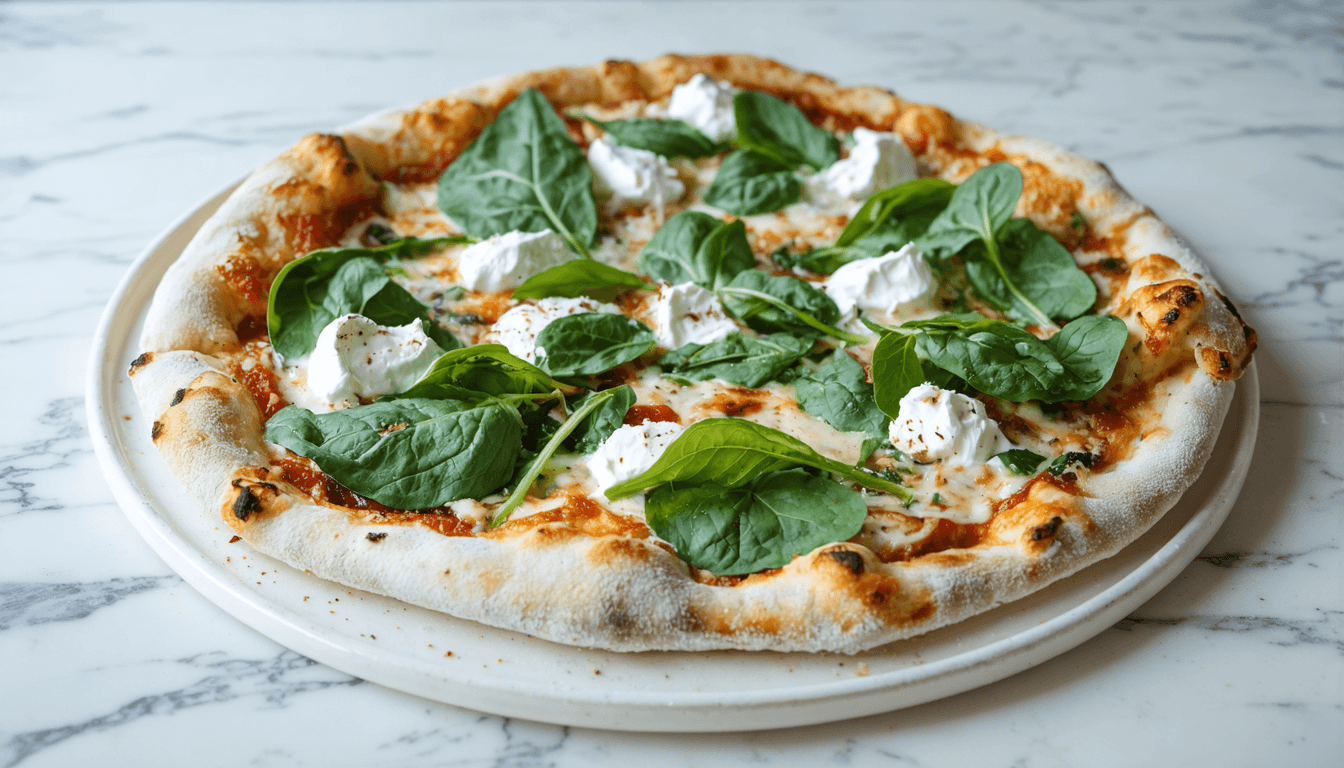
Shop bakeware on AislePrompt →Browse the full kitchen shop →