Best Burr Coffee Grinders in 2026: Conical vs Flat Picks + Prime Big Deal Days Buying Guide
Conical or flat, espresso or drip: five burr grinders worth your counter space, and how to tell a real Prime Big Deal Days discount from a fake one.
Where to buy these picks
Affiliate links: we may earn a commission on qualifying Amazon purchases. Policy. Prices show only when checked in the last 24 hours.
- Best Overall: Baratza Encore ESPCheck price on Amazon →
- Best Value: Capresso InfinityCheck price on Amazon →
- Best for Beginners: OXO Brew Conical Burr GrinderCheck price on Amazon →
- Best Premium: Baratza Sette 270Check price on Amazon →
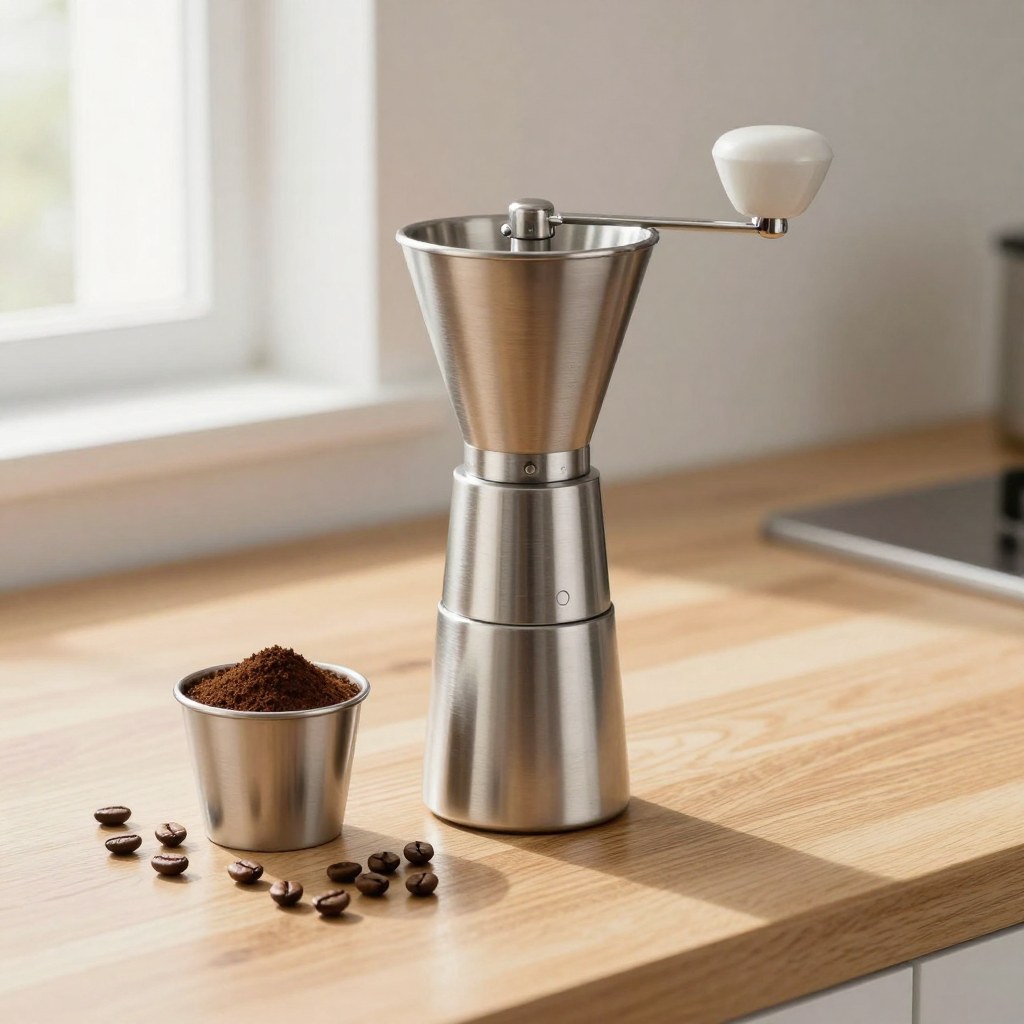
- Best Compact: TIMEMORE Chestnut C2S (manual)Check price on Amazon →
The best burr coffee grinder for most homes in 2026 is the Baratza Encore ESP, a mid-tier conical grinder whose 40 settings split into a fine-stepped espresso half and a wider-stepped filter half. That split decides it: it grinds for an espresso machine and a drip brewer. On a budget under $100, get the Capresso Infinity. For the simplest start, get the OXO Brew Conical Burr Grinder.
Why the grinder matters more than the coffee maker
The grinder has more effect on the cup than the brewer. Brewing is extraction: hot water pulls soluble compounds out of ground coffee, and how fast it pulls depends on the surface area of each particle. A burr grinder crushes beans between two abrasive surfaces set a fixed distance apart, so particles come out close to one size. A blade grinder chops at random, giving you powder and chunks from the same beans (Wikipedia — Burr mill).
Mixed particle sizes make a mixed cup. The fines over-extract and turn bitter while the big pieces under-extract and taste sour and thin. No brewer can fix that, which is why the Specialty Coffee Association's research program spends so much time on extraction and grind rather than on machines. If you already own a decent machine from our best coffee makers guide and the coffee still tastes flat, look at the grinder before you replace the brewer.
Two dates this fall make it a good moment to buy. National Coffee Day is September 29, and many roasters run bean promotions that week, so you can fill a new hopper with good coffee. Amazon's Prime Big Deal Days runs October 6–7, 2026, and small kitchen appliances, grinders included, are regular event categories. A grinder usually lasts many years, so buying one you've been putting off during a real price dip is a good use of the event. Just check that the dip is real (see the section on deals below).
How we picked
This guide is a research roundup, not a bench test. We did not grind coffee on these machines. The shortlist came from:
- The AislePrompt catalog. We started with the active burr grinders listed in our Small Appliances and Bar & Coffee categories. We removed blade grinders, espresso machines with built-in grinders, spice mills, and listings with no US seller in stock.
- Published specs. Burr type (conical or flat), burr size and material, number of settings, and whether adjustment is stepped or stepless all come from the manufacturers' own listings and documentation, such as Baratza's product pages.
- What owners report. We read published owner reviews for patterns like retention complaints, static, noise, motor failures, and parts support. We weighed repeated patterns and ignored one-off gripes.
- Third-party findings. Where outside reviewers or coffee researchers documented something, such as particle spread or espresso capability, we name the source.
Prices move constantly, especially during Prime Big Deal Days, so this guide uses price tiers. Each product page's live "Check price on Amazon" button shows the current price.
Our top 5 picks
#1 Best Overall: Baratza Encore ESP
Verdict: The rare mid-tier grinder that handles both espresso and drip without compromise.
- 40mm conical steel burrs
- 40 settings: settings 1–20 are fine-stepped for espresso, 21–40 are wider-stepped for filter coffee
- Mid tier ($150–$250)
The original Encore is a filter grinder. The Encore ESP keeps the same body and adds what espresso needs: the bottom half of the dial moves in much smaller steps. With espresso, a small change in fineness can swing a shot from sour to bitter, so those fine steps matter more than any other feature here. Baratza also sells replacement burrs and parts directly, which is a big reason owners keep these grinders for a decade instead of throwing them out when a gear fails.
Pros: real espresso range; filter range as good as the classic Encore; strong parts support; simple one-dial control.
Cons: the timer-free on/off switch means you weigh doses yourself; louder than hand grinders; retention is low but not zero.
Right for you if: you own an espresso machine, or plan to buy one, and also brew drip or pour-over.
Skip it if: you only ever brew drip. The Capresso or OXO below costs less and does filter well.
#2 Best Value: Capresso Infinity
Verdict: Steel conical burrs and even filter grounds for under $100.
- Solid steel conical burrs
- 16 stepped settings across Extra Fine, Fine, Regular and Coarse ranges
- Under $100
The Capresso Infinity has been a budget default for years because it gets the basics right: real conical steel burrs, a slow-turning gear motor that keeps heat and noise down, and consistent medium grinds for drip and pour-over. Sixteen steps isn't many, but for a drip machine, French press, or cold brew you'll use two or three of them.
Pros: real burrs at a blade-grinder-plus price; quiet for its tier; long track record.
Cons: the finest setting isn't fine enough for real espresso; owners report static cling in dry winters; the plastic hopper feels budget.
Right for you if: you brew drip, pour-over, or French press and want to get rid of your blade grinder.
Skip it if: espresso is on your list. Go straight to the Encore ESP.
#3 Best for Beginners: OXO Brew Conical Burr Grinder
Verdict: One-touch operation that remembers your last setting, which is the easiest daily routine on this list.
- 40mm stainless steel conical burrs
- 15 main settings plus micro-adjustments between them
- One-touch start with a timer that holds your last setting (just over $100)
The OXO Brew is the grinder to buy for someone who doesn't want to learn about grinders. Set the dial once, set the timer once, and every morning afterward is a single button press. The large hopper and the static-resistant grounds container reduce the counter mess that turns beginners off burr grinders.
Pros: simplest daily routine here; easy to clean; the timer is consistent enough that owners often skip the scale.
Cons: not built for espresso; the timer doses by time, so the amount drifts when you change beans; bulkier than the Capresso.
Right for you if: you're upgrading from pre-ground coffee and brew drip or pour-over every day.
Skip it if: you like to tinker or you want espresso.
#4 Best Premium: Baratza Sette 270
Verdict: A low-retention, espresso-first grinder that grinds straight into the portafilter.
- 40mm conical burrs in which the outer ring burr turns and the inner cone stays fixed
- 30 macro steps plus a stepless micro-adjustment collar
- Premium tier ($300+)
The Sette 270 turns the usual design inside out, and that's why espresso owners buy it. Grounds fall almost straight through the burrs into the portafilter holder, so very little coffee stays inside between doses. That makes it good for single-dosing (weighing out one shot's beans at a time) and for switching beans without purging a big dose. The stepless micro collar lets you adjust a shot by hair-width amounts.
We chose it over a flat-burr option for the premium slot because low retention and precise adjustment matter more to most home espresso drinkers than the particle-spread differences discussed below. If you want flat burrs, see the MOKKOM in the alternates.
Pros: very low retention; precise espresso adjustment; fast.
Cons: loud, a common owner complaint; too much grinder for drip-only households; its filter-range grinds are less even than the Encore's.
Right for you if: espresso is your main drink and you weigh every dose.
Skip it if: you brew mostly pour-over. The Encore ESP covers both for less.
#5 Best Compact: TIMEMORE Chestnut C2S (manual)
Verdict: Burr-grinder consistency in a hand grinder that fits in a drawer or a carry-on.
- Stainless steel S2C conical burrs
- Holds about 25 g of beans, enough for one or two cups
- Under $100
A hand grinder is the cheapest way to get good burrs, because the money goes into the burr set and bearings instead of a motor. The Chestnut C2S is a popular pick for small counters, dorm rooms, camping, and travel. Grinding a pour-over dose takes about half a minute of cranking, it's close to silent, and nothing needs plugging in.
Pros: strong consistency for the tier; silent; no counter footprint; travels.
Cons: effort adds up past two cups; the stepped adjustment is coarse for espresso fine-tuning; small capacity.
Right for you if: you make one or two cups of pour-over or AeroPress and value quiet mornings.
Skip it if: you brew a full carafe for the household every day.
Top picks at a glance
| Pick | Burr type | Adjustment | Espresso-capable | Price tier |
|---|---|---|---|---|
| Baratza Encore ESP | 40mm conical steel | 40 steps, fine-stepped espresso half | Yes | $150–$250 |
| Capresso Infinity | Conical steel | 16 steps | No | Under $100 |
| OXO Brew Conical | 40mm conical steel | 15 steps + micro | No | $100–$150 |
| Baratza Sette 270 | 40mm conical, rotating ring burr | 30 macro + stepless micro | Yes (primary use) | $300+ |
| TIMEMORE Chestnut C2S | Conical steel (manual) | Stepped dial | Marginal | Under $100 |
Specs are from the manufacturers' published listings as of September 2026.
Conical vs flat burrs
This is the question every grinder shopper runs into, and the honest answer is that the burr shape matters less than the quality of the specific burr set and how well it's aligned.
Conical burrs put a cone-shaped inner burr inside a ring-shaped outer burr. Beans feed in from above and get crushed progressively as they move down the narrowing gap. Conical designs can run at lower motor speeds, which usually means quieter operation and less heat. They also let gravity move grounds out, which tends to keep retention low. Almost every grinder under $250 uses them, including four of our five picks.
Flat burrs use two parallel rings, one spinning against the other, with grounds thrown outward by centrifugal force. Roasters and specialty cafés often prefer them because, per common roaster guidance and the specialty-coffee literature on particle size distribution, a well-made flat set tends to produce a tighter, more uniform particle spread. Espresso drinkers often describe that as more clarity in the cup. The trade-offs are usually higher price, higher retention (grounds stay in the burr chamber and exit path), and in some designs more heat at high volumes.
Which fits which brew:
| Brew method | Grind | Conical is fine? | Where flat burrs help |
|---|---|---|---|
| French press / cold brew | Coarse | Yes | Hardly at all |
| Drip machine | Medium | Yes | Minor |
| Pour-over (V60, Chemex) | Medium-fine | Yes | Some drinkers notice more clarity |
| AeroPress | Fine to medium | Yes | Minor |
| Espresso | Very fine | Yes, if the grinder has fine steps | Clarity and consistency at higher tiers |
For a household making drip or pour-over, a good conical grinder is the right buy. Consider flat burrs once espresso is a hobby, not before.
Espresso vs drip: how many settings do you need?
This is the most common mistake in grinder buying: an espresso-machine owner buys a grinder that advertises "40 settings" and still can't pull a decent shot.
Settings counts are marketing. Step size in the fine range is what matters. A drip grinder can have 40 settings spread evenly from French-press coarse to fine, with only two or three of them anywhere near espresso fineness, and those steps are too far apart. Espresso extracts in about 25–30 seconds under roughly 9 bars of pressure (Wikipedia — Coffee preparation), so a small grind change swings the shot noticeably. You need many small steps in the fine zone, or stepless adjustment where the dial moves continuously.
Rough guidance:
- Drip, pour-over, French press only: 12–20 well-spaced steps is plenty. Capresso, OXO, and the classic Baratza Encore are built for this.
- Pressurized-basket espresso (common in entry machines): these baskets are forgiving, so a filter grinder's finest setting often works.
- Standard, non-pressurized espresso baskets: you need an espresso-rated grinder such as the Encore ESP, the Sette 270, or a flat-burr espresso grinder.
If you're shopping for a machine as well, our best espresso machines guide marks which models ship with pressurized baskets. Machines with a built-in grinder solve this with one appliance, but you can't upgrade the grinder later.
Prime Big Deal Days: how to judge a grinder deal
Prime Big Deal Days (October 6–7, 2026) will show a lot of struck-through "list prices" on grinders. A bigger strikethrough doesn't mean a better deal. Here's how to read one:
1. Compare the deal to the listing's own recent price, not its list price. Many grinders rarely sell at list. What matters is whether the deal beats what the grinder usually sells for, not a number printed on the box years ago.
2. Know the manufacturer's price. Brands like Baratza and OXO sell direct. If the event price only matches the brand's own everyday price, it isn't really a deal.
3. Check the seller. Look for "Ships from and sold by Amazon" or the brand's own storefront. Third-party sellers on grinder listings sometimes ship older revisions or refurbished units without saying so clearly.
4. Watch for color and bundle games. One colorway can be discounted while another isn't, and "bundles" can add accessories you wouldn't pay for separately.
5. Prices change hour to hour. The live price button on each product page shows the current Amazon price. Check it when you're ready to buy, not when you first read this.
Who should wait for Black Friday: if the grinder you want isn't meaningfully below its usual price during the October event, Black Friday and Cyber Monday in late November are the next big window. Grinders are common holiday gifts, so they often show up in those sales too. Who shouldn't wait: anyone still using a blade grinder. The cup-quality jump from even a budget burr grinder is worth more than the last few dollars of a discount.
What to look for in a burr grinder
Burr material. Steel burrs are standard at every price. They're sharp, tough, and replaceable. Ceramic burrs, common in older and budget hand grinders, stay sharp a long time but can chip if a stone gets into the beans. Steel is the safer default.
Burr size. Bigger burrs generally grind faster and stay consistent at higher volumes. The 40mm conical burrs in the Baratza and OXO models are the home-grinder standard. Commercial flat burrs run 58–64mm and up.
Retention and single-dosing. Retention is the coffee that stays inside after grinding. It goes stale and ends up in your next dose. If you switch beans often or weigh single doses, choose a low-retention design like the Sette. If you grind the same beans for the household every morning, retention matters much less.
Stepped vs stepless. Stepped dials click into fixed positions, so they're repeatable and easy to return to. Stepless dials can stop anywhere, which gives espresso drinkers the fine control they need but makes returning to an exact setting harder. Some grinders combine them, like the Sette's stepped macro dial plus stepless micro collar.
Noise. Motor speed and gear reduction drive noise. Slower-turning conical grinders are usually quieter. If someone else is asleep during your morning grind, owners consistently name noise as a regret, and a manual grinder is the quiet choice.
Hopper vs dosing cup. A big hopper suits households that grind the same beans daily. A small or no hopper suits single-dosers. Either way, don't store beans in the hopper for weeks. It isn't airtight.
Cleaning and replacement parts. Every burr grinder needs periodic brushing, and burrs eventually dull. Brands that sell replacement burrs, gears, and hoppers separately, such as Baratza with its well-known repair program, extend a grinder's life by years. Check parts availability before you buy.
Common pitfalls
- Buying for settings count. As covered above, "48 settings" says nothing about the espresso range. Check the step size or look for stepless fine adjustment.
- Letting static win. Dry winter air makes grounds cling and spray. Owners often fix this by misting beans with one drop of water before grinding (the Ross droplet technique). Check your manual first.
- Cleaning with rice. It's a popular hack, but rice is harder than coffee and some manufacturers warn it can strain motors. Use grinder-cleaning tablets or a brush unless your manual approves rice.
- Oily dark roasts in fine settings. Very oily beans can clog the burrs and chute on espresso settings. Clean more often if you drink dark roasts.
- Buying a grinder-coffee maker combo to save space. Built-in grinders are convenient, but if the grinder fails you often lose the whole machine.
When NOT to buy a burr grinder
If you drink one cup of drip coffee a day from pre-ground bags and you like it, a burr grinder is a hobby purchase, not a fix. The same goes if your household is happy with pods. Buy the grinder when you want better coffee from whole beans, not because a deal page says so.
Use it tonight: coffee recipes worth a fresh grind
A new grinder deserves more than the morning cup. Our 18 homemade coffee drinks roundup covers lattes to tonics, and these recipes each call for a different grind:
- Coarse grind, cold brew: start with a Brown Sugar Sweetened Cold Brew Coffee. Coarse, even grounds keep cold brew from turning muddy and bitter, and they filter cleanly.
- Cold brew, dressed up: a Cardamom-Spiced Cold Brew Tonic turns that same batch into an afternoon drink.
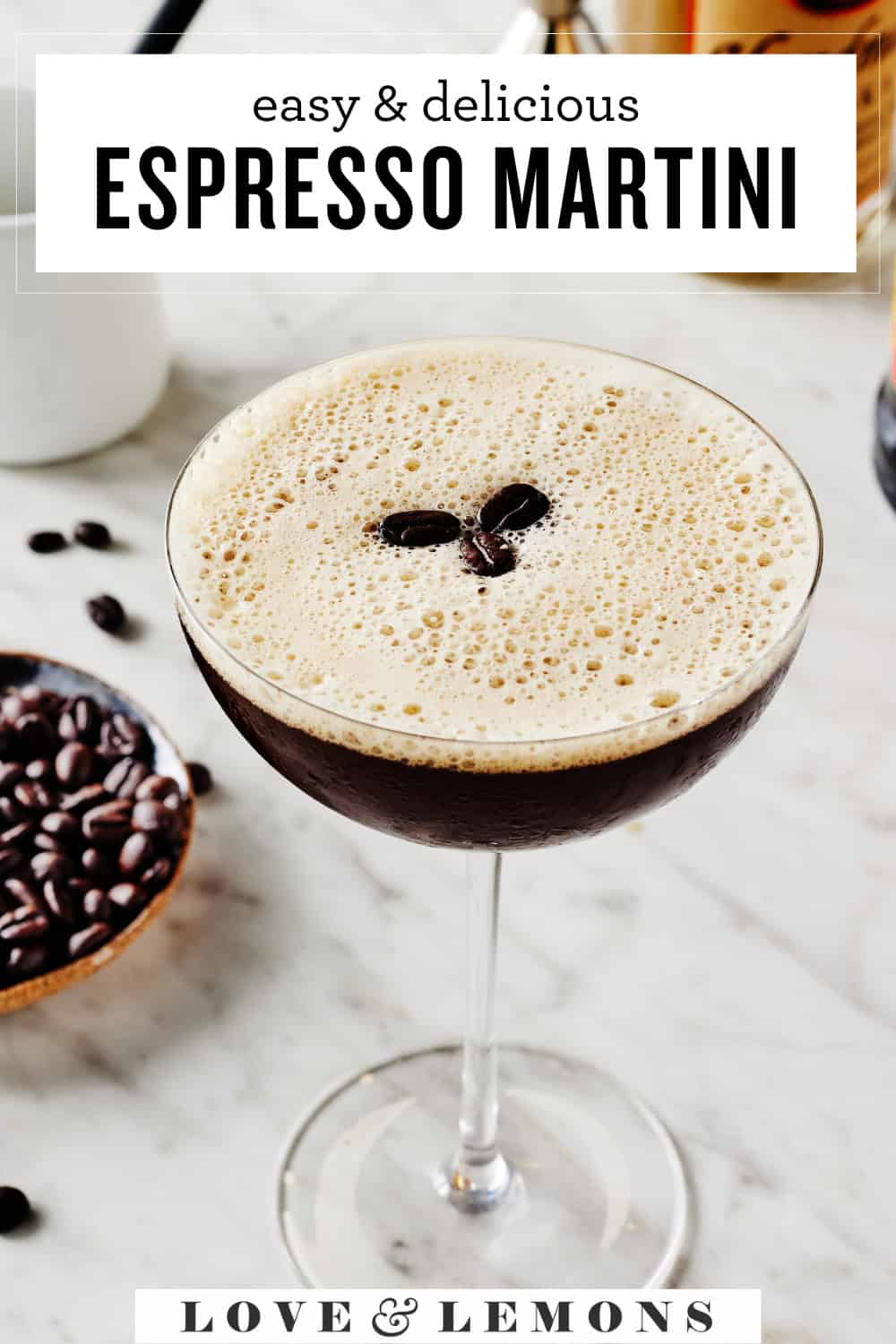
- Espresso-fine, cocktail hour: a Vanilla Espresso Martini needs a fresh, hot shot for the foam on top. Stale or under-extracted espresso gives you a flat drink. Our Bar & Coffee category has the shaker and coupes.
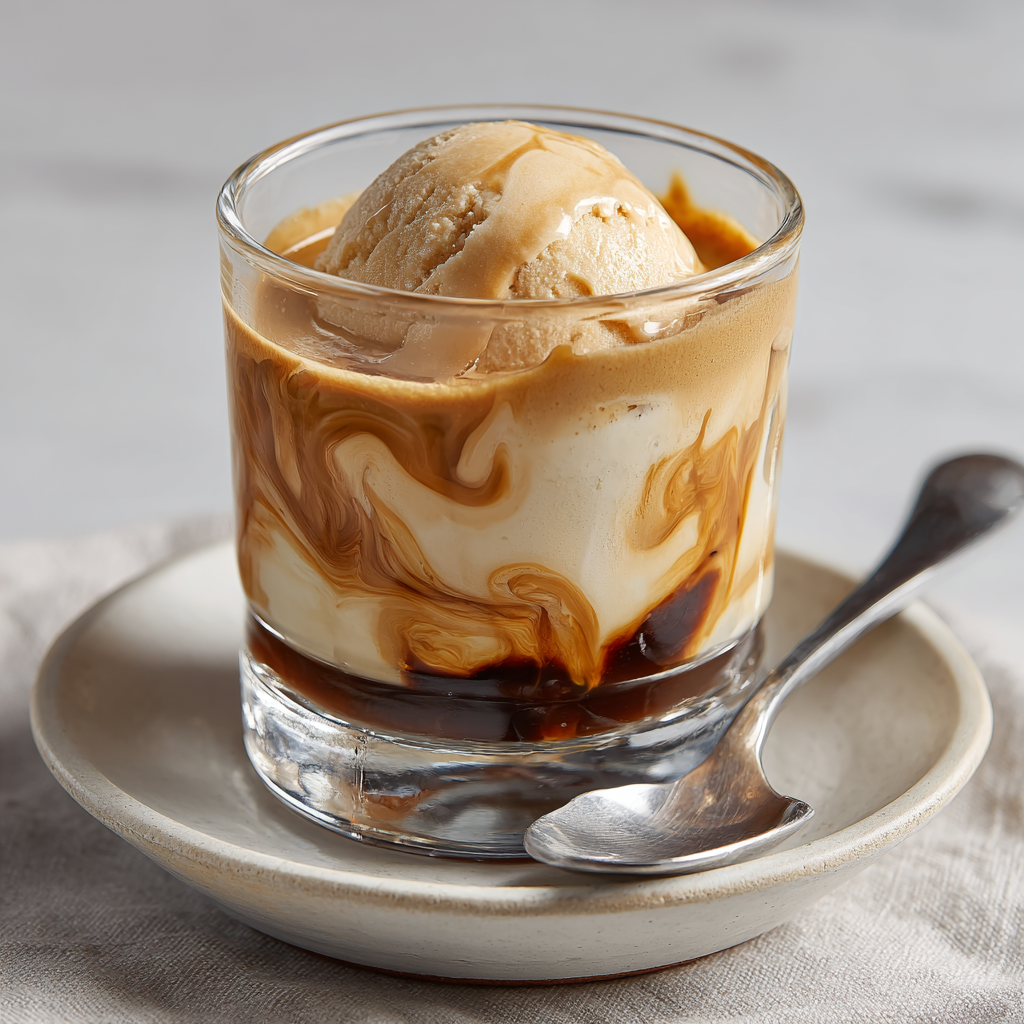
- Espresso over ice cream: the Vietnamese-Style Iced Coffee Affogato is a two-minute dessert once your grinder is set up.
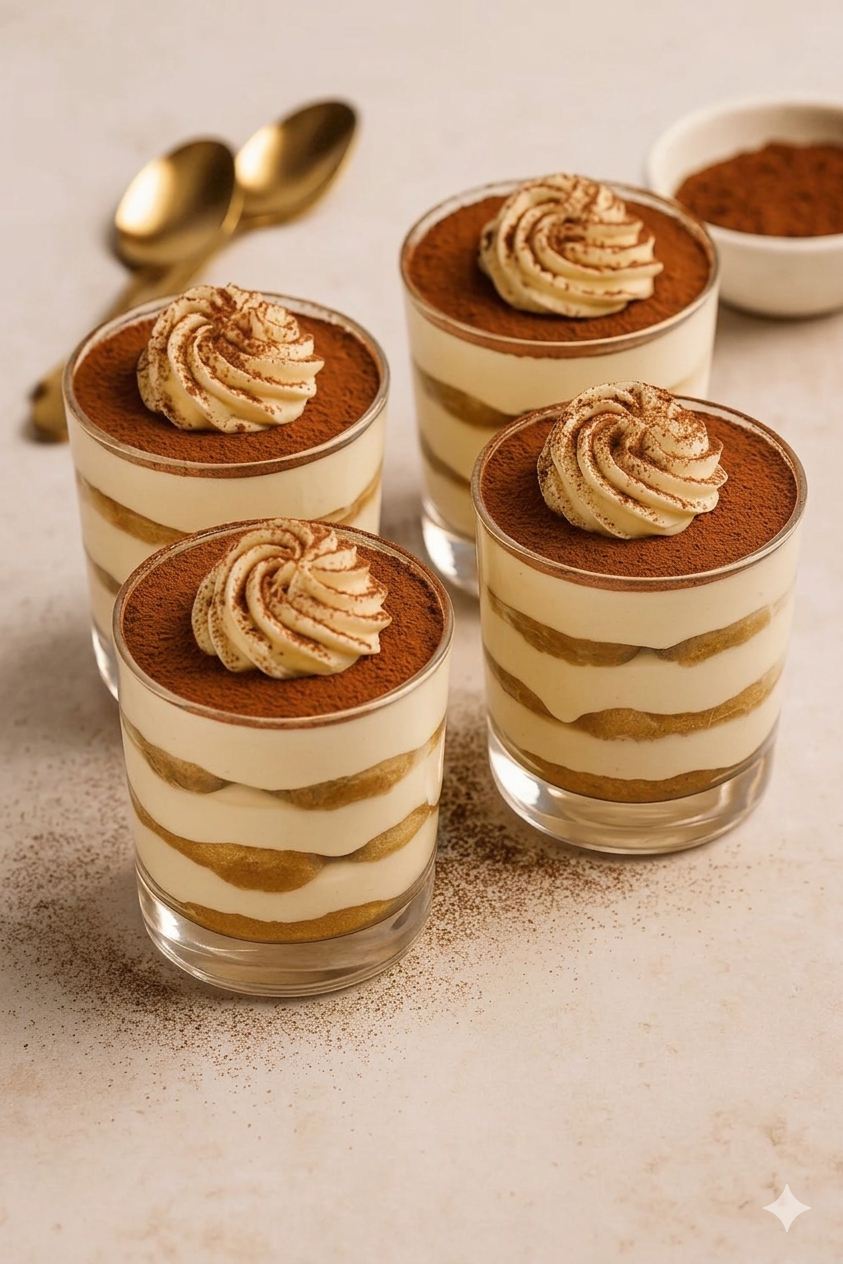
- Weekend dessert: Quick Classic Tiramisu Cups soak ladyfingers in strong coffee, so a better grind shows up in dessert too.
- Beyond the cup: coarsely ground beans make a savory rub. Try the Slow-Smoked Beef Brisket with Coffee Rub, or a Cocoa-Chili Mexican Mocha for something warm afterward.
Tip: grinders that also grind spices pick up those flavors. Keep the coffee grinder for coffee, and see our spice grinder guide for a separate tool.
Alternates worth a look
Three more in-stock grinders from our catalog that didn't make the top five but suit specific buyers:
- Baratza Encore, the classic filter-only Encore: 40mm conical burrs and 40 settings built for drip, pour-over, and French press. Pick it over the ESP if you'll never make espresso and want the long-running original.
- Baratza Virtuoso+, the Encore's step-up: 40mm conical burrs, a digital timer, and a sturdier build, aimed at filter coffee drinkers who want timed dosing.
- MOKKOM Professional 64mm Flat Burr Grinder, the flat-burr option: 64mm flat burrs, 100 settings, and an all-metal body for buyers who want to try flat burrs without jumping to café-grinder prices. It's a lesser-known brand, so check parts availability before you commit.
A hand-grinder alternative to the TIMEMORE is the 1Zpresso J, with stainless conical burrs and numbered internal adjustment, a step up for pour-over precision.
Sources
- Specialty Coffee Association — Research: extraction and brewing research from the specialty coffee trade body.
- Baratza: manufacturer specifications for the Encore, Encore ESP, Virtuoso+, and Sette 270, plus the parts and repair program.
- Serious Eats: coffee-equipment coverage and brewing guides.
- Wikipedia — Burr mill: burr vs blade grinding and particle consistency.
- Wikipedia — Coffee preparation: brew methods, grind sizes, and espresso extraction parameters.
Frequently asked questions
Is a conical or flat burr grinder better for home coffee?
Do I need a burr grinder if I only make drip coffee?
Can a cheap burr grinder make espresso?
Is Prime Big Deal Days a good time to buy a coffee grinder?
How do I clean a burr grinder?
Recipes to try with your coffee setup
Put your gear to work — save any recipe to My Recipes (no account needed) and send its ingredients to Instacart in one tap.
Shop bar & coffee gear on AislePrompt →Browse the full kitchen shop →