Best Coffee Makers in 2026: Top Picks + Buying Guide
Five drip coffee makers for every budget, plus what actually matters when you shop
Black Friday runs November 27 through Cyber Monday, November 30, 2026. Black Friday kitchen picks →
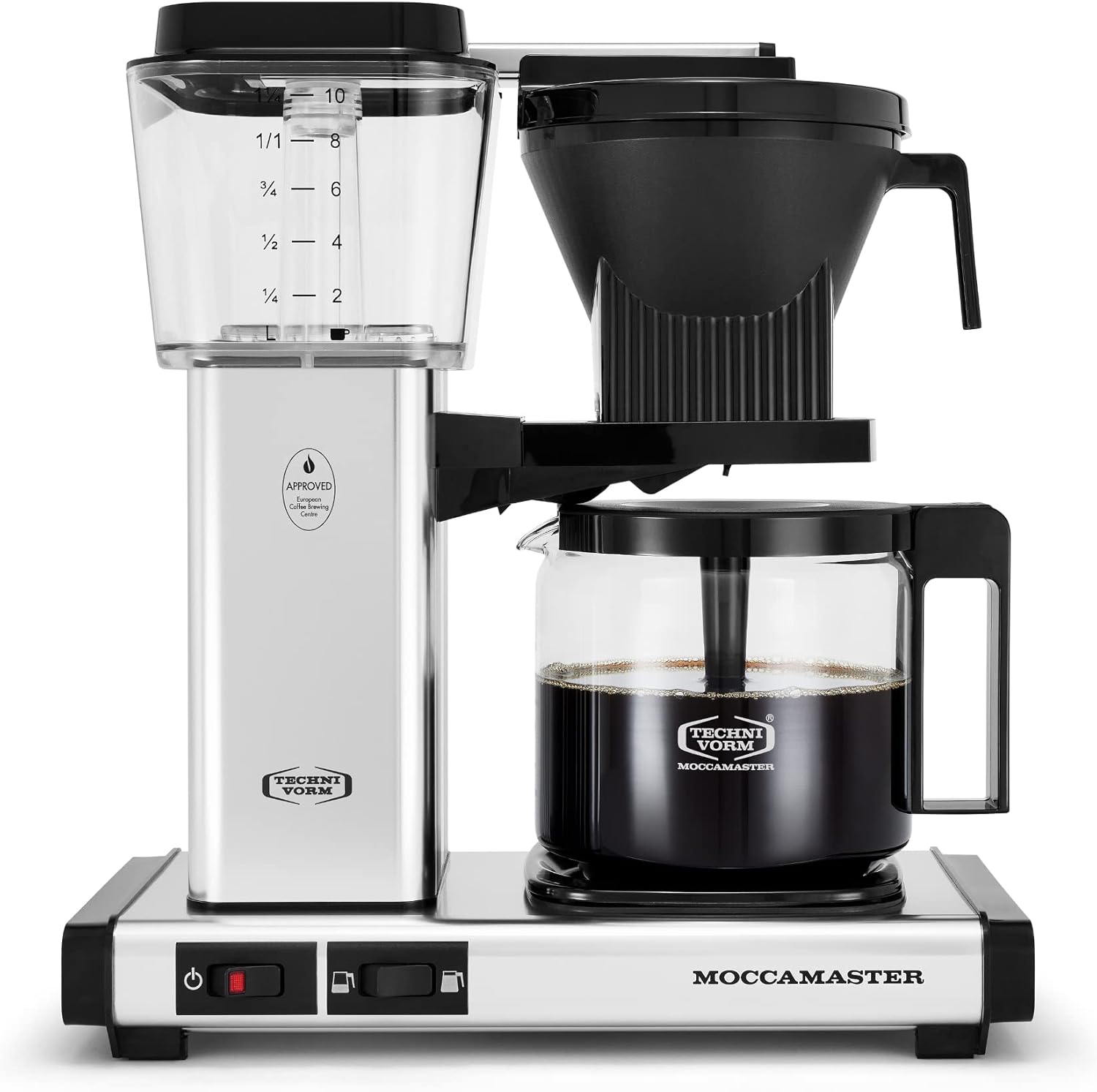
The best coffee maker for most home kitchens in 2026 is the Technivorm Moccamaster KBGV Select, an SCA-certified 10-cup drip brewer with a copper heating element, a hot plate that shuts off after 100 minutes, and a five-year warranty.
Where to buy these picks
Affiliate links: we may earn a commission on qualifying Amazon purchases. Policy. Prices show only when checked in the last 24 hours.
- Best Overall: Technivorm Moccamaster KBGV Select $369.00 at Amazon, Check price on Amazon →
- Best Value: Cuisinart PerfecTemp DCC-3200 (14-Cup) $99.99 at Amazon, Check price on Amazon →
- Best for Beginners: BUNN Velocity Brew GRB (10-Cup) $128.40 at Amazon, Check price on Amazon →
- Best Premium: Fellow Aiden Precision Coffee Maker $399.95 at Amazon, Check price on Amazon →
- Budget Pick: BLACK+DECKER 12-Cup Digital $34.99 at Amazon, Check price on Amazon →
Which coffee maker fits you
| Your situation | Buy | Why | Buy link |
|---|---|---|---|
| Best cup, no timer needed | Technivorm Moccamaster KBGV Select $369.00 | SCA-certified 10-cup drip, copper heating element, 5-year warranty; no clock | Amazon → |
| Coffee ready when you wake up | Cuisinart PerfecTemp DCC-3200 (14-Cup) $99.99 | 14-cup, 24-hour timer, brew-strength control and a 1–4 cup small-batch mode | Amazon → |
| A full pot fast, one switch | BUNN Velocity Brew GRB (10-Cup) $128.40 | Tank held at 200°F brews 10 cups in about 3 min, faster than the 4–8 min SCA window; not SCA-certified | Amazon → |
| Tuning the brew to each bean | Fellow Aiden Precision Coffee Maker $399.95 | SCA-certified, 10-cup thermal carafe, app brew profiles and adjustable bloom | Amazon → |
| A dorm, a cabin or a second pot | BLACK+DECKER 12-Cup Digital $34.99 | 12-cup programmable drip; brews at 185–190°F, below the SCA range | Amazon → |
Quick answer
Which coffee maker fits a different budget or need?
The best value is the Cuisinart PerfecTemp DCC-3200, a 14-cup programmable drip machine with a 24-hour timer, brew-strength control and a 1–4 cup small-batch mode. For beginners, buy the BUNN Velocity Brew GRB: one switch, and an internal tank held at 200°F brews a 10-cup pot in about three minutes. The Fellow Aiden Precision, SCA-certified like the Moccamaster, is the premium pick for app-driven brew profiles, adjustable bloom and a thermal carafe, and the BLACK+DECKER 12-Cup Digital is the budget pick for dorms and second pots, though it brews below the SCA temperature range.
A great coffee maker brews water between 197°F and 205°F (92–96°C, the Specialty Coffee Association's brewing range), saturates the grounds evenly, finishes in 4 to 8 minutes, and keeps the finished pot at temperature without scorching it. Almost every machine you can buy in 2026 claims to do all four; few publish a certified brew temperature, and the SCA's certified home-brewer list is the one independent check.
What you'll use with it
The grinder has more effect on the cup than the brewer: a burr grinder crushes beans to one size, a blade grinder leaves powder and chunks. The grinder guide’s value pick has steel conical burrs and even filter grounds for under $100. Read the burr grinder guide →
Burr grinder guide’s Best Value pick: Capresso Infinity Plus $99.95 at Amazon, Check price on Amazon →Pour-over and a dialed-in drip dose are brewed by weight, not by scoop. The scale guide’s espresso pick is a 0.1-gram coffee scale with a built-in timer for timing the pour. Read the kitchen scale guide →
Kitchen scale guide’s Best for Espresso + Precision Baking pick: RENPHO Espresso Scale $24.99 at Amazon, Check price on Amazon →
Our Top 5 Picks
| Award | Machine | Type | Best for |
|---|---|---|---|
| Best Overall | Technivorm Moccamaster KBGV Select | SCA-certified drip, 10-cup | Daily drivers who want one machine for the next 10 years |
| Best Value | Cuisinart PerfecTemp DCC-3200 | Programmable drip, 14-cup | Whole-house brewing on a budget |
| Best for Beginners | BUNN Velocity Brew GRB | One-switch drip, 10-cup | "I just want coffee in three minutes" |
| Best Premium | Fellow Aiden Precision | Programmable precision drip, 10-cup thermal | Specialty-coffee nerds who want app control |
| Budget Pick | BLACK+DECKER 12-Cup Digital | Programmable drip, 12-cup | Dorms, second pots, guest houses |
Two of the five carry SCA certification: the Moccamaster and the Fellow Aiden. The other three are not certified, and the BLACK+DECKER brews below the SCA temperature range.
Best Overall: Technivorm Moccamaster KBGV Select
The Moccamaster KBGV Select is the machine you buy when you're done shopping for coffee makers. Hand-assembled in the Netherlands since 1968, it's SCA-certified for a 10-cup brew, meaning it passed the SCA's lab test for holding 197–205°F at the grounds through the brew, and ships with a five-year manufacturer warranty. The copper boiling element is the part that lasts forever; you'll replace the glass carafe long before the brewer dies.
What you're paying for: a single-purpose machine that does one thing exceptionally well. There's no programmability, no second basket, no built-in grinder, no app. You flip the switch, water passes through the showerhead at the right temperature, coffee comes out the other side. The hot plate has two settings (175°F and 185°F) and shuts off after 100 minutes — long enough for a slow morning, short enough that you don't scorch the carafe.
What you're not getting: a clock. The KBGV will not start your coffee at 6:15 a.m. for you. If that's a deal-breaker, our value pick, the Cuisinart PerfecTemp DCC-3200, has a 24-hour timer. Technivorm's CDT Grand swaps the hot plate for a thermal carafe, but it has no timer either.
Compare that to the cheap-brewer baseline below in the "What to Look For" section. The Moccamaster's temperature stability is what you're paying for.
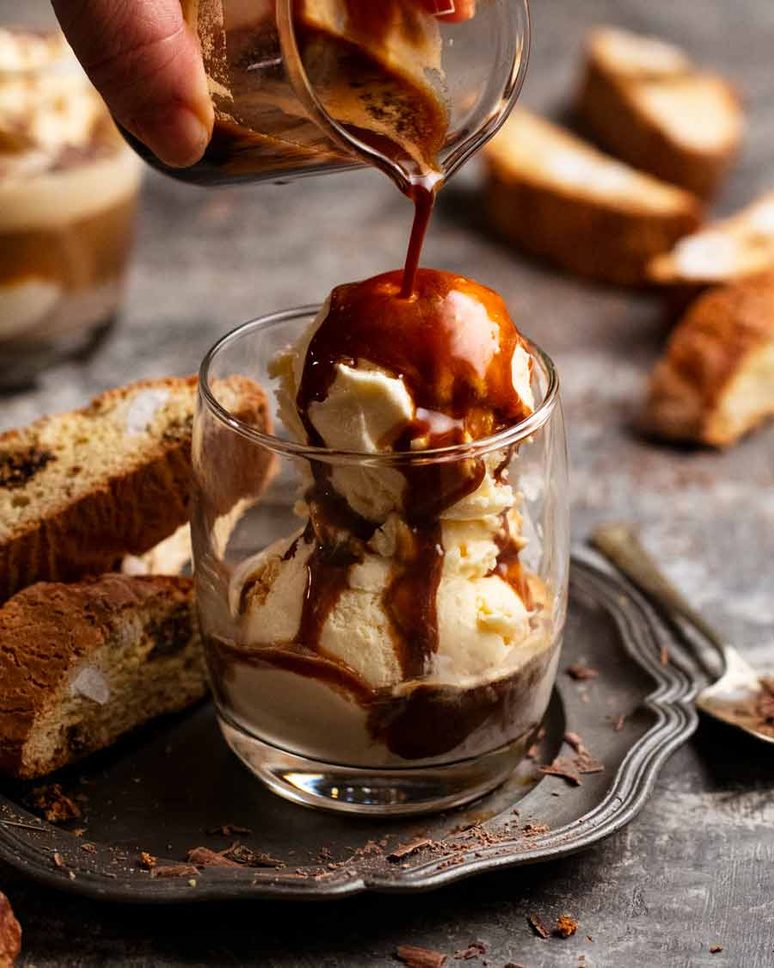
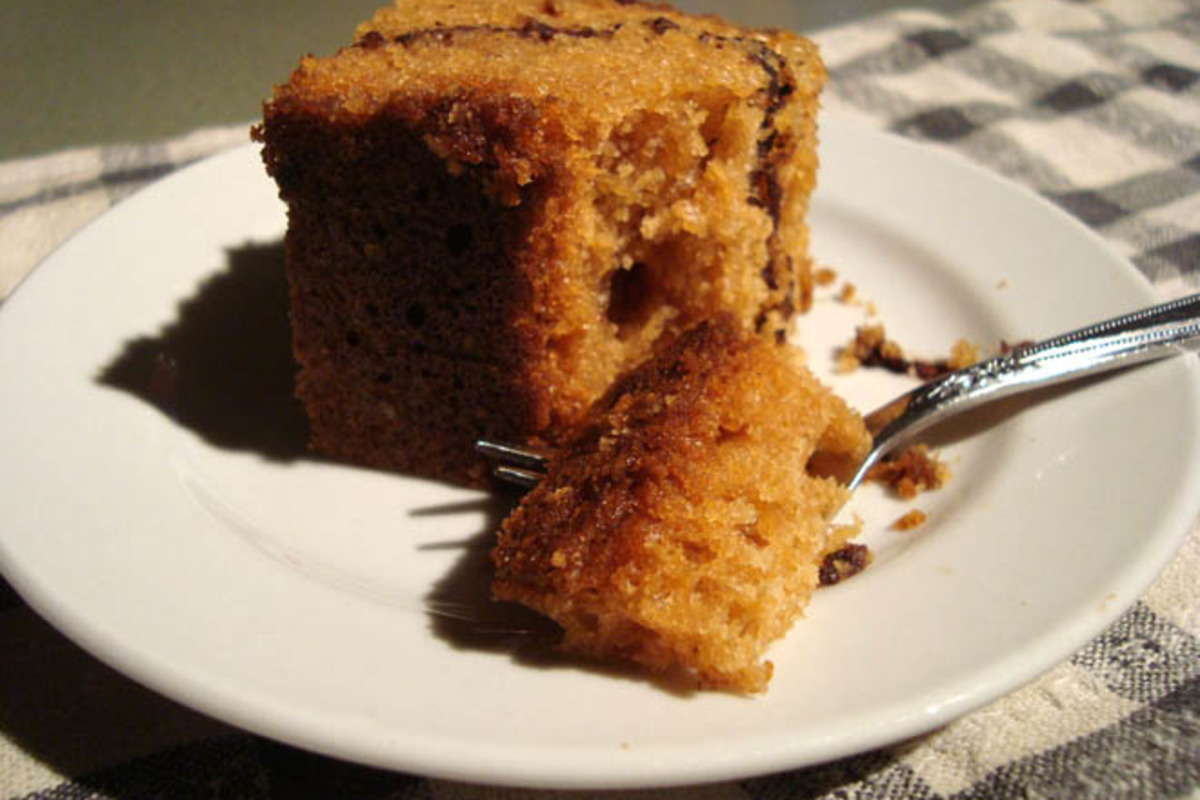
If you want to brew an Italian Affogato with Espresso and Vanilla Gelato on a Sunday afternoon or pull a strong pot for a Baked Cinnamon Coffee Cake the next morning, this is the machine that gets both jobs right with a single grind setting and the same scoop.
Best Value: Cuisinart PerfecTemp DCC-3200 (14-Cup)
It's not SCA-certified, but a 2024 Serious Eats reader-poll round-up flagged its brew-temperature consistency as the standout under-$100 result.
What you actually use:
- 24-hour programmability with a backlit clock you can read in the dark
- Brew-strength control (Regular / Bold) that genuinely changes the bloom timing — not a marketing toggle
- 1-4 cup small-batch mode that slows the brew so a half-pot doesn't come out under-extracted
- Auto-shutoff (1 to 4 hours, you pick) so you stop coming home to a scorched empty carafe
- Removable charcoal water filter that swaps out in 30 seconds
What it can't do: thermal-carafe heat retention. The glass carafe sits on a heated plate, and after 25 minutes the coffee starts tasting cooked. If you sip across two hours, decant into an insulated mug or step up to the DCC-3400 thermal-carafe version (about $40 more).
Replacement parts (carafe, lid, basket, gold-tone filter) are stocked at every appliance store and cost $20–$30. That matters more than it sounds — a $90 machine you can fix for $25 lasts longer than a $300 machine whose proprietary carafe is back-ordered three months. Pair it with a quality grinder from our Small Appliances category and you'll out-brew most office espresso bars.
Best for Beginners: BUNN Velocity Brew GRB (10-Cup)
If "coffee maker" to you means "the thing that has coffee in it when I wake up," the BUNN Velocity Brew is the simplest path to a good cup. There is one switch and one button. The internal hot-water tank holds 60 ounces at 200°F all the time, so a full 10-cup pot brews in three minutes — fast enough that you can fill the reservoir AFTER you put the empty carafe under the basket and still be pouring within five minutes of walking into the kitchen. That three-minute brew is faster than the 4-to-8-minute window set out at the top of this guide: the BUNN trades contact time for speed, and it is not SCA-certified.
The trade-off is electricity. Keeping that internal tank at 200°F draws about 60–80 watts continuously. Annual cost at 14¢/kWh is roughly $80, which is real money but still less than two drive-through lattes a week. If you brew daily and value the speed, the energy bill is worth it; if you brew once a week, unplug it between uses or buy a different machine.
The brew itself is genuinely strong because there's no preheat delay — the water hits the grounds at full temperature on the first drop. BUNN's commercial bones show: the showerhead has nine pinholes that flood-saturate the bed (most home machines have three or four), and the basket sits flush against the carafe lid so steam doesn't escape. The downside is the SST stainless carafe is single-walled; coffee starts cooling within 15 minutes off the hot plate. The thermal-carafe upgrade (CSB2T) adds $50 and solves it.
One-button machines are also the right answer if anyone other than you uses the coffee maker. Kids visiting, house-guests on a different schedule, in-laws who can't work the programming on the Cuisinart — they can all make coffee on the BUNN without a tutorial. The Hamilton Beach 49980RG (a $90 alternative with both a 12-cup carafe AND a single-serve K-Cup–compatible side) is the family-friendly version if your household runs both habits.
Best Premium: Fellow Aiden Precision Coffee Maker
The Fellow Aiden is what happens when a specialty-coffee company that has spent ten years selling gooseneck kettles to baristas decides to build a drip machine. It's a 10-cup programmable batch brewer with a thermal carafe, app-driven brew profiles, adjustable bloom time, and a built-in temperature sensor that holds 200°F at the basket regardless of cup count. None of those features matter individually; together they make it the only sub-$500 machine that brews like a manual pour-over without the wrist work.
1. Bloom phase you can actually tune. Pre-infusion runs 30–90 seconds at your chosen temperature, which is the single biggest variable in a flavorful cup. Cheap machines skip the bloom entirely.
2. Per-cup ratios that scale. Brewing 2 cups vs. 10 isn't just "less water" — extraction yields shift, and the Aiden compensates by adjusting flow rate and bed depth assumptions.
3. App profiles per bean. You save a profile per coffee (Ethiopian Yirgacheffe = lower temp + longer bloom; Sumatran Mandheling = higher temp + faster brew) and the brewer remembers. It's the same workflow a Cardamom-Spiced Coffee Old Fashioned recipe assumes — coffee tuned to the bean, not to the machine's defaults.
This is also the right choice if you brew for guests. A precision pour-over is a labor of love that nobody else will replicate; the Aiden lets you save your tuned recipe and let anybody else press a button to repeat it.
What it's not: dishwasher safe (the thermal carafe is hand-wash only) and not cheap to repair out of warranty (Fellow's parts are proprietary). A NYT Wirecutter sub-$100 round-up argues the same brew quality is available at a quarter of the price; that's true for the daily black-coffee drinker. The Aiden is for the household that grinds fresh, weighs the dose, and notices when the bloom time is off by ten seconds.
For the purist who'd rather brew by hand, a Chemex 8-cup pour-over carafe plus a Cosori electric gooseneck kettle gets you 80% of the Aiden's flavor at 30% of the cost — and you'll learn more about your coffee in the first week than you would in a year on any drip machine. Both pair beautifully with a Ginger-Honey Vietnamese Iced Coffee on a hot afternoon.
Budget Pick: BLACK+DECKER 12-Cup Digital
Under $40, the BLACK+DECKER 12-cup digital is the machine we'd put in a college dorm, a rental cabin, or a second-floor office break room. It's not a great machine — basket temperature runs 185–190°F (below SCA spec), the carafe spout dribbles, and the timer's button-mash interface is a 1998-style nightmare — but it makes a full pot in under six minutes, the digital clock works, and the keep-warm shuts off after two hours.
The plastic isn't fancy, but it's not flimsy. The water reservoir has a window so you don't overfill. The washable permanent filter means you don't have to keep paper filters on hand (although paper makes a cleaner cup — it traps the diterpene oils that paperless brewing lets through, which matters if your cholesterol is borderline).
Real-world honest assessment: this is a "good-enough" coffee maker for people whose criteria are "is hot" and "is coffee." If you grind fresh beans, you'll notice the under-extraction; pre-ground supermarket coffee tastes about the same out of this as out of a $300 machine because the bean was the limiting factor. For households who drink decaf or who are using the machine for hot water as much as for brewing, the price-to-functionality ratio is unbeatable.
It does not belong in the kitchen of someone who cares about coffee. It does belong on the list because the question is "best coffee makers," and for half the market the right answer is "the cheapest one that doesn't break in 18 months." This is that machine.
What to Look For
Five things matter; the rest is marketing.
Brew temperature. SCA spec is 197–205°F (92–96°C) where the water meets the grounds, held through the active brew (SCA certification criteria). Most machines under $80 run 180–190°F, which under-extracts and tastes sour. Verify with a $12 instant-read thermometer dipped into the basket water mid-brew if the spec sheet doesn't say.
Water dispersion. A good showerhead has 6+ holes and floods the grounds evenly. Cheap machines have a single spout that drills a hole in the center of the bed and leaves the edges dry, which under-extracts the unwet grounds and over-extracts the soaked ones — bitter and sour in the same cup. Bonus points for machines that pulse the water in 30-second waves rather than dumping it all at once.
Carafe type. Thermal (insulated stainless) holds coffee at brew temperature for 2–4 hours and doesn't need a hot plate. Glass shows you how much is left and is dishwasher-safe, but the hot plate cooks the coffee in 20 minutes. If you sip across the morning, get thermal; if you drink your pot in one sitting, glass is fine.
Programmability. A 24-hour timer is the killer feature for anyone who values waking up to a fresh pot. Auto-start, auto-shutoff (1, 2, or 4 hours), and brew-strength control are the next three. Pause-and-pour (some call it "Sneak-A-Cup") lets you fill your first mug before the brew finishes, which sounds gimmicky and is in fact the feature you'll use every day.
Capacity. A "cup" in coffee-maker math is 5 ounces, not 8. A 12-cup carafe holds 60 ounces, which is about 6 actual mugs. Size up by at least one tier from what you think you need — a half-empty large pot brews fine; an overflowing small pot doesn't.
Drip vs Pour-Over vs Single-Serve vs Espresso
Pick by use case, not by tradition.
| Style | Time per cup | Best brew temp | Cost (machine) | Best for |
|---|---|---|---|---|
| Drip | 3-6 min for a full pot | 195-205°F | $30-$400 | Multiple people, programmable mornings |
| Manual pour-over | 4-6 min per cup | 200-205°F | $50 + kettle | Single drinker, control over every cup |
| Single-serve pod | 60-90 sec | 185-195°F | $80-$200 | Office, convenience above quality |
| Espresso | 25-30 sec shot | 195-205°F (extraction) | $200-$3,000 | Milk drinks, specific drink style |
Drip is the right answer for almost every household. Pour-over wins on flavor per cup but only if you have five extra minutes and a scale. Single-serve wins on speed and convenience but costs 3–5× per cup in pods (and the coffee itself is weaker — the pod can't hold enough grounds to brew a real 10-oz cup). Espresso is a different drink, not a different way to make drip coffee; if you already own an espresso machine, see our best espresso machines guide for that side of the kitchen.
How to Care for Your Coffee Maker
The maintenance routine that keeps every brewer in this guide brewing at spec:
Weekly: Rinse the carafe with warm soapy water and a soft brush. Wipe the showerhead with a damp cloth — mineral spots build up here first and disrupt water dispersion. Empty and rinse the water reservoir.
Monthly: Run a brew cycle with no grounds and clean water through the gold filter, then wash the basket with dish soap. The bitter, oily aftertaste in old coffee makers is rancid coffee oil baked into the basket.
Every 3 months (hard water) or 6 months (filtered/soft water): Descale. Fill the reservoir with a 1:1 mix of white vinegar and water, run a full brew cycle into the empty carafe, then run two full pots of clean water through to rinse. Use the manufacturer's descaling solution if you have it; the result is the same. A descaled machine often tastes like a new one — mineral buildup slows the heating element, lowers brew temperature, and gives coffee a metallic taste that builds up gradually so you stop noticing it until the descale brings the flavor back.
Annually: Replace the gold filter and the charcoal water filter if your machine has one (around $8 for a 3-pack). Both are consumables; running them past their life makes the coffee progressively worse in ways that read as "the machine is dying" when in fact the filters are.
Use filtered water if your tap is hard. Coffee is 98% water by mass; the quality of the water sets a ceiling on the quality of the brew that no machine can compensate for. A $20 Brita pitcher is the single best upgrade you can make for any coffee maker on this list — and it's the same scale and filter setup that lives in our Utensils & Tools drawer for measuring and weighing beans.
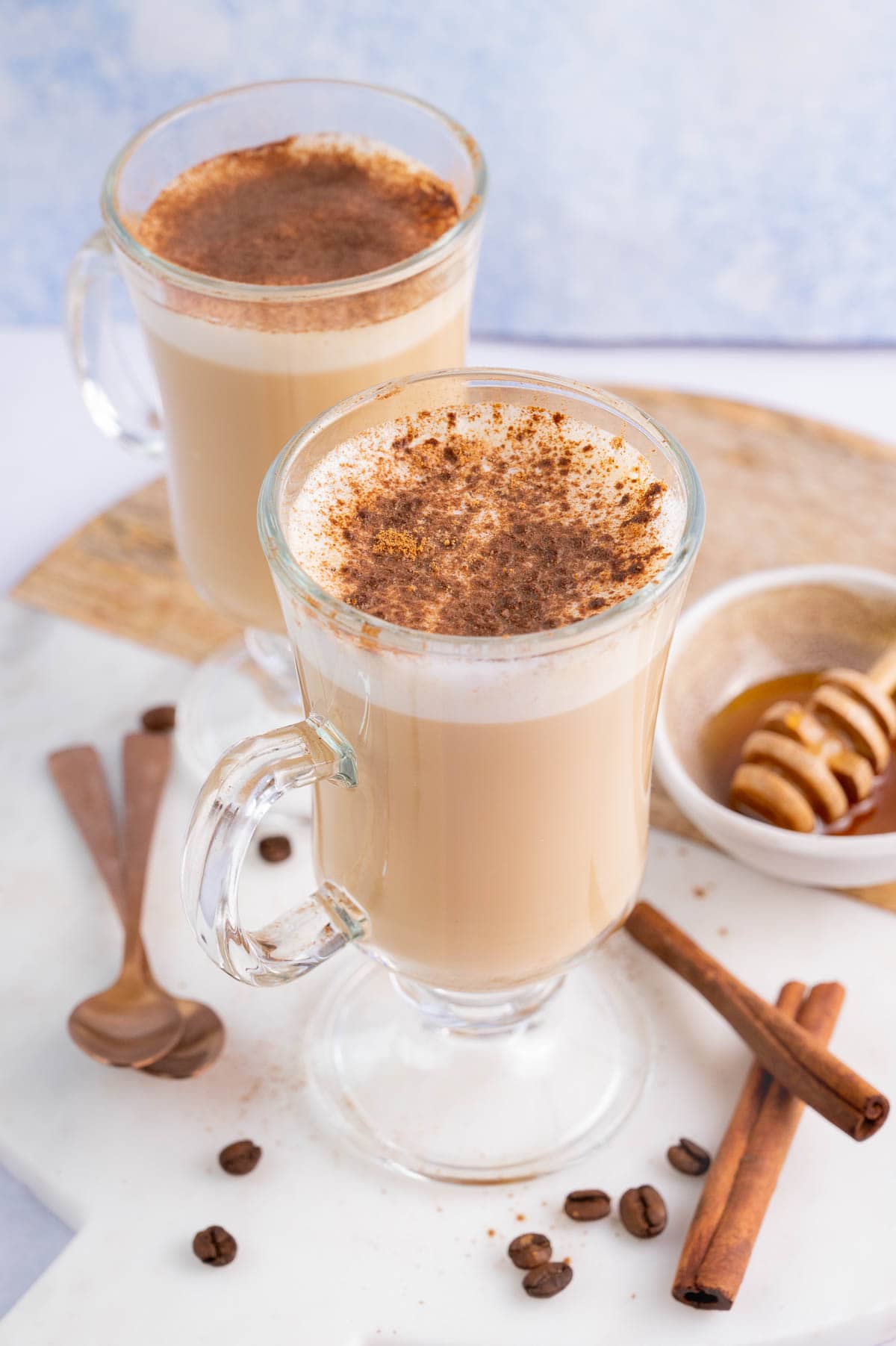
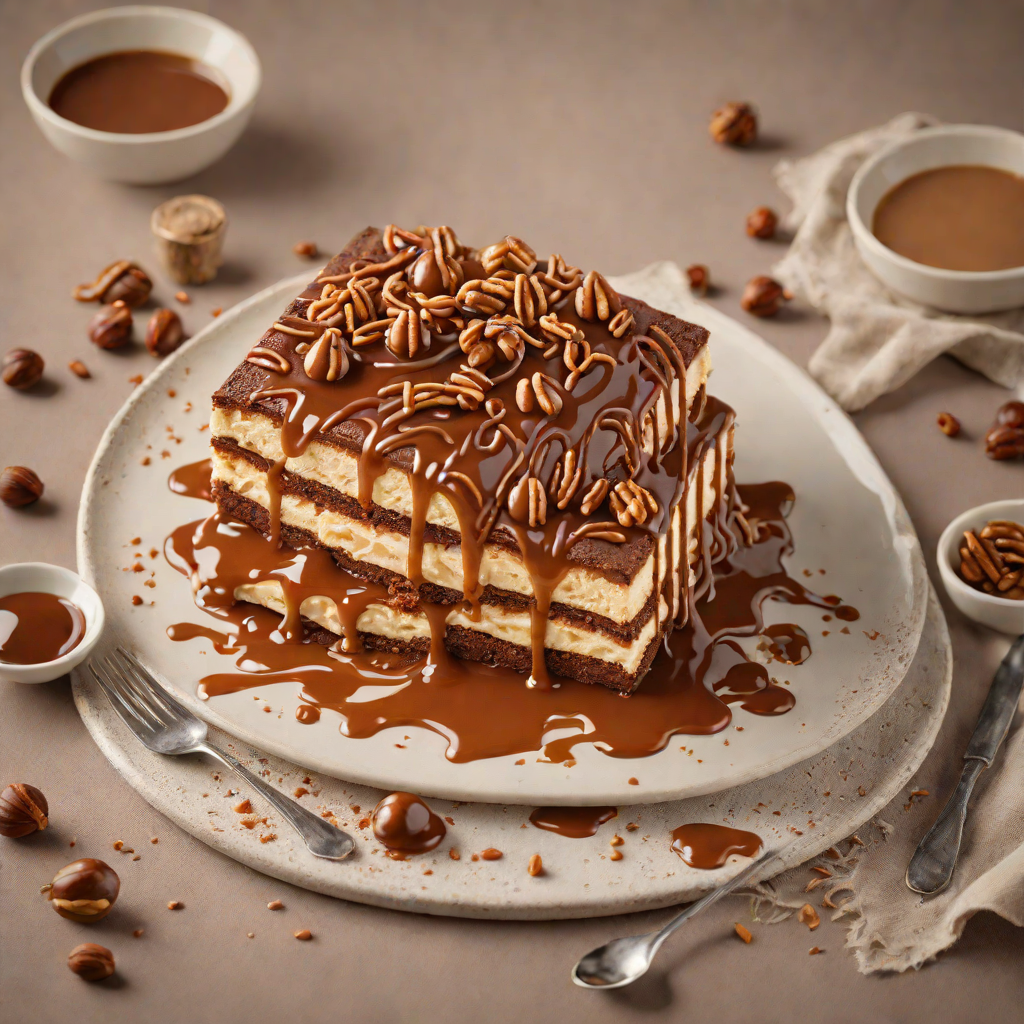
For drinks that lean on coffee as an ingredient — a Shaken Irish Coffee with Honey and Cinnamon on a winter night or a Chocolate-Chestnut Tiramisu with Caramel Drizzle for company — brew a stronger pot (3 tablespoons of grounds per 6-oz cup instead of 2) and let it cool to room temperature before measuring. Hot coffee tastes weaker than the same brew cold, so recipes calibrated for espresso need the extra concentration when you substitute drip.
Browse our full Bar & Coffee category for grinders, kettles, scales, and accessories that pair with any of the five machines above, or the broader Small Appliances selection for pairings with toasters and blenders.
Common Pitfalls
Three things we see go wrong with otherwise-good machines:
1. Old beans. Coffee is freshest 4–14 days after roast. Pre-ground supermarket cans are typically 6 weeks old before they hit the shelf and another 6 weeks before you finish them. No machine on this list can save a stale bean. Buy whole bean from a roaster with a date on the bag, grind right before brewing.
2. Wrong grind size. Drip wants medium-fine — the consistency of coarse sand. Espresso-fine grind clogs the basket and over-extracts (bitter); French-press-coarse under-extracts (sour, watery). A burr grinder ($80–$150) is the second-best upgrade after filtered water.
3. Skipping the descale. Mineral scale is the silent killer of every drip coffee maker. The brew slowly gets weaker, you compensate by using more grounds, and a year later you swear the machine has lost a step when really it's clogged. Descale on schedule.
When NOT to Buy a New Coffee Maker
If your current machine brews at temperature, doesn't leak, and the carafe doesn't have visible mineral scale on the inside, the upgrade path is grinder first, water filter second, fresh beans third — and the machine fourth. The single biggest improvement most home coffee setups can make is a $90 burr grinder and a $20 water pitcher, not a $400 brewer. When bean freshness, grind consistency, and water quality are right, even a $35 BLACK+DECKER produces drinkable coffee, and when those three things are wrong, even the Moccamaster makes a mediocre cup.
Goes With It: Cheap Add-Ons for Your Coffee Maker
Better coffee from the same machine usually comes from these:
- KitchenTour coffee scale with timer: weighing beans and water fixes a weak or bitter pot faster than any setting.
- Milliard food-grade citric acid (2 lb): an inexpensive descaler for drip machines; check your manual for the dilution it allows.
Buying for someone else? If a new coffee maker is more than you want to spend, our kitchen gifts under $50 guide has a coffee-lover row: a stainless French press that won't shatter and a handheld milk frother.
Sources
- Specialty Coffee Association — Certified Home Brewer program — the canonical reference for brew-temperature and extraction standards we cite throughout.
- Moccamaster — Certified by the SCA: Moccamaster and the Golden Cup Standard — the SCA's 92–96°C (197–205°F) brew-temperature window and 4–8 minute contact time, and the KBGV Select's certification.
- Serious Eats — The Best Drip Coffee Makers — independent testing methodology and recent-year results that informed our temperature-stability comparisons.
- NYT Wirecutter — The Best Cheap Coffee Maker — long-running comparison of sub-$100 machines, useful sanity check on the Cuisinart and BLACK+DECKER picks.
*All prices were verified on May 29, 2026 and shift with Amazon's weekly pricing.
Frequently asked questions
What is the best coffee maker in 2026?
What is SCA certification and does it matter?
Should I get a glass carafe or a thermal one?
How often should I descale my coffee maker?
Is a pod machine like Keurig actually good coffee?
What's the ideal coffee-to-water ratio?
How we picked
This guide is researched, not bench-tested. We shortlisted products from the AislePrompt kitchen catalog and compared them on published manufacturer specifications (such as materials, size and capacity), on what owners report in published reviews, and on any third-party sources linked in this guide. The guide was drafted with AI assistance. We did not run lab or hands-on tests of these products, so any measurement quoted here comes from the manufacturer or a cited source. Prices change often: use the “Check price on Amazon” buttons for today’s price.
Recipes to try with your coffee setup
Put your gear to work — save any recipe to My Recipes (no account needed) and send its ingredients to Instacart in one tap.


Shop bar & coffee gear on AislePrompt →Browse the full kitchen shop →