Best Espresso Machines for Home in 2026: Top Picks + Buying Guide
Five picks from a budget starter to a prosumer machine — plus the grinder, accessories, and dial-in numbers you'll need.
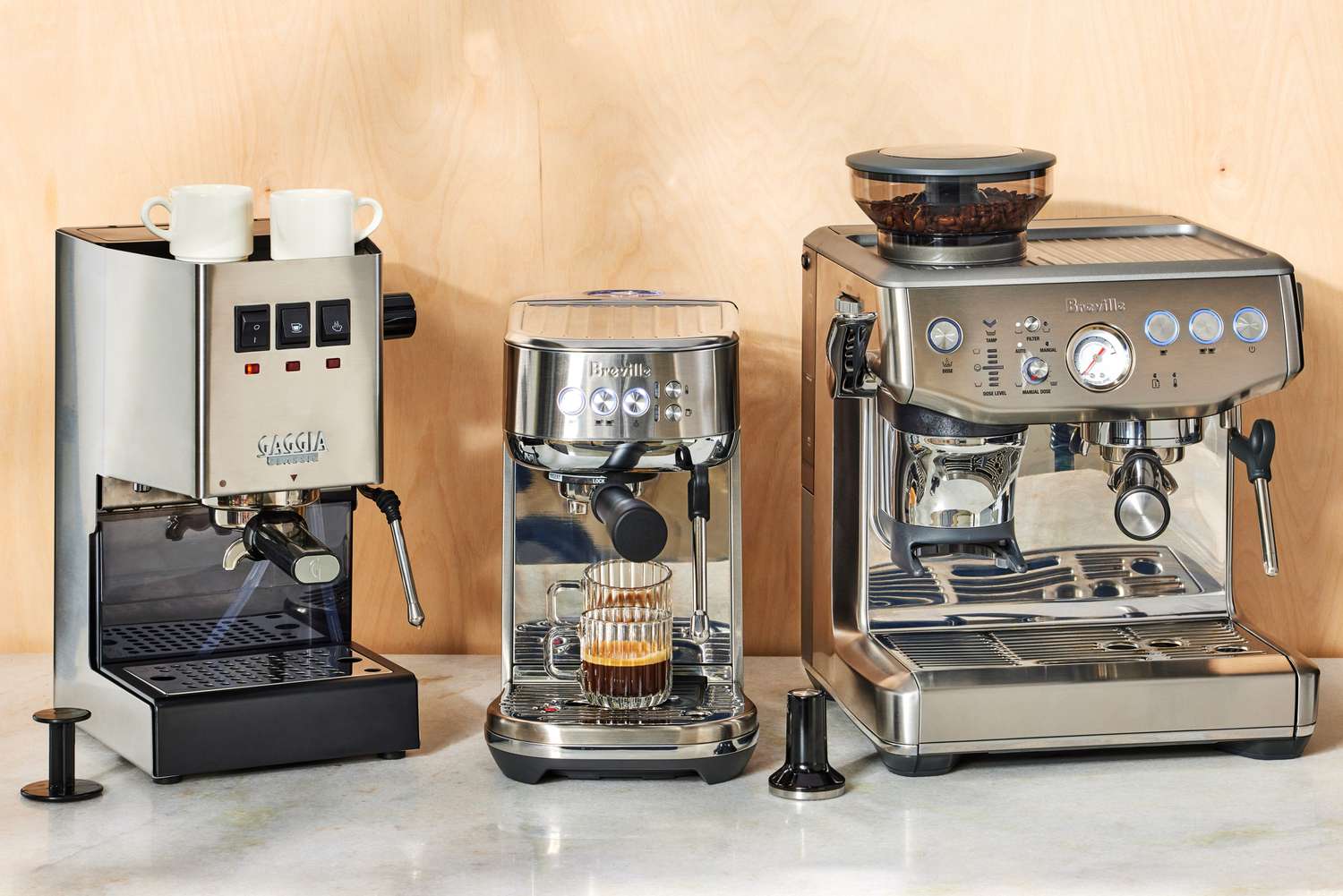
The best espresso machine for most home cooks in 2026 is the Breville Barista Express Impress, an all-in-one machine with a built-in conical burr grinder, assisted tamping and a PID-controlled thermocoil.
Where to buy these picks
Affiliate links: we may earn a commission on qualifying Amazon purchases. Policy. Prices show only when checked in the last 24 hours.
- Best Overall: Breville Barista Express Impress $799.95 at Amazon, Check price on Amazon →
- Best Value: Gaggia Classic Evo Pro $505.09 at Amazon, Check price on Amazon →
- Best for Beginners: Breville Bambino Plus $499.95 at Amazon, Check price on Amazon →
- Best Premium: Rancilio Silvia Pro X $2,195.00 at Amazon, Check price on Amazon →
- Budget Pick: De'Longhi Stilosa $149.95 at Amazon, Check price on Amazon →
Which espresso machine fits you
| Your situation | Buy | Why | Buy link |
|---|---|---|---|
| One machine, no separate grinder yet | Breville Barista Express Impress $799.95 | Built-in conical burr grinder, assisted tamping, PID thermocoil, 2 L tank | Amazon → |
| Learning espresso on a machine you can repair | Gaggia Classic Evo Pro $505.09 | 58 mm portafilter, commercial steam wand, user-replaceable gaskets; no grinder, no PID | Amazon → |
| Small kitchen, no milk-wand technique | Breville Bambino Plus $499.95 | Heats in about 3 s, toaster-size footprint, automatic milk frother; 54 mm portafilter, no grinder | Amazon → |
| Pulling shots and steaming milk at once | Rancilio Silvia Pro X $2,195.00 | Dual boilers, PID with shot timer and pre-infusion; not a first machine | Amazon → |
| Trying espresso on a small budget | De'Longhi Stilosa $149.95 | 15-bar pump, 1 L tank, manual steam wand; pressurized 51 mm basket | Amazon → |
Quick answer
Which espresso machine fits a different budget or need?
The best value is the Gaggia Classic Evo Pro, a stainless-steel machine with a commercial 58mm portafilter and user-replaceable parts; it has no grinder, so budget for one. For beginners, the Breville Bambino Plus reaches brew temperature in about three seconds and steams milk to a programmed temperature and texture on its own. The Rancilio Silvia Pro X is the premium pick, a dual-boiler machine with full PID control that pulls a shot and steams milk at the same time. The De'Longhi Stilosa is the budget pick, with a real 15-bar pump and a pressurized 51mm portafilter, for a first apartment or a trial run before a bigger machine.
Below, our five picks across price points, the specs that actually matter, and the gear (grinder, tamper, milk pitcher) you need to buy alongside the machine. And for the plate beside the morning cup, three bakes we pair with a fresh shot: a Classic French Croissant, Classic Biscotti with Almonds and Orange Zest for dunking, and Cranberry-Orange Buttermilk Scones.
What you'll use with it
You weigh the dose in and the shot out: 18 g in, 36 g out. The scale guide’s espresso pick is a 0.1-gram scale with a built-in shot timer. Read the kitchen scale guide →
Kitchen scale guide’s Best for Espresso + Precision Baking pick: RENPHO Espresso Scale $24.99 at Amazon, Check price on Amazon →The grinder controls extraction more than the machine does, and espresso needs a burr grinder with fine steps. The grinder guide’s top pick, the Encore ESP, splits its dial into a fine espresso half and a filter half. Read the burr grinder guide →
Burr grinder guide’s top pick: Baratza Encore ESP $199.95 at Amazon, Check price on Amazon →
Introduction: What a Home Espresso Machine Actually Replaces (and What It Doesn't)
A home espresso machine replaces café espresso — the short, intense, syrupy 1.5-ounce shot pulled at ~9 bars of pressure through finely ground, freshly roasted beans. It does not replace your drip coffee maker, your French press, or your AeroPress. If you brew a 10-ounce mug of coffee every morning and call it espresso, you don't want an espresso machine. You want a better drip brewer.
This guide is for the person who wants real espresso at home — a 25 to 30 second extraction with a thick crema, dialed-in for the bean they're using that week, with the option to steam microfoam for cappuccinos and lattes. That person buys a mid-range machine plus a separate burr grinder, and then learns to dial in their shot over the first two or three weeks. After that, each drink costs a fraction of a café's, a well-maintained machine lasts for many years, and the drinks can rival a good coffee shop's.
What it doesn't replace: convenience. A semi-automatic espresso machine takes about three minutes of active work per drink, plus daily backflushing and weekly cleaning. If you want a button and a hot drink in 45 seconds, you want a Nespresso, a Keurig, or a super-automatic — not the machines in this guide. Be honest with yourself about which person you are before you spend the money.
A note on this guide. We focused on pump-driven machines available new in the United States in 2026, from entry-level models up to the prosumer tier, with single-boiler or dual-boiler designs. Four of the five picks use a standard 58mm or 54mm portafilter; the Budget Pick, the De'Longhi Stilosa, uses a pressurized 51mm basket, and its section spells out what that costs you. We excluded steam-only Moka-style machines (they don't make espresso), capsule machines (different category entirely), and prosumer rigs over $2,500 (different audience). Picks were chosen by reading the category roundups and reviews at Serious Eats — Best Espresso Machines, the long-term reliability data in Consumer Reports — Best Espresso Machines, and the head-to-head testing at Bon Appétit — Best Home Espresso Machines, then cross-referenced with hands-on barista community consensus on r/espresso and the Home-Barista forums.
Built-in grinder or a separate grinder?
For a first machine, take the built-in grinder: the Breville Barista Express Impress puts a conical burr grinder, assisted tamping and a PID-controlled thermocoil in one box, and its grinder is good enough that you won't need a separate one for the first year. Pick a machine without a grinder, like the Gaggia Classic Evo Pro with its commercial 58mm portafilter, only if you will also budget $150 to $300 for a burr grinder (our burr grinder guide picks one), because grind consistency matters more than the machine.
Our Top 5 Picks (Best Overall / Best Value / Best for Beginners / Best Premium / Budget Pick)
#1 Best Overall: Breville Barista Express Impress
The Breville Barista Express Impress is the best all-in-one home espresso machine you can buy in 2026. It combines a built-in conical burr grinder, an assisted tamping system (the "Impress" mechanism that levels and applies the correct 22 lb of force automatically), and a PID-controlled thermocoil into one machine that fits on a standard kitchen counter. Verdict: the path of least resistance to drinkable espresso for a first-time buyer who wants one box and one cord.
The single thermocoil heating system means you can't pull a shot and steam milk simultaneously — you pull the shot first, then switch to steam. That adds about 30 seconds per latte but is a non-issue for one to two drinks at a time. Breville lists a 2L (67 oz) removable water tank. The grinder is good enough that you don't need a separate one for the first year, though serious users eventually upgrade. In the reviews and community threads this guide draws on (Serious Eats, Consumer Reports and r/espresso), it is the machine most often recommended to first-time buyers who want one box and one cord and don't want to think about it.
#2 Best Value: Gaggia Classic Evo Pro
The Gaggia Classic Evo Pro is what the espresso community calls a "lifer." It's a stainless-steel commercial-grade machine with a real 58mm portafilter, a brass three-way solenoid valve, and a steam wand pulled directly from Gaggia's pro line. It's been in continuous production in some form since 1991 — the parts are all still available, the gaskets are user-replaceable, and the machine routinely runs for 15 to 20 years with monthly descaling.
What you give up at this price: no grinder (you must budget for a separate burr grinder), no PID controller (temperature is regulated by a simple brew thermostat, so shot temperature swings several degrees — fine for most beans, not ideal for light-roast specialty), and no steam-and-brew-simultaneously. What you get: better espresso once dialed in, a longer service life, and a fully modifiable machine (the Gaggia mod community has retrofits for PID controllers, OPV adjustment, and pressure gauges).
This is the right machine for someone who wants to learn espresso properly, doesn't mind a slightly higher upfront learning curve, and would rather spend $500 once than $1,500 in iterative upgrades over five years.
#3 Best for Beginners: Breville Bambino Plus
The Breville Bambino Plus is the lightest, smallest, fastest-to-heat-up real espresso machine on the market. It hits brew temperature in about three seconds (yes, three) thanks to a thermojet heating system, takes up roughly the footprint of a toaster, and includes an automatic milk frother that steams milk to a programmed temperature and texture without any wand technique on your part.
The trade-off is depth. There's no built-in grinder. The portafilter is 54mm (slightly under the 58mm "standard," meaning your accessory choices for tamper, basket, and shower screen are narrower). The single-boiler-with-thermojet design works well but isn't easily user-serviced — when a Bambino breaks at year five, you usually replace it rather than fix it.
For someone who wants real espresso, hates fiddling with milk wands, and lives in a small apartment, this is the right pick.
#4 Best Premium: Rancilio Silvia Pro X
The Rancilio Silvia Pro X is the smallest dual-boiler commercial-grade machine you can buy. Per Rancilio's product page, it has separate boilers for brewing and steaming (so you pull a shot and steam milk at the same time), a full PID controller with shot-timer and pre-infusion programming, and dual copper boilers that deliver truly stable temperature shot after shot. Build quality matches Rancilio's commercial line — same boilers, same valves, same gaskets — in a footprint that fits a home counter.
This is the machine you buy if you've been pulling shots on a Gaggia Classic or a Bambino for two or three years and you want to graduate. It rewards good technique with noticeably better shots, holds temperature within ±0.5°F across a 12-shot session, and steams milk fast enough to keep up with a small family making drinks for guests.
We don't recommend this as a first machine. The learning curve is steep, the dial-in process matters more than at any of the price points below, and an undialed shot on a Rancilio is no better than an undialed shot on a $300 machine. If you're not going to put in the practice time, save $1,300.
#5 Budget Pick: De'Longhi Stilosa
The De'Longhi Stilosa is the cheapest machine in this guide because below this price point, you're buying a steam-driven Moka-style imitation that doesn't actually generate 9 bars of pressure. The Stilosa has a real 15-bar pump, a 1L removable water tank, and a steam wand that — with practice — can produce microfoam dense enough for latte art. The portafilter is a pressurized 51mm (smaller and not standardized), which makes accessories scarce but keeps the price low.
This is the right machine for a student, a first apartment, a guest house, or a "let me see if I'm actually going to drink espresso every day" trial. The build quality is plastic-heavy, the boiler is small (you'll wait 30 seconds to switch from brew to steam), and the included tamper is too light to seat the puck properly — get a $15 calibrated tamper alongside the machine.
We've watched people use a Stilosa as their daily driver for three to four years before upgrading. It's not the machine for a serious enthusiast, but it makes a respectable shot for under $150, and the price/performance ratio at this end of the market is genuinely good in 2026.
What to Look For: Boiler Type, Pressure, Grinder, PID Control, Steam Wand
Boiler type. Three options. Single boiler (one heating element, switches between brew and steam temperatures — cheapest, slowest, fine for solo drinks). Heat exchanger (HX — one boiler, two circuits, brew and steam simultaneously possible — common in $800 to $1,500 prosumer machines, slight temperature surfing required). Dual boiler (two completely separate boilers, the gold standard for temperature stability and throughput — generally $1,500 and up). For one to two drinks at a time, single boiler is plenty. For families or guests, get HX or dual boiler.
Pressure. Espresso needs ~9 bars at the puck. Machine specs often advertise "15 bar pumps" — that's the pump's max output, not the brewing pressure. An over-pressure valve (OPV) drops it to ~9 bars at the group head. Don't pay for "20 bar" claims; they're marketing. What matters is that the OPV is correctly set, and on many entry-level machines (including the Gaggia Classic Evo Pro), the first mod the community recommends is dialing the OPV from the factory ~12 bars to a true 9.
Grinder. Grind matters more than the machine. A $500 machine paired with a $300 grinder beats a $1,500 machine paired with a $50 blade grinder every time. Look for a flat or conical burr grinder with at least 40 grind settings between fine-espresso and coarse-French-press. Recommended pairings: Baratza Encore ESP, Eureka Mignon Specialita, or DF54 for an upgrade path. Built-in grinders on the Barista Express line are good but not great — most users eventually replace them.
PID control. Stands for Proportional-Integral-Derivative — a temperature controller that holds boiler temperature within ±0.5°F instead of the several-degree swing you get with a basic thermostat or pressurestat. Matters most for light-roast specialty beans (more temperature-sensitive) and less for darker espresso roasts. If you plan to brew Stumptown, Heart, or Onyx, you want PID. If you're brewing Lavazza, Illy, or Café Bustelo, you'll be fine without it.
Steam wand. The thing that makes microfoam for cappuccinos and lattes. Look for an articulating, professional-style wand (rotates 360°, no plastic dome, single-hole or two-hole tip). Avoid panarello-style "auto frothers" — they make hot, dry foam that sits on top of the drink rather than integrating into it. The Breville Bambino Plus is an exception: it has a no-wand automatic system that actually works well for beginners.
Semi-Automatic vs. Pod vs. Super-Automatic: Picking the Right Category
The category split matters more than the brand. Here is how the three families actually differ in 2026:
| Category | What You Do | Best For | Per-Drink Cost | Drink Quality |
|---|---|---|---|---|
| Semi-automatic | Grind, dose, tamp, start/stop shot, steam milk | People who want real espresso and don't mind a 3-minute workflow | ~$0.40 | Highest ceiling |
| Heat exchanger / dual boiler | Same as semi-auto, but pull + steam simultaneously | Multi-drink households | ~$0.40 | Highest |
| Super-automatic | Press one button — machine grinds, doses, tamps, brews, froths | Office settings, "I just want espresso fast" households | ~$0.45 | Good, but ceiling is lower |
| Pod (Nespresso) | Drop in capsule, press button | Pure convenience, no skill required | ~$0.85 | Reliable but plateaus quickly |
| Pod (Keurig) | Drop in K-Cup | Drip coffee, not espresso (despite marketing) | ~$0.65 | Not espresso |
Everything in our Top 5 above is semi-automatic except the Breville Bambino Plus, which is semi-automatic with an automatic milk frother. We don't recommend super-automatics under $1,500 (the grinders are inadequate and the milk systems clog), and we don't recommend pods for anyone who plans to drink espresso daily for more than six months (the per-cup cost adds up fast and you'll regret not having learned the craft).
What Else You Need: Grinder, Tamper, Knock Box, Milk Pitcher
The machine is half the cost of an espresso setup. Budget for the rest of it upfront so you don't end up with a high-end Breville and a cheap blade grinder, which is a guaranteed bad shot.
Burr grinder ($200–$550). Non-negotiable. The grinder controls extraction more than any other variable in the chain. Baratza Encore ESP is the entry point. Eureka Mignon Specialita is the upgrade. Both produce a step-change improvement over any built-in grinder. Our burr coffee grinder guide compares conical and flat picks.
Calibrated tamper ($25–$60). Replaces the plastic toy that comes with the machine. Get one matched to your portafilter diameter (58mm for Gaggia/Rancilio, 54mm for Breville). Calibrated tampers click at 30 lb of pressure, which is consistent across pulls.
Knock box ($20–$40). A small bin to knock spent pucks into. Sounds optional, isn't. Without one, you'll wreck your kitchen disposal trying to flush coffee grounds, and you'll end up tapping pucks into the trash and getting grounds everywhere. Get one.
Milk pitcher ($15–$35). Stainless steel, 12oz or 20oz depending on whether you're making single drinks or doubles. The shape of the spout matters more than the brand — pour-friendly is what you want.
Cleaning supplies ($30 starter). Cafiza (group-head cleaner), Dezcal (descaler), microfiber cloths, and a group-head brush. Used weekly. Skipping cleaning is the single largest reason machines die in years 3 to 5.
A scale. A small digital scale (0.1g precision) is the difference between "espresso" and "consistent espresso." You weigh the dose in and the shot out. 18g in, 36g out, in 28 seconds is the canonical recipe. Without a scale, you're guessing every time. See our kitchen scale guide for 0.1g-precision options.
A complete setup — machine, grinder, accessories, beans — runs $700 to $2,800 depending on which machine you picked. For most people in 2026, the right "first complete setup" is the Breville Barista Express Impress + a Baratza Encore ESP + the accessory bundle above. Browse our Small Appliances category for current machines, Bar & Coffee for accessories and grinders, and our Kitchen Gadgets category for scales and tampers.
Real-World Numbers: What "Good Espresso" Looks Like
Espresso has measurable parameters. If you hit these numbers, the shot will taste good. If you miss them, it won't.
| Parameter | Target | Why |
|---|---|---|
| Dose (in) | 18g for a double basket | Standard double-basket capacity |
| Yield (out) | 36g | 1:2 brew ratio (classic Italian) |
| Time | 25–30 seconds | Faster = under-extracted (sour); slower = over-extracted (bitter) |
| Brewing temperature | 200–203°F (93–95°C) | Cool = sour; hot = bitter |
| Brewing pressure at puck | 9 bars | Pump max usually 15; OPV drops to 9 |
| Grind size | Fine, table salt | Coarser = fast/sour; finer = slow/bitter |
If your shot tastes sour and finishes in under 22 seconds, grind finer. If it tastes bitter and takes 35+ seconds, grind coarser. If both adjustments don't fix it, your beans are stale (more than 4 weeks past the roast date) or your machine's brew temperature is off.
Common Pitfalls
Using pre-ground coffee. Pre-ground espresso oxidizes within hours of grinding. By the time it's been in a bag on a grocery shelf for two weeks, it's stale. You won't pull a good shot from it on any machine in this guide. Grind fresh.
Skipping the descale. Hard-water descaling is non-negotiable. Skip it for six months and the boiler scales up, brew temperature drops, the steam wand backs up, and you start blaming the machine for a problem you caused. Once a month with Dezcal (or the manufacturer's recommended product) keeps a machine running for 15 years.
Buying the wrong grinder. A $50 blade grinder produces particles that range from boulders to dust within a single grind. Espresso needs uniform fine grind, which only a burr grinder produces. The first upgrade for anyone with a sub-$500 espresso machine should be the grinder, not the machine.
Believing the "15 bar" or "20 bar" marketing. Pump max output is not brewing pressure. The OPV drops it to 9 bars at the puck (or should — on cheap machines, this is often wrong, and the espresso community has documented fixes). Don't pay for a higher bar number.
Not weighing the dose. Eyeballing the dose is the #1 cause of inconsistent shots. A $25 scale solves it permanently.
When NOT to Buy a Home Espresso Machine
If you drink more than 3 cups of coffee per day but never order espresso at a café, you don't want one of these machines — get a better drip brewer (Moccamaster, Bonavita) or a high-end pour-over kit. If you live somewhere with reliably excellent café espresso within a 5-minute walk and you don't drink it at home, you don't want one either; the per-cup cost difference disappears. And if you're not willing to spend 20 to 30 hours over the first two months learning to dial in shots, weighing extractions, and cleaning the machine, buy a Nespresso instead. It will make you happier.
Drinks You'll Make Once You Have a Machine
Once you can pull a consistent double shot, the world of espresso drinks opens up. Six we make weekly:
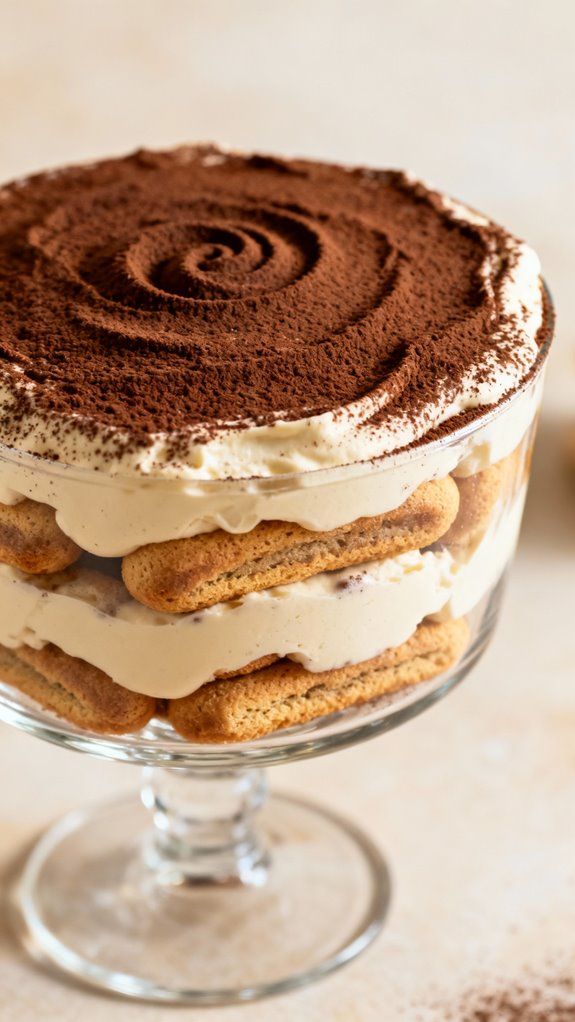
- Classic Tiramisu Trifle with Espresso Soak — the canonical use of strong fresh espresso in dessert. Worth getting right.
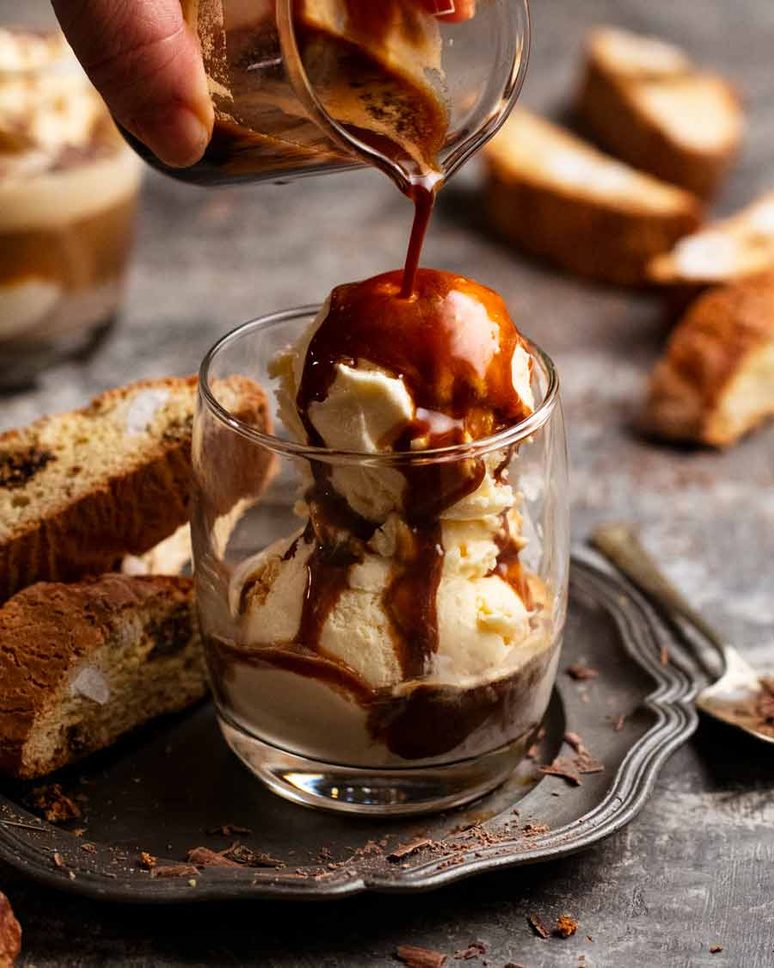
- Italian Affogato with Espresso and Vanilla Gelato — a 5-minute dessert that lives or dies on espresso quality. Stale beans show.
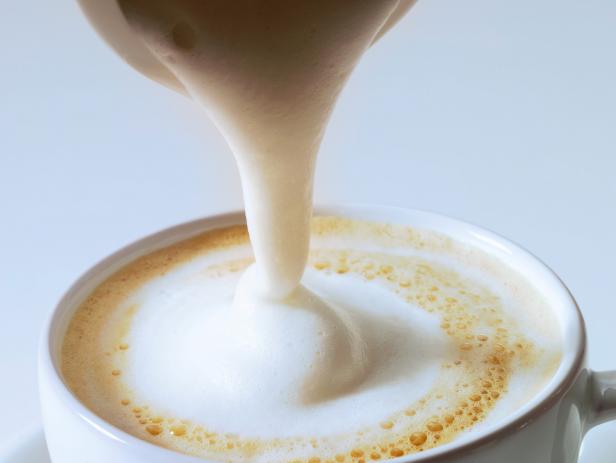
- Classic Cappuccino with Velvety Steamed Milk Foam — the canonical morning drink. The steam wand on your machine matters here as much as the shot.
- Honey-Lavender Iced Latte — the summer alternative to a hot cappuccino: two shots pulled straight over ice and cold milk, so shot quality shows.
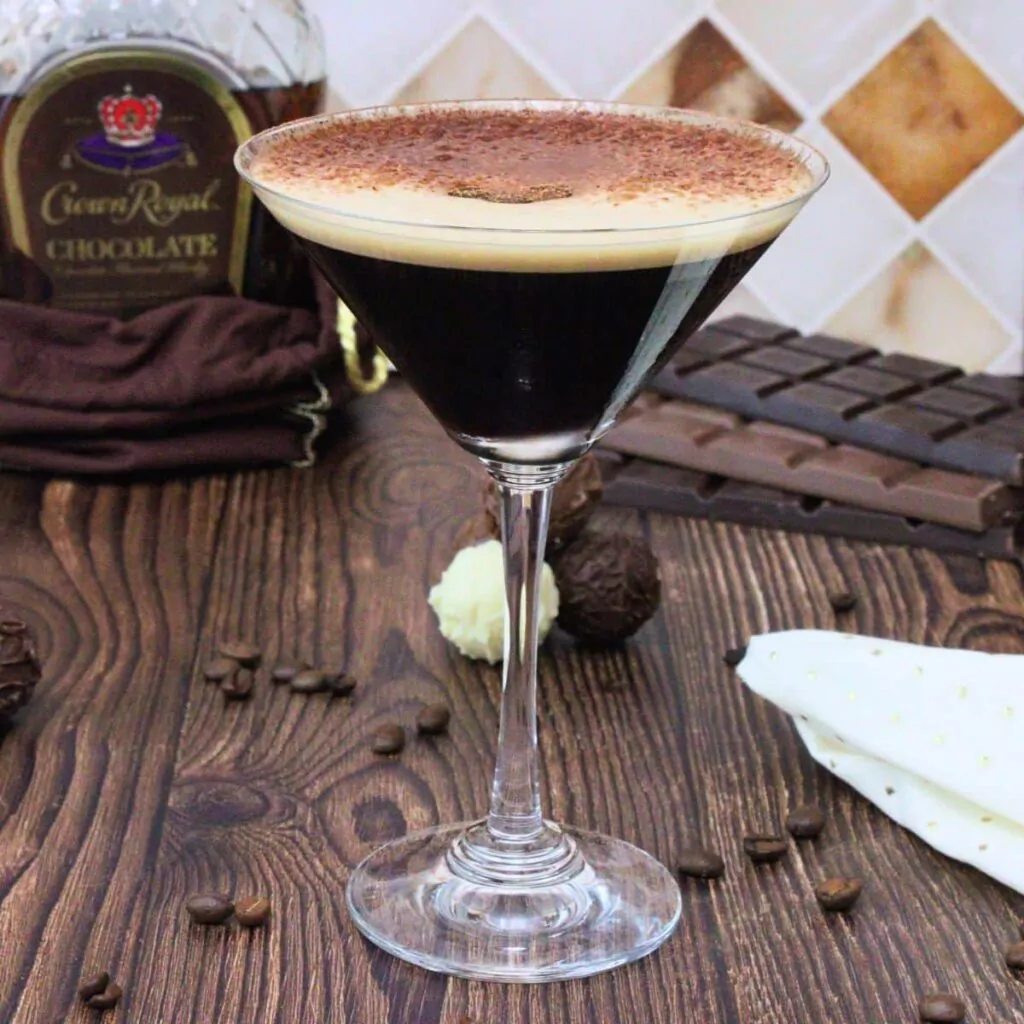
- Popular Dark Chocolate Espresso Martini — the dinner-party drink. Pull a fresh shot, shake hard with ice, serve in a chilled coupe.
- Coffee-Infused Bourbon Espresso Martini — a fall variant for whiskey drinkers.
Goes With It: Cheap Add-Ons for Your Espresso Machine
Dialing in a shot depends as much on these as on the machine:
- Maestri House S2 espresso scale with timer: weighs the dose and the shot while timing it, which is how you actually dial in a grind.
- Gaggia descaler (2 bottles): scale buildup is the most common way a boiler dies early; descale on the schedule your manual gives.
- SIMPLETASTE handheld milk frother: for machines without a steam wand, or a second drink while the wand is busy.
Related Guides
- Best burr coffee grinders: the grinder matters more than the machine.
- Best coffee makers: drip brewers for the days you don't want to dial in a shot.
- Best kitchen scales: weigh the dose in and the shot out.
- Best electric kettles: gooseneck and variable-temp kettles for pour-over and tea.
- 18 homemade coffee drinks: lattes, cold brew and espresso tonics to make once you're pulling shots.
Sources
- Serious Eats — Best Espresso Machines — category roundups, methodology notes, photography of dialed-in shots.
- Consumer Reports — Best Espresso Machines — long-term reliability data and survey reports.
- Bon Appétit — Best Home Espresso Machines — hands-on head-to-head testing notes for the consumer category.
- Breville — Barista Express Impress — manufacturer specs for the Best Overall pick: built-in grinder, assisted tamping, 2L water tank.
- Rancilio — Silvia Pro X — manufacturer specs for the Best Premium pick: dual boilers and PID temperature control.
- r/espresso — the home-espresso community whose recurring first-machine recommendations this guide draws on.
Frequently asked questions
How much should I spend on my first espresso machine?
Do I really need a separate grinder?
What's the difference between semi-automatic and super-automatic espresso machines?
How long does an espresso machine actually last?
Can I make latte art with these machines?
How we picked
This guide is researched, not bench-tested. We shortlisted products from the AislePrompt kitchen catalog and compared them on published manufacturer specifications (such as materials, size and capacity), on what owners report in published reviews, and on any third-party sources linked in this guide. The guide was drafted with AI assistance. We did not run lab or hands-on tests of these products, so any measurement quoted here comes from the manufacturer or a cited source. Prices change often: use the “Check price on Amazon” buttons for today’s price.
Recipes to try with your coffee setup
Put your gear to work — save any recipe to My Recipes (no account needed) and send its ingredients to Instacart in one tap.
Shop bar & coffee gear on AislePrompt →Browse the full kitchen shop →