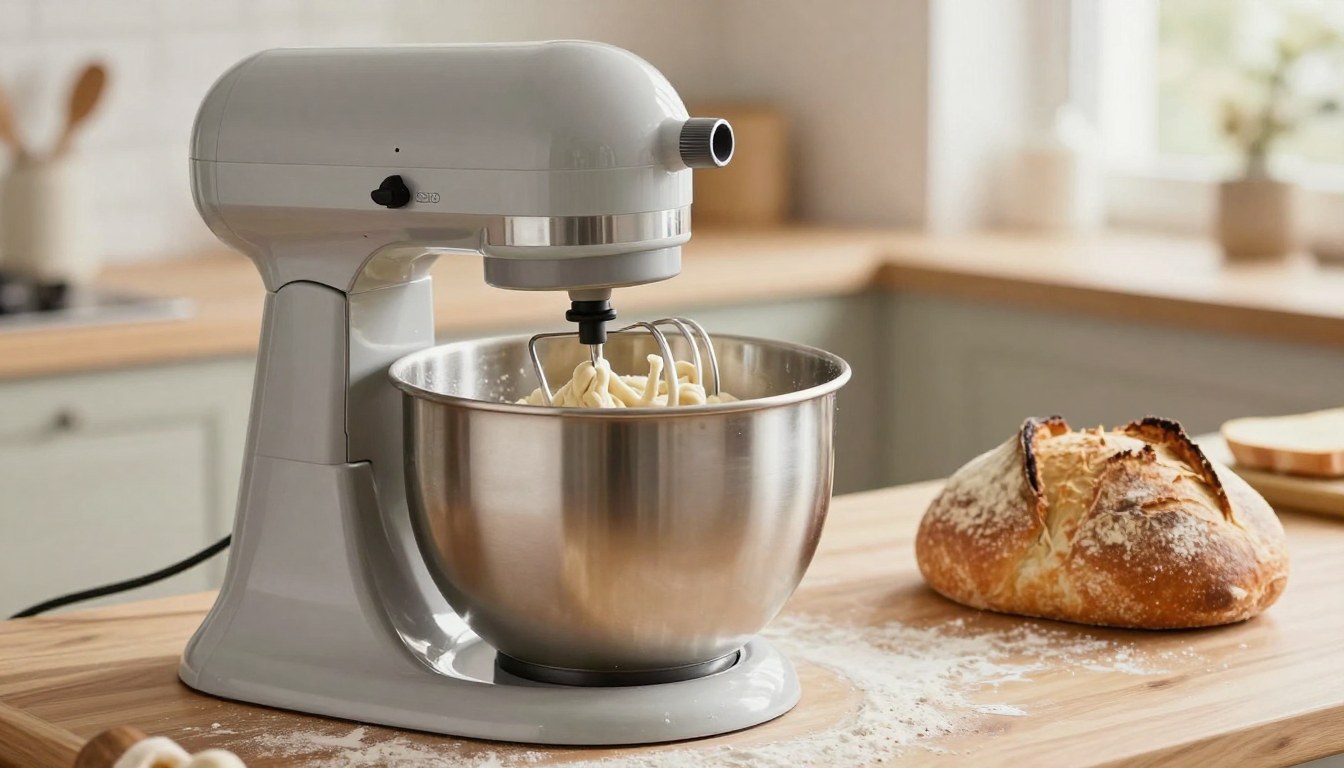
Best Stand Mixers for Bread Dough in 2026: Bowl-Lift and 5.5-Quart-Plus Picks Before Prime Big Deal Days
Stiff bagel and sandwich-loaf doughs separate real bread mixers from cookie mixers: here's what to buy by tier before the October sale.
Where to buy these picks
Affiliate links: we may earn a commission on qualifying Amazon purchases. Policy. Prices show only when checked in the last 24 hours.
- Best Overall: KitchenAid 7-Quart Bowl-Lift Stand Mixer (KSM70SKXX)Check price on Amazon →
- Best Value: Cuisinart SM-50 Precision Master 5.5-QuartCheck price on Amazon →
- Best for Beginners: Instant Pot Stand Mixer Pro 7.4-QuartCheck price on Amazon →
- Best Premium for Big Batches: Bosch Universal Plus 6.5-QuartCheck price on Amazon →
- Best Compact: KitchenAid Artisan Series 5-Quart Tilt-Head (KSM150PS)Check price on Amazon →
The best stand mixer for bread dough in 2026 is the KitchenAid 7-Quart Bowl-Lift Stand Mixer (KSM70SKXX), a premium ($400+) pick. Two things decide it: KitchenAid rates it to knead more than 8.5 pounds of bread dough in one batch, and its bowl-lift frame keeps the head from bouncing when the hook hits stiff dough. For less money, the Cuisinart SM-50 5.5-Quart ($200–$300) is the value pick. First-time bread bakers should look at the timer-equipped Instant Pot Stand Mixer Pro 7.4-Quart.
This guide is the bread-only companion to our best stand mixers of 2026 roundup. That guide covers cookies, cakes and whipped cream as much as bread. This one asks a single question: which mixers keep kneading a stiff bagel or sandwich-loaf dough week after week without straining? Prime Big Deal Days runs October 6–7, 2026, and stand mixers are usually on sale during it, so this guide also explains how to read a sale price by tier. We don't list point prices here because the live price button on each product page carries the current number.
Why bread dough is the hardest job you'll give a stand mixer
Cookie dough and cake batter are short jobs. The beater spins through a soft mass for two or three minutes, and the motor barely notices. Bread dough is different in three ways.
It is stiff. A low-hydration dough has around 55–60% water to flour by weight. That covers New York-style bagels, pretzels and most sandwich loaves. The dough resists the hook on every turn, so the motor and gearbox carry a sustained load instead of a brief one.
It runs long. Kneading to full gluten development takes 6–10 minutes in a mixer, and enriched doughs such as brioche or cinnamon swirl rolls can take longer, because the butter goes in late and the dough has to come back together. A mixer that handles a 3-minute cookie batch can still run hot by minute eight of a bagel dough.
It moves the machine. A stiff dough ball slaps the side of the bowl on every revolution, and that force has to go somewhere. On a lighter mixer it goes into the counter, and the mixer "walks."
When a mixer is undersized for the dough, owners describe the same signs again and again in published reviews:
- The head bounces or rocks. On tilt-head models, the hinge and lock flex under load, so the head bobs up and down. This is the most common complaint about kneading stiff dough on a tilt-head.
- The dough climbs the hook. A C-shaped hook can lift a stiff dough ball up the shaft toward the gear housing, where it stops being kneaded and just spins.
- The motor housing gets hot, and some models give off a burning-electrics smell. KitchenAid's own manuals tell you to knead yeast doughs on speed 2 only. Running a mixer above that speed, or over its rated flour capacity, is the usual cause of stripped gears and burned-out motors.
- The mixer walks across the counter. Light mixers with rubber feet drift toward the edge. Never leave one kneading unattended near the edge of the counter.
A good bread mixer avoids all four through a rigid frame, a big enough bowl, a drive that delivers torque at low speed, and a hook that keeps the dough down in the bowl.
Bowl-lift vs tilt-head for bread
A tilt-head mixer hinges at the back, so the whole motor head tips up to give you the bowl. A bowl-lift mixer has a fixed head on a rigid column, and a lever raises the bowl up to the beater. The two designs trade off differently for bread.
| Factor | Bowl-lift | Tilt-head |
|---|---|---|
| Stability on stiff dough | Head is fixed to the column, so no hinge flex or bounce | Hinge and lock can flex; head may bob on stiff dough |
| Typical bowl size | 5.5–8 qt | 3.5–6.5 qt |
| Adding ingredients mid-knead | Harder; the bowl sits under the head | Easy with the head tipped back |
| Clearance under upper cabinets | Usually fits; the head never rises | Needs extra headroom to tilt open |
| Swapping attachments | Lower the bowl, then swap | Tip the head up, then swap |
| Best for | Weekly bread, double batches, stiff and enriched doughs | Occasional loaves, soft doughs, cookies and cakes |
Bowl-lift mixers also have a quiet advantage in kitchens with upper cabinets. Because the head never rises, a bowl-lift model sits comfortably under standard cabinets. A tilt-head often has to be pulled forward before you can open it.
A tilt-head is still fine when:
- You bake bread a few times a month, not a few times a week.
- Your doughs are soft and well hydrated, such as focaccia, high-hydration sourdough boules or pizza dough. The dough is slack, so the motor and hinge see little strain.
- Your recipes call for under about 4 cups of flour per batch. That is one standard sandwich loaf or one batch of dinner rolls.
If any of those doesn't describe you, buy a bowl-lift or a bottom-drive machine.
How we picked
We didn't run in-house kneading tests for this guide. We started from the in-stock stand mixers in the AislePrompt small appliances catalog. We then narrowed the list to models with a bowl of 5.5 quarts or larger, plus one compact pick for small kitchens. We ranked them on:
1. Maker-stated bread capacity. We used the flour or dough capacity the manufacturer publishes, rather than bowl volume alone, because two mixers with the same bowl can carry very different ratings.
2. Frame and drive type. Bowl-lift, bottom-drive or tilt-head, and whether the motor delivers torque at kneading speed.
3. The hook in the box. Spiral or C-hook.
4. Warranty length from the maker's listing.
5. What owners report in published reviews, such as head bounce, overheating and gearbox failures, alongside third-party reviews like Serious Eats' stand mixer guide.
For baking technique, including dough hydration, kneading times and the windowpane test, we leaned on King Arthur Baking's guides. Every pick is a US listing with a live product page.
Our top 5 stand mixers for bread dough
Best Overall: KitchenAid 7-Quart Bowl-Lift Stand Mixer (KSM70SKXX)
Award: Best Overall · Tier: premium ($400+)
- 7-quart stainless bowl. KitchenAid rates it to knead more than 8.5 lb of bread dough per batch, per KitchenAid's stand mixer lineup.
- 11 speeds, including a ½ speed for folding in seeds, dried fruit and cheese without tearing the gluten.
- Bowl-lift frame and a coated dough hook. The in-box list on Abt's KSM70 listing names a coated dough hook, a coated flat beater, a Double Flex Edge beater and an 11-wire whip. It doesn't say whether the hook is a spiral or a C-hook.
This is the mixer to buy if you bake bread every week and want to stop thinking about whether the machine can handle it. The bowl-lift column takes away the head bounce that is the most common complaint on tilt-head KitchenAids. The 7-quart bowl means a double batch of sandwich bread, or a full batch of bagel dough, still has room to move rather than packing against the walls. It also fits the whole KitchenAid attachment-hub ecosystem, including pasta rollers, grain mills and grinders. If you want to mill your own whole-wheat flour, that alone can justify the price.
Pros: rigid frame for stiff doughs; large maker-rated dough capacity; ½ speed for gentle fold-ins; huge attachment ecosystem.
Cons: heavy and tall, so plan a permanent counter spot; adding ingredients mid-knead is fiddlier than on a tilt-head; overkill for a loaf a month.
Skip it if you bake bread occasionally and mostly make cookies. The Artisan below is the better fit.
Shop the KitchenAid 7-Quart on AislePrompt → · Check price · More small appliances
Best Value: Cuisinart SM-50 Precision Master 5.5-Quart
Award: Best Value · Tier: $200–$300
- 5.5-quart polished stainless bowl with a splash guard and pour spout.
- 500-watt motor and 12 speeds in a die-cast metal body.
- Tilt-back head and a 3-year limited warranty, according to Cuisinart's SM-50 product page.
The SM-50 is the answer to "I want a real bread-capable mixer without spending KitchenAid bowl-lift money." It gives you a bigger bowl than the KitchenAid Artisan and a longer warranty than most KitchenAids, at a lower tier. It is still a tilt-head, though. Owners report that it handles standard sandwich loaves and pizza dough comfortably, but that the head can work against the lock on very stiff, low-hydration doughs. Keep bagel batches modest and knead on a low speed.
Pros: 5.5-quart bowl at a mid tier; 3-year warranty; metal body; splash guard included.
Cons: tilt-head stability limits on the stiffest doughs; smaller attachment ecosystem than KitchenAid; ships with a C-style dough hook.
Skip it if you bake bagels or dense whole-grain loaves every week. Step up to a bowl-lift or the Bosch.
Shop the Cuisinart SM-50 on AislePrompt → · More small appliances
Best for Beginners: Instant Pot Stand Mixer Pro 7.4-Quart
Award: Best for Beginners · Tier: $200–$300
- 7.4-quart stainless bowl with a dishwasher-safe paddle, dough hook and whisk.
- 600-watt motor and 10 speeds in a die-cast metal housing.
- Digital countdown timer that stops the mixer at zero, per Instant's listing.
The timer is what makes this the beginner pick. Most bread recipes say "knead 8 minutes on low." New bakers tend either to stop too early, which gives a dense loaf, or to wander off and over-knead. Set the timer and the mixer shuts itself off. The big bowl leaves room for a double batch of sourdough dinner rolls. Instant also says the machine is about 20% lighter than the leading stand mixer, which matters if it lives in a cabinet. The trade-off is that a lighter, tilt-head machine is more likely to walk on stiff dough, so keep it away from the counter edge.
Pros: large bowl at a mid tier; built-in countdown timer; dishwasher-safe tools; lighter to lift out of storage.
Cons: tilt-head; lighter frame can move on stiff dough; no attachment hub.
Shop the Instant Pot Stand Mixer Pro on AislePrompt → · More small appliances
Best Premium for Big Batches: Bosch Universal Plus 6.5-Quart
Award: Best Premium (high-capacity) · Tier: premium ($400+)
- 6.5-quart bowl rated for up to 14 lb of dough, per the maker's listing. That is the highest home-mixer dough rating on this list.
- 500-watt bottom-drive motor. The drive sits under the bowl, not over it.
- 4 speeds plus pulse, and the whole machine weighs about 14 lb.
The Bosch is the mixer that serious home bread bakers (the "six loaves on Saturday" crowd) keep recommending to each other. It is neither bowl-lift nor tilt-head. A center post drives the hook from below, so there's no head to bounce at all, and the open-top bowl makes it easy to add flour as you go. The 500-watt figure looks modest next to some of the budget mixers below, but as the "What to look for" section explains, wattage is not torque. Bosch's bottom drive is built to deliver its power at kneading speed.
Pros: highest maker-rated dough capacity here; no head to bounce; light enough to put away; open top for adding ingredients.
Cons: looks and works unlike any other mixer, so there's a learning curve; less suited to small jobs like a single egg white; a different attachment ecosystem.
Shop the Bosch Universal Plus on AislePrompt → · More small appliances
Best Compact: KitchenAid Artisan Series 5-Quart Tilt-Head (KSM150PS)
Award: Best Compact · Tier: $350–$500
- 5-quart stainless bowl with a pouring shield.
- 10 speeds and a 325-watt motor in an all-metal body.
- Tilt-head design that shares the KitchenAid attachment hub with the bowl-lift models.
The Artisan is the most familiar stand mixer in America, and it's on this list for kitchens that don't have room for a 7-quart bowl-lift. It handles one sandwich loaf, a batch of soft pretzels or a Neapolitan pizza dough well. Keep each batch to one loaf, knead on speed 2, and expect the head to rock a little on bagel-stiff doughs.
Pros: smaller footprint; huge attachment ecosystem; easy bowl access; comes in dozens of finishes.
Cons: one-loaf capacity for stiff doughs; head bounce on stiff dough is a known complaint; costs about the same as some larger mixers.
Shop the KitchenAid Artisan on AislePrompt → · More small appliances
Three more worth a look
- KitchenAid Commercial Series 8-Quart Bowl-Lift (KSM8990). NSF-certified, with a 1.3 HP DC motor, and KitchenAid's spec sheet rates it for up to 16 cups of flour. It's the step up for cottage bakers and anyone selling at a farmers market, but it's overkill for most homes.
- VIVOHOME 6-Quart Tilt-Head. An under-$150 tier mixer with a 6-quart bowl, rated by the maker for up to 2.2 lb of flour (about three loaves). It's a reasonable trial mixer if you aren't sure you'll keep baking bread.
- ZACME 8.4-Quart Commercial Stand Mixer. An 800-watt mixer with a die-cast aluminum body and an 8-liter bowl, listed as meeting NSF/ANSI 8. It's a mid-tier alternative to the KitchenAid commercial model for big batches.
Side-by-side: maker-listed specs
| Mixer | Design | Bowl | Motor (maker-listed) | Speeds | Maker bread rating | Tier |
|---|---|---|---|---|---|---|
| KitchenAid 7-Qt KSM70 | Bowl-lift | 7 qt | n/a | 11 + ½ | 8.5+ lb dough | Premium ($400+) |
| Cuisinart SM-50 | Tilt-head | 5.5 qt | 500 W | 12 | Not published | $200–$300 |
| Instant Stand Mixer Pro | Tilt-head | 7.4 qt | 600 W | 10 | Not published | $200–$300 |
| Bosch Universal Plus | Bottom-drive | 6.5 qt | 500 W | 4 + pulse | Up to 14 lb dough | Premium ($400+) |
| KitchenAid Artisan KSM150 | Tilt-head | 5 qt | 325 W | 10 | Not published | $350–$500 |
| KitchenAid Commercial KSM8990 | Bowl-lift | 8 qt | 1.3 HP DC | 10 | Up to 16 cups flour | Premium ($400+) |
Source: manufacturer product listings and spec sheets as of October 2026. "n/a" means the maker doesn't headline a wattage for that model.
Prime Big Deal Days 2026: what a good stand mixer price looks like
Amazon's fall sale runs October 6–7, 2026, starting at 12:01 a.m. PT on the 6th, according to Amazon's Prime Big Deal Days announcement. Stand mixers are a regular sale category, and KitchenAid, Cuisinart and Instant keep the same models on sale for years. That history makes it easy to tell a real deal from a fake one.
How to judge a price by tier:
- Premium bowl-lift (KitchenAid 7-qt, Bosch). A real deal drops the mixer clearly below its usual selling range, not merely below a strikethrough "list price" nobody pays. Bowl-lift KitchenAids tend to rotate into big sale events, often in one or two colors rather than all of them, so be flexible on finish.
- Mid tier ($200–$300: Cuisinart SM-50, Instant Pro). These often fall toward the bottom of their tier during big sale events. If a 5.5-quart-plus mixer lands in the under-$200 band, that's a strong price for a bread-capable machine.
- Budget (under $150). Discounts are common all year, so don't buy one just because of an event badge.
Buy now vs. wait for Black Friday (November 27, 2026): If you'll bake holiday breads such as challah, stollen or cinnamon rolls in November, buy in October so you have time to learn the machine. If your target model isn't discounted in October, Black Friday is the next major window. Prices change throughout both events, so use the live Check price on Amazon button on each product page instead of any number you read in an article, including this one. For the broader October shopping list, see Prime Big Deal Days kitchen deals: what's worth buying.
What to look for in a bread stand mixer
Bowl capacity vs. stated flour capacity. Bowl quarts tell you volume, not strength. Look for the maker's stated flour or dough capacity instead. Two 5.5-quart mixers can have very different stiff-dough ratings. As a rule of thumb, a 5–5.5-quart tilt-head handles one standard loaf (about 3–4 cups of flour) of stiff dough. A 6.5–7-quart bowl-lift or bottom-drive machine handles two or more.
Bowl-lift vs. tilt-head. See the table above. For weekly bread, choose bowl-lift or bottom-drive.
Motor and drive: wattage is not torque. Wattage is how much power the motor draws, not how hard the hook pushes at speed 2. A well-geared 500-watt drive, or a DC motor with electronic speed control like KitchenAid's commercial line, can out-knead an 800-watt budget motor that bogs down under load. Look at the maker's dough rating and the drive design, not the wattage sticker.
Dough hook shape: C-hook vs. spiral. A C-hook (the classic hook shape) works well for standard sandwich loaves and pizza dough, but stiff dough can climb it. A spiral hook pushes the dough down into the bowl and kneads it against the bottom, which many bakers find more even and easier on the motor. Spiral hooks come with most newer bowl-lift models and are sold separately for some others.
Attachment hub. If you want to mill grain, roll pasta or grind meat, KitchenAid's hub has the broadest ecosystem. Bosch has its own. Most budget mixers have none.
Warranty. Look for at least one year, and three is better. Check whether the warranty covers the motor and gearbox, the parts that fail under bread loads.
Common pitfalls when kneading bread in a stand mixer
1. Kneading on high speed. Faster isn't quicker kneading. It overheats the motor and can tear the dough. Most makers specify speed 2 for yeast doughs.
2. Overloading the bowl. If the dough is packed against the walls, it isn't being kneaded. Halve the batch or size up the mixer.
3. Skipping the rest. If the housing feels hot, stop for 10–15 minutes. Enriched doughs benefit from an autolyse rest anyway.
4. Leaving it unattended near the counter edge. Light mixers walk on stiff dough.
5. Measuring flour by volume. A scooped cup can weigh 20% more than a spooned cup, which turns a soft dough into a motor-straining brick. Weigh your flour. Our kitchen scale guide covers the options, and the Etekcity 22 lb scale is a cheap start.
When NOT to buy a stand mixer for bread
- You bake one no-knead loaf a week. No-knead and stretch-and-fold sourdough methods need a bowl, a spatula and time, not a motor. A Dutch oven will improve your bread more than a mixer will.
- You only make slack, high-hydration doughs. Focaccia like this sun-dried tomato rosemary focaccia is easier to develop with folds than with a hook.
- You have no counter space for a 20-pound machine. A mixer that lives in a high cabinet rarely comes out. A good hand mixer with dough hooks can handle small batches of soft, enriched dough.
What to bake with it
Once the mixer is on the counter, start with a recipe that shows off what it does best:
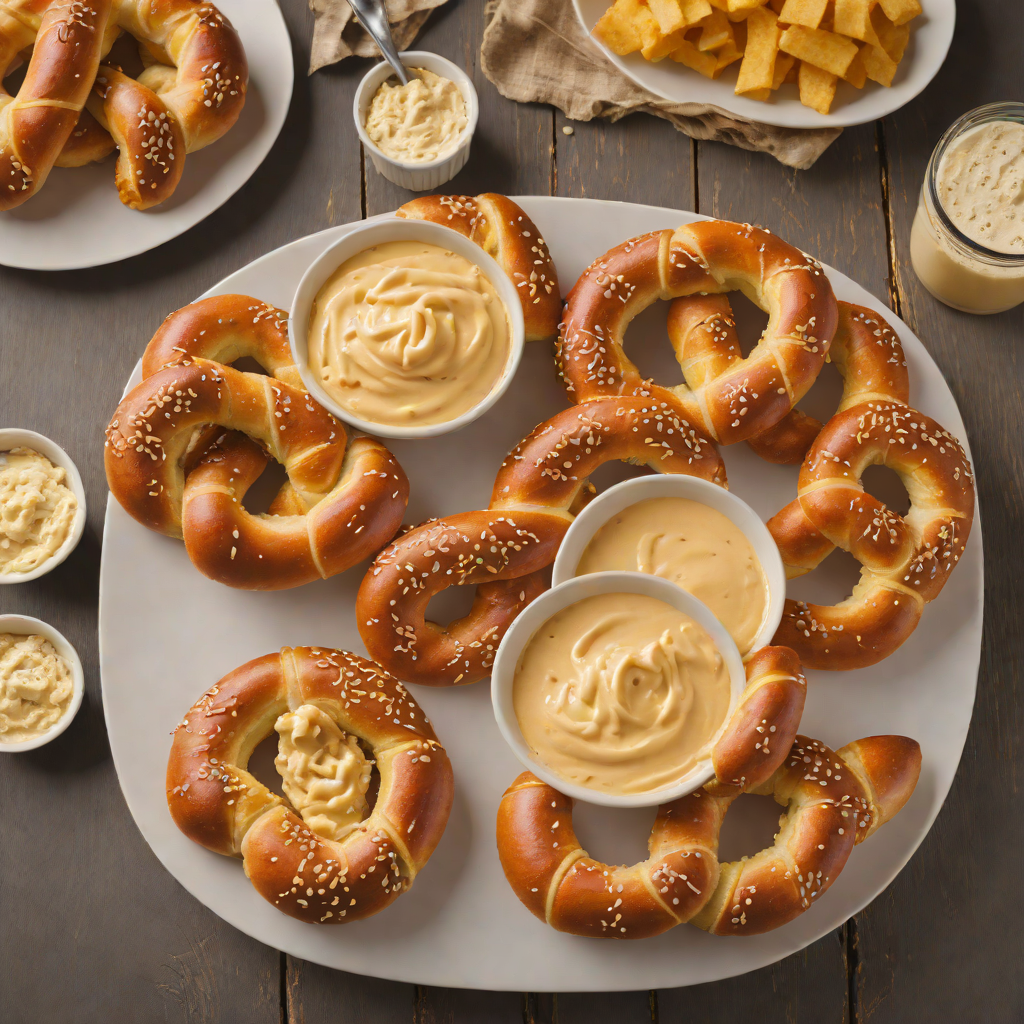
- Stiff and chewy: New York-style bagels with everything seasoning and soft pretzels with beer cheese dip.
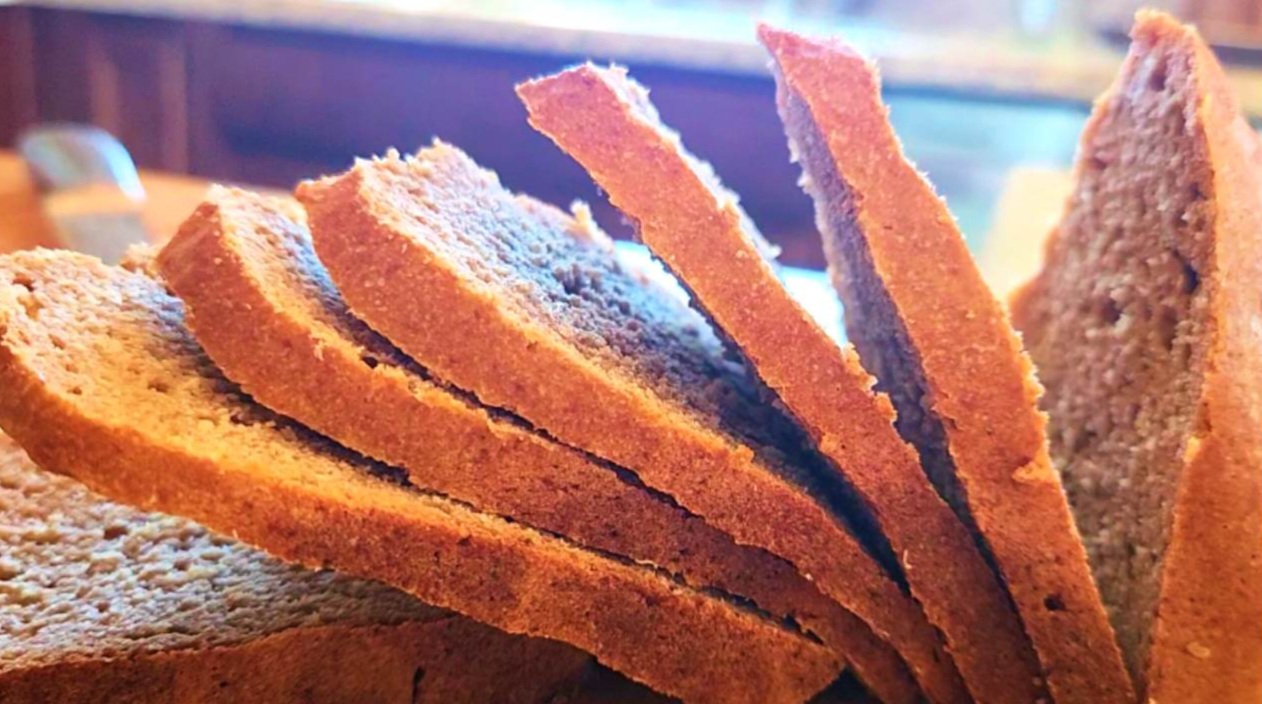
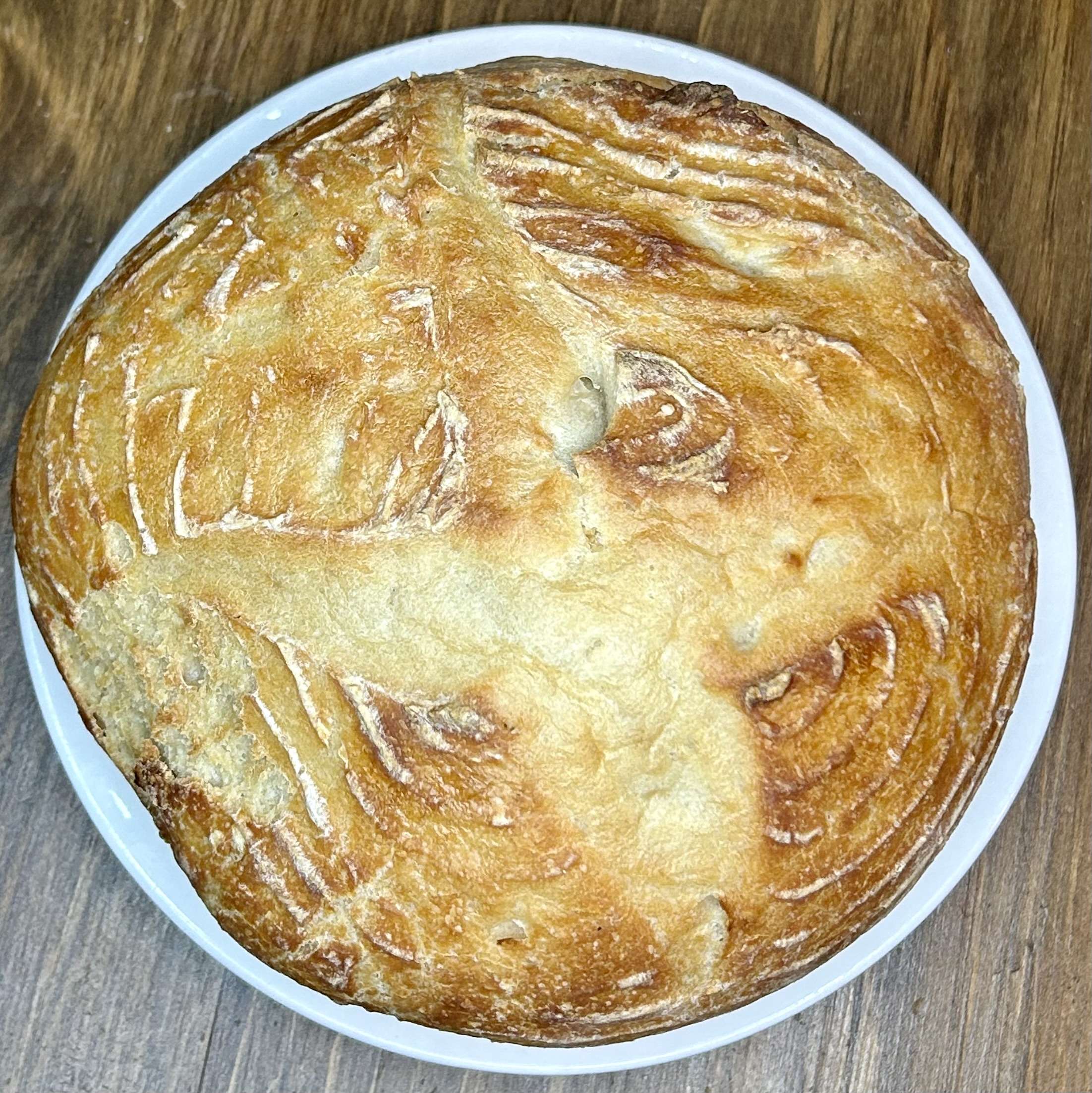
- Whole grain: Heritage grain sourdough bread and Nordic rye bread with caraway. Rye is sticky, so use the paddle for the first mix.
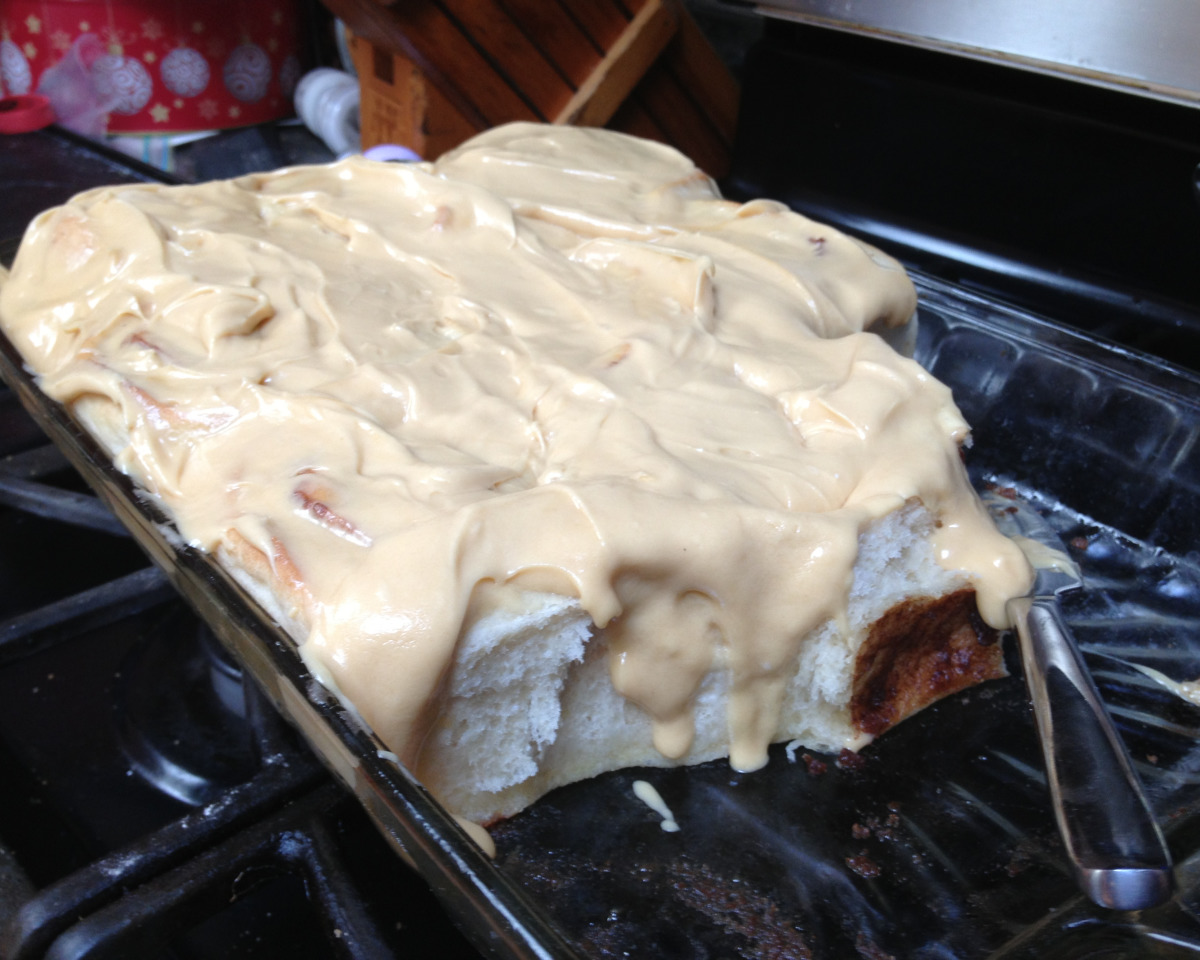
- Soft and enriched: Sourdough dinner rolls with honey butter and cinnamon swirl rolls.
- Pizza night: Neapolitan-style pizza dough, baked on one of our pizza stone and steel picks.
For slicing the loaf without crushing the crumb, see our best bread knives of 2026 guide. Loaf pans and baking sheets are in the bakeware catalog. For European bread traditions, from French baguettes to German rye, browse our French and German recipe collections.
Sources
- KitchenAid — Stand mixers lineup and specifications (accessed 2026-10-01)
- King Arthur Baking — Baking guides (accessed 2026-10-01)
- Serious Eats — The best stand mixers (accessed 2026-10-01)
- Cuisinart — Precision Master 5.5-Quart Stand Mixer (SM-50) (accessed 2026-10-01)
- Amazon — Prime Big Deal Days 2026 is set for October 6–7 (accessed 2026-10-01)
Last verified: October 1, 2026. Specs come from manufacturer listings; prices change constantly, so check the live price button on each product page.
Frequently asked questions
Is a bowl-lift or tilt-head stand mixer better for bread dough?
What size stand mixer do I need for bread?
Will a stand mixer motor burn out kneading stiff dough?
Should I buy a stand mixer during Prime Big Deal Days or wait for Black Friday?
Do I need a spiral dough hook instead of a C-hook?
Recipes to try with the stand mixer
Put your gear to work — save any recipe to My Recipes (no account needed) and send its ingredients to Instacart in one tap.


Shop small appliances on AislePrompt →Browse the full kitchen shop →