The Complete Pescatarian Meal Plan: 40+ Seafood Recipes + Shopping List for 2026
Your beginner's guide to eating fish-forward: a ready-to-cook 5-day plan, the catalog's best-rated seafood recipes, and smart sourcing tips.
A pescatarian meal plan is a weekly eating schedule built on a vegetarian base — vegetables, grains, legumes, eggs, and dairy — with fish and shellfish as the primary animal protein instead of beef, pork, or poultry. This guide gives you a ready-to-cook 5-day plan, our 10 best-rated seafood recipes, a smart-sourcing cheat sheet, and the exact cookware to make it all easier.
Get a free week of easy dinners
Seven weeknight dinners with the shopping list already totalled, sent Sunday. No account needed, unsubscribe in one click.
No spam, unsubscribe in one click. Recipes, shopping lists and Instacart carts all work without an account either way.
Introduction: what a pescatarian diet is and why people choose it
The word "pescatarian" combines the Italian pesce (fish) with "vegetarian." In practice it means you eat everything a vegetarian eats and add seafood on top. There's no calorie gimmick and no banned food group beyond the meat and poultry a vegetarian already skips — which is exactly why so many people find it the most sustainable way to eat better in 2026.
People go pescatarian for three main reasons. The first is health: fish is one of the few foods that delivers complete protein and long-chain omega-3 fats in the same bite, and major health institutions consistently link fish-forward eating to better heart and brain outcomes. The second is environmental: most fish and shellfish carry a far smaller carbon and water footprint than red meat, and well-managed fisheries and shellfish farms are among the more sustainable animal-protein sources on the planet. The third is simple practicality — seafood cooks fast. A salmon fillet is done in 12 minutes, shrimp in 4, and a pan of scallops in under 6, which makes weeknight dinners genuinely realistic.
This plan is built for beginners. You don't need a fishmonger on speed dial or a degree in nutrition. You need a handful of reliable recipes, a short shopping list, and a couple of pans that make searing fish foolproof. That's what the rest of this guide delivers.
What pescatarians eat: fish, shellfish, plants, eggs, and dairy
A pescatarian plate is built in layers. Start with the same foundation any healthy eater uses, then let seafood do the heavy lifting on protein.
Seafood (the protein anchor): fatty fish like salmon, trout, and sardines; lean white fish like cod, tilapia, and halibut; tuna; and shellfish including shrimp, scallops, mussels, and crab. Variety matters — rotating species spreads out nutrients and keeps mercury exposure low.
Plants (most of the plate): vegetables of every color, fruit, whole grains (rice, quinoa, farro, oats), legumes (lentils, chickpeas, black beans), nuts, and seeds. These supply fiber, antioxidants, and the bulk of your daily volume.
Eggs and dairy: unlike a strict vegan plan, pescatarians keep eggs, milk, yogurt, cheese, and butter. That makes breakfast and baking dramatically easier and adds another reliable protein source for non-fish meals.
What's off the menu: beef, pork, lamb, chicken, turkey, and other land-animal meat. That's the only hard line.
Here's how the core proteins stack up so you can see why seafood earns its spot at the center of the plate:
| Protein (4 oz cooked) | Calories | Protein (g) | Omega-3 EPA+DHA (mg) |
|---|---|---|---|
| Atlantic salmon | 206 | 22 | 2,150 |
| Canned light tuna | 145 | 30 | 270 |
| Shrimp | 135 | 26 | 295 |
| Cod | 119 | 26 | 200 |
| Mussels | 195 | 27 | 780 |
| Chicken breast (for comparison) | 187 | 35 | 30 |
The takeaway: seafood matches poultry on protein while delivering 7 to 70 times more omega-3, and most species do it for fewer calories.
Health and sustainability basics: mercury, omega-3s, and smart sourcing
Omega-3s are the headline benefit. EPA and DHA — the two omega-3 fatty acids your body uses most directly — come almost exclusively from seafood. They support cardiovascular health, are a structural component of the brain and retina, and help regulate inflammation. Two seafood meals a week is the commonly cited minimum; this 5-day plan includes five, so you'll comfortably clear that bar.
Mercury is the one trade-off worth managing, and it's easy. Mercury accumulates up the food chain, so the largest, longest-lived predator fish carry the most. The fix is to favor lower-mercury species and limit the high-mercury ones. The FDA and EPA publish a plain-language best-choices chart you can keep on your phone — see the FDA's Advice About Eating Fish for the full list. The short version:
| Tier | Examples | How often |
|---|---|---|
| Best choices (lowest mercury) | Salmon, shrimp, cod, tilapia, scallops, mussels, canned light tuna, trout | 2–3 servings/week |
| Good choices | Halibut, mahi-mahi, snapper, albacore tuna | 1 serving/week |
| Avoid (highest mercury) | Swordfish, king mackerel, shark, tilefish, bigeye tuna | Skip |
Every recipe in this plan defaults to the "best choices" tier, so you stay well inside recommended limits without doing math.
Smart sourcing stretches your budget and your impact. Frozen-at-sea fillets are often fresher than the "fresh" case, since they're flash-frozen within hours of the catch — and they're usually 20 to 40 percent cheaper. Canned salmon, sardines, and light tuna are pantry-stable protein for pennies and need zero prep. For sustainability, look for fisheries certifications on the label, buy farmed mussels and shrimp (both among the lowest-impact animal proteins you can eat), and rotate species so no single stock takes all the pressure. If you're new to buying fish, a quick rule helps: it should smell like clean ocean, never "fishy," and the flesh should spring back when pressed. The broader nutrition rationale behind a fish-forward diet is summarized well in Harvard Health's overview of the pescatarian diet, and general portion and food-group guidance lives at USDA's food and nutrition hub.
Top 10 Pescatarian Recipes from the AislePrompt catalog
These are the highest-rated, beginner-friendly seafood recipes in the catalog, chosen to cover every major species and cooking method. Tap any one to open the full recipe with quantities, steps, and a one-tap shopping list.
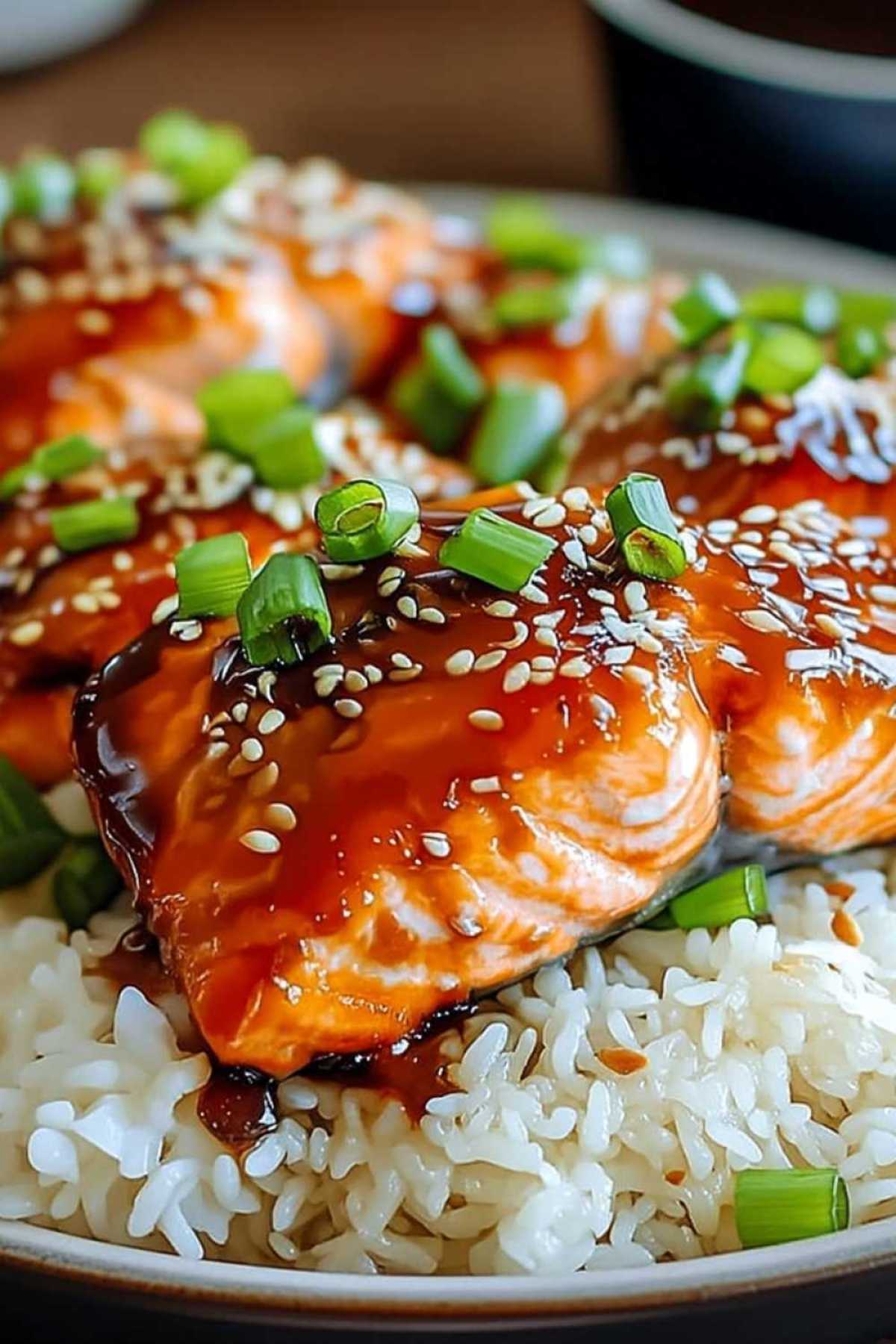
1. Best overall: Soy-Ginger Glazed Salmon with Sesame Rice and Steamed Broccoli — a 4.9-star, 30-minute one-pan dinner that's the single most-loved seafood dish on the site. The glaze caramelizes into the salmon while the rice steams underneath.
2. Crowd favorite: Stovetop Goan Mussels Curry with Coconut and Red Chili — mussels are the cheapest shellfish per pound and cook in one pot in under 15 minutes. Serve with crusty bread to soak up the coconut broth.
3. Weeknight workhorse: Crispy Honey-Glazed Salmon with Lemon-Dill Sauce — pan-seared skin-side down for a shatter-crisp crust, finished with a bright herb sauce.
4. Taco night: Grilled Orange-Spiced Fish Tacos with Avocado Crema — flaky white fish, charred fast, wrapped with a cooling crema. Endlessly customizable.
5. One pan, big flavor: One-Pan Coconut Curry Shrimp with Bell Peppers and Snap Peas — shrimp cook in 4 minutes, so this is dinner in the time it takes rice to finish.
6. Lean and simple: Pan-Seared Cod with Lemon and Dill Sauce — cod is mild, low-mercury, and budget-friendly, the perfect gateway fish for skeptics.
7. Date-night upgrade: Pan-Seared Scallops with Lemon Butter — a restaurant-grade sear at home takes a hot pan and 6 minutes total. Don't crowd them.
8. No-cook protein: Pan-Seared Tuna with Avocado and Lime — a 90-second sear leaves the center rare; pair with avocado for healthy fat.
9. Brunch or dinner: Pan-Seared Crab Cakes with Old Bay Seasoning — lump crab, minimal filler, maximum payoff.
10. Light and herby: Herb-Infused Lemon Tilapia with Roasted Asparagus — a sheet-pan dinner that's done start to finish in 25 minutes.
Want more options? The catalog holds thousands of seafood dishes — browse the full recipes library and filter by protein, cook time, or diet.
5-Day Sample Pescatarian Meal Plan
This plan averages roughly 1,600–1,800 calories a day at the default two-serving size and hits at least 100 grams of protein daily. Breakfasts and lunches lean on eggs, dairy, grains, and legumes; dinners are where the seafood shines. Scale any recipe with the serving stepper and the quantities — and the shopping list — update automatically.
| Day | Breakfast | Lunch | Dinner |
|---|---|---|---|
| Monday | Greek yogurt with berries and walnuts | Chickpea and cucumber grain bowl | Soy-Ginger Glazed Salmon with Sesame Rice and Steamed Broccoli |
| Tuesday | Veggie omelet with feta | Leftover salmon over greens | Grilled Orange-Spiced Fish Tacos with Avocado Crema |
| Wednesday | Overnight oats with chia and banana | Composed Niçoise Salad with Tuna | One-Pan Coconut Curry Shrimp with Bell Peppers and Snap Peas |
| Thursday | Cottage cheese with tomato and seeds | Lentil soup with whole-grain bread | Pan-Seared Cod with Lemon and Dill Sauce |
| Friday | Smoothie with spinach, yogurt, and mango | Hummus and roasted-veggie wrap | Miso-Glazed Salmon and Quinoa Bowl with Steamed Broccoli |
Weekend flex: keep two more recipes on standby for entertaining or batch-cooking — the Ginger-Scented Shrimp and Zucchini Stir-Fry reheats beautifully, and the Pan-Seared Scallops with Lemon Butter turn a Saturday into an occasion.
Make it dairy-free or gluten-free: swap butter for olive oil, yogurt for coconut yogurt, and soy sauce for tamari; choose rice or quinoa over couscous. Every recipe carries substitution notes, and the AI chat can rebuild the entire week around an allergy in seconds.
What to buy: cookware and tools for cooking seafood at home
Seafood is unforgiving of bad equipment and incredibly easy with the right pan. You need exactly three things to cook every recipe above, and none of them are fancy.
A heavy skillet for searing. The single biggest upgrade for fish is a pan that holds heat, so the fillet sears instead of steams and the skin crisps. A cast-iron or enameled cast-iron pan like the Le Creuset Enameled Cast Iron Skillet gives you that restaurant-grade scallop and salmon crust at home. Get it screaming hot, add oil, and don't move the fish until it releases on its own.
A sharp chef's knife. Trimming fillets, mincing garlic and ginger, and slicing tuna all go faster and safer with a sharp blade. A high-carbon steel knife like the PAUDIN 8-Inch Chef's Knife holds an edge well and handles every prep task in this plan.
A wok or large sauté pan for stir-fries and curries. High, fast heat is what makes shrimp stir-fries and coconut curries work. A pre-seasoned Carbon Steel Wok tosses vegetables and shellfish in seconds and doubles as a one-pot vessel for mussels and curry. Browse the full kitchen shop for more.
A few habits matter as much as gear: pat fish completely dry before it hits the pan, salt it 10 minutes ahead, and pull it off the heat a touch early — carryover cooking finishes it. A dull knife and a wet fillet are the two most common reasons home seafood disappoints.
Build your pescatarian week in the app (/meal-plan, /recipes, /chat)
You don't have to assemble this by hand. AislePrompt turns the plan above into a working week in three taps.
- Generate the plan: open the meal planner, choose "pescatarian," set your servings, and the app builds a balanced week — breakfasts, lunches, and seafood dinners — around the recipes in this guide and thousands more.
- Swap anything: tap into any recipe to see full nutrition, scale servings, and read substitution notes. Don't like cod? Swap it for tilapia or halibut in one tap.
- Ask the AI: the AI chat rebuilds the entire week around constraints — "make it dairy-free," "no shellfish," "under 500 calories per dinner," "feed a family of four" — without breaking the structure. It's the fastest way to personalize.
- Shop it in one tap: every plan rolls up into a single shopping list with quantities already scaled. Send it to Instacart and the uncompleted items land in your cart with substitutions and a price preview.
That's the whole loop: plan, personalize, shop, cook — usually in under five minutes of setup for a full week of dinners.
FAQ
What does a pescatarian eat?
A pescatarian eats a vegetarian diet plus fish and shellfish. That means plenty of vegetables, fruit, grains, legumes, eggs, and dairy, with seafood as the primary animal protein instead of beef, pork, or poultry. This plan leans on salmon, shrimp, cod, and tuna alongside plant-forward sides for balanced, high-protein meals all week.
Is a pescatarian diet healthy for beginners?
It is one of the easiest diets to start because it adds rather than restricts: you keep eggs, dairy, and all plant foods while gaining omega-3-rich fish. Major health institutions associate fish-forward eating patterns with heart and brain benefits. Aim for two seafood meals a week minimum, which this five-day plan comfortably exceeds.
How do I handle mercury and choose safe fish?
Stick to lower-mercury favorites like salmon, shrimp, cod, sardines, and canned light tuna, and limit high-mercury fish such as king mackerel and swordfish. The FDA and EPA publish a simple best-choices chart for this. The plan defaults to low-mercury species, so two to three servings a week stay well within recommended limits.
Can I make this plan dairy-free or gluten-free?
Yes. Each recipe carries two to three substitution notes, and the AI chat at /chat rebuilds the full week around dairy-free, gluten-free, or shellfish-free needs without changing the structure. Swap butter for olive oil, use tamari instead of soy sauce, and choose gluten-free grains like rice or quinoa to keep every meal compliant.
Will this work for a family of four?
Default servings are sized for two, but the serving stepper on every recipe scales to four, six, or eight and recalculates quantities and the shopping list automatically. Seafood scales cleanly because most recipes are portioned per fillet, and we tested each one at the four-serving setting so cook times and pan sizes still hold.
Related guides
If the pescatarian approach appeals to you, these plans pair well or make easy next steps:
- Complete Vegetarian Meal Plan — the plant-forward base this plan builds on.
- Complete Dairy-Free Meal Plan — for combining pescatarian eating with a dairy-free swap.
- Complete Low-Carb Meal Plan — seafood is naturally low-carb; this guide leans into it.
- High-Protein Meal Prep: 5-Day Plan — push protein higher with make-ahead seafood and eggs.
- Complete Whole30 Meal Plan — a stricter reset that's also seafood-friendly.
As of 2026, a pescatarian plan remains one of the most flexible, beginner-friendly ways to eat more whole foods without giving up rich, satisfying dinners. Start with two seafood nights this week, lean on the recipes above, and let the app handle the planning and the shopping list.
Frequently asked questions
What does a pescatarian eat?
Is a pescatarian diet healthy for beginners?
How do I handle mercury and choose safe fish?
Can I make this plan dairy-free or gluten-free?
Will this work for a family of four?
Sources
Plan a week of meals in two minutes.
Tell our AI what you have and what you like — it builds your plan, shopping list, and Instacart cart. No account needed.
Try free →