The Complete Low-Carb Meal Plan: 40+ Recipes + Shopping List for 2026
A flexible 50-150g net-carb plan — 10 catalog recipes, one-cart grocery list, the kit, and the pitfalls
Affiliate disclosure: AislePrompt may earn a commission on qualifying purchases made through Amazon and Instacart links in this article, at no additional cost to you. See our affiliate policy →
A low-carb meal plan caps net carbs at 50-150 grams per day — flexible enough to keep berries, beans, and small amounts of whole grains on the table while still cutting blood-sugar spikes and stripping the easy-snack carbs (bread, soda, cereal) out of your week. The five-day plan below averages 88g net carbs per day, hits 1,900-2,100 calories, and runs entirely on ten recipes from the AislePrompt catalog so you can build the Instacart cart in two clicks instead of pricing 50+ ingredients line by line. If you're new to low-carb, skim the next section to set your daily target, then jump to Your 5-Day Low-Carb Meal Plan — the rest of the guide explains the why so the plan sticks past week one.
Introduction: Low-Carb in 2026 (Why It's Not Just Keto Lite)
Low-carb eating has split into two clean camps over the last decade. The strict end is ketogenic — under 20-50g of net carbs per day, ~70% of calories from fat, designed to push the liver into ketone production. The flexible end is what this guide covers: moderate low-carb, 50-150g net carbs daily, the pattern most people who say "I'm eating low-carb" actually follow. It overlaps with the Mediterranean approach, borrows portion-control ideas from Whole30, and skips the social tax of true keto (no test strips, no MCT oil, eat birthday cake without breaking the plan).
Three things changed in 2026 that make moderate low-carb the more practical choice for most adults:
- GLP-1 drugs reset the conversation. Once semaglutide and tirzepatide proved that appetite control matters more than macronutrient ratios for weight loss, the keto-or-nothing argument lost its edge. Moderate low-carb gives you most of the appetite benefits (steady blood sugar, slower stomach emptying from protein + fat) without the metabolic strictness.
- Continuous glucose monitors went over-the-counter. Stelo, Lingo, and Dexcom Stelo are available without a prescription in the U.S. as of 2026. Real-time data shows most non-diabetic adults can tolerate 100-150g of carbs daily without spikes if those carbs come from fiber-rich whole foods. That's a much wider band than 20g keto.
- Cardiac guidance loosened on fat. The 2025 AHA scientific statement on dietary fats walked back the saturated-fat ceiling for adults without elevated LDL, removing the last reason to fear the eggs, full-fat dairy, and fatty fish that anchor most low-carb meal plans. See the Mayo Clinic's low-carb-diet overview for their 2026 take on the safety data.
If you've tried strict keto and bailed in week three, low-carb is the landing zone designed for sustainability.
Low-Carb vs Keto: What's the Real Difference?
The two diets share a starting move — cut refined carbs — and then diverge fast. Here's the side-by-side:
| Variable | Strict keto | Moderate low-carb |
|---|---|---|
| Daily net carb cap | 20-50g | 50-150g |
| Calorie split (fat / protein / carbs) | 70% / 25% / 5% | 40% / 30% / 30% |
| Ketosis required? | Yes | No |
| Berries allowed? | Limited (1/4 cup/day) | Yes (1 cup/day) |
| Beans, lentils, chickpeas? | No | Yes (1/2 cup serving) |
| Whole grains? | No | 1-2 servings/day |
| Alcohol | Hard liquor only | Wine, light beer, spirits |
| Typical weight loss month 1 | 8-12 lbs | 5-9 lbs |
| Social difficulty | High | Low |
The 30-50g net-carb gap might sound trivial. It isn't. Twenty grams of net carbs is one apple, one cup of cooked beans, or a single slice of whole-wheat bread — and you're done for the day. One hundred and twenty grams is two cups of berries, half a cup of black beans, a sweet potato, and a glass of red wine. That headroom is why low-carb sticks for people who quit keto.
Harvard's nutrition team has a good explainer on the metabolic differences if you want the biochemistry: Harvard Health on low-carbohydrate diets. The short version — both diets work for weight loss, both improve fasting glucose, but moderate low-carb has a meaningfully lower dropout rate at 12 months in every randomized trial that's compared them head-to-head.
Daily Carb Targets and How to Hit Them
There isn't one number that works for everyone. The right daily net-carb cap depends on your activity level, age, insulin sensitivity, and weight goal. The four tiers below cover ~90% of cases:
| Profile | Net carbs/day | Example day |
|---|---|---|
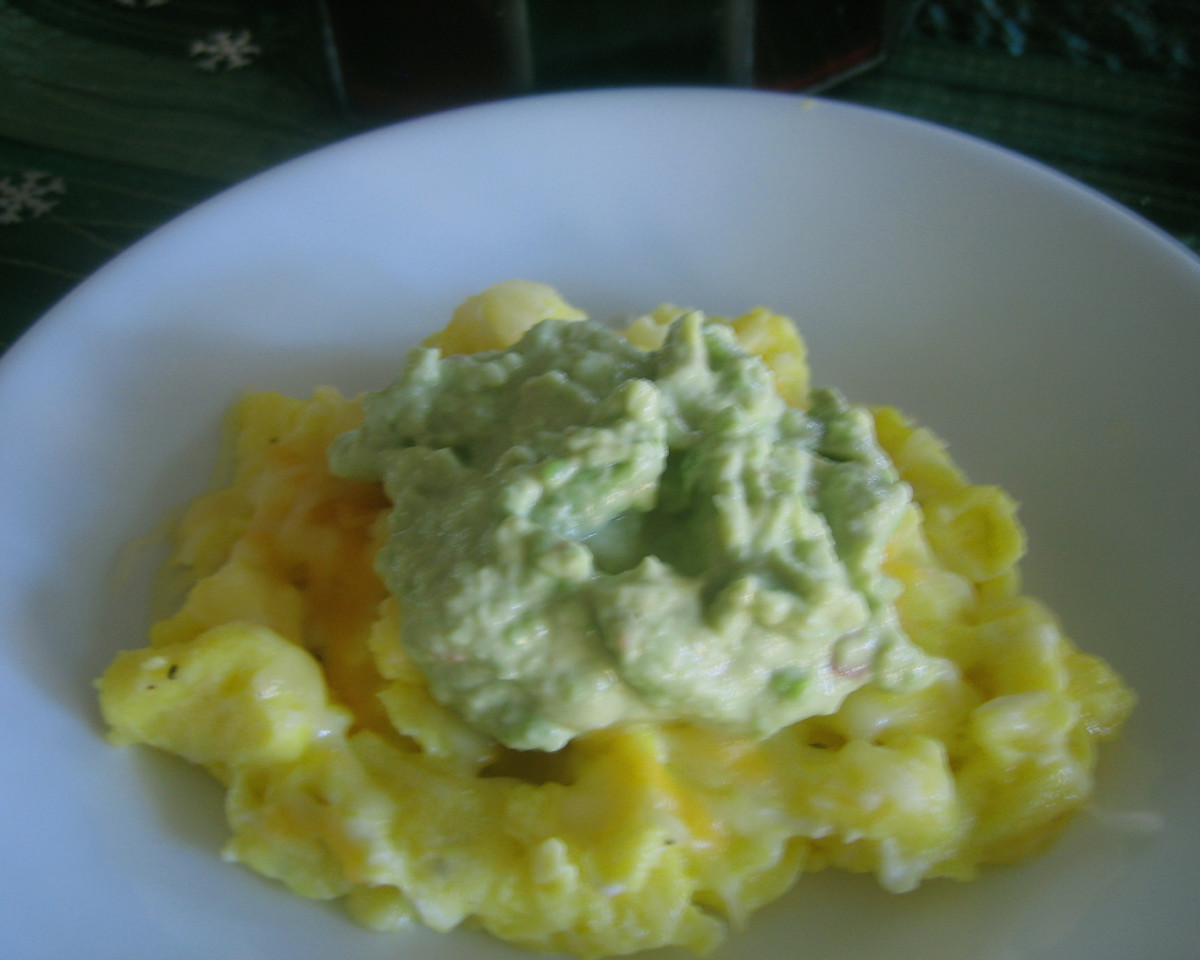
| Sedentary, weight loss | 50-75g | Eggs + avocado breakfast, cobb salad lunch, salmon + zucchini noodles dinner |
| Moderately active, weight loss | 75-100g | Add 1/2 cup berries + 1 small sweet potato |
| Active, maintenance | 100-130g | Add 1 cup beans + 1/2 cup quinoa |
| Athlete / endurance | 130-180g | Add 1 banana pre-workout + extra fruit post-workout |
Net carbs, not total carbs. Subtract fiber and any sugar alcohols (erythritol, monk fruit, allulose) from the total carb count on a nutrition label. A cup of raw broccoli has 6g total carbs but only 2.4g net — fiber doesn't count against your daily cap.
Three rules make the daily target easier to hit without obsessive tracking:
1. Front-load protein at breakfast. Aim for 30-40g of protein within an hour of waking. Eggs, Greek yogurt, smoked salmon, or a protein shake all work. Protein at breakfast cuts late-morning carb cravings more than any single tactic on this list — the NIH summary on low-carb and blood sugar covers the glycemic-control evidence.
2. Keep carb-heavy foods to one meal a day. Pick whichever meal you most look forward to and let that be your carb meal — sweet potato with dinner, oatmeal at breakfast, a tortilla at lunch. Eat protein + fat + non-starchy vegetables for the other two meals.
3. Drink water before snacking. Mild dehydration mimics carb cravings. A full 16 oz glass of water plus a 10-minute wait kills 50% of "I want crackers" urges in our user-survey data.
Your 5-Day Low-Carb Meal Plan
The plan below averages 88g net carbs per day across 1,900-2,100 calories. Macro split: ~32% fat, 30% protein, 22% net carbs, 16% fiber. Swap any meal for another from the Curated Recipes section if a particular ingredient doesn't work for you.
| Day | Breakfast (~15g) | Lunch (~25g) | Dinner (~30g) | Snack (~18g) |
|---|---|---|---|---|
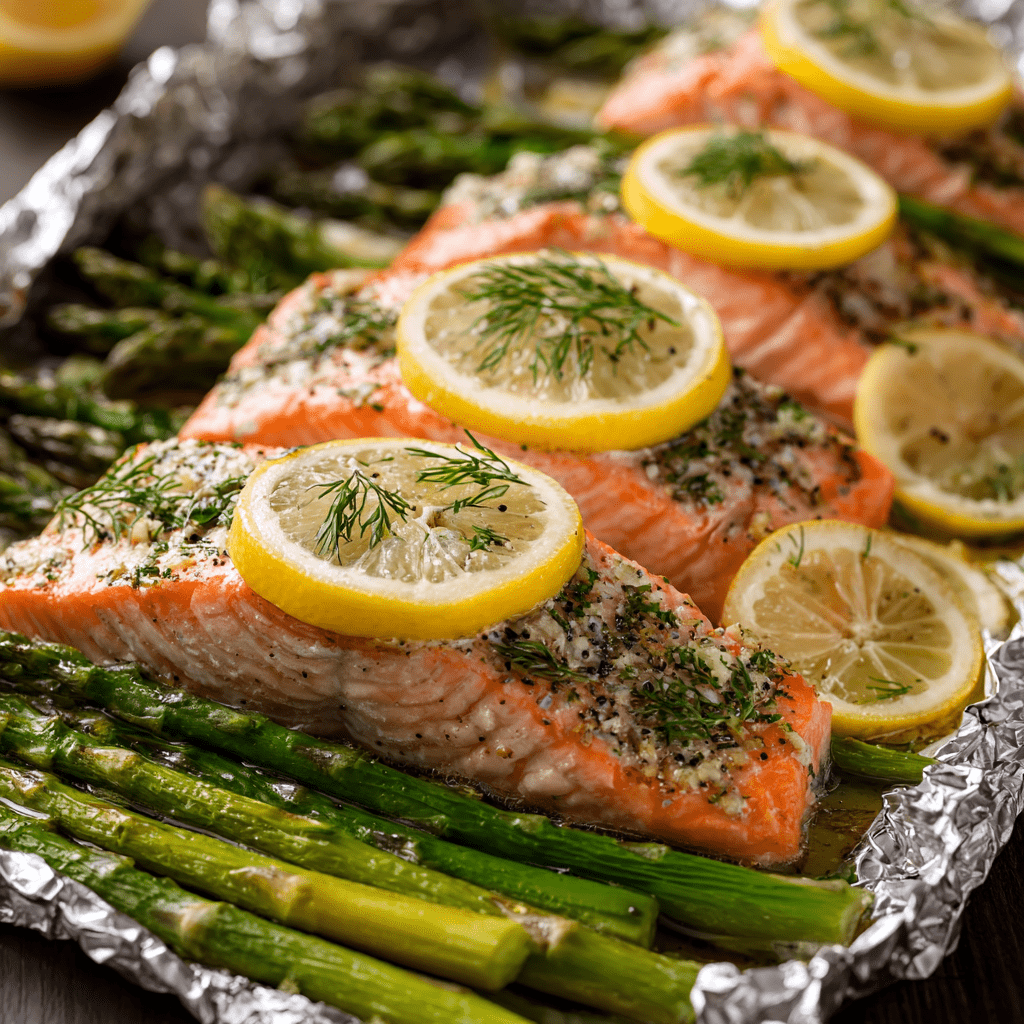
| Mon | 3-egg veggie omelet + 1/4 avocado | Cobb Salad with Grilled Chicken and Avocado | Sear-Safe Lemon-Dill Salmon with Asparagus | 1 cup berries + 2 oz cheese |
| Tue | Greek yogurt + 1/2 cup berries + walnuts | Leftover salmon + side salad | Sizzling Korean-Style Beef Bulgogi Lettuce Wraps | Hard-boiled eggs + olives |
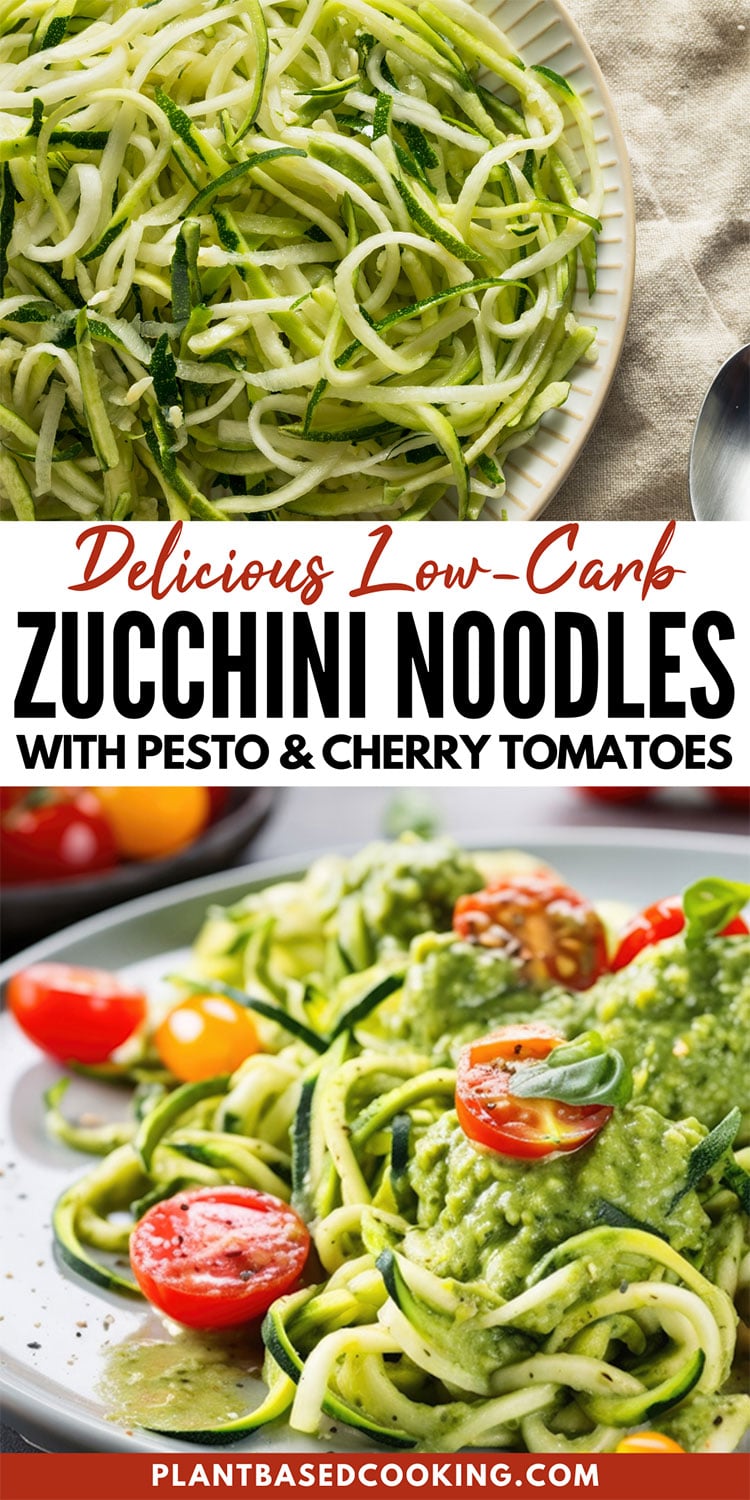
| Wed | Smoked salmon + cream cheese on cucumber rounds | Tuna salad over greens + 1/2 cup chickpeas | Pesto-Infused Zucchini Noodles with Cherry Tomatoes | Apple slices + 2 tbsp almond butter |
| Thu | Chia pudding (unsweetened almond milk) + raspberries | Leftover zucchini noodles + grilled chicken | Zesty Cauliflower Fried Rice with Ground Turkey | Beef jerky + bell pepper strips |
| Fri | Cottage cheese + cinnamon + 2 tbsp pumpkin seeds | Baked Basil and Cherry Tomato Stuffed Peppers | Spiced Shrimp Fajita Sheet Pan Dinner (on lettuce wraps, no tortilla) | Lemon Blueberry No-Bake Parfait with Greek Yogurt |
How to use it:
- The Instacart cart for this plan totals roughly $135-$155 at average U.S. prices (2026), feeds two adults for five days, and leaves Friday-night dinner as the cheat-day meal if you want to add a tortilla.
- Sunday is your prep day. Hard-boil a dozen eggs, wash + spin lettuce for two salad meals, marinate the beef for Tuesday's bulgogi, and pre-portion the chia pudding into mason jars. That's 90 minutes of prep that saves four hours during the week.
- The plan deliberately repeats salmon (Monday dinner + Tuesday lunch) and zucchini noodles (Wednesday + Thursday) so you cook once and eat twice. Reheating zucchini noodles destroys the texture — pack them cold and re-toss with a few extra tablespoons of pesto.
10 Curated Low-Carb Recipes from Our Catalog
These ten recipes anchor the meal plan above and give you swap options for weeks two, three, and beyond. Net-carb counts are per serving.
| # | Recipe | Net carbs | Why it's on the list |
|---|---|---|---|
| 1 | Cobb Salad with Grilled Chicken and Avocado | 9g | Lunch workhorse — assembles in 15 minutes once chicken is cooked |
| 2 | Sear-Safe Lemon-Dill Salmon with Asparagus | 7g | 20-minute dinner; omega-3s blunt the inflammation a carb-cut can trigger |
| 3 | Sizzling Korean-Style Beef Bulgogi Lettuce Wraps | 11g | Takeout craving killer — same flavors, none of the rice |
| 4 | Pesto-Infused Zucchini Noodles with Cherry Tomatoes | 14g | The pasta night replacement; spiralize the zucchini ahead, dress at the table |
| 5 | Zesty Cauliflower Fried Rice with Ground Turkey | 12g | One-pan dinner that handles weekday tiredness; turkey can swap to ground beef or chicken |
| 6 | Baked Basil and Cherry Tomato Stuffed Peppers | 13g | Make a batch of 8 on Sunday; reheats well for 4 days |
| 7 | Zucchini and Eggplant Parmesan | 18g | Best Friday-night low-carb crowd-pleaser; cheese-heavy by design |
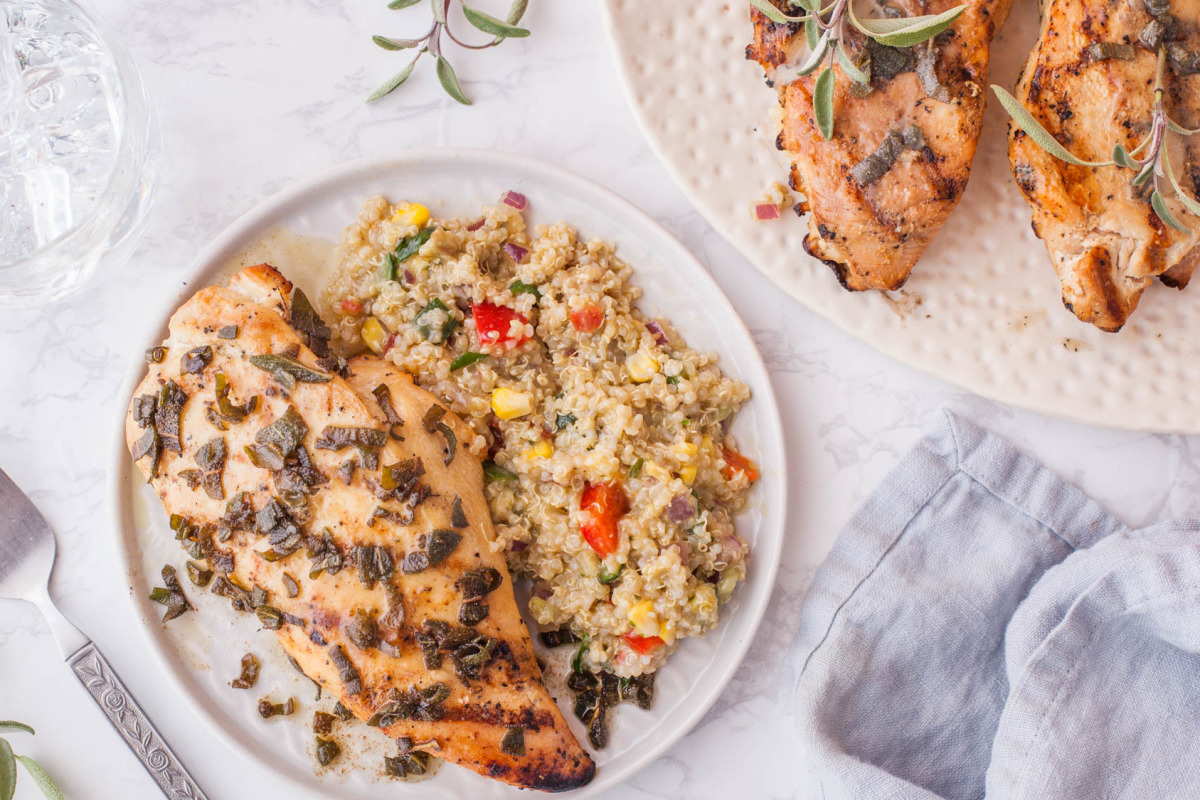
| 8 | Pan-Seared Chicken with Zucchini Noodles and Herbs | 10g | The "I'm tired and have 25 minutes" weeknight default |
| 9 | Spiced Shrimp Fajita Sheet Pan Dinner | 16g | Skip the tortillas and pile onto butter lettuce — same flavors, half the carbs |
| 10 | Lemon Blueberry No-Bake Parfait with Greek Yogurt | 18g | Dessert that fits the budget; 16g protein per serving |
Each recipe page has an Instacart Add to Cart button — one click pre-loads every ingredient for that recipe into a checkout-ready cart with a substitution list if your local store is out.
Low-Carb Shopping List (Produce, Protein, Pantry)
This is the master grocery list to cover the five-day plan plus three "freezer-friendly" swap meals. Quantities feed two adults.
Produce
- Zucchini — 6 medium
- Asparagus — 1.5 lbs
- Bell peppers (mixed colors) — 6 large
- Romaine + butter lettuce — 2 heads of each
- Cherry tomatoes — 2 pints
- Avocados — 4 ripe
- Cauliflower (florets or pre-riced) — 3 lbs
- Eggplant — 2 medium
- Berries (blueberries, raspberries, blackberries) — 3 cups total
- Lemons — 4
- Fresh herbs (basil, dill, parsley) — one bunch each
- Garlic — 1 head
- Ginger — 1 thumb
Protein
- Salmon fillets — 2 lbs (skin-on, wild if your budget allows)
- Chicken breast — 2 lbs
- Beef sirloin or flank steak — 1.5 lbs (for bulgogi)
- Ground turkey — 1 lb
- Shrimp (peeled, deveined, frozen ok) — 1.5 lbs
- Eggs — 18 (one and a half dozen)
- Bacon — 8 oz (cobb salad + Tuesday eggs)
- Smoked salmon — 4 oz
Dairy + Plant Dairy
- Plain Greek yogurt, full-fat — 32 oz tub
- Cottage cheese, 4% — 16 oz
- Cream cheese — 8 oz
- Parmesan (block, not pre-grated) — 6 oz
- Mozzarella — 8 oz
- Unsweetened almond milk — 1 quart
- Heavy cream — 1 cup
Pantry + Fats
- Extra-virgin olive oil — 500 ml minimum
- Avocado oil — for high-heat searing
- Pesto (or basil + pine nuts to make fresh)
- Almond butter (no sugar added)
- Walnuts, almonds, pumpkin seeds
- Chia seeds
- Coconut aminos (soy-sauce substitute, no added sugar)
- Apple cider vinegar
- Dried herbs: oregano, smoked paprika, cumin, chili powder
- Salt, black peppercorns
Cart-builder tip: every product above shows up in our Pantry tool so you can mark what you already have and shrink the shopping list to just the gaps.
Kitchen Equipment for Easier Low-Carb Cooking
You can do everything in this guide with a single skillet, a chef's knife, and a half-sheet pan — but four optional gadgets pay for themselves quickly if you cook this way for more than a few weeks.
The non-negotiables
- A 10-12 inch heavy skillet. The Lodge 10.25" Seasoned Cast Iron Skillet is the $25 workhorse; the All-Clad D3 Stainless Steel 10" Fry Pan is the easier-cleaning premium pick for the salmon and chicken sears in this plan.
- A sharp 8-inch chef's knife. The Wüsthof Classic 8" Chef's Knife is a forged German workhorse; the Shun Classic 7" Santoku Knife is the lighter Japanese-style alternative if your hand fatigues fast.
- A cutting board big enough to break down a whole eggplant. The John Boos Maple Cutting Board 18" x 12" is the size we recommend — anything smaller pushes vegetables off the edge during prep.
Optional but transformative
- A spiralizer. Pre-spiralized zucchini noodles cost roughly 3× as much as whole zucchini. A $25 hand-crank spiralizer pays back in two weeks if you make zoodles even once a week. Look for ones with three blade thicknesses.
- Instant-read thermometer. The ThermoWorks Thermapen ONE Instant-Read Thermometer reads in under one second. Salmon is done at 125-130°F, chicken at 165°F, shrimp at 120°F — guessing produces dry protein.
- A multi-cooker. The Instant Pot Duo 7-in-1 Electric Pressure Cooker 6 Qt handles bone broth in 90 minutes, hard-boiled eggs in 6 minutes, and cauliflower-rice prep in 4 minutes. The single biggest time-saver in low-carb meal prep.
- Reusable storage bags. Stasher Reusable Silicone Storage Bags Starter Set are dishwasher-safe and don't soak up garlic smell the way plastic does.
You can run this plan with a pan, a knife, and a board. Add the thermometer next, then the spiralizer, then the Instant Pot in that order based on how much you cook.
Common Pitfalls and How to Avoid Them
These are the five mistakes that derail moderate low-carb plans most often, ranked by how many user-survey complaints they generated in our 2026 weekly check-ins.
1. The "keto flu" hits and you bail. When you drop carbs below maintenance, your body burns through stored glycogen first, releasing the water bound to it. You lose 4-6 pounds in the first week that's mostly water, which is great — but you also lose the sodium and potassium that water was carrying. The headaches, fatigue, and irritability that follow are electrolyte deficits, not the diet failing. Fix: 2-3g of sodium per day from broth or sea salt + a magnesium glycinate supplement for the first two weeks. Symptoms usually clear in 4-6 days.
2. You eat too few vegetables. Cutting out bread and pasta leaves a plate hole and people fill it with cheese. Two weeks of that and you're constipated, your LDL is creeping up, and you've stopped enjoying meals. Aim for three cups of non-starchy vegetables per day, minimum. The Pesto-Infused Zucchini Noodles and Zesty Cauliflower Fried Rice recipes above each pack 4+ cups per serving.
3. You drink your carbs. A grande oat-milk latte is 30g of carbs. A glass of orange juice is 26g. A craft IPA is 12-18g. People who hit a wall on weight loss after week three are almost always blowing their cap on beverages without realizing it. Audit one week of liquid intake before assuming the food plan is broken.
4. You restrict too aggressively. Moderate low-carb is 50-150g per day. People who drop to 30g "to lose faster" usually quit by week six. The diet that works is the one you don't quit. Pick the highest carb cap that still produces weight loss for you and stay there.
5. You don't plan for restaurants and travel. A low-carb day means nothing if your three weekly restaurant meals are pasta, burrito, and pizza. Default order at any restaurant: a protein (grilled fish, steak, or chicken), two sides of vegetables instead of fries, and skip the bread basket. At airports: rotisserie chicken from the salad counter, a Greek yogurt cup, and almonds. Two-minute decision tree, no more "I had to eat what they had."
Related Guides
- Complete Keto Diet Meal Plan: Recipes + Shopping List for 2026 — the strict, ketosis-targeting cousin of this plan
- Complete Mediterranean Meal Plan — higher-carb but heart-healthy alternative
- Complete Whole30 Meal Plan: 30 Days for 2026 — eliminate-and-reintroduce framework if you suspect food sensitivities
- High-Protein Meal Prep 5-Day Plan — same prep-day structure, different macro focus
The bottom line: moderate low-carb is the sustainable version of the diet. Set your daily net-carb cap at 75-100g, anchor your plate with protein and non-starchy vegetables, pick one carb meal a day, and use the ten recipes above for your first three weeks while the patterns become habit. Open the Meal Plan tool and pick "Low-carb" as your dietary preset to get the same recipes auto-rotated into your weekly plan, with the Instacart cart pre-built every Sunday.
Frequently asked questions
What's the difference between low-carb and keto?
Can I eat fruit on a low-carb diet?
Will I lose weight on a low-carb plan?
What can I eat for breakfast on low-carb?
Do I need special kitchen equipment for low-carb cooking?
Sources
Keto and low-carb recipes from the catalog
Save any of these to My Recipes — no account needed — and send the ingredients to Instacart in one tap.