The Complete Whole30 Meal Plan: 30 Days of Recipes + Shopping List for 2026
A week-by-week roadmap, a printable shopping list, and 20+ tested Whole30-compliant recipes that turn the 30-day elimination protocol into a sustainable routine.
Affiliate disclosure: AislePrompt may earn a commission on qualifying purchases made through Amazon and Instacart links in this article, at no additional cost to you. See our affiliate policy →
A Whole30 meal plan is a 30-day elimination eating protocol that removes added sugar, alcohol, grains, legumes, dairy, and processed additives, then reintroduces them one group at a time to identify what your body actually tolerates. This guide gives you a week-by-week menu, a printable shopping list, 20+ tested recipes from the AislePrompt catalog, the pantry audit you need to do on day zero, and the reintroduction protocol most people skip.
Introduction: What Whole30 Is and What 30 Days Actually Looks Like
Whole30 is not a weight-loss diet. It is a 30-day reset designed to identify food sensitivities — gluten, dairy, soy, added sugar, alcohol — by removing them entirely, then reintroducing each group on a fixed schedule and watching how you feel. The premise is that you cannot tell what a food is doing to you while you are eating it every day. Pull everything for 30 days, add things back deliberately, and the signal stops being noise.
The protocol is binary. There is no "80% Whole30" or "Whole30 except for cheat day." One non-compliant bite — a splash of cream in coffee, a tortilla chip at the bar, a sip of someone's beer — and the program rules say you restart at day one. That sounds harsh, and it is the point: the strict reset is what produces the clarity at the end. As the Academy of Nutrition and Dietetics notes, the value comes from the structured reintroduction, not from any one banned ingredient.
Here is what 30 days actually feels like, distilled from program-creator guidance and what most beginners report:
| Days | What you'll feel | What to do |
|---|---|---|
| 1–2 | Hangover. Headache, fog, irritability as sugar and caffeine downshift. | Hydrate, salt your food, get 8+ hours of sleep. |
| 3–5 | Cravings spike. You will want bread, wine, ice cream. | Cook all meals at home this week. Don't restock junk. |
| 6–10 | Bored with food. Energy starts to even out. | Rotate proteins. Try a new recipe each night. |
| 11–15 | Tiger blood. Sleep deepens, skin clears, jeans loosen. | Don't get cocky — meal-prep the weekend. |
| 16–20 | Hard-mode socializing. Restaurants and parties test you. | Eat before you go. Carry compliant snacks. |
| 21–27 | Steady state. Energy + mood high, cravings gone. | Plan your reintroduction order now. |
| 28–30 | Pre-reintroduction. Curiosity about banned foods. | Read the Reintroduction section below twice. |
If your first thought after reading the rules is "this is impossible" — you are not wrong, exactly. It is hard. It also takes about 72 hours to start feeling the upside, and most people who quit do so on day 3 or 4 specifically because they did not prepare a pantry on day zero. The rest of this guide solves that.
The Yes/No List: Compliant Foods at a Glance
Memorize this table. Print it. Stick it to the fridge. Every Whole30 decision — at the grocery store, in a restaurant, at a friend's house — comes down to this list. As of 2026, the official rules have not materially changed since the program launched, so anything older you find online is still accurate.
| ✅ Eat freely | ❌ Off-limits for 30 days |
|---|---|
| Meat, poultry, seafood, eggs | Added sugar (cane, beet, agave, honey, maple, dates as sweetener, stevia, monk fruit) |
| All vegetables including white potatoes | Alcohol — even cooking wine, even rum extract |
| All fruit (focus on whole; limit juice) | Grains: wheat, oats, rice, corn, quinoa, sprouted breads |
| Nuts and seeds except peanuts | Legumes: beans, peas, lentils, peanuts, soy, tofu, tempeh, edamame |
| Healthy fats: olive oil, avocado oil, coconut, ghee, clarified butter | Dairy: milk, cheese, yogurt, butter (ghee is OK), cream, sour cream |
| Herbs, spices, seasonings, vinegars | Carrageenan, MSG, sulfites in any ingredient list |
| Coffee (black or with compliant nut milk) | Recreated baked goods, pancakes, brownies — even with compliant ingredients |
| 100% compliant condiments: coconut aminos, hot sauce w/o sugar, mustard | "Paleo" pancakes, almond-flour muffins, Whole30 ice cream substitutes |
Two rules trip up almost every beginner. First, the recreated-foods rule: even if every ingredient is technically compliant, you cannot make a Whole30 pizza, a Whole30 brownie, or Whole30 pancakes. The point is to break the psychological pull of those foods, not satisfy it with a substitute. Second, the label rule: if a product has more than ~3 ingredients you cannot pronounce, it almost certainly has added sugar, soy, or a thickener. Default to single-ingredient items from the perimeter of the store.
The Mayo Clinic guidance on elimination diets is worth a read before day one — it covers why short, strict eliminations work better than long, lax ones for identifying triggers.
Week-by-Week Meal Plan (Days 1–7, 8–14, 15–21, 22–30)
This plan rotates 12 dinners, 4 breakfasts, and 4 lunches across the 30 days. Cook once for two meals — every dinner produces lunch the next day. Sundays and Wednesdays are your two batch-cook anchors.
Week 1 — Days 1–7 (the hangover week)
Lean on slow-cooker meals so you are not standing over the stove while a caffeine headache builds. Two protein anchors: pulled pork and chicken thighs.
| Day | Breakfast | Lunch (yesterday's dinner) | Dinner |
|---|---|---|---|
| Mon | First-Day Whole30 Breakfast: Sausage & Veggie Bowl | Cold cuts + avocado + apple | Spiced Whole30 Pulled Pork with roasted sweet potato |
| Tue | 3 eggs + ½ avocado + spinach | Pulled pork over greens | Best Whole30 Chicken Thighs |
| Wed | Whole30 Breakfast Hash with Sausage and Veggies | Chicken thighs + carrot sticks | Whole30 Crockpot Beef and Root Vegetable Stew |
| Thu | Hard-boiled eggs + fruit | Beef stew + steamed broccoli | Whole30 Salmon with Roasted Root Vegetables |
| Fri | Whole30-Style Egg & Sausage Breakfast Bites | Salmon + greens + olive oil | Ginger-Scallion Beef & Broccoli Stir-Fry (Whole30 Style) |
| Sat | Whole30 Reset Smoothie Bowl with Berries and Chia | Beef + broccoli leftovers | Whole30 Crockpot Herb Chicken with Carrots and Celery |
| Sun | 3 eggs + breakfast sausage | Crockpot chicken + roasted veg | Almond-Free Whole30 Chicken and Vegetable Stir Fry (batch-cook x2) |
Week 2 — Days 8–14 (energy stabilizing)
By now the worst of the cravings have passed, but you will be bored. Introduce two new flavor profiles this week — Thai-style coconut curry and Mediterranean lemon-herb — to keep your palate engaged.
| Day | Breakfast | Lunch | Dinner |
|---|---|---|---|
| Mon | First-Day Whole30 Breakfast: Sausage & Veggie Bowl | Stir-fry leftovers + cucumber salad | Whole30 Curry Coconut Chicken with Mango Salsa |
| Tue | Frittata muffins (cook Sunday) | Curry chicken + cauliflower rice | Whole30 Reset Lemon-Herb Chicken & Zucchini Noodles |
| Wed | Whole30 Breakfast Hash with Sausage and Veggies | Lemon-herb chicken + zucchini noodles | Hearty Whole30 Chicken and Root Vegetable Stew |
| Thu | Smoked salmon + avocado + cucumber | Chicken stew + roasted carrots | Whole30 Herb-Crusted Beef Tenderloin with Root Vegetables |
| Fri | Whole30-Style Egg & Sausage Breakfast Bites | Beef tenderloin + sweet potato | Crispy Whole30 Chicken Thighs with Spicy Coconut Curry |
| Sat | Veggie hash + 2 eggs | Chicken curry + greens | Quick Whole30 Reset Bowl |
| Sun | Whole30 Reset Smoothie Bowl with Berries and Chia | Reset bowl leftovers | Herb-Crusted Whole30 Pork Shoulder with Apple Cider Glaze (batch-cook) |
Week 3 — Days 15–21 (tiger blood)
This is the easy week. Sleep is deeper, jeans are looser, cravings are gone. Use the momentum to try one ambitious recipe — like the herb-crusted pork shoulder or the curry chicken — and meal-prep twice instead of three times.
| Day | Breakfast | Lunch | Dinner |
|---|---|---|---|
| Mon | 3 eggs + ½ sweet potato hash | Pork shoulder + apple slaw | Almond-Free Whole30 Chicken and Vegetable Stir Fry |
| Tue | Whole30 Breakfast Hash with Sausage and Veggies | Stir-fry + sliced cucumber | Coconut Aminos Chicken & Veggie Stir-Fry (Whole30 Reboot) |
| Wed | Whole30-Style Egg & Sausage Breakfast Bites | Coconut aminos chicken + greens | Whole30 Salmon with Roasted Root Vegetables |
| Thu | Whole30 Reset Smoothie Bowl with Berries and Chia | Salmon + roasted root veg | Best Whole30 Chicken Thighs |
| Fri | Hard-boiled eggs + avocado | Chicken thighs + cauliflower rice | Ginger-Scallion Beef & Broccoli Stir-Fry (Whole30 Style) |
| Sat | First-Day Whole30 Breakfast: Sausage & Veggie Bowl | Beef + broccoli | Whole30 Crockpot Beef and Root Vegetable Stew (batch-cook) |
| Sun | Frittata + fruit | Crockpot beef stew | Whole30 Reset Lemon-Herb Chicken & Zucchini Noodles |
Week 4 — Days 22–30 (steady state + reintro prep)
Final stretch. The goal is to lock in habits you'll keep after day 30 — daily protein at breakfast, vegetables at every meal, water with food instead of soda. Plan your reintroduction order this week (see the Reintroduction section below).
| Day | Breakfast | Lunch | Dinner |
|---|---|---|---|
| Mon | Whole30 Breakfast Hash with Sausage and Veggies | Lemon-herb chicken + zoodles | Whole30 Curry Coconut Chicken with Mango Salsa |
| Tue | 3 eggs + greens + avocado | Curry chicken + cauliflower rice | Whole30 Herb-Crusted Beef Tenderloin with Root Vegetables |
| Wed | Whole30 Reset Smoothie Bowl with Berries and Chia | Beef tenderloin + roasted root veg | Quick Whole30 Reset Bowl |
| Thu | Whole30-Style Egg & Sausage Breakfast Bites | Reset bowl + sliced apple | Crispy Whole30 Chicken Thighs with Spicy Coconut Curry |
| Fri | Hard-boiled eggs + fruit | Crispy chicken thighs + greens | Hearty Whole30 Chicken and Root Vegetable Stew |
| Sat | First-Day Whole30 Breakfast: Sausage & Veggie Bowl | Chicken stew + roasted carrots | Spiced Whole30 Pulled Pork |
| Sun | Veggie hash + 2 eggs | Pulled pork + slaw | Whole30 Crockpot Herb Chicken with Carrots and Celery (final batch-cook) |
| Mon (day 30) | Whole30 Reset Rainbow Vegetable Bowl | Whatever leftovers you have | Reintroduction begins tomorrow |
20+ Curated Whole30-Compliant Recipes from the Catalog
Every recipe below is in the AislePrompt catalog, has Whole30 in its title or tags, and uses only compliant ingredients. They are grouped by occasion so you can drop them straight into the plan above.
Breakfasts (no cereal, no toast, no pancakes):
- First-Day Whole30 Breakfast: Sausage & Veggie Bowl — the program-creator-approved first-morning meal: sausage, eggs, leafy greens, and sweet potato.
- Whole30 Breakfast Hash with Sausage and Veggies — a sheet-pan hash that scales to four servings in 35 minutes; the workhorse breakfast for week 1.
- Whole30-Style Egg & Sausage Breakfast Bites — muffin-tin egg cups with sausage and veggies; bake 12 on Sunday and you have grab-and-go through Wednesday.
- Whole30 Reset Smoothie Bowl with Berries and Chia — a smoothie bowl using compliant nut milk, berries, chia, and banana for the days you cannot face another sweet potato.
Chicken dinners (the most-rotated protein on Whole30):
- Best Whole30 Chicken Thighs — the highest-rated baseline recipe; salt + paprika + lemon, oven at 425°F for 30 minutes.
- Whole30 Curry Coconut Chicken with Mango Salsa — coconut milk + curry powder + mango salsa; cooks in one pan in under 25 minutes.
- Crispy Whole30 Chicken Thighs with Spicy Coconut Curry — crispy-skin technique that does not need flour or starch; serve over cauliflower rice.
- Whole30 Reset Lemon-Herb Chicken & Zucchini Noodles — lemon-herb chicken with spiralized zucchini; the Whole30 stand-in for chicken-and-pasta.
- Almond-Free Whole30 Chicken and Vegetable Stir Fry — nut-free stir-fry for households with almond allergies (most Whole30 stir-fries lean on almonds for crunch).
- Coconut Aminos Chicken & Veggie Stir-Fry (Whole30 Reboot) — uses coconut aminos as the soy-sauce replacement; the closest thing to takeout you'll have this month.
- Whole30 Crockpot Herb Chicken with Carrots and Celery — slow-cooker herb chicken with carrots and celery; the 6am setup, 6pm eat dinner.
- Hearty Whole30 Chicken and Root Vegetable Stew — chicken-and-root-vegetable stew that doubles as next-day lunch.
Beef and pork (Sunday batch-cook anchors):
- Whole30 Crockpot Beef and Root Vegetable Stew — Whole30 crockpot beef and root vegetable stew; 8 hours on low, feeds 6.
- Whole30 Herb-Crusted Beef Tenderloin with Root Vegetables — herb-crusted beef tenderloin with roasted root vegetables; the dinner-party recipe for week 3.
- Ginger-Scallion Beef & Broccoli Stir-Fry (Whole30 Style) — ginger-scallion beef and broccoli stir-fry; coconut aminos replace soy sauce cleanly.
- Spiced Whole30 Pulled Pork — spiced pulled pork; one 4lb shoulder feeds two adults for four meals.
- Herb-Crusted Whole30 Pork Shoulder with Apple Cider Glaze — herb-crusted pork shoulder with apple cider glaze; the upgrade-over-pulled-pork recipe.
Seafood + bowls (the lighter rotation):
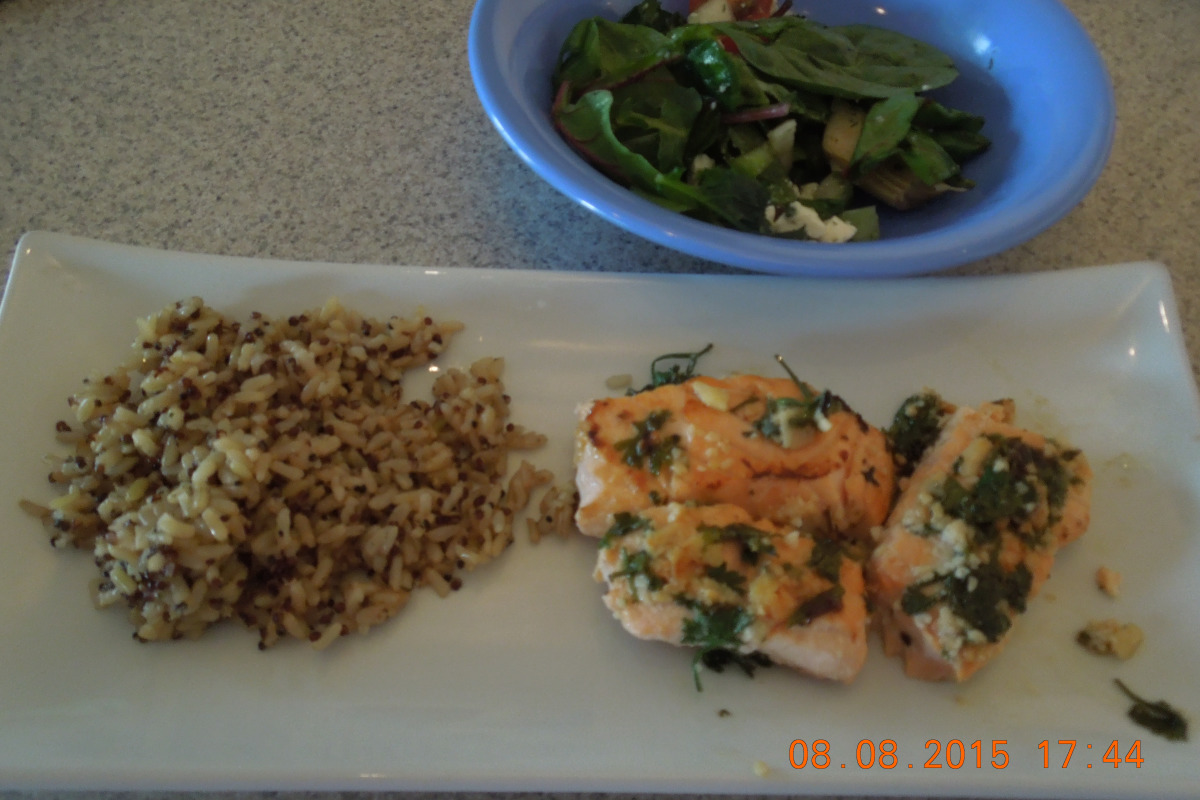
- Whole30 Salmon with Roasted Root Vegetables — salmon roasted with carrots, parsnips, and sweet potato on one sheet pan.
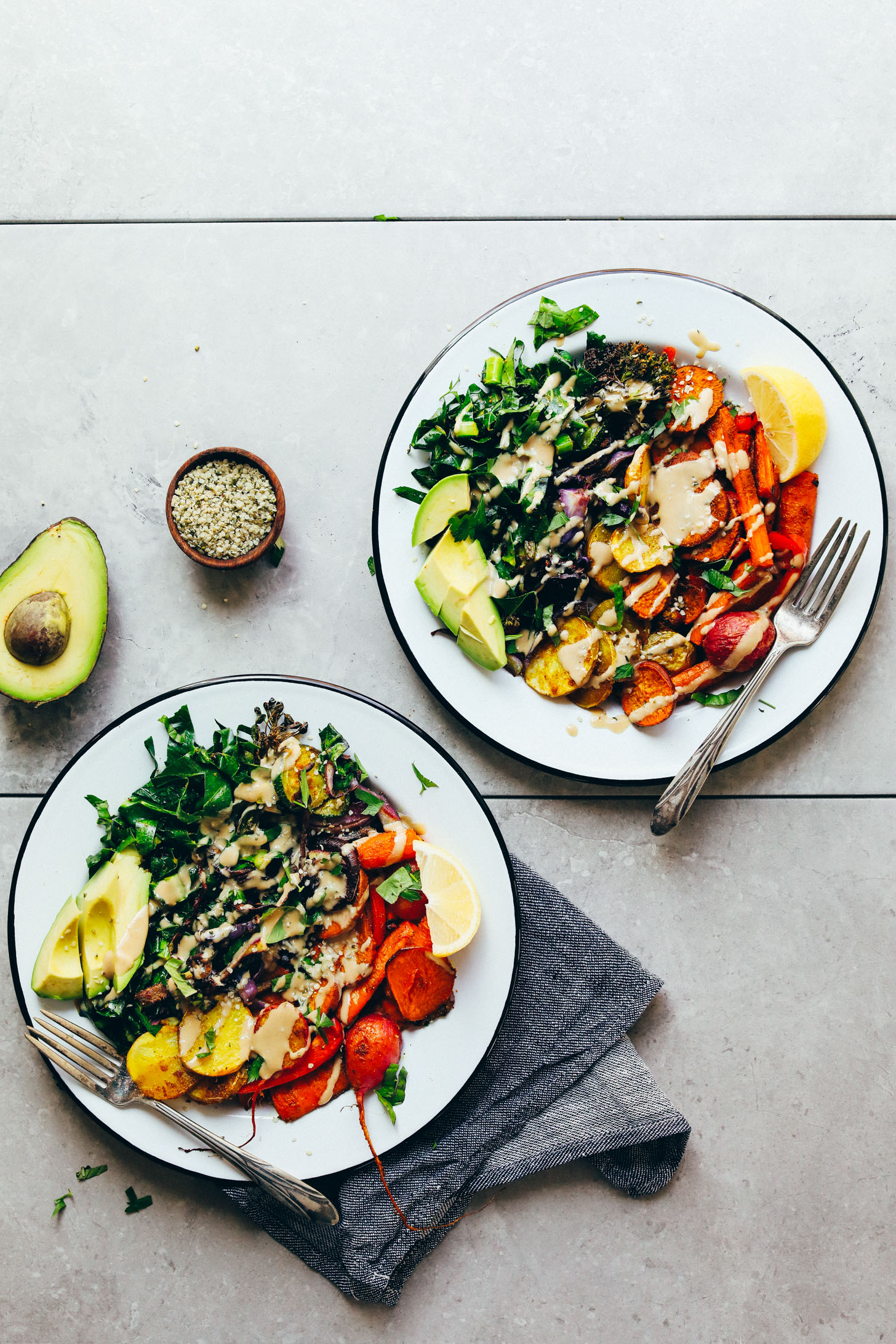
- Whole30 Reset Rainbow Vegetable Bowl — rainbow vegetable bowl built on a base of cauliflower rice; visually-satisfying when you are sick of brown food.
- Quick Whole30 Reset Bowl — the 15-minute reset bowl for days you cannot face another long cook.
Rotate four of these per week and you will not eat the same dinner twice in a fortnight. The catalog also has 200+ additional Whole30-tagged recipes if you want to swap any of the above for personal preference — search any of the above slugs and the related-recipes rail surfaces similar entries.
Reading Labels: The Hidden Non-Compliant Ingredients
If a Whole30 attempt blows up in the first 10 days, the cause is almost always a hidden ingredient in something you didn't think to check. The four worst offenders, in order:
1. Sugar in everything. Bacon, sausage, deli turkey, almond milk, hot sauce, balsamic vinegar, ketchup, broth, marinara sauce, and salad dressings routinely have added sugar. Read every label, every brand, every time. The Whole30 directory lists compliant versions of each, but they are a minority of what's on the shelf.
2. Soy lecithin and soybean oil. Hides in chocolate (obvious), mayonnaise (less obvious), and most non-organic sliced deli meats. Soy is fully off-limits — there is no "a tiny bit is OK" exception.
3. Carrageenan. Almost every coconut milk, almond milk, and non-dairy yogurt at a conventional grocery store has carrageenan as a thickener. Native Forest, Aroy-D, and a few other brands sell carrageenan-free coconut milk. Read the can.
4. Sulfites. Most dried fruit and almost all wine. Sulfite-free dried apricots and dates exist — look for "unsulfured" on the label.
The 1-minute label scan:
1. Flip the package over.
2. Scan for any word ending in -ose (glucose, fructose, dextrose, sucrose, maltose) → contains sugar.
3. Scan for syrup (cane syrup, brown rice syrup, malt syrup) → contains sugar.
4. Scan for soy (soybean oil, soy lecithin, soy protein) → off-limits.
5. Scan for carrageenan, sulfites, MSG, monosodium glutamate → off-limits.
If anything in that list appears, put the package back. The 30 seconds you spend at the shelf saves you a restart on day 7.
Harvard's overview of the Whole30 protocol makes the same point bluntly: the program's strictness only works if you actually adhere to the strictness — a half-Whole30 just makes you cranky without producing the diagnostic clarity the protocol is built around.
Eating Out and Travel Without Breaking Whole30
Restaurants are the highest-risk part of Whole30, and they are unavoidable. A few patterns that work:
The protein-plus-two-veg order. Any sit-down restaurant can cook you a piece of fish or steak with two sides of steamed vegetables, no butter, no sauce. State it that way — "plain protein, two steamed vegetables, no butter, no sauce, olive oil on the side" — and a competent kitchen will execute it without drama.
Steakhouses, seafood spots, and Brazilian churrascarias are easy. Their menus are protein-forward and the kitchens are used to plain-grill requests. Italian, Chinese, Japanese, and Mexican are hardest — sugar in marinara, soy sauce, mirin, and refried beans, respectively, makes 80% of the menu non-compliant.
Breakfast out is a trap. Almost every brunch dish has dairy, bread, or hash browns cooked in seed oil. Order three eggs (poached or hard-boiled), bacon (ask about sugar — most restaurant bacon has it), and a fruit cup. Skip the toast without asking; if it's pre-plated, send it back.
Travel: pack a tackle box. Carry compliant snacks for every flight, road trip, and hotel stay: RXBARs (date-sweetened, technically compliant under the "no sugar added" rule because dates are a whole food), Epic bars, almond butter packets, hard-boiled eggs, and pre-cut vegetables. The single-greatest cause of mid-program failure is being hungry in an airport at 11pm with only Auntie Anne's pretzels in reach.
Cocktails: don't. There is no compliant alcohol. Soda water with lime is the only safe drink. If you cannot get through a 30-day window without alcohol, that is itself a signal worth paying attention to — the program creators are explicit that the alcohol prohibition is not negotiable.
The Whole30 Pantry Audit + Shopping List
Day zero is for the pantry audit, not the first compliant meal. Do this on the Sunday before you start:
Audit step 1 — remove (or bag and shelve) anything off-limits. Pasta, bread, cereal, crackers, chips, cookies, granola, oatmeal, rice, quinoa, peanut butter, soy sauce, hoisin, ketchup with sugar, balsamic glaze, salad dressing, yogurt, cream cheese, butter, half-and-half, ice cream, wine, beer, liquor. If it stays in the house, it gets eaten — your willpower at day 7 is not infinite.
Audit step 2 — read labels on what's left. Cans of broth, jarred salsa, hot sauce, mustard, vinegar, coconut milk, almond butter. Anything with added sugar, soy, carrageenan, or sulfites goes in the off-limits bag.
Audit step 3 — stock the compliant pantry. Use the shopping list below as a starting point. AislePrompt's meal-plan and shopping-list builder can auto-generate a quantity-adjusted shopping list from any of the recipes in this guide.
Printable shopping list (week 1)
Proteins:
- 4 lb chicken thighs (bone-in, skin-on)
- 4 lb pork shoulder (for crockpot pulled pork)
- 2 lb ground beef (85/15)
- 1.5 lb wild salmon fillets
- 1 lb breakfast sausage (sugar-free — check the label)
- 2 dozen eggs
- 1 lb bacon (sugar-free)
Vegetables (focus on rainbow):
- 4 lb sweet potatoes
- 2 heads cauliflower (or 2 bags pre-riced)
- 3 zucchini
- 2 lb carrots
- 2 bunches kale + 1 bag baby spinach
- 2 bell peppers (mixed colors)
- 1 head broccoli
- 1 head romaine + 1 cucumber
- 2 yellow onions + 1 head garlic
- 1 lb mushrooms
Fats + pantry:
- Extra-virgin olive oil
- Avocado oil
- Coconut oil
- Ghee (compliant — clarified butter)
- 2 cans coconut milk (carrageenan-free)
- 1 jar almond butter (no added sugar)
- Coconut aminos (soy-sauce replacement)
- Apple cider vinegar
- Compliant hot sauce (Tessemae's, Tabasco original, Cholula original)
- Mustard (yellow + Dijon — both usually compliant)
Produce for snacks:
- 6 avocados
- 2 lb apples
- 1 lb berries
- 1 lemon + 2 limes
This list is for two adults for one week. Total cost runs $145–$175 at a typical US grocery, less if you swap the salmon for chicken or buy whole chickens instead of thighs.
Kitchen Tools That Make 30 Days Easier
Whole30 is cooking-intensive. Three categories of cookware and small appliances make the difference between a sustainable month and a frustrated quit:
Slow cooker or pressure cooker. Three of the dinners in this plan are crockpot recipes. A 6-quart slow cooker (or any electric pressure cooker with a slow-cook mode) lets you start dinner before work and have it ready when you walk in the door. Without one, week 1 — the hangover week — will crush you.
Sheet pans (two minimum). Half the recipes in the catalog Whole30 set are sheet-pan dinners. A pair of heavy-gauge rimmed half-sheet pans (18" × 13") lasts a decade and handles every roast, hash, and bake without warping. Cheap sheet pans warp at 425°F and turn your sweet potatoes into one charred corner and one raw corner.
A 10" or 12" cast-iron skillet. Crispy chicken thighs, seared salmon, sautéed greens — the cast-iron pan does the dry-heat work better than any non-stick. It also lets you skip the Teflon coating (most non-stick pans use synthetic coatings that off-gas above 500°F).
Storage that fits your fridge. A dozen glass storage containers (Pyrex or equivalent, with snap lids) means you can batch-cook on Sunday and grab labeled meals from the fridge Monday through Thursday without thinking. Plastic containers crack and stain — glass is once-and-done.
One good chef's knife. A sharp 8" chef's knife from the knives & cutting category cuts your prep time on this plan in half. Dull knives are why beginners give up — you spend 40 minutes prepping vegetables that should take 12.
A few high-leverage kitchen gadgets: a spiralizer (for zucchini noodles), an immersion blender (for sauces and soups), a julienne peeler (for carrot ribbons), and a citrus juicer. Each one removes a daily 5-minute friction that compounds into "I don't want to cook anymore" by week 2.
Compliant utensils & tools: silicone spatulas, tongs, and a meat thermometer. The thermometer is the one tool most home cooks skip and most resent skipping — pulling chicken thighs at exactly 165°F and salmon at 130°F (rare) to 145°F (well-done) is the difference between great Whole30 and dry, depressing Whole30.
Reintroduction: The Often-Skipped Most Important Phase
Day 31 is not freedom day. The Whole30 elimination is the input; the reintroduction is the output. Skip it and the 30 days were a weight-loss exercise, not a diagnostic one.
The standard reintroduction schedule (10 days):
| Day | Reintroduce | Watch for |
|---|---|---|
| 31 | Legumes (peanuts, soy, beans) | Bloating, gas, joint stiffness |
| 32–33 | Back to Whole30, observe | Lingering symptoms |
| 34 | Non-gluten grains (rice, oats, corn, quinoa) | Energy crash, brain fog, skin breakouts |
| 35–36 | Back to Whole30, observe | Digestive changes |
| 37 | Dairy (start with hard cheese, then yogurt, then milk) | Skin, sinus congestion, GI |
| 38–39 | Back to Whole30, observe | Mucus production, headaches |
| 40 | Gluten-containing grains (wheat, bread, pasta) | Inflammation, fatigue, mood |
| 41–42 | Back to Whole30, observe | This is usually the most-revealing reintro |
The rule for each reintroduction day: eat the food group two or three times that day (a piece of toast at breakfast, a sandwich at lunch, pasta at dinner — for gluten), then go back to strict Whole30 for two to three days while you observe. Symptoms can take 24–72 hours to appear.
What "a reaction" looks like. Sleep that drops in quality. A skin breakout you didn't have for 28 days. Joint stiffness that returns. Brain fog by 2pm. Bloating after dinner. These are the symptoms the elimination cleared and the reintroduction is now bringing back into view.
The honest answer most people get: dairy and gluten are the two most common offenders. Legumes and rice are tolerated well by most. Wine — the unofficial fifth category — almost always disrupts sleep more than people expected.
Once reintroduction is complete (around day 42), you have a personal map: what you tolerate freely, what you tolerate occasionally, and what is worth permanently leaving out. That is the deliverable Whole30 produces, and it is why the program is worth doing once even if you never repeat it.
Related Reading
If Whole30 is not the right fit, or if you want to compare protocols before committing, AislePrompt has dedicated guides for every major eating pattern:
- The Complete Mediterranean Meal Plan: 30+ Recipes + Shopping List for 2026 — the least-restrictive option; uses many of the same proteins and vegetables as Whole30 but allows whole grains and legumes.
- The Complete Keto Meal Plan: 25+ Recipes + Shopping List for 2026 — if you want to keep dairy and pursue ketosis after the Whole30 elimination clears things up.
- The Complete Vegan Meal Plan: 30+ Recipes + Shopping List for 2026 — the plant-based reset for those who can't or won't include animal products.
- The Complete Vegetarian Meal Plan: 50+ Recipes + Shopping List for 2026 — a less-strict plant-forward option that still allows dairy and eggs.
- The Complete Gluten-Free Meal Plan: 50+ Recipes + Shopping List for 2026 — a targeted elimination if gluten was the standout in your Whole30 reintroduction.
- $100 Weekly Grocery Budget Meal Plan: 21 Meals for a Family of 4 — pairs with this guide if cost was the friction point in week 1.
And once you've finished reintroduction, our meal-plan tool builds an ongoing weekly rotation from the eating pattern your reintroduction revealed — Whole30-style most days, with deliberate add-backs of what you tolerate.
Frequently asked questions
What foods are completely off-limits on Whole30?
How is Whole30 different from keto or paleo?
Can I do Whole30 if I'm vegetarian or vegan?
How much does a Whole30 week cost to grocery-shop?
Will I lose weight on Whole30?
Sources
Whole30 recipes from the catalog
Save any of these to My Recipes — no account needed — and send the ingredients to Instacart in one tap.