The Complete Whole30 Meal Plan: 30+ Approved Recipes + Shopping List for 2026
A 30-day elimination-diet roadmap with a 7-day repeatable meal template, 10 catalog-tested recipes, a single-week shopping list, and a structured reintroduction plan.
A Whole30 meal plan is 30 consecutive days of eating only meat, seafood, eggs, vegetables, fruit, nuts, seeds, and compliant cooking fats — no added sugar, alcohol, grains, legumes, dairy, or processed additives. It is not a weight-loss diet; it is an elimination protocol designed to surface which foods quietly tank your energy, sleep, digestion, and mood. This guide walks through the rules, a 7-day repeatable plan, the AislePrompt-tested recipe shortlist, and a shopping list that survives a real week of cooking.
Get a free 7-day Whole30 meal plan
Seven compliant dinners delivered Sunday — no sugar, grains, dairy or legumes, and one cart instead of thirty label checks.
No spam, unsubscribe in one click. Recipes, shopping lists and Instacart carts all work without an account either way.
What Whole30 is and who it's for
Whole30 was created in 2009 by Melissa Urban and Dallas Hartwig as a 30-day reset diet. The premise is straightforward: pull every food category that commonly drives inflammation, gut irritation, or blood-sugar swings, hold the line for a full month, and then reintroduce one category at a time to find your personal triggers. The program's stated goal is not the number on the scale on day 31. The win is the data — knowing that dairy spikes your acne, or that sub-100g carb days wreck your sleep, or that gluten doesn't bother you at all.
It is built for people who already feel reasonably motivated and want a structured experiment with a clear endpoint. It is a lousy fit for anyone with a history of disordered eating, anyone pregnant or breastfeeding without medical sign-off, or anyone looking for a long-term lifestyle. Thirty days is the whole point. Treat it as a clinical trial on yourself, not a permanent ID.
The flavor of the rule set matters more than the calorie math. The official program guide at Whole30.com spells out the no-substitutes principle — no "paleo pancakes," no almond-flour pizza crust, no cashew-cheese sauce poured over compliant ingredients. The point of cutting grains is to break the grain habit, not to recreate cereal with almond flour. Most people who fail Whole30 fail on this rule, not the obvious ones.
The Whole30 rules in plain English
Yes: Meat (beef, pork, lamb, game), poultry, seafood, eggs, all vegetables and fruit, potatoes (white and sweet), tree nuts and seeds (except peanuts), oils (extra-virgin olive, avocado, coconut, ghee, animal fats), vinegars (except malt), herbs, spices, salt, black pepper, and coffee or tea (black or with compliant nut milks, no sweetener).
No: Added sugar (in any form — cane, agave, honey, maple syrup, coconut sugar, stevia, monk fruit), alcohol (including for cooking), grains (wheat, rice, oats, corn, quinoa — yes, quinoa), legumes (beans, lentils, peanuts, soy, including soy sauce and tofu), dairy (milk, cream, cheese, yogurt, butter — ghee is fine), carrageenan, MSG, sulfites, and the "no-substitutes" baked goods loophole.
The label-reading curve is steep at the start. Bacon almost always has sugar in the cure. Cooking spray often has soy lecithin. Tomato sauce hides cane sugar in two of every three brands. The Harvard Health review of the program (Health.harvard.edu) flags the label-reading workload as the single biggest behavioral change — most participants are surprised by how much added sugar is hiding in their pantry.
Prep your pantry before day 1
Trying to white-knuckle a new diet with a pantry full of off-plan food is how Whole30 fails. Spend a Saturday before day 1 doing three things:
1. Audit and bag up. Bread, pasta, cereal, chips, beans, yogurt, cheese, beer, anything sweetened. Box it for a coworker, donate it, or move it to a single sealed cabinet you will not open for 30 days.
2. Stock the staples. Olive oil, avocado oil, ghee, coconut aminos (the compliant soy-sauce stand-in), apple cider vinegar, balsamic vinegar, salt, pepper, garlic, onions, lemons, limes, eggs, a head or two of cabbage that lasts for weeks, and a stack of canned coconut milk for sauces and curries.
3. Buy good kitchen gear. A 12-inch skillet, a sharp 8-inch chef's knife, a baking sheet, and a slow cooker or 6-quart Instant Pot cover roughly 95 percent of the Whole30 recipe universe. AislePrompt's Cookware shop and Knives & Cutting collection have our tested picks if you're starting from a stripped-down kitchen.
If you do nothing else, get the salt right. A bigger flake (Diamond Crystal kosher, or fleur de sel for finishing) makes plain roasted vegetables and pan-seared protein taste like a restaurant dish, and you'll be eating an enormous amount of plain roasted vegetables.
The 7-day Whole30 sample meal plan
Repeat or rotate this four times to hit 30 days. The pattern matters more than the specific recipes — protein + vegetables at every meal, fat from cooking oil and avocado, fruit as the finisher rather than the centerpiece. Cooking volume on Sunday and Wednesday keeps weekday weeknights to a 15-minute reheat.
| Day | Breakfast | Lunch | Dinner |
|---|---|---|---|
| Mon | Sweet potato hash + 2 eggs | Salad with leftover steak | Pan-Seared Chicken Fajitas with Bell Peppers and Onions |
| Tue | Egg muffin cups + fruit | Leftover fajitas in lettuce cups | Cumin and Paprika Turkey Meatballs with Zucchini Noodles |
| Wed | Compliant bacon + eggs + spinach | Tuna-avocado bowl | Slow Cooker Herb Beef Stew |
| Thu | Turmeric-Spiced Sweet Potato Hash + eggs | Leftover beef stew | Ginger-Scented Shrimp and Zucchini Stir-Fry |
| Fri | Smoothie (coconut milk + frozen berries + spinach) | Big salad with rotisserie chicken | Slow Cooker Game Day Pulled Pork with Smoky Rub over slaw |
| Sat | One-Pan Sweet Potato and Chicken Hash with Spinach | Leftover pulled pork lettuce wraps | Creamy Avocado-Zucchini Noodle Bowl with Lemon-Dill Salmon |
| Sun | Avocado and Chive Egg Muffins | Big batch of soup or chili (compliant) | Lime-Cilantro Shrimp & Cauliflower Bowl |
Two notes on this template. First, "compliant bacon" means a brand whose only ingredients are pork, salt, and spices — Pederson's Farms and US Wellness Meats are the easiest to find. Second, every dinner here is designed to leave you a full second portion for the next day's lunch, which is the secret to surviving the second and third weeks when novelty fatigue hits hardest.
Top 10 Whole30-approved recipes from the AislePrompt catalog
These are the recipes we lean on most often when reader DMs ask, "What do I cook this week?" Every one of them has been cross-checked against the program rules; ingredient lists are clean, no sneaky maple-syrup glaze or rice-vinegar marinade.
1. Pan-Seared Chicken Fajitas with Bell Peppers and Onions — A 25-minute one-skillet meal. Serve over a bed of cauliflower rice or wrapped in butter-lettuce leaves; skip the tortillas.
2. Cumin and Paprika Turkey Meatballs with Zucchini Noodles — The protein-vegetable combo that anchors the back half of week one. Doubles well; the meatballs freeze.
3. Slow Cooker Herb Beef Stew — Set it up before work, eat it after work, get two more lunches out of it. Use arrowroot rather than flour to thicken.
4. Slow Cooker Game Day Pulled Pork with Smoky Rub — Eight hours of unattended cook time gives you the most flexible protein on the plan. Pile it onto sweet potato halves, into roasted bell peppers, or over a giant salad.
5. Ginger-Scented Shrimp and Zucchini Stir-Fry — Sub coconut aminos for the soy sauce and double-check the fish sauce label for sugar; this is dinner on the table in 18 minutes.
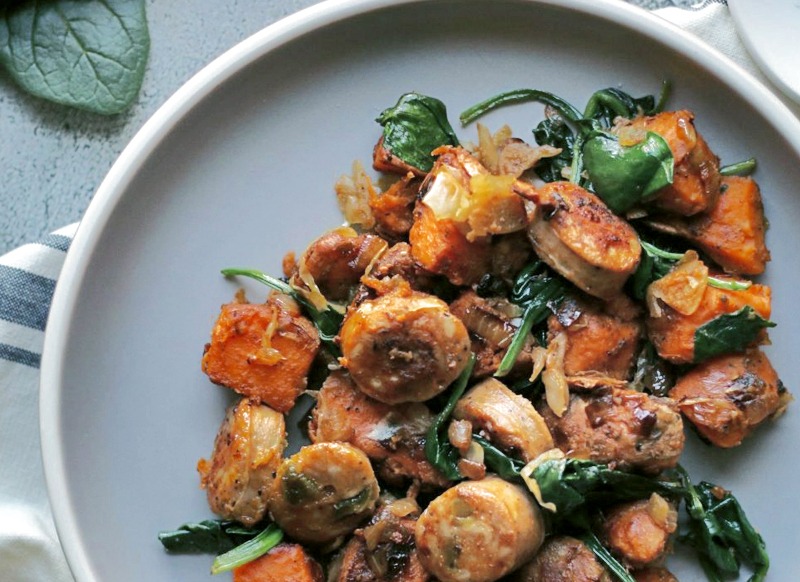
6. One-Pan Sweet Potato and Chicken Hash with Spinach — The breakfast or brunch you make on Saturday and reheat all week. Top with a fried egg for the "best meal of week two" award.
7. Turmeric-Spiced Sweet Potato Hash — A vegetarian-base hash you build out with eggs, leftover protein, or compliant sausage. The turmeric is the visual upgrade.
8. Creamy Avocado-Zucchini Noodle Bowl with Lemon-Dill Salmon — The hero "I miss pasta" dinner. The avocado-lemon sauce reads as a creamy carbonara stand-in without dairy.
9. Lime-Cilantro Shrimp & Cauliflower Bowl — The clean weeknight bowl that gets you out of the rut. Pile in any vegetables that need using up.
10. Avocado and Chive Egg Muffins — Bake a dozen on Sunday, reheat two per morning. The chive is doing more flavor work than you'd guess.
Cross-reference Serious Eats' Whole30 recipe collection for additional volume on weeks three and four when palate fatigue is real.
Whole30 shopping list, grouped by store aisle
This is one week of groceries for one adult eating the plan above. Multiply by household and double the proteins if you cook batches.
| Aisle | Items |
|---|---|
| Produce | 2 lb sweet potatoes, 1 lb red onions, 2 lb yellow onions, 1 head garlic, 3 lb zucchini, 2 lb bell peppers (mixed), 1 lb spinach, 1 head cabbage, 1 head cauliflower (or 2 bags riced), 6 lemons, 4 limes, 2 bunches cilantro, 1 bunch parsley, 6 avocados, 1 pint berries, 4 bananas, 2 apples |
| Meat & seafood | 2 lb boneless chicken thighs, 1 lb ground turkey, 2 lb chuck roast, 3 lb pork shoulder, 1 lb wild shrimp, 1 lb wild salmon, 1 lb compliant bacon, 1 dozen pasture eggs |
| Pantry | Extra-virgin olive oil, avocado oil, ghee, coconut milk (2 cans), coconut aminos, apple cider vinegar, Dijon mustard (sugar-free), kosher salt, black pepper, smoked paprika, cumin, chili powder, oregano, thyme, bay leaves, arrowroot |
| Beverage | Black coffee, herbal tea, sparkling water |
Budget on this list runs roughly $90–$120 per person per week in 2026 grocery prices; high-quality meat and seafood drive most of the cost. Cheaper cuts (chuck, shoulder, thighs, frozen wild shrimp) keep the total in range. Use AislePrompt's Shopping List feature to build the cart in two clicks and send the same list to Instacart.
Kitchen equipment that makes Whole30 easier
You can do Whole30 with one skillet and one knife, but five pieces of gear cut the time-and-friction cost roughly in half:
- 12-inch nonstick or stainless skillet — every hash, every stir-fry, every fajita lives here. Our cookware picks are at /k/cookware.
- 8-inch chef's knife — Whole30 is a chopping diet. A sharp 8-inch is the single biggest upgrade for anyone still using a hand-me-down 6-inch knife. See /k/knives for tested picks.
- 6-quart slow cooker or Instant Pot — turn pork shoulder and chuck into the easiest protein on the plan; covered in our small appliances guide.
- Half-sheet baking pan — roast a tray of vegetables and a tray of protein simultaneously; the foundation of meal-prep Sunday.
- Glass storage containers (8–10 of them) — leftover lunches are the only thing standing between you and a drive-through emergency. Buy more than you think you need.
A food processor is a nice-to-have rather than a must — it makes riced cauliflower-friendly cauliflower in 15 seconds and turns leftover meat into salad chicken in 20, but you can survive without it.
Common pitfalls and how to stay on plan
Sneaky sugar. The number-one cause of accidental "I failed Whole30" days is sugar in something you assumed was clean. Bacon, deli ham, salsa, broth, mayonnaise, salad dressing, and roasted nuts are the usual suspects. Read the label every single time, even on a brand you've bought before — formulations change without warning.
Pancake-shaped loopholes. If the recipe ends in something you would normally eat with maple syrup, it is not in the spirit of Whole30. Almond-flour pancakes, paleo waffles, banana "ice cream" with cashew swirl — all technically compliant on ingredients, all banned in the program guide because they keep your sweet-and-treat brain wiring intact. Skip them.
Eating-out roulette. Even "Whole30-friendly" restaurant meals frequently include butter, soy oil, hidden sugar in the marinade, or non-compliant fries fried in seed oils. Eat at home for the first two weeks while you build a feel for the rules. After day 14, a steakhouse with plain steak and a baked potato is the safest restaurant move on the planet.
Day 10–12 wall. Practically every Whole30 retro you'll read mentions the same low point: the second weekend, when novelty has worn off and reintroduction is still 18 days away. Plan a new recipe for that weekend, schedule a low-effort activity, and put the program guide back in front of you. The energy spike that arrives around day 16 is real.
Not enough fat. If you're hungry every 90 minutes, you're under-eating fat. Add half an avocado, a generous drizzle of olive oil, or a tablespoon of ghee to every plate and the constant hunger evaporates within a day.
Drinking your coffee black for the first time in 20 years. You will not enjoy this. After three days, you will not notice. After seven days, you will think your old coffee tasted like dessert. This is normal.
When NOT to do Whole30
Whole30 is not appropriate if you have a history of restrictive eating patterns; the rigid 30-day frame can reinforce unhelpful relationships with food. It is also a poor fit during pregnancy or breastfeeding without explicit clinical sign-off, since calorie and macronutrient needs are unusual. Endurance athletes mid-training-block frequently undershoot carbohydrate needs and tank performance, even on the relatively carb-friendly fruit-and-tubers version. Anyone managing a clinical condition (diabetes, thyroid, autoimmune) should clear the protocol with a physician before starting.
If any of those flags apply, the smarter move is a modified elimination diet built with a registered dietitian — the same diagnostic value without the rigid timer.
Real-world numbers: what to expect across 30 days
| Days | What most people report |
|---|---|
| 1–3 | Energy dip, mild headaches, sugar cravings peak |
| 4–7 | "Hangover" phase eases, sleep starts to improve |
| 8–14 | Energy stabilizes, decision fatigue around meals fades |
| 15–21 | Sleep + mood often improve noticeably; clothes fit differently |
| 22–30 | Steady state; reintroduction planning begins |
Weight loss across 30 days commonly lands in the 5–10 pound range, mostly from cut alcohol and refined carbs. The reintroduction phase (days 31–40) is where the real diagnostic value lives — adding back one category every three days, watching for energy, sleep, and digestion changes.
A 10-day reintroduction roadmap
The reintroduction phase is where Whole30 actually pays off — it's the data-collection week most people skip and then regret. The schedule below is the fast reintroduction; the slow reintroduction stretches each window from three days to seven for people who want clearer signal.
| Day | Add back | What to watch for |
|---|---|---|
| 31 | Legumes (peanut butter, hummus, soybean) | Bloating, gas, skin breakouts in the 24–48 hours after |
| 32–33 | Stay strict Whole30 | Baseline reset before the next category |
| 34 | Non-gluten grains (white rice, corn tortillas, oats) | Energy after the meal, sleep quality that night |
| 35–36 | Stay strict Whole30 | Reset |
| 37 | Dairy (a glass of milk, a wedge of brie, a yogurt) | Skin reactions, sinus changes, digestion the next day |
| 38–39 | Stay strict Whole30 | Reset |
| 40 | Gluten grains (a roll, a beer, a serving of pasta) | The big one — joint pain, energy crash, sleep, mood |
Keep a quick journal: how you feel two hours after the meal, how you slept, how you felt the next morning. Most people are surprised — gluten passes uneventfully for many, but dairy or legumes turn out to be the unexpected trigger. The whole point of the 30 days was to set up this experiment with a clean control group of one, you.
A note on alcohol after day 30
The Harvard Health review of the protocol singles out the no-alcohol rule as the one habit most participants find easiest to keep going after day 30 — a clear sleep and mood improvement that doesn't take effort to remember. If you reintroduce nothing else, leaving alcohol out for an extra two weeks past day 30 is the highest-ROI extension of the experiment. You can always reintroduce it on day 45. Most people don't.
Related guides on AislePrompt
- Meal Plan — week-by-week dinner plans, sortable by diet
- Shopping List — auto-builds a grocery list from any saved recipe set, including this plan
- Pantry — track what's already in your kitchen so the shopping list only shows what you actually need
Frequently asked questions
What can I eat on Whole30?
Will I lose weight on Whole30?
Is Whole30 the same as paleo or keto?
What kitchen equipment do I need for Whole30?
How do I shop for 30 days of Whole30 meals?
Sources
A compliant week, in one cart.
Ask our AI to plan your Whole30 week — seven dinners, one consolidated shopping list, no label roulette.
Plan my Whole30 week →