Gluten-Free Eating Made Simple: Recipe Collection + 5-Day Plan
Who actually needs to skip gluten, what to eat instead, and a five-day plan built from naturally-gluten-free recipes already in your kitchen.
A gluten-free diet means cutting wheat, barley, rye, and most oats — and watching for the dozens of places those grains hide in packaged foods, sauces, and restaurant kitchens. If you have celiac disease the trade-off is strict and permanent: the FDA's "gluten-free" label means under 20 parts per million, and a single crumb of bread can flare symptoms for weeks. For non-celiac gluten sensitivity the rules are looser. For everyone else, going gluten-free is a lifestyle choice, not a medical one — and if you do it by swapping wheat cookies for gluten-free cookies, you'll usually feel worse, not better. This guide walks you through who actually needs to skip gluten, what to eat instead, a 5-day plan built around recipes already on AislePrompt, and the kitchen setup that keeps cross-contamination out of your food.
Introduction: who needs gluten-free (and who doesn't)
About 1 in 100 Americans has celiac disease, an autoimmune condition where any amount of gluten triggers small-intestine damage. Another 5–6% of adults report non-celiac gluten sensitivity — real symptoms (bloating, brain fog, joint pain) without the autoimmune marker. A small number have wheat allergy, an entirely different immune response. Everyone else can eat gluten safely; the popular "gluten causes inflammation in everyone" claim is not supported by the National Institute of Diabetes and Digestive and Kidney Diseases.
The reason this matters for cooking is that the three groups have wildly different tolerances. Celiac means zero gluten, ever, including shared toasters and fryer oil. Sensitivity usually means avoiding obvious wheat products is enough; trace amounts in soy sauce won't cause a flare. A wheat allergy means avoiding wheat specifically — barley and rye are fine.
If you suspect celiac, get tested before you eliminate gluten. Once you stop eating it the blood test stops working, and you'll need to do a brutal six-week "gluten challenge" to get a real diagnosis. The Celiac Disease Foundation has a free symptoms checklist that's a reasonable first stop before scheduling a screening.
This article assumes you've already decided to eat gluten-free. We're not here to talk you in or out of it — we're here to make the cooking part easier.
Celiac vs. sensitivity vs. wheat allergy
These three conditions get mashed together in casual conversation, but they have nothing in common biologically. Mixing them up leads to either over-restricting (celiac-strict when you don't need to be) or under-restricting (treating celiac like a sensitivity and ending up in the hospital).
| Condition | Mechanism | Diagnosis | Strictness needed |
|---|---|---|---|
| Celiac disease | Autoimmune — gluten triggers villous atrophy in small intestine | Blood test (tTG-IgA) + endoscopy with biopsy | Absolute. <20 ppm. Shared fryers, toasters, and prep surfaces are off-limits. |
| Non-celiac gluten sensitivity (NCGS) | Inflammatory, not autoimmune; mechanism still debated | Diagnosis of exclusion after ruling out celiac + wheat allergy | Moderate. Avoid obvious wheat products. Trace amounts usually fine. |
| Wheat allergy | IgE-mediated; same family as peanut/shellfish allergies | Skin-prick test or RAST blood test | Wheat-specific. Barley, rye, and oats are usually fine. Anaphylaxis risk. |
Getting the diagnosis right matters financially too. Celiac flour, certified-GF oats, and dedicated facilities cost 3–5× more than mainstream alternatives. If you have NCGS and you're spending $14/loaf on certified-GF bread, you can almost certainly drop to $6/loaf store-brand GF bread without symptoms — the certification protects against trace cross-contamination, which sensitivity sufferers don't need.
Mayo Clinic has a good overview of all three conditions and how the testing works: Celiac disease — symptoms and causes.
Naturally gluten-free foods (a complete list)
Most of what you'd cook on a normal weeknight is already gluten-free. The cheapest way to eat GF is to lean into whole foods rather than chasing GF versions of wheat products.
Naturally GF whole foods — eat these without checking labels:
- All fresh meat, poultry, fish, and seafood (unprocessed, no marinade)
- Eggs
- Dairy — milk, plain yogurt, butter, hard cheeses. Watch flavored yogurts.
- All fresh fruits and vegetables
- Legumes — dried beans, lentils, chickpeas, peas
- Naturally GF grains — rice (all varieties), corn, quinoa, buckwheat (despite the name — it's not wheat), millet, sorghum, teff, amaranth, certified-GF oats
- Most nuts and seeds — almonds, cashews, walnuts, pecans, sunflower seeds, pumpkin seeds, chia, flax
- Oils, vinegars, and most spirits — distilled vodka, gin, rum, tequila, wine
- Plain coffee, tea, juice, water
Where it gets complicated:
- Oats — naturally GF but almost always cross-contaminated in regular processing. Look for "certified gluten-free oats."
- Soy sauce — almost always contains wheat. Tamari is the GF version.
- Spice blends — check labels; some use wheat as anti-caking.
- Dairy substitutes — most are GF, but some non-dairy "yogurts" use wheat-based thickeners.
The practical test: if you bought it as a single ingredient and it doesn't have a label, it's probably GF. If it has a label with more than five ingredients, you have to read every one.
Hidden sources of gluten (sauces, broths, oats, restaurants)
This is where most GF newcomers get tripped up. The wheat in your dinner is rarely in the bread basket — it's in the sauce, the marinade, or the "natural flavor" line on the soup carton.
Top hidden gluten sources:
1. Soy sauce, teriyaki, oyster sauce — wheat is usually the first or second ingredient. Use tamari, coconut aminos, or certified-GF soy sauce.
2. Store-bought broths and stocks — many use "natural flavors" containing wheat. Look for explicit "gluten-free" labeling, or make your own.
3. Salad dressings — vinaigrettes are usually safe; creamy dressings often use wheat-flour thickeners.
4. Seasoning packets — taco seasoning, ranch dip mix, gravy mixes routinely contain wheat flour as filler.
5. Imitation seafood — surimi (fake crab) uses wheat starch.
6. Beer and malt beverages — virtually all contain barley. Some "gluten-removed" beers exist but aren't safe for celiac.
7. Restaurant fries — frequently cross-contaminated with breaded items in the fryer.
8. Communion wafers, some medications — wheat is a common binder.
9. Marinades and breading — obvious but worth stating: soy-marinated meat, breaded chicken, anything with "tempura" or "battered."
10. Oats — assume they're contaminated unless the package says "certified gluten-free."
Restaurant tactics that actually work:
- Call ahead, not at the door. Kitchens are calmer mid-afternoon.
- Ask for a "celiac" preparation, not "gluten-free" — celiac protocol means a separate prep surface, not just "no bread."
- Avoid shared fryers entirely. Even seasoned fries are usually fried in the same oil as breaded items.
- Skip the salad bar — cross-contamination from croutons is constant.
- Pizza places that advertise GF crust usually share toppings and prep boards with regular pizzas. Safe only if they have a dedicated GF station.
Top 10 gluten-free recipes from the catalog
These ten recipes from AislePrompt cover breakfast, lunch, dinner, and dessert without using wheat, barley, or rye anywhere. Every one is either naturally GF or built specifically for a celiac-safe kitchen.
1. Gluten-Free Almond Flour Pancakes with Blueberry Compote — Breakfast staple. Almond flour gives a denser, more filling pancake than wheat — you'll eat two where you'd eat four.
2. Mediterranean Quinoa and Lentil Stuffed Bell Peppers with Tahini Drizzle — Quinoa is a complete protein and naturally GF. This dish is also dairy-free and works as a freezer meal.
3. Gluten-Free Asian Fried Chicken with Chili-Lime Dipping Sauce — Rice-flour breading crisps better than wheat. Use tamari instead of soy in the marinade.
4. Fudgy Gluten-Free Brownie Cookies with Shiny Crinkled Tops — Almond and tapioca flour blend. Indistinguishable from wheat-flour brownie cookies.
5. Zucchini Crust Vegetable Pizza with Tomato Basil Sauce — The shredded-zucchini base is fully GF and gets you to lunch in 35 minutes. 4.70-star rated across 93 reviews on AislePrompt.
6. The Best Lemon-Garlic Shrimp with Zucchini Noodles — Zoodles replace pasta with no thickening or starch needed. 20-minute weeknight dinner.
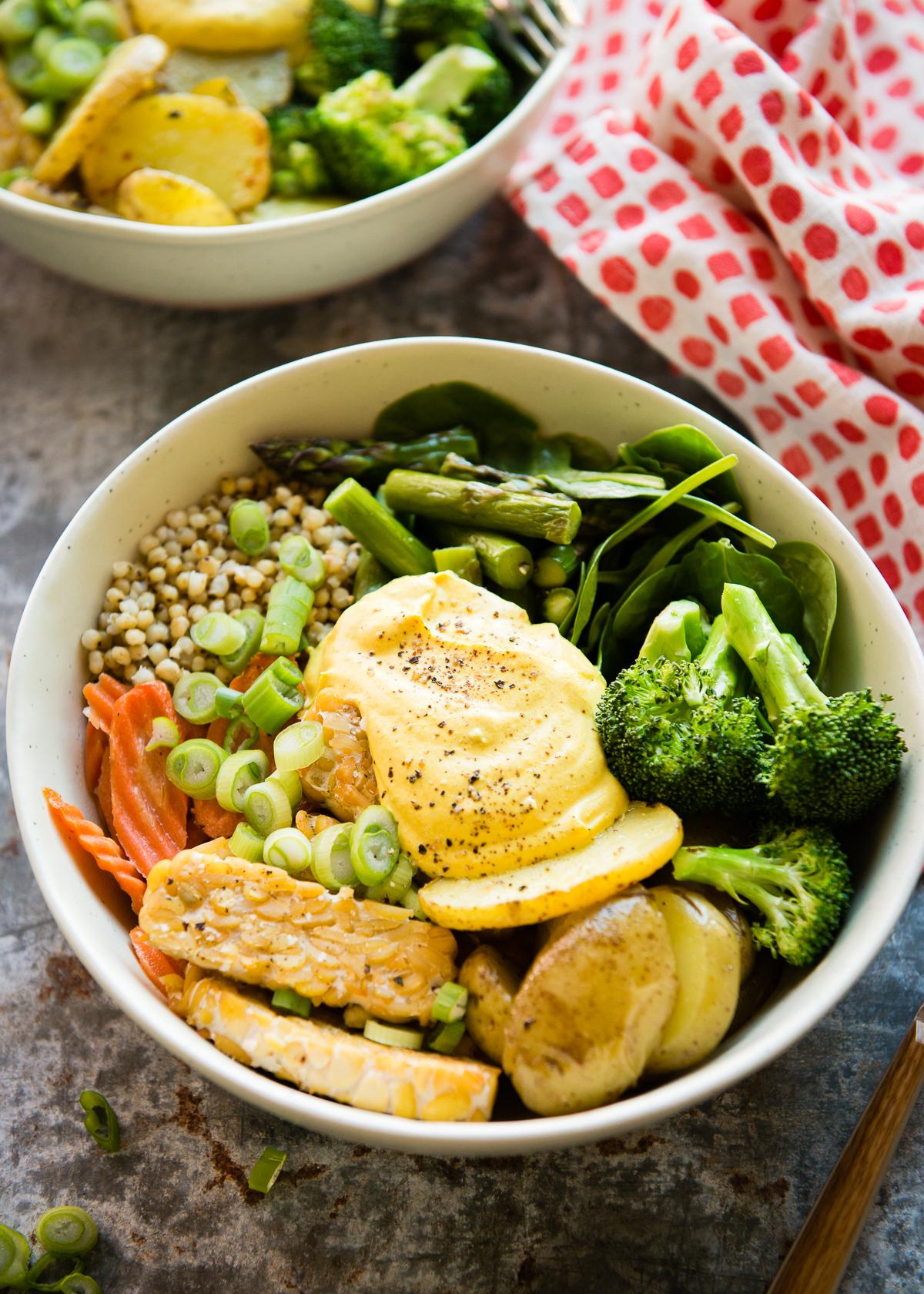
7. Steamed Vegetable Buddha Bowl with Turmeric-Ginger Dressing — Quinoa base, rotating vegetables, single-pot. The dressing uses coconut aminos in place of soy.
8. Cumin and Paprika Turkey Meatballs with Zucchini Noodles — No breadcrumbs needed; the egg + spice + zucchini-noodle plate is GF without trying.
9. Buttery Herb Polenta with Roasted Mushrooms — Cornmeal polenta is a great GF replacement for risotto or pasta. Mushrooms add the umami depth wheat-based dishes use sauce for.
10. Authentic Heritage Chocolate Flourless Cake — Eggs, sugar, chocolate, butter. No flour, no flour substitute — just dense chocolate, the way pastry-school programs teach it.
5-Day sample gluten-free meal plan
Below is a balanced 5-day plan built from the recipes above plus pantry staples. Total grocery cost runs $90–110 for two people, depending on whether you spring for certified-GF oats or rely on naturally GF grains like quinoa and rice. As of 2026, certified-GF oats are about $7/lb at most grocers — significantly more than the $1.20/lb you'd pay for regular oats.
| Day | Breakfast | Lunch | Dinner | Dessert / Snack |
|---|---|---|---|---|
| Monday | Almond flour pancakes + berries | Zucchini-crust vegetable pizza (leftover slice) | Lemon-garlic shrimp + zoodles | Greek yogurt + honey |
| Tuesday | Greek yogurt parfait with certified GF granola | Quinoa-lentil stuffed peppers (leftovers) | Turkey meatballs + zoodles | Flourless chocolate cake (slice) |
| Wednesday | Scrambled eggs + GF toast + avocado | Buddha bowl with turmeric-ginger dressing | GF Asian fried chicken + steamed bok choy | GF brownie cookies (2) |
| Thursday | Almond flour pancakes (reheat from Monday batch) | Stuffed pepper (last from Tuesday) | Buttery polenta + roasted mushrooms + green salad | Fresh fruit + cottage cheese |
| Friday | Smoothie: banana + spinach + almond milk + chia | Leftover polenta + a fried egg | Flourless chocolate cake + simple roast chicken | Tea + GF brownie cookies |
Prep notes:
- Sunday: bake one batch of pancakes (Mon + Thu), one batch of stuffed peppers (Tue + Thu lunch), one batch of brownie cookies (snacks all week).
- Wednesday afternoon: cook the polenta in advance, refrigerate, then crisp on a hot skillet Thursday.
- Friday is intentionally the lightest cooking day — most of the week's heavy prep is behind you.
If you're cooking for one, halve the recipes and freeze portions individually. Quinoa-lentil stuffed peppers freeze and reheat exceptionally well; pancakes freeze flat, reheat in a toaster.
Gluten-free pantry: what to keep stocked
A well-stocked GF pantry is the difference between "I have nothing to eat" and "I can throw something together in 20 minutes." Build the list out over four to six weeks rather than all at once — GF flours in particular go rancid within 3–6 months of opening, so don't over-buy.
Tier 1 — start here (week 1):
- Rice (long-grain white, brown, or basmati)
- Quinoa
- Certified-GF rolled oats
- Tamari or coconut aminos
- Canned tomatoes (whole peeled + diced)
- Canned beans (black, chickpea, white)
- Olive oil + neutral oil (avocado or sunflower)
- Salt, black pepper, garlic powder, paprika, cumin, oregano, chili flakes
Tier 2 — add in week 2–3:
- Almond flour
- Tapioca starch (or arrowroot)
- Rice flour
- GF baking powder (most are GF, but verify)
- Xanthan gum
- Apple cider vinegar
- Honey + maple syrup
- Eggs (always on hand)
- Greek yogurt (full-fat for cooking, low-fat for snacks)
Tier 3 — for serious baking and meal prep (week 4+):
- Certified GF all-purpose flour blend (Bob's Red Mill 1-to-1, King Arthur Measure for Measure)
- Coconut flour (use sparingly — absorbs 4× more liquid than wheat flour)
- Buckwheat flour
- Dried mushrooms (umami depth without sauce thickeners)
- Nutritional yeast (cheesy flavor without wheat-based hidden gluten)
- Frozen riced cauliflower and zucchini noodles (your weeknight insurance)
Equipment to invest in:
- A second toaster, or silicone toaster bags ($10), if you share a kitchen with wheat-eaters
- A dedicated GF flour scoop and storage jar (cross-contamination via shared scoops is the most common kitchen mistake)
- A nut-milk bag or fine sieve (for straining homemade nut milks, which are cheaper than store-bought)
The total Tier 1+2 outlay is about $80–110 depending on your local prices. You can run a full GF kitchen on Tier 1+2 alone; Tier 3 only matters if you're baking weekly.
Cross-contamination at home: practical setup
This section matters if anyone in your household has celiac disease. For non-celiac sensitivity, follow the rules at half intensity — you don't need a dedicated cutting board, but you do need to wash counters after handling wheat flour.
Kitchen geometry:
- Toaster — get a second one for GF only, or buy reusable silicone toaster bags. Crumbs in a shared toaster are the #1 source of accidental glutening.
- Cutting boards — color-code them. Red = celiac/GF, blue = mixed. Wood is fine if dedicated; if shared, switch to plastic boards you can run through the dishwasher.
- Sponges and dish towels — keep a dedicated set for GF dishes. Sponges hold crumbs and transfer them to "clean" plates.
- Butter, jam, peanut butter — never share these jars. Once a knife with bread crumbs goes back in, the jar is contaminated. Use squeeze bottles or dedicated jars labeled "GF only."
- Flour storage — keep GF flour on a top shelf, regular flour (if any) on a bottom shelf. Airborne wheat flour settles for 4–6 hours after a baking session.
- Counters — wipe with a damp cloth after any wheat-flour prep. Soap and water on a separate cloth that doesn't get reused on bread crumbs.
Cooking order on busy nights:
If you can't avoid cooking both GF and gluten-containing meals, cook GF first. Use clean pans, clean utensils, clean cutting boards for the GF meal, then switch over. This is how restaurants with dedicated GF kitchens stay safe.
The FDA standard explained:
The "gluten-free" label means under 20 parts per million of gluten in the finished food. For a celiac person, that translates to roughly 1/8 of a teaspoon of regular flour spread across a full day of meals — anything more triggers symptoms. The threshold is low enough that visible crumbs are unsafe, but trace airborne flour generally isn't a problem once it's settled and you've wiped surfaces.
Eating out at someone else's house:
Bring your own food when you can. Phrase it as "I'll bring a side, that way it's one less thing for you to make" — most hosts will be relieved. When you can't, eat before you go and snack lightly at the event. Trying to navigate someone else's kitchen the first time you meet them is a recipe for accidental cross-contamination.
Related guides
The fastest way to lock in a GF-friendly weeknight rhythm is to combine this guide with our planning and shopping tools:
- Meal Plan — auto-build a week of meals filtered to gluten-free, then push the grocery list to Instacart.
- Shopping List — a running list that survives between weeks; pin your Tier 1 + Tier 2 pantry items here so they re-add automatically.
- Pantry — track what you have on hand so AislePrompt's AI cook suggests recipes that minimize trips to the store.
- Family — share GF recipes and grocery lists with anyone you cook with, so cross-contamination rules stay consistent across the household.
For a deeper authority overview, the Celiac Disease Foundation's getting-started page, the Mayo Clinic's symptom and diagnosis breakdown, and the NIDDK's clinical reference are the three sources most allergists point celiac patients to. Read those once; bookmark them; come back here when you need to cook.
Frequently asked questions
What foods are naturally gluten-free?
Will going gluten-free help me lose weight?
How do I avoid cross-contamination at home?
Celiac, gluten intolerance, wheat allergy — what's the difference?
Can I eat out gluten-free safely?
Sources
Recipes to start your week with
Save any of these to My Recipes — no account needed — and send the ingredients to Instacart in one tap.