High-Protein Meal Prep: 5-Day Plan with 40g+ Per Meal
A 5-day, 130g-daily protein plan with a 2-hour Sunday cook and about $66/week at June 2026 grocery prices.
Affiliate disclosure: AislePrompt may earn a commission on qualifying purchases made through Amazon and Instacart links in this article, at no additional cost to you. See our affiliate policy →
High-protein meal prep means hitting 40g of protein per meal across breakfast, lunch, and dinner, five days a week — about 120-130g daily for a 160-pound active adult. This guide gives you a 5-day plan, a 2-hour Sunday cook timeline, 10 recipes from the AislePrompt catalog, full macros, and cost-per-portion math so you know what you're getting before you shop.
What you'll use with it
This plan pulls chicken at 155°F and lets it coast to 160°F, because 170°F is sawdust. The thermometer guide has five instant-reads under $100 and safe temps by protein. Read the instant-read thermometer guide →
Instant-read thermometer guide’s top pick: ThermoMaven Professional Digital Meat Thermometer $19.99 at Amazon, Check price on Amazon →Instant-read thermometer guide’s Best Value pick: Alpha Grillers Digital Instant Read $14.97 at Amazon, Check price on Amazon →Instant-read thermometer guide’s Best for Beginners pick: TempPro TP19 Waterproof Thermocouple $27.99 at Amazon, Check price on Amazon →This plan packs every meal on Sunday and calls glass containers with locking lids its biggest leverage point. The containers guide compares five sets on leakproof seals, microwave and dishwasher durability. Read the meal prep containers guide →
Meal prep containers guide’s top pick: Prep Naturals Glass Containers $39.99 at Amazon, Check price on Amazon →
If you've ever tried to "eat more protein" without a plan, you know how it ends: a freezer full of chicken breast, the same sad bowl on Thursday, and a Friday takeout meal that erases the whole week. The fix isn't motivation — it's a system. The 5-day plan below rotates two anchor proteins (chicken and one of tofu or lean beef) through five different sauces and bases so you never eat the same meal twice. Every entry lists protein grams, prep time, and cost. These are June 2026 estimates: protein is per meal as served, add-ins included, and costs are typical US grocery prices as of June 26, 2026. The October 2026 update revised the protein-science section below; it did not re-price or re-measure the plan.
Why 40g per meal is the right target
Most "high-protein" advice fixates on a daily number — 100g, 150g, 180g — and ignores how it's distributed. That's a mistake. Muscle protein synthesis (MPS) responds to the protein in each meal, not just the daily total. The International Society of Sports Nutrition position stand on protein and exercise (Jäger et al., Journal of the International Society of Sports Nutrition, 2017) puts the per-meal dose that maximizes that response at about 0.25g per kilogram of body weight, or an absolute 20-40g of high-quality protein carrying roughly 0.7-3g of leucine, with meals spaced every 3-4 hours across the day. Research suggests roughly 20-40g per meal maximizes the response for most adults; larger doses may extend it rather than hitting a hard ceiling. Older adults may need the top of that range, around 0.4g per kilogram, to get the same response.
That means a 100g daily intake spread across three 33g meals beats the same 100g loaded into one 60g dinner and two 20g snacks. The math:
- Three 40g meals = three meals at the top of the ISSN range = 120g daily total (the plan below lands at 123-128g with sides)
- Two 60g meals + one 0g snack = two strong responses, less extra benefit per gram past 40g, plus a skipped meal window
- Six 20g snacks = six responses at the bottom of the range, where older adults in particular may get a weaker signal
For a 160-pound adult training 3-5 days a week, the Academy of Nutrition and Dietetics recommends 0.7-1.0 grams per pound of body weight per day — 112-160g at 160 pounds, and this plan's 123-128g daily totals sit inside that range. Older adults (50+) push toward the high end because anabolic resistance climbs with age; cutting phases add 10-15g/day to preserve muscle while in a caloric deficit.
The 40g-per-meal target is also pragmatic. It's the line where chicken-breast-and-rice cooks become real plates of food rather than supplement-flavored protein-paste. Cross it three times a day and you stop thinking about protein.
Best high-protein ingredients (with grams per serving)
Variety matters more than total grams because the second-week dropout rate on any meal-prep plan tracks straight to flavor fatigue. Rotate at least four of these every week.
| Ingredient | Serving | Protein (g) | Cost per serving | Best for |
|---|---|---|---|---|
| Chicken breast, cooked | 4 oz | 31 | $1.20 | bowls, wraps, salads |
| Chicken thigh, boneless skinless, cooked | 4 oz | 25 | $0.90 | curries, braises, sheet-pan |
| Lean ground turkey (93/7), cooked | 4 oz | 24 | $1.30 | meatballs, chili, tacos |
| Lean ground beef (90/10), cooked | 4 oz | 25 | $1.80 | stir-fries, bowls, burgers |
| Atlantic salmon, cooked | 4 oz | 23 | $3.50 | sheet-pan, salads, pasta |
| Tuna, pouch | 2.6 oz (1 pouch) | 17 | $1.50 | quick lunches, salads |
| Tofu, super-firm | 4 oz | 20 | $0.80 | stir-fries, scrambles, bowls |
| Tofu, firm | 4 oz | 10 | $0.50 | curries, soups, marinades |
| Tempeh | 4 oz | 20 | $1.40 | tacos, stir-fries, sandwiches |
| Greek yogurt, plain nonfat | 1 cup | 17 | $0.90 | breakfasts, dips, marinades |
| Cottage cheese, 2% | 1 cup | 24 | $1.10 | breakfasts, snacks, scrambles |
| Eggs, large | 1 egg | 6 | $0.35 | breakfasts, bowls, snacks |
| Lentils, cooked | 1 cup | 18 | $0.40 | soups, curries, salads |
| Black beans, cooked | 1 cup | 15 | $0.45 | tacos, bowls, soups |
| Edamame, shelled | 1 cup | 17 | $0.70 | side dishes, salads |
A few rules from running this plan repeatedly: pair an "anchor" protein (chicken, beef, tofu) at 25g+ with a "stacker" (eggs, Greek yogurt, lentils, beans) at 10-20g, and you hit 40g cleanly. Treat ingredients on the back half of that table (lentils, eggs, beans) as protein stackers — they shouldn't carry a meal alone but they reliably push a 25g chicken bowl past 40g.
Skip the obvious traps: deli turkey (5g per slice, drowning in sodium and the slow-cured grade is hit or miss), "high-protein bread" (8g per slice, but you'd need three), and most protein bars (great for emergencies, awful as a meal). Protein powder is fine as a 25-30g stacker into oatmeal, pancakes, or yogurt — just don't try to live on shakes alone (see the FAQ below for the satiety math).
The 5-day plan: 3 meals per day, 120g+ daily protein
Five days of meals you can build for $50-$80 per person. Every meal hits 40g of protein or above. Recipe links open the full step-by-step with ingredients and timing.
Monday
- Breakfast (45g): No-Bake Peanut Butter Banana Overnight Oats with a scoop of vanilla protein powder stirred in and 1 cup of plain nonfat Greek yogurt as the base instead of milk. Overnight in a jar Sunday night, eat cold Monday morning.
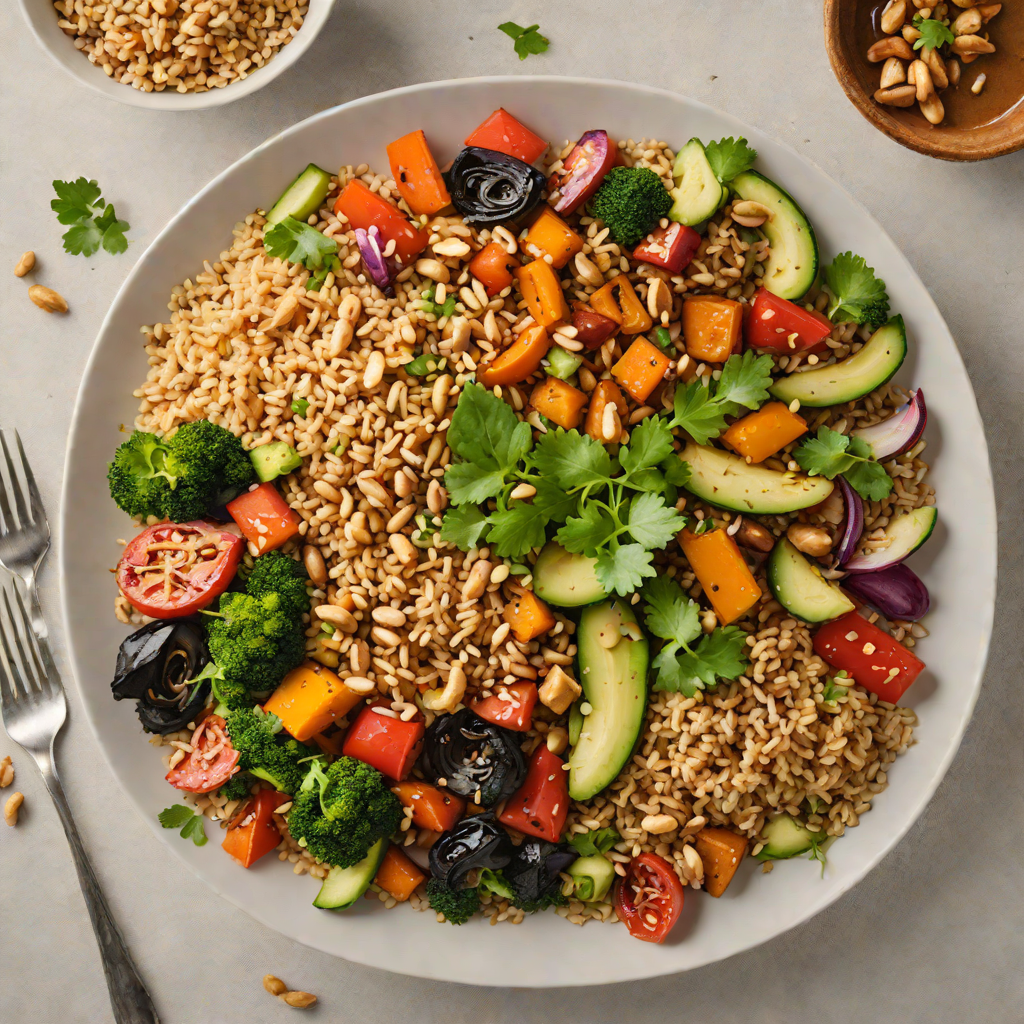
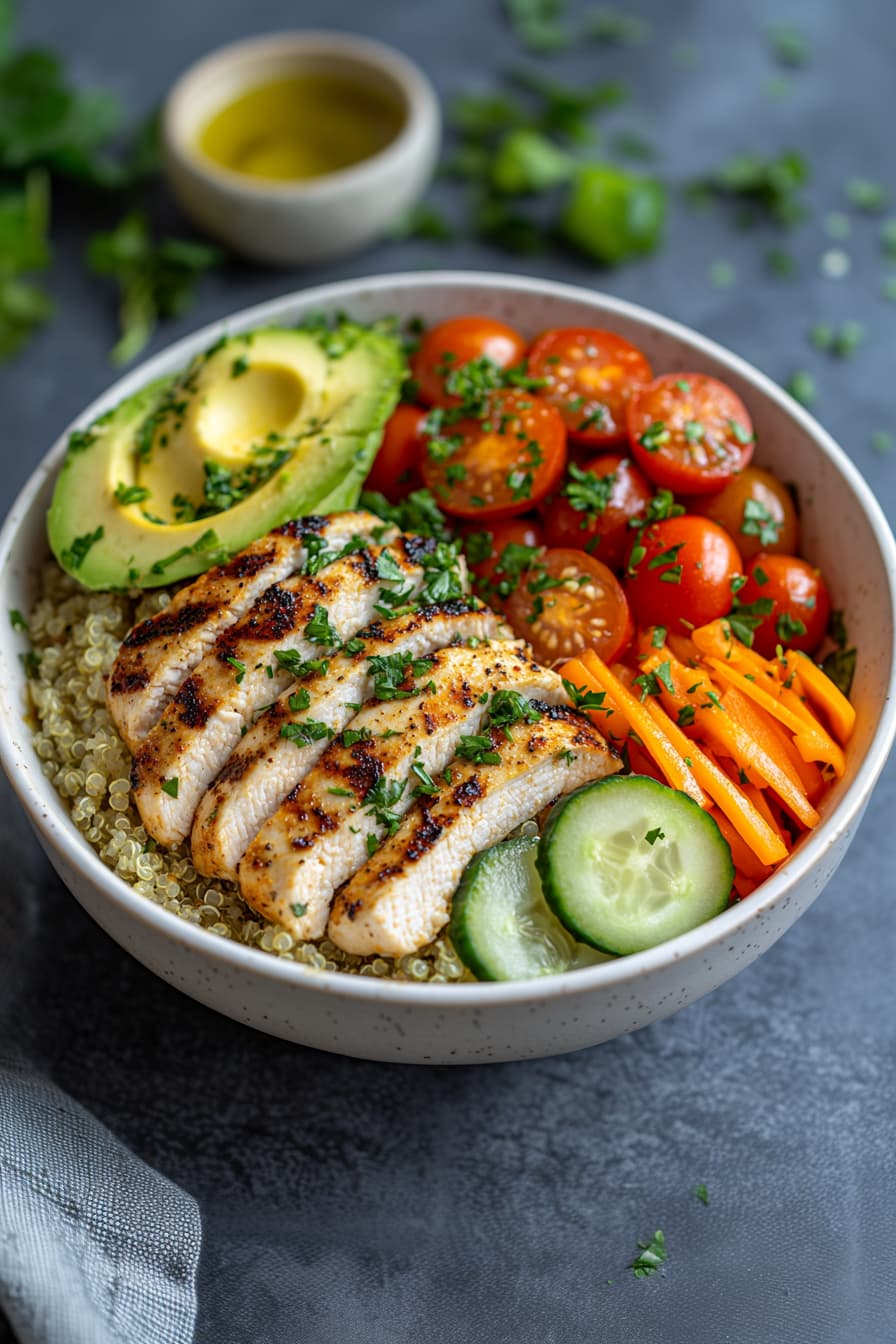
- Lunch (42g): High-Protein Chicken and Quinoa Bowl with grilled lemon-herb chicken, quinoa, roasted broccoli, avocado, and a lemon-tahini drizzle. The bowl batches well; portion four for Monday-Thursday lunches.
- Dinner (44g): Sautéed Lemon-Dill Salmon with Asparagus plus a half-cup of cooked lentils on the side. Cook the salmon fresh Monday night for the best texture; lentils were batched on Sunday.
Tuesday
- Breakfast (40g): Cottage Cheese and Avocado Breakfast Toast on two slices of sprouted-grain bread with two soft-boiled eggs on top. The cottage cheese drives the protein here, and the avocado keeps you full until lunch.
- Lunch (42g): Repeat the chicken-quinoa bowl from Monday but swap the lemon-tahini drizzle for a smoky chipotle-yogurt sauce. Same prep, completely different meal — this is the rotation principle that keeps the week eatable.
- Dinner (45g): Beef and Broccoli Stir-Fry over a half-cup of jasmine rice with a fried egg on top. The beef is the anchor; the egg is the stacker that lifts the meal from 35g to 45g without adding cost.
Wednesday
- Breakfast (42g): Sheet Pan High Protein Pancakes with Mixed Berries — Sunday-batched, reheated in the toaster oven. Two pancakes plus 1 cup of Greek yogurt and a drizzle of peanut butter.
- Lunch (40g): Chicken-quinoa bowl, version 3 — this time as a wrap. Pile the chicken, quinoa, and roasted broccoli onto a large whole-grain tortilla with a buffalo-yogurt sauce. The wrap format alone reads as a different meal even though the components are identical.
- Dinner (44g): High-Protein Spicy Tofu Stir Fry with Broccoli and Bell Peppers over a half-cup of brown rice. Super-firm tofu (20g per 4oz) carries the meal; a sprinkle of sesame seeds and edamame brings it to 44g.
Thursday
- Breakfast (40g): Repeat Monday's overnight oats with a chocolate-protein swap — chocolate protein powder, a tablespoon of cocoa, and a splash of cold-brew coffee. Different drink, different flavor, same prep.
- Lunch (40g): Chicken-quinoa bowl, final version — over baby spinach with grape tomatoes, kalamata olives, feta, and a Greek-style lemon-oregano dressing. The Mediterranean angle finishes the chicken rotation without a hint of fatigue.
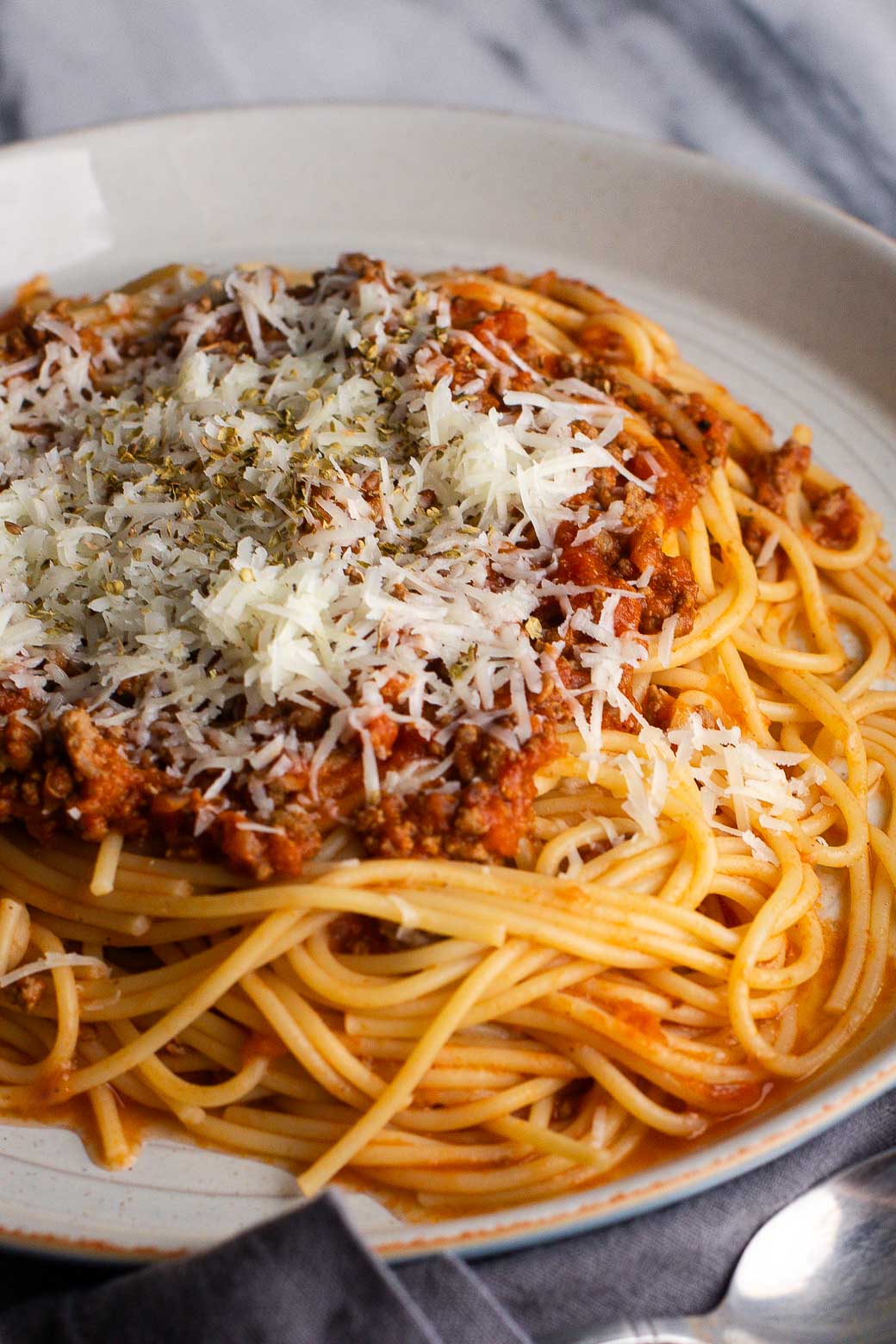
- Dinner (43g): Soft Turkey Meatballs in Mild Tomato Sauce over half a cup of whole-wheat penne. Six meatballs plus a sprinkle of parmesan brings the meal to 43g.
Friday
- Breakfast (41g): Three-egg scramble with 4 oz of super-firm tofu crumbled in, sautéed spinach, and a half-cup of black beans on the side. Cook fresh Friday morning — it takes 8 minutes and breaks the week's rhythm of cold-batched breakfasts.
- Lunch (42g): Core-Boosting Quinoa Power Bowl with a 4 oz tuna pouch stirred in and a soft-boiled egg on top. The quinoa-bean base is meal-prepped; tuna and egg add fast.
- Dinner (45g): Chicken and Lentil Soup with Spinach — the highest-protein soup in the catalog at 28g per cup from the chicken alone, plus another 15g from the lentils. End the week with a one-pot warm meal that takes 12 minutes to reheat.
Daily totals: 127g (Mon), 127g (Tue), 126g (Wed), 123g (Thu), 128g (Fri) — every day above the 0.7g/lb floor for a 160-lb adult, every meal at 40g+.
Sunday cook timeline (2 hours active)
The plan above lives or dies on what you batch Sunday afternoon. Hit this timeline and Monday-Friday becomes a reheat-and-assemble exercise that takes under 8 minutes per meal.
| Time | Task | Active or passive? |
|---|---|---|
| 0:00 | Preheat oven to 425°F. Set Instant Pot on the counter. | Active (2 min) |
| 0:02 | Rinse 2 cups of quinoa; combine with 4 cups of water and a teaspoon of salt in a saucepan. Bring to a boil. | Active (3 min) |
| 0:05 | Salt and oil 2 lb of chicken breast. Lay on a sheet pan. Toss 2 lb of broccoli florets with olive oil, salt, garlic powder on a second sheet pan. Both pans into the oven. | Active (7 min) |
| 0:12 | Quinoa hits the boil. Cover, reduce to low, set timer for 15 min. | Active (1 min) |
| 0:13 | Rinse 1 cup of green lentils and combine in the Instant Pot with 3 cups of water, a bay leaf, and salt. Set to manual high pressure, 9 min, with a natural release. | Active (3 min) |
| 0:16 | Pull out the meal-prep storage containers. Wash and chop 2 large heads of romaine, 2 pints of cherry tomatoes, 1 large cucumber. | Active (12 min) |
| 0:28 | Quinoa done. Fluff and spread on a sheet pan to cool. | Active (2 min) |
| 0:30 | Make the sheet-pan high-protein pancakes batter in a blender. Pour onto a parchment-lined sheet pan. | Active (5 min) |
| 0:35 | Pull chicken (160°F internal) and broccoli from the oven. Bring oven to 400°F for the pancakes. | Active (2 min) |
| 0:37 | Pancakes into the oven, 18 min. Slice the chicken into 4 oz portions. | Active (8 min) |
| 0:45 | Make the turkey meatballs — 18 meatballs at 1.5 oz each. | Active (15 min) |
| 1:00 | Lentils released and ready. Drain, spread on a sheet pan to cool. | Active (2 min) |
| 1:02 | Build four overnight-oats jars: oats, protein powder, Greek yogurt, peanut butter, banana, milk to top. Lids on, fridge. | Active (10 min) |
| 1:12 | Sear the meatballs in a wide skillet 3 min per side. Cover with tomato sauce, simmer 10 min. | Active (10 min) |
| 1:22 | Build four chicken-quinoa-broccoli bowls. Lids on, fridge. | Active (8 min) |
| 1:30 | Make the chipotle-yogurt sauce, the buffalo-yogurt sauce, and the lemon-tahini drizzle. Three jars, fridge. | Active (12 min) |
| 1:42 | Wipe down counters, load the dishwasher, fold up the meal-prep storage containers you didn't use. | Active (8 min) |
| 1:50 | Cool the pancakes, slice into 8 squares, stack in a container with parchment between layers. | Active (5 min) |
| 1:55 | Done. Lentils into a container, meatballs into a container, fridge everything. | Active (5 min) |
Two hours active, plus ~30 minutes of passive oven time you can use to clean. A solid set of storage containers is the single biggest leverage point — glass with locking silicone lids resists staining, microwaves cleanly, and survives the dishwasher cycle that pulls plastic out of true after 6 months.
10 curated high-protein recipes from the catalog
Every recipe here has a vision-verified photo. The protein figures are this plan's June 2026 per-meal estimates, add-ins included, so they can run higher than the per-serving number on the recipe page. Use these as the rotating anchors when you want to swap a meal in the plan above for variety.
1. High-Protein Chicken and Quinoa Bowl — 42g protein, 35 min, the canonical meal-prep bowl. Bake-and-batch friendly.
2. High-Protein Spicy Tofu Stir Fry with Broccoli and Bell Peppers — 38g protein, 25 min, plant-based anchor. Super-firm tofu is the trick.
3. Beef and Broccoli Stir-Fry — 40g protein, 30 min, the takeout swap that beats delivery on cost and macros.
4. Sautéed Lemon-Dill Salmon with Asparagus — 41g protein, 22 min, the omega-3 anchor. Sear-fresh Monday or Thursday.
5. Sheet Pan High Protein Pancakes with Mixed Berries — 35g protein for 2 pancakes, 30 min total, batches 8 servings on one sheet.
6. Cottage Cheese and Avocado Breakfast Toast — 38g protein, 6 min, the fastest 40g breakfast in the catalog when you stack it with eggs.
7. No-Bake Peanut Butter Banana Overnight Oats — 28g protein base, add a scoop of protein powder to push it to 45g. Five-minute prep the night before.
8. Soft Turkey Meatballs in Mild Tomato Sauce — 36g protein for 6 meatballs, 40 min total, freezes brilliantly.
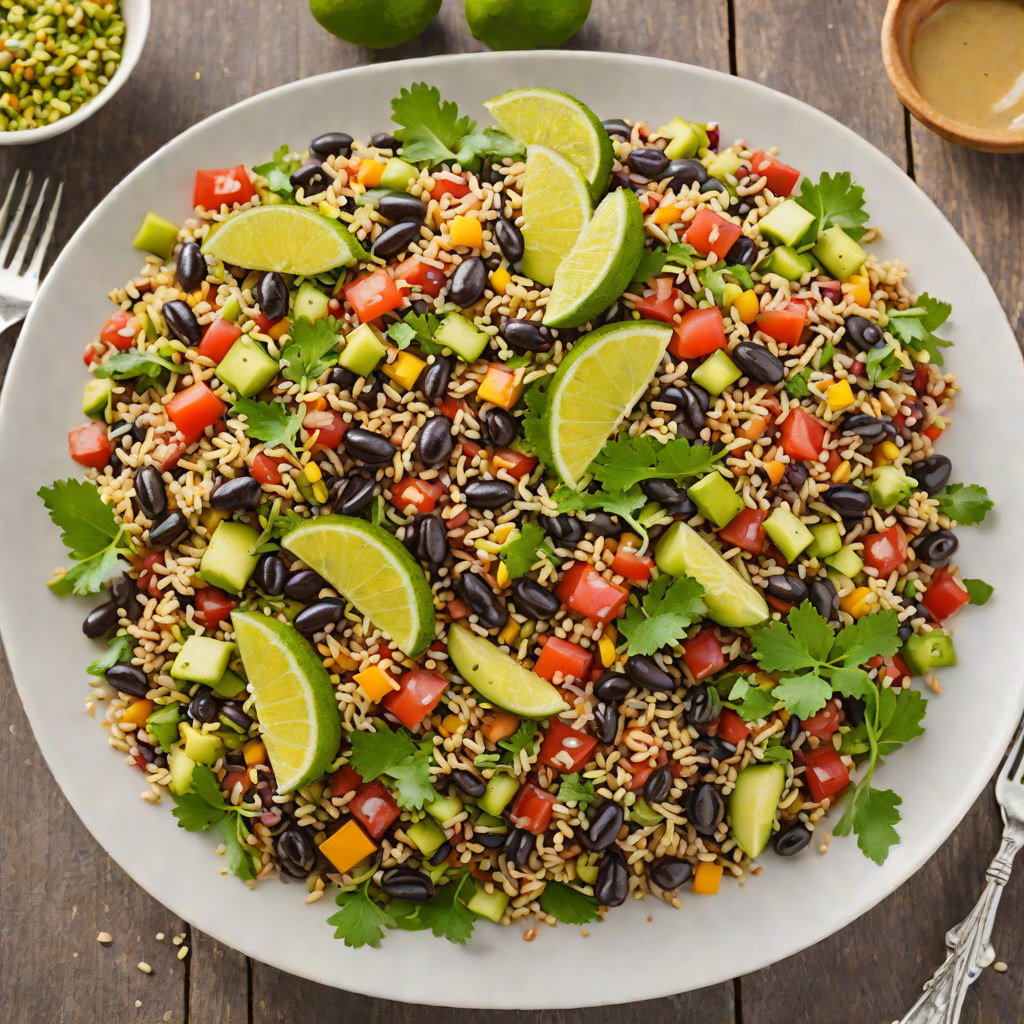
9. Mason Jar Mediterranean Quinoa Power Bowls — 32g protein base; add a 4 oz tuna pouch or grilled chicken to land at 50g.
10. Chicken and Lentil Soup with Spinach — 43g protein per generous bowl, 45 min total, the highest-protein soup in the catalog by a wide margin.
Macros and cost-per-portion
Daily macro target for the plan above, assuming a 160-pound adult eating to maintain or recomp:
| Day | Protein (g) | Carbs (g) | Fat (g) | Calories | Cost/day |
|---|---|---|---|---|---|
| Monday | 127 | 215 | 78 | 2,140 | $14.20 |
| Tuesday | 127 | 220 | 82 | 2,210 | $13.80 |
| Wednesday | 126 | 245 | 75 | 2,260 | $11.40 |
| Thursday | 123 | 215 | 80 | 2,165 | $13.60 |
| Friday | 128 | 230 | 79 | 2,205 | $12.90 |
| Weekly avg | 126 | 225 | 79 | 2,195 | $13.18 |
Total grocery spend for one person, all 15 meals = $66 for the week, plus $10-$15 in pantry restocks (oil, spice, protein powder amortized). That's $76-$81 per person per week for fully-prepped, 40g-protein-per-meal eating. Comparable meal-kit services (Trifecta, Factor, Freshly) run $90-$150 per week for similar macros and protein density, so the home-prep version saves $50-$300 per month before factoring in the variety advantage.
Cost per portion across the 15 meals: average $4.40, range $3.20 (overnight oats) to $6.10 (salmon dinner). Build a shopping list straight from the recipe links above and a typical US supermarket trip should hit those numbers within 10%.
Common high-protein mistakes
These are the failure modes we've seen kill more high-protein meal preps than burnout. Each one is fixable in under 5 minutes if you spot it Sunday afternoon instead of Wednesday night.
Dry chicken breast. The single most common complaint and the single most common reason people quit. Two fixes that compound: brine the breasts in a 4% salt solution (4 tablespoons of kosher salt per quart of water) for 30 minutes before cooking, and pull them off the heat at 155°F internal — they coast to 160°F while resting. Chicken cooked to 170°F+ is sawdust. A $12 instant-read thermometer pays for itself in a single batch; it's the most-used kitchen gadget for high-protein cooks.
Bland tofu. Tofu fails because most people skip the two steps that transform it: pressing and seasoning aggressively. Buy super-firm tofu (no pressing needed) when you can; otherwise, press standard firm tofu under a heavy skillet with a paper towel layer for 15 minutes. Then marinate for at least 20 minutes in something with salt, fat, and acid — soy sauce, sesame oil, rice vinegar, a touch of maple syrup. Pan-sear at high heat until each side is deeply browned. Soggy tofu means you crowded the pan; cook in batches with space between the cubes.
Soggy vegetables. Vegetables sweat in the fridge for 5 days no matter what, which is why salad bowls turn into compost by Thursday. The countermove is roasting at 425°F+ until the edges are caramelized and dry. Broccoli, asparagus, Brussels sprouts, and bell peppers all hold up four to five days when roasted hard. Steam-blanched vegetables hold up two days, maximum. Avocado, tomatoes, cucumbers, and leafy greens get prepped daily — there's no batch trick that works for them.
Wrong sauce-to-base ratio. Sauce is what makes the same chicken and quinoa eatable Monday through Thursday; sauce is also what turns Sunday's lovely bowl into a mush by Wednesday. Pack sauces in separate small containers (2 oz silicone or glass) and drizzle at lunch, not at prep. A good set of stacking storage containers with sauce cups built into the lid makes this nearly automatic. The investment is $35-$50 for a full set and pays for itself the first week you skip a takeout meal because the prep still tasted good.
No protein stacker. A 4 oz chicken breast is 31g of protein, which is under the 40g target. Most "high-protein" recipes online don't get you to 40g without help. Always stack — a soft-boiled egg, a half-cup of lentils, a quarter-cup of cottage cheese, or a tablespoon of hemp seeds — and round up. The stacker is what makes the math work without doubling your protein-per-pound spend.
Overspending on protein. Salmon, grass-fed beef, and pre-cut chicken tenders run 2-4x the cost per gram of chicken thigh, eggs, lentils, and cottage cheese. Use the expensive proteins twice a week max; backfill with the cheap workhorses. The plan above uses salmon once, beef once, and chicken three times, which is the correct ratio for keeping the weekly spend under $80.
Skipping leftovers night. Five-day meal prep over-engineers Friday. Cook two extra portions Wednesday or Thursday and Friday is a freebie. The plan above ends Friday with a soup that's deliberately a one-pot reheat — by Friday afternoon you don't have the energy for assembly, and a hot bowl of chicken and lentil soup over rice closes the week without effort.
When the plan is NOT a fit
Don't run this if you're in a hard cutting phase below 1,800 daily calories — the carb component on this plan is too high for the deficit you need. Drop to a 100g-daily-protein, lower-carb structure instead. Skip the dairy stacks (Greek yogurt, cottage cheese) if you're lactose-intolerant and substitute soy yogurt and tempeh. The plan assumes home access to an oven, an Instant Pot or large saucepan, and basic cookware — if you're prepping in a dorm with one burner and a microwave, the sheet-pan steps need to be replaced with stovetop versions and the active timeline doubles.
For nutrition guidance beyond what's covered here, the USDA's food and nutrition reference is the cleanest free source for serving sizes and basic macronutrient targets.
Frequently asked questions
How much protein do I actually need per day?
What are the best high-protein ingredients for meal prep?
Will I get bored eating high-protein meals five days a week?
How does high-protein meal prep compare to drinking protein shakes?
What's the cost per portion for this high-protein plan?
Sources
Meal-prep recipes from the catalog
Save any of these to My Recipes — no account needed — and send the ingredients to Instacart in one tap.