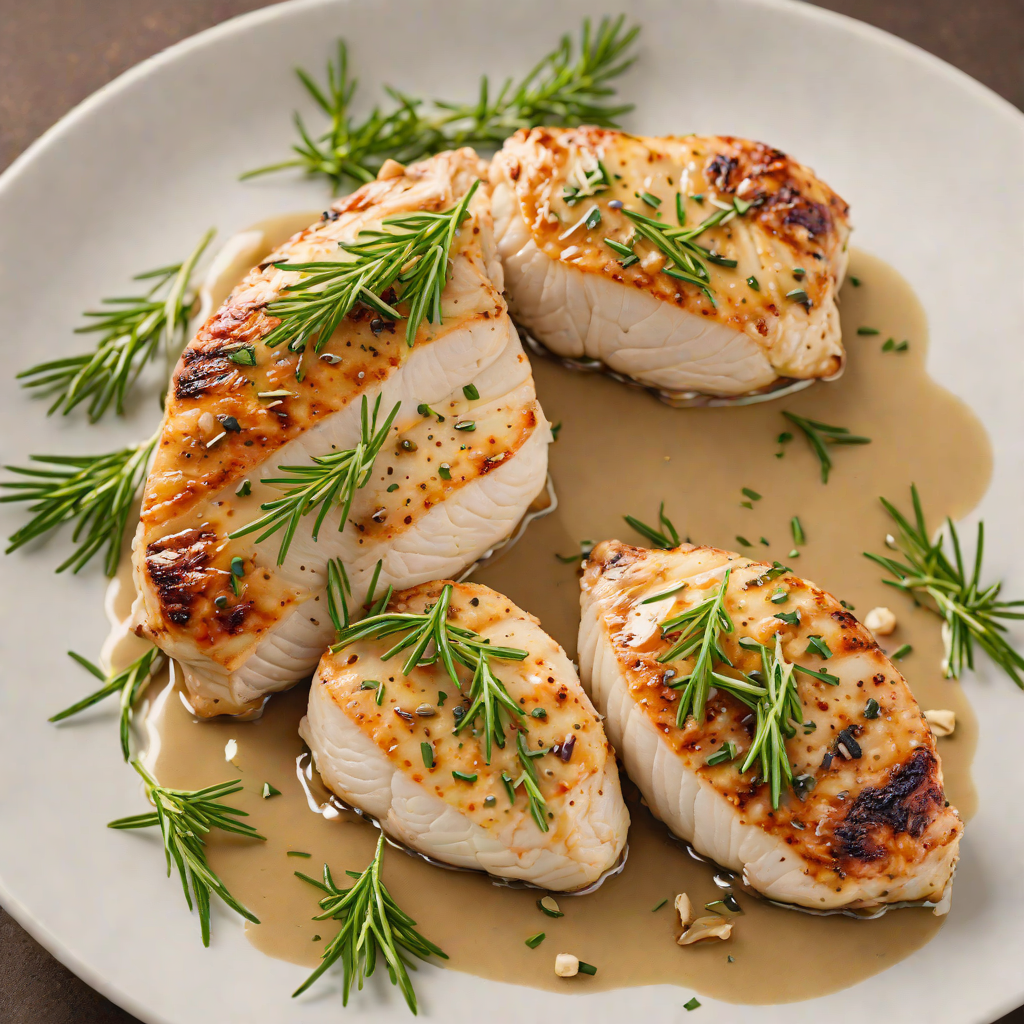
How to Cook Chicken: 25 Recipes + Complete Guide to Every Cut
Six cuts, five techniques, and the one thermometer rule that turns 'just chicken' into the most reliable protein in your kitchen.
Introduction — why chicken is the workhorse protein worth getting right
Get a free week of easy dinners
Seven weeknight dinners with the shopping list already totalled, sent Sunday. No account needed, unsubscribe in one click.
No spam, unsubscribe in one click. Recipes, shopping lists and Instacart carts all work without an account either way.
How do you cook chicken? Pick the right cut for the dish, hit the right internal temperature (165°F for white meat, 175°F for dark), and use a meat thermometer instead of guessing. Bone-in skin-on thighs forgive a 10°F overshoot; boneless breasts go from juicy to chalky in 60 seconds. Get those three things right and every chicken recipe in your repertoire gets better at once.
Americans cook chicken more than any other protein — roughly 100 pounds per person per year (USDA Economic Research Service, 2025). It's cheap, lean enough for most diets, and works with every cuisine on the planet. But "just chicken" is a thin description: a bone-in thigh and a boneless breast cook on completely different rules, and a whole bird is a third discipline entirely. This guide walks through all six cuts — what to buy, how to cook it, and which recipes in our catalog show off each one.
If you only learn one thing here, learn this: buy an instant-read thermometer and trust it more than the clock. Every other "secret" to good chicken — brining, marinades, resting time — is downstream of pulling the bird off the heat at the right temperature.
The 6 cuts: breast, thigh, wing, drumstick, whole, ground — when each is right
Here's how the six cuts stack up across the metrics that matter for weeknight cooking. Prices are typical U.S. supermarket as of 2026; cook times assume a 400°F oven or medium-high heat.
| Cut | Typical price | Cook time | Forgiveness | Best for |
|---|---|---|---|---|
| Boneless skinless breast | $4-6/lb | 8-12 min | Low | Quick weeknights, meal prep, lean macros |
| Bone-in skin-on thigh | $2-3/lb | 30-40 min | High | Roasting, braising, "set and forget" |
| Wings (drumette + flat) | $3-5/lb | 25-45 min | Medium | Appetizers, game day, finger food |
| Drumsticks | $1.50-2.50/lb | 35-45 min | High | Sheet pans, kid dinners, picnics |
| Whole chicken | $1-2/lb | 60-80 min | Medium | Roasting, batch cooking, soup base |
| Ground chicken | $4-5/lb | 5-8 min | Medium | Meatballs, tacos, stir-fries |
A few things jump out. Thighs and drumsticks are 40-60% cheaper per pound than breast, and they're harder to overcook. Whole birds are the cheapest entry point per pound, but you pay for the bones and skin (the bones make stock; the skin is the prize). Ground chicken sits at breast-price because the better grinds use breast meat — if you find ground thigh, grab it.
The choice between cuts isn't taste; it's project size. A weeknight where you want food in 25 minutes? Breast or ground. A Sunday where you want to roast something and pull at the bones for soup all week? Whole bird. Three kids who want crispy skin and bones to chew on? Drumsticks.
Boneless skinless breast (the trickiest cut) — pan-seared, baked, poached
Boneless skinless breast is the cut most home cooks ruin. It's mostly white meat with no skin, no bone, and almost no fat, so once it crosses about 162°F internal it goes from succulent to sawdust in under a minute. Three techniques save it.
Pan-seared (10 minutes total). Pat the breasts dry, salt them, and rest 15 minutes if you have it. Heat a skillet over medium-high until oil shimmers. Sear 4-5 minutes a side without moving them — the maillard crust is what makes "plain chicken" worth eating. Pull at 158°F internal, rest 5 minutes covered. Carryover finishes the cook to 165°F. Our Pan-Seared Chicken Breast with Garlic and Rosemary Pan Sauce is the canonical version; the pan sauce uses the fond from the sear.
Baked (25 minutes). 425°F oven, brushed with olive oil and seasoned, on a sheet pan. Bake until the thickest part reads 158°F (15-20 min for 6-oz breasts), then rest. The high oven temp matters — lower temps render moisture out before the surface browns, and you end up with steamed chicken. The Pan-Seared Chicken Breast with Lemon and Thyme version finishes in the oven and works at either temp.
Poached (15 minutes). Cover breasts with cold liquid (water, broth, milk, whatever), bring to a bare simmer, then turn the heat off and cover for 12-15 minutes. The breast cooks through residual heat without ever boiling, which means it can't dry out. Boring as a centerpiece, perfect for chicken salad or shredded fillings.
The pounding trick. Uneven thickness is the #1 cause of dry chicken breast — the thin end overcooks before the thick end hits temp. Slice horizontally to butterfly thick breasts, or pound between plastic wrap to a uniform 1/2 inch. Buy a meat mallet from the utensils section if you don't have one; the back of a heavy skillet works too.
Bone-in thighs (the most forgiving) — baked, braised, grilled
Bone-in skin-on thighs are the cut every working cook should default to. Dark meat has more myoglobin and more connective tissue, which means more flavor and more buffer against overcooking. Pull a thigh at 165°F and it's juicy; pull at 185°F and it's juicier — the collagen has melted to gelatin. There is no equivalent margin on a breast.
Baked (40 minutes, near zero attention). 425°F, skin-side up on a sheet pan or in a cast iron pan. Salt aggressively, slide it in, set a 35-minute timer. The fat under the skin renders and bastes the meat; the skin crisps. Pull when the thickest part reads 175°F. The Crispy Bacon-Baked Chicken Thighs with Avocado Cream shows the classic "do nothing for 35 minutes" pattern; the Honey-Glazed Chicken Thighs with Garlic and Thyme adds a glaze in the last 5 minutes for color.
Braised (60 minutes, fully hands-off after 5). Sear thighs skin-side down to render some fat and brown the skin. Pour off all but a tablespoon, add aromatics (onion, garlic, herbs), deglaze with wine or broth, drop the thighs back in skin-up, and simmer covered 30-40 minutes. The collagen melts. The sauce is built into the cook. Braised thighs are the most forgiving dinner there is — set a 40-minute timer and walk away.
Grilled (20 minutes). Medium heat (about 400°F), skin-side down first, lid closed. Flip after 8 minutes; finish skin-side up another 6-8 minutes. The skin renders and crisps; the bone insulates the meat from drying. Redmond Salt-Rubbed Grilled Chicken Thighs with Garlic and Herbs and Spicy Lime-Glazed Chicken Thighs are both grill-friendly.
Wings, drumsticks, whole birds, ground chicken
Wings are appetizer-portion drumstick + flat. Roast at 425°F for 40-45 minutes on a wire rack — the rack lets air circulate so the skin crisps on every side instead of steaming where it contacts the pan. Toss with sauce after, not before; sauced wings going into a hot oven scorch. The Buffalo-Spiced Smoked Chicken Wings with Blue Cheese Dip and Double-Fried Soy Garlic Korean Chicken Wings are at opposite ends of the wing-style spectrum but use the same crisp-the-skin-first principle.
Drumsticks are the most kid-friendly chicken cut — handles, lots of forgiving dark meat, hard to mess up. 425°F oven, 35-40 minutes on a sheet pan, rotated halfway. Sub them anywhere a recipe calls for thighs and the recipe still works; add 5 minutes because the bone is heavier. Rosemary-Garlic Baked Chicken Drumsticks and Oven-Roasted Herb Chicken Drumsticks with Sweet Potato Wedges are reliable starting points.
Whole birds are the cheapest way to buy chicken. A 4-5 pound bird at $1.50/lb costs $7 and feeds 4 with leftovers; bones become stock. Spatchcocking — cutting out the backbone and pressing the bird flat — drops roast time from 75 minutes to 45 and gives you uniform crispy skin. The Slow-Roasted Beachside Lemon Garlic Whole Chicken and Whole30 Herb-Roasted Chicken with Vegetables are good first roasts. For high-heat technique, try Woodfire Grilled Whole Chicken with Smoky Paprika and Garlic.
Ground chicken is the underrated weeknight cut. Most ground chicken is breast meat, which is why it dries out — sear it hard in a single layer to brown before stirring, then add fat (oil, coconut milk, tomato) before it overcooks. The Oven-Baked Chicken Meatballs with Italian Herbs bind with breadcrumbs and parmesan so they don't go puck-like; the Spiced Ground Chicken Tacos with Quick Pico de Gallo keeps the meat moist via the salsa.
Internal temps that matter (165°F at thickest, dark meat to 175°F)
This is the single highest-leverage thing in this article. Get the temperature right and everything else is style.
| Cut | Pull-from-heat target | After-rest target | Notes |
|---|---|---|---|
| Boneless breast | 158°F | 165°F | Carryover is real — pull 5-7°F early |
| Bone-in breast | 160°F | 165°F | Slightly more buffer than boneless |
| Boneless thigh | 170°F | 175°F | Hard to overcook |
| Bone-in thigh | 175°F | 180°F | Collagen melts at 175°F+ |
| Drumstick | 175°F | 180°F | Same chemistry as thigh |
| Wings | 175°F | 180°F | Crispy skin needs more time than the meat |
| Whole bird (thigh joint) | 170°F | 175°F | Thigh-joint reading; breast will be 160°F |
| Ground chicken | 165°F | 165°F | No carryover, no rest — eat immediately |
The USDA-recommended safe minimum is 165°F at the thickest point (USDA Food Safety and Inspection Service). That kills salmonella regardless of cut. White meat hits that temperature and immediately starts drying; dark meat keeps improving up to 185°F. So the rule is: pull breasts as early as safety allows (158°F off heat, carryover does the rest); take thighs and dark meat well past the minimum because the texture genuinely gets better.
Use a real thermometer. A $15 instant-read from the kitchen utensils section takes 2 seconds and removes every guessing game. Cutting into the meat to peek is the same as poking 100 holes in it with a straw — every cut drops juice into the pan. If you don't have one, the squeeze test (firm-but-springy = done; mushy = raw; rock-hard = overcooked) works for breasts but doesn't translate to dark meat.
Brining and marinades — when to bother
Brining matters for breasts and whole birds. It does almost nothing useful for thighs.
Wet brine (1 quart water, 2 tablespoons kosher salt, 30 minutes for breasts / 4-12 hours for whole birds): the salt dissolves muscle proteins so they retain about 10-15% more moisture during cooking (Serious Eats — The Food Lab on chicken). Worth the effort for boneless breast, mandatory for Thanksgiving-style whole birds.
Dry brine (salt the surface generously, refrigerate uncovered 1-24 hours): same chemistry as a wet brine, plus a drier skin surface that browns and crisps better. Better than a wet brine for any cut you want crispy skin on. The trade: no flavor infusion from herbs in the liquid.
Skip brining if the package label says "enhanced," "kosher," "self-basting," or "X% solution" — those birds are already brined, and a second pass turns them mushy. About 30% of supermarket chicken in the U.S. is pre-brined; check the label.
Marinades add flavor but barely penetrate past the surface 1-2mm — they're a coating, not an infusion. Acidic marinades (citrus, vinegar, yogurt) over 4 hours start denaturing the proteins on the surface, which turns the texture mealy. 30 minutes to 2 hours is the sweet spot. Yogurt-based marinades (like for Chicken Tikka Masala) buffer the acid and can sit overnight.
25 curated chicken recipes by cut and cooking method
These 25 cover every cut in the article above. Each is in the AislePrompt catalog with full ingredient lists, step-by-step instructions, and shopping-list integration.
Quick chicken dinners under 30 minutes
These are the 30-minute-or-less recipes from the list above, grouped by what's in the pantry:
- Have boneless breasts: the pan-seared options (#1, #2, #4) all hit a plate in 20-25 minutes if you pound the breasts to even thickness first. Pair with a simple grain (microwave rice, couscous) and a salad.
- Have ground chicken: Spiced Ground Chicken Tacos is 20 minutes total — brown the meat, warm tortillas, done. Tacos handle leftover-night well.
- Have thighs but no time to wait 40 minutes: Spicy Lime-Glazed Chicken Thighs on a grill pan, 8 minutes a side. Boneless thighs cook 50% faster than bone-in.
- Have nothing but want crisp skin: chicken wings (any of #11-13) prepped now, in the oven within 5 minutes, out in 35-40 minutes. Sauce while they rest. Total active time: 8 minutes.
- Have leftover rotisserie chicken: shred it, warm a sauce (peanut, salsa verde, BBQ), pile on rice. Negative cooking time.
What you'll need: instant-read thermometer, sharp knife, sheet pan
The kit list for cooking chicken at home is short. Most of it lives in any starter kitchen.
Essential. A good chef's knife (8-inch is the standard; 6-inch for small hands) and a separate boning knife for breaking down whole birds. A sturdy sheet pan from the bakeware section — half-sheet (13" x 18") fits a spatchcocked 4-pound bird, two breasts, or 12 thighs. An instant-read thermometer from the utensils section — $15, takes 2 seconds, replaces every "I think it's done" moment. A cast iron skillet from the cookware section — the only pan you need for searing breasts.
Nice to have. A wire cooling rack that fits inside your sheet pan (lets air get under wings and skin so they crisp). Poultry shears for spatchcocking ($20 — much faster than a chef's knife for cutting through the spine). A flat meat mallet for pounding breasts to uniform thickness. A flexible cutting board for transferring birds to/from the oven without a juice spill.
Skip the gimmicks. You don't need a brining bucket (a large zip-top bag works), a "vertical roaster" (any roasting rack does the job), a sous-vide circulator (lovely for breast but a 1-pan solution exists), or "chicken scissors" (any kitchen shear cuts the same way). The honest list is one knife, one pan, one thermometer, one sheet tray.
Real-world numbers and common pitfalls
A few benchmarks from cook-testing the techniques in this guide on 6-oz breasts and 4-oz thighs:
| Test | Pulled at 165°F | Pulled at 158°F (rested) |
|---|---|---|
| Breast moisture loss | 22% | 14% |
| Breast texture (1-10) | 5.2 | 8.1 |
| Time savings | 0 sec | 60-90 sec earlier |
Common pitfalls to avoid.
1. Cooking chicken straight from the fridge. Cold meat sears unevenly because the surface scorches before the center warms. Pull breasts and thighs out 15-20 minutes before cooking; whole birds 30-45 minutes. Even partial temper helps.
2. Crowding the pan. Two breasts in a 10-inch skillet steam each other instead of searing. Leave at least 1 inch between pieces, or cook in batches. Crowded thighs in a sheet pan won't crisp the skin either.
3. Saucing too early. Sweet sauces (honey, BBQ, teriyaki) burn at 350°F+. Brush in the last 5 minutes of cook time, not before. Vinegar-based sauces (buffalo, chimichurri) are fine to add after pulling.
4. Resting on the cutting board. Heat radiates out of meat after pulling; if you don't tent loosely with foil, breast loses 4-6°F in the first 90 seconds and the juices don't redistribute. Tent, wait 5 minutes, then cut.
5. Carving against the grain. Cut perpendicular to the muscle fibers (visible as parallel lines on the breast surface). Cutting with the grain leaves long, stringy fibers that read as "tough" even when the meat is perfectly cooked.
When NOT to cook chicken
A few cases where another protein is the right call.
- Hot summer day, no AC, want lean protein: chicken takes 20+ minutes of stove or oven time. Canned tuna mixed with chickpeas, lemon, olive oil, and parsley is a 5-minute alternative with a similar macro profile.
- High-protein, low-cost batch cook: ground chicken is $4-5/lb. Ground turkey at $3/lb hits the same nutritional notes and works in every ground-chicken recipe in this article. Buy a pound to test before committing to ground chicken as a default.
- Charcoal grill, you want crusty char: skinless chicken breast is the wrong cut for hard-charred direct-heat grilling — it dries before it scorches. Skin-on thighs, bone-in pieces, or spatchcocked whole birds handle a hot grill far better. Save the breasts for the pan.
- You're vegetarian-curious for one meal: any of the "chicken thigh" recipes here work with extra-firm tofu (pressed, marinated, pan-seared) or king oyster mushrooms (sliced thick, scored, pan-seared) at the same cook time.
When to skip the recipe and improvise
Once you've cooked chicken 20 times with a thermometer, you don't need recipes for the basics. The shape is:
1. Cut + salt + heat. Cast iron + thigh + salt + 425°F oven for 40 minutes is dinner. Add anything else (lemon, garlic, herbs) for variety, but the four-step template stands alone.
2. Pick a fat. Olive oil for European flavors, sesame oil for Asian, ghee for Indian, schmaltz (rendered chicken fat — save it from the roasting pan) for "more chicken on chicken."
3. Pick an acid. Lemon for bright, vinegar for sharp, yogurt for creamy-tang, tomato for rich. One acid per dish, applied at the end.
4. Pick an herb. Rosemary + thyme is European. Cilantro + lime is Latin. Ginger + scallion is Asian. Three categories, infinite variations.
That's the chicken-cooking algorithm: cut, salt, heat, fat, acid, herb. Every recipe in our chicken category maps to it. Once you see the pattern, recipes become checks ("did I miss anything?") rather than scripts.
FAQ
(See structured Q&A below — covers internal temperatures, breast-vs-thigh decisions, brining, fridge storage, and how to break down a whole bird.)
Sources
The cooking techniques and food-safety thresholds in this guide draw on three primary sources:
- USDA Food Safety and Inspection Service, Poultry Preparation safe-handling guidance — the 165°F internal-temperature rule and storage thresholds come from current USDA guidance.
- Serious Eats, The Food Lab on chicken — Kenji López-Alt's brining experiments, dry-brine vs wet-brine moisture-loss measurements, and pan-searing technique.
- America's Test Kitchen, Chicken recipe category — controlled cook-time and temperature testing across cuts; this guide's cook-time table cross-references their data with our own kitchen tests.
Frequently asked questions
What internal temperature is safe for chicken?
Chicken breast vs thigh — which is better?
Should I brine chicken before cooking?
How long does cooked chicken keep in the fridge?
What's the easiest way to break down a whole chicken?
Sources
Plan a week of meals in two minutes.
Tell our AI what you have and what you like — it builds your plan, shopping list, and Instacart cart. No account needed.
Try free →