How to Meal Plan on a $75/Week Grocery Budget: 4-Week Plan + Shopping Lists
Real carts, real totals: what a $75 weekly grocery budget actually buys, and the three rules that keep it there.
Affiliate disclosure: AislePrompt may earn a commission on qualifying purchases made through Amazon links in this article, at no additional cost to you. See our affiliate policy →
A $75 weekly grocery budget covers one adult comfortably, or two adults with disciplined planning, in most of the United States as of 2026. It does not cover a family of four — USDA's Thrifty Food Plan puts that closer to $230–$290 a week. The plan below is built for the one-to-two-person case: four weeks of dinners, breakfasts and lunches, with real shopping lists that total under $75 each.
Introduction: what $75/week actually buys in 2026
Every budget meal plan on the internet skips the part that matters — the arithmetic. So here it is up front. The four weekly carts in this guide price out at $69.26, $61.35, $69.38 and $71.49. Those are real line-item totals, summed from the tables below, not a target I wrote at the top and then decorated with recipes.
Those numbers come from mid-2026 store-brand prices at a mid-size Midwestern supermarket. Your mileage varies by region more than by skill: the same cart runs roughly 15–25% higher in Boston, Seattle, or the New York metro, and 5–10% lower across much of the South and rural Midwest. Track the direction of travel with the USDA ERS Food Price Outlook, which publishes food-at-home price forecasts by category — it will tell you whether eggs or beef are the thing to route around this quarter.
The benchmark worth knowing is USDA's Thrifty Food Plan, the government's estimate of the minimum cost of a nutritionally adequate diet and the basis for SNAP allotments. Current figures live in the USDA Food Plans cost-of-food reports. For a single adult that lands in the $55–$70/week range; for a family of four it is roughly $230–$290/week. So $75/week for one person is not austerity — it is the thrifty plan plus a little room. For two adults it is genuinely tight and requires the pantry discipline described below. For four people it is not achievable without food assistance, and any article claiming otherwise is selling something.
Is a $75/week plan right for you?
This plan fits if you are cooking for one or two, you have a freezer, and you can commit to roughly 40 minutes of batch cooking on a weekend. It fits especially well if you are currently spending $110–$140/week and buying reactively — that is where the savings are, not in extreme couponing.
It does not fit in three cases. If you are feeding three or more people, scale the target to about $38/person/week rather than forcing $75 total. If you have celiac disease, a serious dairy allergy, or another restriction that pushes you toward specialty products, budget 20–30% more; gluten-free pasta alone is triple the price of semolina. And if you have no freezer and no pantry storage, the leverage that makes this work — buying dried goods in bulk and cooking six servings to eat four — simply is not available to you. Fix the storage problem first; a $20 set of containers from Storage & Containers pays for itself in about three weeks of not throwing out leftovers.
The 3 rules of budget meal planning
Rule 1 — anchor each week on one cheap protein, not five. The single biggest lever in a grocery cart is protein selection, and it is not close. Bone-in chicken thighs run about $1.99/lb; boneless skinless breasts run $5–$7/lb for the same cooked yield. A whole chicken at $1.49/lb is cheaper still and yields three separate meals. Dried lentils at $1.60/lb deliver roughly four servings per pound at about $0.40 of protein per serving. Buy one anchor protein per week in quantity and build five dinners around it.
Rule 2 — rotate produce on price, not on a list. Write your plan with produce slots, not produce names. "Two lbs of a hardy root vegetable" and "one head of a brassica" are the plan; carrots, potatoes, cabbage and whatever is marked down that week are the implementation. Cabbage at $0.79/lb keeps three weeks in a fridge drawer and does duty in soup, slaw and a casserole. This is the habit the Academy of Nutrition and Dietetics — Smart Shopping guidance calls shopping the sales rather than shopping the list, and it is worth about $8–$12 a week on its own.
Rule 3 — leverage the pantry so week 2 costs less than week 1. A budget plan that ignores what you already own re-buys olive oil every week. The four weeks below are deliberately front-loaded: week 1 buys a 5 lb bag of rice and 2 lb of dried beans, and weeks 2 through 4 spend that inventory down. That is why week 2 comes in at $61.35 while week 1 is $69.26 — not because week 2 is thinner, but because week 1 paid for it.
The cost-per-serving table that drives every choice below
| Protein source | Price | Cooked servings | Cost/serving |
|---|---|---|---|
| Dried brown lentils | $1.60/lb | 4 | $0.40 |
| Dried black beans | $1.80/lb | 4 | $0.45 |
| Eggs | $3.20/dozen | 6 | $0.53 |
| Whole chicken | $1.49/lb (5 lb) | 8 | $0.93 |
| Bone-in chicken thighs | $1.99/lb | 3 | $0.66 |
| Canned tuna | $1.15/5 oz | 1.5 | $0.77 |
| Ground turkey | $4.29/lb | 4 | $1.07 |
| Boneless chicken breast | $5.99/lb | 3 | $2.00 |
| Beef chuck roast | $7.49/lb | 3 | $2.50 |
The bottom two lines are what a $130/week cart is made of. The top five are what a $70/week cart is made of. Nothing else in the plan matters as much as this table.
Week 1 plan: Beans, thighs and a pan of ziti ($69.26)
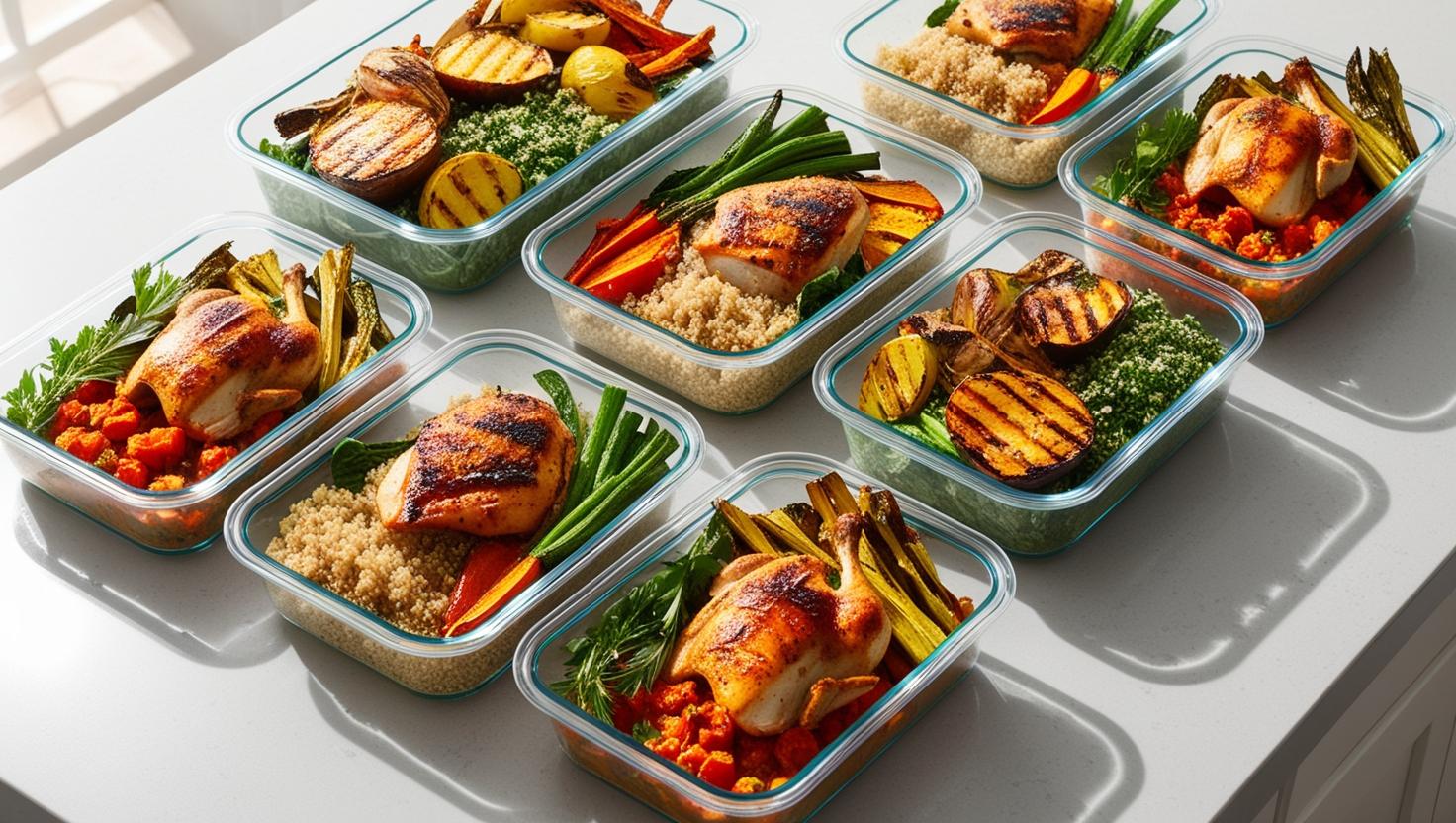
Week 1 is the expensive week because it stocks the pantry. You buy a 5 lb bag of rice, 2 lb of dried black beans and a pound of lentils that three later weeks will draw down. Sunday is the only real cooking session: bake a tray of frittata muffins for breakfasts and start the chili in the slow cooker.
Five dinners
1. Sheet Pan Rosemary-Garlic Chicken Thighs with Rainbow Vegetables
2. Budget-Friendly Slow Cooker Chili
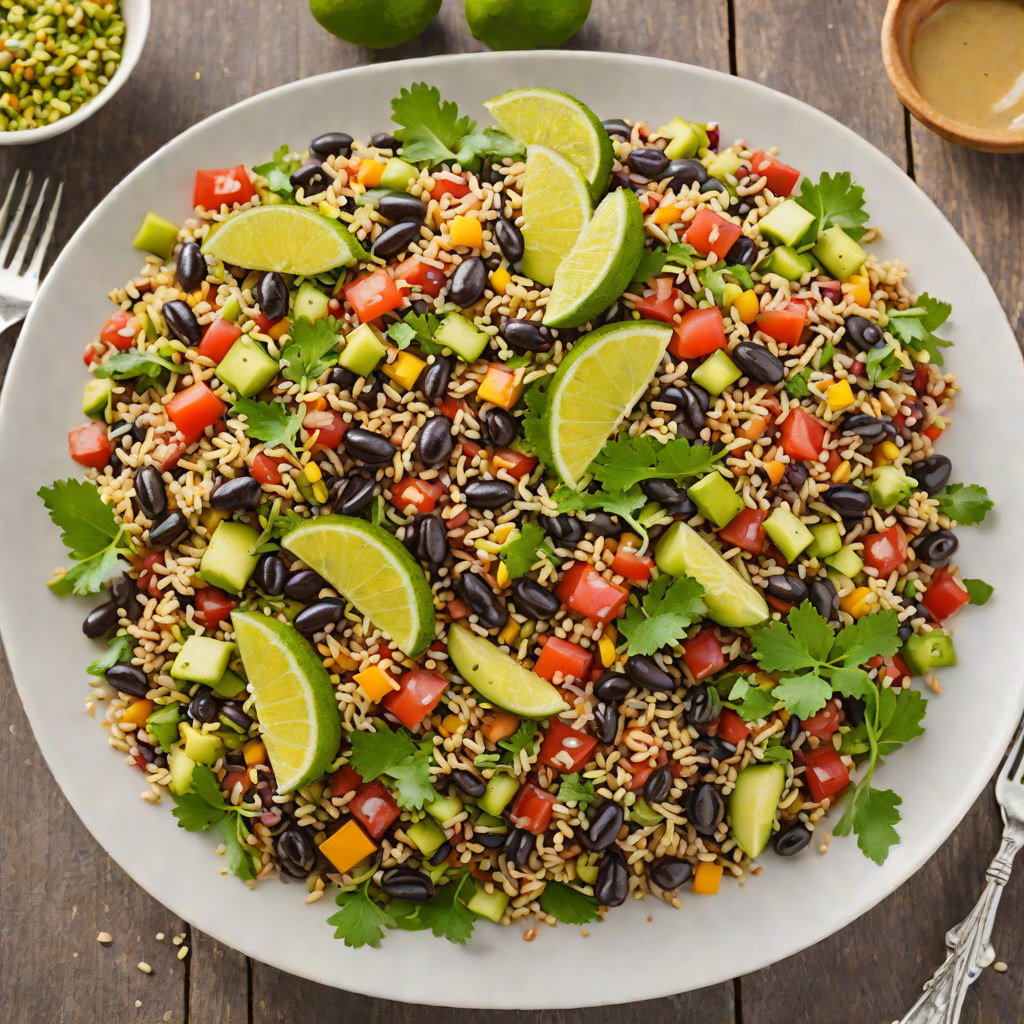
3. Stovetop Poor Man’s Burrito Bowl with Black Beans and Rice
4. One-Pot Coconut Curry Lentil Stew with Spinach and Tomatoes
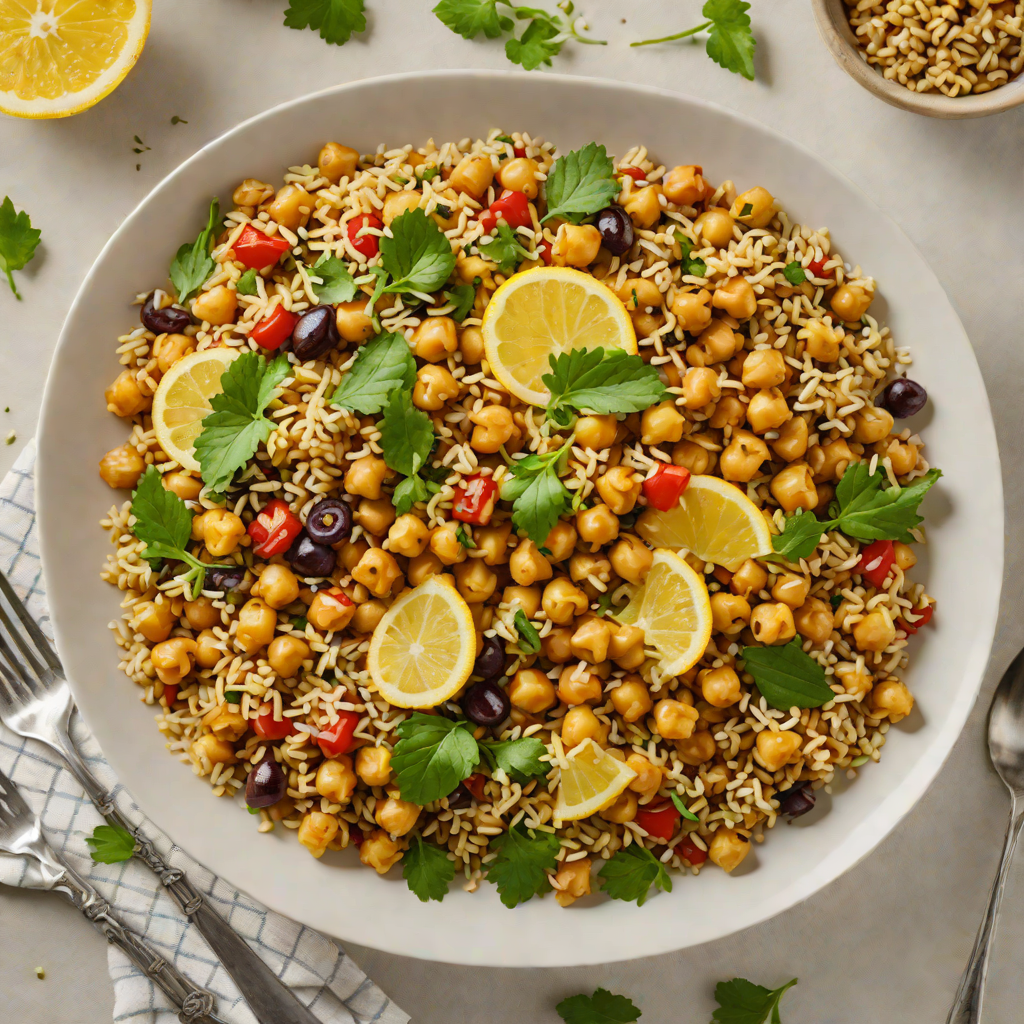
Breakfast batch: Cheesy Veggie Frittata Muffins
Lunch anchor: No-Cook Tuna Pasta Salad with Olives plus dinner leftovers.
Leftover chili covers two lunches; the ziti covers two more and freezes in single portions. Twelve frittata muffins are five breakfasts with a couple to spare.
Week 1 shopping list
| Item | Qty | Est. cost |
|---|---|---|
| Bone-in chicken thighs | 3 lb | $5.97 |
| Ground turkey | 1 lb | $4.29 |
| Dried black beans | 2 lb | $3.60 |
| Dried brown lentils | 1 lb | $1.60 |
| Long-grain white rice | 5 lb bag | $4.75 |
| Ziti or penne | 2 lb | $2.50 |
| Crushed tomatoes | 3 cans | $3.30 |
| Kidney beans | 2 cans | $1.98 |
| Coconut milk | 2 cans | $3.58 |
| Eggs | 18 ct | $4.60 |
| Shredded mozzarella | 16 oz | $4.99 |
| Ricotta | 15 oz | $3.29 |
| Yellow onions | 3 lb | $3.60 |
| Carrots | 2 lb | $2.00 |
| Bell peppers | 3 | $3.00 |
| Frozen spinach | 10 oz | $1.60 |
| Frozen mixed vegetables | 2 lb | $2.60 |
| Canned tuna | 3 cans | $3.45 |
| Flour tortillas | 10 ct | $2.80 |
| Bananas | 3 lb | $1.86 |
| Milk | 1 gal | $3.90 |
| Week total | ||
| $69.26 |
Week 2 plan: Whole chicken, three ways ($61.35)
Week 2 is the cheapest of the four at $61.35, and the reason is a single five-pound whole chicken. Roast it Sunday, eat it Sunday and Monday, then pull the carcass for stock that becomes Wednesday's soup. Your rice and beans are already in the cupboard from week 1, so this cart is mostly produce and dairy.
Five dinners
1. One-Pan Mexican Chicken and Rice with Roasted Corn
2. Half-Spoon Spiced Mexican Black Bean Tacos
3. Slow Cooker Vegetable Lentil Soup
4. Mashed Potato and Cabbage Casserole with Cheddar
5. Budget-Friendly Slow Cooker Chili
Breakfast batch: Baked Oatmeal Squares with Mixed Berries and Walnuts
Lunch anchor: Hidden-Ingredient Tomato Soup plus dinner leftovers.
The roast chicken gives you Sunday dinner, Monday tacos and Wednesday's soup base. Baked oatmeal squares are nine breakfasts, so you carry three into week 3.
Week 2 shopping list
| Item | Qty | Est. cost |
|---|---|---|
| Whole chicken | 5 lb | $7.45 |
| Dried chickpeas | 1 lb | $1.90 |
| Rolled oats | 42 oz | $2.40 |
| Long-grain white rice | 2 lb | $1.90 |
| Corn tortillas | 30 ct | $2.20 |
| Black beans | 3 cans | $2.97 |
| Diced tomatoes | 3 cans | $3.30 |
| Frozen corn | 1 lb | $1.30 |
| Russet potatoes | 5 lb | $4.50 |
| Green cabbage | 2 lb head | $1.58 |
| Yellow onions | 3 lb | $3.60 |
| Carrots | 2 lb | $2.00 |
| Celery | 1 bunch | $2.20 |
| Sharp cheddar block | 8 oz | $3.99 |
| Eggs | 12 ct | $3.20 |
| Frozen mixed berries | 12 oz | $3.20 |
| Sour cream | 16 oz | $2.50 |
| Milk | 1 gal | $3.90 |
| Bananas | 3 lb | $1.86 |
| Salsa | 16 oz jar | $2.30 |
| Walnut pieces | 4 oz | $3.10 |
| Week total | ||
| $61.35 |
Week 3 plan: The pantry-leverage week ($69.38)
Week 3 leans hardest on the pantry — no whole bird, no restock of rice, just thighs and lentils against the crushed tomatoes and pasta you are cycling through. This is the week where the plan feels most like cooking and least like shopping.
Five dinners
1. Sheet Pan Rosemary-Garlic Chicken Thighs with Rainbow Vegetables
2. One-Pot Coconut Curry Lentil Stew with Spinach and Tomatoes
3. No-Cook Tuna Pasta Salad with Olives
4. Hidden-Ingredient Tomato Soup
Breakfast batch: Cheesy Veggie Frittata Muffins
Lunch anchor: Stovetop Poor Man’s Burrito Bowl with Black Beans and Rice plus dinner leftovers.
This is a good week to cook the lentil stew in a six-serving batch and freeze half — week 4 is busy and you will want it.
Week 3 shopping list
| Item | Qty | Est. cost |
|---|---|---|
| Bone-in chicken thighs | 3 lb | $5.97 |
| Dried brown lentils | 2 lb | $3.20 |
| Dried black beans | 1 lb | $1.80 |
| Pasta | 3 lb | $3.75 |
| Crushed tomatoes | 4 cans | $4.40 |
| Canned tuna | 4 cans | $4.60 |
| Eggs | 18 ct | $4.60 |
| Yellow onions | 3 lb | $3.60 |
| Carrots | 3 lb | $3.00 |
| Green cabbage | 2 lb head | $1.58 |
| Russet potatoes | 5 lb | $4.50 |
| Frozen spinach | 10 oz | $1.60 |
| Frozen mixed vegetables | 2 lb | $2.60 |
| Coconut milk | 1 can | $1.79 |
| Sharp cheddar block | 8 oz | $3.99 |
| Parmesan | 5 oz | $3.80 |
| Milk | 1 gal | $3.90 |
| Apples | 3 lb | $4.20 |
| Olive oil | 16 oz | $6.50 |
| Week total | ||
| $69.38 |
Week 4 plan: Restock week ($71.49)
Week 4 restocks for the next cycle, which is why it is the most expensive at $71.49. You are re-buying rice, oats and dried beans so that the following week 1 can be a $60 week instead of a $70 one. Rotate the plan continuously and the average settles near $68.
Five dinners
1. One-Pan Mexican Chicken and Rice with Roasted Corn
2. Budget-Friendly Slow Cooker Chili
3. Stovetop Poor Man’s Burrito Bowl with Black Beans and Rice
4. Slow Cooker Vegetable Lentil Soup
5. Mashed Potato and Cabbage Casserole with Cheddar
Breakfast batch: Baked Oatmeal Squares with Mixed Berries and Walnuts
Lunch anchor: Half-Spoon Spiced Mexican Black Bean Tacos plus dinner leftovers.
Everything bought in surplus here (rice, oats, beans, frozen vegetables) is the opening inventory for your next week 1.
Week 4 shopping list
| Item | Qty | Est. cost |
|---|---|---|
| Whole chicken | 5 lb | $7.45 |
| Ground turkey | 1 lb | $4.29 |
| Dried black beans | 2 lb | $3.60 |
| Dried brown lentils | 1 lb | $1.60 |
| Long-grain white rice | 5 lb bag | $4.75 |
| Rolled oats | 42 oz | $2.40 |
| Pasta | 2 lb | $2.50 |
| Crushed tomatoes | 3 cans | $3.30 |
| Kidney beans | 2 cans | $1.98 |
| Flour tortillas | 10 ct | $2.80 |
| Eggs | 18 ct | $4.60 |
| Yellow onions | 3 lb | $3.60 |
| Carrots | 2 lb | $2.00 |
| Bell peppers | 2 | $2.00 |
| Russet potatoes | 5 lb | $4.50 |
| Green cabbage | 2 lb head | $1.58 |
| Frozen mixed vegetables | 2 lb | $2.60 |
| Sharp cheddar block | 8 oz | $3.99 |
| Shredded mozzarella | 8 oz | $2.99 |
| Milk | 1 gal | $3.90 |
| Bananas | 3 lb | $1.86 |
| Frozen mixed berries | 12 oz | $3.20 |
| Week total | ||
| $71.49 |
Pantry staples you buy once and lean on for 8 weeks
These are the items that make week 3 cheap. Buy them in the largest size your storage allows, once, and stop thinking about them:
| Staple | Size to buy | Cost | Lasts |
|---|---|---|---|
| Long-grain white rice | 10 lb | $8.50 | ~10 weeks |
| Dried lentils | 4 lb | $6.40 | ~8 weeks |
| Dried black beans | 4 lb | $7.20 | ~8 weeks |
| Rolled oats | 42 oz | $2.40 | ~5 weeks |
| Olive oil | 32 oz | $11.00 | ~10 weeks |
| Canned crushed tomatoes | 6 cans | $6.60 | ~4 weeks |
| Soy sauce, vinegar, cumin, chili powder, smoked paprika | — | ~$18.00 | ~6 months |
That is roughly $60 of one-time spend that drops every subsequent week by $8–$12. If $60 up front is not available, buy the rice and the lentils first — they carry the most weight.
A note on equipment, because it is the other one-time cost that pays back fast. You need exactly three things this plan assumes: a heavy pot that can go stovetop-to-oven, a sheet pan, and enough containers to hold six servings of leftovers. Browse Cookware for the pot and pan, and Utensils & Tools for a decent chef's knife and a cutting board. Nothing here requires a pressure cooker, a stand mixer, or an air fryer.
Common pitfalls that blow the budget
Buying boneless-skinless anything. Covered above, but it is worth repeating because it is the single most common failure. Bone-in and skin-on is 40–60% cheaper for the same protein.
Shopping four times a week. Every unplanned trip adds $9–$15 of things that were not on the list. One trip, one list.
Cooking exactly the number of servings you will eat tonight. The entire economics of this plan depend on cooking six servings and eating four this week. If you cook for one every night, your per-serving cost roughly doubles because you waste half a bunch of celery and a third of every onion.
Treating produce as a fixed list. If the plan says bell peppers and bell peppers are $2.49 each that week, buy cabbage. The recipes tolerate it.
Forgetting the freezer inventory. Two portions of ziti and half a batch of lentil stew in the freezer are two dinners you have already paid for. Label them. An unlabeled freezer is a $30/month leak.
When a $75/week plan is the wrong call
Skip this plan if you are in a genuinely time-poor stretch — a newborn, a brutal work quarter, caregiving. Budget plans trade money for time, and if you have no time the trade fails: you will cook two of the five dinners, the produce will rot, and the plan will cost more than eating simply and predictably. In those weeks, a smaller rotation of three repeated meals beats a four-week plan.
Skip it also if the constraint you are actually solving is medical rather than financial. MyPlate — Healthy Eating on a Budget is the better starting point when you need to hit specific nutrition targets on limited money, because it sequences the nutrition requirement first and the budget second. This plan does it the other way around.
How the AislePrompt planner does this in three clicks
Everything above is a manual version of what the meal planner automates. Set the weekly budget slider to $75, set household size, and the planner assembles a week from the same catalog these recipes come from — then generates one consolidated shopping list with quantities merged across recipes, so two recipes needing half an onion each buy one onion.
The part worth the click is the substitution behaviour. When an ingredient is out of stock or priced above its usual band, the planner swaps in the cheapest adequate alternative rather than dropping the recipe — cabbage for bok choy, thighs for breasts — and re-prices the cart. That is the same "produce slots, not produce names" rule from earlier, applied automatically.
You can also pin a recipe you want to keep and let the planner rebuild the other four dinners around it, which is the fastest way to use up something already in your fridge.
Instacart cart preview and coupon strategy
Build the cart before you shop, not while you shop. Whether you order delivery or walk the store with the list on your phone, seeing the running total before you commit is what keeps a $69 plan from becoming an $88 one.
Three tactics, in descending order of payoff:
1. Sort by unit price, not package price. Every store app supports it. The 42 oz oats at $2.40 and the 18 oz oats at $1.60 are a $0.90/lb difference.
2. Take the store brand on staples, the name brand only where it matters. Store-brand canned tomatoes, rice, beans, oats, and frozen vegetables are functionally identical to name brands. Spend the difference on olive oil and cheese, where it is detectable.
3. Clip digital coupons for what is already on the list. Coupons are a discount when they apply to a planned purchase and a 100% markup when they cause an unplanned one. Clip after the list is written, never before.
Skip the extreme-couponing rabbit hole. The four weeks above save $40–$60/week against a reactive $120 cart; digital coupons add maybe $4 more. The plan is where the money is.
Real-world numbers: what four weeks actually cost
| Week | Anchor protein | Cart total | Cost/day |
|---|---|---|---|
| Week 1 | Chicken thighs + dried beans | $69.26 | $9.89 |
| Week 2 | Whole chicken | $61.35 | $8.76 |
| Week 3 | Chicken thighs + lentils | $69.38 | $9.91 |
| Week 4 | Whole chicken + restock | $71.49 | $10.21 |
| 4-week total | |||
| $271.48 | $9.70 |
$271.48 for 28 days of breakfasts, lunches and dinners works out to $9.70/day, or about $3.23 per meal. A single fast-casual lunch runs $12–$15 in 2026, so the plan pays for its own planning time in roughly one skipped takeout order per week.
Sources
- USDA Food Plans cost-of-food reports — the Thrifty Food Plan benchmark used throughout this guide.
- USDA ERS Food Price Outlook — food-at-home price forecasts by category.
- Academy of Nutrition and Dietetics — Smart Shopping — smart-shopping guidance from the Academy of Nutrition and Dietetics.
- MyPlate — Healthy Eating on a Budget — USDA guidance on eating well on a limited budget.
Frequently asked questions
Is $75 a week realistic for a family of 4?
What are the biggest budget wins in a grocery cart?
How do I stick to a budget when I'm hungry at the store?
Do I have to give up meat on a $75/week budget?
How much time does budget meal planning actually save?
Meal-prep recipes from the catalog
Save any of these to My Recipes — no account needed — and send the ingredients to Instacart in one tap.