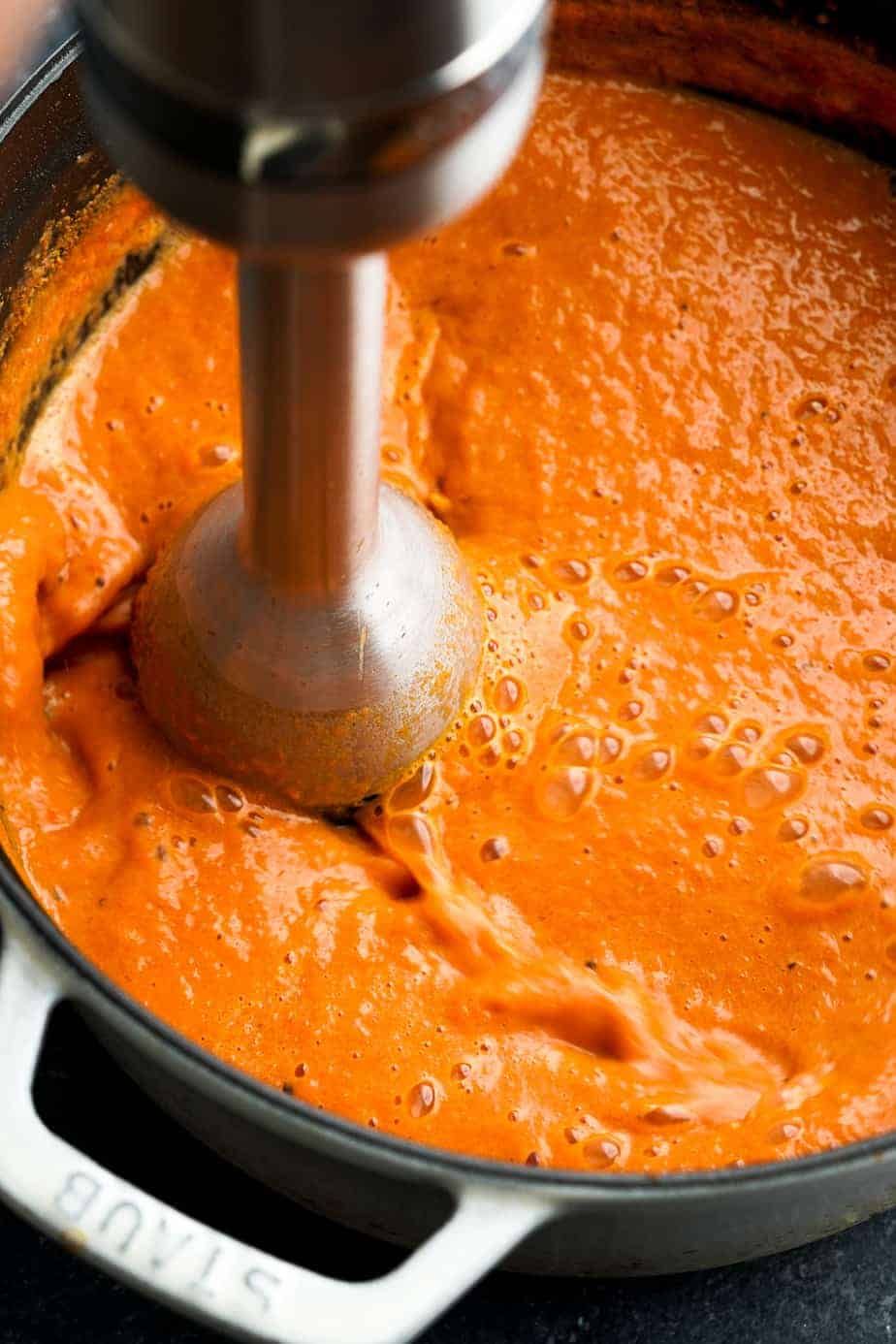
Immersion Blender or Countertop Blender for Soup? Which to Buy for Pureed Soups This Winter
Stick blender or full-size jar? Pick the right tool for butternut, tomato and potato leek soup, and blend hot soup without a lid blowout.
Where to buy these picks
Affiliate links: we may earn a commission on qualifying Amazon purchases. Policy. Prices show only when checked in the last 24 hours.
- Breville BSB510XL Control Grip Immersion Blender $149.95 at Amazon, *Check price on Amazon →
- KitchenAid Variable Speed Corded Hand Blender $48.99 at Amazon, *Check price on Amazon →
- Immersion Blender Handheld $16.04 at Amazon, *Check price on Amazon →
Short answer: buy an immersion (stick) blender if you make pureed soup straight in the pot. It blends without moving hot liquid anywhere, it rinses clean in a minute, and good ones sit in the under-$100 tier. Buy a full-size countertop blender (premium tier, $300 and up) only if you want a silkier, restaurant-smooth puree and will also use it for smoothies and nut butters. With a countertop blender you blend hot soup in batches, below the maker's fill line, with the lid vented. Our default picks: the KitchenAid KHBV53 stick blender for the pot, and the Vitamix 5200 when you want the jar. Plenty of soup cooks own both: the stick for weeknight pots, the jar for the velvet finish.
This is a decision page, not a picks list. If you already know which kind you want, go straight to the guide for it:
- Which stick blender? Read Best Immersion Blenders 2026.
- Which countertop blender? Read Best Blenders 2026.
Everything below is about the choice between the two, for soup specifically, as soup season runs from December 1 to December 31, 2026 and the pots come back out.
Which one fits you
Start with how you actually cook soup, not with the machine. Four questions settle it for most kitchens.
1. How often do you make pureed soup? If it is a weekly pot of butternut squash, potato leek or tomato, the stick blender wins on friction alone: you blend in the pot you cooked in, and there is one shaft to rinse. If it is an occasional bisque for guests, the countertop blender's smoother texture is worth the extra dishes on the nights you use it.
2. How big is the batch? A 6-quart Dutch oven of soup is two or three jar loads in a countertop blender, because hot liquid needs headroom. The stick blender does the whole pot in one go. For a single quart of soup, either works, and the countertop blender's jar is less fussy than chasing a shallow puddle with a wand.
3. How much space do you have? A stick blender lives in a drawer. A full-size blender with a 64 oz jar needs counter space and, per the Best Blenders 2026 guide, the tall Vitamix 5200 jar barely clears a standard 18-inch upper cabinet.
4. What else will the machine do? This is the deciding question for the countertop blender. If you will make smoothies four mornings a week, frozen drinks, nut butter or hummus, the countertop blender pays for its counter space and soup is a bonus. If soup is the main job, you are paying for capability you will not use.
Buy the immersion blender
Right when: you make soup in the pot more than twice a month; your kitchen is small; you want cleanup to take a minute; you also make mayonnaise, aioli, whipped cream or small batches of sauce.
Skip when: you want a truly silky bisque without straining, or you will blend ice, frozen fruit or nuts. A stick blender struggles with all three.
Buy the countertop blender
Right when: you blend daily for smoothies or frozen drinks; you want the smoothest possible soup texture; you like the idea of a high-speed blender heating a cold soup base by friction (the Vitamix "Hot Soup" program works this way).
Skip when: soup is the only job and you make it in a big pot. Transferring hot soup in batches is the slowest and riskiest step in the whole recipe.
Buy both (in this order)
If you can only buy one this winter and soup is the reason, buy the stick blender first. It is the cheaper of the two by a wide margin, and the Best Blenders 2026 guide makes the same call: a countertop blender plus a stick blender together cover nearly all home blending for less than one premium machine.
Side-by-side: immersion vs countertop blender for soup
These are checkable facts from the two parent guides and the makers' listings. Wattage is shown as each maker lists it. Price is a dollar band, not a quote; the live price button on each product page carries today's price.
|
| Immersion (stick) blender | Countertop blender | |
|---|---|---|
| Where it blends | In the pot you cooked in | In a jar, in batches |
| Texture ceiling | Smooth with a little body | Silky, bisque-smooth |
| Hot-liquid handling | Pot off the heat, head submerged | Vented lid, below the maker's hot-liquid fill line |
| Capacity | Whatever pot you own | Jar size: 48 oz (Ascent X3), 64 oz (5200), 72 oz (Ninja SS351) |
| Wattage as listed | 280W (Breville BSB510XL), 500W (Braun MQ50001M) | 2 HP (Vitamix 5200), 2.2 HP (Ascent X3), 1,400 peak W (Ninja SS351) |
| Cleanup | Detach the shaft, rinse or dishwasher | Jar, lid and gasket; Vitamix and Ninja jars run a soap-and-water blend |
| Storage | A drawer | Counter space, check cabinet clearance |
| Price tier | Under $50 to about $150 | About $200 to $500+ |
| Also good for | Mayo, whipped cream, small sauces | Smoothies, frozen drinks, nut butter |
One spec that does not matter as much as the box suggests: stick-blender wattage. The immersion blender guide points out that a 280W stick and a 1,000W stick puree cooked squash the same way. Wattage only shows up when the load resists, such as nut butter or raw fibrous vegetables. For soup, the blade guard's shape and a slow starting speed matter more.
Other gear this guide links
Prices are shown only when checked in the last 24 hours; otherwise check the current price on Amazon.
Hot soup safety, in the makers' terms
Both tools are safe for hot soup when you follow the manual. The failures are predictable, and each one has a simple fix.
Countertop blender: vent the lid and respect the fill line
Steam trapped under a sealed lid builds pressure, and a fast start can push the lid off with hot soup behind it. The standard guidance from blender makers comes down to three steps:
1. Fill below the hot-liquid line. Every jar has a maximum fill mark, and many manuals set a lower limit for hot liquids. Use the number in your manual rather than a rule of thumb; it differs by jar.
2. Remove the center lid cap (the small plug in the middle of the lid) and hold a folded kitchen towel over the opening. Steam escapes and splatter stays in the towel.
3. Start on the lowest speed, then ramp up. A high-speed start is what launches the lid.
Vitamix's high-speed machines can also heat soup by blade friction. That is what the Vitamix Ascent X3's Hot Soup program does, and it is a different job from pureeing a pot that is already boiling. If you use it, follow the program and the lid that comes with the machine.
Immersion blender: pot off the heat, head under the surface
1. Take the pot off the burner. You are working right over the heat source and the cord can drape across it.
2. Submerge the blade guard before you press the trigger, and keep it under the surface the whole time. Spray happens when the head breaks the surface while it is spinning.
3. Tilt the pot slightly if the soup is shallow, so the head stays covered.
4. Unplug before you touch the blade. The blades are exposed under the guard.
Serious Eats' immersion blender review is a useful second opinion on which blade-guard shapes splash least and which suction to the bottom of the pot.
Soup by soup: which tool gives the texture
The right tool depends on the soup. Here is how five winter staples break down, plus the step most cooks skip.
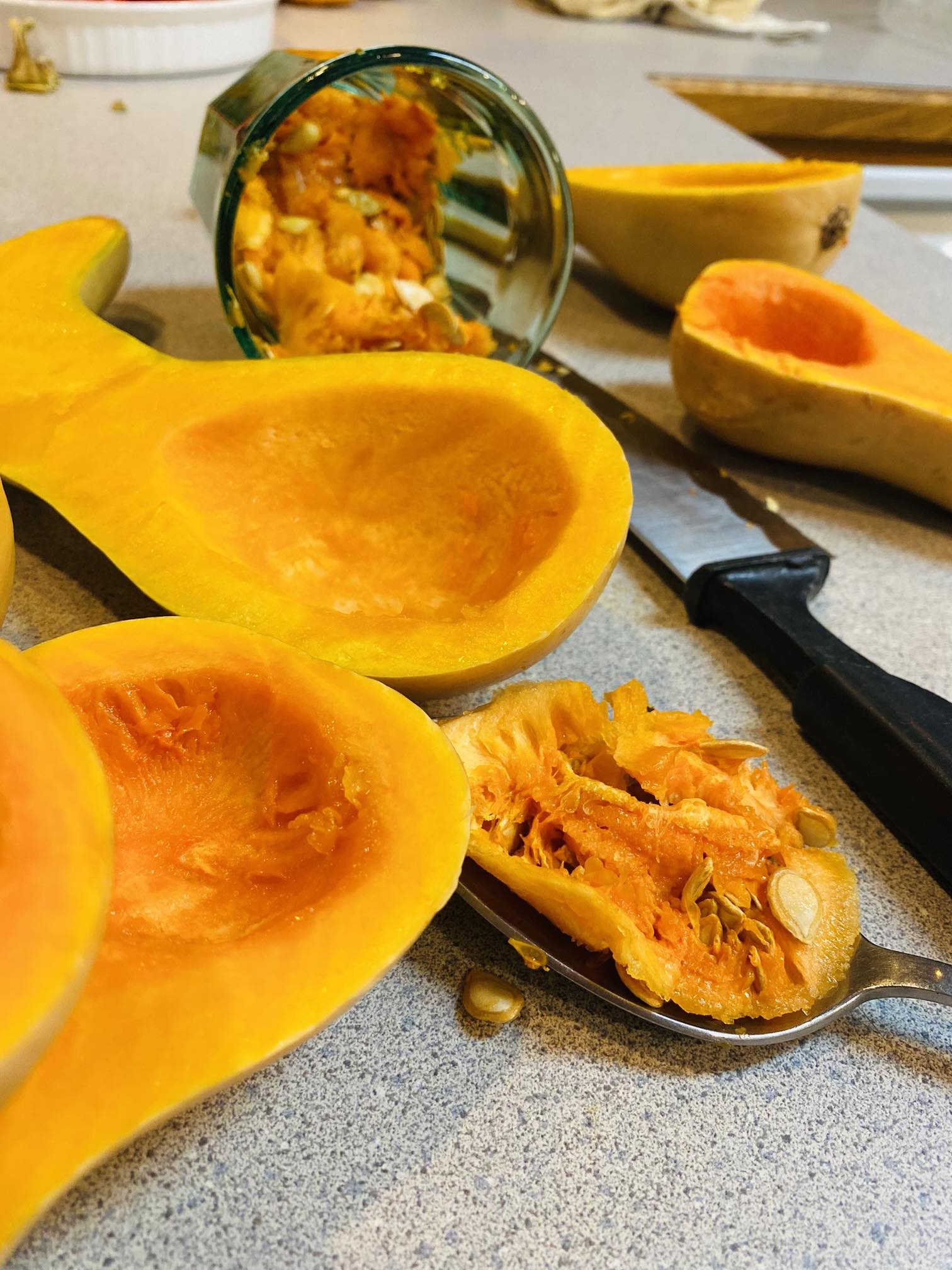
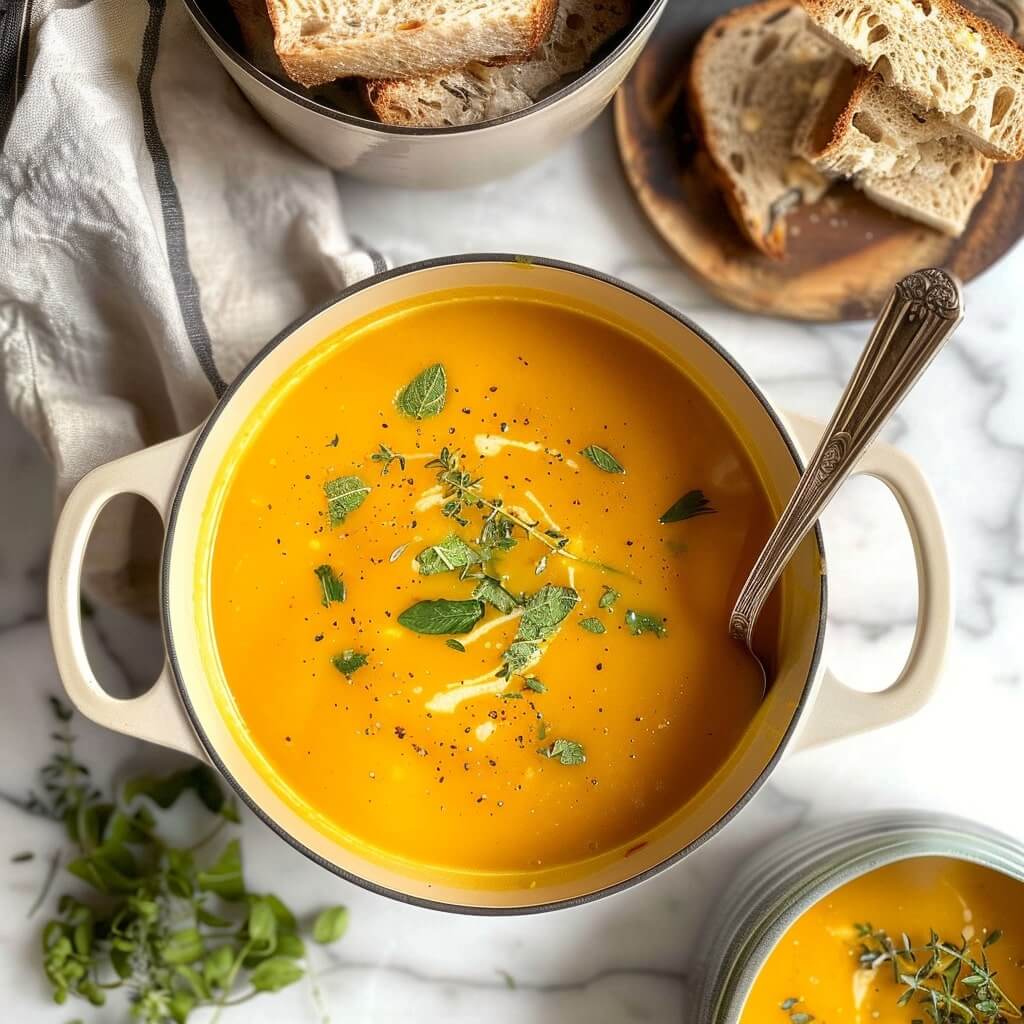
Butternut squash soup
Tool: either. Cooked squash is soft, and a stick blender gets it smooth in the pot. A countertop blender takes it a step further to velvet.
The step people skip: cooking the onion and aromatics until fully soft before the stock goes in. Undercooked onion leaves fibers no blender fixes.
Try Creamy Roasted Butternut Squash Soup or The Best One-Pot Butternut Squash Soup, which is built for a stick blender.
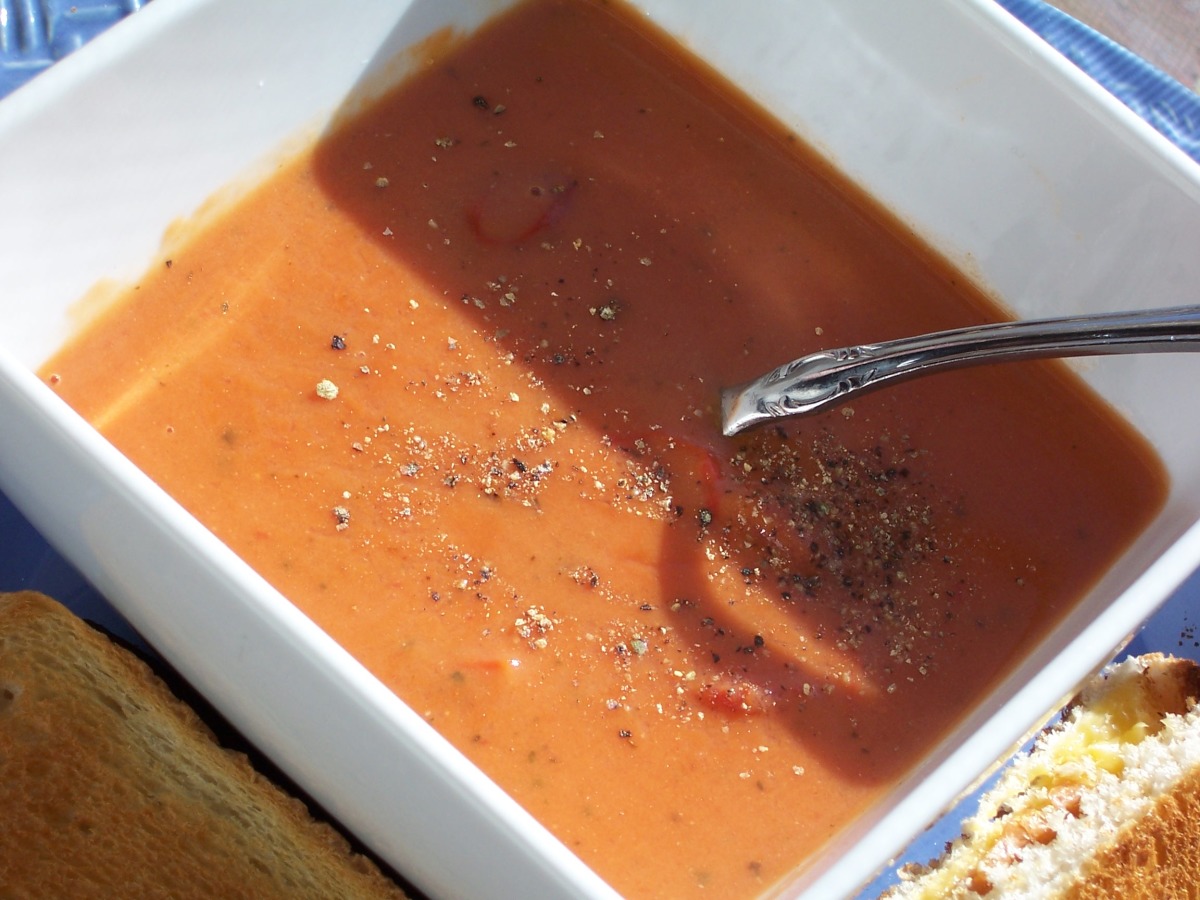
Tomato soup
Tool: countertop for a restaurant-smooth finish, stick for a rustic bowl. Tomato skins and seeds are the difference; a high-speed jar breaks them down further.
The step people skip: adding the cream or stock in stages. Blend the tomatoes thick first, then thin to the texture you want.
Try Creamy Tomato Basil Soup. For a bisque, strain it after blending: Tomato Basil Bisque.
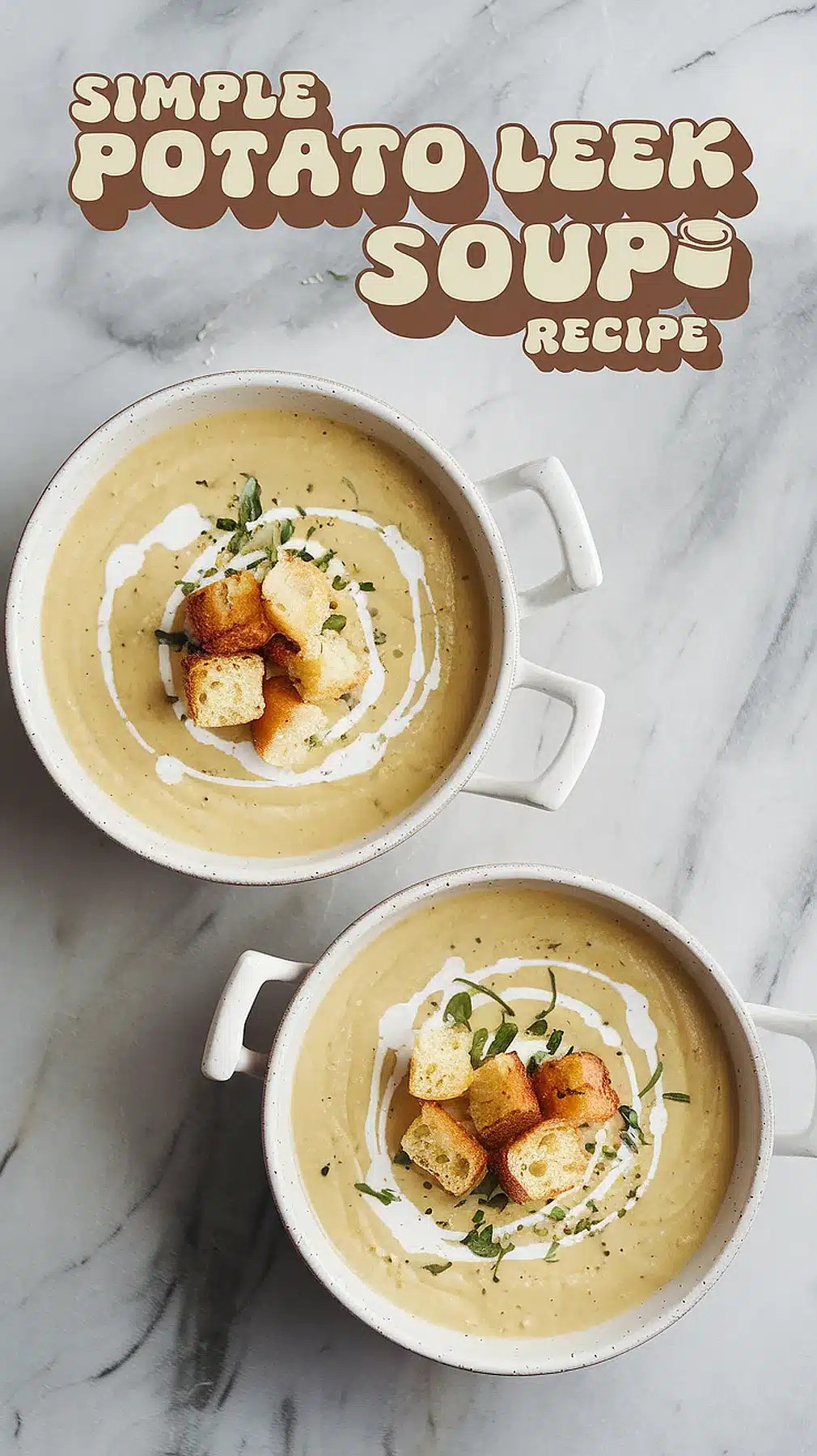
Potato leek soup
Tool: immersion blender, used briefly. This is the starch trap. Over-blended potato turns gluey because the blade ruptures the starch granules, and a high-speed countertop blender gets there faster.
The step people skip: pulsing. Short bursts, stop while there is still a little texture.
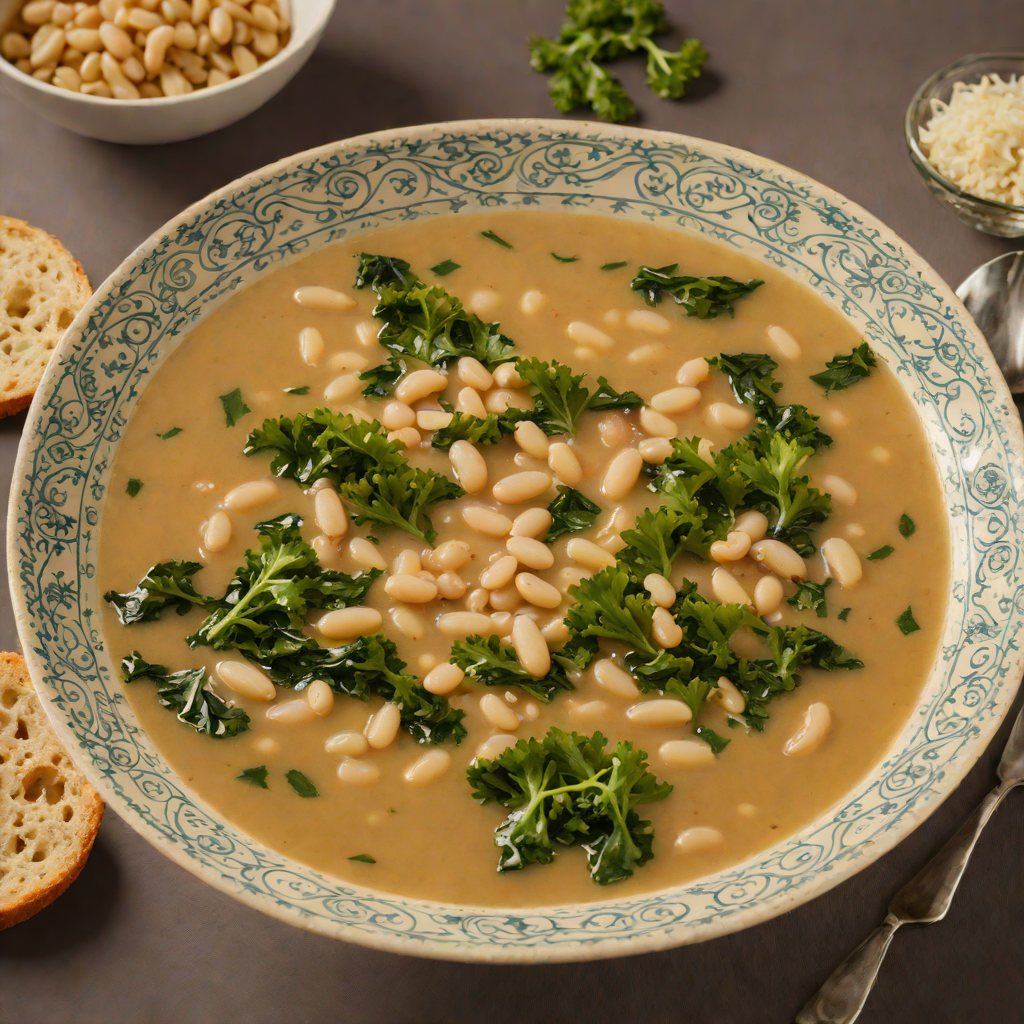
White bean soup
Tool: stick blender, partially. Blend a third to half the pot and leave the rest whole; the pureed beans thicken the broth while the whole beans keep the bite.
The step people skip: blending before the greens go in. If the recipe has kale, puree the beans first, then add the kale.
Try Tuscan-Style White Bean and Kale Soup or Creamy Italian White Bean and Kale Soup with Parmesan.
Broccoli cheddar soup
Tool: stick blender, before the cheese. Puree the broccoli and stock, then take the pot off the heat and stir in the cheese by hand. Blending after the cheese goes in can make it stringy, and high heat can make it grainy.
The step people skip: grating the cheese yourself. Pre-shredded cheese carries anti-caking starch that melts less smoothly.
Try Broccoli and Cheddar Soup with Light Cream.
The picks: from the two parent guides
No new products here. These are the parent guides' own picks for the two jobs, with a note on how each one handles soup. Each name goes to the product page; each "Check price" link goes to the retailer.
| Pick | Type | Role in its parent guide | Price tier | Soup note |
|---|---|---|---|---|
| Breville BSB510XL Control Grip | Immersion | Best Overall | $100 to $150 | Bell guard resists suction to the pot bottom |
| KitchenAid KHBV53 | Immersion | Best Value | Under $50 | Variable trigger for a slow, splash-free start |
| turelar 2-speed stick blender | Immersion | Best Compact / Budget | Under $25 | Enough for a few pots a year |
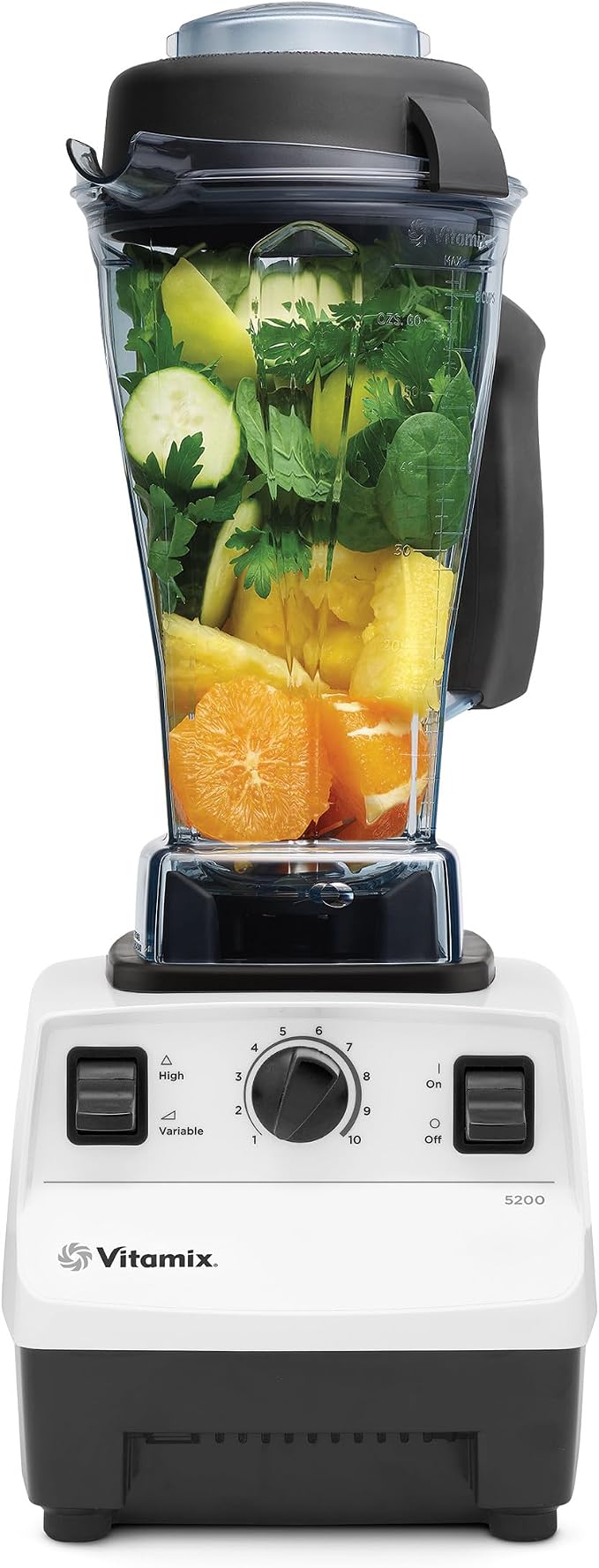
| Vitamix 5200 | Countertop | Best Overall | Premium, $400+ | 64 oz jar; friction-heats a cold soup base |
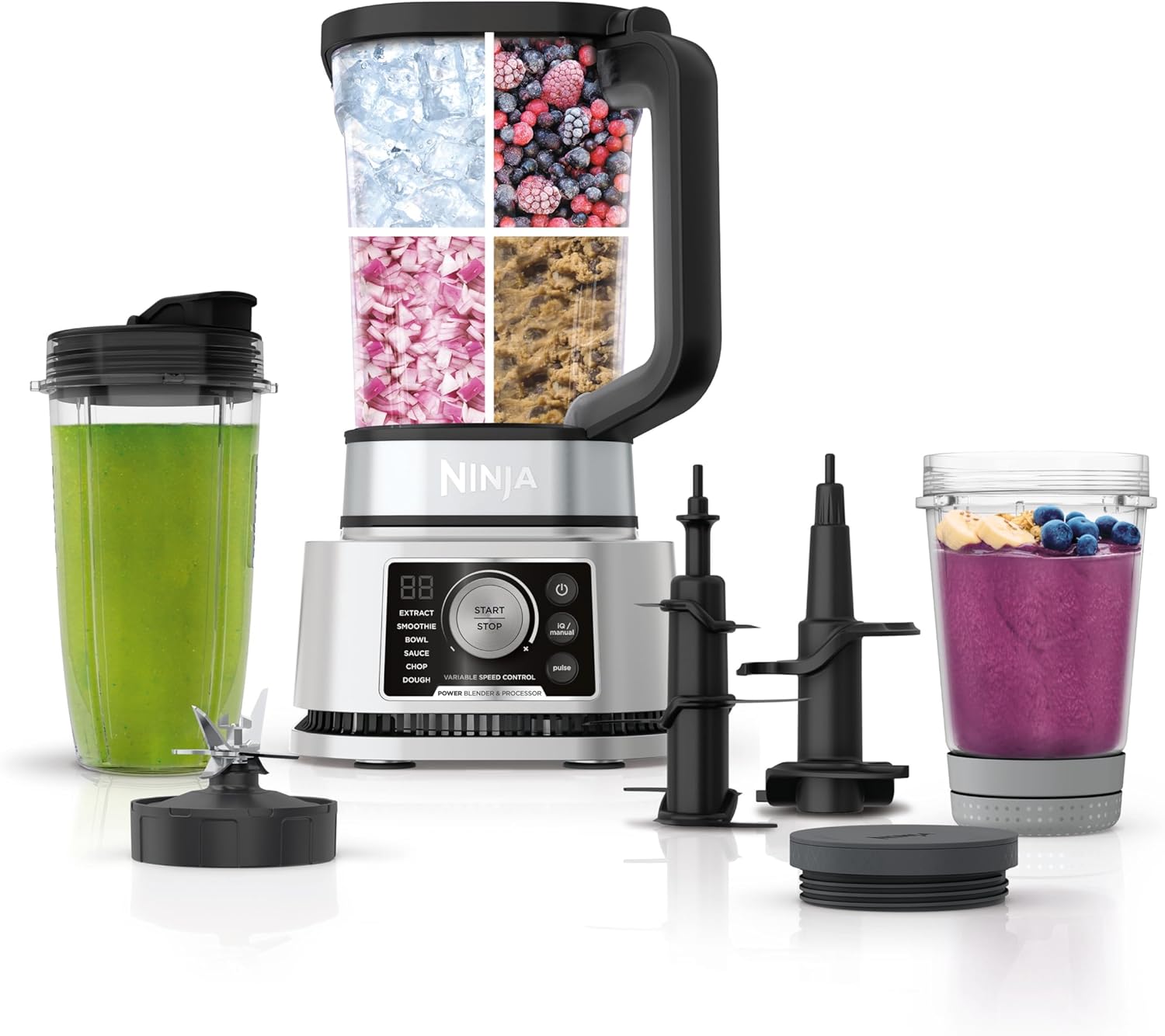
| Ninja Foodi SS351 | Countertop | Best Value | $150 to $250 | 72 oz pitcher for big batches; check the manual for hot-liquid limits |
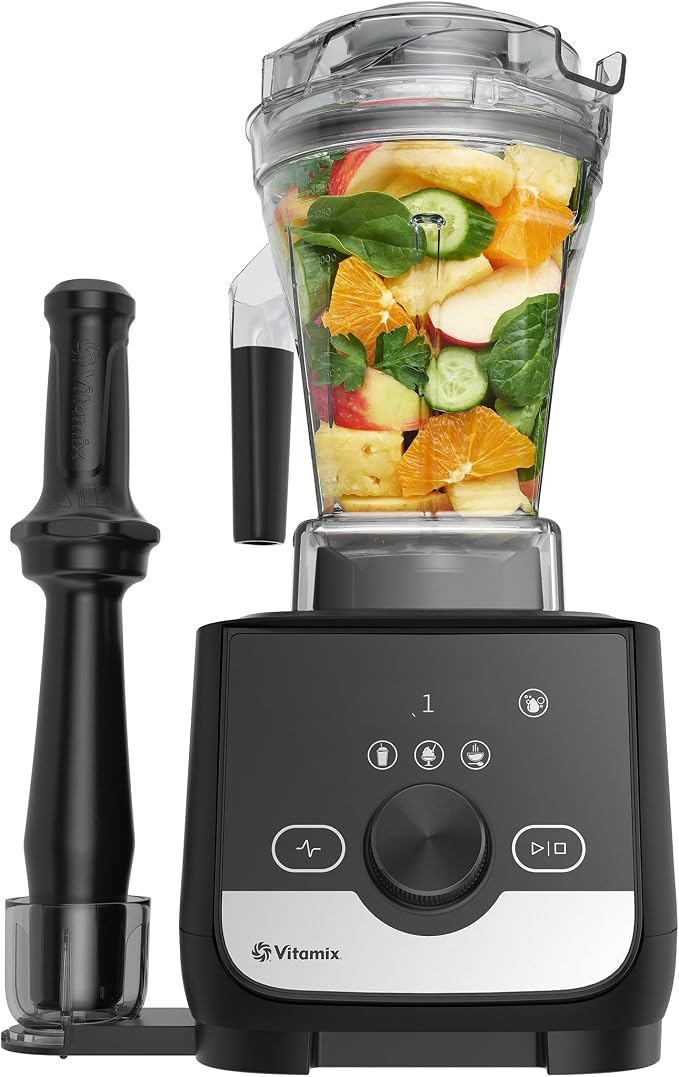
| Vitamix Ascent X3 | Countertop | Best Premium | Premium, $300+ | Hot Soup program, self-clean cycle |
Immersion: Breville BSB510XL Control Grip (Best Overall)
The Breville BSB510XL Control Grip puts the trigger under your fingers rather than your thumb, which is easier on the hand over a long puree. Its bell-shaped blade guard with internal ribbing is designed to cut down suction, which Breville describes on its product page. It is 280W with 15 speeds, and the shaft detaches for the dishwasher. Check price
Immersion: KitchenAid KHBV53 (Best Value)
The KitchenAid Variable Speed Hand Blender KHBV53 has a true variable trigger: squeeze harder, blend faster. That makes the slow start easy, and the slow start is what keeps soup in the pot. The stainless shaft is removable and KitchenAid sells replacement parts. Check price
If you make soup only a few times a year, the turelar 2-speed immersion blender is the no-frills option the parent guide names for that case. Check price
Countertop: Vitamix 5200 (Best Overall)
The Vitamix 5200 is the parent guide's Best Overall: a 2 HP motor, a 64 oz jar, a dial from 1 to 10 and no presets, with a published 7-year warranty. For soup it does two things a stick blender cannot: the silkiest puree, and heating a cold soup base by friction. It is loud, and the tall jar needs cabinet clearance. Check price
Countertop: Ninja Foodi SS351 (Best Value)
The Ninja Foodi SS351 pairs a 1,400 peak-watt motor with a 72 oz pitcher and a to-go cup on the same base. The big pitcher suits family-size batches. Its pitcher is plastic, so read Ninja's manual for its hot-liquid limit before you pour in simmering soup; letting the soup cool a little first is the safe default. Check price
Countertop upgrade: Vitamix Ascent X3 (Best Premium)
The Vitamix Ascent X3 is the soup cook's countertop pick if you want presets: a Hot Soup program, a self-clean cycle and a 48 oz container that the base detects automatically. The parent guide's advice holds: buy it over the 5200 only if you will use the presets daily. Check price
Browse the rest of the category in small appliances.
The pot matters too
A stick blender is only as good as the pot under it. The head must stay submerged, so you want a tall pot with straight sides and enough soup to cover the blade guard. A wide, shallow saute pan is the classic splatter setup.
- Dutch oven: heavy enamelled cast iron holds a steady simmer and is deep enough for a stick blender. See Best Dutch Ovens 2026. If yours is enamelled, keep the metal guard off the bottom so you do not scuff it.
- Stockpot: for big batches you will freeze, a tall stockpot gives the most depth. See Best Stock Pots 2026.
- Nonstick pots: check the stick blender's manual. Some guards scratch coatings; the KitchenAid Go model in the parent guide ships with a removable pan guard for exactly this reason.
You can browse more pots in cookware.
Soup season, December 2026
December 1 to December 31, 2026 is peak soup month. If you want a starting list, the cozy slow cooker soups and stews roundup collects 20 make-ahead pots. These pureed soups suit the tools above:
- Quick Butternut Squash Soup with Coconut Milk: stick blender, in the pot.
- Roasted Cauliflower Soup with Thyme: either; countertop for the smoothest finish.
- Spiced Carrot Ginger Soup with Coconut Milk: stick blender; strain if you want it silky.
- Half-and-Half Tomato and Roasted Red Pepper Soup: countertop for velvet, stick for rustic.
- Roasted Thai Coconut Curry Butternut Squash Soup: a good candidate for a high-speed blender's soup program.
When the pot is done, cool it fast. The USDA's leftovers guidance says to refrigerate cooked food within two hours, and to divide big batches into shallow containers so they chill evenly.
Common pitfalls
1. Filling a countertop jar to the top with hot soup. The single most common cause of a lid blowing off. Blend in two or three batches below the fill line.
2. Starting the stick blender above the surface. Submerge first, then press the trigger. Lift out only after it has stopped.
3. Over-blending potatoes. Gluey potato soup is a blending problem, not a recipe problem. Pulse briefly.
4. Blending in a shallow pan. The head cannot stay covered. Move the soup to a tall pot or tilt the pan.
5. Adding all the liquid at once. You cannot take liquid back out. Blend thick, then thin to taste.
When not to buy either
If you make pureed soup once or twice a winter and already own a food processor, you may not need a new blender at all. A food processor purees cooked vegetables well, though it leaks if you overfill it with thin liquid, so blend the solids with a little broth and stir the rest back in. And if you prefer chunky soups such as minestrone or chicken noodle, a potato masher does the partial mash that thickens the broth without any motor.
How we picked
We did not run blend tests for this page. The picks come from the shortlists in our two parent guides, Best Immersion Blenders 2026 and Best Blenders 2026. Specs come from the makers' published listings and manuals, and the safety steps follow the makers' hot-liquid guidance and the third-party sources listed below. Prices change, so the table uses dollar bands; the live price button on each product page shows today's price.
Sources
- USDA FSIS: Leftovers and Food Safety (accessed November 29, 2026)
- Vitamix: Ascent X3 product page (accessed November 29, 2026)
- Serious Eats: The Best Immersion Blenders (accessed November 29, 2026)
- Breville: BSB510 Control Grip product page (accessed November 29, 2026)
Last verified: November 29, 2026.
Frequently asked questions
Can you put hot soup in a countertop blender?
Will an immersion blender make soup as smooth as a Vitamix?
What pot works best with an immersion blender?
Is it worth owning both an immersion blender and a countertop blender?
How long can blended soup sit out before I refrigerate it?
Recipes to try with the blender
Put your gear to work — save any recipe to My Recipes (no account needed) and send its ingredients to Instacart in one tap.

Shop small appliances on AislePrompt →Browse the full kitchen shop →