Mediterranean Diet Food List: What to Eat + 40 Recipes for 2026
Your complete eat-this-not-that guide to the Mediterranean diet, sorted into daily, weekly, and occasional foods — with 10 recipes and a 5-day plan.
The Mediterranean diet food list centers on vegetables, fruit, whole grains, legumes, nuts, seeds, extra-virgin olive oil, and fish or seafood — eaten daily or weekly — with moderate poultry, eggs, and dairy, and only occasional red meat and sweets. Below you get the full list sorted into daily, weekly, and occasional tiers, plus 10 tested recipes and a 5-day plan you can shop in a single tap.
Get a free week of easy dinners
Seven weeknight dinners with the shopping list already totalled, sent Sunday. No account needed, unsubscribe in one click.
No spam, unsubscribe in one click. Recipes, shopping lists and Instacart carts all work without an account either way.
Introduction: Why the Mediterranean Diet Tops the Rankings
For nine years running through 2026, the Mediterranean diet has been ranked the best overall diet by the panel of physicians and nutrition scientists that U.S. News surveys each year. It is not a fad and it is not a 30-day reset — it is the everyday eating pattern of countries bordering the Mediterranean Sea, where meals are built around plants, olive oil, and seafood rather than red meat and refined carbohydrates.
The reason it wins is evidence, not marketing. Decades of research, summarized by Harvard Health — The Mediterranean Diet, link the pattern to lower rates of heart disease, stroke, and type 2 diabetes. The landmark PREDIMED trial found that people eating a Mediterranean diet supplemented with extra-virgin olive oil or nuts had roughly 30% fewer major cardiovascular events than those on a low-fat control diet. Mayo Clinic — Mediterranean diet reaches the same conclusion: it is one of the few eating patterns with strong, repeatable outcomes for heart and brain health.
What makes it stick is that it is genuinely enjoyable. There are no banned macronutrients, no calorie apps, and no joyless "diet food." You eat real meals — roasted vegetables glossed in olive oil, grilled fish, big herby salads, warm pita and hummus — and you stop fussing over the rest. The structure below shows you exactly how often to reach for each food group, which is the part most beginners get wrong.
The Mediterranean Diet Food List: Eat Daily, Weekly, and Occasionally
The whole diet fits on one page once you sort food by frequency. Think in three tiers: foods you eat at almost every meal, foods you eat a few times a week, and foods you treat as occasional. Here is the complete food list in table form.
| Frequency | Food groups | Examples |
|---|---|---|
| Every day | Vegetables, fruit, whole grains, legumes, nuts, seeds, herbs, extra-virgin olive oil | Tomatoes, leafy greens, eggplant, peppers, berries, oranges, whole-wheat bread, oats, brown rice, quinoa, lentils, chickpeas, walnuts, almonds, basil, oregano |
| A few times a week | Fish and seafood, poultry, eggs, dairy (especially yogurt and cheese) | Salmon, sardines, shrimp, chicken, Greek yogurt, feta, a small amount of parmesan |
| Occasionally | Red meat, processed meat, sweets, refined grains | Beef, lamb, bacon, pastries, white bread, sugary drinks |
Eat daily — the base of the pyramid. Vegetables are the foundation: aim for half your plate at lunch and dinner. Fruit covers most dessert cravings. Whole grains (brown rice, bulgur, farro, oats, whole-wheat pasta) and legumes (lentils, chickpeas, white beans) supply steady energy and fiber. Nuts and seeds add crunch and healthy fat in small handfuls. And extra-virgin olive oil is the diet's defining ingredient — most Mediterranean cooks use three to four tablespoons a day for cooking and dressing, which replaces butter and seed oils entirely. The U.S. government's own MyPlate — What is MyPlate guidance lines up closely here: fill half your plate with produce and favor whole grains over refined ones.
Eat weekly — the protein layer. Fish and seafood are the star animal proteins, eaten at least twice a week for omega-3 fats. Oily fish such as salmon and sardines deliver the most. Poultry and eggs appear a few times a week, and dairy shows up mostly as plain yogurt and modest amounts of cheese like feta or parmesan rather than big servings of milk.
Eat occasionally — the tip of the pyramid. Red meat shrinks to a few times a month, not a few times a week. Sweets, sugary drinks, white bread, and processed snacks are treats, not staples. Nothing is forbidden; it is simply a question of frequency.
Foods to Limit or Avoid
The Mediterranean diet is defined as much by what it crowds out as by what it includes. You do not have to ban anything outright, but these are the foods to keep to the edges of your plate and your week:
- Added sugar and sugary drinks. Soda, sweetened coffee drinks, candy, and most packaged desserts. A square of dark chocolate or fresh fruit covers the sweet tooth far better.
- Refined grains. White bread, white pasta, and pastries made with refined flour spike blood sugar and add little fiber. Swap in whole-grain versions or skip the bread basket in favor of a grain like quinoa.
- Processed and cured meats. Bacon, sausage, hot dogs, and deli meats are high in sodium and saturated fat. These are occasional, not daily.
- Heavily processed packaged foods. If the ingredient list is long and full of names you cannot pronounce, it is not a Mediterranean food. The pattern is built on whole ingredients cooked at home.
- Butter and seed oils as your main fat. Extra-virgin olive oil does this job. Keep butter for the rare baking project.
- Excess red meat. A small portion of grass-fed beef or lamb once or twice a month is fine; a daily steak is not the pattern.
The practical rule: shop the perimeter of the store, cook with olive oil, and let vegetables, grains, and legumes do the heavy lifting. Everything in the "limit" list still fits occasionally — the diet works precisely because it is sustainable rather than restrictive.
Top 10 Mediterranean Recipes from the Catalog
These ten dishes cover the whole food list — fish, poultry, legumes, grains, and vegetable-forward salads — and each one is built on olive oil, herbs, and fresh produce. Start here and you will rarely run out of dinner ideas.
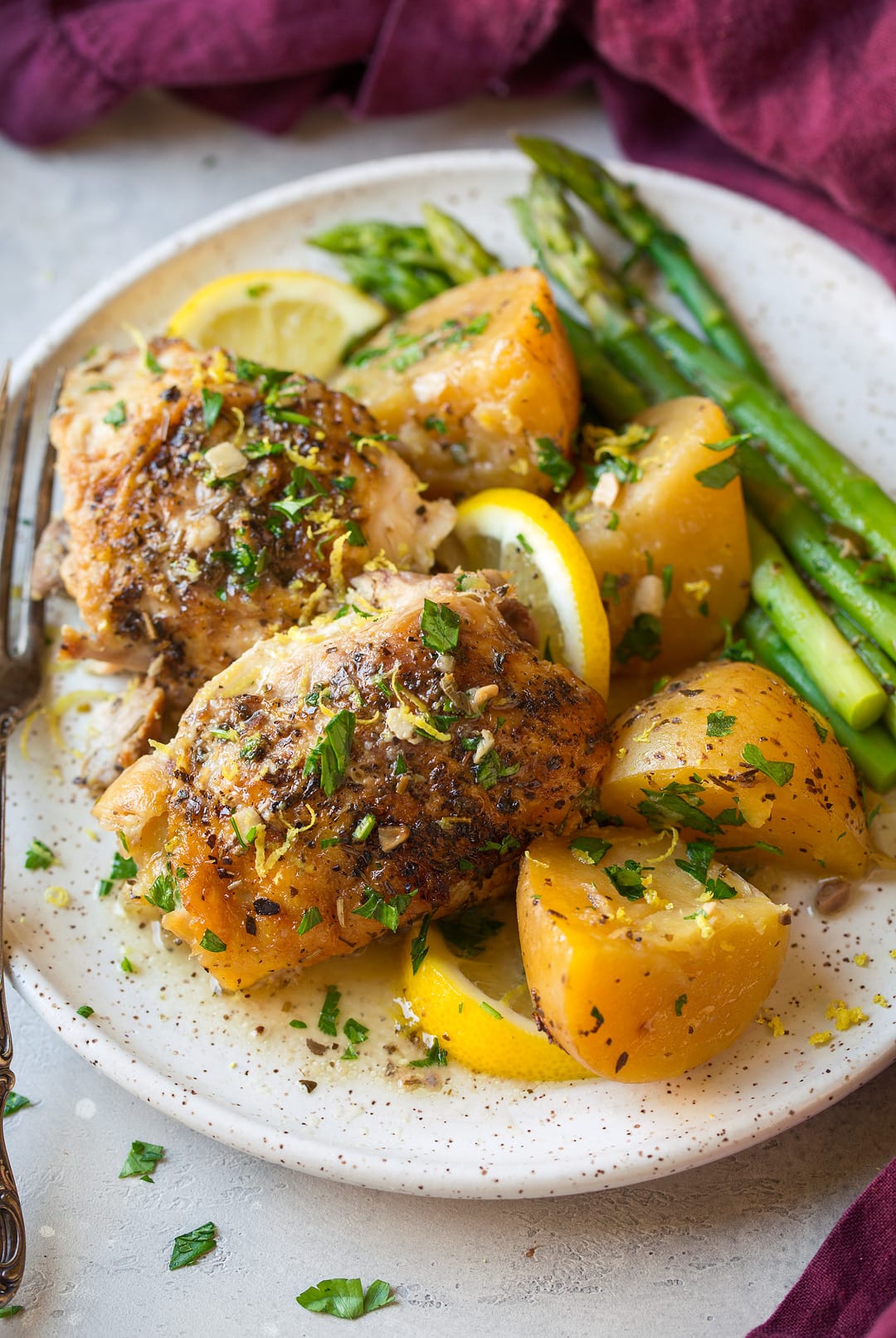
1. Slow-Cooked Greek Lemon Chicken with Potatoes — lemon, oregano, and olive oil turn weeknight chicken thighs into a hands-off Greek classic; the slow cooker does the work.
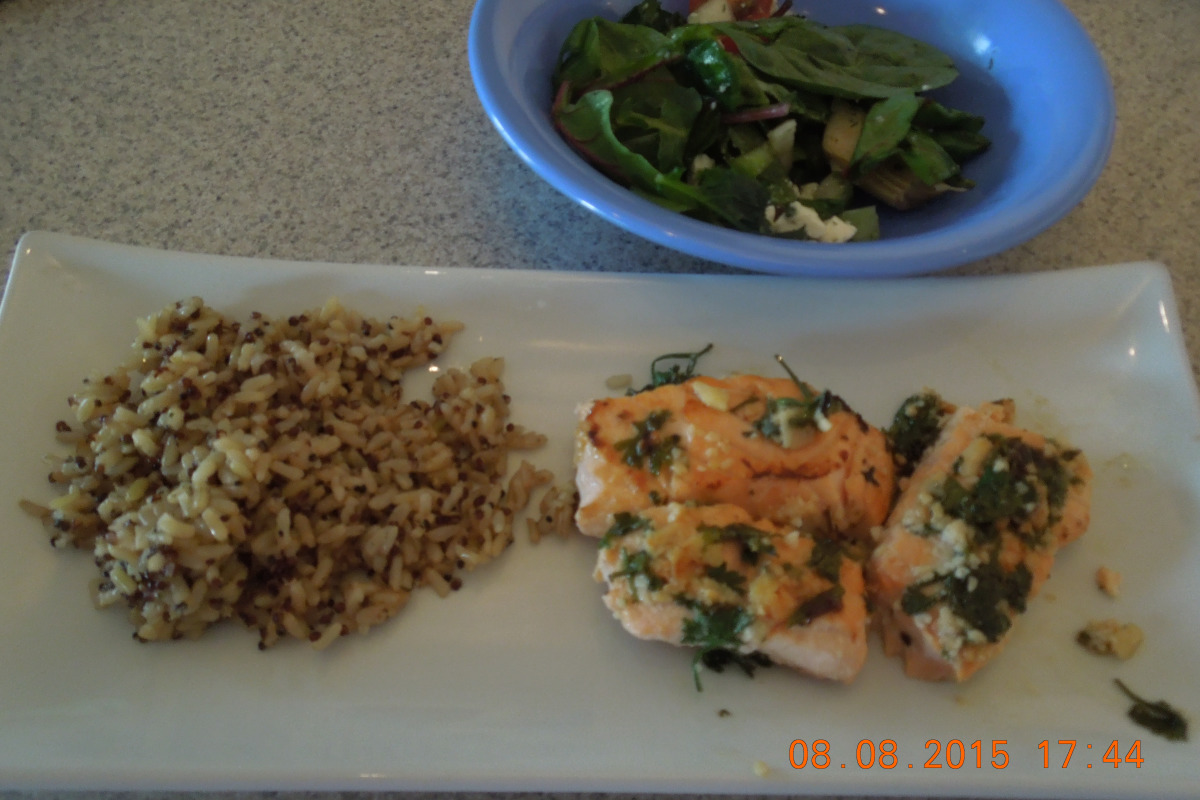
2. Lemon-Dill Salmon with Roasted Asparagus and Potatoes — a sheet-pan dinner that hits your twice-weekly oily-fish target with minimal cleanup.
3. Mediterranean Quinoa Salad with Chickpeas and Feta — a fiber-and-protein lunch that holds up for three days of meal prep.
4. Authentic Moroccan Shakshuka — eggs poached in a spiced tomato-and-pepper sauce; dinner-for-breakfast that costs a few dollars to make.
5. Lemon-Oregano Greek Salad with Kalamata Olives — the no-lettuce original: tomato, cucumber, red onion, feta, and olives dressed in olive oil.
6. Roasted Red Pepper & Za'atar Hummus with Pita Crisps — a make-ahead snack and lunch component that keeps legumes in the daily rotation.
7. Firefly Grilled Shrimp with Lemon-Dill Glaze — fast-cooking seafood for a weeknight; ready in under 15 minutes on the grill or a hot pan.
8. Pomegranate-Glazed Tabbouleh with Fresh Herbs — a parsley-forward whole-grain salad that is mostly herbs, the way it is meant to be.
9. Harissa-Spiced Chickpea and Spinach Stew — a one-pot vegetarian dinner that proves legumes can be the main event.
10. Slow-Roasted Ratatouille with Herbs — the French Mediterranean vegetable stew; serve it over quinoa or with crusty whole-grain bread.
5-Day Mediterranean Meal Plan
Here is a realistic Monday-to-Friday plan built entirely from the food list above. It hits two seafood dinners, two vegetarian dinners, and one poultry dinner — exactly the weekly rhythm the diet calls for. Breakfasts and lunches repeat on purpose, because batch-cooking is how this becomes sustainable.
| Day | Breakfast | Lunch | Dinner |
|---|---|---|---|
| Monday | Greek yogurt, berries, walnuts | Quinoa salad with chickpeas and feta | Slow-cooked Greek lemon chicken |
| Tuesday | Whole-grain toast, olive oil, tomato | Leftover quinoa salad | Lemon-dill salmon with asparagus |
| Wednesday | Shakshuka with whole-grain pita | Hummus, pita, and Greek salad | Harissa chickpea and spinach stew |
| Thursday | Overnight oats with almonds and fruit | Leftover chickpea stew | Grilled shrimp with tabbouleh |
| Friday | Greek yogurt, honey, seeds | Tabbouleh and hummus plate | Slow-roasted ratatouille over quinoa |
A few notes that make the plan work in real life. Cook once, eat twice: Monday's quinoa salad and Wednesday's stew both carry into the next day's lunch, so you only do five real cooking sessions. Snacks are simple: a handful of almonds, a piece of fruit, or carrot sticks with leftover hummus. Adjust portions, not foods: if you are more active, add an extra serving of whole grains or a second piece of fruit rather than reaching for processed snacks. If you want a fully built-out month, our Complete Mediterranean Diet Meal Plan extends this same structure across 30 days with a printable shopping list.
What to Buy: Pantry Staples + Kitchen Tools
A Mediterranean kitchen runs on a short, dependable pantry. Stock these and you can throw together most of the recipes above without a special trip.
Pantry staples to keep on hand:
- Extra-virgin olive oil (a dark-bottle, good-quality one for finishing, plus a workhorse bottle for cooking)
- Canned chickpeas, white beans, and lentils
- Canned whole and crushed tomatoes
- Whole grains: quinoa, brown rice, bulgur, whole-wheat pasta
- Olives, capers, and a jar of tahini
- Dried oregano, cumin, smoked paprika, and za'atar
- Garlic, lemons, and a rotating mix of fresh herbs (parsley, mint, dill, basil)
- Nuts and seeds: walnuts, almonds, sesame seeds
- Greek yogurt and feta for the fridge
Kitchen tools that make it easier. You do not need much, but a few good pieces remove all the friction. A heavy skillet or sauté pan handles shakshuka, seared fish, and most weeknight cooking — browse our Cookware picks for one that will last. A sharp chef's knife and a sturdy cutting board turn the daily pile of vegetables from a chore into two minutes of work; the Utensils & Tools category covers knives, peelers, and the citrus reamer you will use for all that lemon. And because this diet leans on batch-cooking, a set of stackable Storage & Containers keeps your quinoa salad and chickpea stew fresh for the week. A blender or food processor for hummus and a rimmed sheet pan for roasting round out the kit.
Build Your Mediterranean Shopping List with AislePrompt
The fastest way to start is to let AislePrompt do the list-building for you. Open any recipe above and add it to your list, or describe your week to the AI assistant and it will assemble a complete Mediterranean grocery list in seconds. Tell the AI chat something like "build me a 5-day Mediterranean plan, pescatarian, no nuts" and it rebuilds the plan and the shopping list around your needs — gluten-free, dairy-free, higher-protein, or budget-conscious — while keeping the structure intact.
Once your shopping list is ready, the one-tap Instacart button sends it to your local store with smart substitutions for anything they do not stock, so a missing jar of za'atar never derails the plan. You can also browse the full meal plan builder to lock in a repeating weekly rotation. The point of the tooling is the same as the point of the diet: remove the friction so the healthy choice is also the easy one.
Give it one week. Cook three or four of the recipes above, keep the pantry stocked, and let the daily-weekly-occasional rhythm guide your plate. As of 2026, no eating pattern has more evidence behind it or a lower barrier to entry — and with the list and the plan in hand, you already have everything you need to start tonight.
FAQ
What foods are on the Mediterranean diet food list?
The core list is vegetables, fruit, whole grains, legumes, nuts, seeds, olive oil, and fish or seafood, with moderate poultry, eggs, and dairy. Red meat and sweets are occasional. This guide breaks the list into daily, weekly, and occasional tiers so you know how often to eat each group.
Is the Mediterranean diet good for weight loss?
It can support gradual, sustainable weight loss because it emphasizes fiber-rich vegetables, legumes, and healthy fats that keep you full, while limiting refined sugar and processed food. It is designed as a lifelong eating pattern rather than a short-term diet, so results tend to last longer than restrictive plans.
How much olive oil should I use on the Mediterranean diet?
Most Mediterranean eaters use three to four tablespoons of extra-virgin olive oil per day across cooking and dressings. It is the primary added fat, replacing butter and processed oils. Buy a dark-bottle extra-virgin oil for the best flavor and antioxidants, and store it away from heat and light.
Can I make this meal plan gluten-free?
Yes. Swap whole-wheat bread and pasta for naturally gluten-free options like quinoa, brown rice, lentils, and chickpeas, all of which fit the Mediterranean pattern. The AI chat at /chat will rebuild the five-day plan around gluten-free, dairy-free, or pescatarian needs while keeping the same structure and shopping list.
Do I need special ingredients my store won't have?
No. The plan uses widely available staples such as olive oil, canned chickpeas, tomatoes, Greek yogurt, feta, salmon, and fresh produce. A few items like tahini or za'atar are optional flavor boosters. Use the Instacart button on your AislePrompt list to find any specialty item locally with substitutions.
Related Guides
- The Complete Mediterranean Diet Meal Plan — 30 days of recipes and a printable shopping list built on the same food list.
- The Complete Mediterranean Meal Plan for 2026 — a 25-recipe variation with weekly themes.
- The Complete Vegetarian Meal Plan — for going meat-free while keeping the Mediterranean balance.
- High-Protein Meal Prep: 5-Day Plan — a higher-protein take that still leans on fish, legumes, and yogurt.
Frequently asked questions
What foods are on the Mediterranean diet food list?
Is the Mediterranean diet good for weight loss?
How much olive oil should I use on the Mediterranean diet?
Can I make this meal plan gluten-free?
Do I need special ingredients my store won't have?
Sources
Mediterranean recipes from the catalog
Save any of these to My Recipes — no account needed — and send the ingredients to Instacart in one tap.
A Mediterranean diet week, planned for you.
Ask our AI for seven Mediterranean diet dinners — it builds the shopping list and sends the cart to Instacart. No account needed.
Plan my Mediterranean diet week →