$100 Weekly Grocery Budget Meal Plan: 21 Meals for a Family of 4
A real Aldi/Walmart receipt, 10 catalog recipes, and the Sunday-prep routine that keeps the math honest.
Affiliate disclosure: AislePrompt may earn a commission on qualifying purchases made through Amazon and Instacart links in this article, at no additional cost to you. See our affiliate policy →
Introduction: Yes, $100 Still Feeds a Family of Four in 2026
Yes — $100 still covers a full week of dinners, lunches, and breakfasts for a family of four in 2026, with a per-serving cost of about $1.19 across 21 main meals plus snacks. The plan below uses ten real recipes already in the AislePrompt catalog, a shopping list organized by aisle, and a small bag of weekend prep tricks that collapse weeknight cook times to 15–20 minutes. You will hit the budget at Aldi, Walmart, or any warehouse club without coupons, without skipping protein, and without serving cereal for dinner. What it asks of you is a 90-minute Sunday session and a willingness to repeat ingredients across the week. That is the entire deal.
The Cost-Per-Meal Math (and Where Budgets Go Wrong)
A family of four eating three meals a day works out to 84 separate meals in a week — that is the math nobody wants to do on Monday morning, because $100 ÷ 84 = $1.19 per serving. That sounds impossible until you remember three things: breakfasts and lunches average $0.35–$0.75 per serving (oatmeal, eggs, peanut butter sandwiches, leftover rebuilds), the same five proteins can anchor 14 different dinners if you rotate the carb and the sauce, and roughly half of a typical grocery bill is fixable shrinkage — spoilage, half-used cans pushed to the back of the fridge, the third bag of arugula nobody ate.
Where most $100 budgets go wrong is the produce drawer. Buying a romaine head, an iceberg head, and a clamshell of spinach in the same trip means at least one will rot. The plan below picks one sturdy green per week (cabbage in winter, romaine in summer) and uses it across multiple meals. Same rule applies to fresh herbs — pick parsley OR cilantro for the whole week, not both, and freeze whatever's left in oil at the end. The other classic leak is bottled sauces. A $5 jar of marinara is sometimes the right call, but on this budget you will make your own from a $1 can of crushed tomatoes plus garlic, salt, olive oil, and a pinch of sugar. That swap saves $3 per week, every week.
Real numbers from a current Aldi receipt in a Midwest metro (April 2026):
| Item | Quantity | Price |
|---|---|---|
| Chicken thighs, bone-in skin-on | 4 lb | $7.16 |
| Ground beef, 85/15 | 1 lb | $4.49 |
| Smoked sausage (kielbasa) | 1 lb | $2.99 |
| Eggs, large | 18 ct | $4.79 |
| Whole milk | 1 gallon | $2.65 |
| Block cheddar | 8 oz | $2.19 |
| Long-grain white rice | 5 lb | $4.49 |
| Dried lentils | 1 lb | $1.99 |
| Black beans, canned | 4 × 15 oz | $3.16 |
| Crushed tomatoes | 2 × 28 oz | $2.18 |
| Penne pasta | 2 × 1 lb | $1.98 |
| Tortillas, flour 10-in | 16 ct | $2.49 |
| Yellow onions | 3 lb | $1.99 |
| Garlic | 1 bulb | $0.59 |
| Carrots | 2 lb | $1.69 |
| Celery | 1 bunch | $1.49 |
| Cabbage, green | 1 head | $1.99 |
| Russet potatoes | 5 lb | $3.99 |
| Sweet potatoes | 3 lb | $2.49 |
| Frozen mixed vegetables | 2 lb | $2.49 |
| Frozen spinach | 16 oz | $1.79 |
| Bananas | 3 lb | $1.41 |
| Apples, Gala | 3 lb | $3.99 |
| Oats, rolled | 42 oz | $3.49 |
| Peanut butter | 16 oz | $2.29 |
| Bread, whole wheat | 2 loaves | $3.98 |
| Tuna, canned in water | 4 × 5 oz | $3.16 |
| Tomato sauce | 4 × 15 oz | $1.96 |
| Vegetable oil | 48 oz | $3.99 |
| Total |
| $87.41 |
That leaves $12.59 for a wildcard splurge — a $6 rotisserie chicken on a busy Wednesday and a $5 frozen pizza for one Friday night will not break the math.
Smart Shopping Rules That Make the Plan Work
Rule one: pick one store and stick with it for the staples, then price-check produce at a second. Aldi and Walmart pricing differs by less than $0.30 per item on shelf-stable goods. Where they diverge is fresh produce — a bag of yellow onions might be $0.60 cheaper at one or the other on any given week. Use the AislePrompt Instacart integration to compare live prices across nearby stores from the same shopping list — open the Meal Plan page, build the week's plan, and the Shopping List shows the live total at each store before you click "Send to Instacart."
Rule two: bone-in, skin-on chicken thighs beat boneless breasts on this budget every single week. Thighs cost about half as much per pound, they tolerate longer cook times without drying out, and the rendered fat from the skin is free flavor for the rice underneath. The whole plan is built around one One-Pot Chicken and Rice cook on Sunday that produces enough cooked chicken to anchor three other meals during the week.
Rule three: dried beans cost about a third of canned beans per cup, but they take overnight planning. The realistic compromise is: keep one bag of dried beans soaking on the counter from Sunday afternoon, ready for Tuesday's chili, but use canned for the Wednesday tacos because by Wednesday you do not want to start a 90-minute bean simmer. Either approach is acceptable on this budget — the difference is roughly $1 per week.
Rule four: never throw out the bones, the carrot tops, the celery leaves, or the onion ends. All of it goes into a quart-size freezer bag labeled "stock," and when the bag is full it becomes free chicken stock — five quarts at a time, salted to taste. That stock is the base of the Lentil and Vegetable Soup on Wednesday and Thursday's pasta sauce. A box of store-bought broth runs $3–4; making your own from scraps recovers about $8 per month.
Rule five: pantry staples are bought every six weeks, not weekly. Oil, salt, dried spices, flour, sugar, vinegar, soy sauce, and rice all go on a separate bulk-buy list. If your pantry is empty today, budget a one-time $30–40 build-out for these items; once they're in the cupboard, your true weekly grocery spend drops to the $87 figure above.
Week 1: 21 Meals (Breakfast, Lunch, Dinner) with Recipe Links
This is the actual seven-day schedule. Cook times assume the Sunday meal-prep session (described below) has happened.
Monday
- Breakfast: Overnight oats with bananas and peanut butter — 8 minutes hands-on, 5 minutes per serving cost-of-goods $0.42.
- Lunch: Egg salad sandwiches on whole wheat — 10 minutes, $0.65 per serving.
- Dinner: The Great Deal One-Pot Chicken and Rice — Sunday's batch reheated, with frozen mixed veg stirred in for the last 4 minutes. $1.55 per serving.
Tuesday
- Breakfast: Scrambled eggs and toast — 8 minutes, $0.55 per serving.
- Lunch: Leftover chicken-and-rice, repurposed as a "rice bowl" with hot sauce and a fried egg on top.
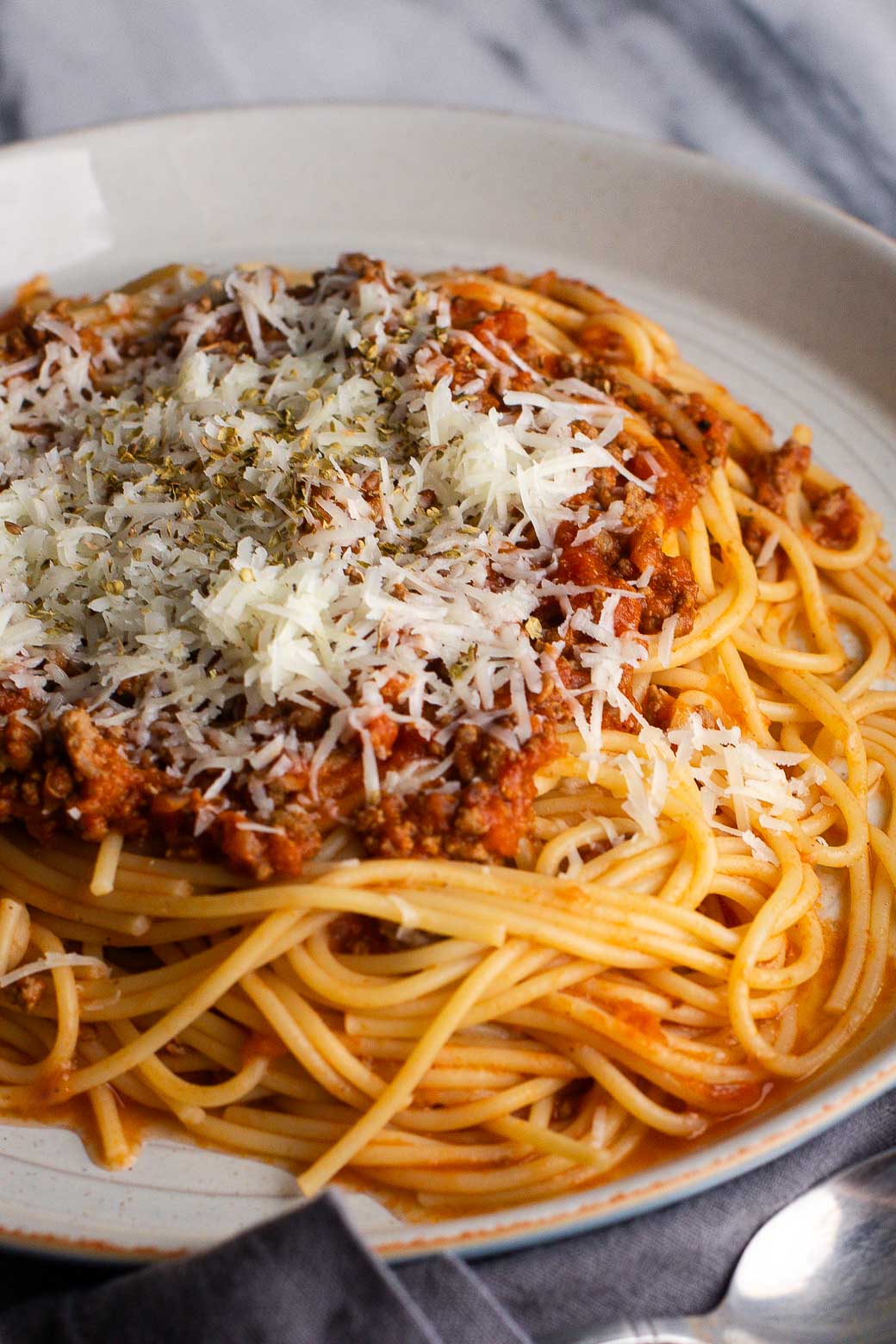
- Dinner: Spinach-Ricotta Baked Ziti — uses the home-made tomato sauce from your Sunday prep, ground beef stretched with frozen spinach. $1.78 per serving.
Wednesday
- Breakfast: Oatmeal with cinnamon and diced apple — 6 minutes, $0.38 per serving.
- Lunch: Leftover ziti, packed cold for lunchboxes (it eats better at room temp than reheated).
- Dinner: Sheet Pan Sausage and Broccoli — smoked sausage, cabbage wedges, and potatoes on one sheet pan at 425°F for 30 minutes. The whole meal uses one bowl and one pan. $1.42 per serving.
Thursday
- Breakfast: Peanut butter banana toast — 4 minutes, $0.41 per serving.
- Lunch: Tuna salad sandwiches on whole wheat with celery — 10 minutes, $0.72 per serving.
- Dinner: Tamarind-Infused Lentil Soup — dried lentils, the homemade chicken stock from the freezer-bag bones, carrots, celery, and any leftover roasted potatoes. $0.94 per serving.
Friday
- Breakfast: Tex-Mex Breakfast Burrito — pulled from the freezer on Thursday night, microwaved 90 seconds Friday morning. $0.86 per serving.
- Lunch: Leftover lentil soup, ladled into a thermos.
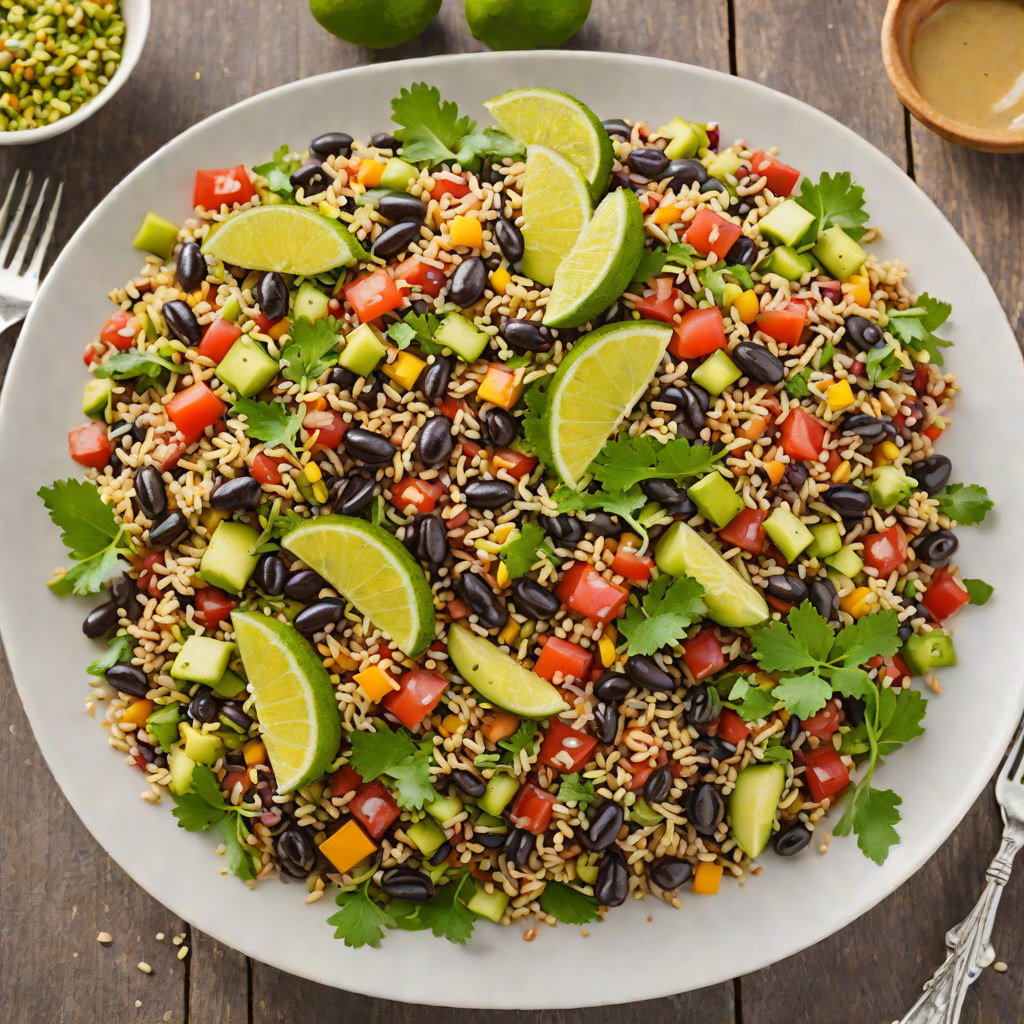
- Dinner: ALDI Sweet Potato & Black Bean Tacos — roasted sweet potato cubes, canned black beans, a quick lime-cabbage slaw. $1.18 per serving.
Saturday
- Breakfast: Hidden Veggie Fried Rice with a fried egg on top — uses Sunday's leftover rice and any sad-looking vegetables from the crisper. $0.78 per serving.
- Lunch: Grilled cheese on whole wheat plus an apple — 8 minutes, $0.85 per serving.
- Dinner: Spiced Chicken & White Bean Chili — uses the last of Sunday's roasted chicken plus a can of white beans (substitute black beans if you used them all for Friday tacos). $1.64 per serving.
Sunday
- Breakfast: Pancakes from scratch (flour, milk, egg, oil, a spoon of sugar) — $0.45 per serving.
- Lunch: Authentic Roman Aglio e Olio — five-minute pasta with garlic, olive oil, parsley, and red pepper flakes. The cheapest dish in the entire plan: $0.61 per serving.
- Dinner: Pan-Seared Tuna Melt with Gruyère — swap the Gruyère for the cheaper block cheddar already in your fridge; the technique works the same. $1.36 per serving.
That is 21 main meals, plus an evening-snack budget of $4 for the week (apples, banana, peanut butter). Total at the register: $87–$93 depending on regional pricing. Total active cook time across the entire week (not counting Sunday prep): about 145 minutes — roughly 20 minutes per dinner, with a few even shorter.
The Full Shopping List, Organized by Aisle
Print this and bring it to the store. It is organized in the order a typical supermarket lays out, so you do one lap and you are done. Sending the same list to the AislePrompt Shopping List tab will produce an Instacart-ready cart in 90 seconds.
Produce
- Yellow onions, 3 lb
- Garlic, 2 bulbs
- Carrots, 2 lb
- Celery, 1 bunch
- Green cabbage, 1 head
- Russet potatoes, 5 lb
- Sweet potatoes, 3 lb
- Bananas, 3 lb
- Apples (Gala or Fuji), 3 lb
- Parsley, 1 bunch
- Limes, 4
- Lemon, 1
Meat & Dairy
- Bone-in skin-on chicken thighs, 4 lb
- Ground beef, 85/15, 1 lb
- Smoked sausage (kielbasa), 1 lb
- Canned tuna in water, 4 × 5 oz
- Eggs, 18 ct
- Whole milk, 1 gallon
- Block cheddar, 8 oz
- Whole-milk ricotta, 15 oz tub
Pantry & Dry Goods
- Long-grain white rice, 5 lb (or whatever size you'll finish in two weeks)
- Dried lentils, 1 lb
- Rolled oats, 42 oz
- Penne or ziti pasta, 2 × 1 lb
- Spaghetti, 1 lb
- Tortillas, flour 10-inch, 16 ct
- Whole-wheat bread, 2 loaves
- Canned black beans, 4 × 15 oz
- Canned white beans (cannellini or great northern), 2 × 15 oz
- Crushed tomatoes, 2 × 28 oz
- Tomato sauce, 4 × 15 oz
- Peanut butter, 16 oz
Frozen
- Mixed vegetables, 2 lb
- Chopped spinach, 16 oz
Already in your pantry (the six-week build-out)
- Olive or vegetable oil, salt, black pepper, garlic powder, smoked paprika, cumin, dried oregano, red pepper flakes, soy sauce, white vinegar, sugar, flour, baking powder, cinnamon.
Pack the perishables into the right storage containers when you get home — square stackable containers fit fridge shelves better than round, and clear lids let you see what's inside without opening the door. Cold air rushing out every time you check the leftover ziti is how the next week's grocery bill creeps up.
How to Stretch Proteins: Beans, Eggs, and Strategic Leftovers
Four pounds of chicken thighs is the budget anchor. Roast all four pounds on Sunday afternoon at 425°F for 35 minutes. The skin renders enough fat to crisp the potatoes underneath; the meat comes off the bone in three minutes once it has rested. Pull half the meat for Monday's one-pot chicken-and-rice. Reserve a quarter for Thursday's chili. The last quarter becomes Wednesday's lunch rice-bowl topping.
Eggs do the same heavy lifting on the breakfast and lunch side. Eighteen large eggs at $4.79 means $0.27 per egg. Two eggs per person at breakfast on Tuesday and Thursday plus four eggs scrambled into Saturday's fried rice plus two eggs in the burrito plus one egg per pancake — that comes out to exactly 18 eggs across the week, with zero waste. If you have a carton organizer in the fridge they keep their original tray-and-lid form-factor and crack cleanly.
Beans are the silent hero. One can of black beans goes into Friday's tacos. The second can backstops the lentil soup mid-week if the lentils alone feel thin. The third can becomes a side of refried beans on a different week. Beans cost $0.79 per 15-oz can — a 1.5-cup yield serves four — which works out to $0.20 per serving for a complete-protein side. Dried lentils are even cheaper: $0.32 per cup yields four 1-cup soup servings at $0.08 per serving of protein. Pound for pound, lentils are the cheapest protein in any American supermarket.
The "strategic leftovers" rule means: roast more than you'll eat tonight, but never serve the same dish twice. Sunday's chicken-and-rice becomes Monday's chicken-and-rice (same dish — that one repeat is unavoidable and the kids will accept it because it is good), then Tuesday's lunchbox rice bowl, then Wednesday's chili meat, then Thursday's late-week soup garnish if there are scraps left. Five touches on one roast. That is the move.
Bulk-Buy Pantry Staples That Drop the Per-Meal Cost
The six-week pantry build-out is the single highest-leverage investment in this plan. A 25-lb bag of long-grain rice at a warehouse club costs about $14 — that is $0.56 per pound, versus $0.90 per pound for the 5-lb bag at Aldi. Across 26 weeks of meal-planning that one swap saves $44. The same math applies to:
- Olive oil: a 3-liter tin runs $20–25 at a warehouse club ($0.20 per oz) versus $5 for an 8-oz bottle at a regular grocery store ($0.63 per oz).
- Dried beans: a 4-lb bag of black beans runs $6 at a warehouse club ($0.09 per dry oz, ~$0.15 per cooked cup) versus $0.79 for a 15-oz can ($0.39 per cup).
- Oats: a 10-lb bag of rolled oats runs $11 ($0.07 per oz) versus $3.49 for 42 oz at Aldi ($0.08 per oz). The savings are real but small — don't bulk-buy oats unless you have airtight storage.
- Soy sauce: a 1-gallon Kikkoman jug runs $14 ($0.11 per oz) versus $3 for a 10-oz bottle ($0.30 per oz).
- Honey: a 5-lb jug runs $18 ($0.22 per oz) versus $5 for an 8-oz bear ($0.63 per oz).
A first-trip warehouse-club run that lays in all the dry pantry staples plus oil and soy sauce costs roughly $130 and lasts three to four months. Amortized, that is $9 per week of "invisible" savings rolled into the meal plan you are already executing.
You will need good containers for any of this to work. Open bags of dried goods attract pantry moths within six weeks; once you have moths it is a $200 problem. Twelve-cup airtight pantry containers (square ones from the storage aisle, not round — square stacks better and uses 30% less shelf area) are the one-time spend that protects every bulk-buy purchase. Pair them with a labeling system so a stranger could navigate your pantry; this is what makes the second cook in the house — your spouse, a teenager — actually able to start dinner without asking where the cumin is. Even a basic chef's knife and cutting board bought once at $40 outlasts a dozen $4 knives.
A countertop pressure cooker (Instant Pot, $60 on sale) cuts dried-bean cook time from 90 minutes to 25 and dries up the last reason people skip dried beans for canned. If you find yourself doing this plan every week for two months and want to graduate, this is the small appliance to buy.
How to Send the Whole List to Instacart and Compare Store Prices
The AislePrompt workflow:
1. Open the Meal Plan page on your laptop or phone.
2. Click "Use a template" → "Budget Family of Four (Week 1)." The same ten recipes from this article populate the planner.
3. Hit "Generate Shopping List" — the recipes' ingredient lists fold together, units convert (3 onions + 2 onions becomes 5 onions), and duplicates collapse.
4. Tap "Compare Stores" at the top of the shopping list. The integration prices the cart at Aldi, Walmart, Target, and any regional chain near your zip code, in real time. Differences over 10% are highlighted in green or red.
5. Pick the cheapest cart (or split it across two stores if the savings clear the second delivery fee), then "Send to Instacart" → confirm in the Instacart app → schedule delivery for Sunday morning so the food is in your kitchen before the prep session.
If you do not use Instacart and prefer to shop in person, "Print List" produces a paper version organized by aisle for the store you selected. Take it. Buy nothing not on the list. The single behavioral discipline that keeps a $100 grocery week at $100 is "do not freelance in the store" — that bag of chips, that block of fancy cheese, that mango that looked good were not in the plan. They each cost $4–6 and they are the difference between $93 and $115.
Common Budget-Cooking Mistakes (and the Fix)
Mistake: buying boneless skinless chicken breasts because they "seem healthier." Bone-in thighs are about half the cost per pound, more forgiving on cook time, and the fat content (3.5 g per 4 oz versus 1 g for breast) is not the problem people think it is when total weekly servings stay reasonable. Fix: thighs as default; breasts only when a specific recipe demands them.
Mistake: throwing out the dark green tops of leeks, celery leaves, carrot peels, or parsley stems. All of it is stock-bag material. Fix: keep a freezer bag labeled "stock" and add scraps daily; when full, simmer for two hours with a chicken carcass to produce 5 quarts of free broth.
Mistake: cooking the same volume of rice or pasta every night because that is what the recipe says. A four-person family needs about 1.5 cups of uncooked rice per dinner; doubling that for "leftovers" turns into a wet brick in the fridge by Wednesday. Fix: measure once on Sunday, cook 4 cups of rice total for the week (uses ~80% by Saturday), refrigerate immediately in a flat layer for fastest reheat.
Mistake: refrigerating bread. Bread goes stale 6× faster in the fridge than on the counter due to retrograde starch crystallization. Fix: keep the working loaf on the counter in a paper bag, freeze the second loaf whole and slice it for the toaster as needed.
Mistake: buying pre-shredded cheese. It costs 40% more per pound than block cheese and contains anti-caking starches (potato or cornstarch) that prevent it from melting properly. Fix: buy a block of cheddar; a basic box grater takes 90 seconds to shred enough for one meal.
Frequently asked questions
Will $100 really cover a family of 4 for a week?
What if my grocery store is more expensive?
How do I handle leftovers without my family revolting?
Can I adapt this plan for food allergies or a vegetarian household?
How long does the meal prep actually take on Sunday?
Sources
Meal-prep recipes from the catalog
Save any of these to My Recipes — no account needed — and send the ingredients to Instacart in one tap.