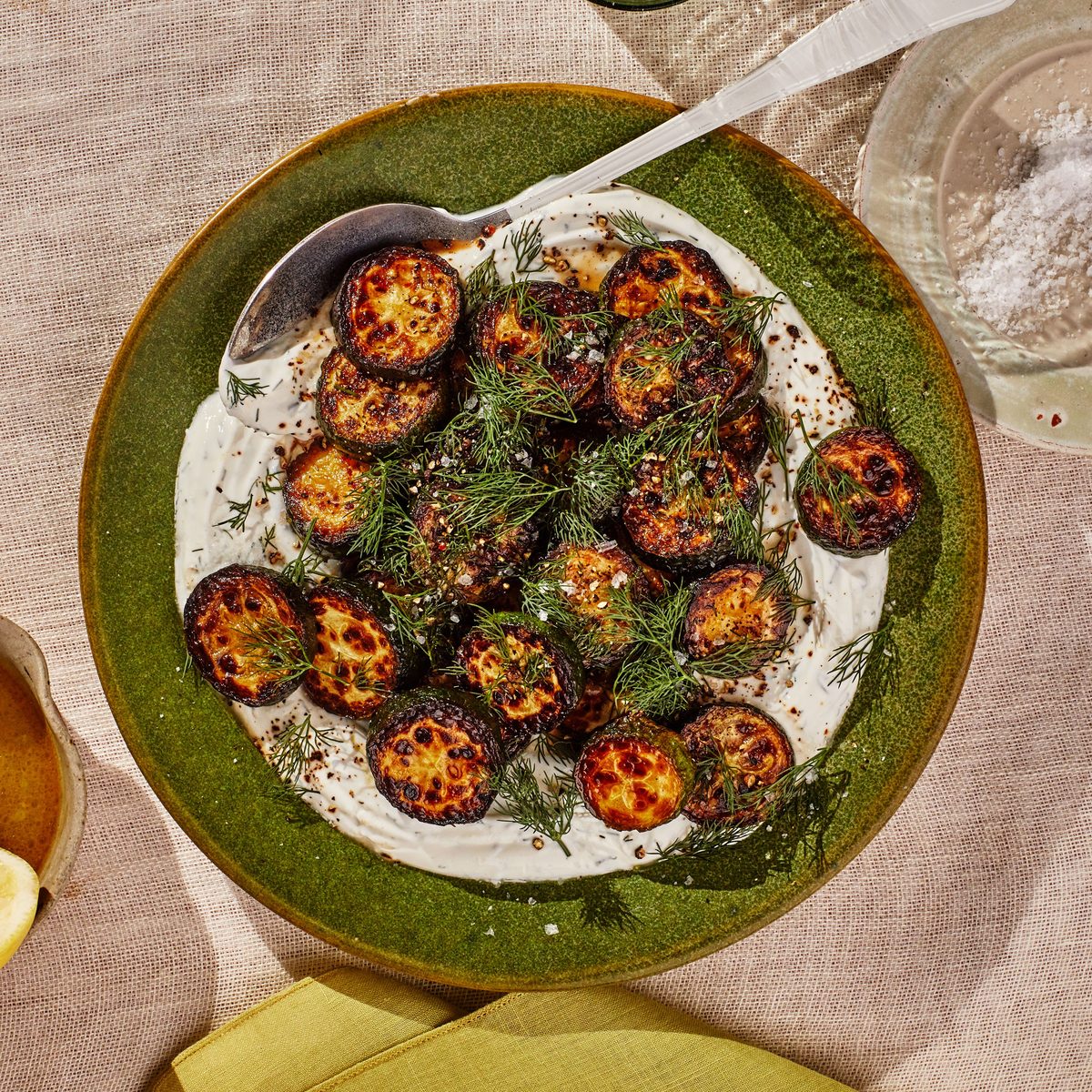
20 Fresh Dill Recipes: Salmon, Cucumber Salad & Scandinavian Classics
Twenty recipes that spend a whole bunch of dill — sauces, cures, salads and soups — plus the jar-and-freezer storage that gets it to ten days.
Fresh dill goes in the cart for one recipe — usually salmon or a cucumber salad — and the other three-quarters of the bunch liquefies in the crisper drawer by Thursday. Dill is not a garnish herb. It is a primary flavor that carries sauces, cures fish, and rescues boiled potatoes, and a single $2.50 bunch is enough for four separate dinners if you plan around it. Below are 20 recipes organized by how much dill they use, plus the storage math that gets a bunch to ten days.
Get a free week of easy dinners
Seven weeknight dinners with the shopping list already totalled, sent Sunday. No account needed, unsubscribe in one click.
No spam, unsubscribe in one click. Recipes, shopping lists and Instacart carts all work without an account either way.
Introduction: fresh dill is the herb people buy once and let wilt — here's how to use the whole bunch
A standard supermarket bunch of dill weighs 25–40 g and yields roughly 1 to 1.5 cups of loosely packed chopped fronds. Most recipes call for 2 tablespoons. That is the entire problem: you use 12% of the bunch and throw away the rest.
The fix is sequencing, not heroics. Dill's flavor compounds — mostly α-phellandrene and carvone — are volatile and fade over about a week even under good storage, so the plan is to spend the bunch across a descending intensity curve. Days 1–2, use it raw where the flavor is the point: Traditional Greek Tzatziki Sauce with Cucumber and Dill or a Lemon-Dill Cucumber Salad with Herb Vinaigrette. Days 3–5, move to cooked applications where dill is stirred in at the end. Days 6–10, the fronds are limp but still aromatic — that is soup and potato-salad territory.
Dill is an annual in the celery family Apiaceae, which is why it reads as a cousin of fennel, parsley and carrot tops. It is also nutritionally dense for a leafy herb: per USDA FoodData Central, fresh dill weed runs 43 kcal per 100 g with 85 mg vitamin C, 208 mg calcium, 6.6 mg iron and 386 µg vitamin A (RAE). You are not eating 100 g of it, but a genuinely herb-forward salad puts 15–20 g on the plate, which is a real contribution rather than a rounding error.
This guide is the dill entry in our herb series — see also 20 Fresh Herb Recipes: Basil, Cilantro & Parsley, 18 Fresh Mint Recipes, and 20 Rosemary Recipes.
How to buy and store dill (7-day storage, freezing whole and blended)
Buy dill with stems attached and fronds that spring back. Yellowing at the frond tips means it was cut more than a week ago; slimy stem ends mean it has already been sitting in water too long at the store. Skip the plastic clamshells if a loose bunch is available — clamshells trap condensation and rot the interior fronds first, where you cannot see it.
The jar method (7–10 days). Trim 1 cm off the stems, stand the bunch upright in a jar with 2–3 cm of cold water, drape a produce bag loosely over the top, and refrigerate. Change the water every two days. This is the single highest-return habit in this article; it roughly doubles usable life versus the bag the herb came home in. A storage container with a tall profile works if you do not want a jar occupying shelf space.
Do not wash until use. Surface moisture on stored fronds accelerates the slimy-collapse failure mode. Rinse only what you are about to chop, then dry it — a salad spinner is gentler than paper towels, which bruise the feathery fronds and turn them dark.
Freezing, two ways. Whole-frond freezing works: strip fronds from stems, spread on a sheet pan, freeze 1 hour, then bag. They shatter into cooked dishes straight from frozen and hold about 4 months. The better method for sauces is the oil-cube: pack finely chopped dill into an ice cube tray at roughly 2 tablespoons per well, top with olive oil or water, freeze, then transfer to a bag. Each cube drops straight into a soup, a pan sauce, or a yogurt dip. The oil suspends the volatile compounds far better than water does.
Don't dry it yourself. Home-dried dill loses nearly all of its aromatic character; commercial dill weed is flash-dried under conditions you cannot reproduce in an oven. If you want shelf-stable dill, buy the jar.
Real-world numbers: what a bunch actually yields
| Format | Typical weight | Chopped yield | Recipes it covers | Keeps |
|---|---|---|---|---|
| Supermarket bunch | 25–40 g | 1–1.5 cups loose | 3–4 dishes | 7–10 days (jar method) |
| Clamshell package | 15–20 g | ~0.5 cup | 1–2 dishes | 4–6 days |
| Frozen whole fronds | — | 1:1 with fresh | cooked dishes only | ~4 months |
| Oil cubes (2 tbsp each) | — | 6–8 cubes per bunch | 6–8 sauces | ~6 months |
| Dried dill weed | — | 1 tsp ≈ 1 tbsp fresh | cooked dishes only | 6 months potent |
5 dill sauces: tzatziki, gravlax sauce, dill crème fraîche, tartar, ranch
Sauces are where dill earns its keep, because they use volume — a quarter to a half cup of chopped fronds — and they keep for days once made.
1. Traditional Greek Tzatziki Sauce with Cucumber and Dill — 10 minutes, no cook, ~80 calories per serving. Strained yogurt, grated and squeezed cucumber, garlic, dill. Tzatziki belongs to a broad family of yogurt-cucumber preparations across Southeastern Europe and West Asia. Squeeze the cucumber genuinely dry or you will make soup.
2. Smoked Salmon and Fresh Dill Cream Cheese Spread — 10 minutes, ~180 calories. The bagel-board workhorse and the closest thing here to a classic gravlax accompaniment.
3. Pan-Seared Salmon with Dill Crème Fraîche — 15 minutes prep, 12 cook. Crème fraîche does not break when it hits a hot pan the way sour cream does, which makes it the right dairy for a sauce you finish in the skillet.
4. Baltimore-Style Crab Cakes with Lemon-Dill Aioli — the aioli is a tartar-sauce upgrade: mayonnaise, lemon, capers, and far more dill than a jarred version carries.
5. Spinach and Feta Falafel with Lemon-Dill Yogurt Dip — the yogurt dip is essentially a ranch analogue built on dill and lemon instead of buttermilk and dried herbs.
6 dill mains: gravlax, dill-crusted salmon, roast chicken with dill, dill meatballs, poached cod, shrimp with dill
6. Gin-Cured Citrus Gravlax with Dill — 15 minutes of work, then the fridge does 48–72 hours of it. Gravlax is a Nordic cure of salt, sugar and dill; the herb is not a garnish but part of the cure itself. This one recipe consumes half a bunch and yields 6 servings.
7. Best Baked Salmon with Dill — 15 prep, 15 bake, 4 servings, ~480 calories. The default weeknight version. For the full method — buying, storing, doneness temperatures — see How to Cook Salmon.
8. Herb-Roasted Chicken with Lemon and Dill — 25 prep, 40 roast. Dill under the skin, lemon in the cavity. Add a second handful of raw fronds after carving; the roasted dill goes mellow and the fresh layer restores the top note.
9. Slow Cooker Swedish Meatballs with Creamy Dill Sauce — 20 minutes prep, 4 hours unattended, ~550 calories. The Scandinavian classic the article title promises.
10. Pan-Seared Fresh Cod with Lemon-Dill Sauce — 15 prep, 10 cook, ~320 calories. Lean white fish is the best possible canvas for dill because there is no competing fat.
11. Lemon-Dill Crusted Shrimp with Capers — 15 prep, 10 cook. Fastest main here, and the capers do the salt-and-acid work that dill alone cannot.
5 dill salads & sides: cucumber-dill, potato salad, tomato-dill, dill rice, dill roasted carrots
12. Lemon-Dill Cucumber Salad with Herb Vinaigrette — 15 minutes, 85 calories. Salt the cucumbers for 15 minutes and drain before dressing.
13. Herbed Potato Salad with Dill — 10 prep, 20 cook, 6 servings. Dress the potatoes while still warm so they absorb the vinegar, then fold the dill in once cooled.
14. Tomato-Cucumber Salad with Dill — 15 minutes, 120 calories. Peak-season only; see 20 Late Summer Tomato Recipes.
15. Lemon-Rice Pilaf with Pine Nuts and Fresh Dill — 10 prep, 25 cook, 6 servings. Fold the dill in after the rice rests, off the heat.
16. Crispy Roasted Carrots with Dill and Lemon — 10 prep, 30 roast, 140 calories. Roast the carrots naked; the dill goes on in the last 30 seconds off-heat.
4 dill soups & dips: cold cucumber soup, chicken avgolemono with dill, borscht garnish, whipped feta dip
17. Cold Cucumber Dill Soup with Fresh Chives — 20 minutes, no cooking, 110 calories. Uses more raw dill than anything else here.
18. Avgolemono Chicken Soup with Lemon and Dill — 15 prep, 45 simmer. Avgolemono thickens with egg yolk and lemon rather than flour; temper the eggs with hot broth off the heat or you will get scrambled egg soup. Pairs with our 22 Greek Recipes.
19. Simmered Beef Borscht with Fresh Dill — 20 prep, 70 simmer, 6 servings. Borscht is the definitive case for dill-as-finisher: the herb goes into the bowl, never the pot.
20. Dill-Pickled Cucumber and Red Onion Salad — 10 minutes, 50 calories. The end-of-bunch recipe. Quick-pickling stabilizes tired fronds in vinegar and buys another week.
The what-you'll-need pantry: yogurt, sour cream, lemon, garlic, cucumber
Dill cooking is unusually predictable in its supporting cast. Stock these five and nearly every recipe above is a single-ingredient shopping trip away.
| Ingredient | Why dill needs it | Buy | Substitute |
|---|---|---|---|
| Full-fat Greek yogurt | Fat carries the volatile aroma; strained texture holds sauce | 32 oz tub | Labneh, skyr |
| Sour cream or crème fraîche | Crème fraîche resists breaking over heat | 8–16 oz | Full-fat yogurt (off-heat only) |
| Lemons | Acid brightens dill's anise note; bottled juice tastes flat | 3–4 whole | Red wine vinegar |
| Garlic | The standard third leg of tzatziki and every dill dip | 1 head | — |
| Cucumbers | English or Persian; fewer seeds, less water | 2–3 | — |
Equipment is minimal. Feathery fronds bruise under a dull blade, so a sharp knife or a pair of herb scissors matters more here than with sturdy herbs like rosemary — our best kitchen shears guide covers take-apart models that go in the dishwasher. Beyond that: a cutting board and prep utensils, a heavy skillet or saucepan from your cookware, and an ice cube tray from the gadgets drawer for freezing.
The step people skip: add fresh dill off-heat — long cooking kills its flavor
This is the single highest-impact rule in this article, and it is why supermarket dill has a reputation for tasting like nothing.
Dill's aroma lives in volatile compounds with low boiling points. Hold them at a simmer for 20 minutes and they leave through the top of the pot. What remains is a faint vegetal note — the flavor of dill-scented steam that already escaped into the kitchen. This is why restaurant borscht tastes powerfully of dill and the home version often does not: the restaurant adds it to the bowl.
The rule: kill the heat, then add the dill. For soups and braises, stir it in after the pot is off the burner, or garnish per bowl. For pan sauces, add it after the pan leaves the flame. For roasted vegetables, toss in the last 30 seconds out of the oven. For anything raw, add 20–30 minutes ahead so the flavor distributes.
The two genuine exceptions are cures and long pickles — gravlax and brined pickles — where salt and time extract the flavor without heat.
Common pitfalls
- Using the stems like parsley stems. Dill stems are fibrous and disproportionately bitter. Use fronds; save thick stems for stock or a poaching liquid.
- Substituting dried in a raw dish. Dried dill in tzatziki tastes like hay. It works only in cooked applications at one-third the volume.
- Chopping too far ahead. Cut dill starts losing aroma within the hour. Chop it last, immediately before it goes in.
- Not drying after rinsing. Wet fronds dilute a yogurt sauce and clump when chopped.
- Pairing it against a loud spice rub. Cajun, curry and heavy smoke all bury dill. Bon Appétit's dill collection trends toward the same restrained pairings for the same reason.
When NOT to reach for dill
Dill is not a universal finishing herb. Skip it entirely for tomato-based Italian braises, anything built on cumin and coriander, most East and Southeast Asian dishes, and heavily smoked barbecue — in each case it either clashes or simply disappears. Reach for basil, cilantro or parsley instead. And if a recipe wants dill only as a two-tablespoon garnish and you have no other plan for the bunch, buy the dried jar and keep the $2.50.
FAQ
See the frequently asked questions below for storage, substitution and pairing specifics.
Sources
- Dill — Wikipedia — botany, Apiaceae classification, culinary history
- USDA FoodData Central — nutrient composition for fresh dill weed (SR Legacy 172233)
- Gravlax — Wikipedia — Nordic salt-sugar-dill cure
- Tzatziki — Wikipedia — strained-yogurt sauce family
- Avgolemono — Wikipedia — egg-lemon thickening method
- Borscht — Wikipedia — Eastern European sour soup tradition
- Bon Appétit — Dill — contemporary culinary usage
Frequently asked questions
How do I store a bunch of fresh dill so it doesn't wilt?
Can I substitute dried dill for fresh dill?
What proteins pair best with dill?
Is dill the same as fennel?
What kitchen tools help most when working with fresh herbs like dill?
Sources
- en.wikipedia.org
- fdc.nal.usda.gov
- en.wikipedia.org
- en.wikipedia.org
- en.wikipedia.org
- en.wikipedia.org
- bonappetit.com
Plan a week of meals in two minutes.
Tell our AI what you have and what you like — it builds your plan, shopping list, and Instacart cart. No account needed.
Plan my week →