20 Hawaiian Recipes: Poke Bowls, Kalua Pig, Loco Moco & Island Comfort Food
Three cuisines on one plate — native, plantation and modern local — with 20 recipes and the poke formula that never fails.
Affiliate disclosure: AislePrompt may earn a commission on qualifying purchases made through Amazon and Instacart links in this article, at no additional cost to you. See our affiliate policy →
The easiest Hawaiian recipes are the plate-lunch staples: kalua pork, shoyu chicken, chicken katsu, and mac salad, plus a poke bowl that needs no cooking at all. Most take under 40 minutes of hands-on work, and nearly all of them run on the same five pantry items — shoyu, short-grain rice, brown sugar, ginger, and sesame oil.
Introduction: the three plate lunches of Hawaiian food (native, plantation, modern)
Hawaiian food is three cuisines stacked on one plate (Hawaiian cuisine — Wikipedia), and knowing which layer you are cooking makes the whole category easier to navigate.
The native Hawaiian layer is the oldest: kalua pig cooked in an underground imu, poi pounded from taro, lau lau steamed in ti leaves, raw fish dressed with sea salt and limu. The techniques are low-ingredient and slow, and the flavors are salty, smoky, and clean.
The plantation layer arrived with sugar-cane workers from Japan, China, Portugal, Korea, and the Philippines between 1850 and 1930. Lunch pails got traded across camps, and what came out the other side was the plate lunch (Plate lunch — Wikipedia): two scoops of white rice, a scoop of macaroni salad, and a protein. Plate Lunch with Grilled Teriyaki Chicken and Macaroni Salad is the canonical version, and it explains why a Hawaiian plate has Japanese teriyaki, an American mayo salad, and Portuguese sweet bread on the same tray.
The modern local layer is the food trucks and the corner markets from about 1990 forward: garlic shrimp on the North Shore, poke counters inside grocery stores, spam musubi at every gas station, and huli huli chicken turning over kiawe wood at roadside fundraisers.
This roundup covers all three. Cook the plate-lunch block first — it is the most weeknight-compatible — and save kalua pork for a Sunday when the oven can run for four hours unattended.
Building a Hawaiian pantry (shoyu, ahi, rice, spam, macadamia)
The list is short and cheap, and eight of these ten items keep for a year.
| Item | Buy this | Approx. cost | Why it matters |
|---|---|---|---|
| Shoyu (Japanese soy sauce) | 20 oz Aloha or Kikkoman | $5 | The single most-used seasoning in local cooking |
| Short-grain white rice | 5 lb Calrose | $8 | Plate lunch rice must clump; long-grain will not |
| Brown sugar | 2 lb | $3 | Half of every teriyaki and huli huli glaze |
| Fresh ginger | 1 large hand | $2 | Grated into marinades, glazes, and poke |
| Toasted sesame oil | 6 oz | $5 | Finishing oil for poke and namasu |
| Spam (25% less sodium) | 12 oz can | $4 | Musubi, fried rice, plate lunch |
| Hawaiian sea salt (alaea) | 8 oz | $6 | Coarse, iron-red, essential for kalua and poke |
| Macadamia nuts | 8 oz | $9 | Crushed over fish, salads, and desserts |
| Liquid smoke | 4 oz | $3 | The oven substitute for an underground imu |
| Sushi-grade ahi | 1 lb, fresh | $18–26 | The only ingredient you buy the day you cook |
Total for the shelf-stable nine: about 45 dollars. Only the ahi is a same-day purchase, and it is worth being strict about it — ask for sashimi or poke grade, buy it the morning you plan to eat it, and keep it on ice on the way home. If your market cannot supply that, frozen-at-sea yellowfin thawed overnight in the refrigerator is a legitimate second choice and is what many poke counters actually use — the FDA guidance on selecting and serving fresh and frozen seafood covers the cold-chain handling and the deep-freeze step that makes fish safe to eat raw.
A sharp slicing knife matters more here than in most cuisines, because ahi cut with a dull blade shreds instead of releasing clean cubes. Anything from the knives and cutting section with a 7-inch or longer blade will do; the length lets you cut in one pull rather than sawing.
Native Hawaiian classics: kalua pig, poi, lau lau, poke
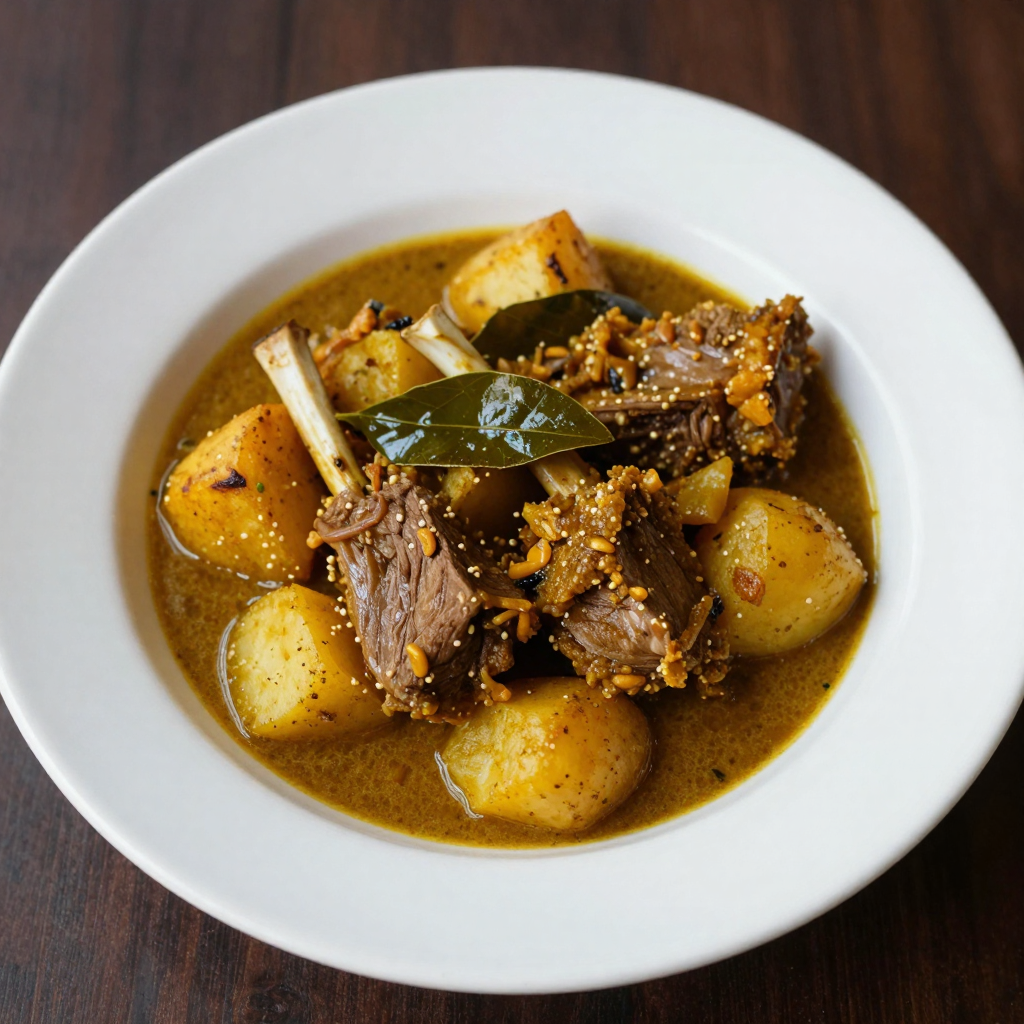
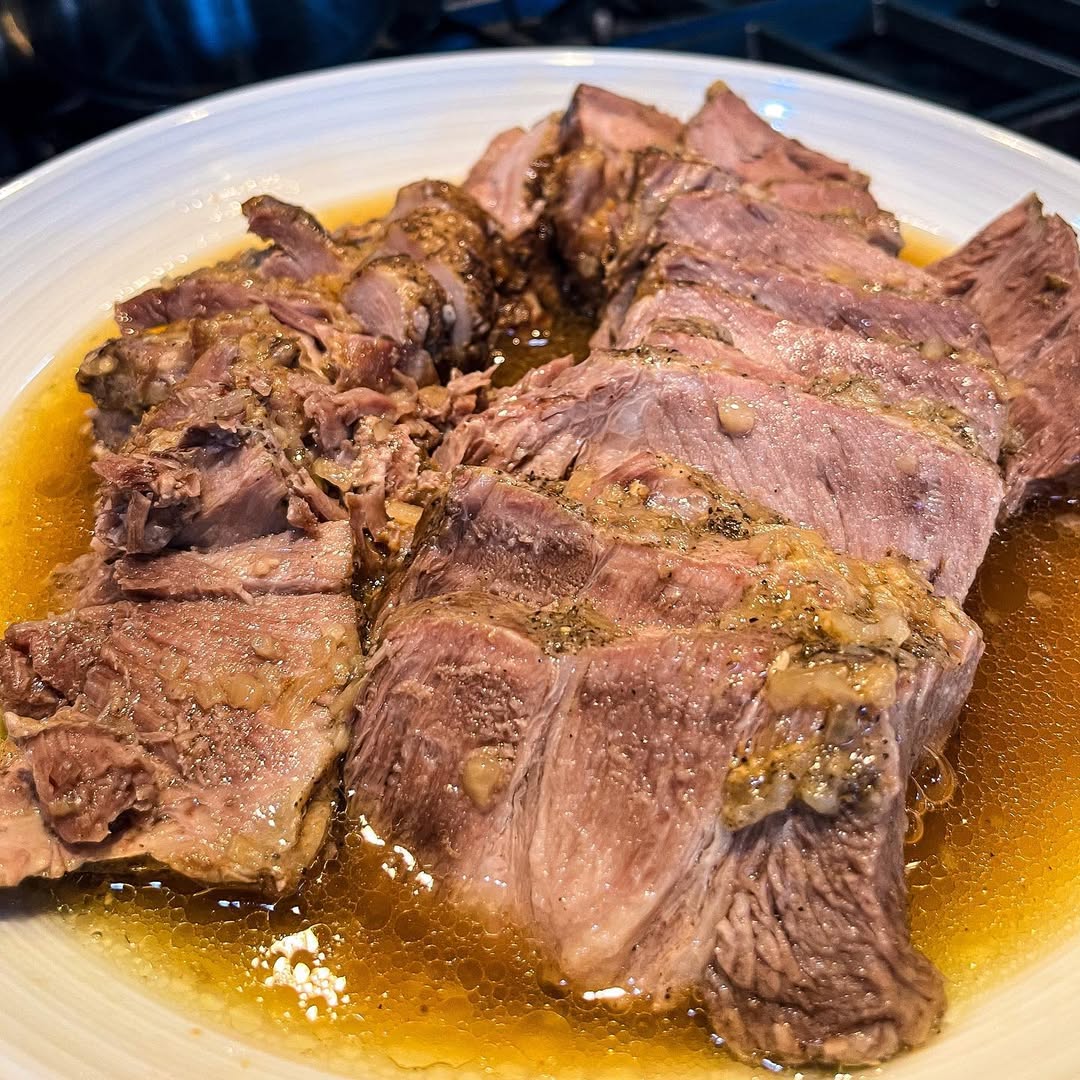
Kalua pig is the foundation dish. Traditionally a whole pig is salted, wrapped in ti and banana leaves, and buried in an imu with hot rocks for eight to twelve hours (Kālua — Wikipedia). The home version is far simpler: Native Hawaiian Kalua Pig uses a pork shoulder, coarse Hawaiian salt, and liquid smoke in a covered pan at 300°F for about four hours, until it pulls apart with a fork. Kalua Pork: Oven-Baked Authentic is the oven-baked variant with a slightly more aggressive salt cure. Either one yields roughly 12 servings from a 5-pound shoulder at about 2.20 dollars per serving, and the leftovers are better than the first plate.
Poi is pounded, fermented taro. It is genuinely an acquired texture for most mainland cooks, and it is not something you can approximate with potato. If you want the flavor profile without the project, serve kalua pork with steamed white rice and skip straight to the next dish.
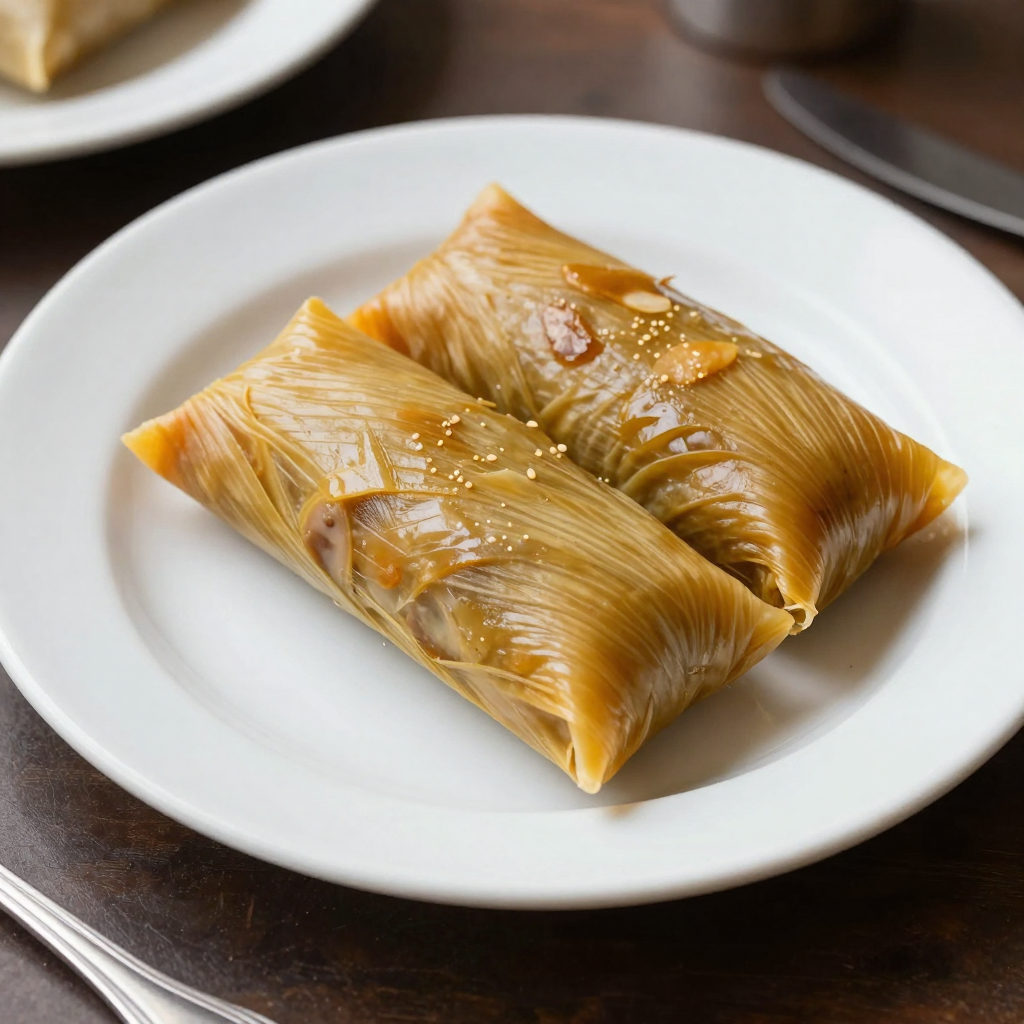
Lau lau is pork belly and salted butterfish wrapped in taro leaves and steamed for three to four hours. Taro leaves must be cooked thoroughly — raw or under-cooked leaves contain calcium oxalate crystals that will make your throat itch. If you cannot source them, collard or spinach leaves give you the wrapper without the authenticity, and the steaming time drops to about 90 minutes.
Poke in its oldest form is just cubed raw fish, Hawaiian salt, limu (seaweed), and inamona (roasted kukui nut) (Poke — Wikipedia). Everything else is a later addition. Sesame Soy Poke Bowl with Fresh Ahi Tuna is the shoyu-and-sesame version that most people mean today, and Lomi Lomi Salmon with Toasted Macadamia Nuts — lomi lomi salmon, cured and hand-massaged with tomato and onion — is the cured-fish cousin that shows up at every luau table.
Plate lunch staples: loco moco, chicken katsu, teriyaki, mac salad
The plate lunch is a fixed format: two scoops rice, one scoop mac salad, one protein. Build any protein below onto that base.
Loco moco — a hamburger patty over rice, topped with a fried egg and brown gravy — was invented at the Lincoln Grill in Hilo in 1949 for teenagers who wanted something cheap and filling (Loco moco — Wikipedia). It is 15 minutes of work: sear a 5-ounce patty, make a pan gravy with the fond and a tablespoon of flour, fry an egg soft. Serve it with the same Sweetened Macaroni Salad with Pineapple and Carrots you would put next to anything else.
Chicken katsu is the plantation layer's Japanese contribution. Sake-Marinated Chicken Katsu with Ginger marinates the cutlet before breading, which keeps it juicy at the 340°F frying temperature panko wants. Katsu sauce is Worcestershire, ketchup, soy, and a little sugar whisked cold — no cooking needed.
Teriyaki in Hawaii is sweeter and thinner than the bottled mainland version: shoyu, brown sugar, ginger, garlic, and a splash of pineapple juice, reduced just enough to coat. Plate Lunch with Grilled Teriyaki Chicken and Macaroni Salad shows the full plate build.
Shoyu chicken is the weeknight champion of this section. One-Pot Shoyu Chicken with Rice braises thighs in shoyu, sugar, ginger, and garlic in a single pot for 30 minutes and needs almost no attention. It costs about 2.10 dollars a serving and reheats perfectly for lunch.
Mac salad, done right, is not deli macaroni salad. It is overcooked elbow macaroni — genuinely overcooked, two minutes past al dente — dressed while hot with full-fat mayonnaise, a splash of milk, grated carrot, and a lot of black pepper. Sweetened Macaroni Salad with Pineapple and Carrots adds pineapple, which is the sweeter island variation. Pineapple plays the same role well beyond Hawaii — 18 tropical recipes built on mango, pineapple and coconut collects the dinners that lean on it.
Real-world numbers
| Dish | Active time | Total time | Cost for 4 | Best reheated? |
|---|---|---|---|---|
| Shoyu chicken | 10 min | 35 min | $8.40 | Yes — better day two |
| Kalua pork | 15 min | 4 hr 15 min | $11.00 | Yes |
| Chicken katsu | 25 min | 35 min | $10.50 | No — loses crunch |
| Poke bowl | 20 min | 20 min | $24.00 | No — eat same day |
| Spam musubi | 20 min | 30 min | $6.80 | Room temp is correct |
| Mac salad | 10 min | 40 min (chill) | $3.60 | Yes |
Modern local favorites: spam musubi, garlic shrimp trucks, huli huli chicken
Spam musubi is the state's unofficial snack: a slab of pan-fried, teriyaki-glazed Spam pressed onto a block of rice and belted with nori. Hawaiian-Inspired Spam Musubi with Teriyaki Glaze is the standard build. Two practical notes — press the rice firmly or the whole thing falls apart on the second bite, and slice the Spam into eight pieces per can rather than six, which gives you a meat-to-rice ratio that does not overwhelm. Pan-Fried Spam and Pineapple Rice Bowl is the deconstructed bowl version for nights when you do not want to assemble anything.
Garlic shrimp is the North Shore truck food: head-on shrimp tossed in a flour-and-garlic dredge, fried hard in butter and oil, and served over rice with the shells on. The defining move is the volume of garlic — a full head, minced, for a pound of shrimp — and finishing with the pan butter poured straight over the rice. Hawaiian Shrimp Curry takes the same shrimp in a coconut-curry direction if you want a saucier plate.
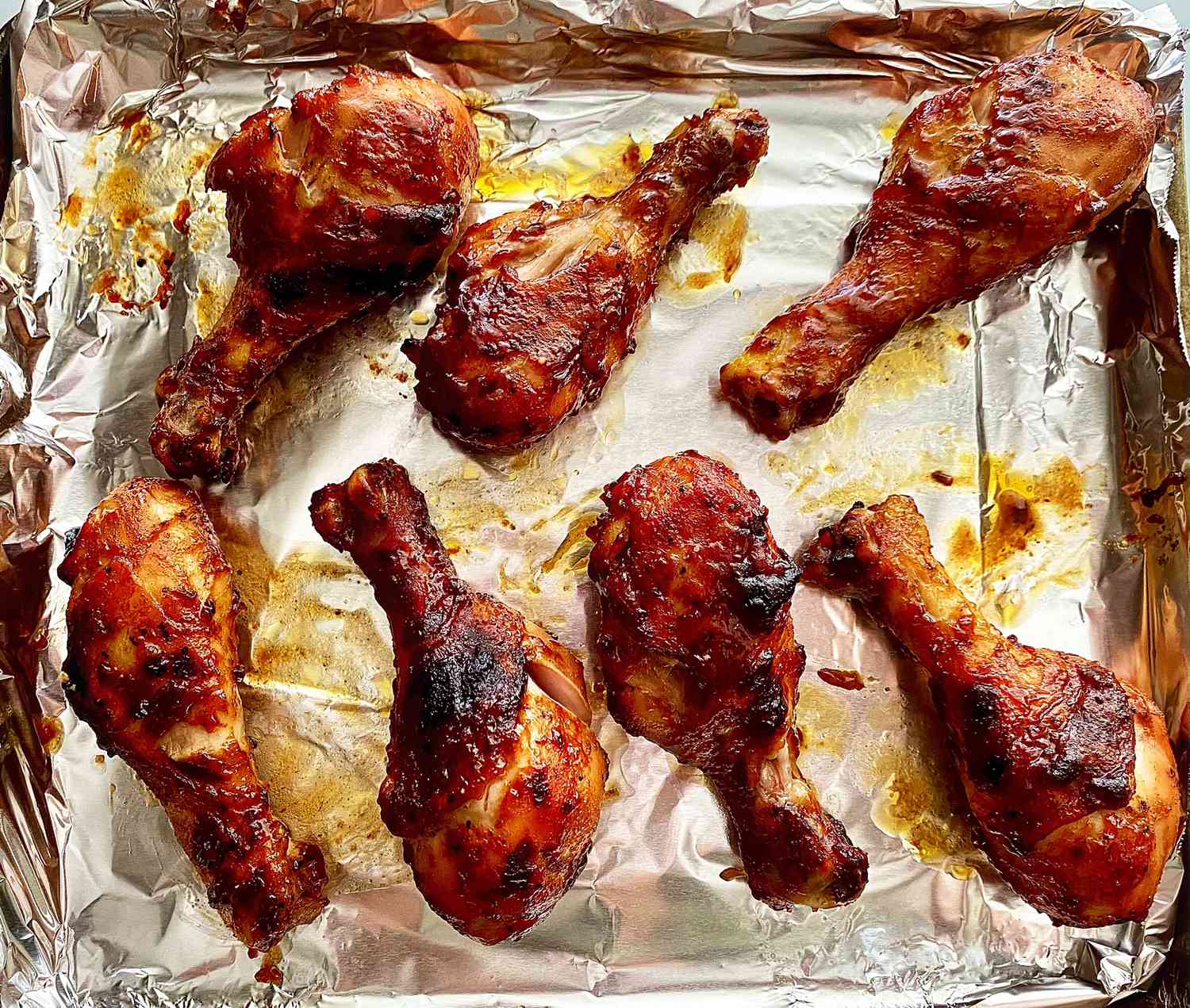
Huli huli chicken started as a 1955 fundraiser recipe: chicken halves turned over a wood fire while being mopped with a shoyu-pineapple-ginger glaze. Huli means turn (Huli-huli chicken — Wikipedia). Huli Huli Chicken with Pineapple Glaze is the backyard-grill version, and it is the best thing on this page to cook for a crowd. Grill it over indirect heat for 30 minutes, then move it direct for the last 6 to 8 minutes and mop it on the turn — sugar in the glaze burns fast over open flame.
Kalbi short ribs (Grilled Kalbi-Style Short Ribs with Asian Pear Glaze) came through the Korean plantation camps and now anchor half the mixed plates on the islands. Saimin (Saimin-Style Hawaiian Noodle Soup with Chicken Broth) is the noodle soup that belongs to no single immigrant group — a Chinese-style egg noodle in dashi-adjacent broth with green onion, kamaboko, and Spam. And Tiki-Style Pineapple Fried Rice with Cashews, served in a hollowed pineapple half or not, is the standard way leftover rice becomes dinner.
Two dishes worth having on the sweet end: Hawaiian-Style Pineapple Pork Chops for a 25-minute weeknight, and Gluten-Free Mango Coconut Pudding as a stand-in for haupia when you do not have coconut milk in the pantry.
How to build the perfect poke bowl (with 6 variations)
The formula is fixed: 1 base + 6 oz fish + 1 sauce + 2 crunch + 1 fat.
Start with sushi rice cooled to room temperature — not cold from the refrigerator, which stiffens the starch and mutes the flavor. Cut the ahi into 3/4-inch cubes against the grain with a long knife. Dress it no more than 15 minutes before serving; shoyu draws out moisture and firms the texture past the point you want after about 20.
| Variation | Sauce | Crunch | Fat |
|---|---|---|---|
| Classic shoyu | Shoyu, sesame oil, sweet onion | Sweet onion, limu | Sesame seeds |
| Spicy mayo | Kewpie, sriracha, lemon | Cucumber, scallion | Avocado |
| Mango-chili | Lime, chili flake, ponzu | Mango, red onion | Macadamia |
| Wasabi-shoyu | Shoyu, wasabi, mirin | Radish, cucumber | Nori strips |
| Miso-sesame | White miso, rice vinegar, sesame | Edamame, carrot | Toasted sesame oil |
| Vegan | Shoyu, sesame, ginger | Cucumber, scallion | Marinated tofu or watermelon |
Working examples: Poki-Style Tuna Poke Bowl with Mango Salsa is the mango-chili build, Spicy Mango Tuna Poke Bowls pushes the heat up, Starlight Mango Tuna Poke with Cucumber Salsa adds cucumber salsa, and Tiki Island Vegan Poke Bowl with Mango Avocado is the plant-based version that swaps marinated watermelon or avocado for the ahi. Grilled Ahi Tuna Salad with Avocado and Citrus Vinaigrette is the salad build for anyone skipping rice.
Common pitfalls
- Buying the wrong tuna. Pre-cut "poke cubes" at the counter are frequently older fish that was trimmed to hide oxidation. Buy a block and cut it yourself.
- Dressing too early. Fifteen minutes is the ceiling. Beyond that the fish cures and turns chalky.
- Cold rice. Room temperature or slightly warm rice under cool fish is the correct contrast. Refrigerator-cold rice is the most common home mistake.
- Skimping on the salt. Alaea salt is not decorative. Native-style poke is seasoned aggressively, and under-salted poke tastes like nothing.
- Over-thickening teriyaki. Hawaiian teriyaki is a thin glaze, not a syrup. If it coats the back of a spoon heavily, you have gone too far.
When NOT to make poke
If you cannot get fish you would eat raw, do not improvise. Substitute Sesame Soy Poke Bowl with Fresh Ahi Tuna's dressing over seared ahi cooked 45 seconds a side, or make One-Pot Shoyu Chicken with Rice instead. Cooking a poke bowl with grocery-case tuna steaks that were previously frozen and thawed at the counter is how people end up not trusting poke.
A note on gear: the rice is doing structural work in almost every dish here, and an inexpensive rice cooker from the small appliances aisle removes the one variable most likely to sink a plate lunch. For kalua pork you want a heavy covered roasting pan or Dutch oven — anything in the cookware category that holds a steady 300°F for four hours — and for musubi, a 3-dollar acrylic press or a clean, empty Spam can with both ends removed.
Sources
- Hawaiian cuisine — Wikipedia for the native / plantation / modern-local layering used throughout this guide.
- Plate lunch — Wikipedia for the plantation-camp origin of the two-scoops-rice-and-mac-salad format.
- Kālua — Wikipedia for the imu method the oven version substitutes for.
- Poke — Wikipedia for the pre-contact form of poke and what the mainland bowl added to it.
- Loco moco — Wikipedia and Huli-huli chicken — Wikipedia for the 1949 Lincoln Grill and 1955 fundraiser origin dates.
- FDA — Selecting and Serving Fresh and Frozen Seafood Safely for sushi-grade handling, the freezing step that kills parasites, and cold-chain rules for raw ahi.
Frequently asked questions
What is the difference between poke, poke bowls, and sashimi?
Where do I buy sushi-grade ahi tuna, and how do I know it's safe to eat raw?
What's the difference between kalua pig and pulled pork?
Can I make loco moco without spam or without the fried egg?
How do I plan a Hawaiian-themed dinner party for 6 people?
Recipes to start your week with
Save any of these to My Recipes — no account needed — and send the ingredients to Instacart in one tap.