20 Better-Than-Takeout Chinese Dinners: Stir-Fry, Fried Rice, Dumplings
Twenty-plus real Chinese weeknight recipes — 20-minute kung pao, 15-minute vegetable fried rice, 40-minute pan-fried potstickers — with pantry primer, velveting how-to, and Instacart export.
Introduction: Why Homemade Chinese Beats the Delivery Bag Every Time
Get a free week of easy dinners
Seven weeknight dinners with the shopping list already totalled, sent Sunday. No account needed, unsubscribe in one click.
No spam, unsubscribe in one click. Recipes, shopping lists and Instacart carts all work without an account either way.
Better-than-takeout Chinese dinners at home cost about $3-5 per serving, arrive on the table in 20-35 minutes, and — with two techniques (velveting and hot-wok stir-fry) — genuinely taste better than $18 delivery bags that arrive lukewarm 45 minutes later. This roundup is twenty-plus real Chinese weeknight recipes you can plate faster than the delivery driver can find your building, sorted into stir-fries, fried rice, noodles, dumplings and bao, and quick braises. Every dish links to a full ingredient list, home-tested timings, and a shopping-list export that routes to Instacart with Chinese-grocery fallback for the pantry-only items.
Chinese home cooking rewards heat management and mise-en-place over long-simmered technique. A screaming-hot pan, everything sliced and measured before the wok goes on the burner, and a soy-Shaoxing-cornstarch trinity that binds every stir-fry sauce — that's most of what you need. Learn six of these dishes and you have dinner covered for a month; learn all twenty and takeout Tuesday becomes a decision, not a habit. The single biggest unlock is understanding velveting — a 15-minute marinade with cornstarch and egg white that transforms home-cooked chicken breast into the silky, tender texture of restaurant stir-fry.
How to Decide: Stir-Fry, Fried Rice, Noodles, or Dumplings Tonight?
Pick your Chinese weeknight path in ninety seconds based on what protein is in the fridge and how much heat the pan can hit.
Stir-fry — 15 to 25 minutes. Choose stir-fry when you have protein (chicken, beef, shrimp, tofu) plus 20 minutes plus enough burner power to get the pan smoking. Kung pao, Mongolian beef, and beef and broccoli all clock in at 20 minutes total, and every one comes out better than the takeout version if you get the pan hot enough.
Fried rice — 15 to 20 minutes. Choose fried rice when you have day-old rice and 15 minutes. Day-old rice is non-negotiable — freshly cooked rice makes gummy fried rice, always. Colorful vegetable fried rice and shrimp fried rice both hit the table in 15-20 minutes and reheat brilliantly.
Noodles — 20 to 30 minutes. Choose noodles when you want slurpy comfort and can spare a second pot to boil noodles. Chow mein, dan dan noodles, and chicken lo mein all cook in 25 minutes.
Dumplings — 30 to 45 minutes. Choose dumplings when you have store-bought wrappers and a pack of ground pork or chicken. Home-folded dumplings are the highest-satisfaction Chinese weeknight dinner in this roundup — kids love folding, and 30 dumplings feeds 4 with leftovers.
The Chinese Pantry Starter Kit (Soy, Shaoxing Wine, Chinkiang Vinegar, Sesame Oil, Oyster Sauce)
The full Chinese pantry costs about $30 to build and stocks nearly every weeknight dinner in the entire cluster. Shelf-stable items keep 12+ months; open bottles go in the fridge once opened.
Light soy sauce (regular soy sauce) is the salt. Kikkoman or a Chinese brand (Pearl River Bridge, Lee Kum Kee "Superior") both work. A 20-oz bottle at $4 lasts 2 months in an active Chinese-cooking kitchen. Do NOT substitute dark soy sauce here — dark soy is used sparingly for color, not for saltiness.
Dark soy sauce — thicker, sweeter, and much less salty. Used for color in braises and to give lo mein and chow mein their characteristic mahogany hue. A $4 bottle lasts a year because you use 1-2 teaspoons at a time.
Shaoxing rice wine is the umami backbone. Pagoda brand ($6, in the cooking wine aisle at any Asian grocery) or better, an unsalted Shaoxing from a wine store if you can find it. Do not use the salted supermarket "cooking Shaoxing" if you can avoid it — the added salt throws off every marinade. Dry sherry is a workable substitute if you can't find real Shaoxing.
Chinkiang black vinegar — the sour funk in Sichuan sauces, dumpling dipping sauce, and hot-and-sour soup. Not the same as balsamic (which is sweet); not the same as rice vinegar (which is bright and mild). One 16-oz bottle at $4 lasts 6 months.
Toasted sesame oil — Kadoya (Japanese, more expensive) or a Chinese brand (Kum Chun, Lee Kum Kee) both work. Sesame oil is a finishing oil for Chinese cooking, not a frying oil — 1 teaspoon drizzled at the end of a stir-fry adds nutty depth.
Oyster sauce — Lee Kum Kee Premium is the gold standard ($6/bottle). A single tablespoon carries umami equivalent to a pound of anchovies. The single ingredient behind restaurant beef and broccoli, chow mein, and Cantonese vegetable stir-fry. A vegetarian oyster sauce substitute (mushroom-based) exists from LKK for $4 if needed.
Cornstarch for velveting and sauce thickening. A $2 box lasts a year.
Nice-to-haves you'll use often: Sichuan peppercorns (numbing spice for dan dan and kung pao), dried red chilis (Tianjin or arbol), fermented black beans (douchi), doubanjiang (Sichuan chili bean paste), five-spice powder, and Chinese chinkiang vinegar for dumpling dipping sauce.
8 Stir-Fries Under 20 Minutes (Kung Pao, Orange Chicken, Mongolian Beef, Pepper Steak)
The stir-fry is the workhorse of the Chinese weeknight repertoire. Everything below cooks in 4-8 minutes of active pan time once the mise-en-place is ready, so budget 15 minutes for slicing and 8 for cooking.
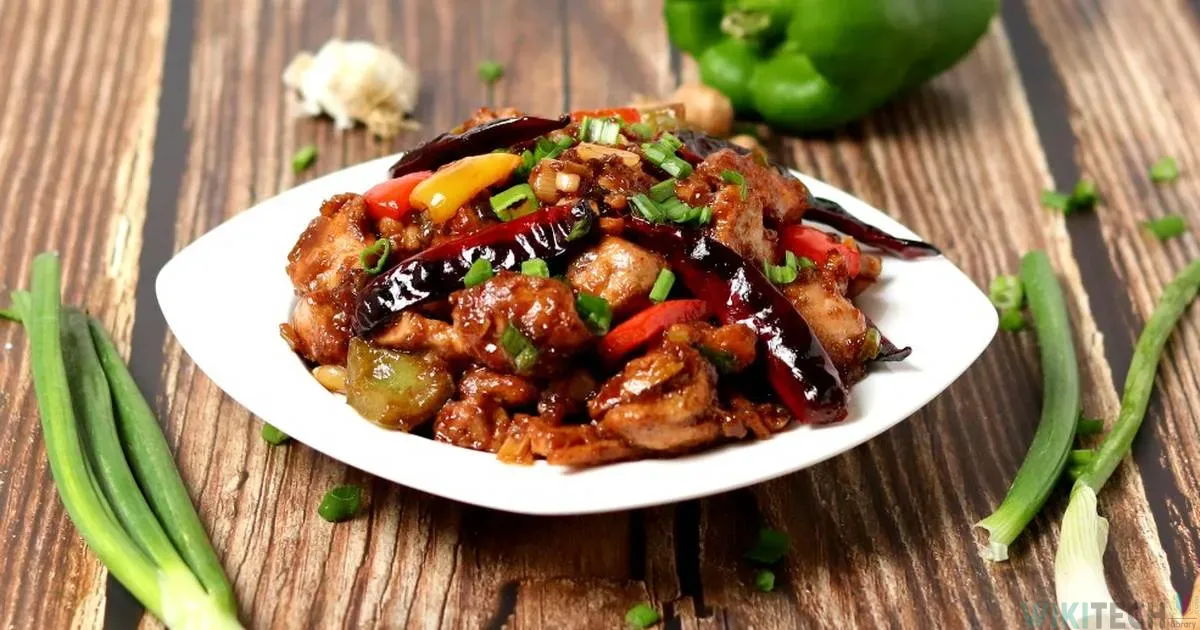
1. Traditional Kung Pao Chicken — 25 minutes. Cubed chicken velveted with cornstarch and Shaoxing, stir-fried with Sichuan peppercorns, dried chilis, and roasted peanuts, glazed with a black-vinegar-soy-sugar sauce. The archetypal Sichuan stir-fry.
2. Mongolian Beef — 25 minutes. Thin-sliced ribeye or flank steak (freeze 20 min for easier slicing), cornstarch-dredged, flash-fried, then glazed with a soy-brown-sugar sauce over sliced scallions. Serve over rice or noodles.
3. General Tso's Chicken — 30 minutes. Cubed chicken thighs battered and fried crispy, then tossed in a sweet-tangy-spicy sauce of soy, hoisin, rice vinegar, sugar, garlic, ginger, and dried chilis. The American-Chinese takeout classic, better at home.
4. Orange Chicken — 30 minutes. Cornstarch-dredged chicken fried crispy, tossed in a bright orange-soy-ginger-sugar sauce with orange zest finishing. The Panda Express dinner, home version, uses actual orange juice.
5. Beef and Broccoli — 20 minutes. Velveted thin-sliced beef, blanched broccoli, stir-fried with oyster sauce, soy, garlic, and ginger. The Cantonese weeknight staple.
6. Pepper Steak — 20 minutes. Thin-sliced flank steak, red and green bell peppers, onion, in a black-pepper-forward brown sauce with garlic and soy. Adjust cracked black pepper to taste.
7. Sichuan-Style Mapo Tofu — 20 minutes. Silken tofu cubed and gently simmered with ground pork, doubanjiang (Sichuan chili bean paste), fermented black beans, garlic, ginger, and Sichuan peppercorns. Not technically a stir-fry but plays weeknight-fast like one.
8. Szechuan Shrimp with Bok Choy — 18 minutes. Peeled shrimp velveted 10 min, stir-fried with dried chilis, Sichuan peppercorns, and bok choy, glazed with a soy-vinegar-sugar-Shaoxing sauce. Fastest and freshest of the eight.
Real-World Numbers: Home Stir-Fry vs Restaurant Wok Hei
Real restaurant "wok hei" (breath of the wok) requires 40,000+ BTU burners that home stoves don't have. But you can get 80% of the way there with technique:
| Wok technique | Home approximation |
|---|---|
| 40,000+ BTU jet burner | Cast iron, preheat 5 min on high |
| Wok tossing (constant motion) | Use two spatulas, keep moving |
| Cook in tiny batches | 1 lb protein max per batch, remove, cook next batch |
| Blanch protein in oil (velvet-fry) | Optional; skip for weeknight; velvet in cornstarch alone |
| Deep-fry aromatics separately | Bloom in the pan 30 sec before the protein |
| Season the wok / carbon steel | Weekly wipe with sesame oil after cleaning |
Two-batch cooking is the single biggest home upgrade — a 12-inch cast-iron holds about 1 lb of stir-fry ingredients before it starts steaming rather than searing. Cook the protein first, remove, cook the vegetables, then recombine with the sauce. Adds 3 minutes, doubles the flavor.
4 Fried Rice Variations (Yangzhou, Egg, Shrimp, Pineapple)
Fried rice is the most forgiving dinner in this roundup and the highest-value leftover-rescue dish in Chinese cooking. Rules: (1) rice must be day-old and cold, (2) eggs go in first, (3) soy sauce goes in last so it hits the rice, not the pan.
9. Colorful Vegetable Fried Rice — 15 minutes. Day-old rice, scrambled egg, frozen peas and carrots, diced onion, garlic, soy sauce, sesame oil, scallions. The archetypal weeknight fried rice.
10. Shrimp Fried Rice — 20 minutes. Peeled shrimp seared separately, day-old rice, egg, frozen peas, scallions. The shrimp cook in 90 seconds — do not overcook.
11. Yangzhou Fried Rice — 20 minutes. The Cantonese "showcase" fried rice with 5 proteins: shrimp, char siu (Chinese BBQ pork), egg, ham or Spam, and green onion. Colorful, rich, and impressive.
12. Pineapple Fried Rice — 20 minutes. Fresh pineapple chunks, cashews, curry powder, and Thai chili — a Chinese-Thai fusion that plays especially well with kids.
3 Noodle Dinners (Lo Mein, Dan Dan, Chow Fun)
13. Chicken Lo Mein — 25 minutes. Fresh egg noodles boiled 3 minutes, drained, stir-fried with sliced chicken, cabbage, bean sprouts, and carrot in a soy-oyster-sesame sauce. Weeknight-friendly and better than the pint container.
14. Sichuan Dan Dan Noodles — 25 minutes. Wheat noodles topped with a numbing-spicy sauce of chili oil, Sichuan peppercorn, sesame paste, black vinegar, and soy, plus ground pork and pickled mustard greens. Assemble at the table; sauce is at the bottom, mix hard before eating.
15. Cantonese Chow Mein (Chow Fun) with Shrimp — 25 minutes. Wide flat rice noodles seared until they get a bit of char, tossed with shrimp, beef, bean sprouts, and a soy-oyster-Shaoxing sauce. The wok-hei standard-bearer of Cantonese cooking.
3 Dumpling and Bao Dinners (Pan-Fried Potstickers, Wontons in Chili Oil, Bao)
16. Pan-Fried Pork Dumplings (Potstickers) — 40 minutes. Store-bought round dumpling wrappers filled with ground pork, ginger, scallion, sesame oil, and soy. Pan-fry with the classic sear-steam technique: sear bottoms 2 min, add 1/4 cup water, cover 6 min, uncover 2 min to re-crisp. One skillet, one dinner.
17. Wontons in Chili Oil (Hongyou Chaoshou) — 30 minutes. Store-bought thin wonton wrappers, ground pork and shrimp filling, boiled 3 minutes, served in a chili-oil-soy-black-vinegar dressing with chopped scallion. Sichuan comfort food at its best.
18. Homemade Bao (Steamed Buns) — weekend project, but worth naming. Yeasted dough filled with char siu pork or curry chicken, steamed 12 minutes. Save this for a Sunday.
2 Weeknight Braises (Soy-Braised Chicken, Red-Braised Pork)
19. Soy-Braised Chicken (Hong Shao Ji) — 40 minutes. Bone-in chicken thighs browned, then simmered with soy, dark soy, Shaoxing, brown sugar, ginger, star anise, and cinnamon until glazed. Serve over rice with steamed bok choy.
20. Red-Braised Pork Belly (Hong Shao Rou) — 45 minutes weeknight variant. The traditional recipe simmers 90 minutes for melt-in-your-mouth belly; a weeknight version uses 1-inch pork belly cubes braised in soy-dark-soy-brown-sugar-Shaoxing-star-anise-ginger for 45 minutes. Serve over rice with quick-pickled cucumbers.
Bonus Sichuan Soup
21. Hot and Sour Tofu Soup — 25 minutes. Chicken broth thickened with cornstarch slurry, spiked with black vinegar, white pepper, soy, silken tofu, shiitake, wood ear, and beaten egg drizzled in as ribbons. Sichuan classic, ready before a delivery driver would leave the restaurant.
22. Chicken Egg Drop Soup — 20 minutes. The palate-cleanser side to any of the stir-fries above. Chicken broth, beaten egg, cornstarch, scallion, white pepper, sesame oil. Simple, comforting, ready in 20 minutes.
And One More Vegetable
23. Stir-Fried Chinese Eggplant — 20 minutes. Long Chinese eggplant halved and cut into batons, stir-fried with garlic, ginger, chili, and a soy-oyster-Shaoxing glaze. Vegetarian, addictively good, and the best vegetable side in the Chinese weeknight canon.
How to Build a Chinese Takeout-Style Weeknight Shopping List
Build this cart once per month and every dinner in this roundup hits the table in 30 minutes. Approximate US supermarket prices in mid-2026 (a Chinese grocery like 99 Ranch or H-Mart is typically 15-25% cheaper on the pantry-only items):
Pantry (buy once, keeps months):
| Item | Brand | Approx. cost |
|---|---|---|
| Light soy sauce (20 oz) | Kikkoman | $4 |
| Dark soy sauce (8 oz) | Pearl River | $4 |
| Shaoxing wine (16 oz) | Pagoda | $6 |
| Chinkiang black vinegar (16 oz) | Gold Plum | $4 |
| Oyster sauce (18 oz) | Lee Kum Kee | $6 |
| Toasted sesame oil (6 oz) | Kadoya | $7 |
| Cornstarch (16 oz) | Argo | $2 |
| Sichuan peppercorns (1 oz) | Frontier | $6 |
| Dried red chilis (Tianjin) | any | $4 |
| Doubanjiang (Sichuan chili paste) | Pixian | $5 |
| Fermented black beans (douchi) | Yang Jiang | $3 |
| Five-spice powder | McCormick | $3 |
Fresh (weekly, per dinner):
| Item | Approx. cost |
|---|---|
| Chicken thighs (2 lb, boneless) | $10 |
| Sirloin or flank steak (1 lb) | $12 |
| Shrimp (1 lb, 16-20 count) | $14 |
| Silken tofu (14 oz) | $3 |
| Bok choy (2 heads) | $3 |
| Broccoli crowns (1 lb) | $3 |
| Bean sprouts (12 oz) | $2 |
| Fresh egg noodles or wonton wraps | $4 |
| Ginger (2-inch knob) | $1 |
| Scallions (bunch) | $1 |
| Garlic (bulb) | $1 |
Total one-time pantry investment is about $54; per-dinner fresh spend averages $8-15 for 4 servings. Aisleprompt's shopping-list export at the bottom of each recipe builds the cart directly and routes Chinese-only items (doubanjiang, Sichuan peppercorns, real Shaoxing, Chinkiang vinegar) to 99 Ranch when there's one in your delivery zone, otherwise falls back to Whole Foods or Amazon.
The Mistake Home Cooks Make: Overcrowding the Wok, Skipping the Velveting Step
Two errors kill 80% of home Chinese dinners.
Overcrowding the wok turns stir-fry into steam-fry. A 12-inch home cast-iron pan holds about 1 lb of stir-fry ingredients before the pan temperature drops and everything starts steaming instead of searing. The fix: two-batch cooking. Sear the protein first (get it out of the pan when it's 80% cooked), then sear the vegetables in the same pan (they release less moisture on second heat), then recombine at the end with the sauce. Adds 3 minutes to the total cook time and doubles the flavor. According to The Woks of Life — the definitive Chinese home-cooking family blog with 20+ years of tested recipes — pan crowding is the single most-common failure mode in home Chinese cooking.
Skipping velveting turns chicken breast into shoe leather. Velveting is a 15-minute marinade of 1 egg white + 1 tbsp cornstarch + 1 tsp Shaoxing per pound of sliced chicken, beef, or shrimp. The cornstarch-and-egg coating protects the protein from direct high-heat contact and locks in moisture — this is why restaurant Chinese chicken is silky-tender while home versions come out dry and stringy. Add a pinch of baking soda (1/8 tsp per pound) to the marinade for extra chicken-breast tenderization. Serious Eats has an in-depth velveting breakdown worth reading before your next stir-fry — 10 minutes of learning saves years of dry chicken.
Common pitfalls beyond the two big ones:
- Cold pan for stir-fry. The pan must be smoking-hot before oil goes in — 5 full minutes on high for cast iron.
- Wet vegetables. Blot broccoli and bok choy dry with paper towels before they hit the pan. Water is the enemy of sear.
- Fresh (not day-old) rice for fried rice. Fresh rice makes gummy fried rice, always. Cook the rice a day ahead and refrigerate uncovered for 24 hours.
- Adding soy sauce to the pan, not the food. Drizzle soy sauce around the outside of the pan so it sizzles and caramelizes before hitting the food — this is a small technique that adds real depth.
- Under-heating the oil. Test the oil with a chopstick — if bubbles form immediately around the tip, it's ready. If not, wait.
- Over-thickening sauces. Cornstarch slurries thicken fast — start with less than you think, add more if needed.
- Skipping the pre-heat. Woks and cast-iron need 3-5 minutes of dry high-heat preheat before oil goes in. This is the technique difference between "stir-fry" and "sad sautéed medley."
Kitchen tools that pay for themselves: a 12-inch cast-iron pan or carbon-steel wok (see the cookware collection for the wok recommendation), a sharp chef's knife for the constant thin-slicing Chinese cooking demands (freeze proteins 20 min first — they slice like butter), and basic utensils — a metal spider strainer, silicone tongs, and a bench scraper for the mise-en-place setup phase.
FAQ
Do I need a real carbon steel wok to make Chinese food at home?
A well-seasoned carbon steel wok is ideal because it heats fast and lets you toss ingredients easily, but a large cast-iron or heavy stainless skillet works for every recipe in this roundup — just cook in smaller batches to avoid steaming. Home stovetops rarely deliver true wok hei (breath of the wok) anyway; heat management matters more than the pan itself.
What is Shaoxing wine and is there a good non-alcoholic substitute?
Shaoxing is a fermented Chinese rice wine that adds depth to marinades and stir-fry sauces — dry sherry is the closest substitute and used interchangeably in most professional test kitchens. For alcohol-free cooking, a mix of white grape juice with a splash of rice vinegar and a teaspoon of soy sauce comes close in most stir-fry contexts. Every recipe in this roundup will tell you when to skip it entirely.
How do restaurants make Chinese chicken so tender and what is velveting?
Velveting is a 15-minute marinade of egg white, cornstarch, and a splash of soy or Shaoxing that coats sliced meat and protects it during high-heat stir-frying. For chicken breast, add a pinch of baking soda to the marinade to tenderize further — this is the single technique that makes home stir-fry taste like takeout. Details are in every stir-fry recipe linked below.
Can I make these Chinese dinners gluten-free?
Yes for most recipes: swap soy sauce for tamari, oyster sauce for a GF oyster sauce (Lee Kum Kee makes one), and check hoisin labels (many contain wheat). Noodle dinners need rice noodles instead of wheat noodles, and dumpling wrappers require the harder-to-find rice or tapioca wrappers. About 12 of the 20 recipes in this roundup work seamlessly gluten-free with the swaps noted per recipe.
Which Chinese recipes freeze best for meal prep?
Uncooked dumplings and potstickers freeze on a sheet tray then bag for up to 3 months — cook straight from frozen. Braises (red-braised pork, soy-braised chicken) freeze beautifully in single portions. Stir-fries and fried rice are best fresh; if you must freeze, undercook the vegetables slightly since they soften on reheat. Sauces like kung pao and orange can be batched separately and kept in the fridge two weeks.
Sources
- Serious Eats — Chinese Recipes — technique-first coverage of velveting, wok hei, and Sichuan sauce balance.
- The Woks of Life — the definitive Chinese-American home-cooking family blog, 20+ years of tested recipes and pantry references.
- Bon Appetit — Chinese Recipes — modern weeknight-friendly Chinese dinners with home-tested timings.
Related Guides
- 25 Easy Japanese Dinners — the dashi-and-mirin cousin to Chinese weeknight cooking.
- 22 Korean Weeknight Dinners — the fermented-chili sister cuisine, same speed, different heat vocabulary.
- 20 Vietnamese Recipes: Pho, Banh Mi & Rice Noodle Bowls — the herb-forward Southeast Asian companion.
Frequently asked questions
Do I need a real carbon steel wok to make Chinese food at home?
What is Shaoxing wine and is there a good non-alcoholic substitute?
How do restaurants make Chinese chicken so tender and what is velveting?
Can I make these Chinese dinners gluten-free?
Which Chinese recipes freeze best for meal prep?
Sources
Cook Chinese at home this week.
Ask our AI for a week of Chinese dinners — it writes the recipes, builds the shopping list, and sends the cart to Instacart. No account needed.
Plan my Chinese week →