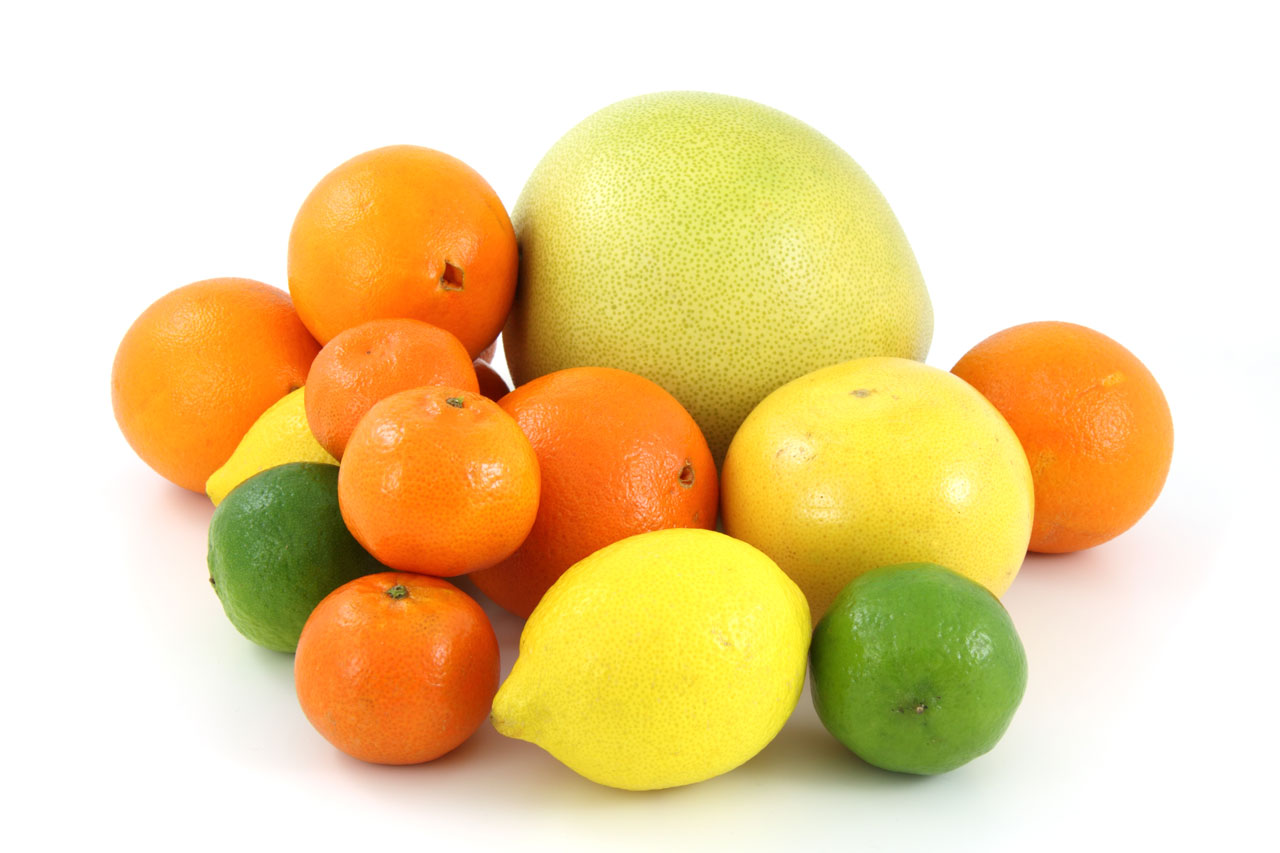
Best Citrus Presses for 2026: Handheld Lemon and Lime Squeezers for Cocktails and Cooking
A 2-in-1 squeezer covers lemons and limes in one hinged tool; step up to a lever press only when you juice by the pitcher.
Where to buy these picks
Affiliate links: we may earn a commission on qualifying Amazon purchases. Policy. Prices show only when checked in the last 24 hours.
- Best Overall: Zulay Kitchen Metal 2-in-1 Lemon Squeezer $14.99 at Amazon, Check price on Amazon →
- Best Value: Zulay Kitchen Stainless Steel Lemon Squeezer $24.99 at Amazon, Check price on Amazon →
- Best for Beginners: Chef'n FreshForce Citrus Juicer $15.36 at Amazon, Check price on Amazon →
- Best Premium: Zulay Kitchen Cast Iron Juicer (lever press) $84.99 at Amazon, Check price on Amazon →
- Budget Pick: IMUSA Lemon or Lime Manual Squeezer $6.34 at Amazon, Check price on Amazon →
The best citrus press for lemons and limes is the Zulay Kitchen Metal 2-in-1 Lemon Squeezer. It sells for under $25, and its deciding spec is a lime-size bowl nested inside a lemon-size one, so one hinged tool fits both fruits. For the lowest price, the enameled aluminum IMUSA Lemon or Lime Squeezer is the value buy. To juice a pitcher at a time, step up to the Zulay Kitchen Cast Iron Juicer lever press.
A citrus press is the cheapest tool in a home bar and the one you reach for most. A margarita, a daiquiri, a whiskey sour, a vinaigrette and a pan of lemon bars all start with the same half lemon or lime. Bottled juice tastes flat next to fresh, and squeezing by hand leaves juice in the fruit and seeds in the glass. This guide covers which press to buy, which kind of press fits how you cook, and how to keep it working. As of 2026, every pick is listed in our Kitchen Gadgets and Small Appliances catalog.
Picks at a glance
| Award | Model | Bowl size / material | Price tier |
|---|---|---|---|
| Best Overall | Zulay Kitchen Metal 2-in-1 Lemon Squeezer | Nested lemon + lime bowls, coated aluminum | $15–$30 |
| Best Value | Zulay Kitchen Stainless Steel Lemon Squeezer | Single large bowl, 18/8 stainless steel | $15–$30 |
| Best for Beginners | Chef'n FreshForce Citrus Juicer | Lemon / key-lime bowl, nylon + stainless, geared hinge | $15–$30 |
| Best Premium (lever press) | Zulay Kitchen Cast Iron Juicer | 5-inch stainless strainer bowl, cast iron frame | $60 and up |
| Budget Pick | IMUSA Lemon or Lime Manual Squeezer | Single lime/lemon bowl, enameled aluminum | Under $15 |
The live price button on each product page carries the current price. We use price bands here because handheld squeezers swing a few dollars by color and by week, and a printed number goes stale before the holidays.
Our top 5 picks
Best Overall: Zulay Kitchen Metal 2-in-1 Lemon Squeezer
This is the press to buy if you only buy one. The two bowls nest. Drop a lime half into the small inner bowl, or lift it out and use the larger bowl for a lemon. A fitted bowl matters more than most people expect. A lime rattling around in a lemon-size cup loses juice around the edges and never gets fully inverted.
- Material: aluminum with a food-grade coating, per the Zulay listing
- Size: about 8.9 inches long and 0.73 pounds, with nested lemon and lime bowls
- Care: the maker lists it as top-rack dishwasher safe, but hand-washing protects the coating longer
Pros: one tool for both fruits; the perforated base works as a seed filter; it comes in more than a dozen color combinations, which makes it an easy gift.
Cons: coated aluminum can chip after years of use, and the bowls are too small for oranges.
Shop Kitchen Gadgets · See the Zulay 2-in-1 squeezer
Best Value: Zulay Kitchen Stainless Steel Lemon Squeezer
If you have chipped a coated squeezer before, this is the buy-once version. It costs a little more than the enameled models, but there is no coating to wear off, and stainless steel shrugs off the dishwasher.
- Material: 18/8 stainless steel with silicone handle sleeves, per the listing
- Size: about 8.75 inches long and 13.7 ounces; the single bowl takes limes, large lemons and small oranges
- Care: listed as dishwasher safe on the top rack
Pros: nothing to chip or flake; the heavier build gives you more leverage per squeeze; the bowl takes a wider range of fruit than a dedicated lime press.
Cons: a single bowl means small limes sit loose; it is heavier in the hand than aluminum.
Shop Kitchen Gadgets · See the Zulay stainless squeezer
Best for Beginners: Chef'n FreshForce Citrus Juicer
The FreshForce uses a geared hinge instead of a simple pivot. The gears multiply your grip, so the press takes less hand strength than a standard squeezer. That makes it the friendliest pick for anyone who juices only now and then, or who finds a plain hinge tiring. Wirecutter's citrus juicer guide names it the best squeezer. Its reviewers note the geared hinge "takes the load off of your arms and hands." They also found the OXO Good Grips squeezer needs more force than the FreshForce.
- Material: nylon and stainless steel, per the Chef'n listing
- Size: about 10.25 inches long and 7.36 ounces; the bowl is sized for lemons and key limes
- Care: listed as top-rack dishwasher safe
Pros: the least hand effort of any handheld here; dishwasher safe; a third-party review backs it.
Cons: the bowl is a lemon size, so limes are a looser fit than in the Zulay 2-in-1. Chef'n says the gears deliver "up to 20% more juice." That is the maker's claim, and we did not measure it.
Shop Small Appliances · See the Chef'n FreshForce
Best Premium: Zulay Kitchen Cast Iron Juicer (lever press)
A countertop lever press is a different tool. You set a halved fruit on the cone, pull the arm down, and your arm's weight does the squeezing instead of your grip. It is the press to buy for a pitcher of margaritas, a stand of lemonade or a weekend of fresh orange juice.
- Material: cast iron frame with two removable stainless steel strainer pieces and rubberized feet, per the listing
- Size: about 11.5 inches tall. The 5-inch bowl handles everything from small limes to large grapefruit. The listing puts the shipping weight at 7.06 kg, about 15.5 pounds.
- Care: the strainer pieces lift out to rinse; wipe the frame down. The listing gives both "hand wash only" and a dishwasher-safe flag, so hand-wash to be safe.
Pros: juices oranges and grapefruit as well as lemons and limes; no grip strength needed; built for high volume.
Cons: big, heavy and a countertop resident. Stability is the thing to check. Wirecutter found that an earlier Zulay heavy-duty press slid around in use. This cast-iron model lists rubberized feet, but set it on a dry, flat counter.
Shop Small Appliances · See the Zulay Cast Iron Juicer
Budget Pick: IMUSA Lemon or Lime Manual Squeezer
The IMUSA is the classic Mexican-style squeezer at its simplest: one enameled aluminum bowl, two handles and a hanging ring. For a few limes a night over tacos or drinks, it does the job for the price of a bag of limes.
- Material: aluminum with a green enamel exterior, per the listing
- Size: about 7.7 inches long; one bowl sized for a lime or small lemon
- Care: the maker says hand wash only and lists it as not dishwasher safe
Pros: the lowest price in the category; light; the hanging ring keeps it out of the drawer.
Cons: hand-wash only; the enamel will dull or chip if it goes through the dishwasher anyway; there is one bowl size.
Shop Small Appliances · See the IMUSA squeezer
Handheld squeezer, reamer or lever press? When each is right
Manual citrus tools come in three basic designs. Wirecutter sorts them the same way: squeezers, reamers and presses. Each has a job it does best and a job it does badly.
| Tool | Best for | How it works | Counter-case |
|---|---|---|---|
| Handheld squeezer | A few limes or lemons a night, cocktails, squeezing right over a dish | Two hinged bowls invert the fruit half and push juice through holes | A pitcher of juice, which wears out your hand |
| Reamer | A bowl of lemon juice for baking, a cup of orange juice | You twist the fruit on a ridged cone; many sit on a cup that catches and measures the juice | Juicing straight into a glass or over food |
| Lever press | Pitchers of margaritas or lemonade, oranges and grapefruit | A countertop arm presses the fruit with your arm's weight | Small kitchens and occasional use |
Pick a handheld squeezer if most of your citrus goes into drinks and weeknight cooking. It works on a lime in seconds and stores in a drawer. The counter-case is volume: squeezing two dozen limes for a party is hard on your hands.
Pick a reamer if you bake. Lemon bars, lemon curd and key lime pie often call for half a cup or more of juice. A reamer with a measuring cup underneath, like the OXO Good Grips 2-in-1 Citrus Juicer or the OXO Good Grips Small Citrus Juicer, catches and measures as you go. The counter-case is the glass in front of you. A reamer can't squeeze straight into a cocktail shaker or over a fish fillet.
Pick a lever press if you serve drinks in volume or juice oranges regularly. The counter-case is space. A cast iron press is a permanent countertop appliance, and the weight that keeps it steady makes it a chore to move.
Material and care
What a press is made of decides how long it lasts and how you clean it. Go by the maker's care instructions for your model. The general patterns are below.
| Material | Weight | Dishwasher guidance (typical) | Watch for |
|---|---|---|---|
| Enameled or coated aluminum | Light | Often hand wash only; some list top-rack only | The coating chips or dulls over time; bare aluminum can then react with acidic juice |
| Stainless steel | Medium | Usually listed dishwasher safe | Thin hinges can bend on cheap models |
| Nylon + stainless (geared) | Light | Usually listed top-rack dishwasher safe | Plastic parts are the wear point |
| Cast iron lever | Very heavy | The frame is hand-wash; the stainless strainers rinse off | Chipped paint on the frame; a wet frame can rust |
Two habits keep any press working. First, rinse it right after use. Pulp and citric acid that dry in the holes are the main reason a squeezer stops draining cleanly. Second, don't leave an enameled squeezer soaking in the sink. Long soaks are where the coating starts to lift.
Who doesn't need one
If you juice oranges, carrots or greens by the pound for breakfast, a hand press is the wrong tool. You want a juicing machine, and our guide to the best juicers of 2026 compares masticating and centrifugal models. If you want electric citrus juicing without a whole-fruit machine, an electric reamer like the Cuisinart Pulp Control Citrus Juicer sits in between. Cuisinart lists three pulp settings, a cone that fits limes up to grapefruit, and dishwasher-safe parts.
Skip a dedicated press too if you use citrus a few times a month. A fork twisted into a lemon half gets most of the juice out. A press earns its drawer space when fresh juice is a weekly habit.
Recipes that call for fresh juice
A press pays for itself the first time you make a round of drinks with fresh juice instead of bottled. Start here:
- Margaritas: the Salt-Rimmed Triple Sec Margarita with Fresh Lime Juice needs about one lime per drink.
- Daiquiris: the Classic White Rum Daiquiri with Fresh Lime Juice is three ingredients, and lime is one of them. There is nowhere for bottled juice to hide.
- Whiskey sours: the Citrus Whiskey Sour uses fresh lemon.
- Mojitos: the Citrus-Mint Mojito with Fresh Lime Juice.
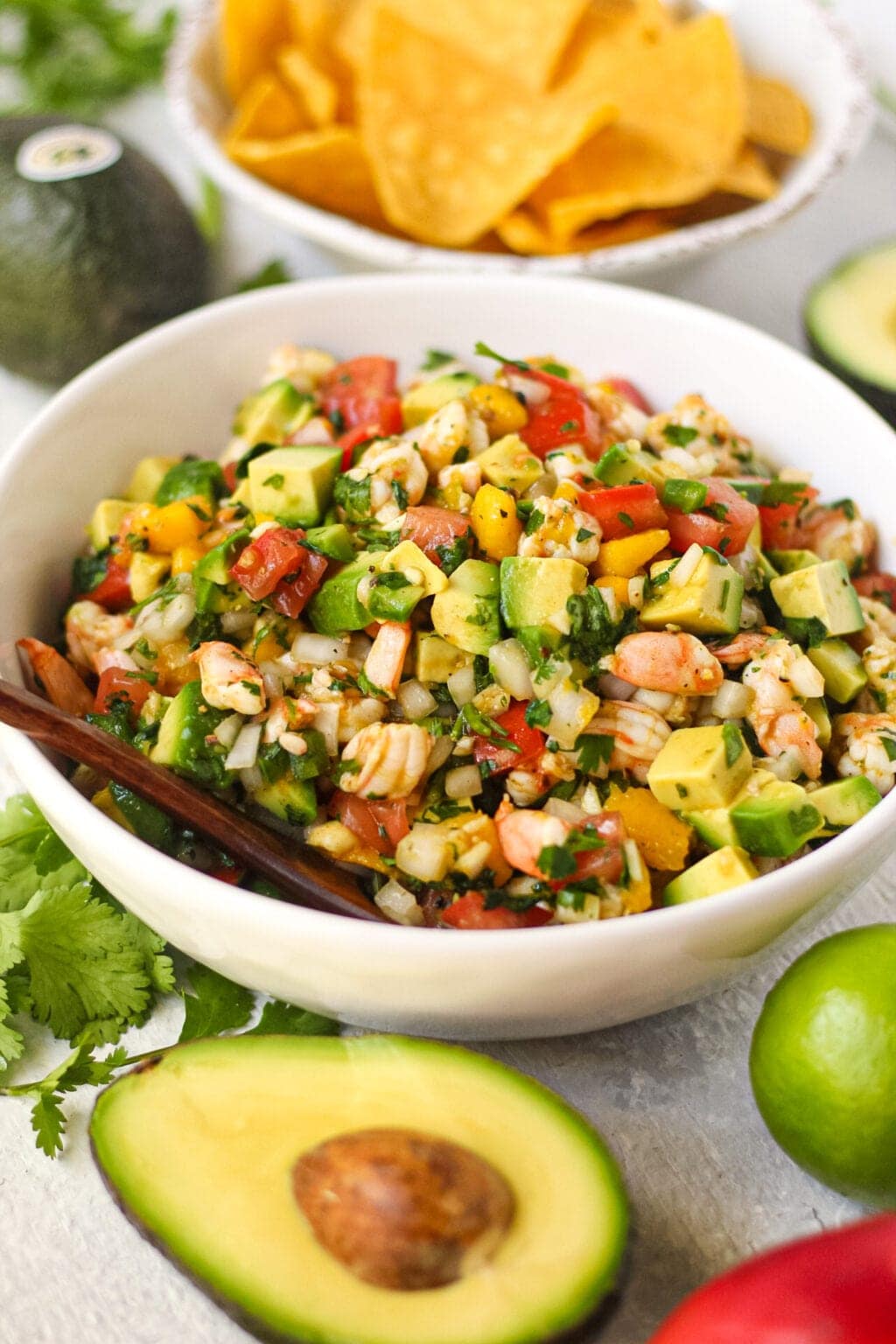
- Ceviche: Citrus-Cured Shrimp Ceviche with Mango and Avocado uses lime juice to "cook" the shrimp, so you need a lot of it. This is where a 2-in-1 squeezer or a lever press earns its keep.
- Lemon desserts: No-Bake Lemon Bar Cheesecake Squares and Key Lime Pie with Graham Cracker Crust are reamer territory if you are juicing a cup at a time.
- Lemonade and dressings: the Icy Mint Lemonade Sparkler and the Cottage Garden Herb Salad with Lemon Vinaigrette.
For the full list of drinks a fresh-juice bar unlocks, see 18 Classic Cocktails Every Home Bartender Should Know. For alcohol-free versions, see 20 Easy Mocktail Recipes. To round out the kit with a shaker, jigger and strainer, our best bar tools guide covers the rest, and the Bar & Coffee catalog carries all three.
As a gift
A handheld squeezer is a stocking stuffer under $25 for whoever makes the drinks. The Zulay 2-in-1 comes in enough colors to match a kitchen. More ideas are in our kitchen gifts under $50 guide.
What to look for
1. Bowl size versus fruit. Match the bowl to what you juice most. A nested 2-in-1 handles both lemons and limes. A single lime-size press is snug for limes and too small for big lemons. Only a reamer or a lever press handles oranges well.
2. Hinge leverage. Longer handles and geared hinges, like the FreshForce's, multiply your grip. If you have arthritis or limited grip strength, choose a geared squeezer or a lever press over a plain hinge.
3. Seed-catching holes. Look for a perforated base with holes small enough to hold back seeds but enough of them to drain quickly. Very few large holes let seeds through, and very small holes clog with pulp.
4. Material and coating. Coated aluminum is light and cheap but wears. Stainless steel lasts and goes in the dishwasher. Cast iron is for a press that stays on the counter.
5. Dishwasher guidance. Read the maker's care line before you buy. "Top-rack only" and "hand wash only" are common on coated squeezers, and ignoring them is how the coating chips.
How we picked
We started from the hand presses in the AislePrompt kitchen catalog, which spans dozens of brands. We narrowed them by design (squeezer, reamer or lever press), by material and by the care guidance on the maker's listing. Specs above come from those listings. For performance, we leaned on published third-party testing. Wirecutter's citrus juicer guide is the main source. Its team reports juicing more than 50 pounds of citrus across 15 models, and its comparisons of squeezers, reamers and presses informed the award choices. Serious Eats' citrus juicer review was a second reference for how the designs compare. We did not run our own yield tests. Any juice-yield figure in this guide is attributed to the maker or the reviewer who published it.
For background on the design itself: the lemon squeezer article on Wikipedia notes that the U.S. Patent and Trademark Office lists more than 200 lemon-squeezer patents. Most date from 1880 to 1910, and the oldest, from 1860, is for a cast iron squeezer. The lever press on your counter is a very old idea.
Common mistakes
- Loading the fruit cut-side up. The cut face goes down, toward the holes. Loaded the other way, juice sprays out the sides instead of through the strainer.
- Cutting lemons end to end. Halve citrus across the middle, through the equator. Halves cut lengthwise don't sit in a round bowl.
- Juicing cold fruit straight from the fridge. Room-temperature citrus gives up its juice more readily. Rolling a lemon firmly on the counter before cutting helps too.
- Using a lime press on oranges. Forcing a big fruit into a small bowl bends the hinge and leaves most of the juice behind. Use a reamer or a lever press.
- Dishwashing a hand-wash squeezer. It is the fastest way to chip an enameled finish.
Sources
- Wirecutter — The Best Citrus Juicer
- Serious Eats — The Best Citrus Juicers
- Wikipedia — Lemon squeezer
Frequently asked questions
Is a citrus press better than squeezing lemons by hand?
Do I need separate lemon and lime squeezers?
Can citrus presses go in the dishwasher?
Should I cut the lemon face up or face down in the press?
Is a lever citrus press worth it over a handheld one?
Recipes to try with your bar tools
Put your gear to work — save any recipe to My Recipes (no account needed) and send its ingredients to Instacart in one tap.





Shop kitchen gadgets on AislePrompt →Browse the full kitchen shop →