Best Woks for 2026: Carbon Steel, Nonstick & Flat-Bottom Picks + Buying Guide
A wok is a heat-gradient tool, not a curved skillet — which is why 14-gauge carbon steel at $40–$65 beats every nonstick pan three times its price.
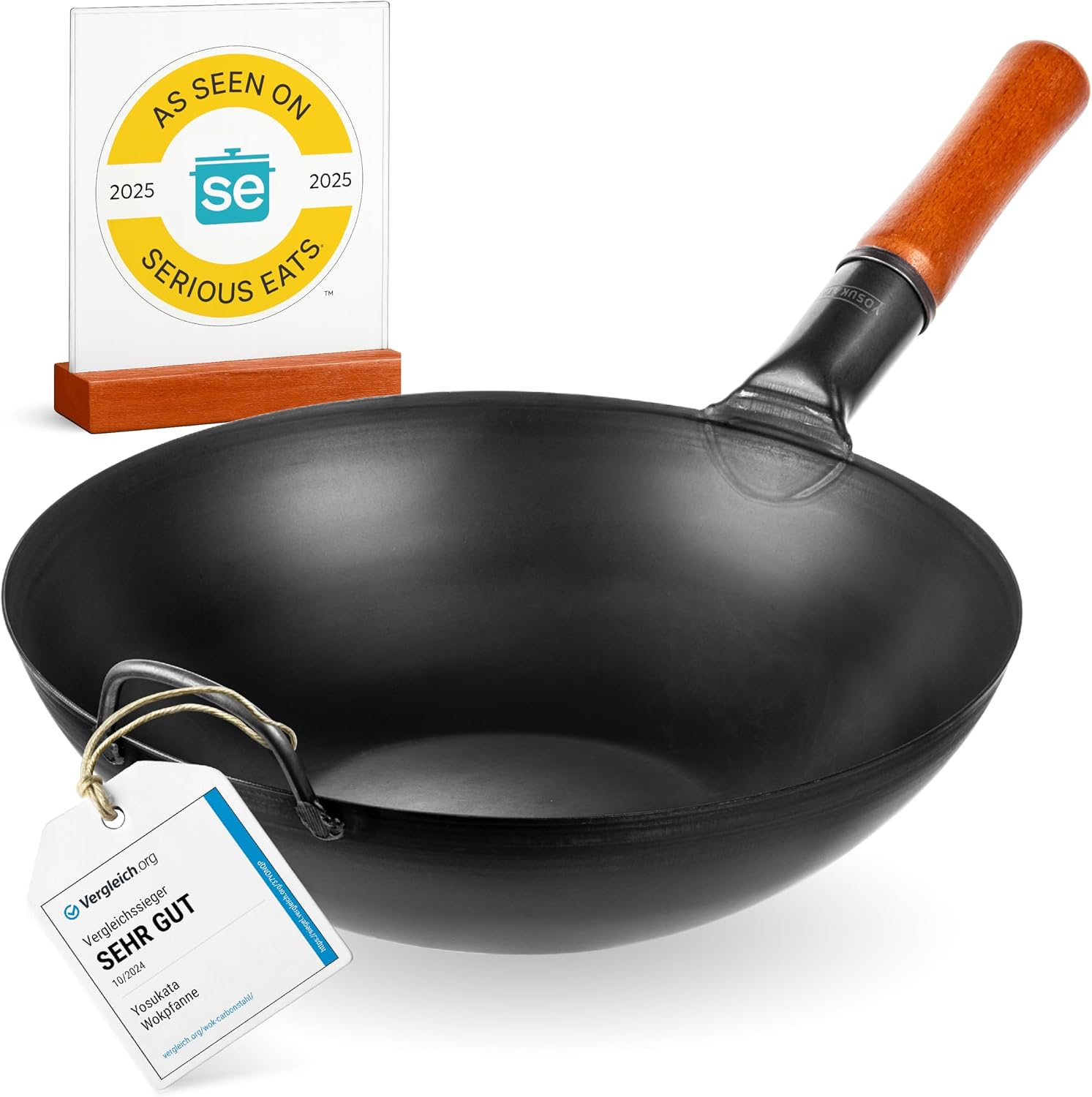
The best wok for most home cooks in 2026 is the YOSUKATA 13.5-inch Pre-Seasoned Flat-Bottom Carbon Steel Wok: its flat bottom works on induction, and its blued factory seasoning lets you stir-fry the night it arrives.
Where to buy these picks
Affiliate links: we may earn a commission on qualifying Amazon purchases. Policy. Prices show only when checked in the last 24 hours.
- Best Overall: YOSUKATA 13.5-inch Pre-Seasoned Flat-Bottom Carbon Steel Wok $62.99 at Amazon, Check price on Amazon →
- Best Value: Souped Up Recipes 12.5-inch Carbon Steel Wok $37.99 at Amazon, Check price on Amazon →
- Best for Beginners: TIBORANG 5-Quart Nonstick Wok with Lid $49.99 at Amazon, Check price on Amazon →
- Best Premium / Artisan: Craft Wok Traditional Hand-Hammered 14-inch Round-Bottom $65.75 at Amazon, Check price on Amazon →
- Best Compact: Lodge Cast Iron Mini Wok, 9-inch $26.37 at Amazon, Check price on Amazon →
Quick answer
Which wok fits your stove?
The best value is the Souped Up Recipes 12.5-inch Carbon Steel Wok, a flat-bottom wok for electric, induction and gas that comes with a lid and a spatula. For beginners, the TIBORANG 5-Quart Nonstick Wok needs no seasoning and goes in the dishwasher, though its coating caps the heat below real stir-fry temperatures. The Craft Wok Hand-Hammered 14-inch Round-Bottom is the artisan pick for gas burners with a wok ring, and the Lodge Cast Iron Mini Wok, 9-inch is the compact pick for one or two servings.
The best wok for a home kitchen in 2026 is a 13- to 14-inch flat-bottom carbon steel pan weighing about 3 pounds, and it costs between $40 and $65. Our top pick is the YOSUKATA 13.5-inch pre-seasoned flat-bottom carbon steel wok at $62.99; the best value is the Souped Up Recipes 12.5-inch carbon steel wok at $39.99 with lid and spatula included. Skip nonstick if you want real wok flavor — it cannot survive the heat that produces it.
Introduction: Why the right wok matters for stir fry
A wok is not a curved skillet. It is a heat-gradient tool: screaming hot at the bottom, progressively cooler up the sloped sides. That gradient is what lets you sear a batch of beef at the base, push it up the wall to hold while you cook aromatics in the same pan, and pull everything back down at the end. A flat skillet gives you one temperature and one zone.
The gradient only exists if the metal is thin. A restaurant wok is 14-gauge carbon steel — about 1.9 mm — and weighs around 3 pounds for a 14-inch pan. That thin wall heats to 600°F in about 90 seconds on a home burner and drops fast when you add cold food, which is exactly what you want: you want the recovery, because it's the cycling between searing and steaming that builds the flavor.
The thing home cooks chase and usually miss is wok hei, the smoky flavor produced when aerosolized oil ignites over the food. It needs roughly 100,000 BTU in a commercial jet burner; a home range gives you 12,000 to 18,000. You will not fully replicate it. What you can do is get close by heating the pan longer than feels reasonable, cooking in half-pound batches, and drying everything you put in the pan.
Wok types explained: carbon steel vs cast iron vs nonstick, round vs flat bottom
| Type | Weight (14 in) | Heats in | Seasoning | Max useful heat | Best for |
|---|---|---|---|---|---|
| Carbon steel, 14-gauge | ~3 lb | 90 sec | Required, builds over time | 650°F+ | Everything; the default |
| Carbon steel, 16-gauge | ~2 lb | 60 sec | Required, warps easier | 650°F+ | Gas burners, experienced cooks |
| Cast iron | 8–11 lb | 6–8 min | Pre-seasoned | 650°F+ | Heat retention, deep-frying |
| Nonstick / hybrid | 3–4 lb | 2 min | None | ~500°F (coating limit) | Beginners, low-oil cooking |
| Stainless | 4 lb | 3 min | None | 650°F+ | Nothing; food welds to it |
Round bottom vs flat bottom is the decision most people get wrong. A round bottom is correct only if you have a gas burner and a wok ring, or an outdoor wok burner. On a flat electric, induction, or glass cooktop, a round-bottom wok makes contact over about two square inches and will never get hot. Flat-bottom woks lose a little of the true bowl shape and work on every cooktop made. For 2026, unless you know you have a gas setup you're happy to add a ring to, buy flat.
Cast iron deserves a specific warning: an 11-pound wok cannot be tossed, and tossing is half of wok technique. It is a fine deep-fryer and a poor stir-fry pan.
Our Top 5 Picks
#1 Best Overall: YOSUKATA 13.5-inch Pre-Seasoned Flat-Bottom Carbon Steel Wok
Verdict: Flat bottom, factory pre-seasoned, 13.5 inches, and it works on induction.
The YOSUKATA flat-bottom wok is the pick because it removes the two things that stop people using a wok: cooktop incompatibility and the seasoning ritual. It arrives with a blued factory seasoning that is genuinely usable on day one — you still want to build on it, but you can stir-fry the night it lands.
At 13.5 inches it holds a full pound of protein with room to toss. The steel is heavy enough not to warp on a hot burner and light enough to move one-handed. Downside: the wooden handle is not oven-safe, and the pan will discolor in patches for the first month. That's normal carbon steel behavior, not a defect.
#2 Best Value: Souped Up Recipes 12.5-inch Carbon Steel Wok
Verdict: Under $40 with a lid and a wok spatula in the box.
The Souped Up Recipes wok is 12.5 inches, which is a real 12.5 inches of cooking surface rather than a rim measurement. Flat bottom, works on electric, induction and gas. The included lid matters more than it sounds: half of Chinese home cooking is a stir-fry that finishes with 90 seconds of covered steaming, and a wok lid is annoying to buy separately.
Downside: the pre-seasoning is thinner than the YOSUKATA's, so plan on two or three deliberate seasoning rounds before it stops sticking.
#3 Best for Beginners: TIBORANG 5-Quart Nonstick Wok with Lid
Verdict: No seasoning, no rust, dishwasher-safe. You give up the top 150°F of heat.
If you have never cooked with carbon steel and the maintenance is the thing stopping you, the TIBORANG nonstick wok removes the objection entirely. It is a deep 5-quart pan with a lid and a steaming grid, it works on every cooktop including charcoal, and you can put it in the dishwasher.
Be clear about the trade: PTFE coatings degrade above roughly 500°F and start releasing fumes above 570°F. Real stir-fry heat is 600°F+. You will cook good food in this pan; you will not get wok hei out of it, ever. Treat it as a large sauté pan with sloped sides.
#4 Best Premium / Artisan: Craft Wok Traditional Hand-Hammered 14-inch Round-Bottom
Verdict: Hand-hammered in Guangzhou, 14 inches, the closest thing to a restaurant pan you can buy retail.
The interesting finding here is that the artisan pick is not the expensive one. The Craft Wok hand-hammered pan is $57.75 — five dollars less than our top pick — and it is the pan most Chinese-American home cooks and a lot of small restaurants actually use. The hammered dimples give food micro-ledges to sit on when you push it up the wall.
The catch is the round bottom. This needs a gas burner and a wok ring, full stop. On induction or glass it is decorative. If you have gas, buy this instead of the YOSUKATA and spend the savings on a ring.
The genuinely premium option, if you want one, is the HexClad Hybrid Nonstick 12-inch wok at $135 — a laser-etched stainless/nonstick hybrid rated to 900°F. It is the only nonstick here that survives real wok heat, and it costs three times a carbon steel pan that does the job better.
#5 Best Compact: Lodge Cast Iron Mini Wok, 9-inch
Verdict: Best for one or two people and for serving at the table.
For a small kitchen the real constraint is storage, not counter space. The Lodge 9-inch cast iron mini wok holds enough for two servings, doubles as a serving dish because cast iron holds heat for twenty minutes, and is under $25. Dual loop handles instead of a long handle means it fits in an oven and in a cabinet.
If you want the full-size version of the same idea, the Lodge 14-inch cast iron wok exists — but it weighs about 11 pounds and you will not be tossing anything in it.
What to Look For: material, gauge, handle style, size, base compatibility
Material. Carbon steel, 14-gauge. Everything else is a compromise you should make deliberately.
Gauge. 14-gauge (1.9 mm) is the sweet spot: heats fast, doesn't warp. 16-gauge is lighter and warps on high heat. Anything thicker than 12-gauge is cast-iron-adjacent and loses the responsiveness.
Handle. A long wooden or steel stick handle plus a small helper loop is the standard, and it's standard because it lets you toss. Two loop handles (the cast-iron style) mean you stir instead of toss.
Size. 13 to 14 inches for a household of two to four. A 12-inch wok holds about half a pound of protein before it crowds; a 14-inch holds a full pound. Bigger than 14 inches does not fit a home burner's flame pattern.
Base compatibility. Flat bottom for electric, induction, and glass. Round bottom only with gas plus a ring. Check that a flat-bottom wok's flat area is at least 4 inches across — some "flat bottom" pans have a 2-inch flat spot and behave like round ones on induction.
Compare across the full cookware category, and pick up the tools separately: a wok spatula like the TableCraft 14.5-inch at $16.91 is the one accessory that matters, and the spider strainer and tongs are in utensils and tools. A digital thermometer and a good peeler for prep live in kitchen gadgets.
How to Season a Carbon Steel Wok (step-by-step)
Even a "pre-seasoned" wok needs this once. Twenty minutes, one time, and the pan works for a decade.
1. Strip the factory coating. New woks ship with a protective oil or lacquer. Scrub with hot water, dish soap and a green scrubby until the water runs clean. This is the only time soap touches the pan.
2. Dry it on the burner. Medium heat, 2 minutes, until there is no visible moisture.
3. Heat until it changes color. Crank the burner. The steel will turn straw yellow, then blue, then grey, starting at the center. Tilt and rotate to move the color band up the sides. This takes 5–10 minutes and it will smell like hot metal. Run the vent hood.
4. Oil it. Off the heat, wipe a thin film of a high-smoke-point oil — grapeseed, canola, or flaxseed — over every interior surface with a paper towel held in tongs. Then wipe it again as if you're removing it. Any oil you can see is too much and will go gummy.
5. Burn it in. Back on high heat until it stops smoking, about 3 minutes. Repeat steps 4 and 5 two more times.
6. Cook something fatty. Stir-fry a batch of scallions and ginger in a generous glug of oil and throw it out. That's the last step of seasoning, not a waste.
Maintenance from there: rinse with hot water and a bamboo brush while the pan is still warm, dry on the burner, wipe with a few drops of oil. No soap, no dishwasher, no soaking.
Common Wok Mistakes to Avoid
1. Not preheating long enough. The pan should be smoking before the oil goes in. Most people add oil at half temperature, which is exactly how food sticks to carbon steel.
2. Crowding the pan. Half a pound of protein per batch, maximum. Two pounds of chicken in one go drops the pan temperature 200°F and you get grey steamed meat.
3. Wet ingredients. Water on the surface of the food boils off before anything browns. Pat proteins dry; spin or towel your greens.
4. Chopping while the pan heats. Wok cooking is 3 to 5 minutes of total cook time with no pauses. Everything gets cut, measured, and lined up before the burner goes on.
5. Round bottom on a flat cooktop. Two square inches of contact, no heat, and people conclude woks don't work.
6. Soap and soaking. Both strip the polymerized oil layer you spent 20 minutes building. Hot water and a brush, always.
7. Cooking acidic sauces long. Tomato or vinegar simmered for 20 minutes will eat through a young seasoning. Add acid at the end.
Stir-fries to break it in with
The best way to build seasoning is to cook oily, high-heat food in the pan repeatedly. In rough order of how forgiving they are (for the full sauce ratio and 90-second-per-ingredient method, work through 20 One-Pan Stir Fry Recipes):
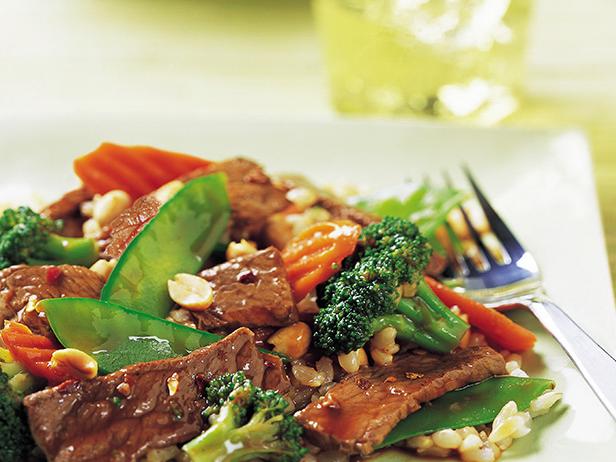
- Best Szechuan Beef Stir-Fry — 30 minutes, serves 4, 360 calories, 28 g protein. Start here.
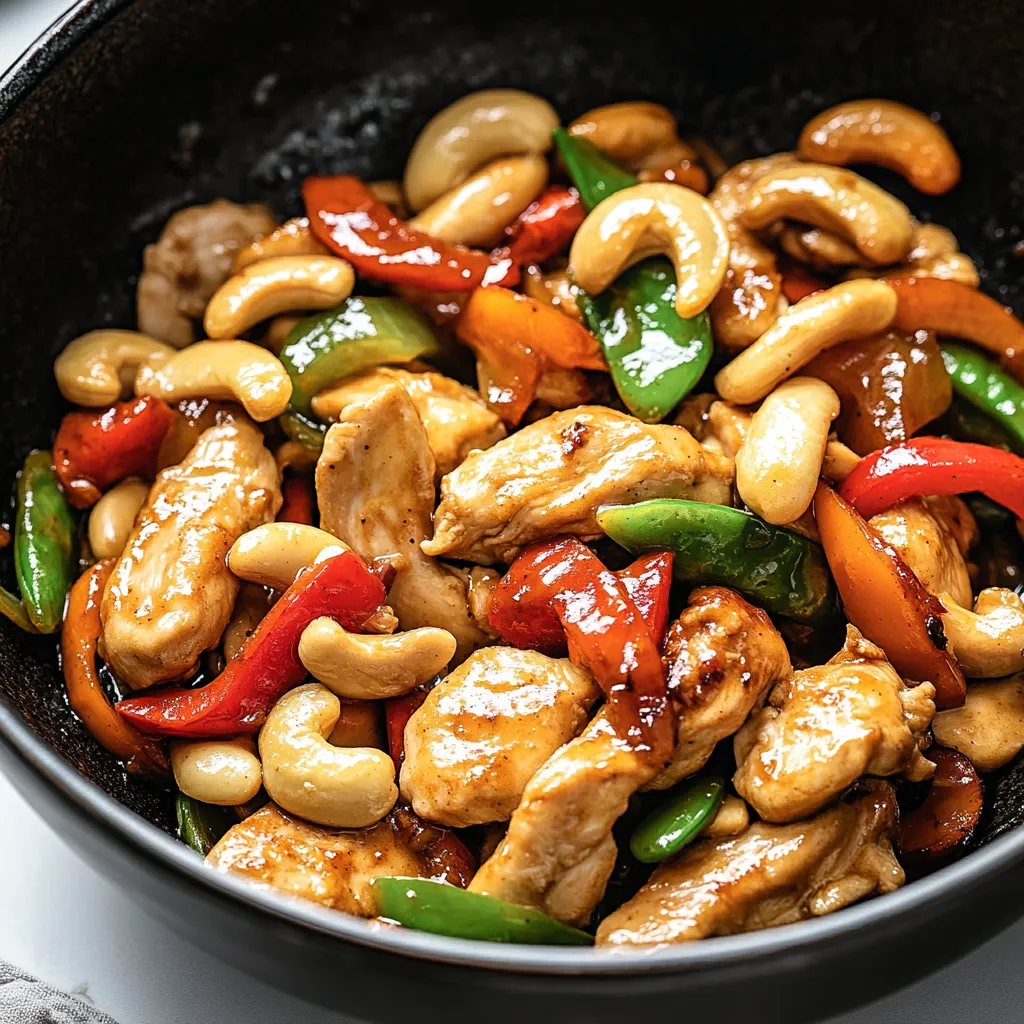
- Spicy Chicken and Cashew Stir-Fry — 25 minutes, serves 4, 420 calories, 38 g protein.
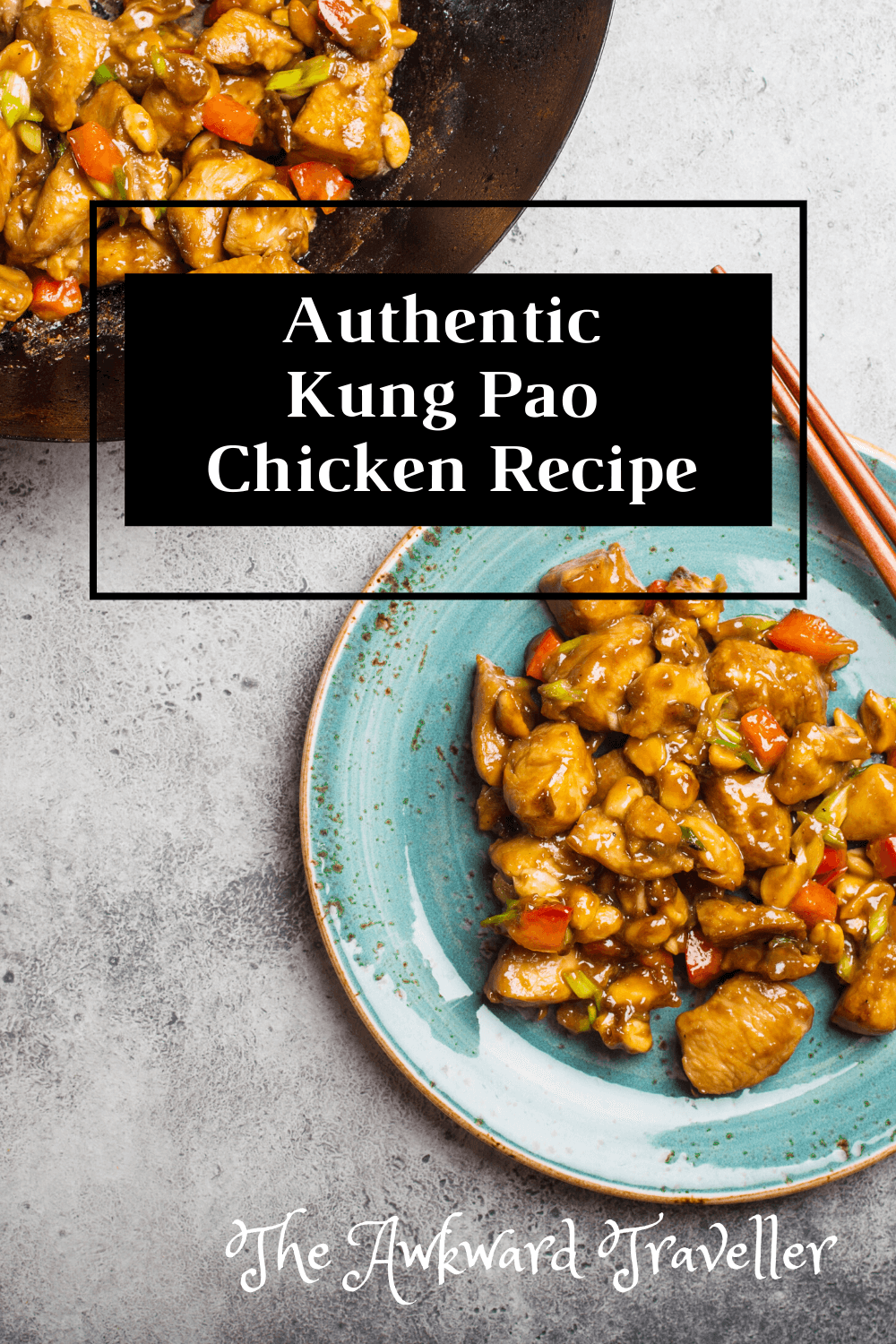
- Authentic Sichuan Kung Pao Chicken — 35 minutes, serves 4, 320 calories, 28 g protein.
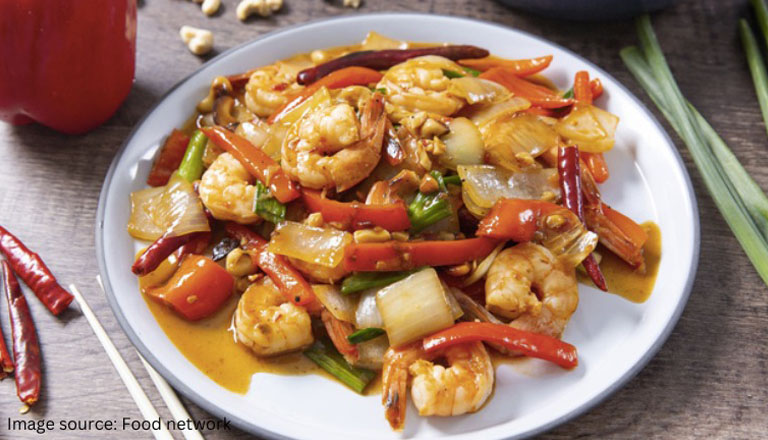
- Szechuan Kung Pao Shrimp — 25 minutes, serves 4, 420 calories, 30 g protein.
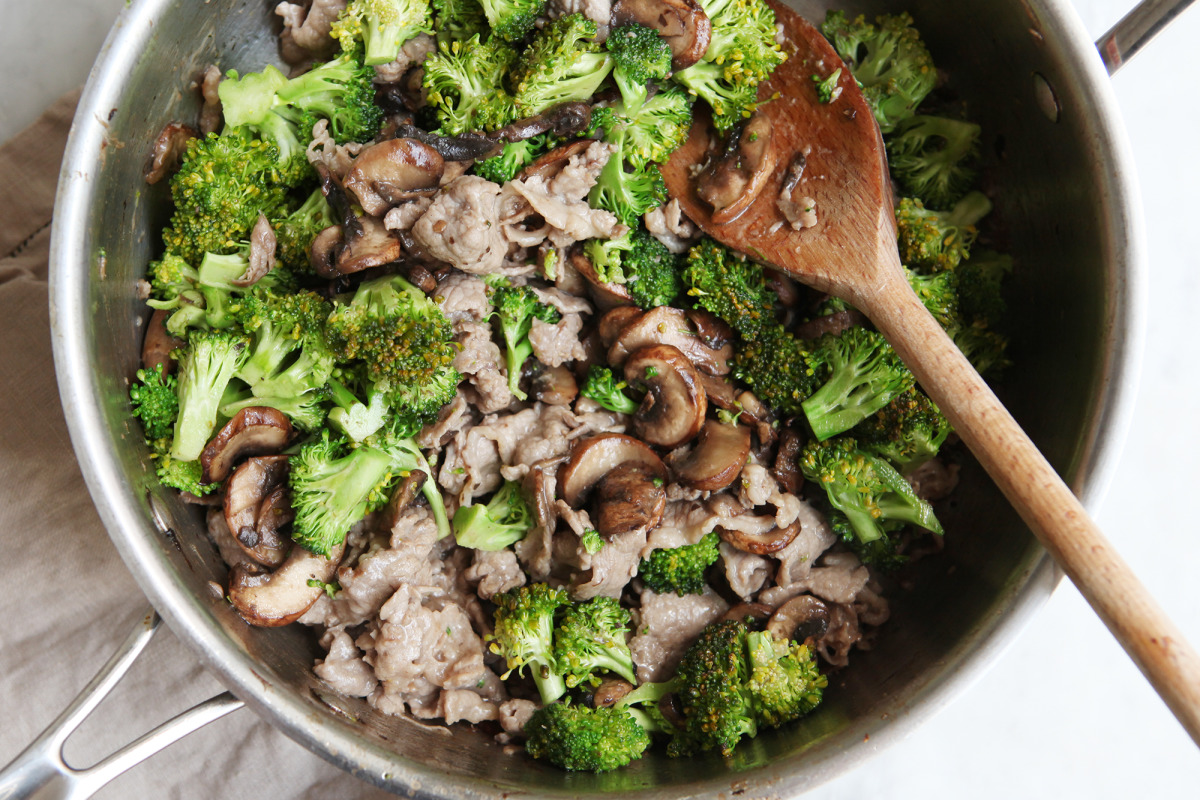
- Garlic-Black Pepper Beef and Broccoli Stir-Fry — 25 minutes, serves 4, 290 calories, 29 g protein.
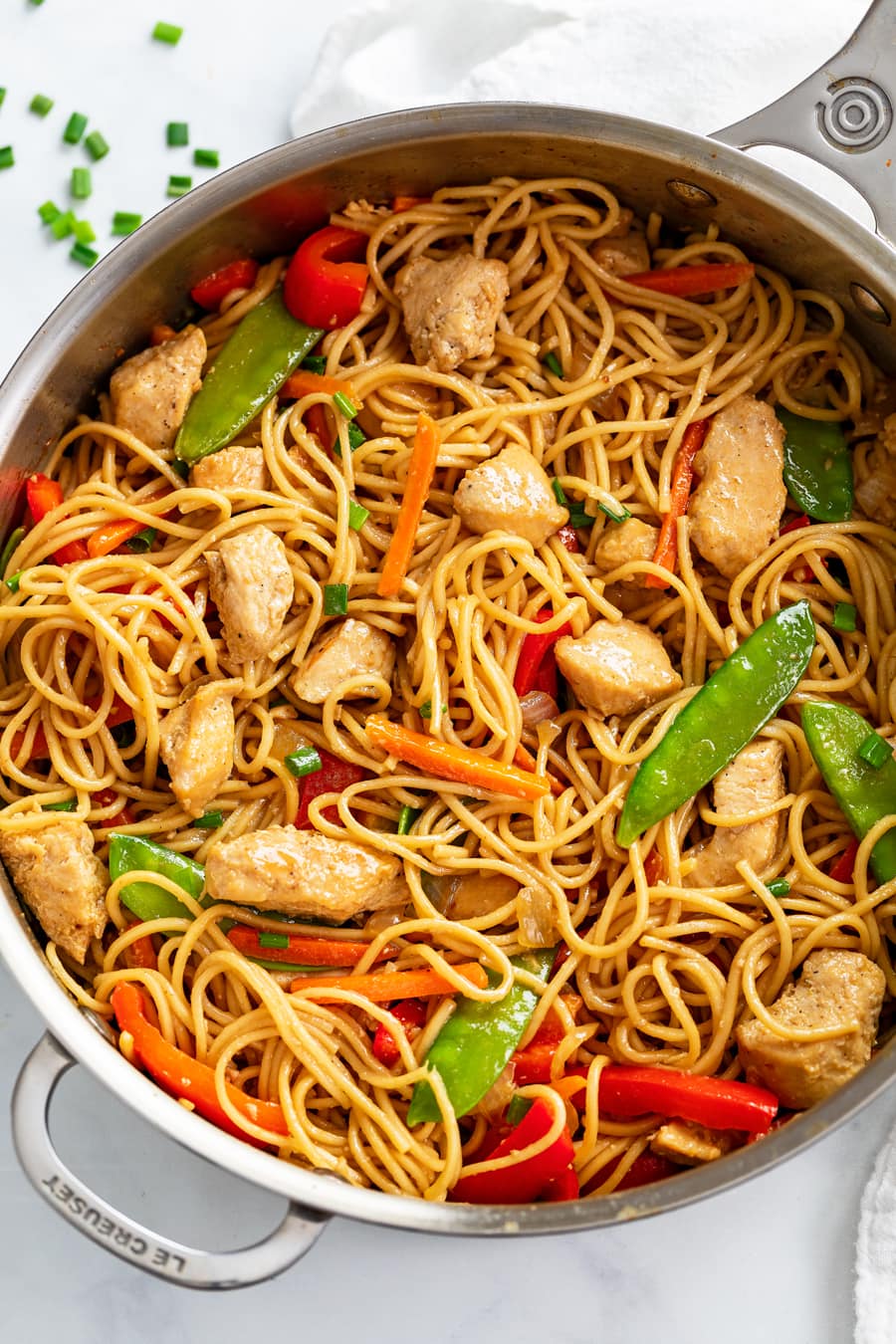
- Stir-Fried Egg Lo Mein with Chicken and Mixed Vegetables — 25 minutes, serves 4, 380 calories.
- Stir-Fried Shrimp Lo Mein with Garlic and Scallions — 20 minutes, serves 3, 420 calories, 35 g protein.
- Cantonese Stir-Fried Chow Mein with Char Siu Pork — 20 minutes, serves 3, 450 calories.
- Most Flavorful Korean Kimchi Fried Rice — 30 minutes, serves 4, 480 calories.
- Vegetarian Pad See Ew with Mushrooms — 35 minutes, serves 4, 350 calories.
Sources
We cross-checked our picks against three independent equipment-testing programs before writing: Serious Eats — The Best Woks, which runs the most rigorous heat-response testing of the three; America's Test Kitchen — Woks, for their long-term durability and warping results; and WIRED — Best Woks for coverage of the hybrid and nonstick end of the category. Prices change; check the live price before you buy.
Related cookware guides
- Best Kitchen Knife Sets 2026 — the prep half of stir-fry speed.
- Best Cutting Boards 2026 — the surface you'll do all that slicing on.
- 25 Better-Than-Takeout Chinese Recipes — what to cook once it's seasoned.
- 20 Better-Than-Takeout Chinese Dinners — stir-fry, fried rice and dumplings.
- 22 Cantonese Recipes — char siu and the Cantonese wok repertoire.
Frequently asked questions
Are carbon steel or nonstick woks better for home cooking?
Round-bottom or flat-bottom wok for a home stove?
What size wok do I need?
How do I season a new carbon steel wok?
Can I use a wok on an induction cooktop?
How we picked
This guide is researched, not bench-tested. We shortlisted products from the AislePrompt kitchen catalog and compared them on published manufacturer specifications (such as materials, size and capacity), on what owners report in published reviews, and on any third-party sources linked in this guide. The guide was drafted with AI assistance. We did not run lab or hands-on tests of these products, so any measurement quoted here comes from the manufacturer or a cited source. Prices change often: use the “Check price on Amazon” buttons for today’s price.
Recipes to try with the wok
Put your gear to work — save any recipe to My Recipes (no account needed) and send its ingredients to Instacart in one tap.
Shop cookware on AislePrompt →Browse the full kitchen shop →