25 Better-Than-Takeout Chinese Recipes for Weeknight Dinners
A $37 pantry, three master sauces, and the velveting trick that finally makes your beef silky instead of grey.
Affiliate disclosure: AislePrompt may earn a commission on qualifying purchases made through Amazon and Instacart links in this article, at no additional cost to you. See our affiliate policy →
A weeknight Chinese dinner at home takes about 20 minutes and costs roughly $3.50 a serving — versus $14–18 plus fees and tip for the same dish delivered. The gap isn't skill. It's that restaurant woks hit 1,200°F and your stove doesn't, and there are three specific workarounds that close most of the distance.
The takeout tax, quantified
Here's what a four-person order actually costs in 2026, versus cooking the same four dishes.
| Dish | Delivery (menu + 15% fees + 18% tip) | Cook at home | Delta |
|---|---|---|---|
| Kung pao chicken | $18.90 | $4.80 | −$14.10 |
| Beef & broccoli | $21.60 | $8.20 | −$13.40 |
| Lo mein | $16.20 | $3.10 | −$13.10 |
| Chicken fried rice | $15.50 | $2.60 | −$12.90 |
| Four-dish dinner | $72.20 | $18.70 | −$53.50 |
Cook Chinese once a week and you're keeping about $2,780 a year. The time cost is 25 minutes with prep, which is roughly delivery's ETA anyway.
The Chinese-American pantry
American Chinese cuisine is its own tradition, not a degraded copy of anything — it grew out of Cantonese cooking adapted to what 19th-century American ingredients allowed. The pantry is short and everything keeps for a year or more.
| Item | What it does | Price (2026) | Shelf life |
|---|---|---|---|
| Light soy sauce | Salt + savory base | $4 / 15 oz | 2 yr |
| Dark soy sauce | Color, molasses depth | $5 / 15 oz | 2 yr |
| Oyster sauce | Body, sweetness, umami | $5 / 18 oz | 1 yr refrigerated |
| Shaoxing wine | Deglazing aromatics | $6 / 750 ml | Indefinite |
| Toasted sesame oil | Finishing only, never cooking | $6 / 10 oz | 1 yr |
| Cornstarch | Velveting + sauce thickening | $2 / lb | Indefinite |
| MSG | Straight glutamate | $4 / 16 oz | Indefinite |
| Chinkiang black vinegar | Sour-malty, for dumplings | $5 / 18 oz | 2 yr |
Total buy-in: about $37, and it covers 40+ dinners.
Two of these deserve explanation.
Shaoxing wine is a fermented rice wine that does for Chinese cooking what white wine does for French. It's sold in the Asian aisle at most large grocers for $6, often labeled "cooking wine" with added salt (fine for cooking, cheaper). Dry sherry is the standard substitute. Rice vinegar is not — wrong flavor entirely.
MSG. Use it. The FDA's own questions and answers on monosodium glutamate classify it as generally recognized as safe, and the controlled studies behind "Chinese restaurant syndrome" never replicated. A quarter-teaspoon in a stir-fry for four does what an extra tablespoon of soy sauce would do without the added sodium — actually, MSG contains about one-third the sodium of table salt by weight. If it still feels wrong, mushroom powder and chicken bouillon are both mostly glutamate anyway.
The technique unlock: wok hei at home
Wok hei — literally "breath of the wok" — is the smoky, faintly charred aroma that separates restaurant stir-fry from the sad grey version. It comes from food hitting metal above 400°F while oil aerosolizes and combusts at the pan's edge. Restaurant wok burners run 100,000+ BTU. A residential gas range gives you 12,000–18,000. Induction gives you fast, flat, even heat but no flame.
You cannot replicate a commercial burner. You can get 80% of the way there with three rules.
1. Preheat until the pan smokes. Empty pan, highest heat, 3–4 minutes. Carbon steel or cast iron only — a nonstick coating degrades above 500°F and a thin stainless pan will warp. Add oil, swirl, and it should shimmer and thread within 3 seconds.
2. Cook in batches of no more than ¾ pound. This is the rule people break. One pound of chicken dumped into a 12-inch skillet drops the surface from 500°F to about 220°F instantly, water floods out, and you have poached chicken in grey liquid. Two batches costs you 90 extra seconds.
3. Have everything cut, measured, and within arm's reach before the pan is hot. A stir-fry is 4 minutes of continuous action. There is no pausing to mince garlic.
Velveting: the restaurant secret that takes 10 minutes
Velveting is why restaurant chicken and beef are silky and yours isn't. Toss sliced protein with 1 teaspoon cornstarch, 1 teaspoon Shaoxing wine, and ½ teaspoon baking soda per ½ pound. Rest 15 minutes, rinse the baking soda off for beef (skip the rinse for chicken), pat dry, then cook.
The baking soda raises surface pH, which prevents proteins from bonding tightly during the sear. The cornstarch forms a barrier that holds moisture in. It is the single highest-leverage 10 minutes in this entire article.
Chicken classics
Start here — chicken is forgiving, cheap, and covers half the takeout menu.
Kung Pao chicken is genuinely Sichuanese, not an American invention, and the real version is numbing from Sichuan peppercorns rather than merely hot. Authentic Sichuan Kung Pao Chicken is the version to cook if you have the peppercorns; Traditional Chinese Kung Pao Chicken and Best Choice Kung Pao Chicken are the more Americanized, sweeter takes. There's a shrimp version too — Szechuan Kung Pao Shrimp — which cooks in 6 minutes flat.
Orange chicken is the highest-volume dish in American Chinese restaurants. Crispy Orange Chicken with Ginger-Soy Glaze and Crispy Cantonese-Style Orange Chicken both use real orange zest and juice rather than concentrate, which is the whole difference.
General Tso's is a Taiwanese-American invention from the 1970s. General Tso's Chicken with Toasted Sesame and Scallions is the fried version; Quick Stir-Fried General Tso's Chicken skips the deep fry and gets you 85% of the result in 20 minutes.
Also worth cooking: Stir-Fried Cashew Chicken in Kung Pao Sauce, Honey Garlic Cashew Chicken Stir-Fry with Broccoli, Szechuan-Style Chicken and Broccoli, Ginger Soy Stir-Fry with Chicken and Broccoli, and Air Fryer Salt and Pepper Chicken Bites.
Beef
Beef needs the velveting step more than chicken does. Flank or skirt, sliced against the grain at a 45° angle into ⅛-inch pieces, is the standard cut — about $9/lb in 2026.
- Authentic Chinese Stir-Fried Beef with Broccoli — the reference
- Crispy Garlic Beef Stir-Fry with Broccoli — more garlic, crisper edges
- Stir-Fried Noodles with Beef and Broccoli — one-pan with noodles in
- Stir-Fried Mongolian Beef with Scallions and Garlic — sweeter, scallion-heavy
- Coconut Aminos Mongolian Beef Stir-Fry — soy-free / gluten-free version
- Szechuan Pepper Pork Stir-Fry — same technique, pork shoulder
Noodles and rice
Lo mein means "tossed noodles" — the noodles are boiled, then tossed with sauce and stir-fried components off the heat. Chow mein means "fried noodles" and the noodles actually go into the pan and crisp. Restaurants blur this constantly; the distinction matters for texture.
- Garlic Soy Lo Mein with Crisp Vegetables — vegetarian, 18 minutes
- Stir-Fried Egg Lo Mein with Chicken and Mixed Vegetables — the full version
- Beef Chow Mein with Crisp Vegetables and Savory Sauce
- Cantonese Stir-Fried Chow Mein with Char Siu Pork
- Chen's Spicy Sichuan Noodles — the dan dan register
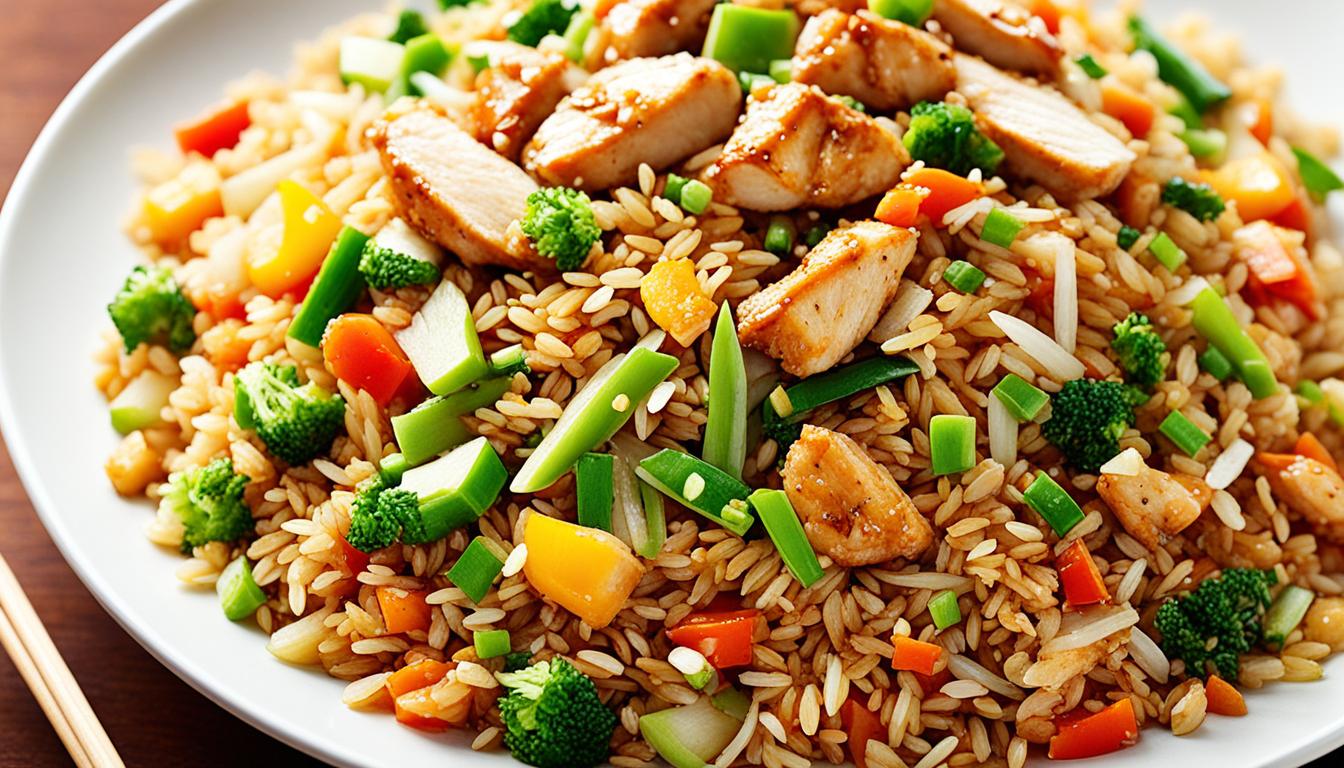
Fried rice has exactly one hard requirement: day-old, refrigerated rice. Fresh rice has too much surface moisture and steams into mush. If you forgot, spread fresh rice on a sheet pan and refrigerate uncovered for 30 minutes. Best Chicken Fried Rice and Crispy Shrimp Fried Rice with Egg and Peas are both 15-minute dishes once the rice is cold.
Vegetables and tofu
Sichuan cuisine contributes the best of these. Mapo tofu is silken tofu in a chili-bean sauce with ground pork and Sichuan peppercorn — 20 minutes, about $6 for four servings, and it is one of the great cheap dinners of the world. Authentic Sichuan Spicy Mapo Tofu and Authentic Szechuan Mapo Tofu are both close to the Chengdu original.
More: Sichuan Peppercorn Stir-Fried Tofu with Green Beans, Stir-Fried Eggplant with Chili and Garlic, Sichuan-Style Spicy Eggplant with Chili Oil, and Egg Foo Young with Bean Sprouts and Mushrooms.
Soups, dumplings, and starters
- Silky Egg Drop Soup with Fresh Scallions — 8 minutes, four ingredients
- Tomato Egg Drop Soup with Tofu
- Hot and Sour Tofu Soup
- Authentic Hand-Pressed Pork Dumplings with Ginger-Soy Dipping Sauce
- Authentic Hand-Pressed Dumplings with Wild Mushroom Filling
- Stir-Fried Szechuan Wontons with Spicy Garlic Sauce
- Pan-Fried Scallion Pancakes with Crispy Edges
- Air Fryer Chinese Spring Rolls with Soy-Ginger Dipping Sauce
- Wok-Fried Cantonese Salt and Pepper Shrimp
- Shanghai-Style Sweet and Sour Mandarin Fish
The three-sauce meal-prep trick
Mix one master sauce on Sunday and four different dinners fall out of it during the week. Each is scaled for four servings.
Master brown sauce — ¼ cup light soy, 2 tbsp oyster sauce, 2 tbsp Shaoxing, 1 tbsp dark soy, 1 tbsp sugar, 1 tbsp cornstarch, ¾ cup chicken stock. Keeps 2 weeks refrigerated. This is beef and broccoli, chicken and broccoli, lo mein, and chow mein.
Master sweet-sour-spicy — brown sauce base plus 3 tbsp rice vinegar, 3 tbsp sugar, 2 tbsp ketchup, 1 tbsp chili garlic sauce. This is orange chicken, General Tso's, and sweet and sour anything.
Master Sichuan — 3 tbsp doubanjiang (fermented chili bean paste), 2 tbsp Shaoxing, 1 tbsp soy, 1 tsp ground Sichuan peppercorn, 1 tsp sugar, ½ cup stock. This is mapo tofu, kung pao, and dan dan noodles.
Batch the velveted protein at the same time — ½ pound each of sliced chicken, beef, and pork, velveted and bagged raw — and a weeknight dinner becomes: heat pan, cook protein, add vegetable, add sauce, done in 9 minutes.
Equipment: wok versus 12-inch skillet
| Metric | Carbon-steel wok | 12-inch carbon steel / cast iron | Nonstick |
|---|---|---|---|
| Price | $25–40 | $30–60 | $25–50 |
| Max safe temp | 700°F+ | 700°F+ | ~500°F |
| Works on induction | Flat-bottom only | Yes | Yes |
| Tossing | Excellent | Poor | Poor |
| Fried rice | Best | Good | Poor |
| Seasoning required | Yes | Yes | No |
Verdict: if you have a gas range, buy a 14-inch flat-bottom carbon-steel wok — it's $25–35 at any Asian market and outperforms a $200 Western pan at this job. On induction or electric, a 12-inch carbon-steel skillet is the better tool because full-surface contact beats a curved wok that only touches the element in a small circle. Browse woks or skillets and frying pans if you're replacing a warped pan, and cookware for the broader category.
You also want a metal spatula with a wide leading edge — see spatulas and turners. Silicone melts, wooden spoons don't scrape fond.
Common pitfalls
Crowding the pan. Said three times because it accounts for most failures.
Using toasted sesame oil to cook. Its smoke point is about 350°F and it turns acrid. Cook in peanut, canola, or grapeseed; finish with sesame off the heat.
Skipping the cornstarch slurry. Chinese sauces are supposed to cling to food, not pool at the bottom of the plate. One tablespoon cornstarch in two tablespoons cold water, added in the last 30 seconds.
Fresh rice in fried rice. Non-negotiable. Cold rice or don't bother.
Not slicing beef against the grain. Against the grain at a slight bias. Anything else is chewy no matter how well you velvet it.
Adding garlic and ginger too early. They burn in 45 seconds at stir-fry heat. In after the protein is seared, not before.
When Chinese takeout is still the right call
Deep-fried dishes at scale — sesame chicken for eight, or crab rangoon — mean managing a quart of 350°F oil and its disposal for a marginal quality gain. Order those. Same for Peking duck, soup dumplings, and anything requiring a 12-hour master stock. The dishes worth cooking at home are the 20-minute stir-fries, which is most of the menu.
The 25-recipe grid
Chicken: Authentic Sichuan Kung Pao Chicken · Traditional Chinese Kung Pao Chicken · Best Choice Kung Pao Chicken · Crispy Orange Chicken with Ginger-Soy Glaze · Crispy Cantonese-Style Orange Chicken · General Tso's Chicken with Toasted Sesame and Scallions · Quick Stir-Fried General Tso's Chicken · Stir-Fried Cashew Chicken in Kung Pao Sauce · Szechuan-Style Chicken and Broccoli
Beef & pork: Authentic Chinese Stir-Fried Beef with Broccoli · Crispy Garlic Beef Stir-Fry with Broccoli · Stir-Fried Mongolian Beef with Scallions and Garlic · Coconut Aminos Mongolian Beef Stir-Fry · Szechuan Pepper Pork Stir-Fry
Noodles & rice: Garlic Soy Lo Mein with Crisp Vegetables · Stir-Fried Egg Lo Mein with Chicken and Mixed Vegetables · Beef Chow Mein with Crisp Vegetables and Savory Sauce · Cantonese Stir-Fried Chow Mein with Char Siu Pork · Best Chicken Fried Rice · Crispy Shrimp Fried Rice with Egg and Peas
Tofu & vegetables: Authentic Sichuan Spicy Mapo Tofu · Sichuan Peppercorn Stir-Fried Tofu with Green Beans · Sichuan-Style Spicy Eggplant with Chili Oil · Egg Foo Young with Bean Sprouts and Mushrooms
Soups & starters: Silky Egg Drop Soup with Fresh Scallions · Hot and Sour Tofu Soup · Authentic Hand-Pressed Pork Dumplings with Ginger-Soy Dipping Sauce · Pan-Fried Scallion Pancakes with Crispy Edges · Wok-Fried Cantonese Salt and Pepper Shrimp
Related reading
More weeknight cuisine clusters: 25 Easy Japanese Dinners, 22 Korean Dinner Recipes, 22 Easy Thai Dinner Recipes, and 18 Vietnamese Dinners.
Want a week of stir-fries built around one shopping trip? Ask the meal planner.
Sources
- American Chinese cuisine — Wikipedia
- Wok hei — Wikipedia
- Velveting — Wikipedia
- Sichuan cuisine — Wikipedia
- Shaoxing wine — Wikipedia
- Kung Pao chicken — Wikipedia
- Mapo tofu — Wikipedia
- Lo mein — Wikipedia
- FDA — Questions and Answers on Monosodium Glutamate (MSG)
Frequently asked questions
Do I really need a wok, or will a regular skillet work?
What can I substitute for Shaoxing wine?
Why does my stir-fried beef come out tough and grey?
Is MSG safe to cook with?
How do I keep fried rice from turning mushy?
Recipes to start your week with
Save any of these to My Recipes — no account needed — and send the ingredients to Instacart in one tap.