Costco Meal Prep: $200 Haul to 21 Meals + Full Shopping List for 2026
Eighteen items, one Sunday afternoon, and three weeks of lunches at about $9.50 a meal.
One $200 Costco run, eighteen items, and about two and a half hours on a Sunday produces 21 portioned meals -- roughly $9.50 each, against a national average near $12 for a delivery-service portion and $18 for a fast-casual lunch. The trick isn't buying more; it's buying five things in bulk that cross-utilize into five different recipes.
Get a free Sunday meal-prep plan
One batch cook, five lunches that still hold on Thursday, and a single consolidated Instacart cart. Sent Saturday.
No spam, unsubscribe in one click. Recipes, shopping lists and Instacart carts all work without an account either way.
Below: the exact haul with unit pricing, the meal math, an hour-by-hour prep timeline, the storage rules that keep day four edible, and how to run weeks two through four off a much smaller restock.
Prices are approximate as of 2026 and vary meaningfully by region and warehouse. Treat them as a planning baseline, not a quote.
Introduction -- why Costco is the meal-prepper's best friend (and its two traps)
The warehouse model works for meal prep because meal prep is bulk cooking. You want 6 pounds of chicken, not 1.5. You want the 5-pound bag of rice. You want eggs by the flat.
Where the savings actually are, versus a standard supermarket:
| Category | Typical warehouse savings | Worth it for meal prep? |
|---|---|---|
| Proteins (chicken, beef, salmon) | 20-35% | Yes -- the core of the haul |
| Eggs, dairy, cheese | 20-30% | Yes |
| Rice, quinoa, oats, dried beans | 30-40% | Yes |
| Nuts, olive oil, canned goods | 25-40% | Yes |
| Hardy produce (onions, carrots, potatoes) | 15-25% | Yes |
| Delicate produce (berries, herbs, greens) | 10-20% | Only if you'll finish it |
| Prepared and frozen convenience meals | 0-10% | No -- this is trap one |
| Snacks and bakery | Negative in practice | No -- this is trap two |
Trap one is the middle of the store. The $18 boxed convenience meals, the tray of prepared enchiladas, the 24-count frozen entrees. They're not bad value in isolation; they're bad value against the thing you came to do, which is cook. One of them eats 9% of the budget for two meals.
Trap two is volume you can't finish. A 3-pound clamshell of spring mix is cheap per ounce and expensive per ounce actually eaten if half of it liquefies by Thursday. The Kitchn's warehouse shopping advice makes the same point: unit price is only real if the unit gets used.
The discipline is simple -- shop the perimeter and the dry-goods aisle, skip the middle. Every item in the haul below is a raw ingredient.
The exact $200 haul (18 items with unit prices)
| # | Item | Size | Price | Unit price |
|---|---|---|---|---|
| 1 | Rotisserie chickens | 2 @ 3 lb | $10.98 | $1.83/lb |
| 2 | Boneless skinless chicken thighs | 6 lb | $19.50 | $3.25/lb |
| 3 | Ground turkey (93/7) | 4 lb | $17.00 | $4.25/lb |
| 4 | Atlantic salmon fillets | 3 lb | $32.00 | $10.67/lb |
| 5 | Flank or sirloin steak | 2.5 lb | $22.50 | $9.00/lb |
| 6 | Large eggs | 24 ct | $6.50 | $0.27 each |
| 7 | Sharp cheddar block | 2 lb | $9.00 | $4.50/lb |
| 8 | Plain Greek yogurt | 48 oz | $6.50 | $0.14/oz |
| 9 | Basil pesto | 22 oz | $9.50 | $0.43/oz |
| 10 | Quinoa | 4 lb | $12.00 | $3.00/lb |
| 11 | Jasmine or brown rice | 10 lb | $14.00 | $1.40/lb |
| 12 | Rotini or penne | 6 lb | $8.50 | $1.42/lb |
| 13 | Broccoli florets | 3 lb | $7.00 | $2.33/lb |
| 14 | Bell peppers | 6 ct | $7.50 | $1.25 each |
| 15 | Yellow onions | 10 lb | $8.00 | $0.80/lb |
| 16 | Baby spinach | 1 lb | $4.50 | $4.50/lb |
| 17 | Black beans, canned | 8 ct | $7.50 | $0.94/can |
| 18 | Tortillas (flour or corn) | 40 ct | $6.00 | $0.15 each |
Total: $198.48. Add olive oil, salt, spices, garlic and limes from your existing pantry -- if you're starting from zero, budget another $35 for a spice rack that lasts six months.
Two items carry the whole plan. The rotisserie chickens at $1.83/lb are the cheapest cooked protein in American retail, and each yields about 2.5 cups of shredded meat plus a carcass for stock. The 6 pounds of chicken thighs cross into three separate recipes without tasting repetitive because the seasoning changes.
How the haul breaks down into 21 portioned meals across 5 recipes
Cross-utilization is the whole game. Five base recipes, each cooked once, portioned into containers:
| Recipe | Portions | Main ingredients used | Cost/portion |
|---|---|---|---|
| Sheet-pan chicken fajitas | 5 | Thighs, peppers, onions, tortillas | $2.85 |
| Teriyaki salmon rice bowls | 4 | Salmon, rice, broccoli | $4.10 |
| Ground turkey chili | 5 | Turkey, beans, onion, peppers | $2.40 |
| Quinoa power bowls | 4 | Quinoa, spinach, chicken, yogurt | $2.95 |
| Pesto pasta with chicken | 3 | Pasta, pesto, rotisserie chicken | $2.30 |
| Total | 21 | ||
| avg $2.98 food cost |
That's a food cost of about $63 for the 21 portions -- the remaining haul value carries into weeks two and three, which is why the effective per-meal number lands near $9.50 only if you count the whole $200 against the first week. Counted properly across three weeks, the marginal cost per meal is closer to $3.
The five recipes to cook:
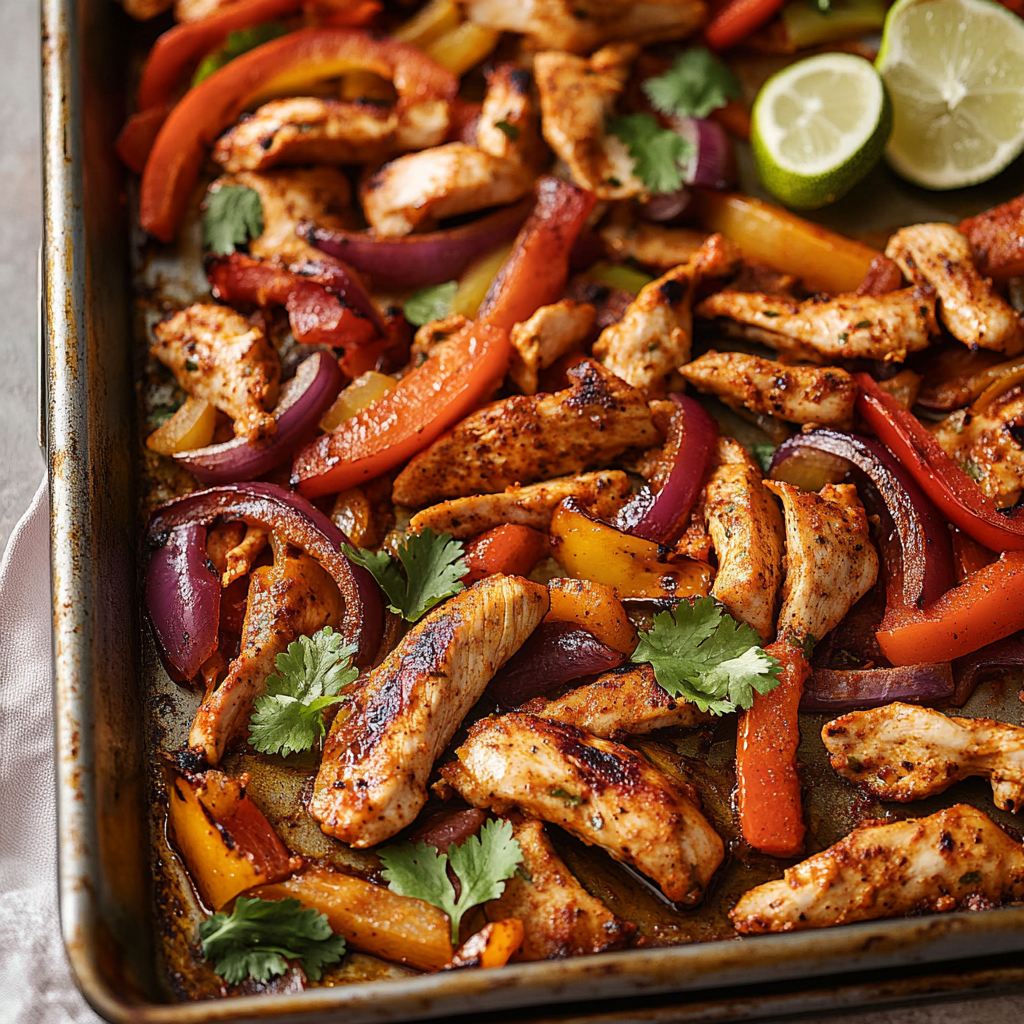
1. Sheet Pan Chicken Fajitas with Black Beans -- one pan, 30 minutes, and the peppers and onions come from the same bags feeding two other recipes. The one-pan version is the stovetop alternative.
2. Quick Teriyaki Salmon with Rice -- salmon is the expensive item, so it gets four portions rather than five. The glazed version reheats better because the glaze protects the surface.
3. One-Pot Sweet Potato and Turkey Chili -- the cheapest portion in the plan and the one that improves on day three. Turkey Corn Chili is the alternate.
4. Quinoa Power Bowl or the Quinoa Veggie Bowl -- built on rotisserie chicken and spinach. The Mason Jar Chicken & Quinoa Salad is the version that stays crispest through Friday.
5. Perennial Pesto Pasta with shredded rotisserie chicken -- 20 minutes, and the fresh basil version is worth it if your basil is good.
Bonus builds from the same haul when you want variety: Rotisserie Chicken and Broccoli Stir-Fry, Chicken and Avocado Tacos, Quick Chicken Taco Bowls, Beef and Broccoli Stir-Fry, Baked Caesar Chicken with Parmesan Crust, and Lentil & Vegetable Soup for the week the produce needs using up.
Breakfast, from the same eggs: Sage and Bacon Egg Bites or Herb-Scented Egg Bites with Spinach and Feta, plus overnight oats for the mornings you don't want to touch a pan.
Sunday prep timeline: 2.5 hours, one oven, one Instant Pot
The sequencing matters more than the speed. The oven and the pressure cooker run unattended while you work.
| Time | Task |
|---|---|
| 0:00 | Preheat oven 425°F. Rice into the Instant Pot (10 lb bag: cook 6 cups). |
| 0:05 | Chop peppers and onions for fajitas and chili at the same time. |
| 0:20 | Fajita sheet pan into the oven, 30 min. Brown turkey for chili in a Dutch oven. |
| 0:35 | Chili assembled and simmering. Quinoa into a saucepan, 15 min. |
| 0:50 | Fajitas out. Salmon onto the same sheet pan, 12 min at 400°F. |
| 1:05 | Shred both rotisserie chickens. Salmon out, cooling. |
| 1:20 | Pasta boiled, drained, tossed with pesto and shredded chicken. |
| 1:35 | Assemble quinoa bowls; dressing into separate small containers. |
| 1:50 | Portion everything into labeled containers. |
| 2:15 | Cool uncovered 20 minutes, then lid and refrigerate. |
| 2:30 | Done. Dishes into the machine. |
Two rules that save the most time. Chop every vegetable once, at the start, for every recipe -- context-switching between chopping and cooking is where an hour disappears. And reuse the sheet pan between the fajitas and the salmon rather than washing it; the fond left behind does the salmon no harm.
Storage + reheating rules to avoid the day-4 soggy trap
The FDA and USDA cold-storage guidance puts cooked poultry, meat and most prepared dishes at 3-4 days refrigerated. That's the hard boundary. Everything below is about quality inside it.
| Component | Fridge life | Store how | Reheat |
|---|---|---|---|
| Cooked rice / quinoa | 4 days | Separate container, cooled fast | Microwave with 1 tbsp water |
| Roasted chicken / fajita filling | 4 days | With juices, sealed | Hot dry skillet, 4 min |
| Cooked salmon | 3 days | Sealed, flat | 275°F oven, 8 min -- not microwave |
| Chili and soups | 4 days | Any sealed container | Saucepan, low |
| Dressed salads / bowls | 2 days | Dressing separate | Serve cold |
| Pesto pasta | 4 days | Sealed | Skillet with 2 tbsp water |
| Cut peppers, onions | 5 days | Airtight, paper towel | -- |
| Baby spinach | 4 days | Original clamshell, paper towel | -- |
The three rules that actually prevent day-four disappointment:
1. Cool before you lid. Trapping steam is what makes rice gummy and vegetables limp. Leave containers uncovered 20 minutes, then seal.
2. Sauce and dressing go in separate small containers. Every time. This is the single biggest difference between meal prep that lasts five days and meal prep that lasts two.
3. Undercook by about 10% anything you'll reheat. Vegetables especially -- they get a second cook on Thursday.
Glass containers with locking lids survive daily microwaving for years without staining or warping; plastic holds tomato and curry odor after about three uses. See our storage and container picks for the two sets that cover 21 meals.
Weeks 2-4 rotations from the same pantry restock
Week one uses the perishables. Weeks two through four run off what's left plus a much smaller shop.
Week 2 -- restock about $45. Buy fresh produce and one protein. The rice, quinoa, pasta, beans, pesto, cheese and half the frozen protein are still in house. Rotate the format, not the ingredients: chili becomes taco bowls, fajita filling becomes quesadillas with the cheddar, teriyaki salmon becomes a cold rice bowl with cucumber.
Week 3 -- restock about $40. By now you're cooking from the freezer. Portion the remaining thighs and turkey into flat freezer bags on haul day and they thaw overnight in the fridge. Pull the rotisserie carcasses out of the freezer for stock, which becomes the base of a soup that costs almost nothing.
Week 4 -- restock about $50, or go back to the warehouse. Four weeks is about the right cadence: long enough that the bulk pricing pays off, short enough that the frozen protein hasn't lost texture.
| Week | Restock | Meals | Marginal cost/meal |
|---|---|---|---|
| 1 | $198 (full haul) | 21 | -- |
| 2 | $45 | 18 | $2.50 |
| 3 | $40 | 18 | $2.22 |
| 4 | $50 | 18 | $2.78 |
| Total | $333 | 75 | $4.44 all-in |
Seventy-five meals for $333 works out to $4.44 each, all-in including the first haul. The warehouse membership -- $65 a year for the base tier as of 2026 -- pays for itself somewhere in week two.
Real-world numbers: what this replaces
The comparison that matters isn't Costco versus a supermarket -- it's cooking versus not cooking. As of 2026, here's what 21 weekday lunches cost across the realistic options:
| Option | Cost per meal | 21 meals | Time invested |
|---|---|---|---|
| This haul, counted across 3 weeks | ~$3.00 | $63 | 2.5 hr Sunday |
| Supermarket version of the same recipes | ~$4.10 | $86 | 2.5 hr Sunday |
| Meal-kit delivery service | ~$11.50 | $242 | 30 min/meal cooking |
| Prepared-meal delivery | ~$12.00 | $252 | 3 min reheat |
| Fast-casual lunch out | ~$16.00 | $336 | 25 min round trip |
The gap between the first row and the last is roughly $273 for three weeks of lunches, which is about $4,700 a year for one person eating out five days a week. That number is the actual argument for meal prep, and it's why the two and a half hours is worth protecting on the calendar.
The time comparison is less lopsided than it looks, too. Twenty-one restaurant lunches at 25 minutes of round-trip time each is roughly nine hours -- against two and a half hours of prep plus about seven minutes a day of reheating. Meal prep buys back time as well as money; it just front-loads it into a block you can see, which is why it feels expensive.
Common pitfalls
- Buying delicate produce in warehouse volume. Berries, herbs and spring mix are the top three items that get thrown away.
- Skipping the portioning step. A big container of chili in the fridge is not meal prep; it's an ingredient.
- Freezing everything flat except the thing you'll want first. Label with contents and date, in marker, on the bag.
- Cooking all five recipes with the same seasoning. Same chicken, different spice route -- cumin and lime, then soy and ginger, then pesto -- is what stops week three from feeling like a punishment.
- Reheating salmon in the microwave. It goes chalky and the smell lingers. Low oven, eight minutes.
- Shopping hungry on a Saturday. Go Tuesday or Wednesday morning if you can; the store is emptier and the meat case is freshly stocked.
When this plan is the wrong plan
If you're cooking for one and don't own a freezer bigger than a fridge-top compartment, scale this to a half-haul or shop at a discount grocer instead -- warehouse volume for a single person creates waste that erases the savings. And if your week is genuinely unpredictable, prep components (cooked grains, shredded chicken, roasted vegetables, a jar of dressing) rather than finished meals. Components stay useful when Wednesday's plan collapses; a finished bowl does not.
Equipment
Two half-sheet pans, a 6-quart Dutch oven or heavy pot, and a pressure cooker or rice cooker cover the whole timeline. Our cookware picks cover the pans and pots; small appliances has the rice and pressure cookers; storage and containers covers the glass sets; and utensils & tools has the sharp knife, the sturdy tongs and the ladle that make a 2.5-hour session feel like 90 minutes.
FAQs
Is Costco actually cheaper for meal prep than a regular grocery store?
For proteins, dairy, produce staples, nuts, and pantry items — yes, usually 20–30% cheaper per unit. For niche or specialty items, no; the middle of Costco is full of $18 boxed convenience meals that break the budget. This haul sticks to the perimeter (proteins, produce, dairy, eggs) and the frozen aisle. Membership pays for itself in about 6 weeks of weekly meal prep.
How do I meal-prep from Costco if it's just me or a couple?
Portion and freeze aggressively. A 4-pack of rotisserie chicken portions into 12 freezer bags of 4 oz shredded meat, each thawing overnight for a next-day lunch. Ground turkey and salmon fillets vacuum-seal and freeze for up to 3 months. Vegetables are the hardest — buy smaller quantities of produce at a regular store even if it costs a little more, since wilted spinach beats no meal-prep.
What containers hold up for 4 days of meal prep?
Glass with locking lids (Pyrex, Snapware, or Ello) survives daily microwave reheating for years without staining or warping. Skip plastic containers for anything with tomato or curry — they stain and hold odor after 3 uses. A 6-pack of 4-cup glass containers plus a 6-pack of 2-cup covers 21 meals easily. See storage & containers for our tested picks under $50 for both sets.
How do I keep rice, quinoa, and roasted vegetables from getting soggy by day 4?
Store the base grain and the protein separately from the sauce and the raw produce. Undercook grains slightly on Sunday so day-4 reheating doesn't turn them mushy. Roasted vegetables hold better if you undercook them by 10% and finish in a hot skillet on serve day. Layer wet ingredients on top, not bottom, and always vent glass containers when microwaving.
Can I do this haul without a Costco membership?
Sam's Club, BJ's, and Restaurant Depot (in select states) run comparable pricing. Without any warehouse club, replicate the haul at a discount grocery (Aldi, WinCo) and expect to spend $230–240 for the same 21 meals — still well under the average $12/meal delivery service. The plan itself works; the savings just shrink from ~40% to ~25% vs a standard supermarket run.
What to read next
For the same approach at a lower price point, see the budget meal prep guide. For the general Sunday-session playbook, see Sunday meal prep; for stocking the freezer from the same haul, freezer-friendly meal prep; and for lunches that hold all week, mason jar salad meal prep.
Sources
- Consumer Reports -- Costco vs. Sam's Club -- warehouse-club pricing and membership comparison.
- FoodSafety.gov -- Cold Food Storage Charts -- refrigerator and freezer time limits by food type.
- The Kitchn -- Costco Shopping Tips -- what is and isn't worth buying in warehouse volume.
Frequently asked questions
Is Costco actually cheaper for meal prep than a regular grocery store?
How do I meal-prep from Costco if it's just me or a couple?
What containers hold up for 4 days of meal prep?
How do I keep rice, quinoa, and roasted vegetables from getting soggy by day 4?
Can I do this haul without a Costco membership?
Sources
One Sunday, one week of lunches.
Ask our AI to plan the batch-cook — components, quantities, and a single Instacart cart.
Plan my prep day →