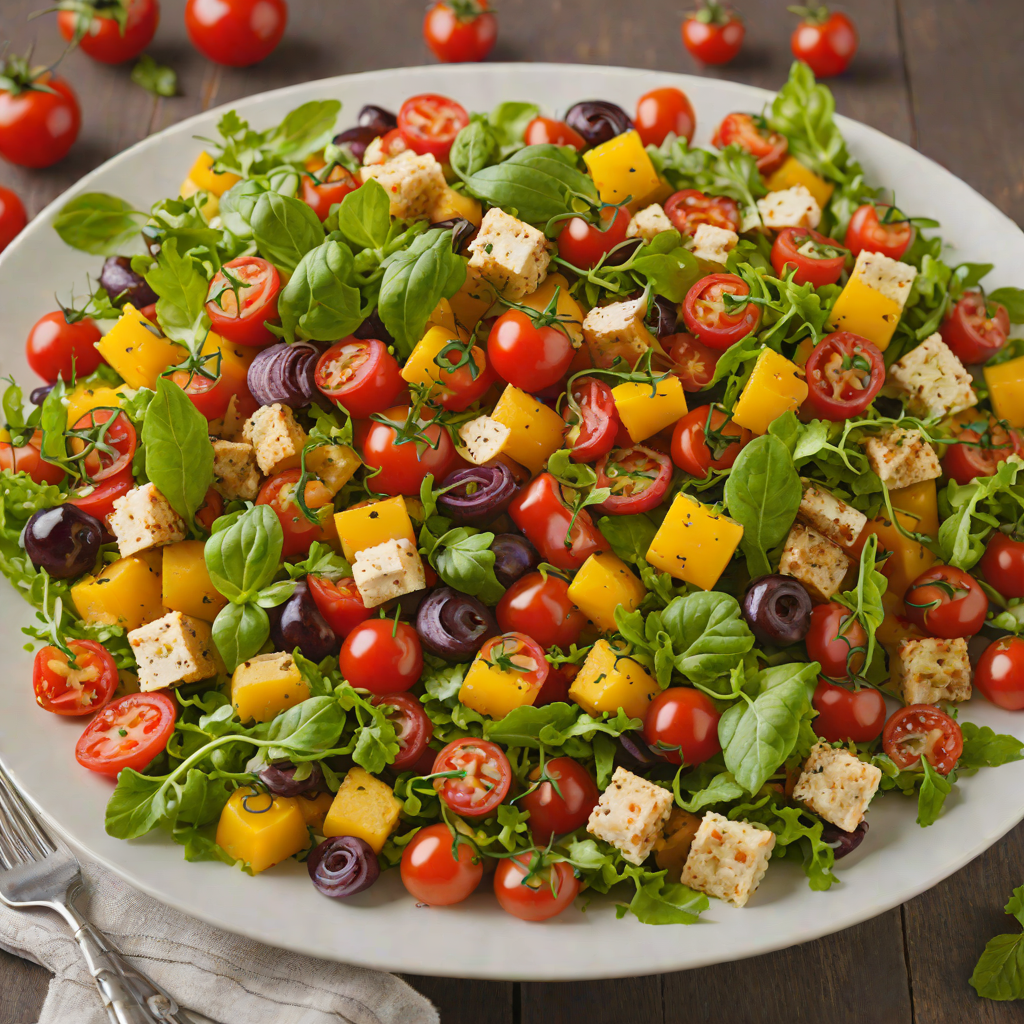
End-of-Summer Corn & Tomato Recipes: 18 Ways to Cook the Peak-Season Harvest
Peak US corn and tomato season runs Aug 15–Sep 15 — here is the four-week playbook for buying, cooking, and preserving the last month of real summer produce.
Affiliate disclosure: AislePrompt may earn a commission on qualifying purchases made through Amazon and Instacart links in this article, at no additional cost to you. See our affiliate policy →
End-of-summer corn and tomatoes are the two produce items where the peak-season version tastes like a completely different food than the January supermarket version. August 15 through September 15 is the four-week window when farmers-market corn is still sugar-sweet, heirloom tomatoes drip when you slice them, and both are cheap enough to buy by the flat. This guide is 18 recipes plus the storage, preserving, and buying playbook to make the most of the last real month of summer produce — and to bank some flavor for winter.
Introduction: late August–early September is the peak of American summer produce
Every produce writer in the country notices the same shift the third week of August. Corn on the cob at the farmers market drops from four dollars an ear to a dollar and a quarter. Tomatoes stop being those hard supermarket disks and start showing up as thin-skinned globes in a dozen colors — Cherokee Purple, Green Zebra, Brandywine, Sun Gold — with the fragrance you can smell from across the parking lot. If you have ever bitten into a truly ripe August tomato and thought "this is a different fruit," you were right. The Seasonal Food Guide plots peak US tomato season from mid-July through late September, with the flavor apex almost exactly in the middle at Labor Day weekend.
You have roughly four weeks. This article is the recipe stack, the buying advice, the storage rules, and the preservation techniques to use every single one of those weeks well — plus a preserving playbook that captures Labor Day flavor for a January soup. Every recipe below links to full instructions on AislePrompt, so bookmark this page as your late-summer command center.
Buying + storing corn and tomatoes for maximum flavor
The single highest-leverage kitchen decision in August is not what you cook — it is how fresh the ingredients were when you cooked them. A tomato picked yesterday and a tomato picked twelve days ago behave differently in every dish, even the ones where the tomato gets cooked. Same with corn: sugar starts converting to starch the minute the ear leaves the stalk, and after 72 hours you're eating a starchy vegetable, not a sweet one.
Corn buying rules. At a farmers market, ask when it was picked. If the answer is "this morning," buy a dozen. If the answer is "yesterday," buy six and cook them today. Look for tight green husks with slightly damp, golden-brown silk at the top; dry brown silk means old corn. Feel the kernels through the husk — they should be plump and reach all the way to the tip. Cook the same day if humanly possible; the sugar-to-starch conversion is real, measurable, and cruel.
Corn storage. If you must hold corn overnight, keep it in the husk in the fridge at 34–38°F. That slows the enzymatic conversion but does not stop it. Never store corn on the counter overnight in warm weather — you can watch the sugar leave in real time.
Tomato buying rules. Buy for aroma, not appearance. A cracked, slightly bruised heirloom that smells like tomato is worth ten unblemished supermarket globes. Feel the stem end; a whiff of the vine-y green smell tells you it was picked ripe. Skip anything that smells like nothing.
Tomato storage. This is the number-one thing home cooks get wrong. Ripe tomatoes belong on the counter, not in the fridge. Cold below 55°F destroys the aromatic compounds and turns the flesh mealy. Store on the counter stem-down, out of direct sun, and eat within 5 days. Only refrigerate cut tomatoes, and only for up to 48 hours. Warm them back to room temperature 20 minutes before serving.
Fresh Tomato Mains — 5 recipes
These five let the raw or barely-cooked tomato be the star. Do not attempt them in February. In late August they are transcendent.
- Heirloom Tomato & Burrata Caprese Salad — the platonic August dinner. Ripe heirlooms, fresh burrata, torn basil, flaky salt, a slick of the best olive oil in the house. Serve with warm bread. Twenty minutes.
- Rustic Italian Panzanella Bread Salad with Cherry Tomatoes — the perfect way to use day-old sourdough plus a pint of sweet cherry tomatoes. The bread soaks up tomato juice and vinegar and becomes the best part of the salad.
- One-Pot Pasta with Sun-Dried Tomatoes and Fresh Herbs — layers concentrated sun-dried tomato flavor with fresh basil and parsley from the garden. A 25-minute weeknight main.
- Smoky Spanish Paprika Gazpacho with Fresh Tomato — the cold soup that turns three pounds of overripe tomatoes into six generous starters. Chill overnight so the flavors marry. Serve in glasses.
- Tomato-Basil Bruschetta with Balsamic Glaze — the appetizer that never fails. Dice, macerate for 15 minutes, spoon over toasted grilled bread.
Great /k/knives matter here more than in almost any other kind of cooking. A dull knife crushes ripe tomatoes instead of cutting them — you lose juice, texture, and precision. A freshly sharpened 8-inch chef's knife or a dedicated serrated tomato knife cuts a slice you can hold up to the light. Our current picks live at /k/knives.
Sweet Corn Mains — 5 recipes
Corn is at its best when it barely gets cooked at all. These recipes range from three minutes on a hot grill to a slow-simmered chowder that captures every last drop of corn flavor.
- Honey-Lime Grilled Corn on the Cob with Chili Butter — the ideal cookout side. High-heat grill, a compound butter with lime zest and Aleppo pepper, a squeeze of lime just before serving. Eight minutes on the grate.
- Charred Elote-Style Mexican Street Corn Salad — off-the-cob elote with cotija, mayo, chili, and lime. Serve in bowls at a picnic. Kids and adults inhale it equally.
- Omaha-Inspired Sweet Corn and Bacon Chowder — the dish that turns a dozen ears into a meal for eight. Use the stripped cobs to make corn stock (see below); it doubles the corn flavor.
- Summer Grilled Corn and Black Bean Salad — grilled corn, black beans, red onion, lime, and cilantro. Holds beautifully overnight in the fridge; ideal for a Sunday lunchbox rotation through Wednesday.
- Three Sisters Succotash with Roasted Corn and Beans — the traditional Native American combination of corn, beans, and squash. Deeply satisfying, vegetarian, and easily doubled for a crowd.
Corn + Tomato Combos — 4 recipes
The best dishes of the season are the ones where corn and tomato share the plate. They peak the same weeks; they were designed to be eaten together.
- Grilled Corn and Peach Salad with Honey Thyme Dressing — swap in cherry tomatoes for the peaches if peaches are past prime in your area; the honey-thyme dressing carries either fruit beautifully.
- Herb-Infused Tomato Tart with Creamy Cheese Center — a slab of puff pastry, ricotta or mascarpone, sliced heirlooms, thyme. The Labor Day appetizer or the summer brunch centerpiece.
- Pan-Seared Salmon with Charred Corn and Tomato Salsa — a weeknight sheet-pan-adjacent dinner in 25 minutes. The corn-tomato salsa is bright, sweet, acidic, and can double as a chip dip for the leftover half-cup.
- Corn and tomato galette — free-form pie crust folded over a filling of fresh corn, halved cherry tomatoes, and goat cheese. Rustic, forgiving, and perfect for a picnic table.
Reliable /k/cookware is what makes these dishes actually work. A 12-inch cast iron holds the heat to properly char corn kernels; a 3-quart saucier has the right curved sides for a chowder; a heavy-bottomed Dutch oven is the one pot that does gazpacho batch-blending, succotash simmering, and pasta water at scale. See the AislePrompt roundup at /k/cookware.
Preserving the peak (freezing corn kernels, roasting cherry tomatoes for winter)
Two Sunday afternoons in September can stock your freezer with peak-August flavor for the entire following year. Here is the exact playbook.
Freezing corn kernels. Buy 18 ears at the market at peak-season prices. Bring a big pot of water to a boil. Blanch four ears at a time for exactly 4 minutes; transfer immediately to a large ice bath for 4 minutes. Drain, pat dry, cut kernels off the cob (see the corn-off-cob technique below). Portion into 12-oz zip bags, press flat, freeze in stacks. Yield: about 14 cups of kernels, enough for 8–10 winter recipes. Keeps 8 months without noticeable flavor loss.
Slow-roasting cherry tomatoes. Buy 4 pints of cherry or grape tomatoes. Halve them, toss with olive oil and salt, spread on two sheet pans. Roast at 250°F for 2.5 to 3 hours until shriveled but still juicy. Cool. Pack into pint jars, top with olive oil to cover completely. Refrigerate for 3 weeks or freeze for 6 months. In January you can spoon these over pasta, into a sandwich, or onto a slice of good bread and eat what tastes like August.
Freezing whole tomatoes. The zero-effort method: core large tomatoes, place whole on a sheet pan, freeze solid, then transfer to gallon zip bags. Under warm running water the skins slip off in seconds. Ideal for winter sauce and chili — the freeze breaks the cell walls so the tomatoes cook down faster and thicker than fresh ones do.
Making corn stock from stripped cobs. After stripping kernels for freezing, do not throw the cobs away. Simmer the naked cobs in 8 cups of water with one onion, one carrot, and one bay leaf for 30 minutes. Strain, cool, freeze in ice cube trays and then transfer to bags. Corn stock transforms every chowder and risotto you cook all fall and winter — it is the second-best kept secret in home cooking.
The corn-off-cob technique that saves 15 minutes
Standing an ear of corn on a cutting board and cutting straight down is how most cooks do it. Kernels fly everywhere, and you lose a third of the yield. Two better methods.
The bundt-pan method. Stand the cob vertically in the center hole of a bundt pan; the outer ring catches every kernel. Slide a sharp knife straight down each side, rotating. Zero mess. Takes about 20 seconds per ear.
The bowl-in-bowl method. Invert a small bowl inside a large bowl. Stand the cob on top of the small bowl. Cut down; kernels fall into the large bowl. Almost as clean as the bundt pan, and every kitchen has two bowls.
For high-volume corn work — freezing a dozen ears at once, for instance — buy a $10 corn stripper. It's a small ring-shaped tool with an internal blade; twist the cob through it and every kernel drops in one motion. Pays for itself the first September you use it.
What to grill alongside (4 quick pairings)
The Labor Day cookout is the last big grill weekend for most families. Pair the recipes above with these four proteins for a menu that lets the produce shine.
1. Simple grilled flank steak with chimichurri. 8 minutes on a hot grill. Slice across the grain. Serve with the panzanella and the elote.
2. Whole grilled branzino with lemon. Stuff the cavity with lemon slices and thyme. 12 minutes per side over indirect heat. Serve with the caprese and grilled corn.
3. Chicken thighs with a dry rub of smoked paprika, brown sugar, and salt. 25 minutes over medium heat, skin-side down first. Serve with the corn-tomato salsa and any grain.
4. Grilled halloumi. For the vegetarians at the table. 90 seconds per side over high heat. Serve with the panzanella or as a stand-alone appetizer.
The USDA food safety chart has current safe internal-temperature targets for every one of these proteins; pin it inside a kitchen cabinet if you don't have one already.
Common pitfalls
Three failures we see every August that flatten the whole meal.
Cold tomatoes. Slicing a straight-from-the-fridge tomato loses 80% of what makes it delicious. Always warm to room temperature before serving raw.
Over-cooking corn. Boiling corn for 10 minutes destroys the sugar. Two to four minutes in salted water, or three minutes on a hot grill, is all it takes.
Cheap olive oil on raw tomatoes. If the tomato is the star of the dish and the whole flavor structure is tomato + salt + olive oil, that olive oil has to be the good bottle. Save the everyday one for cooking.
When NOT to use these recipes
These are peak-season dishes. Do not attempt the caprese, the panzanella, or the raw bruschetta between November and June — supermarket tomatoes in the winter months are texturally and aromatically a different food, and the recipes will disappoint. In those months, switch to slow-cooked tomato sauces, roasted tomato soups, and canned San Marzano dishes that work with what the winter market offers. The NYT Cooking tomato recipe index is a good year-round jumping-off point for cooked-tomato dishes.
For a personalized Labor Day menu that assembles any five of the recipes above into a coherent dinner with a batched shopping list, the AislePrompt /meal-plan planner does the arithmetic in about 30 seconds. Pair with the Instacart button on the shopping list and the whole cookout becomes a single tap.
Sources
Guidance in this article draws on the Seasonal Food Guide for regional peak-season windows, USDA Food and Nutrition Service for food-safety and storage guidance, and the NYT Cooking tomato recipe index as a broader cross-reference for tomato preparations year-round.