
Potato Ricer vs Masher: Which Makes Better Thanksgiving Mashed Potatoes?
Pick the tool by the mash you want: a ricer for smooth, lump-free holiday potatoes, a masher for rustic skin-on weeknight mash.
Where to buy these picks
Affiliate links: we may earn a commission on qualifying Amazon purchases. Policy. Prices show only when checked in the last 24 hours.
- PriorityChef Large 15oz Potato Ricer $27.99 at Amazon, Check price on Amazon →
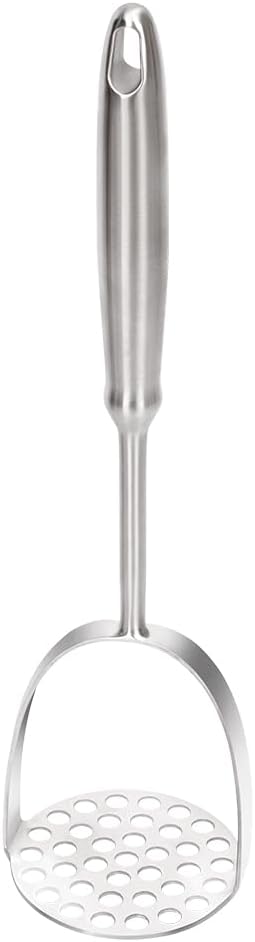
- KitchenAid Gourmet Stainless Steel Wire Masher $14.99 at Amazon, Check price on Amazon →
- LHS Stainless Steel Potato Ricer and Masher $21.69 at Amazon, Check price on Amazon →
For the smoothest, lump-free Thanksgiving mash, use a potato ricer such as the PriorityChef Large 15oz Potato Ricer. A ricer presses cooked potato through small holes without overworking the starch into glue. For rustic, skin-on mash, a hand masher like the KitchenAid Gourmet Wire Masher is faster, cheaper and easier to clean. Both sit well under $50.
Thanksgiving 2026 falls on Thursday, November 26. The mashed potatoes are the dish everyone takes a second scoop of, and also the one that goes wrong most quietly: gluey, lumpy or lukewarm by the time the turkey is carved. The tool you mash with decides more of that than most people expect. Here is how to choose between the two, which models to look at, and the technique that matters more than either tool.
Picks at a glance
| Award | Model | Capacity / material | Dishwasher-safe | Price tier |
|---|---|---|---|---|
| Best ricer for smooth mash | PriorityChef Large 15oz Potato Ricer | 15 oz hopper, stainless steel | Check listing | Under $30 |
| Best masher for rustic mash | KitchenAid Gourmet Stainless Steel Wire Masher | 10.24-inch wire head, stainless steel | Check listing | Under $20 |
| Best ricer with interchangeable discs | PriorityChef Large 15oz Potato Ricer With 3 Discs | 15 oz hopper, 3 discs, stainless steel | Check listing | Under $30 |
| Upgrade disc ricer | OXO Good Grips 3-in-1 Adjustable Potato Ricer | 3 settings, adjustable | Check listing | $30–$50 |
| Big-batch ricer | LHS Stainless Steel Potato Ricer and Masher | Extra-large capacity, stainless steel | Yes (per listing) | Under $25 |
Every model above is a live listing in our Utensils & Tools and Kitchen Gadgets catalog. The live price button on each product page carries the current price, so we use price tiers here rather than numbers that go stale by Black Friday.
Other gear this guide links
Prices are shown only when checked in the last 24 hours; otherwise check the current price on Amazon.
Ricer or masher: which fits how you cook
The two tools solve the same problem in different ways, and the right one depends on the mash you like and how often you make it.
Buy a ricer if:
- You want smooth, whipped or restaurant-style mash. A ricer turns every piece of potato into fine, even strands, so there is nothing left to be a lump.
- You cook big holiday batches. Riced potato takes butter and warm milk evenly, which matters when you are seasoning five pounds at once and cannot taste every corner of the pot.
- You make gnocchi, spaetzle, lefse or baby food. A ricer is the standard tool for gnocchi dough. Disc models double as a spaetzle press and a purée tool.
- You peel your potatoes anyway. Ricers work best on peeled or halved potatoes. Many hold back most of the skin, but you lift it out between presses.
A masher is enough if:
- You like texture. Rustic, skin-on red or Yukon Gold mash is supposed to have some body. A masher leaves small pieces, and that is the point.
- You make mash on weeknights for two to four people. A masher works right in the pot. There is no second bowl, no pressing in batches and one thing to rinse.
- Drawer space is tight. A masher is one flat piece. A ricer is two hinged handles and a basket, and disc models add loose parts to lose.
- You want something for guacamole, beans and applesauce too. A masher handles soft foods a ricer is overkill for.
Plenty of serious home cooks own both: the masher for weeknights and the ricer for holidays and dumplings. Neither one is expensive, so it is a reasonable answer.
Side-by-side: how they compare
These are checkable facts about how each type works and what the listings state. They are not measurements from a test kitchen.
| Factor | Potato ricer | Hand masher |
|---|---|---|
| How it works | Presses cooked potato through a plate of small holes, like a large garlic press | A wire or perforated plate crushes potato against the pot |
| Texture | Fine, even strands; smooth, fluffy mash with no lumps | Uneven; some lumps and texture remain |
| Starch handling | Each piece is pressed once, which keeps starch cells intact | More strokes are needed for smooth mash, and overworking raises the glue risk |
| Capacity per press | Usually about one medium potato or two halves; hopper sizes run roughly 15–23 oz on current listings | No limit; works in the cooking pot |
| Skins | Mostly held back in the basket | Mixed into the mash |
| Material (current picks) | Stainless steel bodies; some aluminum alloy | Stainless steel wire or one-piece plate |
| Dishwasher guidance | Varies by model; check the maker's care notes | Most stainless models are listed dishwasher safe |
| Storage footprint | Long, two-handled; disc models add parts | Flat and compact |
| Extra uses | Gnocchi, spaetzle, baby food, squeezing water from spinach or zucchini | Guacamole, beans, applesauce, soft fruit |
| Price tier | Under $30 for most; $30–$50 for adjustable or geared models | Under $20 for most |
The "starch handling" row is the one that matters. As the Wikipedia entry on the potato ricer puts it, the evenly sized holes mean the potato is smashed only once, so starch cells stay intact and separate. That is why riced potatoes take butter and milk evenly instead of turning to paste.
Pick 1: Best ricer for smooth mash
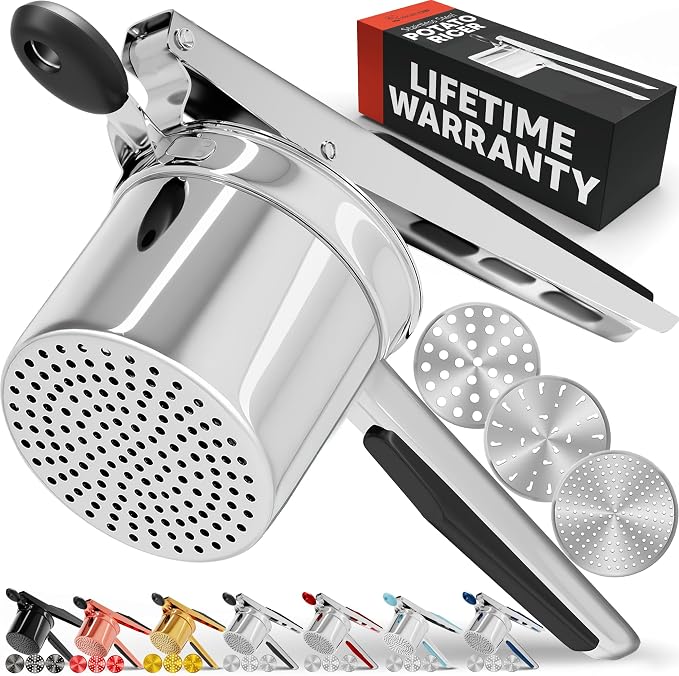
PriorityChef Large 15oz Potato Ricer
Verdict: The straightforward choice for lump-free holiday mash. It has a big 15 oz hopper and a stainless steel body, in the under-$30 tier.
The PriorityChef Large 15oz Potato Ricer is the classic two-handled design: a perforated basket, a pressing plate and long lever arms. The 15 oz hopper is on the larger side for a single-disc ricer, so a halved russet fits with room to spare and a holiday batch takes fewer presses.
What we like:
- Large 15 oz hopper means fewer refills on a five-pound batch
- Stainless steel construction across the body and basket
- One fixed plate leaves no loose parts in the drawer
Watch out for:
- Fixed holes give one texture. If you also want coarser mash or spaetzle, see Pick 3.
- The listing does not spell out dishwasher guidance, so check the maker's care notes. Rinse it right away either way.
Shop on AislePrompt · Check price
If you cook for a crowd: the LHS Stainless Steel Potato Ricer and Masher is listed as extra-large capacity and dishwasher safe. Larger 22–23 oz hoppers also appear in the Kitchen Gadgets catalog from smaller brands.
Pick 2: Best masher for rustic mash
KitchenAid Gourmet Stainless Steel Wire Masher
Verdict: A sturdy, no-fuss wire masher from a major brand, in the under-$20 tier. It is the right tool for skin-on and weeknight mash.
The KitchenAid Gourmet Stainless Steel Wire Masher is 10.24 inches long with a stainless steel wire head. That length keeps your knuckles clear of a hot pot, and you can mash right where the potatoes cooked. Wire mashers break potatoes into pieces rather than pressing them through holes, so you control how far to go: a few strokes for chunky smashed reds, or more for something closer to smooth.
What we like:
- Works directly in the cooking pot, so there is one less bowl to wash
- Wire head is easy to rinse; starch does not get trapped the way it can in small ricer holes
- Flat profile stores in any utensil drawer
Watch out for:
- It will not give you truly lump-free mash. If that is the goal, buy a ricer.
- Chasing smoothness with a masher means more strokes, and more working of the potato is how mash turns gluey.
Shop on AislePrompt · Check price
Alternative style: perforated-plate mashers like the Brigii Dual-Arc 37-Hole Masher sit between a wire masher and a ricer. They push some potato through holes as you press, which smooths the mash a little more per stroke.
Pick 3: Best ricer with interchangeable discs
PriorityChef Large 15oz Potato Ricer With 3 Discs
Verdict: One tool for mash, gnocchi, spaetzle and baby food, in the under-$30 tier.
The PriorityChef Large 15oz Potato Ricer With 3 Discs uses the same 15 oz hopper and stainless steel build as Pick 1, with three swappable plates. Fine holes give the silkiest mash and baby-food purées, medium holes suit everyday mash and gnocchi, and coarse holes press spaetzle or a mash with more body.
What we like:
- Three textures from one tool
- Covers the holiday side (mash) and the project cooking (gnocchi, spaetzle) in one purchase
- Same large hopper as the single-disc version
Watch out for:
- Loose discs are easy to lose in a drawer, so store them in a zip bag with the ricer
- More parts to wash after a holiday batch
Shop on AislePrompt · Check price
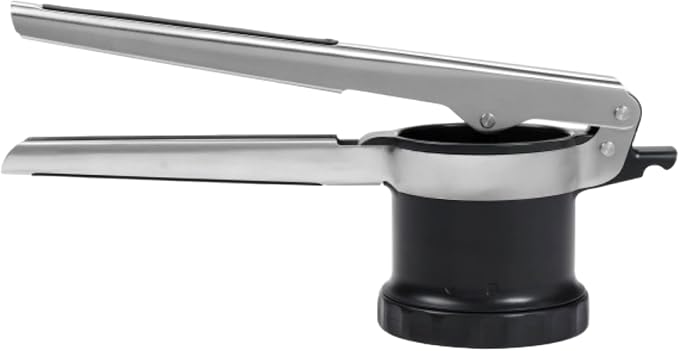
Upgrade pick: the OXO Good Grips 3-in-1 Adjustable Potato Ricer builds the three settings into the ricer instead of using loose discs, in the $30–$50 tier. Fewer parts to lose is the reason to pay more.
The step people skip: work hot, add warm dairy
The tool matters less than what you do in the two minutes after the potatoes come off the heat.
1. Rice or mash while the potatoes are hot. Drain them well and let them steam in the colander for a minute or two so surface water evaporates. Then rice or mash them right away. Hot potato is soft and presses easily. As it cools, the starch firms up, pressing takes more force, and you tend to overwork it.
2. Warm the butter and dairy first. Cold milk or cream poured onto riced potato cools the whole batch and makes it harder to fold in, so you stir longer. Warm milk and melted or softened butter fold in with a few turns of a spatula.
3. Fold; do not beat. Use a spatula or wooden spoon and stop when the mash is combined. Every extra stir after that works the starch.
4. Skip the blender and the food processor. Their blades shear the starch cells, and the result is gluey, elastic mash. The Wikipedia potato ricer entry notes that over-processing is exactly what turns potatoes gluey, and why a manual method suits them better. A hand mixer on low is the most you want for whipped mash, and only briefly.
5. Season at the end. Salt the cooking water well, then taste and adjust once the dairy is in.
For make-ahead holiday mash: finish the mash, cool it quickly in a shallow container and refrigerate it. The USDA's Leftovers and Food Safety guidance says to refrigerate cooked food within two hours and reheat leftovers to 165°F. Reheat covered in the oven or a slow cooker with a splash of warm milk, then stir once before serving.
Common pitfalls
- Ricing cold potatoes. Pressing takes far more effort and the texture turns pasty. Rice them hot, straight from the colander.
- Waterlogged potatoes. Potatoes cut too small, or boiled too hard, absorb water and make loose, bland mash. Cut them into even 1–2 inch pieces and simmer rather than boil hard.
- Letting starch dry in the ricer. Dried potato sets hard in the small holes. Rinse the basket and plate as soon as you finish, before you sit down to eat.
- Overfilling the hopper. Packing the basket past its fill line makes the handles hard to close and pushes potato out the sides. Half-fill it with halved potatoes instead.
- Using a masher to chase silky mash. If you want smooth, a ricer gets there in one pass. Extra masher strokes are how mash goes gluey.
When NOT to buy a ricer
Skip the ricer if you make mash a few times a year, like it chunky and skin-on, and are short on drawer space. A good masher costs less, does that job well and doubles for guacamole and refried beans. Also skip it if you plan to make mash for 20 and do not want to press in batches. Rice part of the batch for smoothness and hand-mash the rest, or accept a slightly more rustic texture.
Mashed potato recipes to make with either tool
Here are recipes from the AislePrompt catalog to put the tool to work, from smooth holiday mash to rustic sides and dumplings:
- The Best Creamy Mashed Potatoes: the classic. Riced russets give the smoothest result here.
- Best-Ever Mashed Potatoes: butter, warm milk and a little garlic; works with either tool.
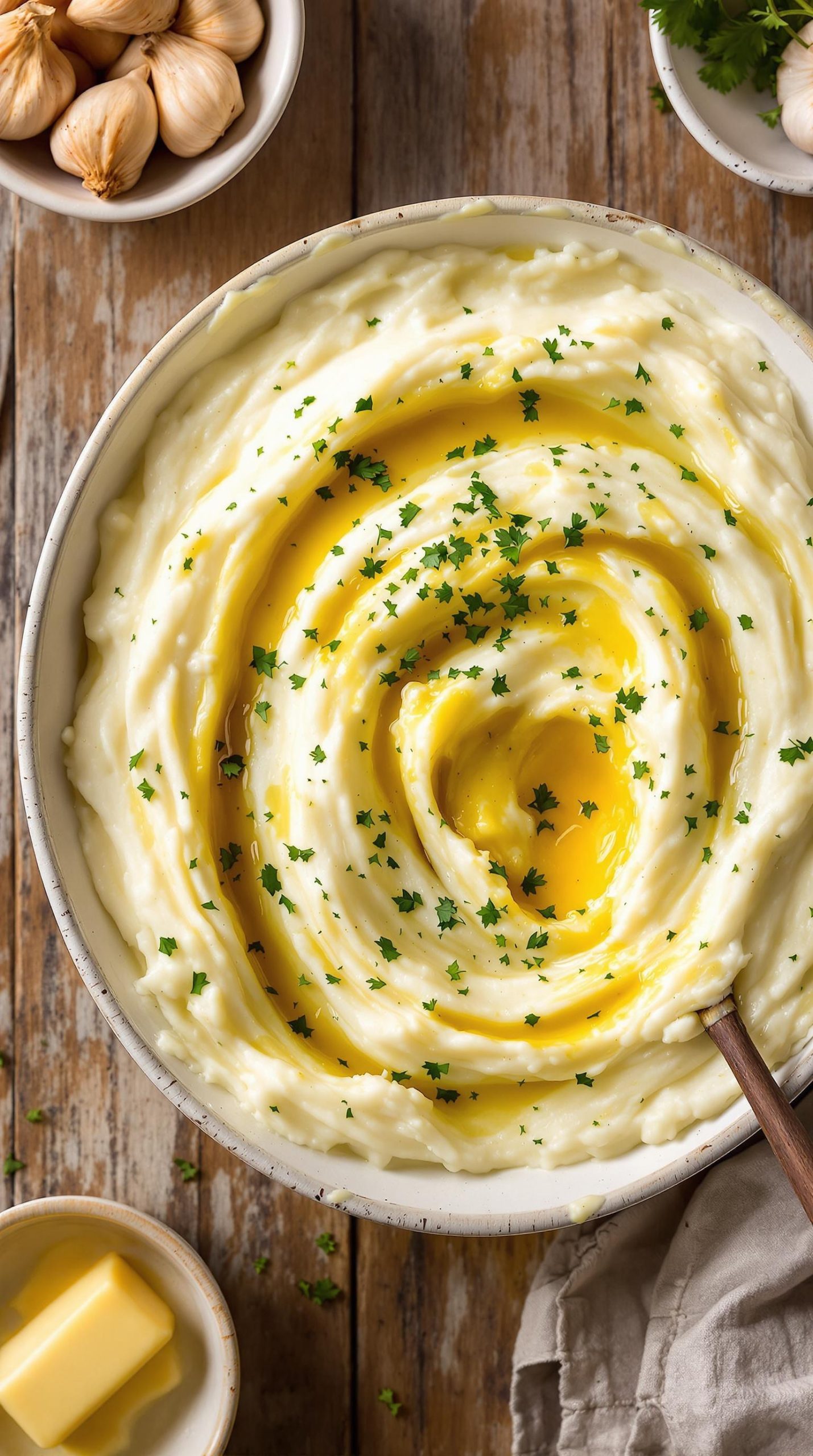
- Creamy Garlic Mashed Potatoes: roasted garlic folded in. Rice the potatoes, then mash the garlic in by hand.
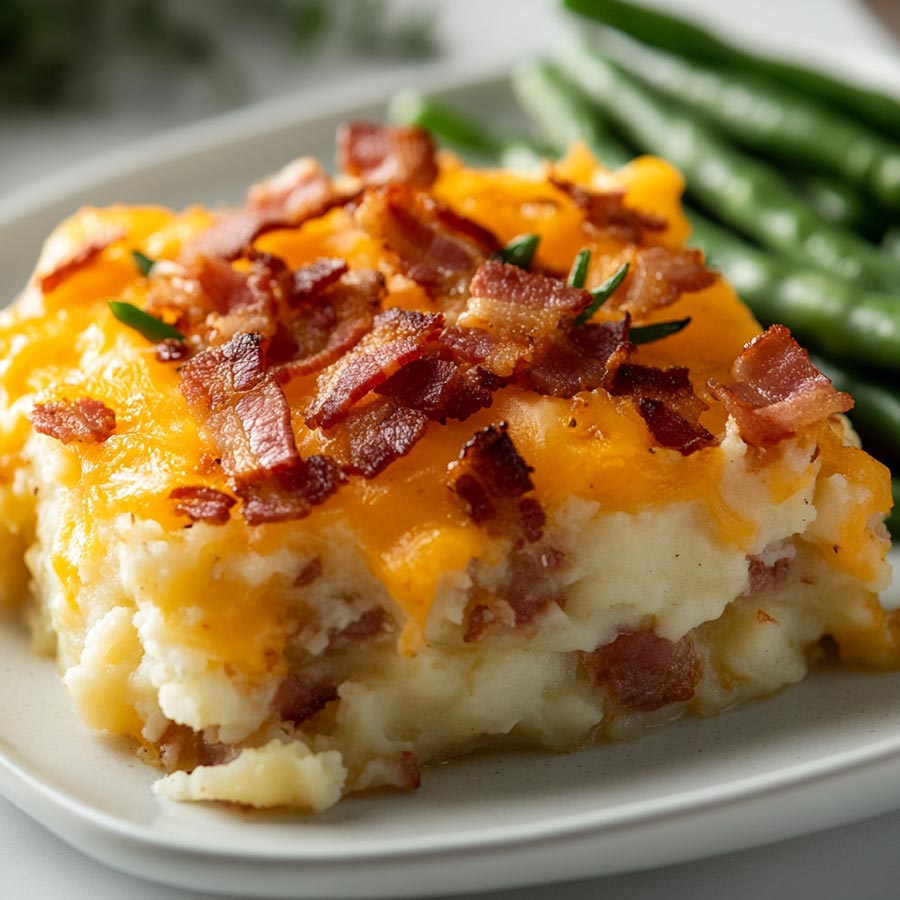
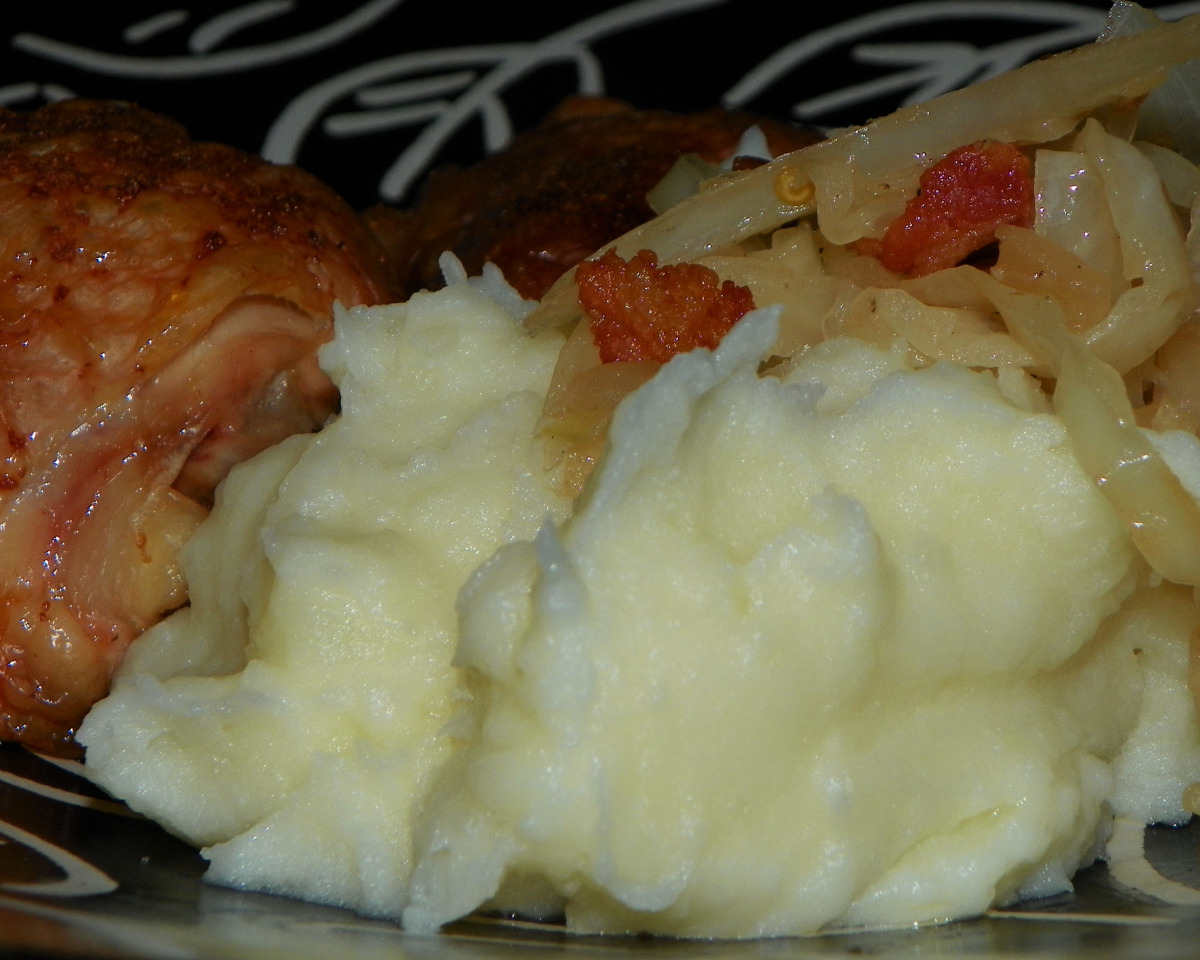
- Bacon and Cheddar Mashed Potato Casserole: the loaded, make-ahead option. Assemble the day before and bake on Thanksgiving.
- Herb-Buttered Smashed Potatoes: skin-on baby potatoes. This is masher territory.
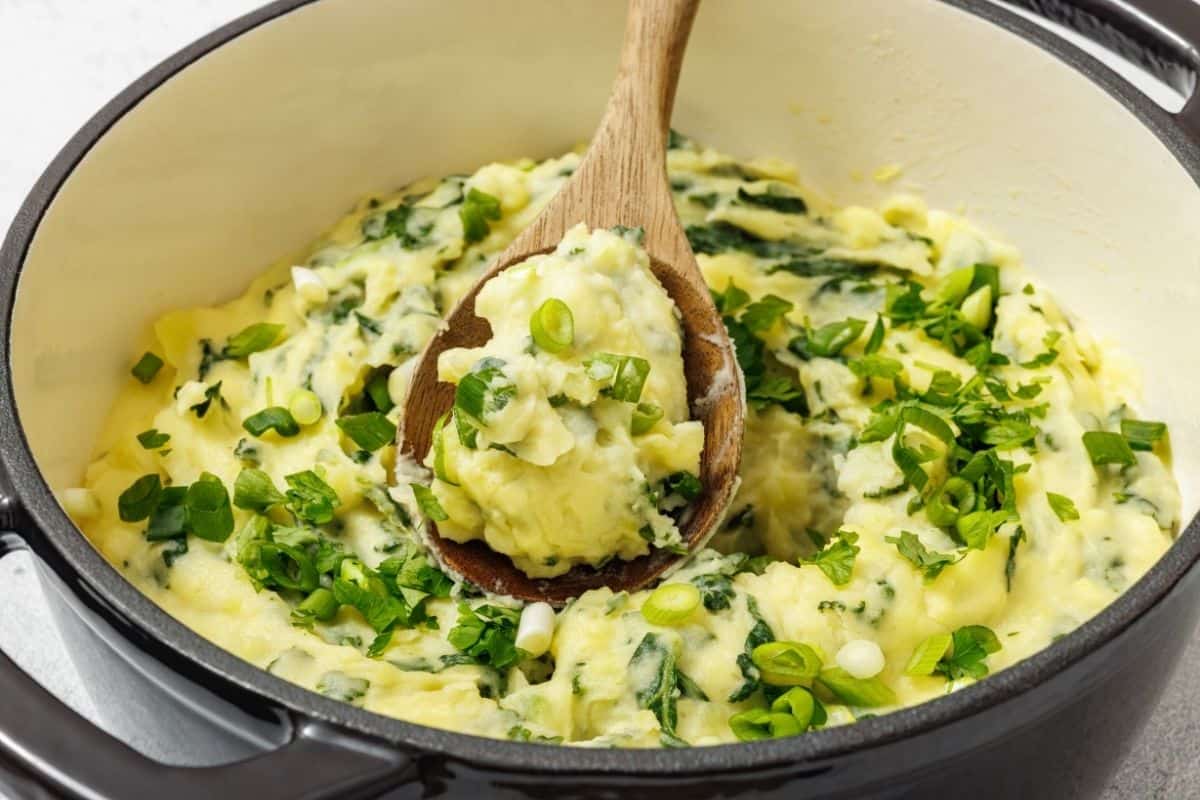
- Cheesy Colcannon with Kale: Irish mash with kale and cheddar; a masher keeps some texture.
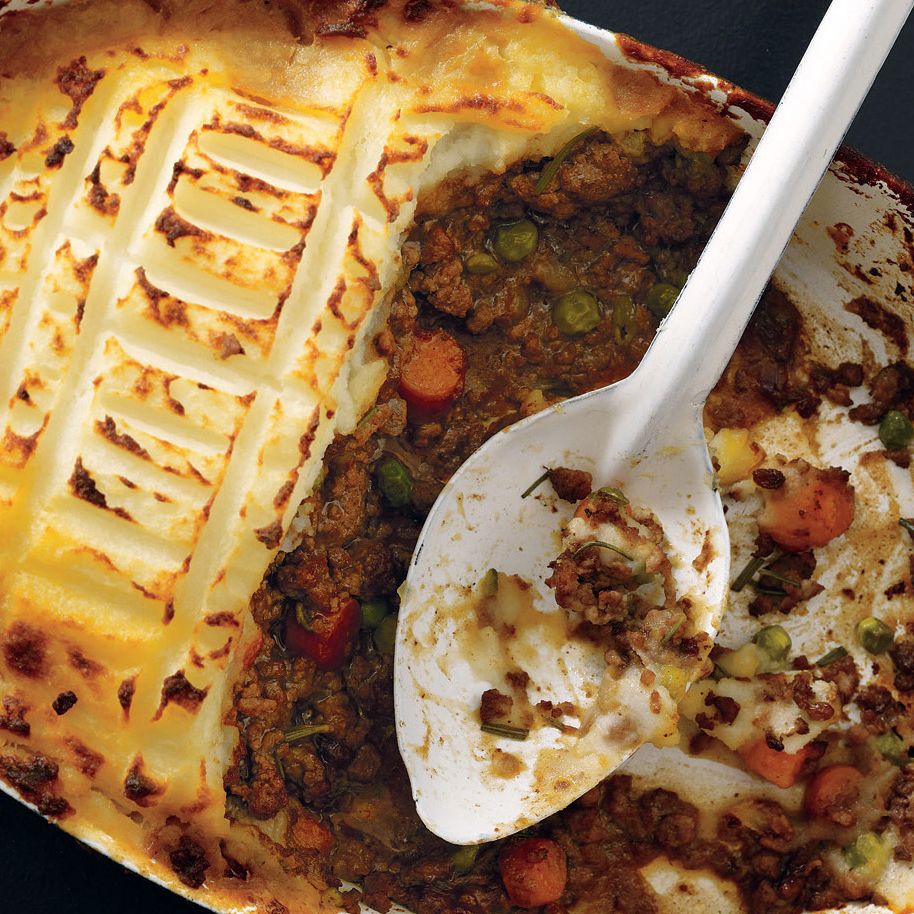
- Shepherd's Pie: riced potato spreads smoothly over the filling and browns evenly on top.
- Swabian Spätzle with Caramelized Onions: press the batter through a coarse ricer disc straight into simmering water.
For homemade gnocchi, King Arthur's potato gnocchi recipe uses russets and says, "If you have a potato ricer, now is the time to use it." It mixes the dough just until it comes together, which is the same light-hand rule that keeps mash from going gluey.
Rest of the Thanksgiving table
A ricer is one small piece of the holiday kitchen. For the rest:
- Best Roasting Pans for 2026: size the pan to your oven, then the bird.
- Thanksgiving Kitchen Gear Checklist: the tools for turkey, sides and pie, in one list.
- Best Kitchen Gadgets for 2026: which single-purpose tools earn their drawer space.
How we picked
We did not run mashing tests for this guide. Instead, we:
1. Started from our live catalog listings in Utensils & Tools and Kitchen Gadgets, and filtered them to potato ricers and mashers with a US-dollar listing.
2. Removed products whose titles used "masher" for something else, such as meat choppers, muddlers and avocado slicers.
3. Grouped the rest by job: smooth mash (single-disc ricer), rustic mash (masher) and multi-use (disc ricer). We favored stainless steel builds, larger stated hopper capacities and established brands where the listing facts were otherwise similar.
4. Used only facts each listing states, such as capacity, material and dishwasher guidance where given, and marked "check listing" where it does not.
5. Drew the technique advice from the cited sources: the potato ricer reference, King Arthur Baking's gnocchi method and the USDA's leftovers guidance.
Prices change daily, especially between now and Black Friday, so each product page shows its live price instead of a number fixed in this article.
Sources
- Potato ricer — Wikipedia
- Potato Gnocchi — King Arthur Baking
- Leftovers and Food Safety — USDA Food Safety and Inspection Service
Frequently asked questions
Does a potato ricer really make smoother mashed potatoes than a masher?
Can I use a potato ricer for anything besides mashed potatoes?
Do I need to peel potatoes before using a ricer?
How many potatoes does a ricer handle at once for a Thanksgiving crowd?
Are potato ricers and mashers dishwasher safe?
Recipes from this guide
Put your gear to work — save any recipe to My Recipes (no account needed) and send its ingredients to Instacart in one tap.

Shop kitchen tools on AislePrompt →Browse the full kitchen shop →