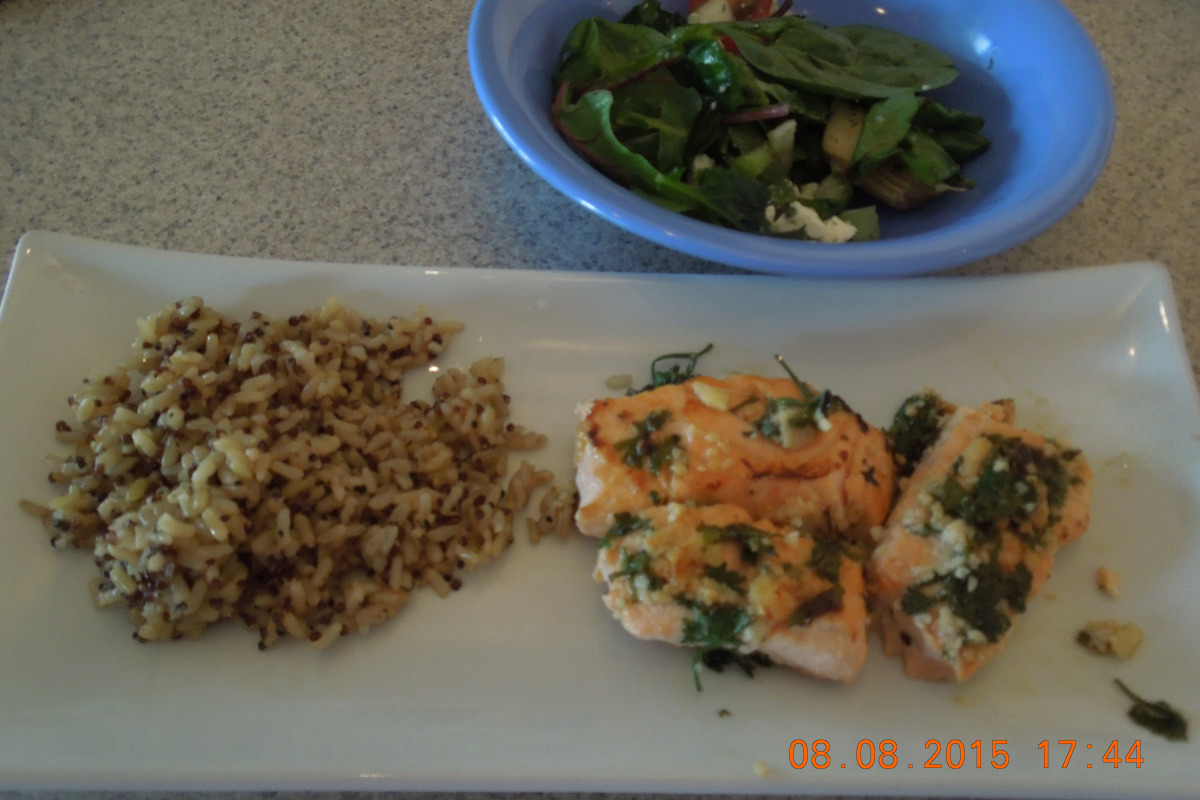
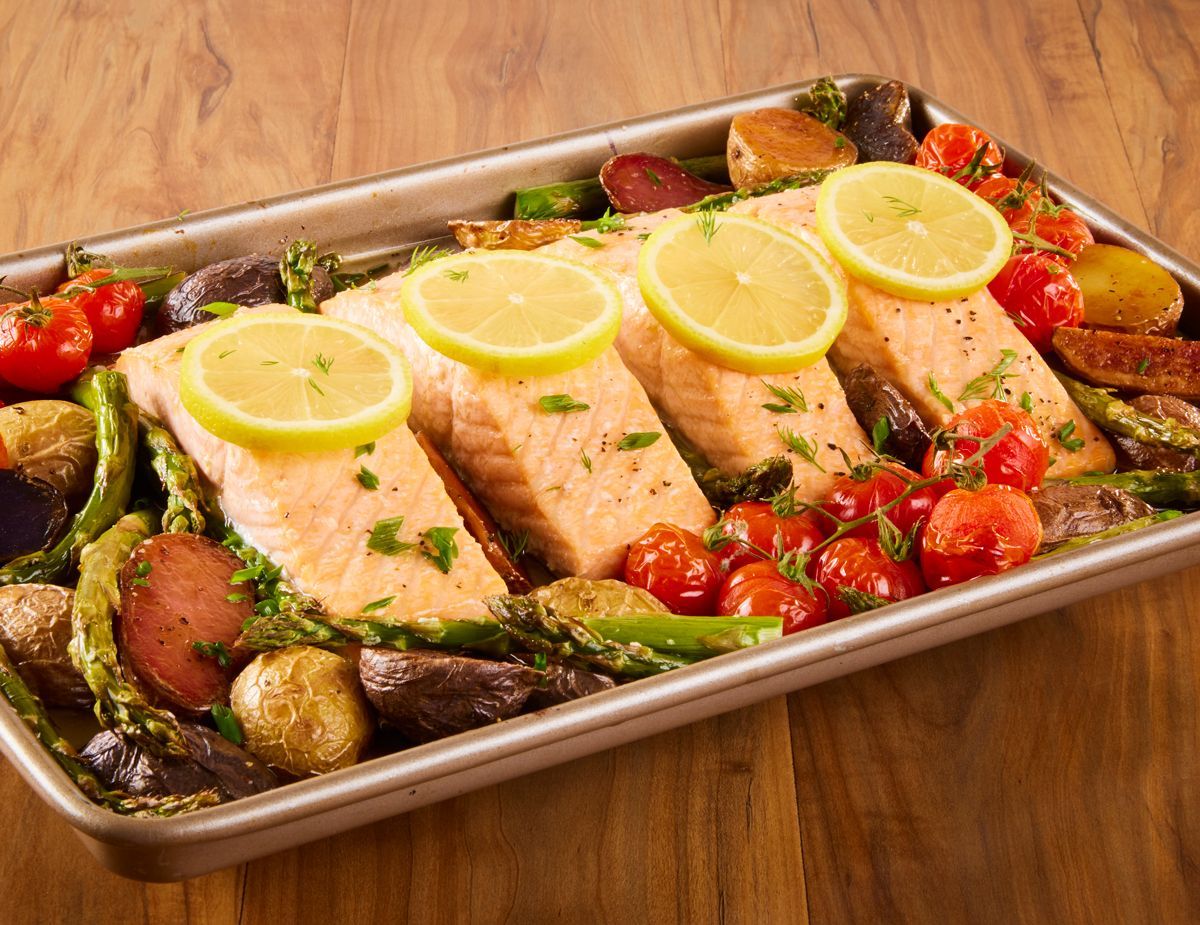
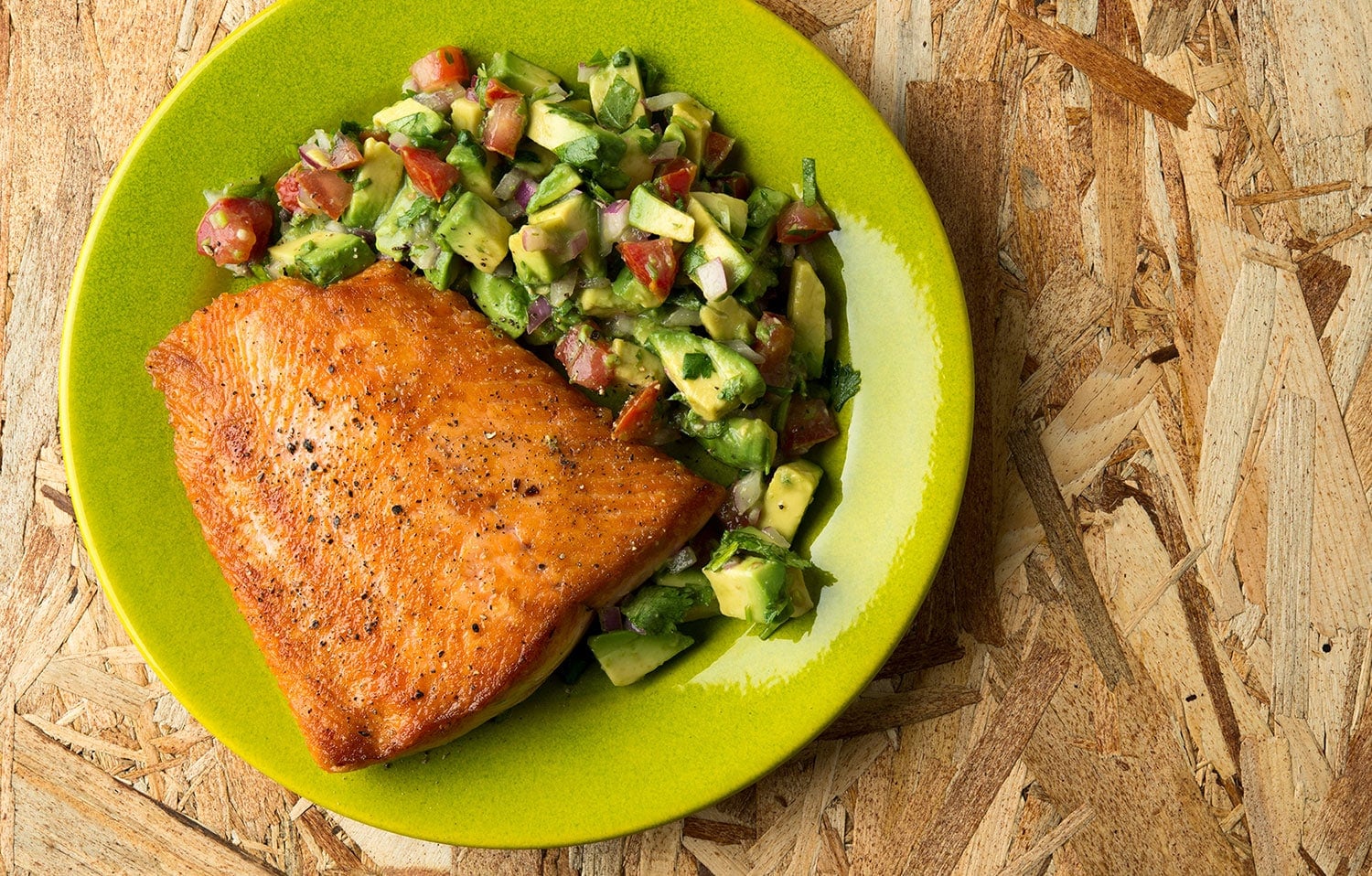
Turmeric Salmon with Lemon-Dill Zoodles
Turmeric salmon with lemon-dill zoodles is a 25-minute Whole30-friendly one-pan dinner: skin-on salmon fillets get a quick turmeric-paprika rub, sear in avocado oil until the skin crisps, and finish over spiralized zucchini tossed in fresh dill and lemon. Zoodles stand in for pasta during the program — they soak up the warm pan juices and add a fresh, slightly grassy lift the dish needs against the richness of fatty fish. Pairs naturally with a quick cucumber salad or roasted sweet potato cubes. For more seafood weeknight dinners or sheet-pan / one-pan recipes, browse the full collection.
Ingredients
- 2 (6 oz each), skin-on salmon fillets
- 1 tbsp avocado oil
- 1/2 tsp ground turmeric
- 1, zested and juiced lemon
- 2 tbsp, chopped fresh dill
- 2 medium, spiralized zucchini
- 1 clove, minced garlic
- 1/4 tsp sea salt
The instant-read thermometer we’d check this salmon with → Best Instant-Read Thermometers for 2026: Fast, Accurate Picks Under $100
Affiliate disclosure: AislePrompt may earn a commission on qualifying purchases made through Amazon links, at no additional cost to you. See our policy →
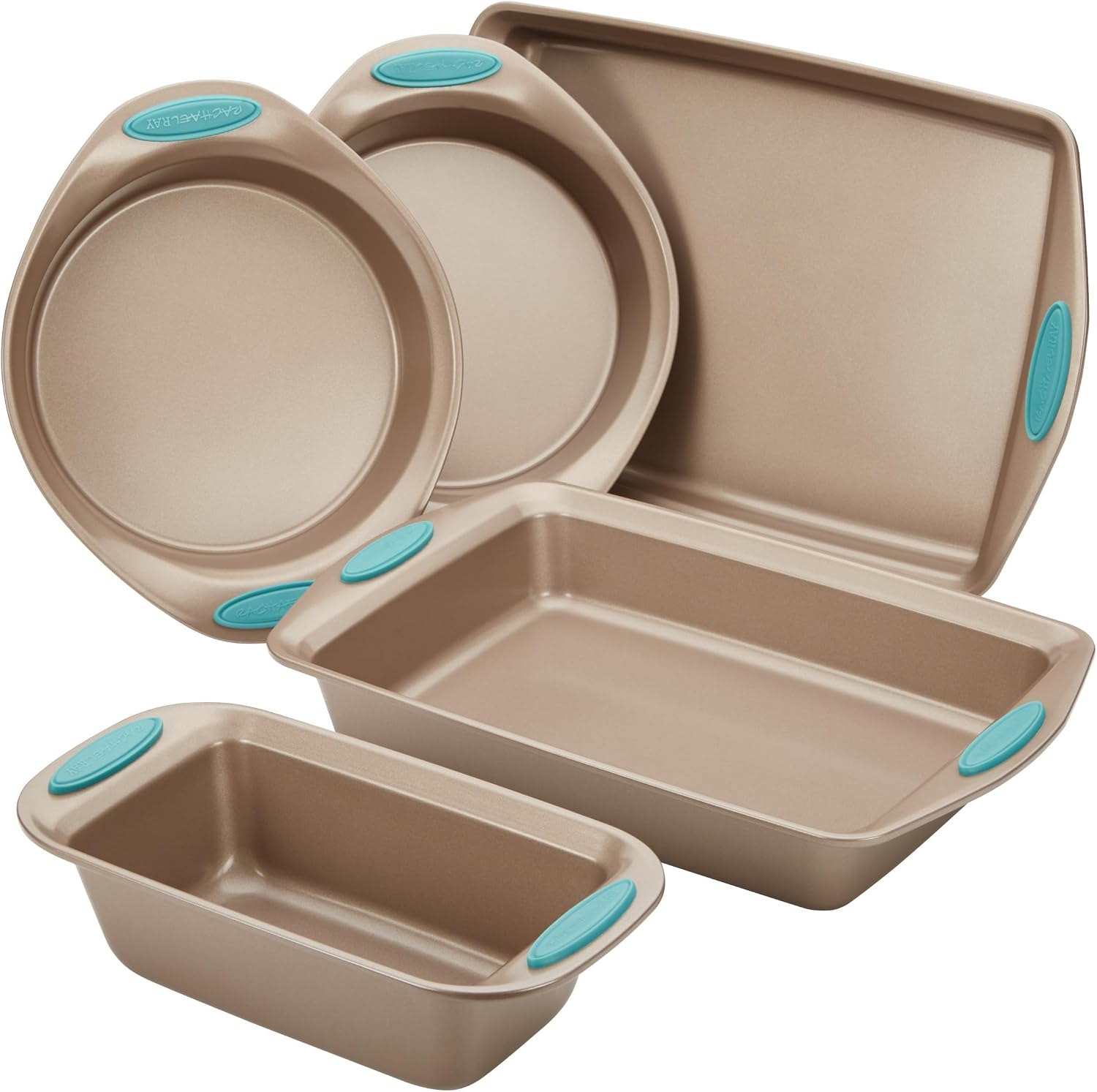
Equipment for this recipe
Tools this recipe's steps call for, with a link to each on Amazon.


Instructions
- Step 1: Preheat oven to 400°F (200°C). Pat salmon fillets dry with paper towels, then rub with 1 tbsp avocado oil, 1/2 tsp ground turmeric, 1/4 tsp sea salt, and half the lemon zest.
- Step 2: Place salmon skin-side down on a parchment-lined baking sheet and roast for 12-14 minutes until edges are crispy and internal temperature reaches 125°F (52°C).
- Step 3: While salmon cooks, heat a nonstick skillet over medium heat with 1 tbsp avocado oil, add 1 minced garlic clove, and cook for 30 seconds until fragrant.
- Step 4: Add 2 spiralized zucchinis to the skillet, toss with 1 tbsp lemon juice, and cook for 3-4 minutes until tender-crisp, stirring occasionally.
- Step 5: Remove salmon from oven, top with remaining lemon zest, 2 tbsp chopped dill, and serve immediately with lemon-dill zoodles.
Frequently asked questions
Is this recipe Whole30-compliant?
As written, yes — turmeric, paprika, avocado oil, salmon, zucchini, lemon, and fresh dill are all on the Whole30-approved list. Double-check any pre-seasoned salmon or store-bought spice blends for added sugar, dextrose, or non-compliant emulsifiers — that's the most common stumbling block on otherwise-clean recipes.
Can I substitute another fish for salmon?
Yes — any thick, oily fish works: arctic char, steelhead trout, or thick-cut mackerel are the closest swaps. Lean white fish (cod, halibut, sea bass) cooks faster and won't crisp the same way; if you swap, sear 2 minutes per side instead of 4 and watch carefully for opacity. Frozen salmon must be fully thawed and patted dry, or it will steam in the pan and the skin won't crisp.
How do I keep zoodles from getting watery?
Salt the spiralized zucchini lightly, let it sit for 10 minutes, then squeeze in a clean dish towel before cooking. Cook over high heat for 2–3 minutes only — any longer and the cell walls collapse and release stored water. Add the zoodles to the pan AFTER the salmon comes out so they don't overcook from residual heat. A pinch of cornstarch in the lemon-dill toss also tightens any liquid that does escape.
Can I make this ahead?
The salmon is best straight off the heat — reheated salmon goes dry and the skin loses crisp. Zoodles wilt and weep on standing, so don't pre-cook them either. What you can prep ahead: spiralize the zucchini up to 2 days in advance in an airtight container, pre-mix the turmeric-paprika rub up to a week ahead, and zest the lemon the night before. Total active time the day of is then under 15 minutes.
How much turmeric should I use?
This recipe uses 1 teaspoon ground turmeric per pound of salmon — enough to color the fillet and lend a gentle earthy note without bitterness. More turns the fish chalky-tasting and dyes everything yellow including your cutting board. For deeper flavor, bloom the turmeric in the warm avocado oil for 30 seconds before adding the fish — the heat unlocks the fat-soluble pigments.