20 Rice Bowl Recipes: Poke, Katsudon, Burrito Bowls at Home
Donburi, poke, bibimbap, burrito bowls and Mediterranean rice bowls, plus the rice method and meal-prep plan that make each one work.
Affiliate disclosure: AislePrompt may earn a commission on qualifying purchases made through Amazon and Instacart links in this article, at no additional cost to you. See our affiliate policy →
The best rice bowl recipes pair one well-cooked rice with one bold protein, one sharp or crunchy topping and one sauce. The 20 bowls below cover Japanese donburi (katsudon, oyakodon, beef and salmon bowls), Hawaiian-style poke, Korean bibimbap, Chipotle-style burrito bowls and Mediterranean rice bowls, all from the AislePrompt catalog, and most take 35 minutes or less.
What you'll use with it
Every bowl here starts from a pot of rice, and a rice cooker makes it hands-free and holds it warm. The rice cooker guide picks fuzzy-logic and basic cookers, and explains the 12–24 hour keep-warm. Read the rice cooker guide →
Rice cooker guide’s top pick: Zojirushi NS-ZCC10 Neuro Fuzzy 5.5-Cup $223.99 at Amazon, Check price on Amazon →Rice cooker guide’s Best Value pick: Aroma ARC-914SBD Digital 4-CupCheck price on Amazon →Rice cooker guide’s Best with Steamer Basket pick: Zojirushi NS-TSC10 Micom 5.5-Cup $225.00 at Amazon, Check price on Amazon →
Introduction: Anatomy of a great rice bowl
A rice bowl is not a salad with rice under it. It is a meal built in layers, and every layer has a job.
- The base (about 3/4 to 1 cup cooked rice). It carries the sauce, so its texture matters more than anything else in the bowl. Sticky short-grain rice clings to chopsticks and soaks up simmering liquid; fluffy long-grain rice keeps beans, salsa and crema from turning to paste.
- The protein (4 to 6 oz per bowl). Simmered, seared, glazed or raw. This is where the bowl gets its name: oyakodon, gyudon-style beef, poke, bulgogi.
- The contrast. Something cold, crunchy or acidic: quick-pickled carrot and cucumber, kimchi, pickled ginger, raw red onion, lime. Without it, a rice bowl eats like a heavy plate of leftovers.
- The sauce. Soy-mirin, gochujang glaze, miso, lemon-garlic, cilantro-lime. Two to three tablespoons per bowl is plenty; the rice should be seasoned, not swimming.
Japan formalized this idea centuries ago as donburi: fish, meat or vegetables simmered together and served over rice in an oversized bowl, as Wikipedia's donburi overview describes. Korea's bibimbap, Hawaii's poke and the American burrito bowl follow the same logic with different pantries. That is why one pot of rice can feed five very different dinners, and it is how the meal-prep plan at the end of this guide works.
Every recipe below links to a full AislePrompt recipe card with ingredients, steps and nutrition. The calories, protein and times quoted come straight from those cards.
How to Cook Rice So It's the Best Part of the Bowl
Match the rice to the bowl first. Short-grain japonica rice is rounder and stickier than long-grain rice because its starch is higher in amylopectin, per Wikipedia's japonica rice entry. That stickiness is what you want under oyakodon, bibimbap and poke. Long-grain and jasmine rice cook up drier and more separate, which suits burrito bowls and saucy stir-fry toppings.
Here is what the recipes in this guide actually call for:
| Rice | Recipe it comes from | Rice : water | Cook | Rest |
|---|---|---|---|---|
| Short-grain, rinsed and soaked 30 min | Rainbow Bibimbap with Gochujang Glaze | 1 1/2 cups : 1 3/4 cups | 15 min, tight lid, medium heat | 10 min |
| Long-grain white, rinsed | Sautéed Shrimp and Garlic Rice Bowl with Lime and Cilantro | 1 cup : 2 cups | 18 min simmer | 5 min covered |
| Jasmine, rinsed | Sautéed Shrimp and Spinach Rice Bowl with Lemon-Garlic Sauce | 1 cup : 2 cups | 15 min simmer | — (recipe gives none; see rule 4) |
| Brown rice, rinsed | Healthy Black Bean and Veggie Burrito Bowls with Cilantro Lime Dressing | 1 cup : 2 cups | 45 min simmer, until water is absorbed | — (recipe gives none; see rule 4) |
Four rules make any of those methods work:
1. Rinse until the water runs clear. Every recipe above starts this way. Rinsing washes off loose surface starch, which is what makes rice gummy rather than sticky. A fine-mesh strainer set makes it a 60-second job.
2. Measure, don't eyeball. Short-grain rice wants far less water than long-grain. The bibimbap recipe uses about 1.17 parts water to 1 part rice. The long-grain recipes use 2 to 1. If your jasmine comes out soft at 2 to 1, drop to 1 1/2 cups of water next time.
3. Don't lift the lid. Steam does half the cooking. Every peek resets the clock.
4. Rest it. Five to ten minutes off the heat, covered, lets moisture even out so the bottom layer isn't wet while the top is dry.
Brown rice is the time trap. In the burrito-bowl recipe above it simmers for 45 minutes, against 18 for long-grain white. Start it first or cook it a day ahead.
If rice is on your table more than twice a week, an appliance pays for itself in freed-up burners. A basic AROMA 4-cup digital rice cooker is the inexpensive way in. The Instant Pot Duo Mini costs more but adds pressure cooking. Our rice cooker buying guide compares fuzzy-logic, induction and basic models if you want to go deeper.
Treat cooked rice as a perishable food. Bacillus cereus spores survive cooking, and cooked rice is a textbook growth medium: Wikipedia's B. cereus entry cites a doubling time of 26 to 31 minutes at 86°F. The emetic illness is common enough to be nicknamed "fried rice syndrome." The FDA's safe food handling guidance is to refrigerate cooked food within 2 hours, or within 1 hour when the air temperature is above 90°F. So spread leftover rice thin on a tray to cool it fast.
Japanese Donburi and Hawaiian Poke Bowls (Katsudon, Oyakodon, Poke)
Japanese donburi are the purest version of the rice-bowl idea: a small amount of intensely seasoned topping, simmered in a dashi-soy-mirin broth, spooned over plain short-grain rice so the rice drinks up the extra.
Katsudon, the catalog way. Classic katsudon is a fried, panko-crusted pork cutlet that gets a second cooking. Per Wikipedia's katsudon entry, the sliced cutlet and a beaten egg are cooked in a boiling broth of dashi, soy sauce and onions, then slid over rice. You can build it from two catalog recipes.
1. Make the cutlet from Sake-Marinated Chicken Katsu with Ginger-Scallion Sauce. It dredges pounded chicken breast in flour, then panko, and pan-fries it in 1/4 cup of oil at about 350°F for 4 minutes a side. That recipe runs 40 minutes for 2 servings at 610 calories and 42 g protein. This is chicken katsudon, not the pork original.
2. Borrow the simmer from the oyakodon recipe below: onion softened in dashi, soy and mirin, the sliced cutlet laid in, and beaten egg poured over for the final 2 to 3 minutes with the lid on.
Add the cutlet at the very end so part of the crust stays crisp above the egg.
Oyakodon. The name means "parent-and-child donburi": chicken and egg in one bowl, per Wikipedia's oyakodon entry. Simmered Chicken Oyakodon with Dashi and Eggs is the cleanest weeknight bowl in this guide. Simmer 12 oz of chicken thigh with a sliced onion in 1 cup dashi, 3 tbsp soy sauce, 3 tbsp mirin and 1 tsp sugar for 8 to 10 minutes. Pour in 3 beaten eggs, cover for 2 to 3 minutes, and serve over 4 cups of short-grain rice. That's 30 minutes, 4 bowls, 420 calories and 32 g protein each. Pull it while the egg still jiggles; it keeps cooking on the rice.
Gyudon-style beef bowl. Tender Beef and Onion Rice Bowl with Ginger Glaze follows the gyudon pattern: 200 g thin-sliced sirloin and a large onion, glazed in soy, mirin and sugar for 5 minutes, over short-grain rice. It's 30 minutes for 2 bowls at 450 calories and 28 g protein. Slice the beef as thin as you can; a partly frozen steak slices paper-thin.
Oven-glazed salmon donburi. Miso-Glazed Salmon Donburi with Pickled Ginger is the hands-off option. Spread 3 tbsp white miso, 1 tbsp maple syrup, soy and rice vinegar over four fillets and bake at 400°F. It takes 22 minutes total, at 450 calories and 38 g protein. Pickled ginger and scallions do the contrast job.
Teriyaki chicken bowl. Sushi Bar Style Chicken Teriyaki Bowl glazes chicken thighs in a quick 1/4 cup soy, 2 tbsp mirin and 2 tbsp brown sugar teriyaki, with carrot and cucumber for crunch. It's 35 minutes and serves 4 at 420 calories and 35 g protein.
Vegetarian donburi. Sweet and Savory Miso-Glazed Eggplant Donburi pan-sears half-inch eggplant slices and lacquers them with miso, mirin, soy and sugar. It's 25 minutes and 350 calories, but only 8 g protein, so add a soft-boiled egg or a handful of edamame if it's dinner rather than a side.
Poke. Strictly, poke is not Japanese. Wikipedia's poke entry) describes it as a Hawaiian raw-fish dish, shaped in part by the Japanese fishing fleets that dominated Hawaiian waters in the 1920s and 1930s and by shoyu. It sits in this section because the modern poke bowl runs on the Japanese pantry: soy, sesame oil, rice vinegar and sushi rice.
- Sushi-Grade Tuna Poke Bowl with Sesame and Avocado marinates 8 oz tuna in 3 tbsp soy, 1 tbsp sesame oil, 1 tbsp rice vinegar, honey and ginger for 15 minutes. It serves 2 at 450 calories and 30 g protein.
- Sushi-Style Salmon Poke Bowl with Avocado and Pickled Ginger swaps in salmon, brown sugar and nori strips. It's 15 minutes for 2 bowls at 520 calories and 35 g protein.
Both are no-cook, so the fish is the whole dish. Buy fish your fishmonger sells specifically for eating raw, keep it on ice, and serve it the day you buy it. For kalua pig, loco moco and more island bowls, see our Hawaiian recipes roundup. For ramen and more donburi, see our Japanese dinners guide.
Korean Rice Bowls (Bibimbap, Beef Bowls)
Bibimbap literally means "mixed rice." Wikipedia's bibimbap entry describes warm white rice topped with namul (sautéed or blanched seasoned vegetables) and gochujang, often with egg and sliced beef, all stirred together just before eating. The stir is the point: the bowl should arrive looking composed and be eaten looking chaotic.
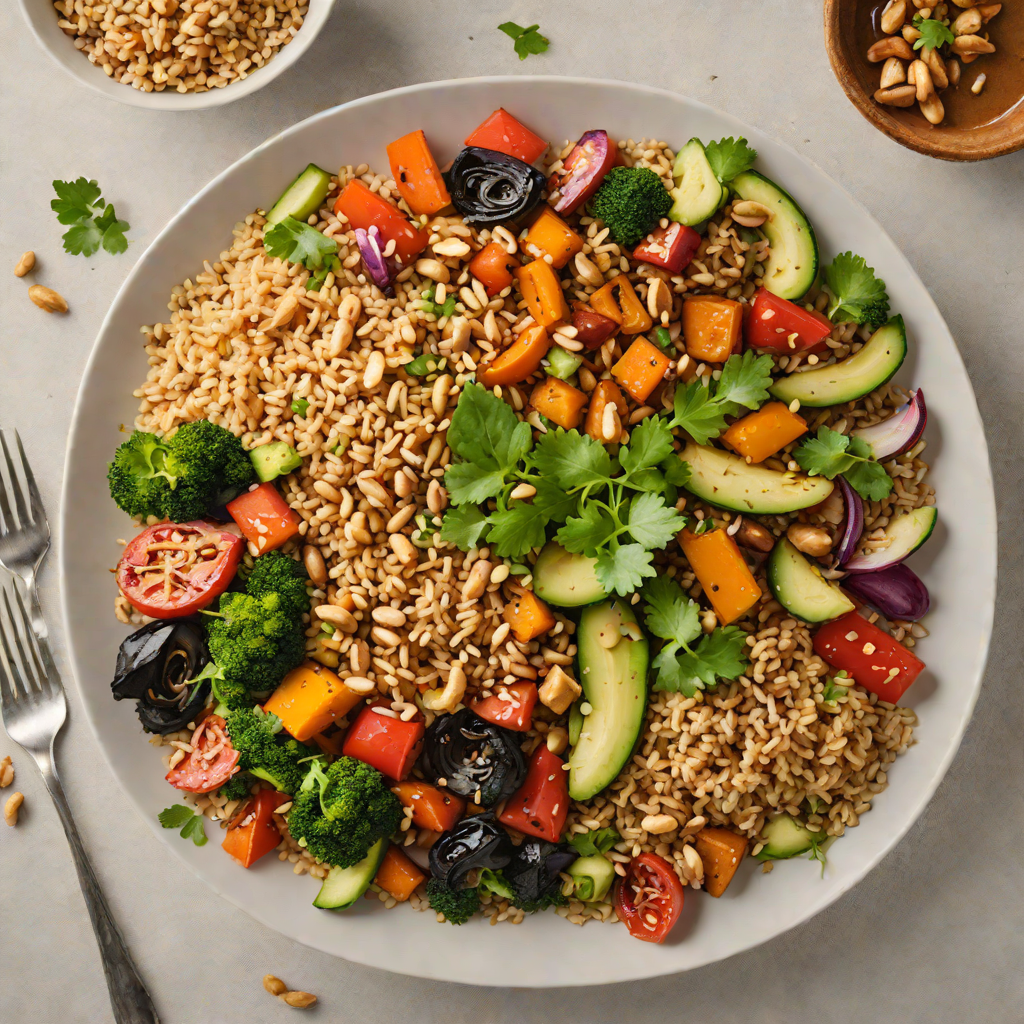
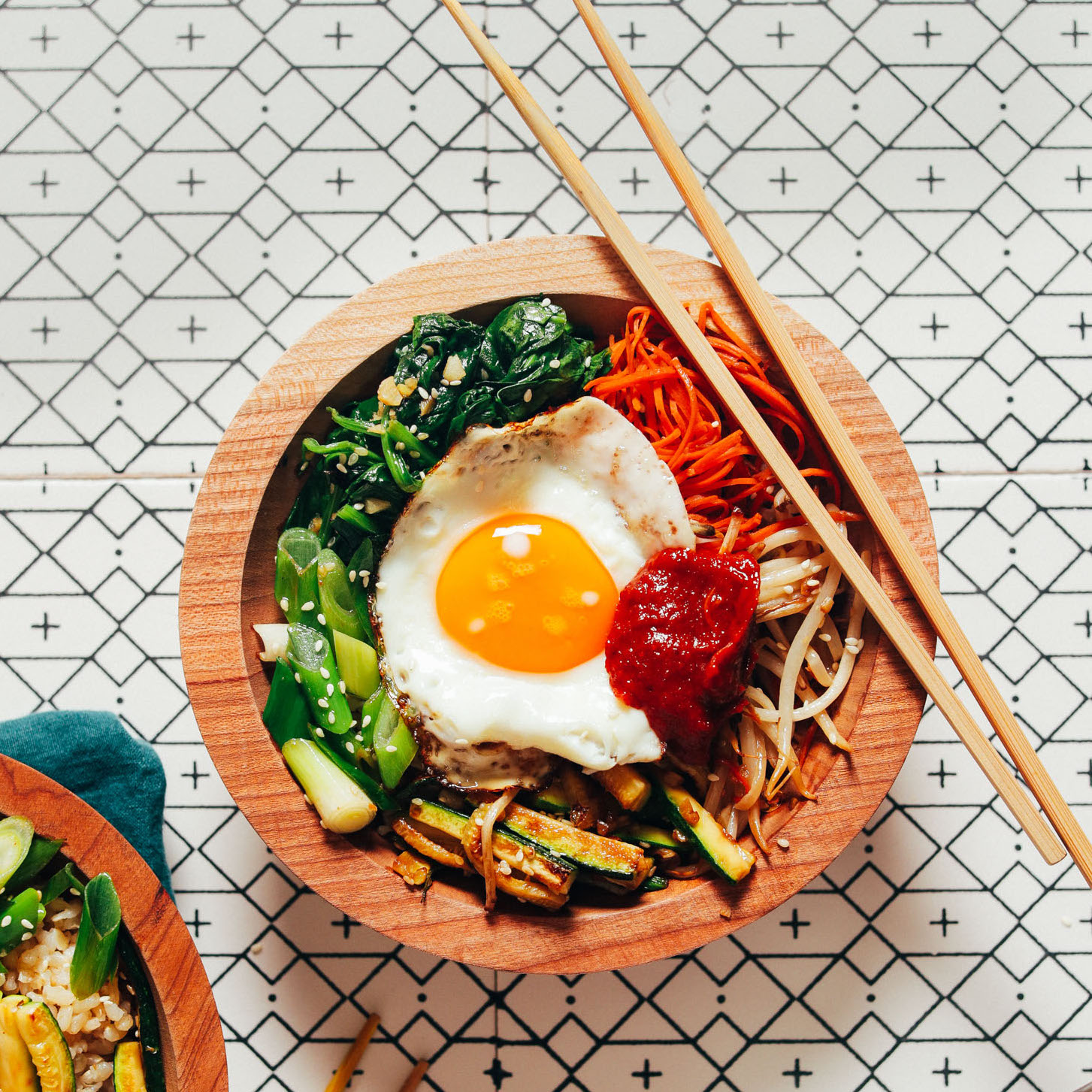
The full version. Rainbow Bibimbap with Gochujang Glaze is the project bowl, and the one pictured at the top of this page. It starts with soaked short-grain rice. Next come 8 oz of flank steak seared medium-rare, carrots, zucchini and wilted spinach, and a fried egg. It finishes with a glaze of 3 tbsp gochujang, 1 tbsp brown sugar and 1 tsp rice vinegar. It serves 2 at 680 calories and 38 g protein, and the 30-minute rice soak is most of the prep time. If you own a stone bowl (dolsot), heat it with a slick of oil first and the bottom layer of rice crisps into a crust.
The weeknight version. Spicy Korean-Style Beef Bibimbap with Pickled Vegetables swaps steak for 1 lb of ground beef and namul for a 10-minute quick pickle. Julienned carrot and cucumber sit in 2 tbsp rice vinegar, 1 tsp sugar and 1/4 tsp salt. It's 30 minutes for 4 bowls at 520 calories and 35 g protein. It's also the closest match to the "Korean ground beef bowl" that searchers are usually after.
Vegetarian bibimbap. True Korean Bibimbap with Tofu & Edamame pan-sears pressed tofu in soy and sesame oil, then adds steamed edamame and sautéed carrot and zucchini. It serves 2 at 580 calories and 28 g protein. It also includes soba noodles, an unusual addition, so leave them out if you want a classic bowl.
Beef bowls. Spicy Korean-Style Beef and Rice Bowl with Kimchi marinates 1 lb of thin-sliced flank steak for 15 minutes. The marinade is 3 tbsp soy, 2 tbsp gochujang, 1 tbsp brown sugar, sesame oil, garlic and ginger. The steak sears in 8 minutes and goes over short-grain rice with a heap of kimchi. It's 28 minutes total at 430 calories and 35 g protein.
Chicken bowls. Korean-Style Spicy Chicken Rice Bowls uses the same soy-gochujang logic on bite-size chicken thighs, marinated at least 20 minutes and served over jasmine rice. It takes 35 minutes for 4 bowls at 420 calories and 35 g protein.
A bottle of real toasted sesame oil like OTOKI roasted sesame oil is the one Korean pantry buy that improves all five bowls. For stews, fried chicken and more, see our Korean dinner recipes.
Mexican & Tex-Mex Bowls (Chipotle-Style)
The fast-casual burrito bowl is an assembly line: seasoned rice, beans, a protein, salsa, something creamy, something sharp. At home, the win is that every component can be made ahead and every eater builds their own.
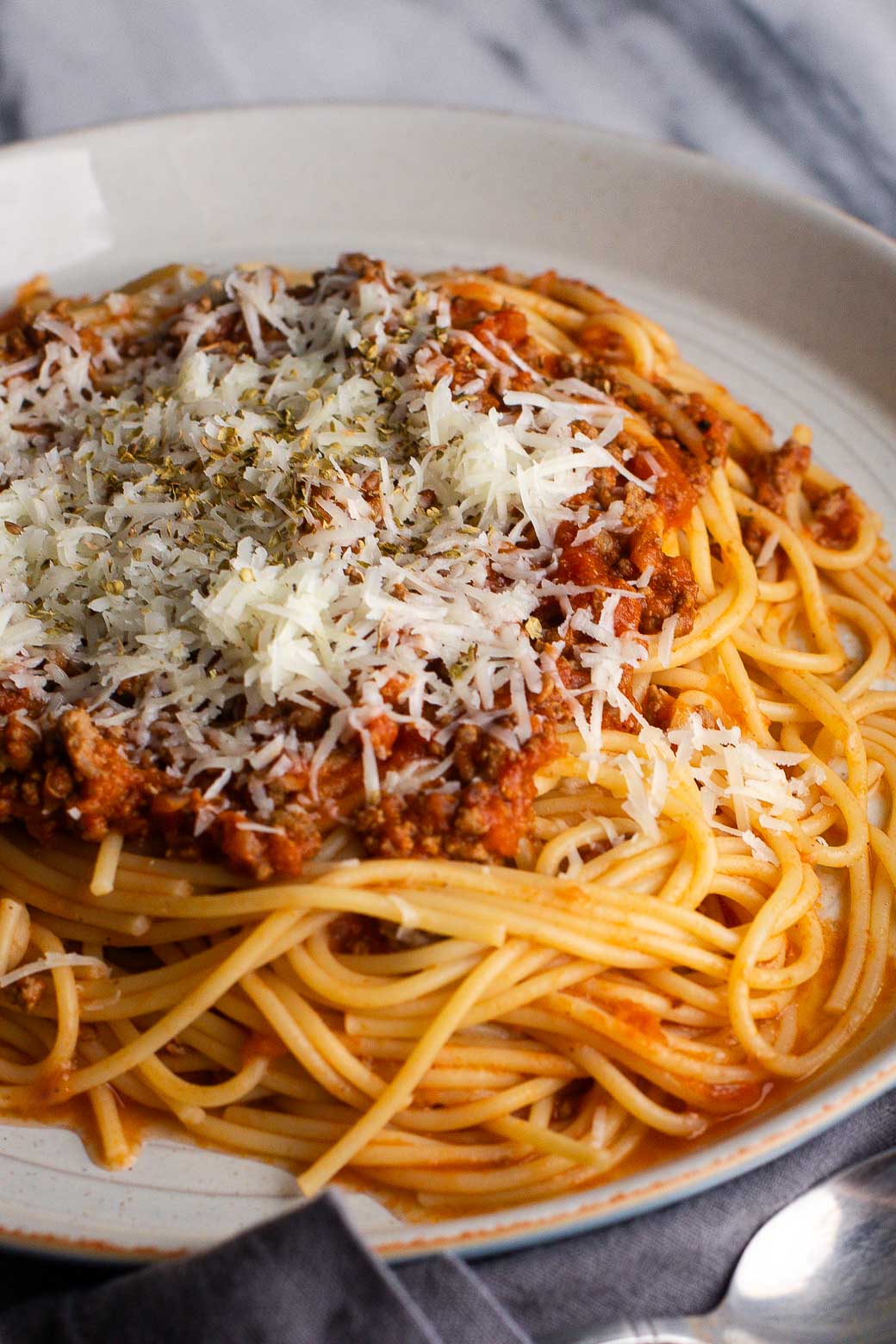
The Mission-style bowl. Spicy Mission-Style Burrito Bowl with Cilantro-Lime Rice takes its cue from San Francisco's Mission burritos. The rice gets 1/2 cup of chopped cilantro and 2 tbsp lime juice stirred in after cooking. The beef is seasoned with chili powder, cumin and garlic powder, then piled up with black beans, tomato, red onion, jalapeño, sour cream and cheddar. It's 35 minutes and serves 4 at 550 calories and 38 g protein. The cilantro-lime rice is the part to copy into every bowl you make.
The leftover-rice bowl. Taco-Seasoned Beef and Black Bean Burrito Bowls is built for rice you already have. It calls for 2 cups of cooked long-grain rice across four bowls, so it's the natural day-three dinner in the meal-prep plan below. It's 25 minutes at 550 calories and 35 g protein.
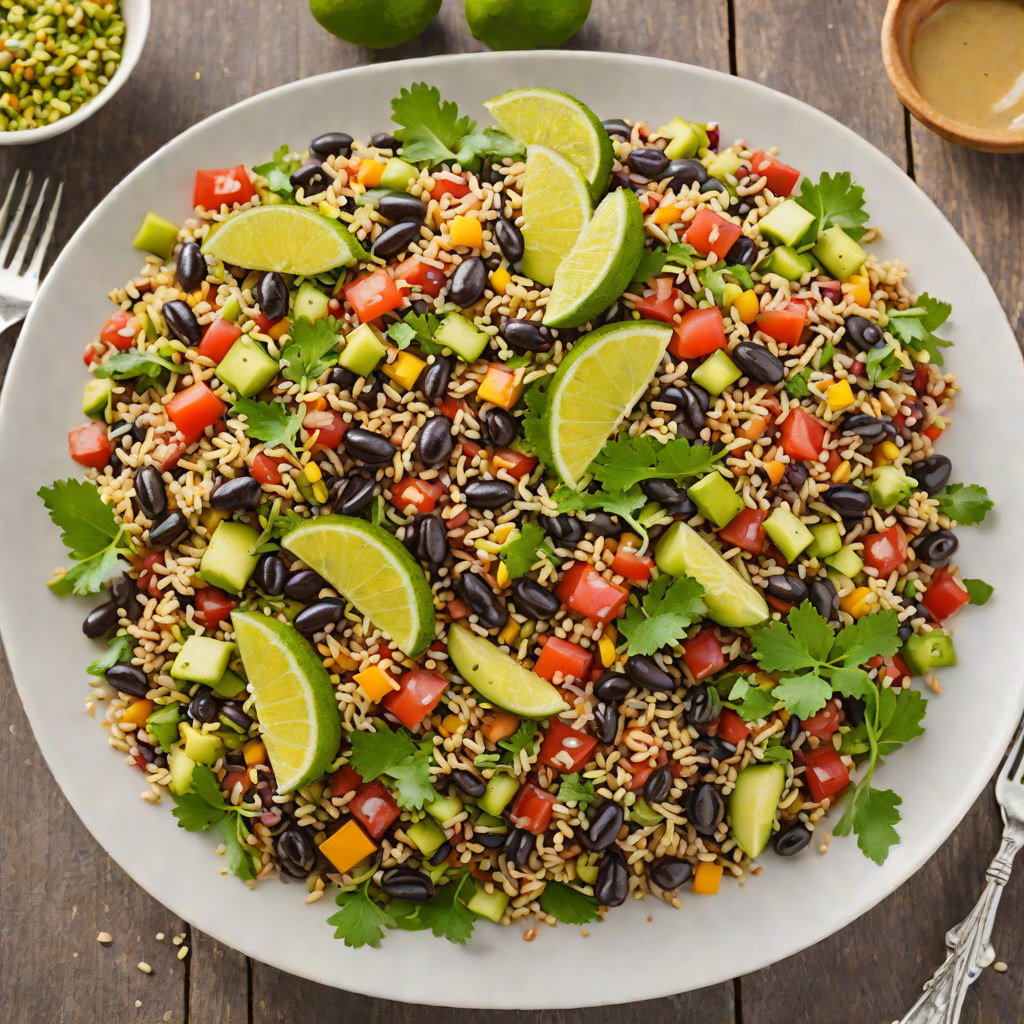
The vegetarian bowl. Healthy Black Bean and Veggie Burrito Bowls with Cilantro Lime Dressing uses brown rice, black beans, corn, cherry tomatoes, romaine and avocado. A blender dressing of 1/2 cup cilantro, 3 tbsp lime juice, 2 tbsp olive oil and cumin ties it together. It's 400 calories and 15 g protein per bowl. The 45-minute brown rice is the only slow part, so cook the rice ahead and it's a 10-minute assembly.
The seafood bowl. Sautéed Shrimp and Garlic Rice Bowl with Lime and Cilantro sears 1 lb of shrimp in 3 tbsp olive oil with 4 garlic cloves and red pepper flakes. It goes over long-grain rice brightened with lime juice, lime zest and cilantro. It's 35 minutes and serves 4 at 350 calories and 32 g protein, one of the leanest bowls here.
Warm tortillas are optional; a squeeze of lime at the table is not. For tacos, enchiladas and one-pot rice dishes, see our Mexican weeknight dinners roundup.
Mediterranean Grain Bowls
Quinoa and farro bowls get most of the attention in this category, and our grain bowl dinners guide covers them in depth. The three bowls here keep rice as the base and borrow the Mediterranean toppings: lemon, garlic, cumin, parsley, chickpeas and lentils.
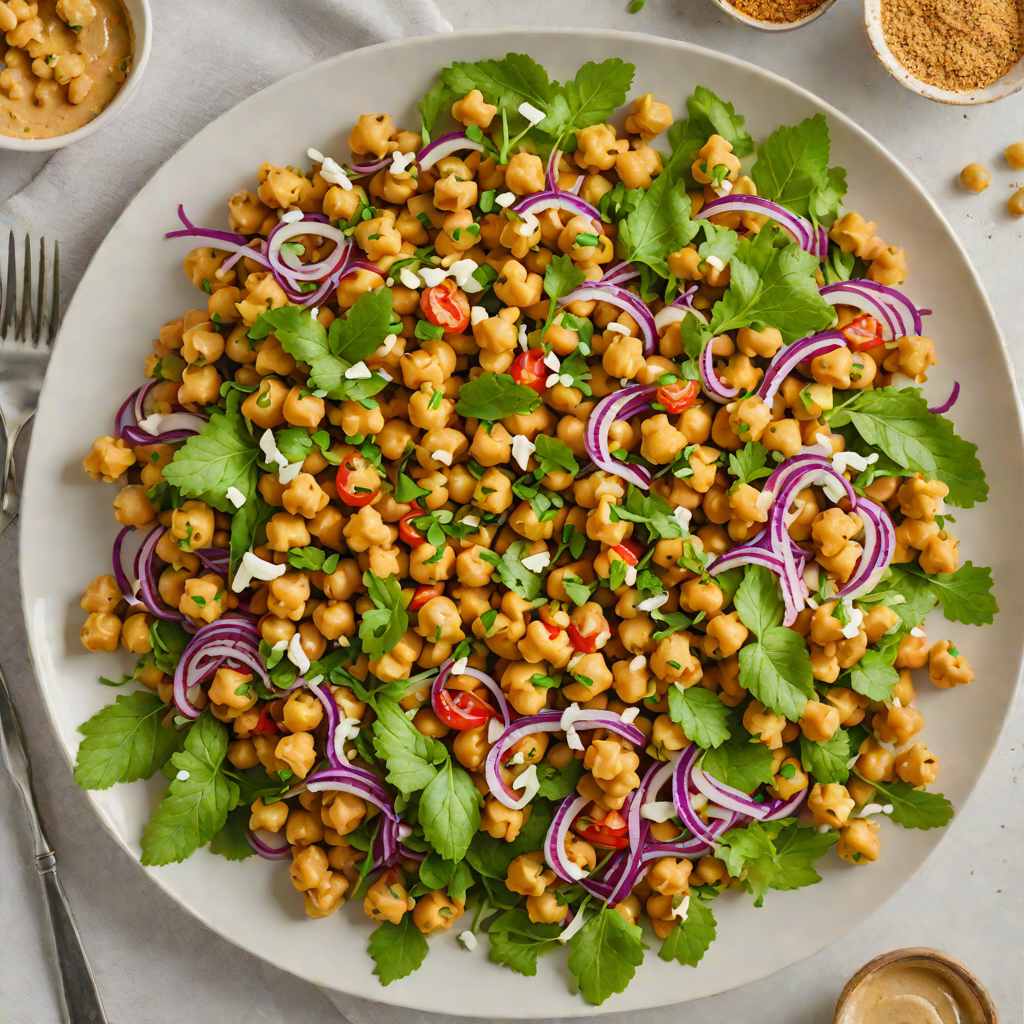
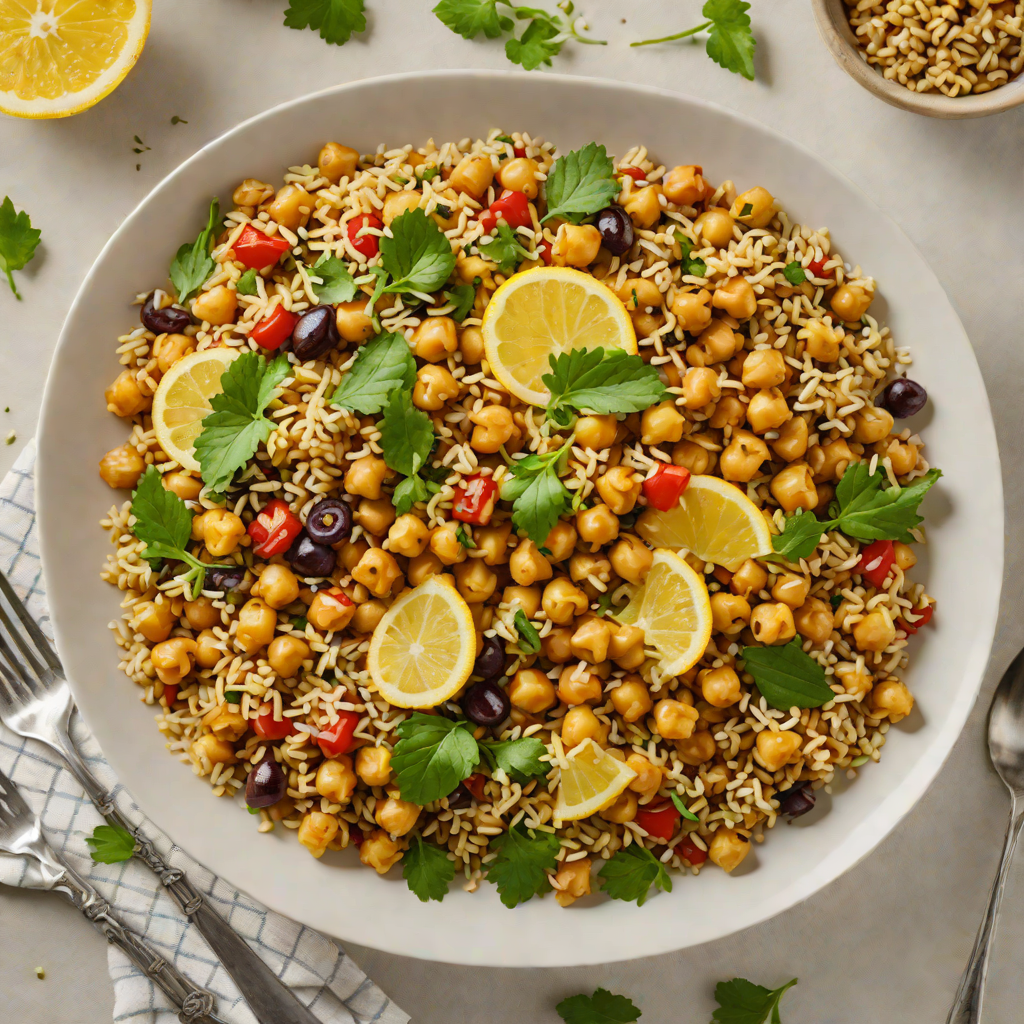
- Chickpea and Cumin Rice Bowl toasts a can of chickpeas with 1 tsp cumin and 1/2 tsp paprika while 1 cup of white rice cooks. It finishes with red onion and cilantro. It's 25 minutes for 2 bowls, 400 calories and 15 g protein, and it's fully plant-based.
- Sautéed Shrimp and Spinach Rice Bowl with Lemon-Garlic Sauce wilts 5 oz of spinach into garlicky shrimp with 2 tbsp lemon juice and zest, over jasmine rice. It's 30 minutes and serves 4 at 320 calories and 30 g protein.
- One-Pot Lentil and Rice Bowl simmers brown lentils and white rice together in vegetable broth with onion, carrot and cumin, finished with parsley. It's 40 minutes, one pan, 2 bowls at 320 calories and 12 g protein.
Any of the three takes well to a spoonful of yogurt or tahini, diced cucumber and tomato, and crumbled feta. That's how you turn a pantry bowl into something that looks restaurant-built.
Curated Recipes from the Catalog
All 20 bowls in one place, with times, calories and protein as listed on each recipe card. Total time is prep plus cook; marinating and soaking are counted in prep where the recipe says so.
Fastest from a standing start: the salmon poke (15 minutes), the tuna poke (20 minutes), the miso salmon donburi (22 minutes), and the chickpea, taco-beef and miso eggplant bowls (25 minutes each). Highest protein: the chicken katsu (42 g), then the miso salmon donburi, the rainbow bibimbap and the Mission-style burrito bowl (38 g each).
Meal-Prep Formula: One Rice Batch, Five Bowls
The idea: cook rice once, then change the topping every night so the week never feels repetitive. The constraint is food safety. Cooked rice belongs in the fridge within the FDA's 2-hour window, and refrigerated leftovers are best eaten within 3 to 4 days. So the plan is three fridge bowls, then two freezer bowls.
Sunday (45 minutes): Rinse and cook 3 cups of dry long-grain or jasmine rice. At roughly three cups cooked per cup dry, that's about 9 cups, enough for 9 to 12 bowls. Spread it on a sheet pan to cool for 20 to 30 minutes. Pack three dinners' worth in the fridge in meal-prep containers. Freeze the rest flat in zip bags in 2-cup portions.
The week:
| Night | Bowl | Rice from | Hands-on time |
|---|---|---|---|
| Monday | Miso-Glazed Salmon Donburi with Pickled Ginger | Fridge | 10 min, then the oven does the work |
| Tuesday | Korean-Style Spicy Chicken Rice Bowls | Fridge | Marinate in the morning, 10 min to cook |
| Wednesday | Taco-Seasoned Beef and Black Bean Burrito Bowls | Fridge | 25 min |
| Thursday | Chickpea and Cumin Rice Bowl | Freezer | 15 min |
| Friday | Sautéed Shrimp and Spinach Rice Bowl with Lemon-Garlic Sauce | Freezer | 15 min |
Reheating: add about 1 tablespoon of water per cup of rice, cover loosely, and microwave until it's steaming hot all the way through. Frozen rice can go straight from the bag into the microwave. Stir halfway so no cold core is left.
What to prep alongside: a jar of quick-pickled carrot and cucumber (from the bibimbap recipe), a jar of cilantro-lime dressing (from the veggie burrito bowl), and sliced scallions in a damp paper towel. Those three toppings make any of the five bowls taste freshly made.
Sources
Background on dishes and techniques came from Wikipedia's donburi overview and its katsudon, oyakodon, poke) and bibimbap entries. Rice starch and texture follow Wikipedia — Japonica rice. Cooked-rice safety draws on the FDA — Safe Food Handling guidance and Wikipedia — Bacillus cereus. All recipe times, calories and protein figures come from the linked AislePrompt recipe cards. Send any bowl's ingredients to your store in one tap from the recipe card, or plan the whole week in the meal plan tool.
Frequently asked questions
What's the best rice for a bowl — short-grain, jasmine, or brown?
Can I meal-prep rice bowls for the whole week?
How much rice per person for a dinner bowl?
Is a rice cooker worth buying if I already have a pot?
Can these bowls be gluten-free or low-carb?
Meal-prep recipes from the catalog
Save any of these to My Recipes — no account needed — and send the ingredients to Instacart in one tap.