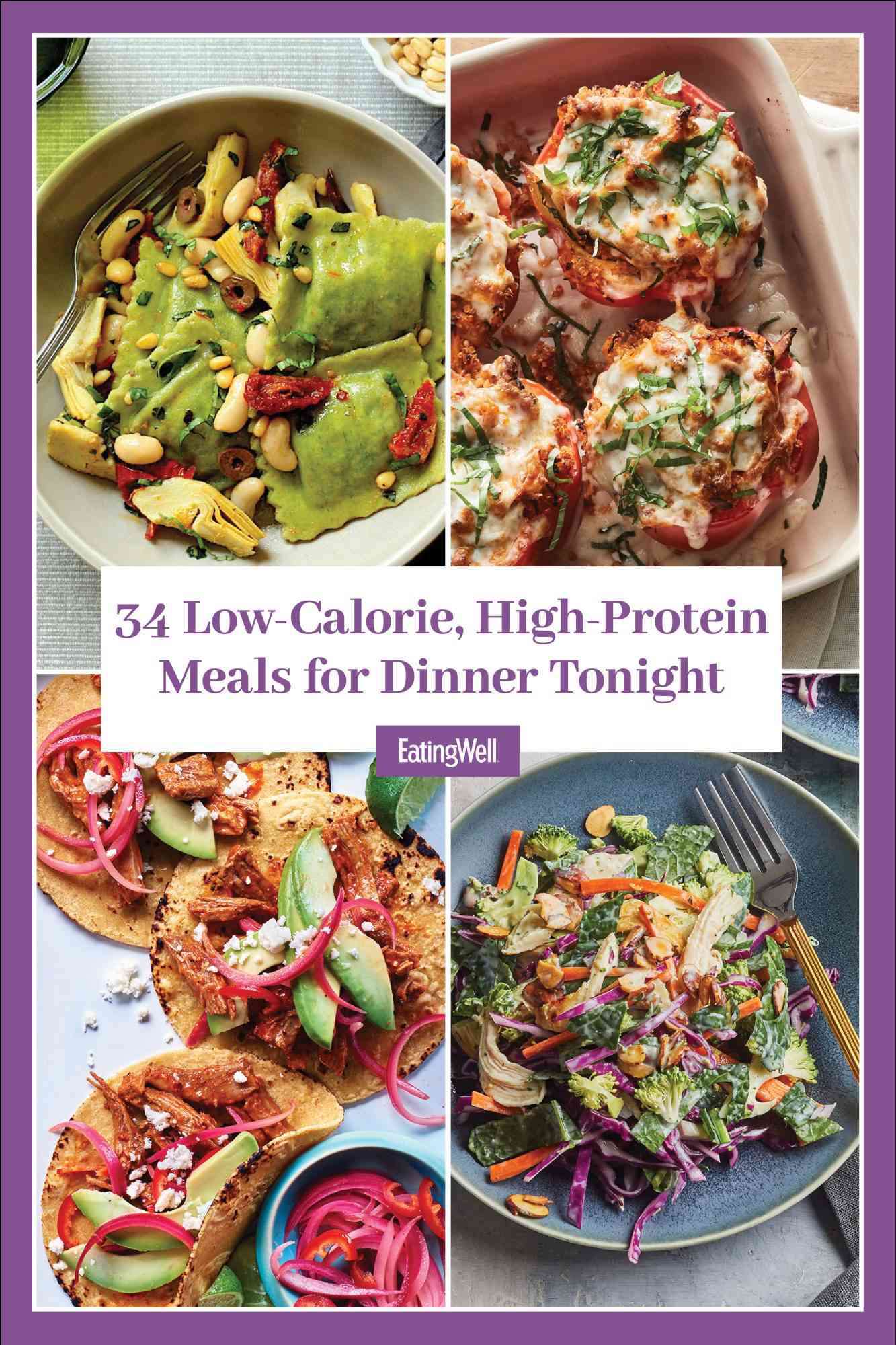
22 Light Dinner Recipes: Under 500 Calories for Post-Summer Weeknights
Twenty-two complete dinners from 180 to 480 calories, each with the protein and fiber numbers that decide whether a light meal actually holds you until morning.
A light dinner under 500 calories works when it hits four things at once: 25–35 g of protein, 6–10 g of fiber, some real fat, and an acid to finish. Skip any one of them and you're hungry at 9 p.m. Below are 22 dinners between 180 and 480 calories that pass that test, sorted by protein, with the calorie count on every one.
Get a free week of easy dinners
Seven weeknight dinners with the shopping list already totalled, sent Sunday. No account needed, unsubscribe in one click.
No spam, unsubscribe in one click. Recipes, shopping lists and Instacart carts all work without an account either way.
Introduction: 'light' doesn't mean 'boring' or 'tiny' — how we defined it
September is when the summer eating pattern breaks. The grilling is over, the cookouts are done, and a lot of people want a reset that doesn't involve a program, an app, or a list of forbidden foods.
"Light" here means a specific thing: a complete dinner between roughly 180 and 480 calories per serving, with enough protein and fiber that it actually holds you until morning. Not a side salad. Not half a portion of something heavier. A dinner.
Every recipe below carries its calorie count, drawn from the recipe's own nutrition data. Those are estimates — see the FAQ on why — but they're consistent estimates, which makes them useful for comparison even if the absolute number is ±15%.
Two things this list is not. It isn't a diet plan; the keto meal plan is a structured program if that's what you want. And it isn't a speed list — some of these take 40 minutes. If speed is the constraint, the 15-minute dinners roundup is the better page.
The four building blocks of a satisfying light dinner
Protein: 25–35 g. This is the single number that decides whether a light dinner feels like dinner. Below about 20 g, satiety drops off sharply. A 6-oz portion of chicken breast, salmon, cod, or shrimp gets you there; so does a cup of cooked lentils plus a couple of eggs.
Fiber: 6–10 g. Fiber slows gastric emptying, which is the mechanical reason a bowl of vegetables and beans holds better than the same calories of white rice. Beans, lentils, whole grains, and any non-starchy vegetable you eat in volume.
Fat: don't remove it. A tablespoon of olive oil is 120 calories and it is the reason the meal tastes like food. Fat also carries the fat-soluble flavor compounds in herbs and spices — a dressing with no oil tastes thin because the flavor literally isn't dissolving. Harvard's Nutrition Source is blunt about this: fat quality matters far more than fat quantity for weight outcomes.
Acid at the end. Lemon, lime, vinegar, or yogurt, added off the heat. Acid is what makes a low-fat dish taste finished instead of flat. This is the single most common thing missing from home-cooked "healthy" food.
5 Light Salads that eat like a dinner
The difference between a side salad and a dinner salad is 25 grams of protein and something warm in the bowl.
1. Garlic-Lime Shrimp Salad with Avocado and Mixed Greens — 280 cal. Shrimp is the highest protein-per-calorie animal protein in a home kitchen: about 24 g per 100 g at 99 calories.
2. Sauteed Shrimp with Avocado Tomato Salad and Cilantro Lime Dressing — 320 cal. Avocado supplies the fat so the dressing doesn't have to.
3. Best-Crafted Mediterranean Quinoa Salad — 280 cal. Quinoa gives you a complete amino acid profile plus 5 g of fiber per cooked cup.
4. Spiced Texas-Style Chicken and Pecan Salad — 450 cal. The heaviest salad here, and the one that most reliably keeps people full.
5. Quinoa and Seed Power Salad with Dried Fruit — 350 cal. Seeds carry the fat; the dried fruit is the acid-and-sweet counterweight.
5 Light Fish & Seafood Dinners
Fish is the easiest category to keep under 400 calories, because lean white fish runs 90–110 calories per 4-oz portion before you add anything.
1. Baked Lemon-Rosemary Cod with Garlic and Olive Oil — 220 cal. The leanest full dinner on this page.
2. Sauteed Lemon-Dill Salmon with Asparagus — 320 cal, 4.71 stars. Salmon is fattier than cod and still lands here; the omega-3s are worth the extra 100 calories.
3. Baked Spanish-Style Cod with Saffron and Roasted Peppers — 280 cal.
4. Pan-Seared Gulf Shrimp with Citrus Avocado Salsa — 280 cal.
5. Sushi-Style Tuna Poke Bowl with Avocado and Sesame — no cooking at all, which matters more than it sounds on a Tuesday.
Also under 300: the Baked Cod with Rosemary-Olive Oil at 295 calories and the Spicy Tiki-Style Shrimp Stir Fry with Pineapple and Bell Peppers at 290.
5 Light Chicken Dinners
1. Grilled Citrus-Marinated Chicken Skewers with Herb Yogurt Dip — 280 cal. Yogurt dip instead of a cream sauce is a 150-calorie swap that tastes like an upgrade.
2. Pan-Seared Chicken Souvlaki Skewers with Tzatziki — 300 cal.
3. Reboot-Ready Sheet Pan Chicken & Sweet Potatoes — 340 cal. One pan, one cleanup.
4. Sheet Pan Garlic and Lemon Chicken with Asparagus — 350 cal.
5. Spicy Avocado and Shrimp Lettuce Wraps — the wrap format, without the 200-calorie tortilla.
4 Vegetarian Light Dinners
1. Hoisin-Tofu Stir-Fry with Bok Choy — 320 cal, 4.60 stars. Press the tofu 20 minutes; unpressed tofu steams instead of browning.
2. Hidden-Spice Chickpea and Spinach Stew — 280 cal. Chickpeas bring 12 g of fiber per cooked cup.
3. Ginger-Sesame Tofu Stir Fry with Rainbow Vegetables — 280 cal.
4. Zucchini Noodle Stir-Fry — the lowest-carb build here. Salt the zucchini noodles and drain them 15 minutes first, or the pan floods.
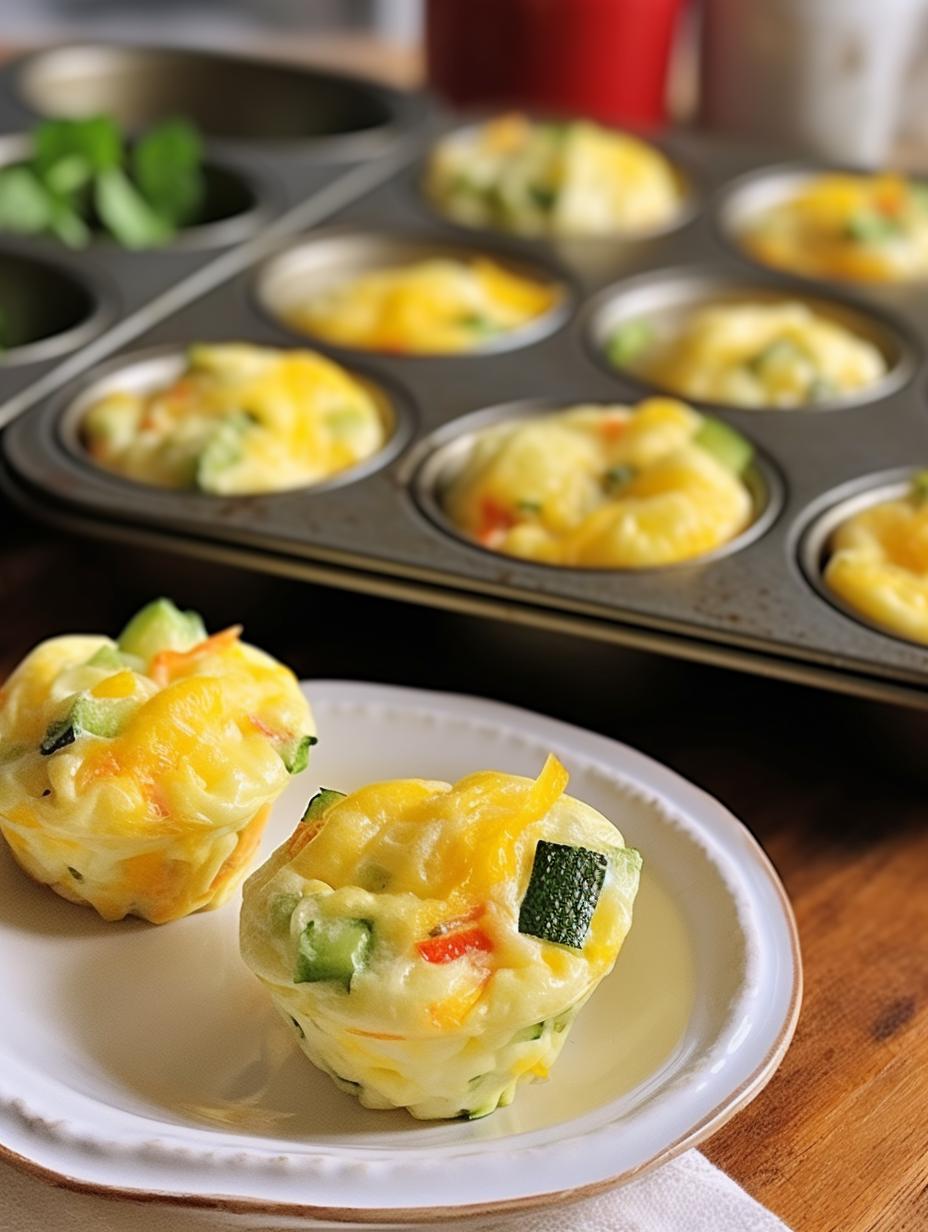
Also worth cooking: the Stir-Fried Szechuan Tofu with Bell Peppers at 280 calories and the C'est Bon French Herb Omelette at 220 — eggs for dinner is the most underrated light meal there is, at about 6 g of protein and 70 calories per egg.
3 Light Soups & Broths that still feel like a full meal
A soup becomes dinner when it has protein and something to chew.
1. Hearty Chicken and Vegetable Soup with Spinach — 240 cal.
2. Turmeric-Spiced Lentil Soup with Spinach and Lemon — 220 cal. Lentils: 18 g protein, 16 g fiber per cooked cup. The best calorie-to-satiety ratio in the entire pantry.
3. Hearty Roasted Vegetable Tomato Soup — 180 cal. Add a can of white beans to turn it into a real dinner.
The Smoky Mushroom and Lentil Stew with Roasted Root Vegetables at 320 calories is the heartiest of the meatless options, and the Fire-Roasted Poblano and Corn Soup at 230 is the one to make while corn is still good.
Real-world numbers: what 500 calories actually looks like
| Dinner | Calories | Protein (g) | Fiber (g) | Holds until morning? |
|---|---|---|---|---|
| Baked cod + roasted vegetables | 220 | 30 | 6 | With a starch, yes |
| Lentil soup, 2 cups | 220 | 18 | 16 | Yes |
| Chicken skewers + yogurt dip | 280 | 32 | 4 | Yes |
| Shrimp + avocado salad | 320 | 28 | 9 | Yes |
| Tofu stir-fry + 1/2 cup rice | 320 | 20 | 7 | Usually |
| Green salad, dressing only | 180 | 3 | 4 | No |
The last row is the failure mode. It's under 500 calories and it is not dinner — 3 g of protein means you'll be in the pantry within two hours. Calories alone don't predict satiety; protein and fiber do.
A useful benchmark: a restaurant entrée salad with a creamy dressing typically runs 700–1,100 calories, and a "healthy" grain bowl from a fast-casual chain averages 600–800. Cooking these at home isn't just cheaper — the calorie gap for the same apparent meal is often 300+.
How to make any recipe lighter without ruining it
Swaps that work:
- Greek yogurt for sour cream or mayo in dips and dressings — same tang, roughly a third of the calories, three times the protein.
- Roasting instead of pan-frying: the vegetables need about a tablespoon of oil per sheet pan, not the three tablespoons a skillet takes.
- Half the pasta, double the vegetables, same sauce. The sauce is what you taste.
- Broth-braised aromatics instead of a butter-heavy sauté start. Use a splash of stock and let it cook off.
- Citrus zest wherever you'd add more salt or fat. Zest is free flavor.
Swaps that don't:
- Fat-free dressing. It's sugar and gums. Use less real dressing instead.
- Skipping the oil on roasted vegetables — they dehydrate rather than caramelize and taste like cardboard.
- "Light" cheese in a dish where cheese is the point. Use half as much real cheese.
- Cauliflower rice as a one-for-one swap in a dish built around rice's texture. It works in a bowl; it doesn't work in a risotto.
- Cutting portion size instead of changing composition. That's how you end up eating a second dinner at 10 p.m.
Common pitfalls
- No acid. Covered above and worth repeating: it's the most common flaw in home "light" cooking.
- Under-salting because salt feels unhealthy. Salt has zero calories. Under-salted food tastes like it's punishing you, and that's how good habits die.
- Overcooking lean protein. Cod at 145°F is flaky and moist; at 160°F it's chalk. Chicken breast at 165°F is done; at 175°F it's dry. A $10 instant-read thermometer solves this permanently.
- Crowding the sheet pan. Vegetables steam instead of roasting when they touch. Two pans, not one.
- Eyeballing oil. A "drizzle" of olive oil is often 3 tablespoons — 360 calories. Measure it once and you'll calibrate your eye for good.
When a light dinner is the wrong call
If you trained hard that day, if you're recovering from illness, or if you skipped lunch, a 220-calorie dinner is not a discipline win — it's a deficit that gets repaid with interest at midnight. Eat the 450-calorie version and add a starch.
The same goes for cooking for a mixed table. Making one 250-calorie dinner for four people, two of whom are teenagers, ends with everyone eating cereal an hour later. Cook the recipe as written and add a side of rice or bread for whoever needs it — that's easier than scaling up a light dish into something it isn't.
What you'll need: kitchen scale, sheet pan, nonstick skillet, sharp knife
- A digital scale. The Amazon Basics digital kitchen scale is $9.89 with 4.7 stars across 114,516 ratings. Use it for two weeks to calibrate your portion estimates, then use it only when you care. The tare function is what makes it practical.
- Sheet pans, plural. The GoodCook 3-pack nonstick baking sheet set at $17.99 gives you the two large pans you need to avoid crowding.
- One good skillet. The Lodge 12-inch seasoned cast iron skillet at $34.90 (4.7 stars, 163,785 ratings) sears fish and chicken better than nonstick and goes into the oven.
- Browse Cookware, Kitchen Gadgets, and Dining & Serving for the rest.
Calorie figures throughout come from recipe-level nutrition estimates; for whole-ingredient reference values, the USDA FoodData Central database is the primary source, and the FDA's guide to the Nutrition Facts label explains what the numbers on a package do and don't tell you.
A five-night sample week, under 500 calories every night
This is the version that actually survives a real week — one shopping trip, two cook-once-eat-twice nights, and nothing on a Wednesday that takes more than 30 minutes.
| Night | Dinner | Calories | Notes |
|---|---|---|---|
| Sunday | Hearty Chicken and Vegetable Soup with Spinach | 240 | Make a double batch |
| Monday | Sunday's soup + a slice of good bread | ~340 | Zero cooking |
| Tuesday | Sheet Pan Garlic and Lemon Chicken with Asparagus | 350 | One pan, 30 min |
| Wednesday | Sushi-Style Tuna Poke Bowl with Avocado and Sesame | — | No cooking at all |
| Thursday | Hoisin-Tofu Stir-Fry with Bok Choy | 320 | Press tofu while rice cooks |
| Friday | Sauteed Lemon-Dill Salmon with Asparagus | 320 | The reward night |
Total active cooking across six dinners: about 2 hours 15 minutes. The single largest time saver is the Sunday double batch — soup is the only category on this page that genuinely improves on day two, because the vegetables finish softening and the salt distributes.
Shopping notes for that week. One rotisserie-size chicken or 2 lb of thighs, 1 lb salmon, 8 oz sushi-grade tuna, a 14-oz block of firm tofu, and about 3 lb of mixed vegetables covers all six dinners for two people. Buy the fish on the day you cook it or the day before — Wednesday and Friday are deliberately placed near the ends of the week so nothing sits in the fridge for four days.
Scaling for a family. Every recipe above scales linearly except the sheet-pan dinner, which needs a second pan past four servings rather than a fuller one. Crowding is the difference between roasted and steamed, and it's the most common reason a sheet-pan dinner underdelivers.
Meal-prepping this list
Five of these hold well for three to four days: both lentil soups, the chickpea stew, the chicken-and-vegetable soup, and the quinoa salads (dress them the day you eat them, not the day you cook them). Fish and shrimp do not meal-prep — cook those the night you eat them. For a fuller weekly system, the 30-minute weeknight dinners roundup is built around exactly this constraint.
Pick five recipes from this page, add them to your AislePrompt shopping list, and it consolidates the produce, protein, and pantry items into one aisle-sorted run — which is what actually makes a light-eating week survive contact with a Wednesday.
FAQ
See the frequently asked questions below on calorie targets, estimate accuracy, meal-prep suitability, dietary substitutions, and weight outcomes.
Sources
- Harvard T.H. Chan School of Public Health — Healthy Weight
- USDA FoodData Central
- FDA — How to Understand and Use the Nutrition Facts Label
Frequently asked questions
Is 500 calories really enough for a dinner?
Why is calorie count listed 'approximate' and not exact?
Which of these work for meal prep so I'm not cooking every night?
Are these recipes gluten-free / dairy-free / low-FODMAP compatible?
Do 'light dinners' actually help with weight loss?
Sources
Recipes to start your week with
Save any of these to My Recipes — no account needed — and send the ingredients to Instacart in one tap.

Plan a week of meals in two minutes.
Tell our AI what you have and what you like — it builds your plan, shopping list, and Instacart cart. No account needed.
Plan my week →