The Complete Keto Meal Plan for 2026: 40+ Low-Carb Recipes + 5-Day Menu & Shopping List
The macro numbers, the pantry, 40+ catalog recipes and a five-day menu where every dinner is deliberately over-portioned to become the next day's lunch.
Affiliate disclosure: AislePrompt may earn a commission on qualifying purchases made through Amazon and Instacart links in this article, at no additional cost to you. See our affiliate policy →
A ketogenic diet keeps carbohydrate low enough — typically 20 to 50 grams of net carbs a day — that your body shifts to running largely on fat and ketones. This guide gives you the macro numbers, a stocked pantry, 40+ recipes from the AislePrompt catalog, a full 5-day menu with per-day macros, and an Instacart-ready shopping list.
This is a practical cooking guide, not medical advice. If you take medication for diabetes or blood pressure, are pregnant, or have kidney, liver or pancreatic disease, talk to your doctor before starting — several of those situations require dose adjustments in the first weeks.
Introduction: Who Keto Is For, and Who It Isn't
Keto works well for a specific set of people and poorly for another, and the honest version of this guide starts there rather than with a recipe.
It tends to work for people who find that protein and fat keep them full while carbohydrate leaves them hungry two hours later; people who prefer a small set of rules to daily calorie arithmetic; people cooking mostly at home; and people with insulin resistance or type 2 diabetes working with a clinician, where carbohydrate restriction has a direct and well-documented effect on blood glucose. Harvard Health's overview is a fair summary of what the evidence does and doesn't support.
It tends not to work for endurance athletes doing high-intensity work above roughly 75% of max effort, where glycogen is genuinely the limiting fuel; people with a history of disordered eating, since keto's rigidity can entrench it; anyone who won't cook, because convenience food is overwhelmingly carbohydrate; and people who simply love bread and pasta enough that six weeks of restriction ends in a rebound. That last one isn't a character flaw — it's the most common reason keto fails, and it's worth predicting honestly before you shop.
The decision framework, in four questions. Do I actually cook at least five dinners a week? Can I name three vegetables I like that aren't potatoes or corn? Am I willing to give up bread, rice, pasta, and most fruit for at least six weeks? Do I have a medical reason to check with a doctor first? If the answers are yes, yes, yes, and either "no" or "and I have," keto is a reasonable thing to try.
A realistic alternative. If that's three yeses and one hard no, low-carb-but-not-keto — 75 to 125 grams of carbs a day — gets most of the appetite and blood-sugar benefit with far less social friction. Every recipe in this guide works there too, with rice or potatoes added back on the side.
Keto Basics: Macros, Ketosis and Net Carbs
The macro split. The standard ketogenic ratio is roughly 70–75% of calories from fat, 20–25% from protein, and 5–10% from carbohydrate. On a 2,000-calorie day that's about 155–165g fat, 100–125g protein, and 20–50g net carbs.
| Daily calories | Fat (g) | Protein (g) | Net carbs (g) |
|---|---|---|---|
| 1,500 | 117 | 75–94 | 20–37 |
| 1,800 | 140 | 90–112 | 22–45 |
| 2,000 | 156 | 100–125 | 25–50 |
| 2,500 | 195 | 125–156 | 31–62 |
Net carbs = total carbs − fiber − sugar alcohols. Fiber isn't absorbed, so it doesn't affect blood glucose or ketosis. This is why a cup of raw spinach with 1g total carb and 0.7g fiber costs you essentially nothing, and why leafy vegetables are effectively free on keto. Erythritol and allulose are the sugar alcohols that genuinely subtract; maltitol largely does not, despite label claims.
Protein is a floor, not a target to minimize. The old advice to keep protein very low, out of fear that gluconeogenesis would break ketosis, has not held up well. Gluconeogenesis is demand-driven rather than supply-driven in most people. Eat 0.7 to 1.0 grams of protein per pound of lean body mass. Under-eating protein while cutting carbs is the fastest route to losing muscle alongside fat.
Getting into ketosis takes two to four days of staying under about 50g net carbs, faster if you're active. You'll know from a blood ketone meter (0.5–3.0 mmol/L is nutritional ketosis) or, less precisely, urine strips — which stop being accurate after the first couple of weeks as your body gets better at using ketones rather than excreting them.
The "keto flu" is mostly electrolytes, not carbohydrate withdrawal. Cutting carbs drops insulin, and lower insulin makes your kidneys excrete sodium — taking potassium and magnesium with it. The headache, fatigue and cramping most people report in week one are the direct result. The fix is covered in the mistakes section below, and it is genuinely this simple.
The Mayo Clinic's FAQ on the ketogenic diet is worth reading on the risks and the shorter-term nature of most of the evidence.
The Keto Pantry and Fridge Checklist
Fats and oils. Butter, extra-virgin olive oil, avocado oil (high smoke point, the one to sear in), coconut oil, heavy cream, full-fat sour cream, cream cheese, mayonnaise made with olive or avocado oil.
Proteins. Eggs — buy more than you think, a dozen and a half a week per person is normal. Chicken thighs over breast (more fat, more forgiving). Ground beef at 80/20. Ribeye, pork chops, bacon. Salmon, cod, halibut, canned tuna, shrimp. Rotisserie chicken as the weeknight escape hatch.
Vegetables that are effectively free. Spinach, arugula, romaine, kale, broccoli, cauliflower, zucchini, asparagus, green beans, mushrooms, bell peppers, cucumber, celery, cabbage, Brussels sprouts.
Vegetables to count. Onion (about 8g net carbs per cup), tomato (5g), carrot (9g), winter squash (15g+). None are forbidden; all need measuring.
Dairy and cheese. Cheddar, parmesan, mozzarella, cream cheese, blue cheese, feta, Greek yogurt (full-fat, plain — 5g net carbs per 6 oz).
The low-carb bakery aisle. Almond flour, coconut flour, psyllium husk, ground flax. Coconut flour absorbs roughly four times its weight in liquid and is not substitutable 1:1 for almond flour in either direction.
Sweeteners. Allulose (behaves most like real sugar, browns, doesn't crystallize), erythritol (cheap, has a cooling aftertaste), monk fruit blends, stevia. Avoid maltitol.
What quietly ruins a keto day. Barbecue sauce, ketchup, most salad dressings, teriyaki, "sugar-free" candy sweetened with maltitol, oat-milk lattes, balsamic glaze, breaded anything, and the 15–20g of carbs hiding in a restaurant's pan sauce.
40+ Keto Recipes From the AislePrompt Catalog
Every recipe below is in the catalog with a full ingredient list you can push to a shopping list in one tap.
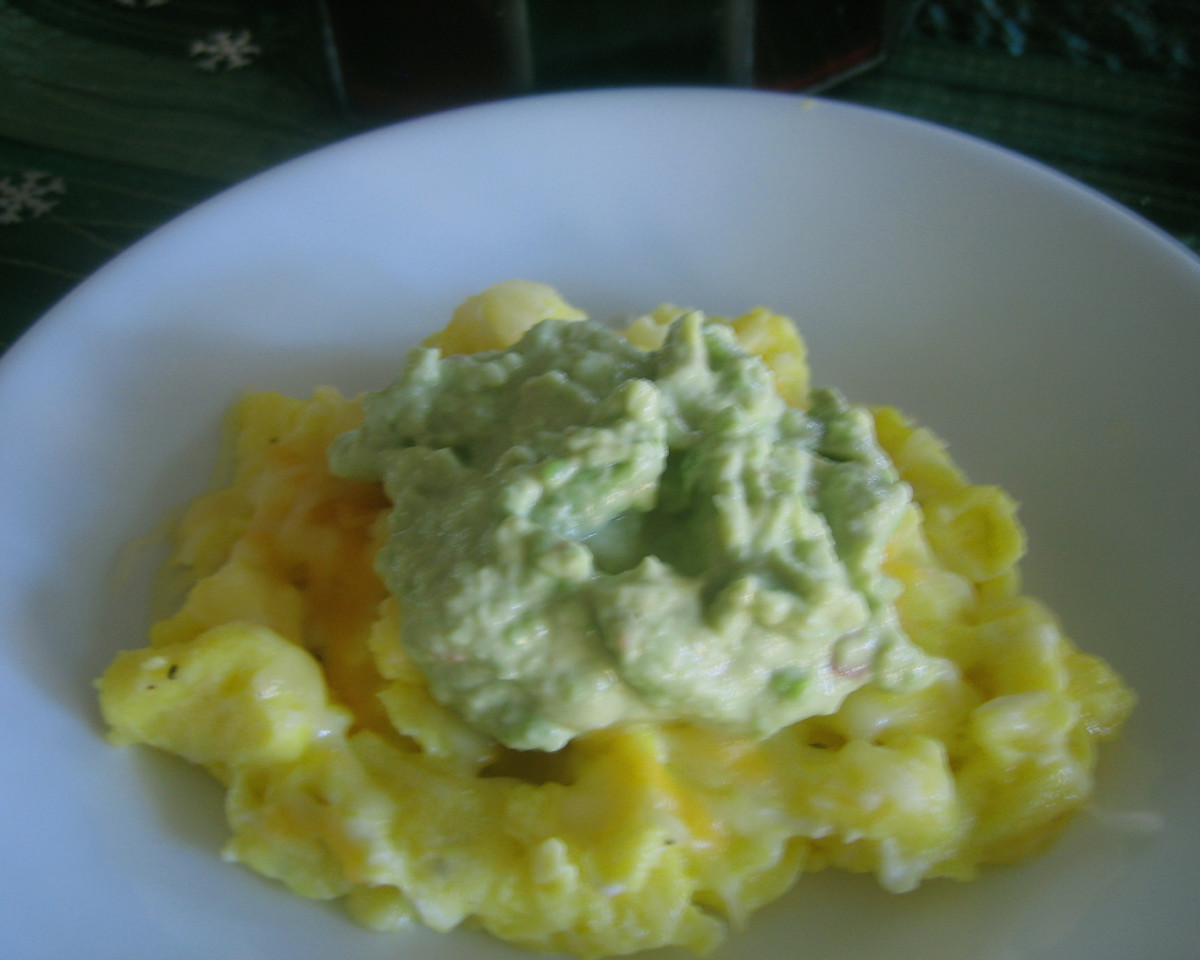
Breakfast and eggs. Keto Bacon and Egg Breakfast Muffins, Egg and Bacon Ranch Breakfast Scramble, Baked Crustless Spinach Mushroom Quiche, Cheddar and Jalapeño Keto Cloud Bread and Keto Avocado and Egg Protein Shake.
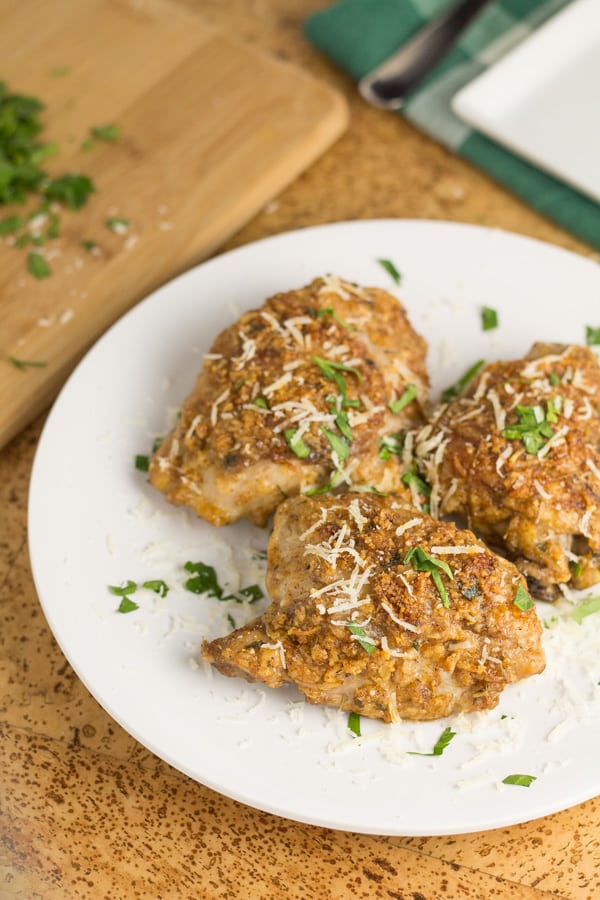
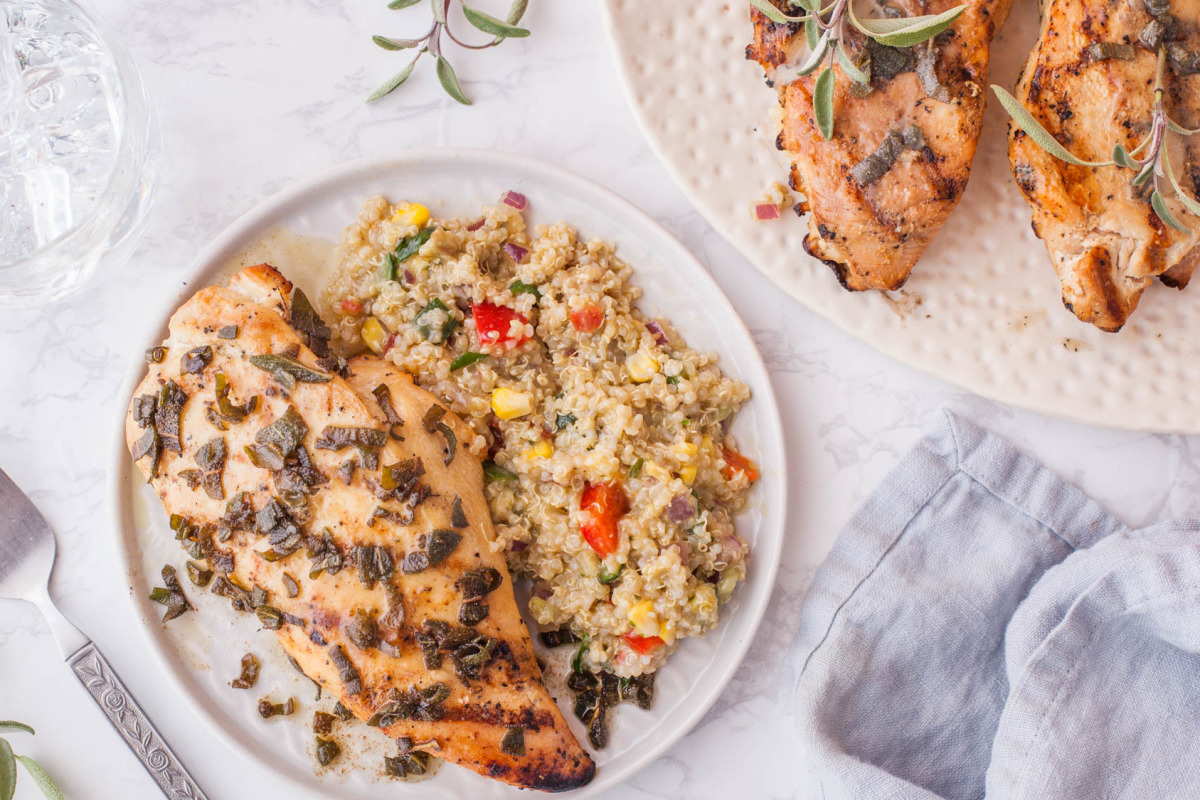
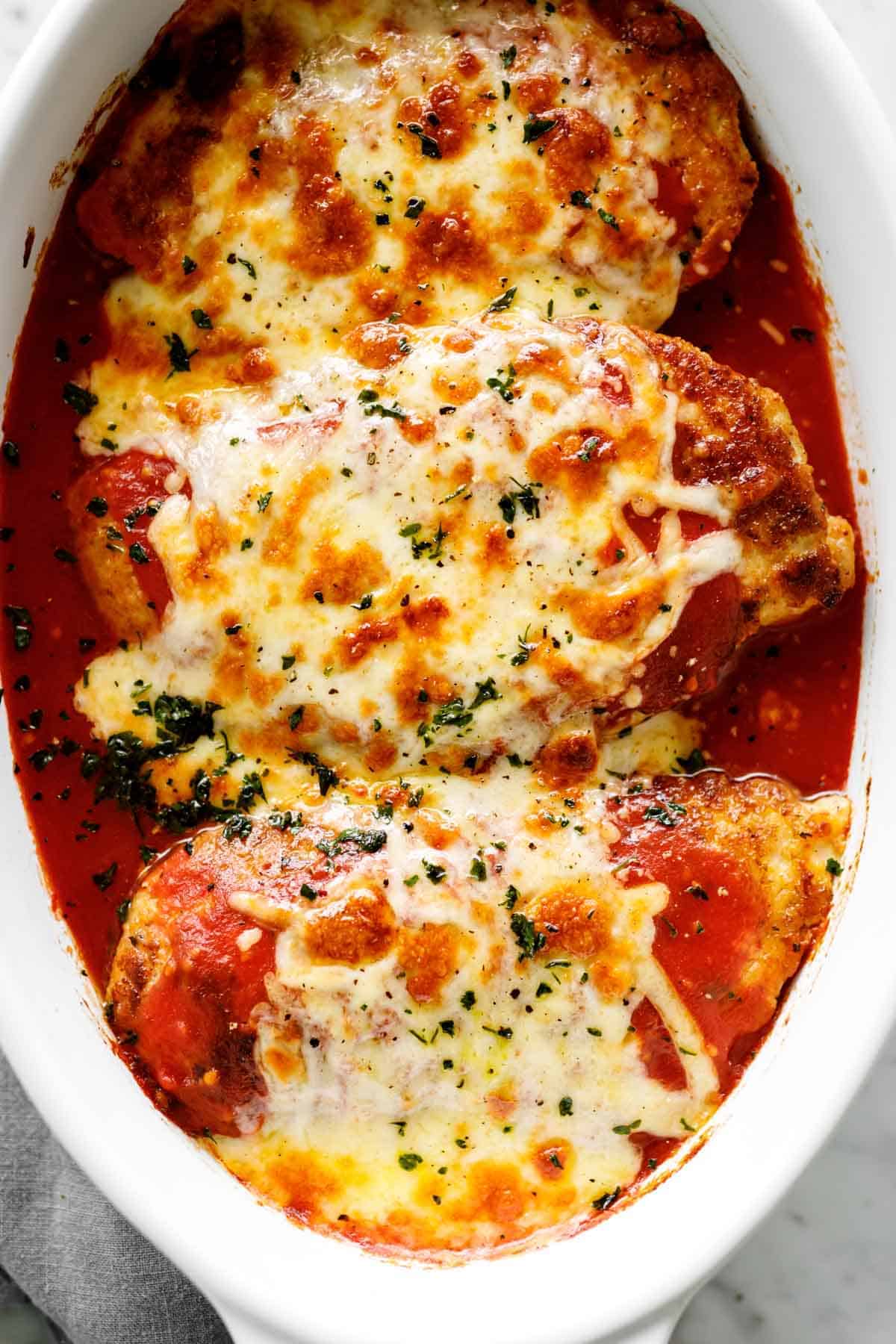
Chicken. Keto Crispy Chicken Parmesan with Low-Carb Basil Pesto, Pan-Seared Garlic Chicken with Almond Flour Crust, Pan-Roasted Chicken Thighs with Garlic Butter and Zucchini Noodles, Buffalo Chicken Lettuce Wraps with Blue Cheese Drizzle, Baked Spicy Keto Chicken and Cheese Casserole, Bacon-Wrapped Chicken Breast with Blue Cheese Crust, Keto Oven-Fried Chicken with Parmesan Almond Coating, Oven-Roasted Lemon-Oregano Chicken with Greek Feta Salad, Garlic-Pepper Chicken Thighs with Crispy Skin and Pan-Seared Chicken with Zucchini and Bell Peppers.
Beef, pork and lamb. Pan-Seared Ribeye Steak Bites with Garlic Herb Butter, Cauliflower Rice Stir-Fry with Beef and Broccoli, Keto Low-Carb Asian Fusion Beef Stir Fry with Broccoli, Cheese-Stuffed Bell Peppers with Ground Beef, Cheddar-Stuffed Keto Meatballs with Garlic Butter Sauce, Pan-Seared Beef Tenderloin with Blue Cheese Butter, Beef and Broccoli Stir-Fry with Sesame Oil, Sesame Pepper Stir-Fried Sirloin Strips, Keto Thai Beef Salad with Spicy Lime Dressing, Pan-Fried Pork Chops with Creamy Mushroom Sauce, Pan-Seared Pork Chops with Sage and Garlic Butter, Sautéed Keto Eggroll Bowl with Ground Pork and Cabbage and Grilled Lamb Keftedes with Tzatziki Sauce.
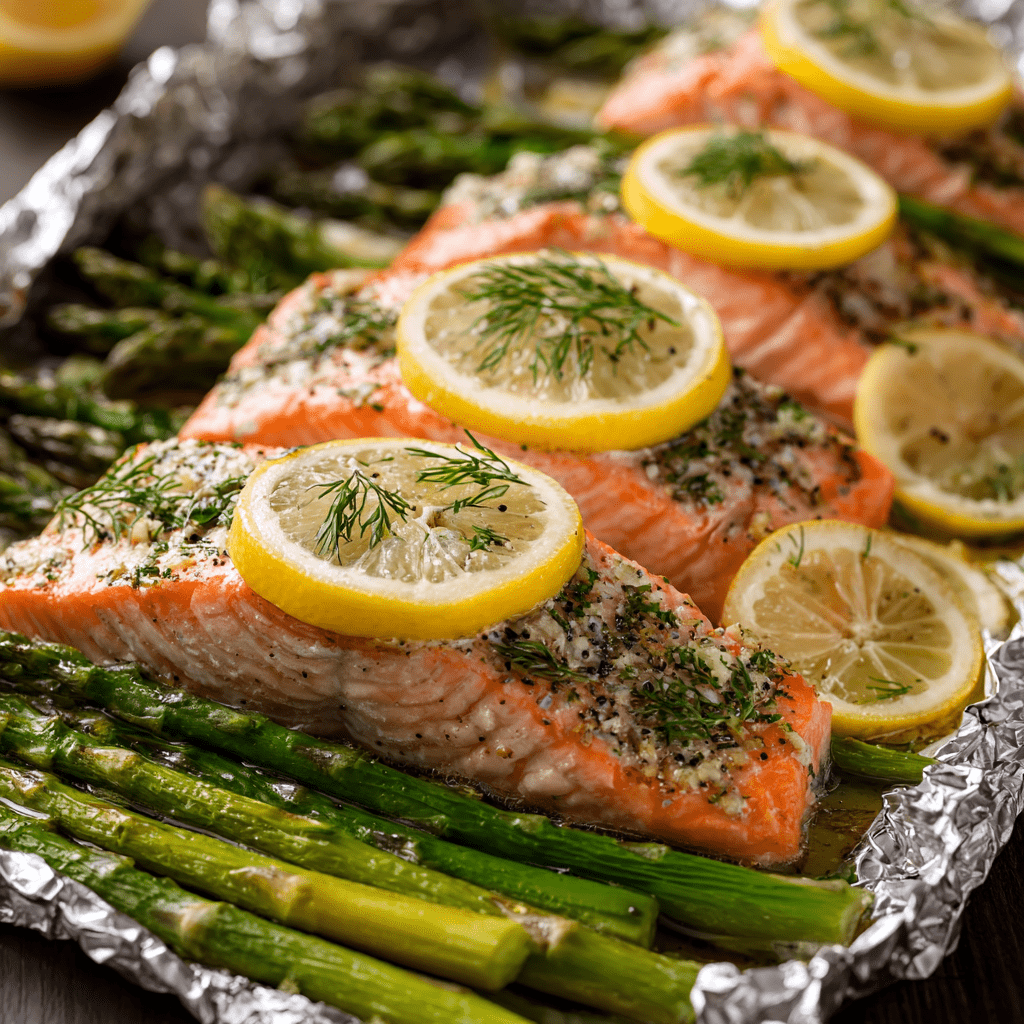
Fish and seafood. Sheet Pan Herb-Crusted Salmon with Asparagus and Cherry Tomatoes, Crispy Garlic-Herb Air Fryer Salmon, Lemon-Dill Baked Salmon with Herbed Butter, Pan-Seared Salmon with Caper and Lemon, Baked Herb-Crusted Cod with Lemon Butter Sauce, Seared Half-Halibut Steak with Lemon Butter Sauce, Lemon Garlic Paleo Shrimp Scampi with Zucchini Noodles, Pan-Seared Garlic Butter Shrimp with Lemon and Parsley, Keto Avocado Tuna Salad with Lemon-Dill Dressing and Sushi-Style Tuna Tartare with Avocado and Ponzu Dressing.
Vegetables, salads and sides. Sautéed Zucchini Noodles with Basil Pesto and Cherry Tomatoes, Baked Cauliflower Pizza Crust with Mushrooms and Spinach, Bacon-Wrapped Asparagus with Parmesan, Pan-Seared Chicken and Parmesan Caesar Salad, Bacon and Kale Soup with Apple Cider Vinegar and Seared Turkey Medallions with Mustard Tarragon Sauce.
Snacks, dips and desserts. Chocolate Coconut No-Bake Keto Fat Bombs, No-Bake Keto Cheesecake Fat Bombs with Cocoa and Vanilla, Pecan Maple Butter Keto Fat Bombs, Cheesecake-Stuffed Strawberries with Keto Whipped Cream, Keto Buffalo Chicken Dip with Cheddar Cheese and Bacon-Wrapped Stuffed Jalapeños.
The 5-Day Keto Meal Plan
Built around roughly 1,800 calories a day, 20–30g net carbs, and about 110g protein. Scale portions up or down; the ratios hold.
| Day | Breakfast | Lunch | Dinner | Snack |
|---|---|---|---|---|
| Monday | Bacon and egg breakfast muffins | Keto avocado tuna salad | Sheet pan salmon with asparagus | Cheese + olives |
| Tuesday | Egg and bacon ranch scramble | Leftover salmon over greens | Ribeye steak bites, garlic butter | Chocolate coconut fat bomb |
| Wednesday | Breakfast muffins (batch) | Buffalo chicken lettuce wraps | Cauliflower rice stir-fry, beef | Pecan fat bomb |
| Thursday | Keto avocado and egg shake | Leftover stir-fry | Keto crispy chicken parmesan | Bacon-wrapped asparagus |
| Friday | Crustless spinach quiche | Pan-seared chicken Caesar salad | Pork chops, creamy mushroom | Strawberry cheesecake bites |
Approximate daily macros.
| Day | Calories | Fat (g) | Protein (g) | Net carbs (g) |
|---|---|---|---|---|
| Monday | 1,780 | 138 | 112 | 21 |
| Tuesday | 1,850 | 147 | 108 | 19 |
| Wednesday | 1,810 | 139 | 115 | 24 |
| Thursday | 1,795 | 141 | 110 | 22 |
| Friday | 1,830 | 144 | 106 | 23 |
How the plan is built, so you can rebuild it. Two batch items carry the week: a dozen breakfast muffins made Sunday cover two breakfasts, and every dinner is deliberately over-portioned by one serving to become the next day's lunch. That's the entire trick — there is no separate lunch cooking in this plan, which is why it survives a work week.
Sunday prep, about 50 minutes. Bake the muffins (30 min, mostly unattended). Bake the crustless quiche alongside them. Roll the fat bombs — 15 minutes, no cooking. Wash and dry greens. Grate a block of cheese. Done.
If you're hungry, eat. Real hunger on keto in week one usually means too little protein or too little sodium, not weak willpower. Add a snack, salt your food properly, and reassess on day four.
Complete Shopping List for the 5-Day Plan
Grouped the way a supermarket is laid out. Tap the Instacart button on any AislePrompt shopping list to send the whole thing to a local store.
Produce. 2 avocados, 1 lb asparagus, 2 heads romaine, 5 oz baby spinach, 1 head cauliflower, 1 lb broccoli, 2 zucchini, 8 oz mushrooms, 2 bell peppers, 1 lemon, 1 lb strawberries, 1 bunch parsley, 1 bunch scallions, 1 head garlic, 1 small onion.
Meat and seafood. 1.5 lb salmon fillets, 1.5 lb ribeye or sirloin, 1 lb ground beef, 2 lb boneless chicken thighs, 1 lb boneless chicken breast, 4 pork chops, 1 lb bacon, 2 cans tuna.
Dairy and eggs. 2 dozen eggs, 1 lb butter, 1 pint heavy cream, 8 oz cream cheese, 8 oz sharp cheddar, 6 oz parmesan, 4 oz blue cheese, 16 oz full-fat Greek yogurt.
Pantry. Almond flour, olive oil, avocado oil, mayonnaise, Dijon mustard, hot sauce, unsweetened shredded coconut, unsweetened cocoa, allulose or erythritol, pecans, olives, chicken broth, canned tomatoes (small), sea salt, potassium salt substitute, magnesium glycinate.
Estimated cost. Roughly $115–140 for one person for five days at 2026 US supermarket prices, depending heavily on the cut of steak. That's higher than a carb-heavy week — protein and fat cost more per calorie than rice and pasta, and pretending otherwise doesn't help anyone plan. Ground beef, chicken thighs, eggs and frozen fish are where the cost comes down.
Buying strategy. Chicken thighs in family packs and portioned into freezer bags. Frozen salmon and shrimp are genuinely as good as fresh for everything here and half the price. Eggs and full-fat dairy are the cheapest keto calories that exist.
How to Eat Keto at Restaurants
The universal move: order a protein and ask what comes with it. Almost every kitchen will swap fries or rice for a side salad or extra vegetables, and most will do it without charging.
| Cuisine | Order this | Avoid |
|---|---|---|
| Steakhouse | Steak, side salad, creamed spinach, butter | Bread basket, potato anything |
| Mexican | Fajitas without tortillas, carnitas, guacamole | Rice, beans, chips, tortillas |
| Chinese | Steamed protein with garlic sauce on the side | Anything battered, rice, sweet sauces |
| Japanese | Sashimi, edamame, seaweed salad, grilled skewers | Sushi rice, tempura, teriyaki glaze |
| Italian | Grilled fish or chicken, antipasto, salad | Pasta, bread, breaded parmigiana |
| Indian | Tandoori meats, saag paneer, raita | Naan, rice, sweetened curries |
| Burger chains | Bunless burger, lettuce wrap | Fries, shakes, ketchup |
| Breakfast | Eggs any style, bacon, sausage, avocado | Toast, hash browns, juice, oatmeal |
Three specific traps. Restaurant pan sauces are frequently thickened with flour or finished with sugar and can carry 15–20g of carbs. "Grilled" chicken at fast-casual chains is often marinated in something sweet. And a "keto bowl" at a chain is a marketing term, not a macro guarantee — check the nutrition page, which almost every US chain publishes.
Alcohol, briefly. Dry wine runs 3–4g carbs a glass and straight spirits are zero, but alcohol is metabolized preferentially over fat, so ketone production pauses while your liver deals with it. Tolerance also drops noticeably on keto. Two drinks will feel like three.
Common Keto Mistakes
Ignoring electrolytes. This is the number-one cause of the miserable first week, and it is entirely preventable. Target 4,000–5,000mg sodium, 3,000–4,000mg potassium and 300–400mg magnesium daily. That means salting food aggressively, drinking a cup of broth, using a potassium salt substitute, and taking magnesium glycinate at night. Almost every "keto made me feel awful" story is this.
Under-eating protein. Covered above and worth repeating: too little protein while in a calorie deficit costs you muscle. Weigh yourself less and track protein more.
Treating it as a fat-eating contest. Fat is the fuel, not a target to maximize. Butter in coffee on top of an already-adequate breakfast is just surplus calories. If fat loss is the goal, total energy still matters.
Sweetener overload. Sugar alcohols in quantity cause real GI distress, and a daily habit of keto desserts keeps sweet cravings alive rather than letting them fade. Most people who succeed long-term use them occasionally, not daily.
Hidden carbs. The usual suspects: barbecue sauce (12g a tablespoon), ketchup (4g), balsamic glaze, most bottled dressings, "sugar-free" syrups sweetened with maltitol, oat milk, and the flour in a restaurant gravy.
Quitting at day four. The adaptation curve is real. Days two through five are typically the worst, and most people who push past the first week describe a distinct shift in energy and appetite around day seven to ten.
Not eating vegetables. Leafy greens and cruciferous vegetables cost almost nothing in net carbs and supply the fiber, potassium and magnesium that prevent both constipation and the electrolyte problem. A keto plate should still be visibly half vegetables.
What to Buy: Kitchen Gear That Makes Keto Easier
A digital kitchen scale is the single highest-value purchase. Keto is portion-sensitive in a way that eyeballing doesn't survive — 20g of net carbs is about one medium onion, and "one medium" varies by a factor of two. A $15 scale removes the guesswork. Browse gadgets for scales and measuring tools.
A heavy skillet you can get genuinely hot. Most of these recipes are seared protein finished with butter. Cast iron or thick stainless holds temperature when a cold steak lands; a thin pan drops 100°F and steams it. See cookware.
A spiralizer or julienne peeler. Zucchini noodles appear in several recipes here, and a $12 julienne peeler does the job as well as a $40 countertop spiralizer with a fraction of the cleanup. Look under utensils.
A food processor for cauliflower rice. Ricing a head of cauliflower by hand with a box grater takes ten minutes and makes a mess; a processor does it in twenty seconds. Frozen pre-riced cauliflower is also completely fine and cheaper than you'd think. See small appliances.
Glass storage with real seals. The whole plan depends on cooking one extra portion at dinner and eating it at lunch, which only works if it still looks appetizing on Wednesday. Get containers that actually seal — see storage.
What you don't need. A blood ketone meter after the first month (once you know what works, testing adds little), specialty keto packaged snacks (expensive and usually maltitol), MCT oil (pleasant, not necessary), or exogenous ketone supplements, which raise blood ketones without producing the metabolic state that matters.
When Keto Isn't the Right Call
Skip it during a heavy endurance training block. Above roughly 75% of maximum effort, muscle glycogen is the limiting fuel, and while fat adaptation improves low-intensity performance, the evidence on high-intensity output under carbohydrate restriction is not favorable.
Skip it if you're cooking for a family that isn't doing keto and you don't want to cook twice. Better approach: cook these recipes for everyone and add a starch on the side for the people who want it. Nearly every dinner in this guide works exactly that way — the pork chops and chicken parmesan are simply good dinners that happen to be low-carb.
And skip the strict version if you're doing it purely for general health rather than a specific goal. A Mediterranean-style pattern has considerably more long-term outcome data behind it and is far easier to sustain. Our 5-day Mediterranean meal prep guide covers that route, and high-protein batch cooking gets much of keto's satiety benefit without the carbohydrate restriction.
Related Guides
- The Complete Diabetic Slow Cooker Meal Plan: 25 Low-Carb Crockpot Recipes — carbohydrate control with a clinical focus
- High-Protein Meal Prep: 5-Day Muscle-Building Plan + 40g-Protein Batch Recipes — satiety without the carb ceiling
- Whole30 for Beginners: 30-Day Rulebook, Family Recipes and What to Actually Buy — a different elimination framework
- 5-Day Mediterranean Meal Prep: Bowls, Salads & Sheet-Pan Dinners — the best-evidenced long-term alternative
- The Complete Keto Meal Plan: 50+ Recipes + Shopping List — our full keto reference, with the extended recipe index
Sources
- Should you try the keto diet? — Harvard Health
- Ketogenic diet FAQ — Mayo Clinic
- Keto guides and research summaries — Diet Doctor
Frequently asked questions
What are net carbs and why do they matter more than total carbs?
How long does it take to get into ketosis?
What is the keto flu and how do I avoid it?
How much protein should I eat on keto?
Can I eat keto at restaurants without ruining the day?
Is keto safe long term, and who should avoid it?
Keto and low-carb recipes from the catalog
Save any of these to My Recipes — no account needed — and send the ingredients to Instacart in one tap.